%201.png)
A Homeowner's Guide to Pool Acid Wash Cost

Let's be direct: an acid wash is one of the most effective ways to deal with severe algae blooms and deep-set mineral stains. It’s a game-changer for pools that need a serious overhaul. But it's also a job that requires professional expertise, which means it comes with a significant price tag. Understanding the pool acid wash cost is the first step in deciding if this service is right for you. The cost isn't arbitrary; it reflects the labor, materials, and safety protocols required to do the job correctly without damaging your pool. This article will give you a clear picture of what to expect, from how pool size impacts the quote to why hiring a local Colorado pro is a non-negotiable part of the process.
Key Takeaways
- Reserve Acid Washing for Major Restorations: Think of an acid wash as a powerful reset for severe, widespread staining, not a routine cleaning task. Because it strips a thin layer of your pool's finish, it should only be used when standard maintenance can no longer do the job.
- Leave This Job to the Professionals: The process involves hazardous chemicals and carries significant risks, including permanent damage to your pool shell. Hiring an insured, local Colorado expert ensures the job is done safely and protects your investment.
- Proactive Maintenance is Your Best Defense: The easiest way to handle an acid wash is to avoid needing one in the first place. A consistent schedule of brushing, skimming, and maintaining balanced water chemistry will prevent the deep-set stains that make this aggressive treatment necessary.
What Is a Pool Acid Wash?
If you’ve noticed stubborn stains or a dull, faded look on your pool’s surface that regular cleaning just won’t touch, you might have heard the term “acid wash.” Think of it as a powerful facial for your pool. An acid wash is an intensive cleaning process that uses a specialized solution to strip away a very thin top layer of your pool’s plaster or pebble finish. This process removes a very thin layer of the surface, taking with it tough algae stains, mineral deposits, and discoloration that have built up over time. It’s a way to restore the original brightness and beauty of your pool without a full resurfacing, making it a key part of our remodels and rehabs service.
How the Acid Washing Process Works
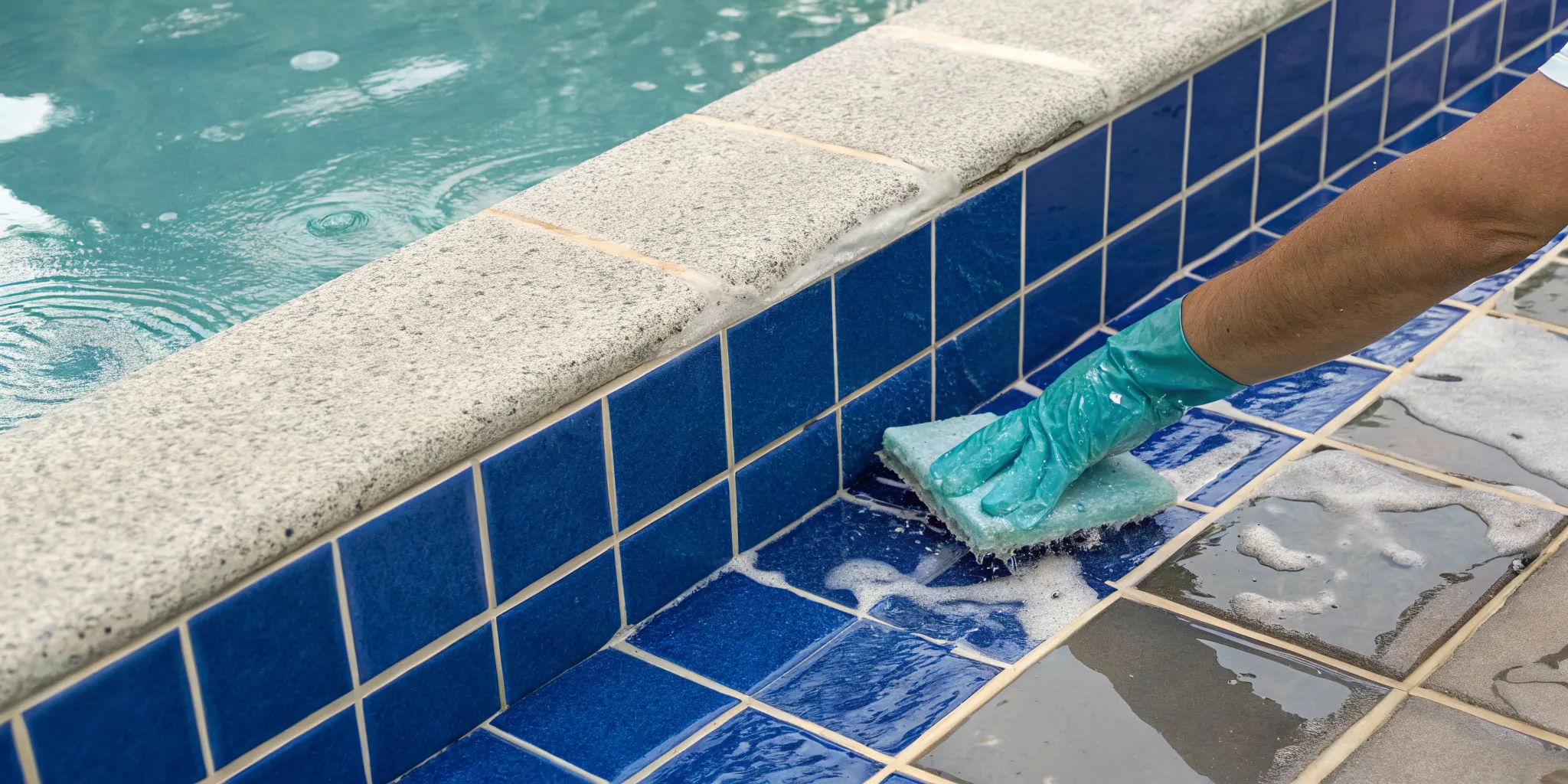
An acid wash is much more involved than your weekly pool cleaning. The process involves draining the pool completely, which is the first major step. Once empty, our certified technicians apply a carefully balanced acid solution to the walls and floor, scrubbing away the stained and mineral-crusted top layer. This is followed by a thorough rinse to neutralize the acid and wash away all the residue. Finally, we begin refilling your pool with fresh, clean water. Because this job requires handling potent chemicals and specialized equipment, it’s one that’s best left to the pros. An improper acid wash can seriously harm your pool's surface, so having an experienced team is essential for getting it right.
Telltale Signs Your Pool Needs an Acid Wash
How do you know it’s time for such a deep clean? There are a few clear signs. If your pool water turned a swampy green or even black after an improper winter closing—a common issue with Colorado’s harsh winters—an acid wash can help. Another indicator is when a pool has been sitting stagnant for a long time, leading to significant algae blooms and stubborn stains on the plaster. Essentially, if the water is so murky that you can't see the bottom of the pool or if stains remain after repeated brushing and chemical treatments, it’s a strong signal that a more powerful solution is needed. It’s the go-to fix when standard cleaning and maintenance just isn't cutting it anymore.
How Often Should You Acid Wash Your Pool?
An acid wash isn't a yearly task. Since it removes a layer of your pool’s surface, you only want to do it when absolutely necessary to preserve the integrity of the plaster. For most pools, a good rule of thumb is to consider an acid wash every five to seven years. It’s often recommended to acid wash your pool every other time you drain it for a refill, which typically happens every few years to manage total dissolved solids (TDS). Think of it as a periodic reset for your pool’s appearance. A professional can assess your pool’s condition and let you know if the time is right, helping you extend the life of your pool’s finish while keeping it looking its best.
What to Expect for a Pool Acid Wash Service
When you book a pool acid wash, you’re scheduling a detailed and intensive cleaning process. A professional technician will drain your pool completely, take extensive safety precautions, and then carefully apply a muriatic acid solution to strip away a thin layer of your pool’s plaster. This reveals a fresh, clean surface underneath. Understanding the key steps and variables will help you know what to expect when you get a quote and when the team arrives at your home.
How Pool Size Influences the Scope of Work
The single biggest factor that determines the scope of an acid wash is the size of your pool. Since the entire surface needs to be treated, a larger pool requires more time, more materials, and more labor. Professionals often estimate the work on a per-square-foot basis. For example, a small 10x20 ft pool might have a service quote between $240 and $350, while a large 20x40 ft pool could range from $670 to $1,000. The shape and depth also play a role, as pools with intricate designs or deep ends require more attention to detail to ensure even results.
Professional Service vs. a DIY Approach
While it might be tempting to tackle an acid wash yourself to save some money, this is one job where the risks can far outweigh the rewards. Acid washing is a harsh cleaning method that involves dangerous chemicals and specific procedures. The most catastrophic risk is the pool "popping" or lifting out of the ground once it's empty, which can happen due to groundwater pressure. This kind of damage is often irreparable, meaning you’d need a complete pool rehabilitation. A professional service has the expertise and equipment to manage these risks, ensuring the job is done safely and effectively.
Why a Local Colorado Pro Matters
Hiring a professional is smart, but hiring a local Colorado pro is even smarter. A team that understands our state’s specific climate and soil conditions is better equipped to handle the challenges of draining a pool safely. Before you hire anyone, confirm they have current liability insurance. This is non-negotiable. If the worst-case scenario happens and your pool lifts from the ground, their insurance should cover the replacement. A local Colorado team will provide a transparent quote and has the regional expertise to protect your investment, giving you peace of mind from start to finish.
Key Factors That Affect Your Acid Wash Quote
When you request a quote for a pool acid wash, the number you get back isn’t pulled out of thin air. Several key factors come into play, from the state of your pool to the time of year you schedule the service. Understanding these elements will help you make sense of your estimate and plan accordingly. A professional will always assess these factors before providing a final quote, ensuring the job is done right for your specific pool.
Your Pool's Current Condition and Stains
The biggest variable in any acid wash quote is the current condition of your pool. A pool with minor, faint discoloration requires a different level of effort than one battling years of stubborn, deep-set algae or mineral stains. The more intensive the staining, the more work and materials are needed to restore the surface. This is why you might see a wide range in cost for acid washing services. A technician will evaluate the severity and type of stains to determine the right approach and give you an accurate estimate for bringing your pool back to its former glory.
The Type of Pool Surface
Not every pool is a candidate for an acid wash. The treatment is highly effective but also aggressive, making it suitable only for certain surface types. Generally, acid washing is safe for durable surfaces like plaster, quartz, and pebble finishes. However, you should never acid wash a pool with a vinyl liner, fiberglass shell, or painted surface, as the acid will cause irreversible damage. An experienced Colorado pool technician can easily identify your pool’s material and confirm if an acid wash is a safe and effective solution for you, or if another cleaning method would be a better fit.
Bundling Other Services and Repairs
Since an acid wash requires completely draining your pool, it presents a perfect opportunity to tackle other maintenance tasks. Think about any small issues you’ve been putting off. Is there a crack that needs attention, a light that’s out, or tile that could use an update? Bundling these equipment repairs and servicing tasks with your acid wash can be more efficient and cost-effective than scheduling separate appointments. You save time and hassle by getting everything done while the pool is empty, ensuring it’s in top shape when it’s refilled and ready for swimming.
The Time of Year
Just like with many home services, timing can influence the cost of an acid wash. The peak summer season is the busiest time for pool professionals in Colorado. If you can, consider scheduling your service during the off-season, like in the early spring before you open your pool or in the fall as you’re closing it down. During these less busy periods, you may find more scheduling flexibility. Planning ahead and booking your acid wash during a quieter time of year is a great way to get your pool looking its best for the upcoming season.
Understand the Risks and Alternatives
An acid wash can feel like a magic eraser for stubborn pool stains, but it’s an aggressive process that isn’t always the right answer. Before you commit, it’s important to understand the potential downsides and explore other options. This isn’t just about getting your pool clean; it’s about protecting your investment for the long haul. Making an informed decision now can save you from costly headaches later.
Think of it as a last resort, not a routine cleaning method. By weighing the risks and knowing the alternatives, you can choose the best path forward for your pool’s health and appearance.
Protecting Your Pool's Surface from Damage
It’s easy to think of an acid wash as a deep clean, but it’s more accurate to call it a stripping process. The acid doesn’t just lift stains; it removes the top layer of your pool’s plaster or pebble finish. This is why the surface looks so bright and new afterward.
However, this process can shorten the life of your pool’s surface. Each acid wash makes the finish a little thinner, which can eventually lead to cracking and other deterioration. If done too often or improperly, you might find yourself needing a full remodel or rehab sooner than you expected. It’s a powerful tool, but one that should be used sparingly and only when absolutely necessary.
Handling Chemicals Safely
The primary chemical used in an acid wash is muriatic acid, a hazardous substance that demands respect. It can cause severe skin burns, eye damage, and respiratory problems if inhaled. This is not a typical DIY project. Handling these chemicals requires specific protective gear, including gloves, goggles, and respirators, along with proper training on dilution, application, and disposal.
A professional technician understands how to manage these risks safely. They also know how to neutralize the pool water correctly after the wash to ensure it’s safe for your family to swim in again. When dealing with such potent supplies and chemicals, leaving the job to a certified expert is always the safest bet.
Explore Other Cleaning Methods
Because acid washing is such a harsh method, it’s worth looking into gentler alternatives first. Many stains, especially those caused by organic materials or metals, can be treated with targeted chemical solutions that don’t require draining the pool or stripping its surface. These treatments can often be integrated into a regular cleaning and maintenance plan.
For example, some treatments use chelating agents to lift metallic stains from the surface without any acid. Before you jump to a full acid wash, ask a pool care professional if a less invasive stain removal treatment could solve the problem. You might be surprised by what can be accomplished without such an extreme measure.
Know When to Skip the Acid Wash
An acid wash is really only necessary for severe, widespread staining that covers most of the pool’s surface. If you have a few isolated spots, a targeted treatment is a much better option. You should only consider an acid wash when the water is so murky you can’t see the bottom or if you’re dealing with a major algae bloom that has deeply stained the plaster.
While some suggest an acid wash every five years or so, it’s not a one-size-fits-all schedule. A well-maintained pool may never need one. If you’re unsure, it’s best to get a professional opinion. Sometimes, what appears to be a stain could be a sign of an issue that requires equipment repairs rather than a chemical treatment.
Maintain Your Pool to Avoid Future Acid Washes
An acid wash is a powerful tool for restoring a stained and neglected pool, but it’s not something you should need often. Think of it as a last resort rather than routine upkeep. The best way to handle a potential acid wash is to prevent the need for one altogether. With a consistent care strategy, you can keep your pool surfaces looking fresh for years, saving you from the hassle and expense of this intensive cleaning process. It all comes down to being proactive and treating your pool with regular, gentle care.
Adopt a Proactive Maintenance Plan
The secret to avoiding an acid wash is simple: don’t let your pool get to a state where it needs one. An acid wash is only necessary when stains and algae have become so severe that you can’t see the bottom of your pool. A proactive cleaning and maintenance plan stops these issues before they start. By regularly addressing small problems, you prevent the kind of widespread buildup that requires a harsh chemical treatment. Staying ahead of algae growth and water imbalances means your pool stays sparkling clean without the need for a major overhaul.
Partner with a Colorado Pool Professional
Let’s be honest—maintaining a pool can feel like a part-time job. Partnering with a professional team is one of the smartest moves you can make. A local Colorado expert understands how our unique climate affects your pool’s chemistry and equipment. A trained technician can spot subtle signs of trouble you might miss, from early-stage algae to mineral deposits. Having a pro handle your pool care ensures everything is done correctly, preventing the costly problems that lead to an acid wash. It’s an investment in your peace of mind and the long-term health of your pool.
Stick to a Regular Cleaning Schedule
Consistency is your best friend in pool care. While some sources suggest an acid wash every five years or so, you can often extend that timeline or avoid it completely with a steady cleaning routine. This means regularly skimming leaves and debris, brushing the walls and steps to dislodge dirt, and vacuuming the pool floor. This simple schedule prevents grime from setting into the plaster and creating stubborn stains. A clean pool is a healthy pool, and dedicating a little time each week to these tasks makes a huge difference in keeping your water clear and inviting.
Keep Your Pool Chemicals Balanced
Proper water chemistry is the foundation of a healthy pool. When your pool’s pH, alkalinity, and sanitizer levels are off, you’re creating the perfect environment for algae, stains, and mineral buildup. These are the exact issues that an acid wash is designed to fix. Regularly testing your water and adding the right supplies and chemicals keeps these problems at bay. Balanced water not only looks and feels better but also protects your pool surfaces from damage. It’s the most effective way to prevent the kind of buildup that would make you consider an acid wash in the first place.
Frequently Asked Questions
How long does a professional acid wash typically take? An acid wash is a multi-day process. The timeline depends on the size of your pool, but you should plan for at least two to three days from start to finish. Draining the pool and refilling it are the most time-consuming steps. The actual acid application and scrubbing happen in between, but the entire sequence requires patience to ensure it's done correctly and safely.
Will an acid wash make my pool look brand new? It will make a dramatic difference, revealing a much brighter and cleaner surface that can look close to new. However, it's important to think of it as a restoration, not a replacement. An acid wash is fantastic for removing stubborn algae stains and mineral deposits, but it won't fix underlying structural issues like cracks or deep plaster erosion.
Is it really that dangerous to do an acid wash myself? Yes, this is one project you should not attempt on your own. You're working with hazardous chemicals that can cause serious injury without proper protective gear and training. More importantly, an empty pool is at risk of "popping" out of the ground from groundwater pressure, which can cause irreparable damage. A professional has the right equipment and insurance to manage these risks safely.
What's the first step if I think my pool needs an acid wash? The best first step is to schedule a professional consultation. A trained technician can properly assess the stains and the overall condition of your pool's surface. They can confirm if an acid wash is truly the best solution or if a less invasive treatment could solve the problem, saving you from an unnecessarily aggressive procedure.
If I have a vinyl or fiberglass pool, what are my options for deep cleaning? Since acid is far too harsh for vinyl or fiberglass surfaces, deep cleaning for these pools requires a different approach. The process often still involves draining the pool, but we use specialized, surface-safe cleaners to scrub away grime and treat stains. We can help you find the right method to restore your pool's appearance without causing any damage.
Related Blogs