%201.png)
My Pool Water Is Green: How Do I Fix It?
Owning a pool in Colorado is fantastic, but our unique environment presents specific challenges. The strong sun burns through chlorine, afternoon thunderstorms dilute your chemicals, and wind blows in debris that feeds algae. All these factors can quickly turn your beautiful pool into a green mess. When this happens, your first thought is likely, “my pool water is green how do i fix it, and fast!” As local experts, we understand these regional struggles. This guide is designed to help Colorado pool owners like you fight back against algae with a proven, step-by-step method. We’ll cover everything from initial treatment to long-term prevention strategies tailored to our climate, ensuring you can enjoy clear water all season long.
Key Takeaways
- Identify the Root Cause First: A green pool is a symptom, not the core problem. It's almost always caused by an algae bloom, which thrives when your water circulation is poor or your chemical balance, especially chlorine and pH, is off.
- Follow a Step-by-Step Recovery Plan: To clear up green water effectively, you must follow a specific order. Start by physically cleaning out debris, then balance your water chemistry, shock the pool to kill the algae, and finally, run your filter continuously to remove the dead particles.
- Prevention is All About Consistency: The best way to avoid a green pool is through a simple weekly routine. Consistently testing your water, running your filter for 8 to 12 hours daily, and brushing the pool surfaces will keep your water clear all season.
Why Is My Pool Green?
Walking out to your backyard and seeing a green pool instead of a sparkling blue oasis can be a real shock. It’s a common problem, but it’s also a clear signal that something is off balance. The green hue is almost always caused by algae, which are tiny plant-like organisms that can multiply with astonishing speed when conditions are right. Think of your pool as a tiny ecosystem; when one part is out of sync, it can throw the whole thing off, turning your relaxing retreat into a swampy mess.
The most common culprits behind an algae bloom are poor circulation, imbalanced water chemistry, or a combination of both. When your pump isn't running long enough or your filter is clogged, the water becomes stagnant, creating a perfect breeding ground for algae. At the same time, if your chlorine levels are too low or your pH is too high, the sanitizer can't do its job effectively. It's a frustrating cycle, but the good news is that it's fixable. Understanding what causes the green is the first step to getting your crystal-clear water back and keeping it that way. Below, we'll break down the main reasons your pool might be turning green so you can identify the root cause and take action.
Algae Blooms and Poor Circulation
The number one reason for a green pool is an algae bloom. These microscopic plants thrive in water, and when they get enough food (from debris like leaves and dirt) and sunlight, they can take over your pool seemingly overnight. If your pool water isn't moving properly, you're essentially rolling out the welcome mat for algae. Stagnant water allows algae spores to settle and grow without being pushed through the filtration system. A healthy pool needs constant circulation to distribute chemicals evenly and filter out contaminants. If your pump is weak or your filter is dirty, it can’t keep up, leading to cloudy, green water. This is often a sign you may need professional equipment repairs or servicing to get things flowing correctly again.
Imbalanced Water Chemistry
Your pool's chemistry is a delicate balancing act. Chlorine is the primary defense against algae, but it only works effectively when other chemical levels are in the right range. If your free chlorine level drops too low, there isn't enough sanitizer to kill off the algae spores as they enter the pool. Another key factor is the pH level. When the pH climbs too high (above 7.6), it dramatically reduces chlorine's effectiveness. You could have plenty of chlorine in the water, but if the pH is off, that chlorine won't be able to do its job. This is why consistent water testing and balancing are so important for preventing a green pool takeover. Regular cleaning and maintenance can keep these levels in check.
Colorado's Unique Environmental Factors
Here in Colorado, our environment plays a big role in pool care. Our intense sun can burn through chlorine quickly, leaving your pool unprotected against algae, especially during hot summer days. Sudden afternoon thunderstorms can also cause problems by dumping large amounts of rainwater into your pool, which dilutes your chemicals and introduces organic contaminants. Wind can blow leaves, pollen, and dirt into the water, providing a feast for algae to grow. All these local factors mean that what works for a pool in another state might not be enough here. Staying on top of skimming, vacuuming, and chemical balancing is essential to combat the specific challenges our beautiful Colorado weather throws at us.
Assess the Severity of Your Green Pool
Before you start treating your pool, you need to figure out exactly what you’re dealing with. A green pool isn't a one-size-fits-all problem; the specific shade of green, your water chemistry, and the state of your equipment all tell a story. Taking a few minutes to assess the situation will save you time, money, and frustration. Think of it as a quick diagnosis before you write the prescription. By understanding the root cause, you can choose the right course of action to get your water back to being crystal clear. We’ll walk through the three key areas you need to check: the water’s color, its chemical balance, and your filtration system.
Determine the Shade of Green
The color of your pool is your first and most obvious clue. A light, minty green usually signals an early-stage problem. This is often the easiest to fix. If your pool has turned a murky, darker green, you’re looking at a more established algae bloom that will require more effort. The primary reason for this green tint is the presence of swimming pool green algae, which are microscopic plants that can multiply quickly. A very dark, almost black-green color means you have a severe, long-standing issue on your hands. This "swamp" stage indicates a major algae infestation that needs an aggressive treatment plan.
Test Your Water's Chemistry
Algae thrives when your pool’s chemistry is out of whack. Grab a reliable water testing kit to check your levels. The most common culprits behind green water are low chlorine levels and a high pH (anything over 7.8). Chlorine is essential for killing algae and other contaminants, but it becomes less effective as the pH rises. It’s a double whammy that creates the perfect environment for an algae bloom. Testing will tell you exactly which levels need adjusting. If you find you’re low on the essentials, we can help you find the right supplies and chemicals to restore balance.
Evaluate Your Pool Equipment
Your pool’s pump and filter are the heart of its circulation system. If they aren’t working correctly, your water can’t stay clean, no matter how many chemicals you add. First, check if your filter is dirty or clogged, as this can seriously restrict water flow. Make sure your pump is running for an adequate amount of time each day, typically 8 to 12 hours, to fully circulate the water. Listen for any strange noises or look for leaks. If you suspect a problem with your pump or filter that a simple cleaning can't fix, it might be time for professional equipment repairs and servicing.
Your Step-by-Step Guide to a Clear Pool
Ready to reclaim your pool from the green monster? Tackling algae might seem like a huge job, but it’s completely manageable when you follow a clear plan. Think of it as a rescue mission for your backyard oasis. By working through these steps methodically, you’ll address the root of the problem and get your water back to being crystal clear and inviting. Let’s walk through the process together, one step at a time.
Step 1: Skim Debris and Brush Surfaces
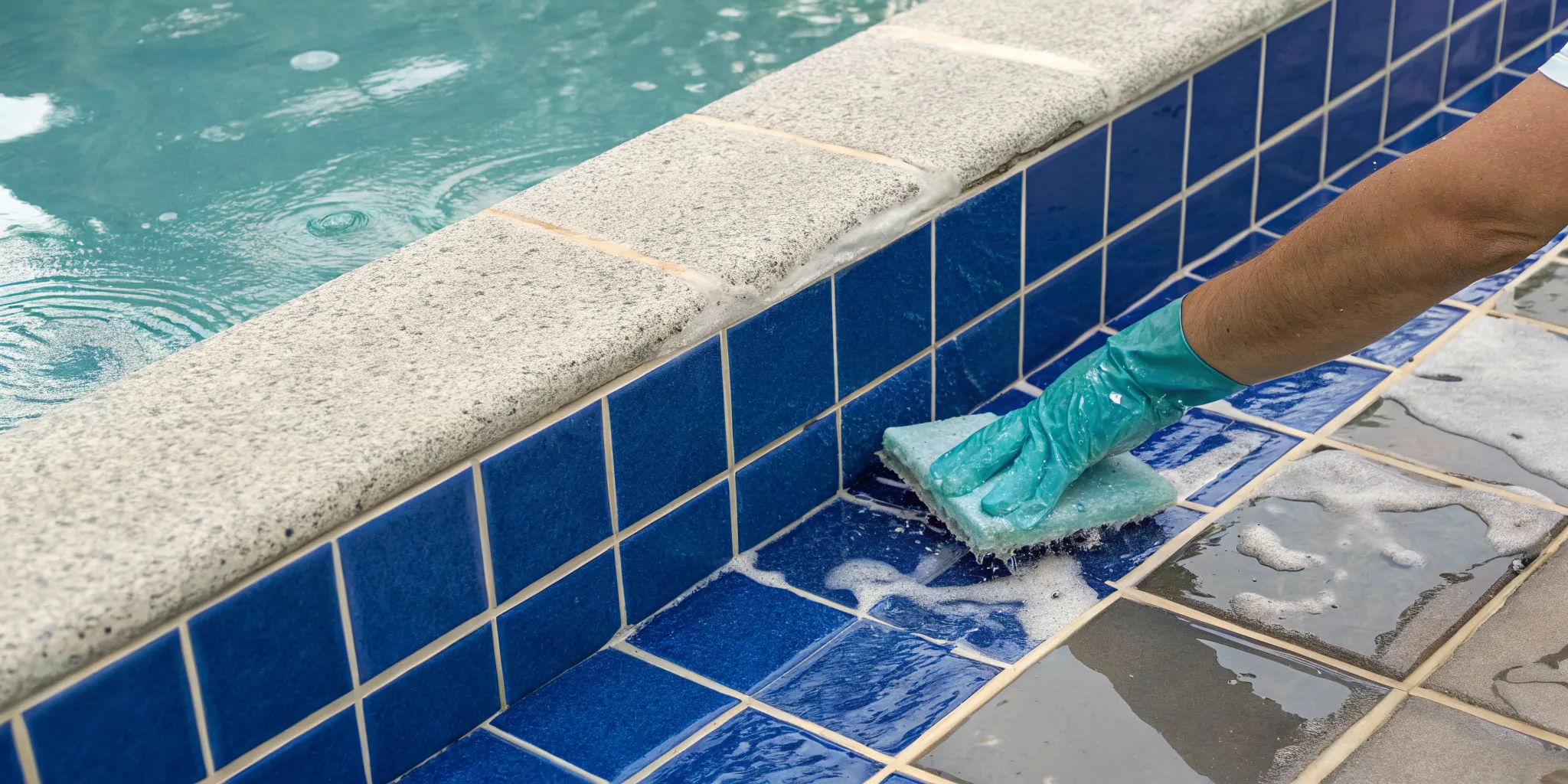
First things first, grab your skimmer and pole. You need to remove all the floating leaves, twigs, and other debris from the water's surface. This stuff is basically food for algae, so getting it out is a critical first move. Next, use a good pool brush to scrub the walls, steps, and floor. This action dislodges the stubborn algae clinging to the surfaces, pushing it into the water where your chemicals and filter can take care of it. Be thorough and put some muscle into it, especially in corners and on steps where algae loves to hide. If you have a lot of sunken debris, manually vacuum the pool to waste to get it out completely.
Step 2: Clean Your Filter System
Your pool filter is the hero of this story, but it can’t do its job if it’s clogged with gunk. A dirty filter will struggle to remove the dead algae and other contaminants you’re about to stir up. Whether you have a sand, cartridge, or DE filter, give it a thorough cleaning or backwash according to the manufacturer’s instructions. This ensures your system has maximum power to clear the cloudy, green water after you treat it. If your filter seems sluggish, is making strange noises, or isn't clearing the water effectively after cleaning, it might be a sign that you need professional equipment repairs to get it back in top shape.
Step 3: Balance pH and Alkalinity
Before you add any shock treatment, you have to test and balance your water chemistry. This step is non-negotiable. If your pH is too high, chlorine becomes much less effective, meaning you’ll waste time and money without seeing results. Use a reliable test kit to check your levels. You’re aiming for a pH between 7.2 and 7.6 and total alkalinity between 80 and 120 parts per million. Adjust as needed using the right supplies and chemicals to create the perfect environment for the chlorine shock to work its magic. Properly balanced water is the foundation for every other treatment you do, so don’t skip this.
Step 4: Shock the Water
Now it’s time for the main event: shocking the pool. This process involves adding a large dose of chlorine to the water to kill the algae and sanitize your pool. The amount of shock you’ll need depends on how green your water is, so always read the product label carefully for the correct dosage. It’s best to shock your pool in the evening or at night, as the sun's UV rays can burn off the chlorine before it has a chance to fully work. Distribute the shock evenly around the pool, and be prepared for the water to look cloudy or even worse before it gets better. This is a normal part of the process.
Step 5: Run the Filter Continuously
Once you’ve shocked the pool, your filter needs to take over. Run your pump and filter system continuously for at least 24 hours, or until the water is clear. The shock kills the algae, but the filter is what physically removes the dead particles from the water. Don’t be surprised if this takes a few days for a particularly bad algae bloom. Keep an eye on your filter’s pressure gauge; if it rises significantly, you’ll need to clean or backwash it again to keep it working efficiently. Patience is key here. Continuous filtration is what will restore that beautiful sparkle to your pool water.
What to Do If Your Pool Is Still Green
It can be incredibly frustrating when you’ve followed all the steps and your pool still looks more like a pond. If you’ve shocked your pool and are still seeing green, don’t lose hope. Often, a stubborn green pool just needs a more persistent approach or a closer look at less obvious culprits. Before you get overwhelmed, let’s walk through a few troubleshooting steps that can help you pinpoint the problem and finally get your water back to a sparkling blue. This isn't the end of the road; it's just a detour.
Common Mistakes to Avoid
When you’re staring at green water, it’s tempting to throw every chemical you have at the problem. This is one of the most common mistakes pool owners make. Randomly adding chemicals without knowing the underlying issue can waste money and might even create new problems, like staining or equipment damage. Instead of guessing, take a step back and re-test your water. Understanding your current chemical levels is the only way to know what your pool actually needs. Getting the right supplies and chemicals is much more effective than a trial-and-error approach.
Revisiting Shock Treatments
Sometimes, one round of shock just isn’t enough to defeat a serious algae bloom. If your pool is still green 24 hours after the first treatment, you’ll likely need to do it again. For very green or murky pools, you may need to maintain a high chlorine level for several days to fully kill off all the algae. This means adding shock multiple times over a few days while continuing to run your filter. It’s a process that requires patience, but consistently keeping the chlorine level high is key to winning the battle against a stubborn algae infestation.
Check for Metals and Equipment Failure
If your water is a clear green, the issue might not be algae at all. High concentrations of metals, particularly copper, can react with chlorine and turn the water a distinct shade of green. This is a common issue if you use a copper-based algaecide or have copper pipes in your system. Another potential problem is your filter. If your filter is clogged, dirty, or not working correctly, it can’t remove the dead algae particles from the water, leaving it cloudy and green. It’s always a good idea to check your equipment, and if you suspect an issue, professional equipment repairs can get your system running properly again.
When to Call for Professional Help
You’ve done everything right: you’ve balanced the chemicals, shocked the pool multiple times, and cleaned your filter, but the water is still stubbornly green. If you’ve been fighting the algae for a week or more with no improvement, it’s time to call for backup. A persistent green pool can signal a more complex issue that requires a professional eye. Our team has seen it all here in Colorado and can quickly diagnose the problem, saving you time, money, and stress. Our cleaning and maintenance services are designed to handle even the toughest pool problems, so you can get back to enjoying your summer.
How to Prevent a Green Pool in the Future
Once you’ve restored your pool to its sparkling blue state, the last thing you want is a repeat performance. The good news is that preventing a green pool is much easier than treating one. It all comes down to consistent, proactive care. By building a simple routine, you can keep your water balanced, your equipment running smoothly, and algae out of the picture for good. Think of it as a small investment of time each week to guarantee a season full of crystal-clear water. This isn't about adding complicated chores to your list; it's about creating simple habits that become second nature.
A little prevention goes a long way, especially here in Colorado where our weather can change in an instant. Staying on top of your pool’s health means you can spend less time troubleshooting problems and more time actually enjoying your backyard oasis. These simple habits will help you maintain a healthy swimming environment and avoid the frustration of waking up to a green pool. From regular water testing to keeping an eye on your filter, each step plays a crucial role in the overall health of your pool. Let's walk through the key practices that will keep your water inviting all season long.
Commit to Weekly Water Testing
Think of weekly water testing as a regular health check-up for your pool. It’s the single most effective thing you can do to prevent algae. When your water chemistry is balanced, it creates an environment where algae simply can’t thrive. Each week, test your water for pH, alkalinity, and sanitizer (chlorine) levels. Keeping these within their ideal ranges ensures your chlorine is working effectively to kill contaminants. You can find reliable test kits and all the necessary balancing supplies and chemicals to make this a quick and easy part of your routine.
Establish a Filtration Schedule
Your pool’s filter is its hardest-working component, responsible for removing the dirt, debris, and microscopic particles that algae love to eat. For it to do its job, it needs to run long enough each day, typically 8 to 12 hours. Just as important is keeping the filter itself clean. A clogged filter can’t circulate water effectively, leading to stagnant spots where algae can take hold. Whether you have a sand, cartridge, or DE filter, make sure you’re cleaning it regularly as part of your cleaning and maintenance schedule to ensure a constant flow of clean, clear water.
Use Algaecide and Clean Regularly
While chlorine is your primary defense, a quality algaecide is your backup. Using a preventative dose of algaecide each week adds another layer of protection, stopping algae spores before they can bloom. Combine this chemical prevention with physical cleaning. Make it a habit to brush your pool’s walls and floor weekly, which dislodges any stubborn, unseen algae. Regular vacuuming removes the sediment and organic debris that settles on the bottom. If your automatic cleaner isn't doing the job, it might be time to check for any needed repairs.
Prepare for Colorado's Changing Seasons
Living in Colorado means dealing with unique environmental challenges. Our intense summer sun can burn through chlorine quickly, while sudden afternoon thunderstorms can dump rain and debris into your pool, throwing off its pH balance in minutes. High winds can also fill your pool with algae-feeding pollen and dirt. Being mindful of the weather is key. After a heavy rainstorm or a particularly hot, sunny stretch, it’s wise to test your water and add chemicals as needed. A durable pool cover can also be a great investment to protect your pool from the elements, a project we can help with during any remodels and rehabs.
Frequently Asked Questions
How long will it take to clear my green pool? The timeline really depends on how green the water is. A light, mint-green pool might clear up in a day or two with proper treatment and continuous filtration. If you're dealing with a dark green, swampy situation, you should plan for it to take anywhere from three to five days, or possibly even longer. The key is patience and consistency with running your filter and maintaining high chlorine levels until the water is clear again.
Is it actually unsafe to swim in a green pool? I would strongly advise against it. The green color comes from algae, which can be a breeding ground for harmful bacteria like E. coli. Beyond that, the cloudy water creates a serious safety risk because you can't see the bottom of the pool. It's always best to wait until the water is completely clear and the chemical levels are balanced before anyone gets back in.
My pool was fine yesterday. Why did it turn green so fast? It’s surprising how quickly an algae bloom can happen. Algae spores are always present, just waiting for the right conditions to multiply. All it takes is a few hours of low chlorine on a hot, sunny day or a sudden Colorado thunderstorm that throws off your water chemistry. Once conditions are favorable, algae can reproduce at an explosive rate, turning a clear pool green seemingly overnight.
Do I really have to brush the pool, or can I just shock it? Yes, you absolutely have to brush it. Think of algae as having a protective shell. Brushing the walls and floor of your pool physically breaks down this barrier and knocks the algae into the water. This action allows the chlorine shock to work directly on the algae, killing it much more effectively. If you skip the brushing, the shock won't be nearly as successful, and you'll be fighting the problem for much longer.
Can I just use an algaecide instead of shocking the pool? While algaecide is a fantastic preventative tool, it isn't designed to fix an existing algae bloom. For a full-blown green pool, you need the powerful sanitizing effect of a chlorine shock to kill the massive amount of algae present. Using only an algaecide on a green pool is often not strong enough to solve the problem and will just waste your time and money. Shock is for killing, while algaecide is for preventing.
Related Blogs