%201.png)
How to Remove Calcium Buildup on Pool Tile for Good
Owning a pool in Colorado is one of the best ways to enjoy our beautiful, sunny weather. But our local environment also presents unique challenges for pool care, chief among them being our hard water. This high mineral content is the main reason so many homeowners struggle with that persistent white scale along their waterline. It’s a constant battle against nature. This guide is written specifically for Colorado pool owners, offering practical advice that works with our local water conditions. We’ll break down exactly how to remove calcium buildup on pool tile and provide simple, effective strategies to keep it from returning, so you can spend less time on maintenance and more time enjoying your pool.
Key Takeaways
- Understand the culprits behind scale: The white film on your tiles is calcium buildup, which thrives in Colorado due to our hard water, unbalanced pool chemistry, and high evaporation rates working together.
- Start with DIY, but know when to call a pro: Light, flaky scale can often be removed with simple solutions like vinegar or a pumice stone. If the buildup is thick and stubborn, professional techniques are necessary to safely restore your tiles without causing damage.
- Make prevention a simple routine: Keeping scale away is easier than removing it. Consistently balance your water chemistry, brush your tiles weekly to stop buildup before it starts, and consider using a sequestering agent to keep minerals dissolved.
Why Is There White Scale on My Pool Tiles?
If you’ve noticed a stubborn, chalky white line creeping along your pool’s waterline, you’re not alone. That crusty buildup is calcium scale, and it’s one of the most common frustrations for pool owners, especially here in Colorado. It can make even the most beautiful tiles look dull and neglected, turning your backyard oasis into a bit of an eyesore. But before you start scrubbing with all your might, it helps to know what you’re up against and why it keeps coming back.
That white scale is more than just a surface stain; it’s a mineral deposit that clings tightly to your tiles, almost like cement. The good news is that it’s treatable and, even better, preventable once you understand the root cause. The problem usually comes down to a combination of three factors: our local water, your pool's chemical balance, and simple evaporation. Each one plays a role in creating that unsightly buildup. Understanding how they work together is the first step toward getting rid of scale for good and keeping your pool looking its best all season long. Let’s break down each of these culprits.
Understanding Colorado's Hard Water
One of the main reasons you see scale on your pool tiles is Colorado's naturally hard water. "Hard water" simply means it has a high mineral content, particularly calcium carbonate. When the water in your pool evaporates under the sun, those minerals get left behind. Over time, they build up on your pool surfaces, creating that distinct white, crusty layer. This process is similar to the white spots you might see on your shower door or faucets. Because our water source is rich in these minerals, local pool owners are in a constant battle against scale. While you can't change the water coming from your tap, you can manage its effects in your pool with the right cleaning and maintenance routine.
The Impact of Unbalanced Pool Chemistry
Your pool’s water chemistry is a delicate balancing act, and when it’s off, calcium scale is often one of the first signs. High pH levels, high alkalinity, or excessive calcium hardness can cause the dissolved minerals in the water to solidify and cling to your tiles. Think of it like sweet tea: if you add too much sugar, it stops dissolving and just sinks to the bottom. When your pool’s pH is too high, calcium is less soluble and more likely to form scale. Regularly testing your water and using the correct supplies and chemicals is essential to keep everything in balance. Maintaining the right chemical levels not only prevents scale but also ensures your sanitizer works effectively and the water is comfortable for swimmers.
How Water Evaporation Contributes to Buildup
Evaporation is a key part of the scaling equation, especially along the waterline. As the water level in your pool drops, the minerals dissolved in it are left behind on the tile surface. Colorado’s dry air and intense sun can speed up this process, making the waterline a prime spot for heavy calcium deposits. This is why you’ll almost always see the thickest, most stubborn scale right where the water meets the air. Each time the water evaporates, another micro-layer of minerals is deposited, creating a tough, layered buildup that can be difficult to remove. Consistent brushing and proper water care are your best defenses against this relentless cycle, which is a core part of our professional spa services and pool care.
How to Spot Calcium Buildup
Before you can tackle that stubborn white line on your pool tiles, you need to be sure you know what you're dealing with. Calcium buildup is a common headache for pool owners, especially here in Colorado, but spotting it early makes it much easier to manage. Let's walk through how to identify calcium scale by sight and touch, and how to tell if you have a simple surface issue or something a bit more stubborn.
What to Look and Feel For
The most obvious sign of calcium buildup is a white or grayish-white, crusty line along your pool's waterline. This happens because as water evaporates, it leaves calcium deposits behind. Run your hand over the tile (carefully!). Does it feel rough, gritty, or like sandpaper? That's scale. It can range from a light, flaky film to a thick, hard crust. You might also see it on other surfaces like your pool ladder or even inside your plumbing if the problem is advanced. Regular cleaning and maintenance is the best way to catch these deposits before they get out of control and become a much bigger project.
Is It Calcium or Another Type of Stain?
Not all calcium scale is created equal. The most common type is calcium carbonate, which appears as white, flaky crystals. While it's an eyesore, it's usually the easier of the two to remove. The tougher culprit is calcium silicate. This type of scale is grayish-white or even gray, and it feels much harder and more solid. It forms over a longer period and can bond tightly with your pool surfaces. If you've tried scrubbing and the deposit won't budge, you're likely dealing with calcium silicate. This stubborn scale often requires professional tools and expertise to remove without damaging your tiles, sometimes as part of a larger pool refurbishment.
DIY Ways to Remove Calcium Scale
If you've caught the calcium buildup early, you can often tackle it yourself with some common household items. These methods are best for light to moderate scaling. Before you start, lower your pool's water level a few inches below the tiles to give yourself a dry work surface. Always test any cleaning solution on a small, hidden area first to ensure it doesn't damage your tile.
Try a Vinegar Solution
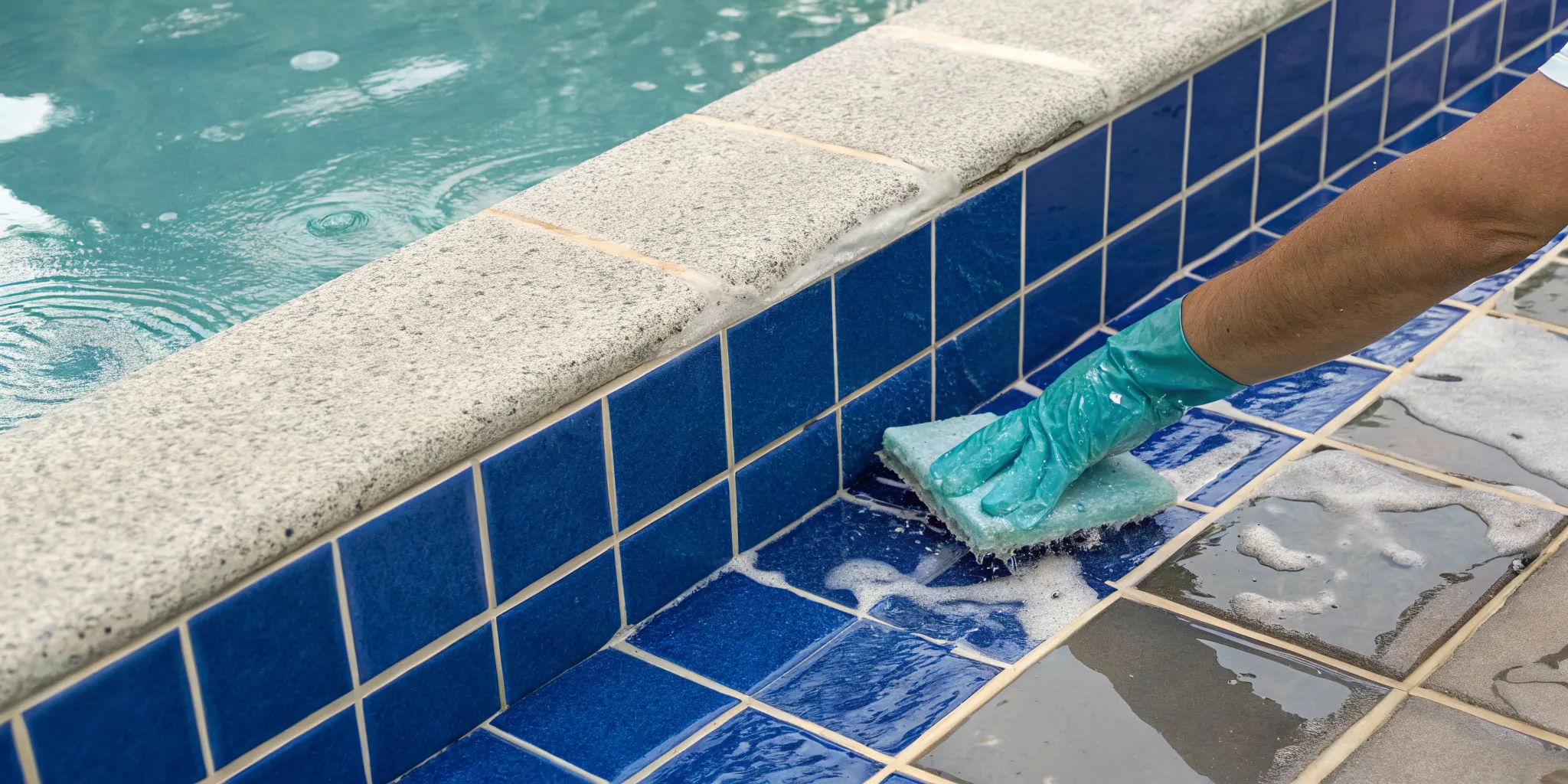
One of the simplest home remedies involves white vinegar. Its natural acidity is great for dissolving calcium deposits without harsh chemicals. In a spray bottle, mix equal parts white vinegar and water and apply it directly to the tile. Let the solution sit for at least 15 minutes to give it time to work on the buildup. After it has soaked, use a stiff, nylon-bristled brush to scrub the scale away. You may need to repeat the process for stubborn spots, but it’s a gentle first step in restoring your tile’s shine. Rinse the area with pool water when you're done.
Scrub with a Pumice Stone
For buildup that vinegar can't handle, a pumice stone is a great tool. Use one specifically designed for pools, as it’s soft enough not to scratch most tile. Before you begin, wet both the stone and the tile thoroughly to prevent scratches. Using gentle, circular motions, work on the calcium deposits until they break apart. A pumice stone provides extra abrasive power for tougher scale, but be careful around grout lines. This is a reliable method for cleaning pool tile and removing stubborn buildup.
Apply a Baking Soda Paste
If you’re looking for a mild abrasive, look no further than your kitchen pantry. Create a thick paste by mixing baking soda with a small amount of water until it has a toothpaste-like consistency. Apply this paste directly to the calcium scale and let it sit for about 10 to 15 minutes. Then, use a soft-bristled brush or a cloth to scrub the area gently. The baking soda helps lift deposits without being harsh on your tile, making it great for delicate surfaces. When you're finished, rinse the area thoroughly with fresh water to remove any residue.
Carefully Scrape with a Razor Blade
For the thickest layers of calcium, you may need a scraper. A plastic putty knife is a safe starting point, but a razor blade can carefully chip away at heavy buildup. Hold the blade at a low, 45-degree angle to the tile to avoid gouging the surface. The goal isn't to remove every bit of scale, but to scrape off the thickest parts. This makes it easier for other methods, like a vinegar solution, to penetrate the remaining layers. This step requires a steady hand and patience, so proceed with care and wear protective gloves.
Professional Methods for Tough Calcium Buildup
When DIY solutions don’t cut it, stubborn calcium scale calls for professional-grade tools and expertise. If you’re dealing with thick, hardened buildup, a trained technician has several ways to restore your tiles safely and effectively. These methods go beyond household cleaners and require specialized equipment and knowledge to get the job done without damaging your pool’s surfaces.
Using Professional-Grade Cleaners
Professionals have access to powerful, acid-based cleaning solutions that are formulated to dissolve tough calcium deposits quickly. Unlike store-bought cleaners, these chemicals are highly concentrated and must be handled with precision to avoid etching or discoloring your tiles. A trained technician knows exactly how to apply these cleaners and how long to leave them on for maximum effect. This expertise ensures the scale is removed while the tile underneath remains pristine. Our team is experienced in providing the right supplies and chemicals to tackle even the most persistent buildup.
Pressure Washing and Bead Blasting
For thick layers of calcium scale, sometimes a chemical approach isn’t enough. In these cases, professionals may use pressure washing or bead blasting. Pressure washing uses a high-pressure stream of water to physically break the scale off the tile. Bead blasting, also called media blasting, is a similar technique that adds a fine, gentle abrasive like glass beads or salt to the water stream. This method scours the calcium away without scratching the tile. Both techniques require careful control, as too much pressure can easily cause damage, which is why it’s a job best left to our cleaning and maintenance experts.
Advanced Cleaning Techniques
For the most severe cases of calcium buildup, professionals can turn to advanced techniques like soda blasting. This method is highly effective at removing stubborn scale that other methods can’t handle. It uses sodium bicarbonate (baking soda) propelled by compressed air to gently strip away the calcium deposits. It’s a non-destructive process that is safe for tile, grout, and the environment. This type of specialized service is often part of a larger remodel or rehabilitation project to bring a pool back to its former glory.
Why Pros Prioritize Safety
Working with strong acids and high-pressure equipment comes with risks. That’s why safety is a top priority for any professional pool service. Technicians always wear the proper personal protective equipment (PPE), including chemical-resistant gloves, eye protection, and sometimes respirators, especially when handling products like muriatic acid. They are trained to manage these materials responsibly to protect themselves, your family, and your property. When you hire a certified professional, you’re not just paying for the result; you’re investing in a safe and worry-free process.
How to Prevent Calcium Scale from Coming Back
Getting rid of calcium scale is a big win, and you definitely don’t want to do it all over again next season. The good news is that preventing scale is much easier than removing it. With a few consistent habits, you can keep your pool tiles looking clean and pristine. It all comes down to proactive care and staying on top of your pool’s chemistry and maintenance. Think of it as a simple routine that saves you from hours of future scrubbing.
Test and Balance Your Water Regularly
Your first line of defense against calcium buildup is balanced water. When your pool’s pH, alkalinity, and calcium hardness levels are where they should be, scale has a tough time forming. Make it a weekly habit to test your water. Colorado’s water is naturally hard, so paying close attention to calcium hardness is key. Keeping these levels in check prevents the minerals from coming out of the solution and sticking to your tiles. If you need help finding the right testing kits or balancing agents, we offer professional-grade supplies and chemicals to make the job easier.
Brush Your Tiles Weekly
This might be the simplest yet most effective tip. Set aside five minutes each week to brush the tiles along your pool’s waterline with a stiff pool brush. This quick scrub dislodges any tiny, invisible mineral deposits before they can get a foothold and build up into stubborn scale. It’s a small effort that makes a huge difference over the course of a pool season. Regular brushing is a core part of any effective cleaning and maintenance routine and helps maintain the overall health and appearance of your pool, not just the tiles.
Use a Water Softener or Sequestering Agent
Because we deal with hard water here in Colorado, sometimes you need a little extra help. A sequestering agent is a great tool to have in your arsenal. When added to your pool, this chemical compound binds to minerals like calcium and keeps them dissolved in the water, so they can’t deposit on your pool surfaces. You can add it when you first fill your pool and then maintain it with smaller doses throughout the season. For homes with extremely hard water, a whole-home water softener can also reduce the mineral content of the water you use to fill your pool.
Apply a Professional Tile Sealant
For the ultimate protection, consider having a professional apply a sealant to your pool tiles. A quality sealant creates an invisible, protective barrier over the tile and grout. This layer prevents water from making direct contact with the surface, which significantly reduces how much calcium can stick and build up. It’s a fantastic long-term solution that makes weekly cleaning easier and extends the life of your tile. This is a job best left to the pros to ensure it’s applied correctly, and it’s often a service included in pool remodels and rehabs.
Let Rocky Mountain Aquacare Handle It
While DIY solutions can work for light calcium spots, some buildup requires a professional touch. When you’re dealing with stubborn scale that just won’t budge, or you simply want to hand the task over to someone you trust, our team is here to help. We have the tools, expertise, and local knowledge to get your pool tiles looking pristine again and keep them that way.
When to Call in the Experts
If you’ve tried scrubbing and scraping with no luck, it’s probably time to call for backup. Thick, hard-to-remove scale is often calcium silicate, which is much tougher than the more common calcium carbonate. Trying to remove this yourself without the right equipment can easily lead to scratched or broken tiles. Our professional technicians use specialized tools, like bead blasters, to safely and effectively eliminate stubborn calcium deposits without damaging your pool’s surface. For extensive buildup, our remodels and rehabs service can restore your pool's original beauty. Don’t risk permanent damage; let an expert handle the heavy lifting.
The Benefits of Our Professional Pool Service
Keeping your pool water balanced is the best way to prevent future calcium problems. Our certified team at Rocky Mountain Aquacare provides consistent, reliable cleaning and maintenance to ensure your water stays healthy and inviting all year. We use high-grade products and detailed water chemistry management to protect your pool from algae, mineral buildup, and preventable mechanical wear. Properly balanced water isn’t just about looks; it’s about creating a safe, sparkling swimming environment. Every swim should feel clean and refreshing, and our goal is to make that a reality for you.
Pool Care Tailored for Colorado Homes
Living in Colorado means dealing with specific environmental factors that affect your pool. The white film you see on your tiles is usually calcium buildup, a direct result of our region's hard water, combined with unbalanced chemistry and high evaporation rates. Using the right supplies and chemicals is essential for effective cleaning that also protects your pool surfaces from damage. Our team understands the unique challenges of maintaining a pool in Colorado. We have the local expertise to diagnose issues quickly and apply the right solutions, ensuring your pool is cared for correctly.
Frequently Asked Questions
Is the white scale on my tiles harmful to swimmers or my pool? While calcium scale itself isn't harmful to swimmers, it can create a rough, abrasive surface that might scrape skin. The real danger is what the scale indicates: unbalanced water chemistry. This imbalance can reduce the effectiveness of your sanitizer, potentially allowing bacteria to grow. For your pool, heavy buildup can clog filters and damage equipment over time, leading to costly repairs.
How can I tell if I have the 'easy' scale or the 'tough' kind? The easiest way to tell the difference is by how it feels and reacts to cleaning. Calcium carbonate, the more common type, is often flaky and will usually respond to a vinegar solution or a good scrub with a pumice stone. If your buildup is grayish, feels extremely hard like concrete, and doesn't budge with simple scrubbing, you are likely dealing with calcium silicate, which requires professional removal methods.
Will a pool cover help reduce calcium buildup? Yes, using a pool cover can definitely help. One of the main reasons scale forms along the waterline is due to water evaporation, which leaves mineral deposits behind. A pool cover significantly reduces evaporation, especially in Colorado's dry, sunny climate. This means fewer minerals are left on your tiles, which slows down the scaling process considerably.
I've heard about using muriatic acid. Is that a safe DIY option? Muriatic acid is a powerful chemical that can dissolve calcium, but it's also highly corrosive and dangerous to handle without proper training and safety gear. Incorrect use can permanently damage your pool tile and grout, not to mention cause serious injury. For this reason, we strongly recommend leaving acid washing and the use of other professional-grade cleaners to certified technicians.
If I hire a professional to remove the scale, will it just come back? Removing the scale is only half the battle; preventing its return is the other. A professional service will get your tiles clean, but the scale will eventually come back if the underlying cause, like unbalanced water chemistry, isn't addressed. This is why combining professional removal with a consistent maintenance plan is so important for keeping your pool looking great long-term.
Related Blogs