%201.png)
How to Acid Wash a Swimming Pool (And When Not To)

The temptation to tackle a tough pool project yourself is strong, especially when you see stubborn stains that just won’t go away. A quick search might suggest you can acid wash a swimming pool on your own with a trip to the hardware store, but this is one job where the risks far outweigh the potential savings. We’re talking about handling hazardous chemicals that can cause serious injury and the potential for irreversible damage to your pool’s surface. An uneven application can leave permanent streaks, and draining a pool incorrectly can lead to catastrophic structural failure. This guide explains the entire process, highlighting the dangers of a DIY approach and showing why trusting a certified professional is the only safe way to restore your pool’s beauty.
Key Takeaways
- Think of it as a powerful reset, not a routine clean: An acid wash physically removes a thin layer of your pool's finish, so it should only be used as a last resort for stubborn stains to preserve the lifespan of your pool's surface.
- Leave this one to the certified pros: The process involves hazardous chemicals and a high risk of irreversible damage to your pool if done incorrectly. Professional expertise is crucial for protecting both your safety and your investment.
- Your pool's surface material is the deciding factor: Acid washing is only safe for plaster, pebble, and other cement-based finishes. It will permanently ruin vinyl liners, fiberglass shells, and painted surfaces, making it critical to know what your pool is made of.
What Is an Acid Wash?
Think of an acid wash as a heavy-duty facial for your swimming pool. Sometimes called a "drain and clean," it’s a process used to remove stubborn stains and discoloration that regular chemicals and brushing just can't handle. Over time, things like algae, minerals, and dirt can leave their mark deep in your pool’s plaster, pebble, or quartz finish. An acid wash strips away a very thin top layer of that surface, revealing a fresh, bright, and clean layer underneath.
It’s a powerful way to restore your pool’s original beauty and make the water look more inviting. While it’s an effective solution for tough stains, it’s also an intensive process that involves harsh chemicals. Because it removes a bit of the surface, it’s not something you should do often. It’s best reserved for when your pool has significant staining that detracts from its appearance and your regular cleaning and maintenance routine is no longer effective.
How the Process Works
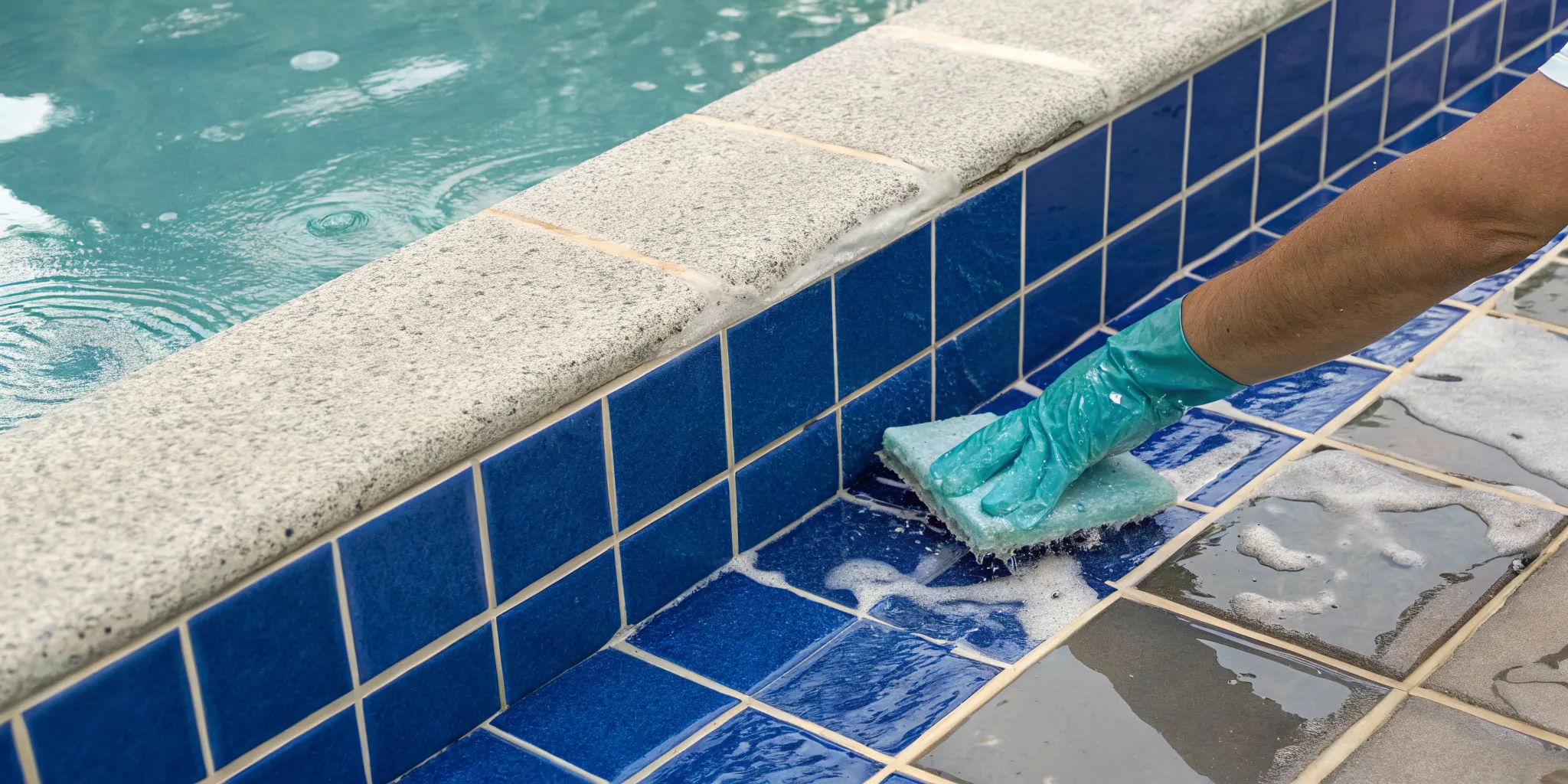
The process begins with completely draining your pool. Once empty, a trained technician carefully applies a diluted solution of muriatic acid and water to the walls and floor. They work in small sections, using special equipment to spray the mixture, scrub the surface to lift the stains, and then quickly rinse it with fresh water to neutralize the acid. This controlled application is key to ensuring an even finish and preventing damage. The process effectively removes a micro-layer of the pool’s surface, taking embedded mineral stains and algae along with it.
Key Benefits of Acid Washing
The most immediate benefit of an acid wash is the dramatic visual improvement. It can make an old, tired-looking pool appear practically new again by removing unsightly stains from algae, copper, or calcium deposits. This deep clean enhances your pool's aesthetic appeal, making it a more enjoyable place for you and your family to spend time. Beyond the looks, keeping your pool in great condition helps maintain your property's value. A bright, clean pool is a major asset, and an acid wash is one of the best ways to achieve that pristine look when standard cleaning methods fall short.
Signs Your Pool Needs an Acid Wash
Think of an acid wash as a powerful reset for your pool's surface. It’s not a part of routine upkeep; it’s a specific solution for stubborn problems that regular cleaning and chemicals just can’t fix. If you’ve tried everything and your pool still looks dull, stained, or swampy, it might be time to consider this more intensive treatment.
An acid wash works by stripping away a very thin layer of your pool’s plaster or pebble surface, revealing a fresh, clean layer underneath. It’s an effective way to deal with issues that have become embedded in the surface itself. Let’s look at the three main signs that indicate your pool could benefit from a professional acid wash.
Tough Stains and Discoloration
Have you noticed ugly, persistent stains on your pool’s floor or walls? Sometimes, these are caused by organic material like leaves and dirt that have been left too long. Other times, they come from minerals like iron, copper, and manganese that are present in the water source. These mineral stains often show up as brown, green, or blackish streaks that no amount of scrubbing will remove. If your regular cleaning and maintenance routine isn’t making a dent in the discoloration, an acid wash can often restore the surface to its original brightness by removing that stained top layer.
Scale and Calcium Buildup
If you see white or grayish, crusty deposits along your pool’s waterline or on its surfaces, you’re likely dealing with calcium scaling. This buildup happens when your pool’s water chemistry is imbalanced, particularly in areas with hard water. Not only is scaling unsightly, but it can also make your pool’s surface feel rough and scratchy. Over time, these deposits can become incredibly difficult to remove with a brush alone. An acid wash is one of the most effective methods for dissolving this stubborn calcium buildup, leaving your pool’s surface smooth and clean again. Managing your water with the right supplies and chemicals can help prevent it from returning.
Algae That Won't Go Away
Most minor algae blooms can be handled with shocking the pool and using algaecide. But what about algae that seems to come back no matter what you do? We’re talking about stubborn black algae that embeds its roots deep into the plaster or persistent green algae that has stained the surface. When you’ve exhausted all other chemical treatments and the algae remains, an acid wash is often the final solution. It removes the top layer of the plaster where the algae has taken hold, effectively eliminating the problem at its source. For surfaces that are old and porous, this might be a sign you need to consider a full remodel or rehab.
Is Acid Washing Safe for Your Pool's Surface?
So, you've heard about acid washing and are wondering if it's the right move for your pool. It's a great question, and the answer is: it depends entirely on your pool's surface. Think of acid washing as a powerful deep-cleaning treatment—it's incredibly effective, but only for the right candidates. Using it on the wrong material can cause serious, permanent damage, which is the last thing anyone wants. This isn't a one-size-fits-all solution, and knowing the difference can save you from a costly mistake.
Before you go any further, the most important step is to identify what your pool is made of. This isn't just a suggestion; it's a crucial safety measure. Different materials react very differently to the muriatic acid used in the process. Some can handle it and come out looking brand new, while others will be stripped, weakened, or ruined. If you're not 100% sure about your pool's surface type, it's always best to have a professional take a look. Understanding your pool's construction is fundamental to its long-term health, whether you're considering a deep clean or a full remodel and rehab. Getting this part right ensures you're helping your pool, not hurting it.
Surfaces That Can Be Safely Washed
If your pool has a plaster, pebble, or quartz finish, you're in luck. These durable, cement-based surfaces are generally great candidates for an acid wash. The process works by carefully stripping away a very thin top layer of the finish. This removes stubborn algae stains, mineral deposits, and discoloration that regular cleaning just can't touch, revealing a fresh, bright surface underneath. It’s a fantastic way to rejuvenate a pool's appearance without a full resurfacing project. When done correctly by a professional, an acid wash can make these types of pools look practically new again.
Surfaces to Avoid Washing
Now for the important warning: acid washing is absolutely not for every pool. If your pool has a vinyl liner, fiberglass shell, acrylic, or any kind of painted surface, you should never acid wash it. The harsh chemicals will cause irreversible damage. For a vinyl liner, the acid will ruin the material, making it brittle and leading to leaks. For fiberglass and painted pools, it will strip the protective topcoat, destroying the finish. Instead of this harsh method, these surfaces require consistent and gentle cleaning and maintenance to stay in top shape. Attempting an acid wash will only lead to costly damage.
The Risks of DIY Acid Washing
Tackling a tough pool stain on your own can feel empowering, and the idea of saving money with a DIY acid wash is definitely tempting. But this is one of those projects where the risks can quickly outweigh the rewards. Acid washing isn't just a heavy-duty scrub-down; it's a delicate and potentially dangerous process that involves stripping away a thin layer of your pool's surface. Without the right training, equipment, and understanding of the chemistry involved, you can cause expensive, irreversible damage to your pool and even put your health at risk.
Think of it less like cleaning your kitchen counters and more like a minor chemical procedure. The potential for things to go wrong is high, from permanent streaks on your pool finish to serious structural problems. Before you head to the store for a jug of muriatic acid, it’s important to understand what you’re getting into. This is a job where professional expertise isn't just a nice-to-have—it's essential for protecting your investment and ensuring the job is done safely and effectively.
Dangers of Handling Chemicals
Let's be direct: the chemicals used in an acid wash are hazardous. We're talking about muriatic acid, a powerful substance that can cause severe chemical burns on contact with skin and serious lung damage if the fumes are inhaled. Proper handling requires more than just a pair of rubber gloves. Professionals use full personal protective equipment (PPE), including acid-resistant suits, gloves, boots, and specialized respirators to stay safe. Most homeowners simply don't have this gear on hand. Even with precautions, the risk of a spill or accidental exposure is real, posing a threat to you, your family, and your pets. We provide professional-grade supplies and chemicals but strongly advise that caustic materials like acid are handled by certified technicians.
Potential for Permanent Surface Damage
The goal of an acid wash is to remove a micro-thin layer of plaster to reveal a fresh, clean surface underneath. But it's a fine line between "fresh" and "ruined." If the acid is too concentrated, left on for too long, or not applied evenly, it can create permanent streaks, blotches, and an unpleasantly rough texture. This not only looks bad but can also be abrasive on swimmers' hands and feet. Unfortunately, once this damage is done, it can't be fixed with another wash. Correcting a botched acid wash often requires costly remodels and rehabs, like completely replastering the pool—a far greater expense than a professional service call.
Environmental and Structural Concerns
The risks go beyond the pool's surface. To perform an acid wash, the pool must be completely drained. Leaving a pool empty, especially for an extended period, can create serious structural problems. In areas with a high water table, the hydrostatic pressure from the groundwater can actually cause an empty pool shell to crack, buckle, or even lift out of the ground. This phenomenon, known as "pool pop," is a catastrophic failure. Furthermore, the acid and water mixture from the wash must be neutralized before it can be safely disposed of, a step that requires careful chemical balancing to avoid harming the local environment. These are complex issues that a trained professional knows how to manage.
Essential Safety Precautions for Acid Washing
Acid washing involves powerful chemicals that demand respect. This isn't a task to take lightly or rush through. Before you even think about starting, it's critical to understand the safety measures required to protect yourself, your property, and anyone nearby. Handling muriatic acid without the right precautions can lead to serious injury and permanent damage to your pool. Think of safety not as an extra step, but as the most important part of the entire process.
Necessary Protective Equipment
First things first: you need the right gear. The chemicals used in an acid wash are highly corrosive and can cause severe burns to your skin and eyes, and the fumes can damage your lungs. This is non-negotiable. You’ll need a full set of personal protective equipment (PPE), including chemical-resistant gloves (not the kind you use for washing dishes), splash-proof goggles to fully cover your eyes, and a respirator rated for acid fumes. Proper clothing that covers your arms and legs, along with rubber boots, will protect you from accidental splashes.
Proper Ventilation and Handling
Working with acid in an enclosed space like an empty pool creates a hazardous environment. The fumes are toxic and can quickly become overwhelming without proper airflow. It’s essential to work in a well-ventilated area, but that can be tricky at the bottom of a pool. This is one of the main reasons handling these chemicals is so risky. You also need a plan for diluting, applying, and neutralizing the acid safely. Any misstep can lead to uneven results, permanent damage to your pool’s surface, or worse, a serious chemical burn.
Why You Should Always Hire a Pro
Acid washing is an aggressive procedure that physically strips away a thin layer of your pool’s surface. If it’s done incorrectly, you can cause irreversible damage, leaving behind streaks, etches, and a rough finish. There’s also a significant structural risk. Draining a pool improperly can cause it to "pop" or float out of the ground, a catastrophic and expensive problem. A professional team understands how to manage these risks. Our certified technicians are trained in safe chemical handling and have the right equipment to perform a pool cleaning and maintenance service like this correctly, protecting both your pool and your peace of mind.
Common Myths About Acid Washing
Acid washing is a powerful tool for pool restoration, but it’s also widely misunderstood. Believing some of the common myths can lead to irreversible damage and costly repairs. Before you consider this process for your pool, it’s important to separate fact from fiction. Let's clear the air on a few things you might have heard about acid washing so you can make an informed decision for your backyard oasis. Understanding the reality of what an acid wash can and can’t do is the first step toward restoring your pool’s beauty safely and effectively.
Myth: It's a Simple Cleaning Method
One of the biggest misconceptions is that acid washing is just a more intense version of a regular pool cleaning. The truth is, it's an aggressive restoration process that should only be handled by trained professionals. An acid wash uses a powerful solution of muriatic acid and water to deliberately strip away a thin layer of your pool’s plaster, gunite, or pebble surface. This isn't like scrubbing the walls; it's a controlled chemical peel for your pool. The process involves hazardous materials that require specific safety gear and handling procedures to avoid injury and property damage. It’s a last-resort solution for extreme staining, not a simple weekend task.
Myth: It Removes Every Stain
While an acid wash is incredibly effective, it’s not a magic eraser. The process works by removing the stained top layer of the plaster, but it can’t always reach deep-set organic or mineral stains. Think of it less as "stain removal" and more as "surface removal." Because it etches the plaster, it permanently changes the texture, making it slightly rougher. For some stubborn stains, especially on older or more porous surfaces, the discoloration may have penetrated too deeply for an acid wash to completely eliminate it. That's why consistent cleaning and maintenance is so crucial for preventing tough stains in the first place.
Myth: It's Safe to Do Frequently
This is a dangerous myth that can significantly shorten your pool's lifespan. Because acid washing physically removes a layer of the pool's interior finish, it’s not something that can be done regularly. Most plaster surfaces are only designed to be acid washed once or twice over their entire 15- to 20-year lifespan. Doing it more often will wear down the plaster prematurely, making it rough, brittle, and prone to cracking. Eventually, you’ll be left with no choice but to invest in a complete resurfacing, which is a far more intensive and expensive project. An acid wash is a specialized procedure, not a part of your routine upkeep.
How Much Does a Professional Acid Wash Cost?
When you’re dealing with stubborn pool stains, one of the first questions that comes to mind is about the cost of fixing it. A professional acid wash is a significant investment in your pool's health and appearance, and the price isn't one-size-fits-all. The final quote depends heavily on your pool's specific needs, from its size to the severity of the staining.
Think of it less like a standard cleaning fee and more like a minor renovation project. Because the process involves carefully stripping away a thin layer of your pool’s surface, it requires precision, expertise, and the right safety protocols. Understanding the variables that go into the final price will help you budget accordingly and see the value in hiring a certified professional to handle the job safely and effectively. Let's break down what you can expect.
Average Price Ranges
If you search online, you'll see a wide range for acid washing, with prices falling anywhere between a few hundred dollars to a few thousand. Most standard-sized residential pools land somewhere in the middle, but this broad spectrum exists for a reason: every pool is unique. The size of your pool, the extent of the staining, and the type of surface all play a major role in determining the final cost. The best way to get a clear number is to have a professional assess your pool in person. This allows a technician to provide an accurate quote based on the specific work required for your pool’s rehabilitation and refurbishment.
Factors That Influence the Cost
Several key factors determine the final price of an acid wash. The most obvious are your pool's size and shape—larger pools simply require more time, labor, and materials. The condition of the surface is also critical. A pool with light, uniform discoloration will be less expensive to treat than one with deep-set mineral stains or thick layers of calcium.
Because acid washing is an aggressive process, the technician's expertise is paramount. Improper application can lead to permanent streaks or damage. Furthermore, leaving a pool empty for too long risks structural issues. The cost reflects the skill needed to avoid these problems, ensuring the job is done right. This is why trusting a team that also handles complex equipment repairs and servicing is so important.
Safer Alternatives to Acid Washing
Before you commit to a full acid wash, it’s worth exploring other options. An acid wash is an aggressive process that should be reserved for the most stubborn situations. In many cases, a gentler approach can solve the problem without stripping away a layer of your pool’s surface, extending its lifespan and saving you from an unnecessary procedure. Think of it as trying a spot treatment before deep cleaning the entire carpet—it’s often just as effective and much less intense. Let’s look at a few powerful alternatives that can restore your pool’s sparkle.
The Power of Regular Maintenance
The single best way to avoid needing an acid wash is to stay on top of routine care. Consistent upkeep prevents the kind of stubborn algae and mineral buildup that makes an acid wash seem necessary in the first place. By regularly brushing the walls, vacuuming the floor, and keeping your water chemistry balanced, you stop stains before they have a chance to set in. A proactive approach is always better than a reactive one. If you’re short on time, a professional cleaning and maintenance schedule can keep your pool in pristine condition year-round, making harsh treatments a thing of the past.
Other Deep-Cleaning Methods
If you’re dealing with stains that regular cleaning can’t handle, you still have options before resorting to a full acid wash. For isolated spots, professionals can use specialized underwater tools to apply treatment directly to a stain without draining the entire pool. This targeted method is perfect for addressing specific problem areas. There are also modern, non-acid chemical treatments that can lift stains from surfaces without the harsh effects of muriatic acid. These advanced solutions are designed to be tough on stains but gentle on your pool’s plaster, pebble, or tile finish, offering a safer way to deep clean.
When to Choose an Alternative
So, how do you know when to opt for an alternative? The simple answer is: almost always. Because acid washing physically removes a thin layer of your pool’s surface, it should truly be the last resort after all other methods have been tried. If you’re looking at stains, discoloration, or algae that won’t budge, the first step is to get a professional assessment. An expert can accurately identify the cause of the stain and determine if a less aggressive treatment will work. Often, what looks like a disaster can be fixed with a targeted chemical treatment, saving your pool’s surface from unnecessary wear.
The Professional Acid Wash Process: Step-by-Step
An acid wash is a powerful resurfacing treatment, and understanding how it works can help you appreciate the skill involved. While it might sound straightforward, it’s a multi-stage process that requires precision, professional-grade equipment, and a deep understanding of chemical safety. Our certified technicians follow a meticulous procedure to ensure your pool is rejuvenated safely and effectively, protecting both your investment and the environment. Here’s a look at what you can expect when you schedule a professional acid wash with our team.
Draining and Preparing the Pool
The first step is to completely drain your pool. This has to be done carefully to prevent hydrostatic pressure from damaging the pool shell—a real concern with Colorado’s soil conditions. Once the pool is empty, our team clears away any leaves, twigs, and other large debris from the surface. We then prepare the plaster by lightly spraying it with water. This initial prep work ensures the acid solution can be applied evenly, preventing streaks and ensuring a uniform, clean finish across the entire surface. This careful preparation is a key part of our comprehensive cleaning and maintenance philosophy.
Washing and Neutralizing the Acid
This is where the transformation happens. Our technicians, equipped with full protective gear, apply a carefully diluted acid solution to the pool’s walls and floor. Using specialized scrubbing brushes, they work in small sections to lift stubborn stains, algae, and mineral deposits from the plaster. As the acid is rinsed away, the runoff collects in the deep end. Before pumping it out, we neutralize the acidic water with a base like soda ash. This critical step protects your landscaping, local groundwater, and plumbing from damage, ensuring the process is as safe for the environment as it is for your pool.
Refilling and Balancing Your Pool Water
With the surface sparkling clean, it’s time to refill the pool. But our job isn't done yet. Fresh water needs to be completely rebalanced to create a safe and comfortable swimming environment. Our team will add and adjust all the necessary supplies and chemicals, including chlorine, pH balancers, alkalinity, and calcium hardness. We meticulously test the water as it fills to get the chemistry just right. This final step not only makes your pool swim-ready but also protects the newly exposed plaster and your pool equipment from premature wear.
Trust Your Pool to Colorado's Experts
When it comes to something as intensive as an acid wash, this is not the time for a weekend DIY project. The process involves handling potent acids and carries a real risk of permanent damage to your pool's surface, from streaking and blotching to serious structural problems if the pool is drained improperly. Because of these high stakes, hiring an experienced professional is always the smartest and safest route. You need a team that truly understands the chemistry, the equipment, and the potential pitfalls that can arise.
At Rocky Mountain Aquacare, our certified technicians have the training and hands-on experience to manage the entire process correctly from start to finish. We don’t just clean your pool; we protect your investment. By trusting our team, you get the peace of mind that comes from knowing the job is done right, without putting your family or your property at risk. We handle every detail, from draining the pool correctly and applying the acid wash with precision to refilling it with perfectly balanced water, ready for you to enjoy.
Our Commitment to Safety and Expertise
Your family’s safety is our top priority, and that starts with how we handle our materials. The chemicals used in an acid wash are harsh and can cause serious chemical burns and lung damage if the proper protective gear isn't worn. Our technicians arrive fully equipped with the necessary safety equipment and are trained in proper handling and ventilation protocols. We follow strict procedures to ensure the entire process is safe for our team, your family, and your pets. You can relax knowing that true professionals are on the job, taking every precaution necessary.
Local Knowledge for Colorado Conditions
Pool care isn't one-size-fits-all, especially here in Colorado. Local factors like high water tables can sometimes prevent a pool from being drained safely, making an acid wash impossible in certain areas. As a local Colorado-based team, we have a deep understanding of our region's specific environmental conditions. We know how the weather, soil, and water chemistry unique to our state can affect your pool. This local expertise allows us to make the right call for your specific situation, ensuring we only proceed with services that are safe and effective for your property.
Comprehensive Care for Your Pool and Spa
Before we even consider an acid wash, we’ll give you an honest, expert opinion. Sometimes, tough stains can be removed with less aggressive treatments that don't even require draining the pool. We always explore these options first to save you time and money while preserving your pool's surface. Our goal is to provide the right solution, not just the most intense one. Whether it’s a deep clean, an equipment check-up, or a full acid wash, our comprehensive spa and pool services are designed to keep your water sparkling and your system running smoothly for years to come.
Frequently Asked Questions
How often can I really acid wash my pool? Think of an acid wash as a major procedure, not a routine cleaning. Because it removes a thin layer of your pool's finish, you should only do it when absolutely necessary. For most plaster pools, this means only once or twice over its entire lifespan. Doing it more frequently will wear down the surface too quickly, leading to a much more expensive resurfacing project down the road.
Will an acid wash fix cracks or leaks in my pool? No, an acid wash is strictly a cosmetic fix for the surface. It’s designed to remove stubborn stains and discoloration from the plaster, but it has no structural benefits. If you have cracks, chips, or are losing water, you're dealing with a different issue that requires a professional repair. An acid wash will not seal leaks or mend cracks.
How long will my pool be out of commission for an acid wash? The entire process typically takes a few days from start to finish. Draining the pool, performing the wash, and then refilling it all take time. The final step of rebalancing the water chemistry is also crucial before it's safe to swim again. A professional team works efficiently, but you should plan for your pool to be unusable for at least two to three days.
Is an acid wash the only way to get rid of tough stains? Not at all. An acid wash is the most aggressive option and should be treated as a last resort. Many tough-looking stains can be treated with less intense methods, such as targeted chemical spot treatments that don't even require draining the pool. We always recommend a professional assessment first to see if a gentler, safer alternative can get the job done.
What happens if my pool can't be drained safely for the wash? This is a great question, especially here in Colorado where high water tables can be an issue. Safety is always the top priority. If a professional determines that draining your pool poses a risk of structural damage—like the shell popping out of the ground—the service will not be performed. In that case, we would discuss safer, non-draining alternatives to address the staining.
Related Blogs