%201.png)
Pool Acid Wash: What It Is & When You Need One

Owning a pool in Colorado comes with its own unique set of challenges, especially when it comes to our hard water. That chalky white residue and stubborn mineral staining can make even a well-maintained pool look dull and uninviting. When standard cleaning methods fail, a pool acid wash can be an incredibly effective solution. This intensive treatment removes the stained and scaled top layer of your pool’s plaster, restoring its vibrant color and smooth finish. However, it’s an aggressive process that isn’t right for every situation. This article will explain the signs that indicate your pool might need this service and why local expertise is crucial for protecting your investment from our region’s specific environmental factors.
Key Takeaways
- Reserve Acid Washing for Major Resets: Think of an acid wash as a powerful, last-resort solution for deep-set stains and mineral buildup, not as a substitute for consistent, routine cleaning and maintenance.
- Know the Impact on Your Pool's Surface: The process works by stripping away a thin layer of your pool's finish, which means it's only safe for durable surfaces like plaster and can only be done a few times in a pool's lifespan.
- Professional Handling is Non-Negotiable: Due to hazardous chemicals and the high risk of permanent surface damage, an acid wash should always be performed by a certified technician who has the right safety gear and expertise.
What Is a Pool Acid Wash and How Does It Work?
If you’ve noticed stubborn stains or a dull, chalky film on your pool’s surface that regular cleanings can’t touch, you might have heard about acid washing. Think of it as a heavy-duty chemical peel for your pool. It’s a powerful restorative process that strips away a very thin top layer of your pool’s plaster, pebble, or quartz finish, revealing a fresh, bright, and clean surface underneath.
Also known as a "drain and clean," this procedure is one of the most effective ways to remove tough stains caused by algae, minerals, and metals. It’s not a part of routine upkeep, but rather a specialized service for when your pool needs a serious refresh. Because it involves potent chemicals and specific techniques, it’s a job best left to certified professionals who know how to protect both you and your pool’s surface.
How an Acid Wash Works
The process starts with completely draining your pool. Once empty, a technician can assess the surface and prepare it for treatment. They’ll remove any debris like leaves or dirt before getting to work on the stains. The core of the process involves carefully applying a specialized acid solution to the walls and floor, scrubbing the surface to lift stains and mineral deposits, and then thoroughly rinsing it all away. This method removes that microscopic top layer of plaster where the discoloration is embedded, leaving behind a clean slate.
The Acid and Water Mix
This isn't a simple cleaning solution. An acid wash uses a precisely measured mixture of muriatic acid and water. This potent combination is what gives the wash its power to dissolve mineral buildup and organic stains. A professional technician will apply the solution using specialized equipment, working in small, controlled sections to ensure the acid is effective but doesn’t sit on the surface for too long, which could cause damage. Handling these chemicals requires training and protective gear, which is why this is definitely not a DIY project. Proper pool and spa care often means knowing when to call in an expert.
How It Removes Tough Stains and Buildup
Over time, things like algae, fallen leaves, metals from your water source, and mineral deposits can leave deep-set stains that a brush and chlorine can’t fix. An acid wash chemically breaks down these stubborn blemishes. In Colorado, our hard water often leads to calcium scaling—that chalky white residue that makes your pool look faded and feel rough. An acid wash is incredibly effective at dissolving this scale, restoring your pool’s vibrant color and smooth finish. It’s a key part of a larger pool rehabilitation when the surface is still in good shape but needs a deep clean.
Common Myths About Acid Washing
One of the biggest myths is that acid washing can replace regular pool care. In reality, the opposite is true. Consistent cleaning and maintenance is the best way to prevent the kind of severe staining and buildup that makes an acid wash necessary in the first place. Another misconception is that it’s a magic fix with no downsides. Because the process removes a layer of the surface, doing it too often can wear down your plaster prematurely. A professional will help you understand if an acid wash is the right choice or if another solution is better for your pool’s long-term health.
When Does Your Pool Need an Acid Wash?
An acid wash isn't part of your typical pool care checklist. Think of it more like a powerful reset button for your pool's surface, a treatment reserved for when things have gotten a little out of hand. If you’ve spent weeks brushing, shocking, and balancing your chemicals but those stubborn stains and discoloration just won’t budge, an acid wash might be the answer. This intensive process involves carefully applying an acid solution to strip away a very thin layer of your pool’s plaster, revealing a fresh, bright surface underneath.
It’s especially effective against deep-set stains from minerals, metals, algae, or long-term chemical imbalances that have settled into the plaster. Because it's a more aggressive approach than standard cleaning and maintenance, it’s crucial to know exactly when it’s needed and whether your pool’s surface can handle the treatment. It's not a quick fix for lazy maintenance; it's a specialized procedure for specific, hard-to-treat problems. Before you decide on this route, let’s walk through the specific signs to look for and which types of pools are good candidates for this deep clean.
Signs Your Pool Needs an Acid Wash
It can be frustrating when your pool looks dingy no matter how much you clean it. That’s usually the first sign that a deeper treatment is needed. An acid wash is designed to tackle stubborn issues that regular cleaning can't resolve. Look for widespread, unsightly stains from algae, metals, or minerals that have settled deep into the surface. Another clear indicator is significant scale buildup, which often feels rough to the touch and can make your pool look cloudy or dull. If your once-vibrant pool now has a swampy, discolored appearance that chemicals and scrubbing won’t fix, it’s time to consider an acid wash to restore its original brightness.
Which Surfaces Are Safe for Acid Washing?
An acid wash is a powerful process, so it’s crucial that your pool’s surface is strong enough to handle it. This treatment is best suited for durable, plaster-based surfaces. Pools made of plaster, concrete, gunite, pebble, and quartz finishes are generally good candidates. However, the age and condition of the surface matter just as much as the material. Ideally, the surface should be less than eight years old and free of any significant cracks or weak spots. Applying acid to an older, thinning, or damaged surface can cause more harm than good, so a professional inspection is always the best first step.
Surfaces to Avoid: Vinyl, Fiberglass, and Paint
Not all pools are created equal, and some surfaces should never be acid washed. If you have a vinyl-lined pool, an acid wash is completely off the table—it will destroy the liner, leading to expensive repairs. Similarly, fiberglass and painted pools are not suitable for this treatment. The acid solution is far too harsh and will strip the paint and damage the gel coat of a fiberglass shell, ruining the finish and compromising the pool's integrity. For these types of pools, there are other, gentler methods for stain removal that won’t cause irreversible damage. Always confirm your pool’s surface type before considering an acid wash.
Dealing with Colorado's Hard Water
Here in Colorado, we’re no strangers to hard water. The high mineral content can lead to calcium scaling on your pool’s surface, creating a rough, white buildup that’s tough to remove. While an acid wash is effective at stripping this scale away, it’s important to view it as a corrective measure, not a routine fix. Each acid wash removes a thin layer of your pool’s plaster, and you can only do it so many times before a full remodel is needed. The best long-term strategy is prevention. Consistent, professional maintenance and meticulous water balancing are key to keeping scale at bay and extending the life of your pool’s surface.
What to Expect During a Professional Acid Wash
An acid wash sounds intense, but it’s a systematic process that professionals have down to a science. Knowing the steps can help you feel confident about the service and understand what’s happening in your backyard. From start to finish, the goal is to carefully strip away the stained top layer of your pool’s surface to reveal a fresh, clean finish underneath. It’s a bit like a chemical peel for your pool—a serious refresh that gets rid of stubborn algae stains, mineral deposits, and discoloration that regular cleaning can’t handle.
The entire process is a carefully choreographed sequence of draining, washing, neutralizing, and refilling. Each step is critical for achieving that bright, like-new look without damaging the pool surface. A trained technician will manage the timing, chemical mixtures, and safety precautions needed for a successful outcome. Let’s walk through exactly what you can expect when you schedule a professional pool remodel or rehab service like an acid wash.
Step 1: Draining and Prepping the Pool
First things first, the pool needs to be completely empty. A technician will use a pump to drain every last drop of water, which is the only way to get full access to the plaster or pebble surface. Once the pool is empty, they’ll prep the area for the acid. This involves protecting any metal components in your pool, like ladders, light fixtures, and drain covers. The acid solution can corrode metal, so covering these parts is a crucial step to prevent any damage during the wash. This careful prep work ensures the focus remains solely on cleaning the pool’s surface.
Step 2: Applying the Acid and Scrubbing
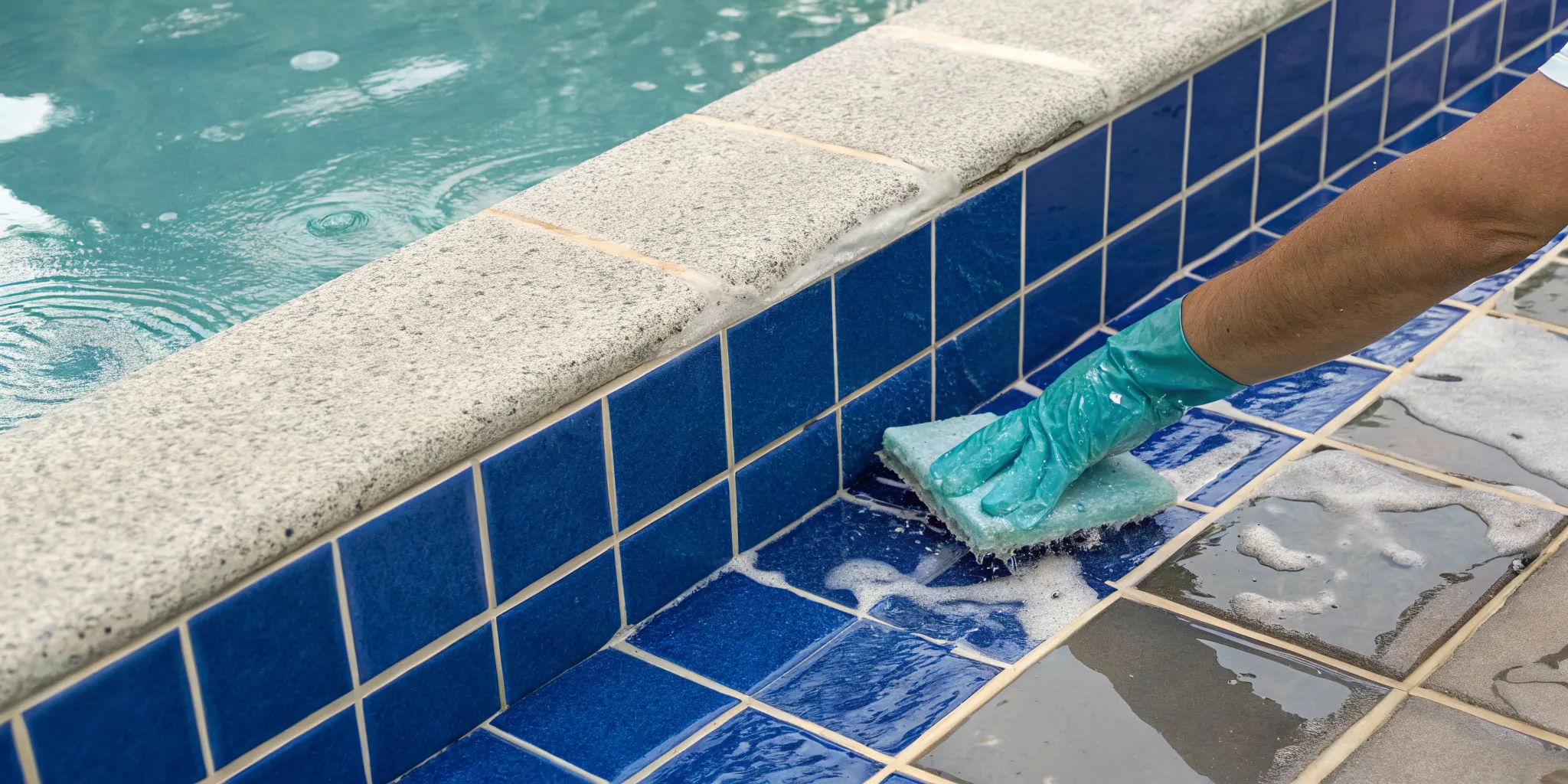
With the pool empty and prepped, the washing begins. A technician will mix a solution of muriatic acid and water and carefully apply it to the pool’s surface in small, manageable sections. They typically start at the top of the walls and work their way down. The acid solution is left to sit for just 30 to 60 seconds—long enough to dissolve the thin top layer of plaster where stains have settled, but not so long that it etches the surface. Immediately after applying the acid, they’ll use a stiff brush to scrub the area, lifting away years of grime and buildup.
Step 3: Rinsing and Neutralizing the Surface
Timing is everything in this step. As soon as a section is scrubbed, it’s immediately rinsed with water to stop the acid’s chemical reaction. Leaving the acid on for too long can cause permanent damage, which is why professionals work quickly and methodically. After the entire pool has been acid washed and rinsed, the technician will neutralize the surface by applying soda ash. This counteracts any remaining acid residue, making the pool safe for refilling. It’s a critical final touch that ensures the environment is stable before fresh water is added.
Step 4: Refilling and Balancing the Water
Once the wash is complete and the pool is fully neutralized, it’s time to refill it with fresh water. But the job isn’t done just yet. The new water needs to be chemically balanced to create a safe and comfortable swimming environment. A professional will test the water and add the necessary supplies and chemicals to adjust the pH, alkalinity, and calcium hardness levels. This final step protects your newly cleaned surface and gets your pool ready for you to enjoy. Proper water chemistry is key to keeping that fresh, clean look for as long as possible.
The Pros and Cons of Pool Acid Washing
An acid wash can feel like a magic wand for a stained, discolored pool, but it’s a powerful process that isn’t right for every situation. Think of it as a deep chemical exfoliation for your pool’s surface. While it can deliver a stunning transformation, it’s an aggressive treatment that comes with its own set of risks. Understanding both sides of the coin will help you decide if it’s the right move for your pool.
The Benefits: A Brighter, Cleaner Pool
The biggest advantage of an acid wash is its ability to restore your pool’s original sparkle. Over time, stubborn stains from minerals, metals, and algae can settle into the plaster, refusing to budge with regular cleaning. An acid wash strips away a very thin layer of the pool’s surface, taking those unsightly stains and mineral deposits with it. If your pool looks dull or has significant scale buildup from Colorado’s hard water, this process can make it look fresh and clean again. It’s one of the most effective ways to handle discoloration that a standard cleaning and maintenance routine can’t fix.
The Risks: Potential Surface Damage and Chemical Safety
While effective, acid washing is an abrasive process. Each wash removes a layer of your pool’s plaster or marcite finish, which can make the surface rougher over time. Doing it too often can shorten your pool surface's lifespan, leading to the need for a full remodel or rehab sooner than expected. The process also involves using muriatic acid, a hazardous chemical that requires special equipment and handling to ensure safety and proper disposal. This is not a DIY project; the risks of chemical burns and surface damage are too high without professional training and gear.
How Often Should You Acid Wash Your Pool?
An acid wash is a corrective measure, not a routine cleaning task. If your pool is well-maintained, you might only need to consider it every five to seven years, or even less. Some experts suggest that a pool surface should only be acid-washed once or twice in its entire lifetime to preserve the integrity of the plaster. The goal is to use this procedure as a last resort for severe staining, not as a seasonal touch-up. Over-washing will only accelerate wear and tear on your pool’s finish.
When to Skip the Acid Wash
You should skip an acid wash if your pool’s stains are minor and can be removed with targeted treatments or if the plaster is already old, thin, or damaged. An acid wash on a compromised surface can cause more harm than good. More importantly, this process is not a substitute for consistent pool care. The best way to prevent the need for an acid wash is by maintaining balanced water chemistry and performing regular cleanings. Proper, ongoing maintenance will manage most issues before they become severe enough to require such an intensive treatment.
Why Hire a Professional for Your Acid Wash in Colorado?
An acid wash can feel like a magic eraser for your pool, but it’s a powerful process that’s best left to the experts. While the idea of a DIY project might be tempting, handling potent chemicals and specialized equipment comes with serious risks to both you and your pool’s surface. A professional brings the training, tools, and experience needed to do the job safely and effectively, ensuring your pool gets the fresh start it needs without any costly mistakes.
From managing hazardous materials to understanding the unique challenges of Colorado’s climate, a certified technician knows how to get the results you want while protecting your investment. Let’s walk through exactly why calling in a pro is the smartest move.
Handling Chemicals Safely
The main ingredient in a pool acid wash is muriatic acid, a harsh chemical that can be dangerous if mishandled. It can cause severe skin burns, eye damage, and respiratory issues from the fumes it produces. Professionals are trained in the safe handling of these substances and come equipped with the necessary personal protective equipment (PPE), including respirators, acid-resistant gloves, and goggles. They know how to apply the acid correctly to prevent accidents, keeping your family, pets, and landscaping safe from exposure. Trusting an expert with your pool’s supplies and chemicals ensures the process is managed with the highest safety standards.
Using the Right Equipment and Disposal
An acid wash requires more than just a bottle of acid and a brush. The process involves specialized equipment, from a submersible pump to drain the pool to specific tools for applying the acid mixture and scrubbing the walls. More importantly, the leftover acid-water mixture must be neutralized and disposed of according to local environmental regulations. A professional team not only has the right gear for the job but also understands the proper procedures for disposal in Colorado. This prevents environmental harm and helps you avoid potential fines, making sure your pool’s remodel and rehab project is handled responsibly from start to finish.
Expertise in Colorado's Climate and Water
Living in Colorado means dealing with hard water, high mineral content, and a dry climate—all factors that can take a toll on your pool. These conditions often lead to stubborn calcium scaling and mineral stains that are difficult to remove. A local pool professional understands these specific challenges. They can accurately diagnose the cause of the stains and determine if an acid wash is the right solution or if a different treatment would be more effective. Consistent cleaning and maintenance is the best way to prevent severe buildup, and an expert can advise you on a care routine tailored to our unique environment.
Protecting Your Pool for the Long Haul
An acid wash is an aggressive cleaning method that strips away a thin layer of your pool’s plaster. If done incorrectly—by using a solution that’s too strong or leaving it on for too long—it can permanently etch, streak, or weaken the surface. This can lead to a rougher texture and a shorter lifespan for your plaster, resulting in the need for expensive repairs. Most pools should only be acid washed a few times in their entire lifetime. A trained professional has the experience to apply the acid wash correctly, preserving the integrity of your pool’s surface and ensuring it looks great for years to come.
Frequently Asked Questions
How can I tell if my pool needs an acid wash or just a really good scrub? Think of it this way: if the problem is on the surface, like dirt or a fresh algae bloom, regular cleaning should handle it. An acid wash is for issues that have settled into the surface. If you’re seeing widespread, deep-set stains from minerals or metals, or if your pool walls feel rough and chalky from calcium scale, those are clear signs that a simple scrub and shock won't be enough.
I'm worried an acid wash will damage my pool's surface. Is that a valid concern? It’s a very valid concern, and it’s why this job is best left to a professional. An acid wash is an aggressive process that intentionally removes a microscopic layer of plaster. When done correctly, it reveals a fresh surface. However, if the acid solution is too strong or left on for too long, it can cause permanent etching and streaks. A trained technician knows how to manage this process to protect the integrity of your pool’s finish.
How long will my pool be out of commission for an acid wash? The entire process, from draining the pool to refilling and rebalancing the water, typically takes a few days. The exact timeline depends on the size of your pool and how long it takes to drain and refill. While the wash itself is relatively quick, the preparation and finishing steps are just as important and require time to be done right.
My pool looks amazing after the acid wash! How do I keep it this way? The best way to preserve that fresh, clean look is with consistent, proactive care. An acid wash is a reset button, not a permanent fix. Maintaining balanced water chemistry is your number one defense against future stains and scale buildup. A regular professional cleaning and maintenance schedule will help you stay on top of water quality and catch any issues before they become severe enough to need another intensive treatment.
Is an acid wash safe for any type of pool? No, it’s definitely not a one-size-fits-all solution. Acid washing is designed for durable surfaces like plaster, pebble, and quartz. It should never be performed on a vinyl liner, as the acid will destroy it. It's also not suitable for fiberglass or painted pools because the harsh chemicals will strip the finish and damage the shell. Always confirm your pool’s surface type before considering this service.
Related Blogs