%201.png)
Cost to Replace Pool Coping: A Complete Guide
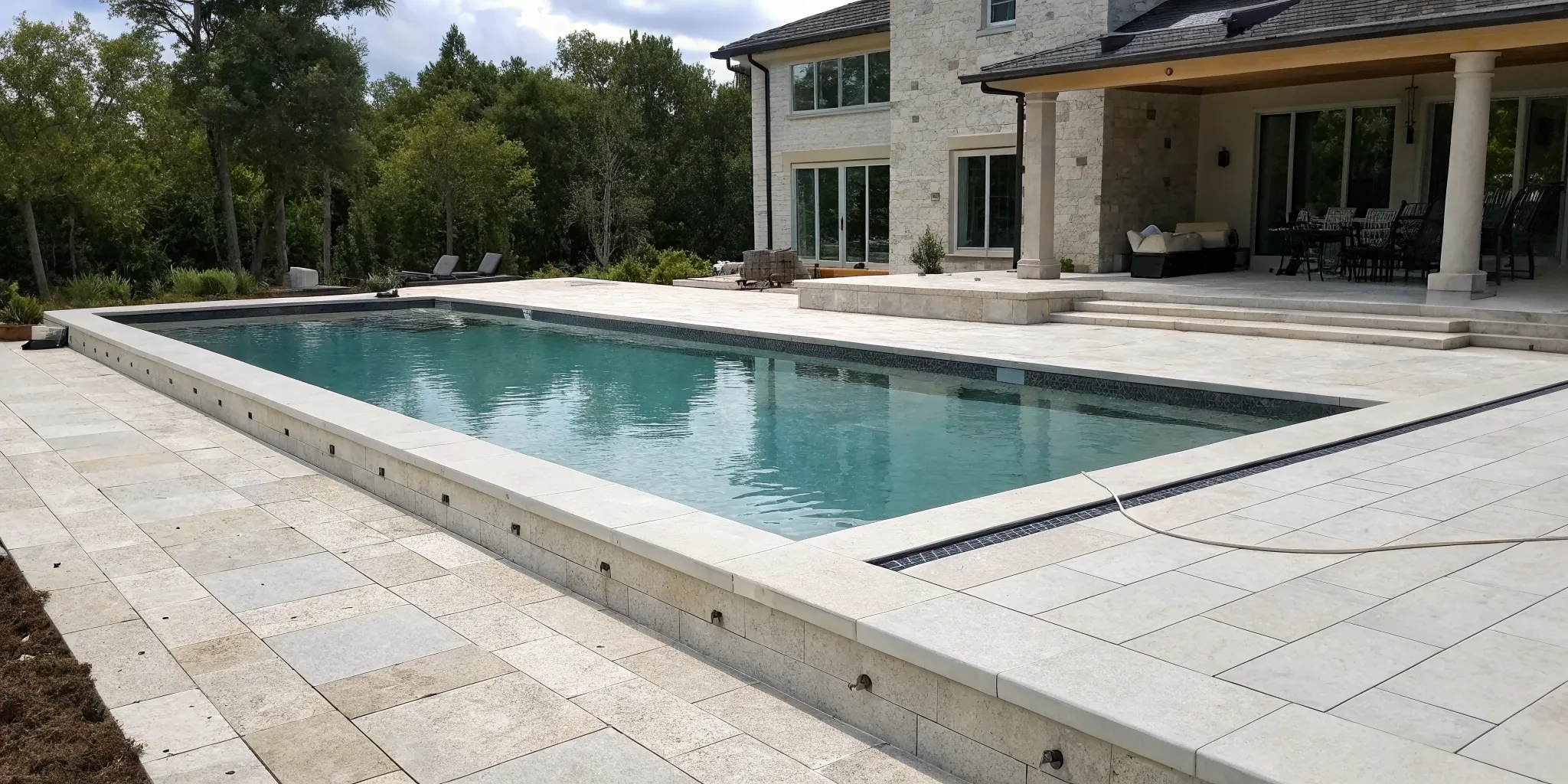
Here in Colorado, our pools face unique challenges. The constant freeze-thaw cycles are incredibly tough on outdoor materials, and pool coping often takes the hardest hit. What might be a minor crack in another climate can quickly become a major problem here, leading to loose stones and water damage. This makes replacement a necessity, not just a cosmetic choice. Our local weather also influences which materials will last and the specific installation techniques required. All of these elements play into the final cost to replace pool coping. This guide is designed for Colorado homeowners, helping you choose durable options and plan for a long-lasting investment.
Key Takeaways
- Coping is crucial for safety and structure: Your pool's coping is more than a decorative border; it provides a safe, non-slip edge and shields the pool shell from water damage. Addressing issues like cracks or loose stones early on prevents more serious and expensive problems down the road.
- Choose materials built for Colorado and insist on proper prep: Our unique climate demands durable materials that can handle freeze-thaw cycles. The success of your new coping also depends on a clean, level surface, so ensure your contractor properly prepares the bond beam before installation.
- Hire a vetted professional and plan for long-term care: A quality installation requires a skilled, insured contractor, so always check credentials and references. After the project is done, protect your investment with simple maintenance, like sealing the coping every few years to guard against weather damage.
What Is Pool Coping and Why Replace It?
Let's start with the basics. What exactly is pool coping? Think of it as the cap or edging that sits on top of your pool's shell, creating a finished border between the pool and the surrounding deck. While it definitely gives your pool a polished, complete look, its job is much more than just aesthetic. This border is a critical safety and structural component.
Functionally, pool coping provides a non-slip, rounded edge for swimmers to safely hold onto when getting in and out of the water. It also plays a key role in water management by directing splash-out away from the pool shell and toward your deck drains. This simple function is vital for protecting the pool’s structure from water infiltration, which can cause serious damage over time. Here in Colorado, our unique climate with its freeze-thaw cycles puts extra stress on outdoor materials. The constant expansion and contraction can weaken the mortar and the coping material itself, accelerating wear and tear. That’s why what might be a minor issue in another climate can become a significant problem here, eventually making replacement a necessity to preserve the integrity and safety of your pool.
Signs It's Time for a Replacement
So, how do you know when your coping has gone from a protective feature to a problem? Keep an eye out for a few clear signs. Visible cracks, chips, or crumbling sections are the most obvious red flags. You might also notice that stones or pavers have become loose or uneven, creating a tripping hazard for your family and guests. Take a look at the grout or sealant between the coping pieces; if it’s deteriorating or missing, that’s another sign of trouble. This kind of damage isn't just an eyesore. It creates a direct path for water to seep behind the coping and damage the pool's main structure. Addressing these issues early can prevent more extensive remodels and rehabs down the road.
The Benefits of New Pool Coping
Replacing your pool coping is more than just a fix; it’s an investment in your pool's safety, longevity, and overall appeal. First and foremost, new coping restores the safety of your pool's edge, giving you a secure, stable surface you can trust. It also provides a fresh, updated look that can transform your entire backyard space—think of it as a mini-makeover. Beyond aesthetics, new coping properly seals the top of your pool wall, preventing water from getting behind the shell and causing costly structural problems. Taking care of it now helps you avoid more complicated pool repairs in the future and protects the major investment you have in your pool.
Exploring Pool Coping Materials
Choosing the right material for your pool coping is a big decision. It affects not only the look of your pool but also its safety and durability, especially with Colorado's unique weather patterns. From classic concrete to elegant natural stone, each option has its own set of benefits. Thinking through your style preferences and how you use your pool will help you land on the perfect material for your remodel and rehab project. Let’s walk through some of the most popular choices.
Concrete: A Classic Choice
Poured concrete or precast concrete coping is a go-to for many pool owners because it’s one of the most affordable materials available. It’s incredibly versatile and can be formed to fit any pool shape, from sharp angles to gentle curves. You can also customize it with different colors and textures to match your backyard aesthetic. However, it’s important to remember that concrete can be susceptible to cracking during Colorado's freeze-thaw cycles. Proper installation and sealing are key to making sure this classic choice holds up for years to come.
Natural Stone and Travertine
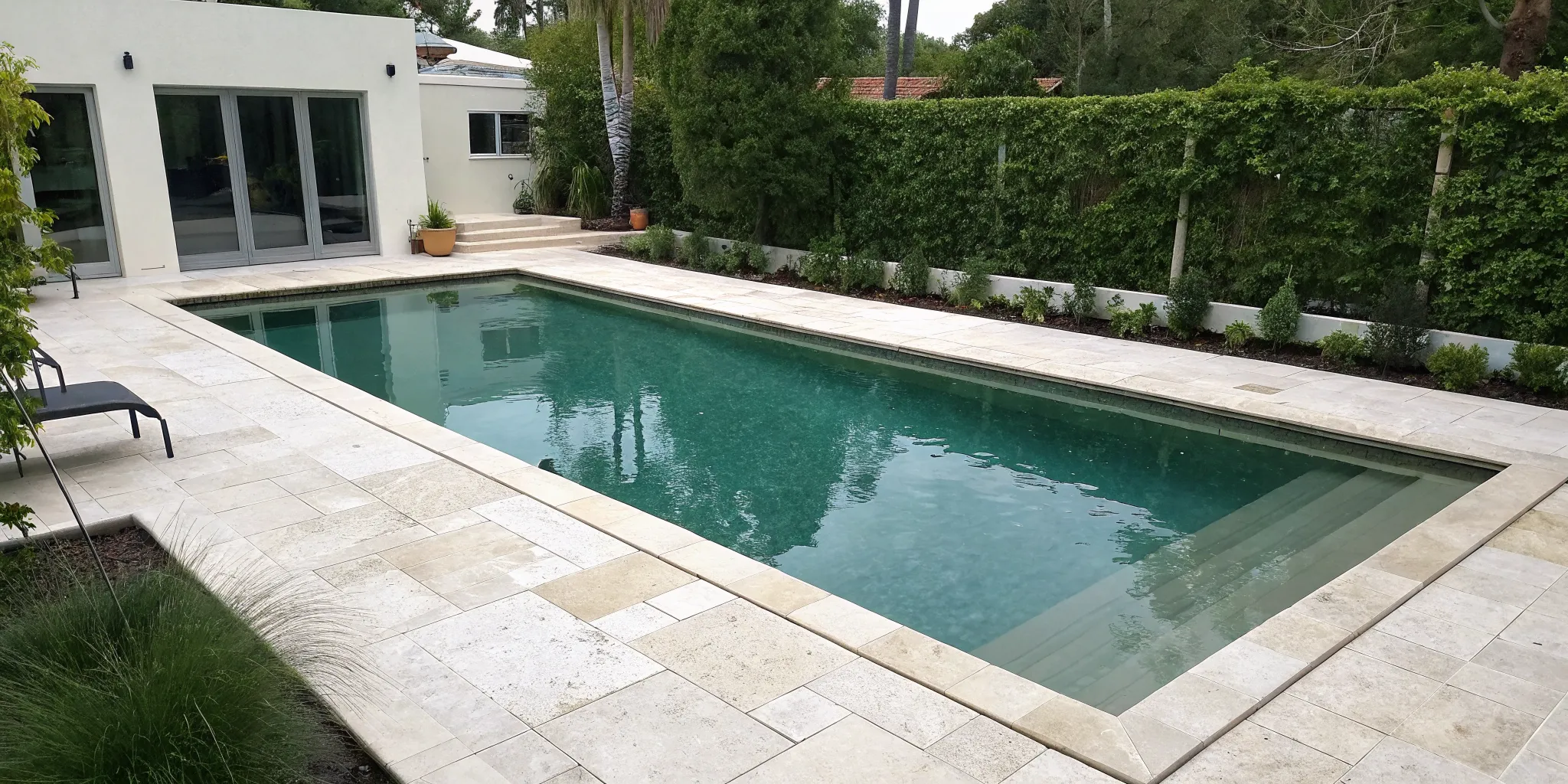
If you’re aiming for a more luxurious, high-end look, natural stone is an excellent option. Materials like travertine, limestone, and flagstone bring an organic, timeless beauty to your pool’s edge. Travertine is a particularly popular inground pool coping choice because it stays cool to the touch and is naturally slip-resistant, which is a huge plus for safety. While natural stone typically comes with a higher upfront investment, its durability and stunning appearance make it a worthwhile consideration for a long-lasting, beautiful finish.
Brick and Paver Options
Brick and paver coping offer a traditional, charming look that can complement a wide range of home styles. Brick is a cost-effective material that provides a classic, uniform appearance. Pavers, which are often made from concrete, stone, or clay, come in a variety of shapes, colors, and textures, giving you plenty of design flexibility. Both are durable and relatively easy to repair, since you can replace individual bricks or pavers if one gets damaged. This makes them a practical and stylish choice for many homeowners.
Choosing Materials for Colorado Weather
Living in Colorado means your pool coping has to withstand everything from intense summer sun to snow and ice. When you choose the right pool coping material, durability and safety should be top of mind. Materials like travertine and other dense natural stones are fantastic because they resist moisture and are less likely to crack in freezing temperatures. They also tend to have great slip resistance, which is crucial for a wet pool deck. A professional can help you weigh the pros and cons of each material against our local climate to ensure your investment is both beautiful and built to last.
Key Factors That Shape Your Replacement Project
When you start planning your pool coping replacement, you'll find that several key elements influence the project's scope and budget. It's more than just picking out a new material. The unique characteristics of your pool, the condition of the existing structure, and the labor involved all play a significant role. Understanding these factors will help you set a realistic budget and know what to expect from start to finish. Let's walk through the main components that will shape your project.
Pool Size and Shape
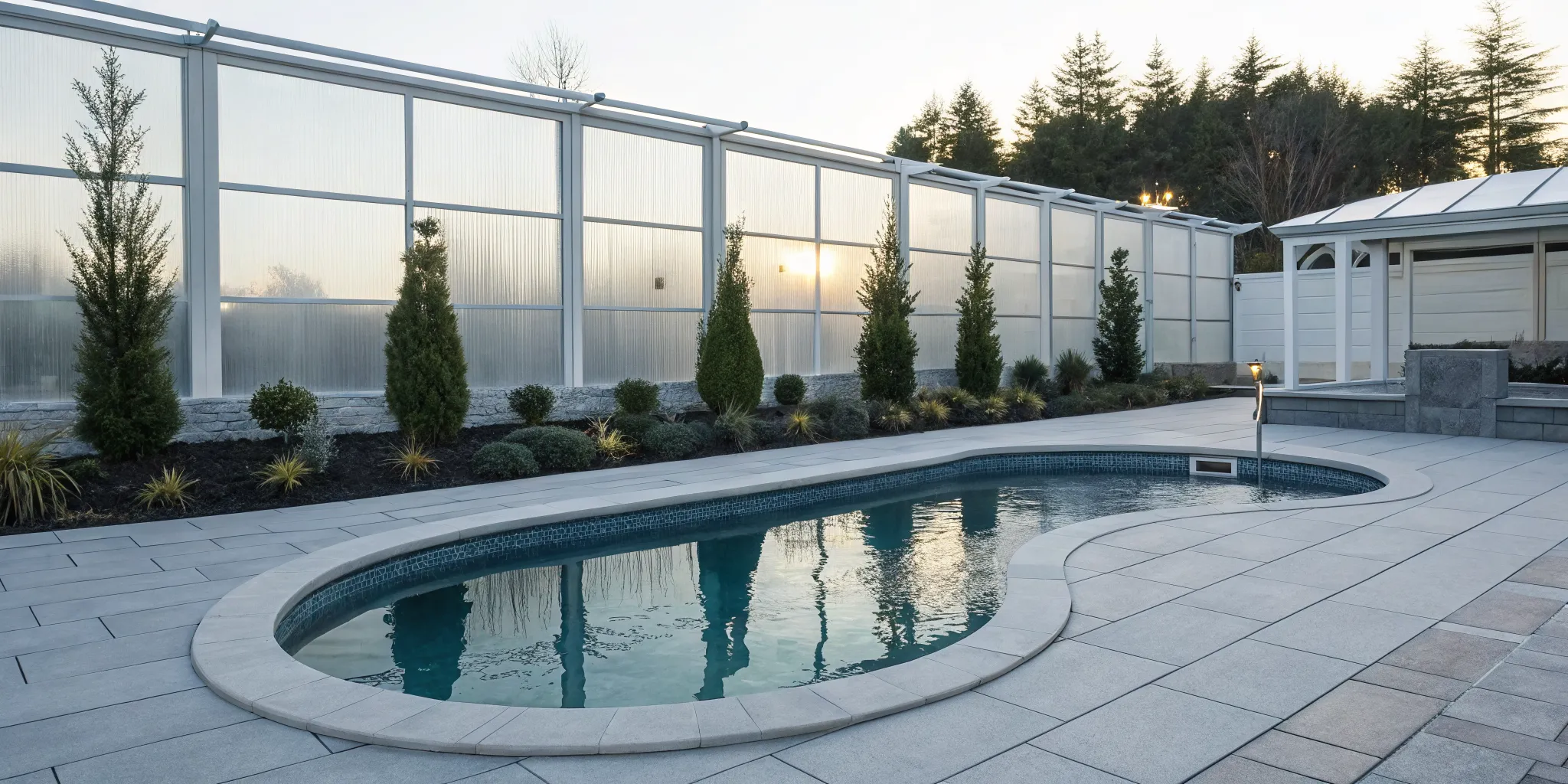
The size and shape of your pool are the starting point for any estimate. A larger pool requires more material and labor, while a complex, freeform shape with many curves demands more intricate cuts than a simple rectangle. These custom cuts take extra time and skill, which is reflected in the project's timeline and investment. Our team can help you plan for your specific pool during a remodels and rehabs consultation, ensuring every detail is accounted for from the start.
Custom Work and Complexity
If your pool has special features like a raised spa, waterfall, or integrated planters, the coping work becomes more complex. As one industry guide points out, pools with unusual shapes require more precise cutting and fitting to achieve a seamless look. This is where true craftsmanship comes in. While custom work can add to the budget, it ensures a beautiful, professional finish that complements your pool’s unique design and protects its structure for years to come.
The Role of Professional Labor
A coping replacement is a job for a skilled professional, not a weekend DIY project. The labor involved is a significant part of the overall investment, and for good reason. You're paying for expertise in demolition, surface preparation, and precise installation. An experienced team knows how to handle the specific challenges of Colorado's climate and soil conditions. Our certified technicians have the local knowledge to ensure your new coping is not only beautiful but also durable and safe.
Removing the Old Coping
Before the new coping can be installed, the old, damaged material must be carefully removed. This demolition phase is a crucial step that adds to the project's scope. The existing coping has to be chipped away without damaging the pool's underlying structure or the surrounding deck. This process can be labor-intensive and requires the right tools to do it safely and efficiently. The cost of removing and disposing of the old material is an essential part of any replacement project budget.
Other Project Considerations to Budget For
When you’re planning a pool coping replacement, the cost of materials and labor are just the beginning. Several other factors can influence the final scope and total investment for your project. A thorough plan accounts for the prep work, potential repairs, and finishing touches that ensure your new coping not only looks great but also lasts for years. A professional team will walk you through these items, but it’s helpful to understand what they are ahead of time so you can ask the right questions. These considerations are what separate a quick fix from a long-term, high-quality remodel. From structural checks to the final sealant, each step plays a vital role in protecting your pool’s structure and enhancing its beauty.
Prepping the Surface and Structural Repairs
Before new coping can be installed, the old, damaged material has to go. Once it’s removed, the underlying surface, known as the bond beam, is exposed. This surface needs to be perfectly clean, level, and sound for the new coping to adhere correctly. During this stage, we sometimes find hidden damage like cracks or crumbling in the beam itself. It’s crucial to address these issues right away. Skipping this step can lead to an uneven finish and cause the new coping to fail prematurely. Think of it as building a house; you wouldn’t put up walls without a solid foundation. Proper surface preparation ensures your new coping has the stable base it needs to last.
Waterproofing and Deck Adjustments
Your pool’s coping is its first line of defense against water damage. When coping is installed correctly, it directs splash-out away from the pool shell and prevents water from seeping behind it. This is why professional waterproofing of the bond beam is so important before the new stones are set. This step protects the pool’s structure from moisture that can cause cracks and leaks over time. Additionally, your new coping needs to sit flush with the surrounding pool deck. Sometimes, this requires minor adjustments to the deck height to create a smooth, trip-free transition. Proper waterproofing and integration are key to preventing expensive problems down the road.
Permits and Inspections
Most standard coping replacement jobs don't require a permit. However, if your project is part of a larger renovation that involves significant changes to the pool's structure, plumbing, or electrical systems (like adding new lighting), you may need one. Local regulations in Colorado are in place to ensure all work is done safely and up to code. A reputable pool contractor will know exactly when a building permit is needed and can manage the application and inspection process for you. This ensures your project is fully compliant, giving you peace of mind that everything was done correctly.
Finishing Touches: Sealing and More
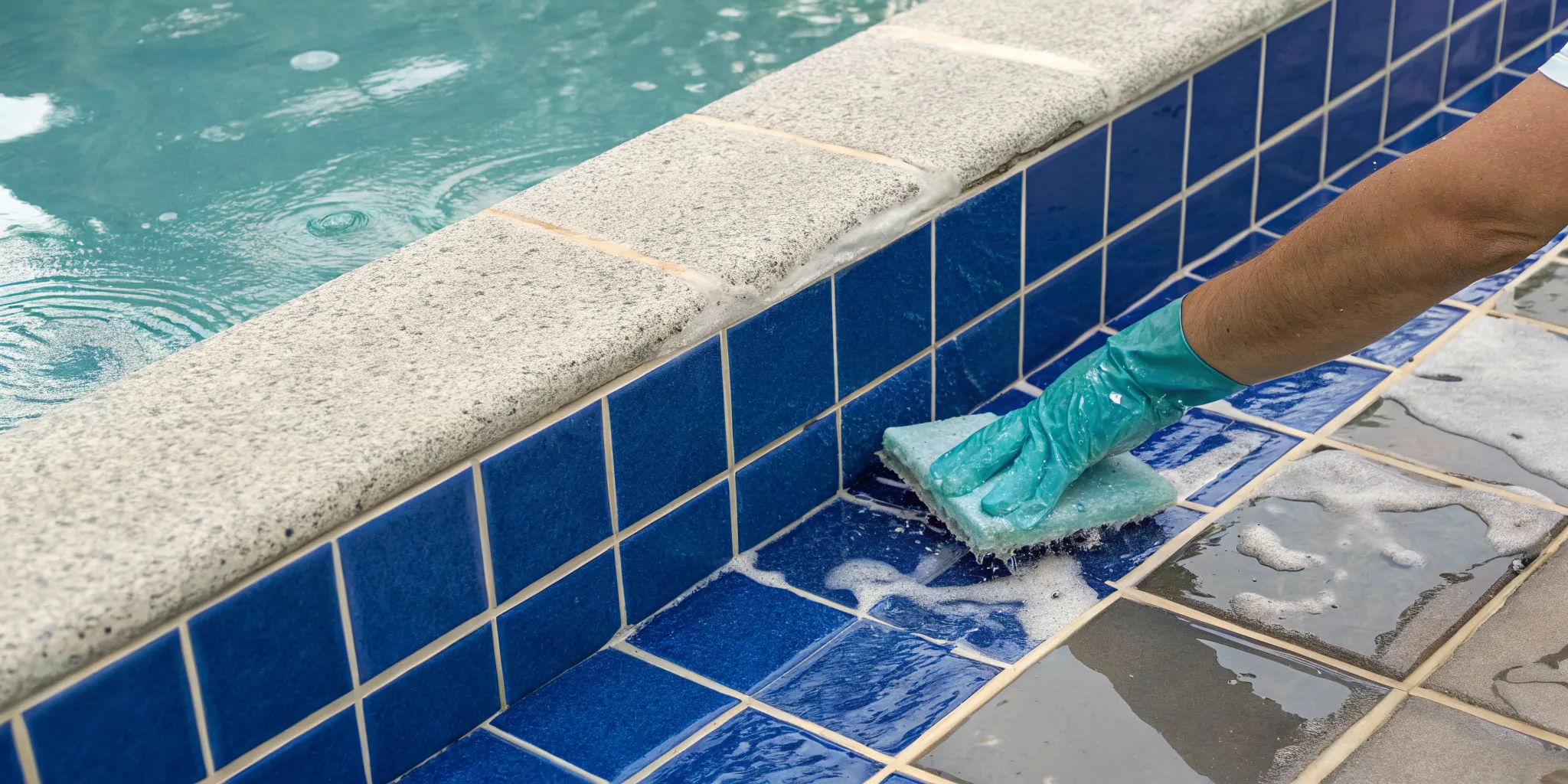
Once your beautiful new coping is installed, the final step is to protect it. Most coping materials, especially natural stone, benefit from a high-quality sealant. Sealing helps protect the stone from water stains, chemical damage, and the effects of Colorado’s freeze-thaw cycles. This isn't a one-and-done task; most coping should be resealed every few years as part of a regular maintenance routine. This simple step will keep your coping looking new and extend its life significantly. It’s a small investment that protects the larger one you just made in your pool.
How to Choose the Right Pool Pro
Replacing your pool coping is a significant investment in your home, so finding the right team for the job is essential. The quality of the installation affects not only how your pool looks but also its safety and longevity. A great pool professional will guide you through the process, from selecting materials suited for Colorado’s climate to completing the final touches. When you’re ready to start a remodel or rehab project, taking the time to vet your options will ensure you partner with a reliable, skilled, and professional company.
Check for Credentials and Certifications
Start by looking for a company with certified technicians. Professionals who hold certifications from organizations like the Pool & Hot Tub Alliance (PHTA) have demonstrated a commitment to their craft and stay current on industry best practices. This is a strong indicator that they take their work seriously. Beyond official credentials, spend some time reading online reviews and testimonials from past customers. This will give you real-world insight into a company’s reliability, communication, and the quality of their finished work. A strong reputation built on positive customer experiences is one of the best credentials a company can have.
Ask for Detailed Estimates
Never move forward with a project without a detailed, written estimate. A vague quote is a sign of trouble. A professional estimate should clearly break down all the anticipated costs, including materials, labor, debris removal, and any necessary permits. It should also outline the project timeline and payment schedule. Don’t be afraid to ask questions if something is unclear. Getting quotes from a few different companies is a smart way to compare the scope of work and ensure you’re getting a fair assessment. This isn't about finding the lowest bid, but about understanding what a thorough and professional job entails.
Review Insurance and References
A reputable contractor will always be insured. Ask for proof of both general liability insurance and worker's compensation before signing any contracts. This protects you from any liability in case of accidents on your property. Additionally, a company that is proud of its work will be happy to provide references from recent clients in your area. Speaking to a past customer can give you peace of mind and a firsthand account of their experience. Be wary of extremely low estimates, as they can sometimes indicate a lack of proper insurance or a plan to cut corners on quality.
Red Flags to Watch For
Trust your gut during the hiring process. If a contractor is pressuring you to make a quick decision, unwilling to put everything in writing, or is difficult to communicate with, consider these major red flags. Poor communication from the start rarely improves once the project is underway. A professional should be transparent, responsive, and willing to answer all your questions. Any hesitation to provide credentials, insurance details, or references is a clear signal that you should continue your search for a more trustworthy partner for your pool project.
Common Mistakes That Complicate a Project
A pool coping replacement can be a straightforward upgrade, but a few common missteps can turn it into a major headache. Knowing what to look out for ahead of time helps ensure your project runs smoothly, stays on budget, and gives you a final result you’ll love for years. By sidestepping these frequent pitfalls, you can save yourself from unexpected costs and frustrating delays. Let’s walk through the most common mistakes homeowners make and, more importantly, how you can avoid them.
Miscalculating the Project Scope
It’s easy to underestimate how long a renovation will take. What seems like a simple weekend job can quickly stretch into weeks if you uncover hidden issues or misjudge the amount of work involved. Underestimating the project timeline is one of the biggest reasons renovations go over budget. When the work takes longer than planned, labor costs add up, and your pool stays out of commission. The best way to prevent this is to work with a professional on a detailed plan before any work begins. A seasoned team can help you set a realistic schedule for your remodels and rehabs, accounting for potential surprises along the way.
Selecting the Wrong Materials for Colorado
Choosing materials that can’t handle Colorado’s climate is a recipe for disappointment. Our state’s intense sun and freeze-thaw cycles are tough on outdoor surfaces. A material that looks beautiful in a showroom might crack, fade, or become dangerously slippery after just one or two seasons. For example, while natural stone can look stunning, it’s vital to select a type that is dense and non-porous to prevent water absorption and cracking in the winter. Always prioritize durability and suitability for our specific weather patterns. Consulting with a local expert ensures you choose coping that not only looks great but is also built to last in our unique environment.
Ignoring Essential Prep Work
The success of your new coping depends entirely on the surface it’s attached to. Poor surface preparation is a critical error that compromises the entire project. If the underlying bond beam is cracked, uneven, or dirty, the new coping won’t adhere properly. This can lead to loose tiles, water leaks, and other structural problems down the road. Skipping this step might seem like a way to save time, but it almost always results in the need for costly equipment repairs and servicing later. A thorough contractor will always insist on properly cleaning, repairing, and leveling the surface before laying a single piece of new coping.
Bad Timing and Seasonal Issues
In Colorado, timing is everything. Starting a coping replacement project during the wrong season can introduce a host of complications. Trying to get work done during the summer rush means you might face scheduling delays, while unpredictable spring storms or early autumn freezes can halt progress and affect how materials set. Planning your project for the off-season, like late fall or early spring, is often the smartest move. This allows you to avoid weather-related setbacks and ensures your pool is fully ready to go once swimming season arrives. A well-timed project is a much smoother, less stressful experience for everyone involved.
What's the Timeline for Coping Replacement?
So, how long will your pool be out of commission for a coping replacement? While every project is unique, you can generally expect the work to take between three and seven days. This timeline covers the entire hands-on process, from carefully removing the old material to setting the final piece of new coping in place. Factors like your pool's size, its shape, and the material you choose will influence the final schedule. A professional team will give you a clear and realistic timeline before any work begins, so you know exactly what to expect.
Understanding the Project Phases
The main part of a coping replacement project typically wraps up in under a week. This period is all about the physical transformation. First, technicians remove the existing coping and prepare the bond beam, which is the concrete structure it sits on. This step is crucial for ensuring the new material adheres properly. Once the surface is ready, the new coping is installed. This is a meticulous process that ensures every piece is level, secure, and perfectly aligned. This kind of rehabilitation project is a great way to give your pool a major facelift without a full overhaul.
How Colorado Weather Can Affect Your Timeline
Living in Colorado, we all know the weather can change in a heartbeat. An afternoon hailstorm or a sudden cold snap can pause outdoor projects, and pool coping is no exception. Mortar and other adhesives need specific temperature ranges to set correctly. If it’s too cold, they won’t cure properly, and if it’s raining, the work has to stop to protect the materials and the bond. An experienced local team understands these challenges and will build contingency time into the schedule, keeping you informed of any weather-related adjustments.
Factoring in Curing Time
Once the last piece of coping is installed, there’s one final, important waiting period: curing time. This isn't just about letting materials dry; it's a chemical process where the mortar and grout harden to reach maximum strength. For concrete coping, this typically takes at least seven days. It might be tempting to rush this step to get back in the pool, but patience is key. Allowing the materials to cure fully ensures your new coping will be durable and last for years. This waiting game is a small investment for a long-lasting, beautiful pool edge.
Protecting Your New Pool Coping
Once your new pool coping is installed, protecting that investment is key to making it last. A little proactive care goes a long way, especially with Colorado’s demanding weather. By creating a simple maintenance plan, you can prevent small issues from turning into major headaches and keep your pool area safe and beautiful for years to come.
Create a Simple Maintenance Routine
A straightforward maintenance routine is your best defense against damage. The most important step is sealing your coping. Most materials, especially natural stone and concrete, benefit from a quality sealant every two to three years. This protective layer helps prevent water absorption, which is crucial during Colorado's freeze-thaw cycles. It also guards against stains from chemicals, leaves, and dirt. Beyond sealing, regularly sweep your coping to remove debris that can trap moisture or cause discoloration. If you need help choosing the right products, we can guide you to the best supplies and chemicals for your specific material.
Seasonal Care for Your Colorado Pool
Living in Colorado means your pool coping endures intense sun and harsh winters. That’s why a quick monthly inspection is a great habit to form. Walk around your pool and check your coping for any small cracks, loose stones, or deteriorating mortar in the joints. Catching these issues early can prevent water from seeping behind the coping and damaging the pool’s structure. Pay extra attention after the winter thaw, as this is when shifting and cracking are most likely to appear. Addressing a small crack is much simpler than a major rehabilitation project down the road.
When to Call in the Pros
While you can handle minor upkeep, some problems require an expert eye. If you notice that entire sections of coping are loose, shifting, or missing, it’s time to call for professional help. These are often signs of a bigger issue. When coping is damaged or was installed incorrectly, it can expose the pool’s bond beam to moisture, leading to serious structural cracks and leaks. Don’t wait for the problem to get worse. Prompt professional repairs will protect your pool’s integrity and save you from more extensive and costly work later on.
Frequently Asked Questions
Can I just repair a few cracked pieces, or do I need to replace all of my coping? While patching a few minor cracks or re-grouting a small section is sometimes possible, widespread issues like loose stones, crumbling material, or extensive cracking usually point to a bigger problem. Often, this kind of damage is a sign that water has gotten behind the coping, which means a simple patch won't fix the underlying issue. A full replacement is the best way to ensure the entire structure is secure, waterproof, and uniform in appearance.
What time of year is best for a coping replacement project in Colorado? Planning your project for the off-season, such as late fall or early spring, is often your best bet. The milder, more predictable weather during these times helps the mortar and sealants cure properly. It also means you avoid the summer rush and ensure your pool is ready for action as soon as warm weather arrives, without cutting into your swim season.
How long can I expect my new pool coping to last? The lifespan of your new coping really depends on the material you choose and how well you maintain it. Durable materials like dense natural stone or properly sealed concrete can last for decades. The key is consistent upkeep, like resealing the coping every few years and addressing any small cracks in the grout before they grow. This simple care routine protects your investment from Colorado's weather and keeps it looking great.
Why can't I just do this project myself? Replacing pool coping looks simpler than it is. The job requires specialized skills to remove the old material without damaging the pool shell, properly prepare and waterproof the underlying beam, and precisely cut and set the new stones for a level finish. An improper installation can lead to water leaks and serious structural damage, turning a money-saving attempt into a much more involved repair down the line.
Besides looks, what is the most important factor when choosing a coping material for our climate? For Colorado pools, safety and durability are the most important considerations. You'll want a material with a non-slip texture to keep the pool edge safe when it's wet. It also needs to be dense and non-porous to resist water absorption. This quality is vital for preventing cracks and damage during our frequent freeze-thaw cycles in the winter.
Related Blogs