%201.png)
Inground Pool Coping Replacement: A Complete Guide
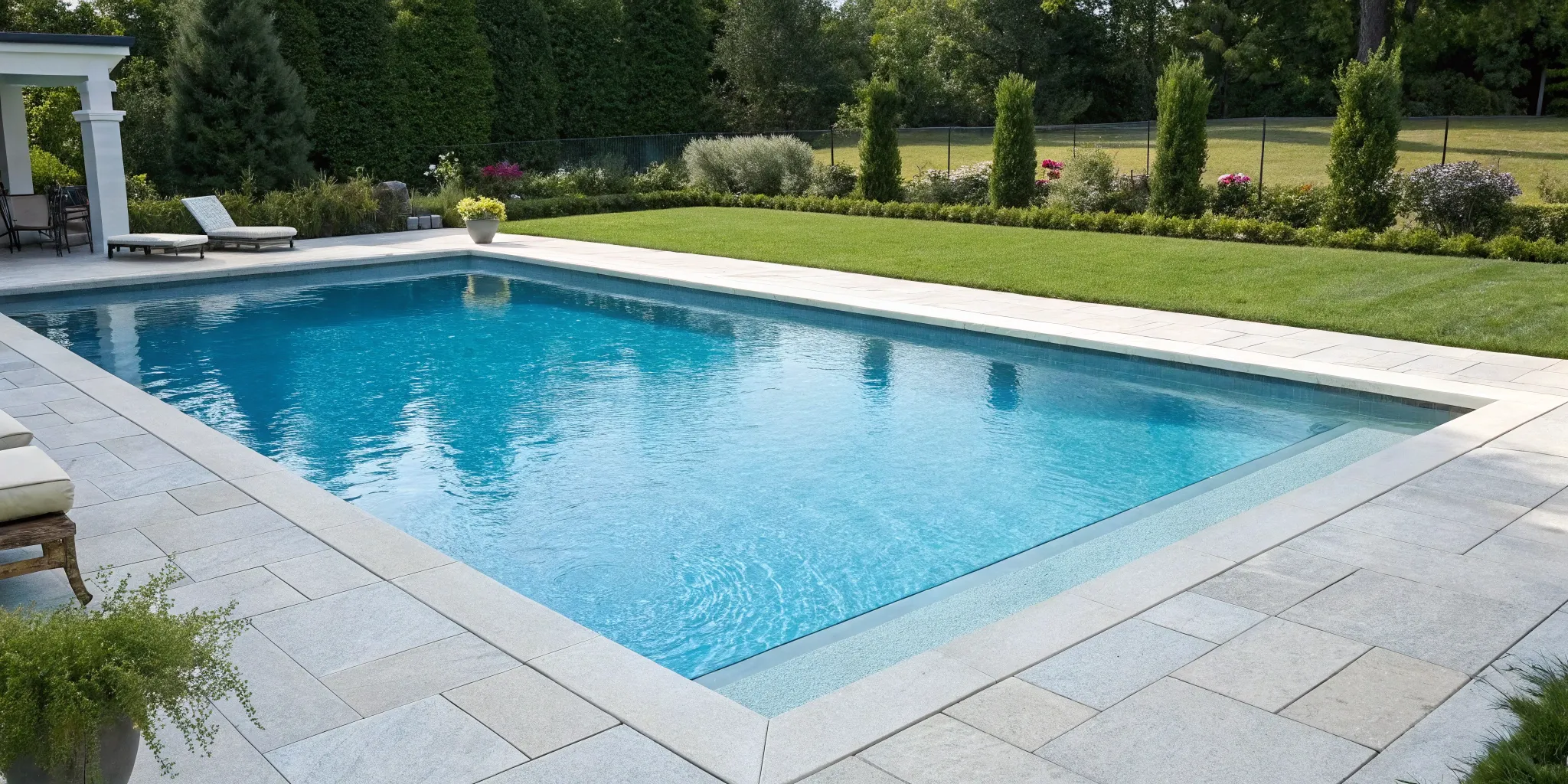
If you’re dreaming of giving your pool area a major facelift, you might be thinking about new patio furniture or landscaping. But one of the most transformative updates you can make is right at the water's edge. Replacing your old, dated coping can completely change the character of your pool, taking it from basic to beautiful. Whether you envision the rustic elegance of flagstone or the clean, modern lines of poured concrete, a fresh edge ties the whole space together. An inground pool coping replacement is a cornerstone of any significant pool remodel. Let’s explore the exciting material and design options that can redefine your backyard and turn it into the personal retreat you’ve always wanted.
Key Takeaways
- Coping is crucial for safety and structure: Regularly inspect your pool's edge for cracks, chips, or loose sections. Addressing these issues promptly prevents water from damaging the pool shell and keeps the area safe for swimmers.
- Choose materials that balance style and durability: Whether you prefer natural stone, concrete, or pavers, select a material that can withstand Colorado's freeze-thaw cycles. Your choice will define the look of your pool and the scope of your project, so consider both aesthetics and long-term performance.
- Invest in professional work and simple upkeep: Coping replacement is a precise job best left to professionals to avoid costly mistakes. Once installed, you can protect your investment with simple maintenance like regular cleaning and applying a sealant every few years to preserve its condition.
What is Pool Coping and When Should You Replace It?
If you have an inground pool, you’ve seen coping, even if you didn’t know its name. Pool coping is the cap or edging placed around the top of your pool shell. Think of it as the finishing touch that connects your pool to the surrounding deck, creating a seamless transition. But it’s not just for looks. This border serves a few critical jobs. It gives you a smooth, safe edge to hold onto when getting in and out of the water and protects the pool’s structure from potential damage. Good coping also directs splash-out away from the pool and into your deck drains, preventing water from seeping behind the pool wall where it can cause serious problems.
Because it’s constantly exposed to pool chemicals and Colorado’s intense sun and freeze-thaw cycles, coping inevitably wears down over time. Deciding when to replace it is key to maintaining your pool’s safety, function, and overall appearance. Ignoring worn-out coping can lead to bigger, more expensive issues with your pool shell and deck down the line. A full coping replacement is often part of larger remodels and rehabs that can completely transform your backyard oasis. Keeping an eye on its condition helps you plan for updates before they become urgent, costly repairs.
Telltale Signs Your Coping Needs an Update
It’s usually easy to spot coping that’s past its prime. Take a walk around your pool and look for obvious signs of wear and tear. Are there visible cracks, chips, or pieces missing? Is the material starting to feel loose or shift under your feet? You might also notice that the color has faded significantly or that there are rust stains, especially if you have metal components.
In Colorado, our freeze-thaw cycles are particularly tough on outdoor materials. Water can seep into small cracks, freeze, expand, and make those cracks much worse. Shifting ground can also cause coping to crack or become uneven. If you see any of these issues, it’s a good idea to consider a replacement before the damage spreads to the pool structure itself.
The Benefits of a Coping Refresh
Replacing your old pool coping does more than just improve your pool’s appearance, although the visual upgrade is a huge plus. Fresh, new coping instantly makes your entire pool area look more modern and well-maintained. More importantly, it restores the safety of your pool’s edge. A solid, even surface reduces the risk of trips and scrapes, while a textured material can provide a non-slip grip for wet hands and feet.
A coping refresh is also a protective measure. It ensures a tight seal around your pool’s perimeter, preventing water from getting behind the shell and causing costly structural damage. By addressing cracked or loose coping, you’re investing in the long-term health of your pool. A professional remodel can ensure the job is done right, protecting your pool for years to come.
Choosing the Right Material for Your Pool Coping
Selecting the right material for your pool coping is about more than just looks; it’s a decision that impacts safety, durability, and the overall feel of your backyard oasis. The coping is the capstone of your pool’s edge, and it needs to be comfortable for swimmers, slip-resistant, and tough enough to handle Colorado’s unique weather. Your choice will depend on your personal style, how you use your pool, and your project's scope. Let's explore some of the most popular options to help you find the perfect fit for your pool and lifestyle.
Natural Stone: A Timeless Choice
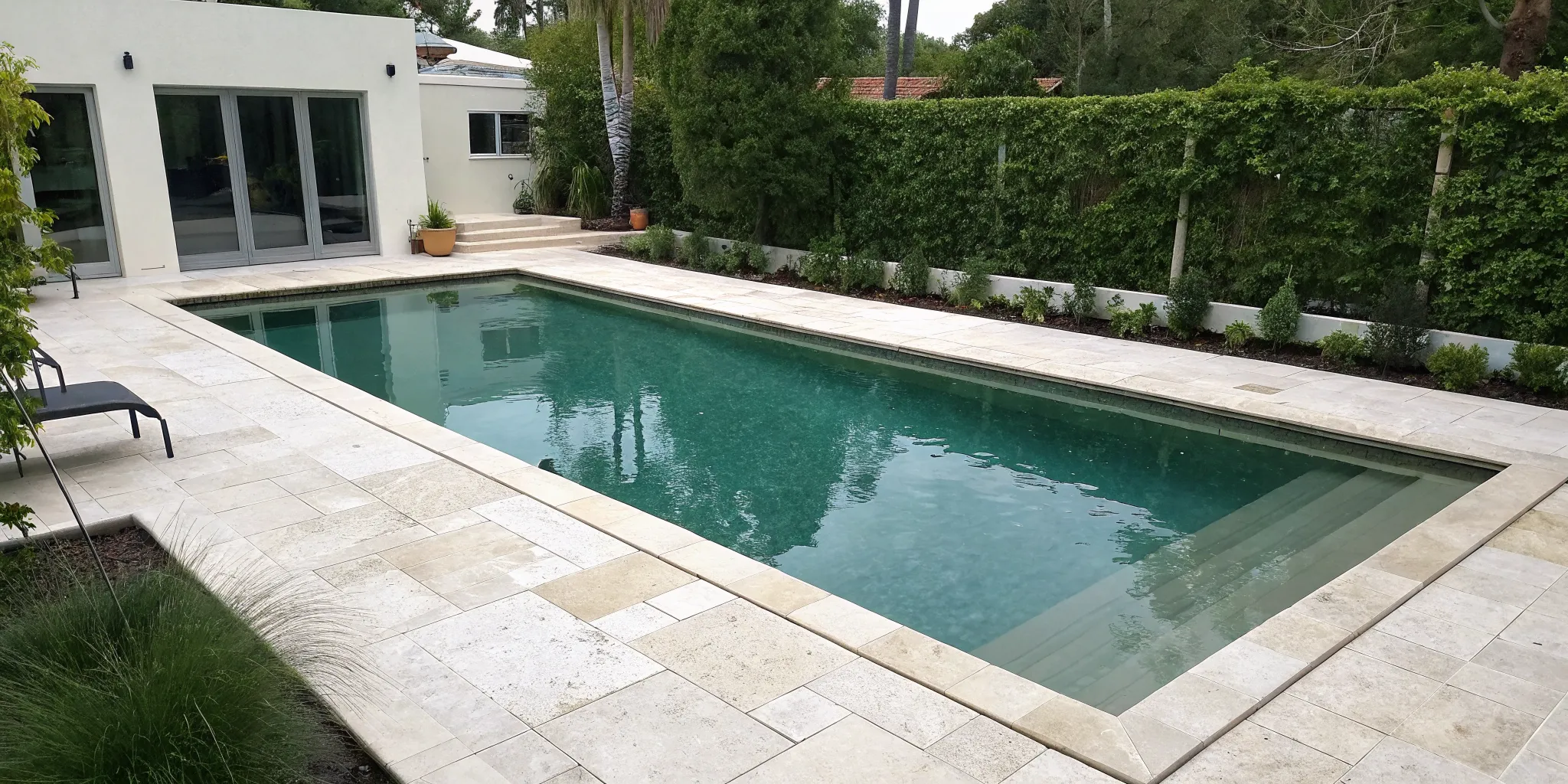
If you’re aiming for a sophisticated, high-end look, natural stone is an excellent choice. Materials like travertine, flagstone, and limestone bring an organic, timeless beauty to any poolscape. One of the biggest perks of natural stone is that it tends to stay cooler to the touch than concrete, a real bonus during hot Colorado summers. It also offers a naturally textured, slip-resistant surface, which is a key safety feature. While it’s a premium material, its durability and classic appeal make it a worthwhile investment for a stunning pool remodel.
Concrete & Precast: Modern and Versatile
Concrete is the chameleon of pool coping materials, offering incredible versatility. Poured concrete coping can be formed into a seamless, continuous edge around your pool, often called a cantilevered edge. This method is a great cost-effective solution and can be customized with different finishes. A simple brushed finish gives a clean, modern look, while stamped concrete can mimic the appearance of stone or brick for a more decorative touch. Precast concrete pavers are another great option, providing a uniform shape and color for a sleek, polished design that complements contemporary backyards perfectly.
Brick & Pavers: Classic and Durable
For a warm, traditional feel, brick coping is a fantastic option. It brings a classic charm that never goes out of style and is known for its strength and colorfastness. Pavers, which are similar to brick but come in a wider variety of shapes and colors, offer more design flexibility. One of the main advantages of both brick and pavers is the ease of repairs. If a single piece cracks or gets damaged, you can replace it individually without having to redo the entire pool edge, making it a practical long-term choice.
What Holds Up Best in Colorado's Climate?
Here in Colorado, our pools face the challenge of freeze-thaw cycles, which can be tough on materials. When water seeps into porous surfaces, freezes, and expands, it can cause cracking and deterioration. For this reason, choosing a dense, durable material is key. High-quality, sealed natural stone and properly installed concrete or pavers are all excellent choices that stand up well to our weather. No matter which material you choose, professional installation and proper sealing are essential for ensuring good drainage and long-term stability. Regular cleaning and maintenance will also protect your investment for years to come.
Budgeting for Your Coping Replacement Project
Planning your budget is one of the most important steps in any pool renovation. When it comes to replacing your coping, a clear financial plan helps you choose the right materials and avoid surprises. Think of it as an investment not just in your pool's appearance, but in its safety and structural integrity for years to come. The total cost will depend on a few key variables, including the materials you select, the size of your pool, and the complexity of the job. By understanding these factors, you can create a realistic budget that aligns with your vision for a beautiful and functional poolside.
Understanding Material and Labor Factors
The two biggest components of your coping replacement budget are materials and labor. On average, you can expect the project to run between $25 and $50 per linear foot. For most standard pools, this adds up to a total project cost of around $1,800 to $6,000. The material you choose plays a huge role in this range. For example, elegant natural stone will sit at the higher end of the spectrum, while classic brick or versatile pavers are often more budget-friendly options. A professional remodel and rehab team can walk you through the specific costs for each material, helping you find a look you love that fits your budget.
Key Elements That Influence Your Project's Scope
Beyond the basic material and labor, a few other elements can shape your project's final cost. The size and shape of your pool are major factors; a large, freeform pool with lots of curves will require more intricate cuts and labor than a simple rectangular one. The condition of the surface beneath the coping also matters. If the underlying mortar bed or bond beam is damaged, it will need to be addressed before the new coping can be installed. Discovering these kinds of issues is why a thorough inspection is a critical first step in any pool repair project, ensuring a solid foundation for your beautiful new coping.
Colorado-Specific Considerations for Your Budget
Here in Colorado, our unique climate adds another layer to consider. While some homeowners might think about a DIY approach to save on labor, our freeze-thaw cycles can be tough on pool structures. Improperly installed coping can shift or crack, creating dangerous tripping hazards around the pool deck. Even worse, misaligned coping can sometimes point to deeper foundational issues that need a professional eye. Investing in proper installation from a team that understands Colorado's specific challenges ensures your new coping not only looks great but is also safe and built to last through every season.
DIY vs. Pro Installation: Making the Right Call
Deciding to replace your pool coping is the first step. The next big question is: should you do it yourself or hire a professional? While the satisfaction of a DIY project is tempting, coping replacement is a complex job that can have a major impact on your pool's structure and appearance. It’s important to weigh the pros and cons carefully to figure out which path is right for you and your home. Let's break down what each option really involves.
Why Hiring a Professional Pays Off
Let’s be honest, replacing pool coping is a demanding project. Hiring a professional team takes the pressure off your shoulders and ensures the job is done right. Experts come equipped with specialized tools like air chisels and diamond blade grinders that most homeowners don’t have lying around. They have the experience to handle unexpected issues and ensure every piece is perfectly level and secure, which is critical for both safety and the longevity of your pool liner. A professional pool refurbishment guarantees a polished, durable finish that protects your investment for years to come, giving you peace of mind and more time to actually enjoy your pool.
The Challenges of a DIY Approach
Tackling a coping replacement yourself requires more than just a can-do attitude. This project is generally not considered DIY-friendly because of the precision and heavy-duty work involved. One of the biggest hurdles is demolition. If your concrete deck is poured right up to the coping, you’ll need to cut it back, which is a massive undertaking. You'll be dealing with heavy materials, precise measurements, and the challenge of achieving a perfectly level surface. Any misstep can compromise the integrity of the pool shell or the new coping, leading to bigger problems down the line. It’s a physically demanding job that requires time, patience, and a good bit of muscle.
Essential Tools and Skills for a DIY Project
If you’re still considering the DIY route, it’s important to know what you’re getting into. You’ll need more than a basic toolbox. This project often requires renting heavy-duty equipment, such as a walk-behind concrete saw with a diamond blade to cut the deck and a rotary hammer to break up old concrete and mortar. You'll also need masonry tools for setting the new coping, including trowels, levels, and a mortar mixer. Beyond the tools, you need the right skills. This includes knowing how to properly mix mortar so it can withstand Colorado’s weather and pool chemicals, plus the ability to set each stone or paver with absolute precision.
Common DIY Mistakes (and How to Sidestep Them)
A few common mistakes can turn a DIY coping project into a costly headache. One of the biggest is improper leveling. Uneven coping isn't just an eyesore; it can create tripping hazards and cause drainage issues. Another frequent problem is using the wrong mortar mix, which can crumble and fail when exposed to pool water and changing temperatures. It’s also crucial to ensure the new coping provides a secure track for your pool liner. If it doesn't, the liner can slip out, requiring a complete do-over. Sidestepping these issues means paying meticulous attention to detail, but the best way to avoid them altogether is to trust a professional, saving you from costly future repairs.
Keeping Your New Coping in Top Shape
Once your new coping is installed, the goal is to keep it looking just as good for years to come. A little proactive care goes a long way in protecting your investment and preventing future headaches. By building a few simple habits into your pool care routine, you can ensure your coping remains a beautiful and functional frame for your pool, season after season. These steps will help you maintain its integrity and appearance, especially with Colorado's unique weather challenges.
Your Guide to Regular Cleaning and Inspection
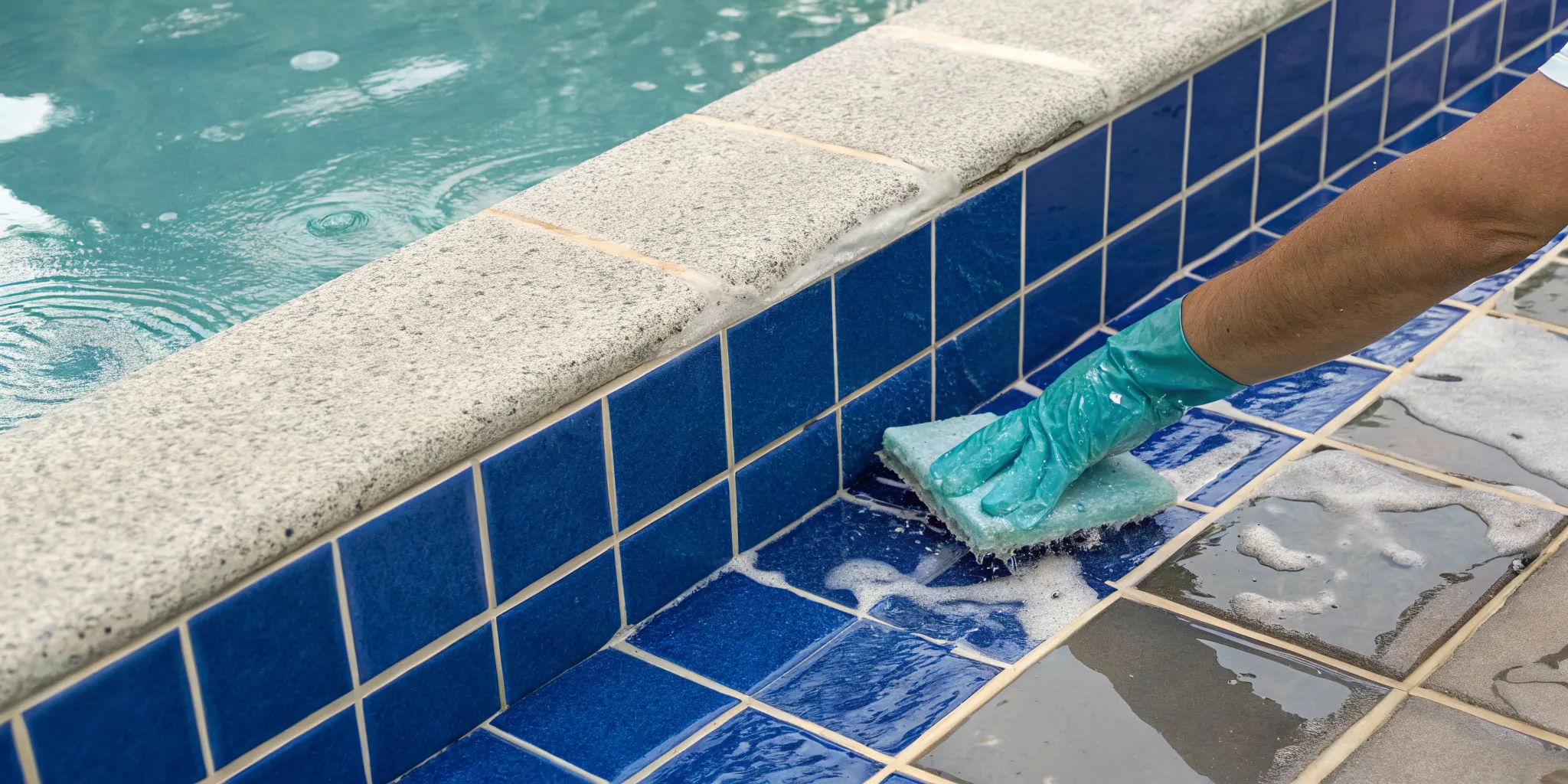
Think of this as simple housekeeping for your pool's edge. Regularly sweeping away leaves, dirt, and other debris with a broom or leaf blower is your first line of defense. This quick task prevents organic materials from sitting on the surface, which can lead to stains and grime buildup over time. While you’re cleaning, take a moment to walk the perimeter and visually inspect the coping and grout lines. Catching small cracks or shifts early makes them much easier to address before they become larger issues that require more intensive work.
Protecting Your Investment with Sealing
Applying a quality sealant is one of the most effective ways to preserve your coping. Sealant acts as a protective shield, repelling water, preventing stains from chemicals or spills, and guarding against the freeze-thaw cycles we experience in Colorado. Most experts recommend applying a high-quality sealant every one to two years, depending on the material and its exposure to the elements. This simple, periodic maintenance step is crucial for maintaining both the color and structural integrity of your coping, ensuring it stays in pristine condition for the long haul.
Partnering with a Pro for Long-Term Care
While regular cleaning is a great DIY task, some maintenance is best left to the experts. Partnering with a professional for annual inspections and care ensures nothing gets missed. A certified technician can spot subtle signs of wear or damage that might not be obvious, addressing them before they require extensive repairs. From deep cleaning to reapplying sealant correctly, professional cleaning and maintenance services provide peace of mind and help guarantee the long-term reliability and beauty of your pool area, letting you focus on simply enjoying it.
Related Articles
- Refurbishment & Rehabilitation
- Services
- Frequently Asked Questions
- Cleaning & Maintenance
- Rocky Mountain Aqua
Frequently Asked Questions
How long should my pool coping last in Colorado? The lifespan of your pool coping really depends on the material you choose and how well it was installed. High-quality materials like dense natural stone or properly sealed concrete can last for decades, even with our challenging freeze-thaw cycles. The key is proper installation that allows for good drainage and a strong bond. Regular maintenance, especially sealing the coping every couple of years, will also significantly extend its life by protecting it from water damage and sun exposure.
Can I just repair a small section of my coping, or do I have to replace it all? This depends on the type of coping you have and the extent of the damage. If you have individual pavers or bricks, it's often possible to replace just the few that are cracked or loose. However, if you have poured concrete coping or if the damage is widespread and points to an issue with the underlying structure, a full replacement is usually the better long-term solution to ensure a secure and uniform edge around your pool.
What's the safest coping material for kids and pets? When safety is the top priority, you'll want to look for a material that is naturally slip-resistant and doesn't get scorching hot in the sun. Many natural stones, like travertine, are great choices because they stay relatively cool to the touch and have a textured surface that provides good grip for wet feet. A brushed concrete finish can also offer excellent traction.
Does replacing the coping mean I have to drain my whole pool? Not necessarily. In many cases, professionals can replace the coping without completely draining the pool. They will typically lower the water level by about a foot to give them a clear and dry workspace around the pool's edge. This protects the pool interior from debris and allows them to properly set the new coping and mortar.
Why is professional installation so important for coping in Colorado? Professional installation is critical here because of our climate. An expert understands how to create a solid foundation that can withstand ground movement and freeze-thaw cycles, preventing cracks and shifts down the road. They ensure each piece is perfectly level for safety and proper drainage, and they use the correct mortar and sealing techniques to protect the pool's structure from water intrusion, which is a major risk in our environment.
Related Blogs