%201.png)
A Complete Guide to Pool Coping Replacement
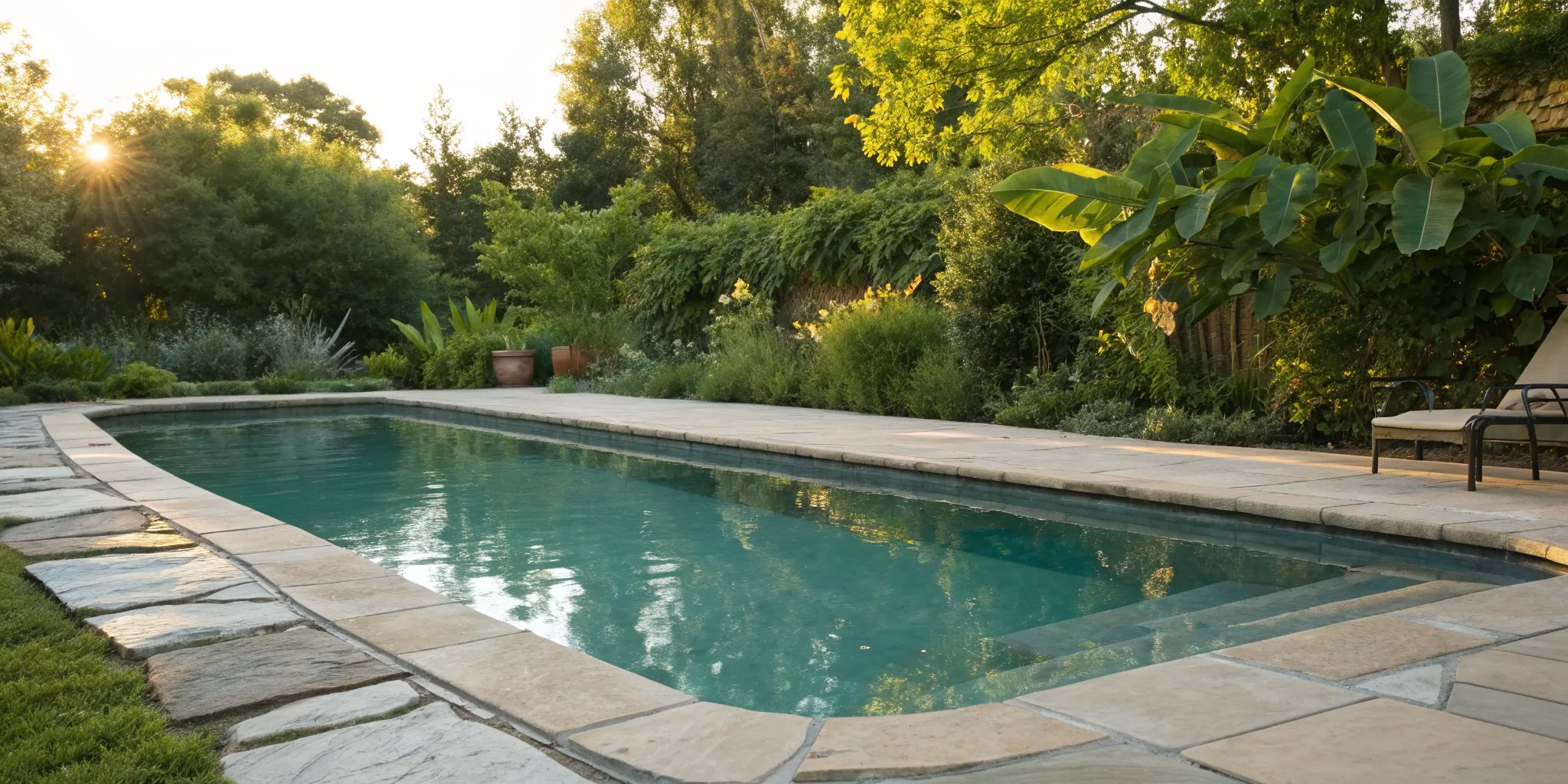
The coping is the finishing touch that ties your entire pool area together, creating a seamless transition from the water to your deck or patio. When it’s in great shape, it enhances the beauty of your backyard. But when it becomes cracked, stained, or outdated, it can make the whole space feel neglected and tired. If you’re looking for a way to refresh your pool’s appearance without committing to a full renovation, a pool coping replacement offers a high-impact upgrade. Swapping out old, worn material for beautiful new stone, brick, or concrete can completely transform the look and feel of your pool, restoring its visual appeal and making it the stunning centerpiece it was meant to be.
Key Takeaways
- Prioritize Safety by Inspecting Your Coping: Don't dismiss cracks, wobbly stones, or crumbling edges as simple cosmetic flaws. Damaged coping is a significant safety hazard and can allow water to cause hidden structural damage to your pool shell, leading to more involved repairs.
- A Successful Replacement Balances Material with Expertise: Choosing the right material—like natural stone or concrete—sets the style, but proper installation is what ensures longevity. This is a complex job best left to professionals who understand how to handle Colorado's unique climate and prevent future issues.
- Extend the Life of Your New Coping with Proactive Care: Your project isn't over after installation. A simple routine of regular cleaning, inspecting seals, and preparing for Colorado's freeze-thaw cycles will protect your investment and keep your pool's edge looking great for years.
What Is Pool Coping and When Should You Replace It?
If you’ve ever sat on the edge of a pool and dangled your feet in the water, you’ve interacted with pool coping. Think of it as the border or cap that sits right on top of the pool’s wall, creating a finished edge where the pool structure meets the deck. This material does more than just make your pool look complete; it acts as a crucial seal between the pool wall and the surrounding deck, preventing water from getting behind the pool shell and causing damage. It also gives swimmers a sturdy, safe edge to hold onto.
While built to last, pool coping faces constant exposure to Colorado’s sun, water, and fluctuating temperatures. Over time, it will show signs of wear and tear. Recognizing when it’s time for a refresh is key to protecting your investment and keeping your pool area safe for family and friends. Ignoring the warning signs can lead to bigger, more involved repairs down the road, so it’s always best to address issues as soon as you spot them.
Telltale Signs Your Coping Needs an Update
Take a walk around your pool and take a close look at the coping. Are you seeing any obvious red flags? Cracks are one of the most common indicators of a problem. While you might be able to patch very small hairline cracks with epoxy, larger or spreading cracks are a sign that the material’s integrity is compromised. Also, check for any sections that are loose, wobbly, or shifting under pressure. Other signs include visible rust stains, dents, or significant fading and discoloration that detracts from your pool’s appearance. If the material feels rough or has sharp, crumbling edges, it’s definitely time to consider a replacement.
Why Damaged Coping Is a Safety Hazard
Damaged coping isn’t just a cosmetic issue; it’s a significant safety concern. Its primary job is to seal the top of the pool wall, and when that seal is broken by cracks or gaps, water can seep into the structure and erode the ground supporting your pool and deck. Beyond the structural risk, faulty coping creates direct hazards for swimmers. A loose stone can easily become a trip hazard on a wet surface, leading to falls. Cracked or broken pieces can create sharp edges that can cause cuts. A secure coping provides a stable grip for getting in and out of the pool, and when it’s compromised, that safety feature is lost. Addressing these issues is a core part of any pool rehabilitation project.
Choosing the Right Material for Your Pool Coping
Selecting the right material for your pool coping is about finding the perfect balance between style, safety, and durability. You want something that not only looks great but can also handle Colorado's distinct seasons—from intense summer sun to freezing winter temperatures. The coping you choose will define the edge of your pool, providing a visual transition from the water to your deck while also giving swimmers a safe, sturdy edge to hold onto. This finished edge is crucial for protecting the pool's structure from water damage and preventing slips and scrapes.
Your choice impacts everything from the overall aesthetic of your backyard to the long-term maintenance required. Whether you’re aiming for a modern, sleek look or a more rustic, natural feel, there’s a material that fits your vision. As you explore your options, think about how each one will complement your existing landscape and how much upkeep you're prepared to handle. A professional can help you weigh the pros and cons of each material, ensuring your investment is a beautiful and lasting one. Our team specializes in pool remodels and rehabs and can guide you toward the best fit for your home.
Concrete
Poured concrete is one of the most common materials for pool coping, and for good reason. It’s incredibly versatile, allowing it to be formed into custom shapes that flow seamlessly with any pool design, from sharp angles to gentle curves. This flexibility makes it a fantastic choice for creating a cohesive, integrated look. Concrete is also strong and affordable, offering a durable finish that can be textured or colored to match your patio or deck. If a crack or chip appears down the road, it’s generally straightforward to patch and repair, making it a practical option for long-term maintenance.
Natural Stone
For a touch of timeless elegance, natural stone options like travertine, limestone, or flagstone are hard to beat. Each stone has unique textures and color variations, giving your pool a sophisticated, one-of-a-kind character. Beyond its beauty, natural stone is naturally porous and slip-resistant, which is a huge plus for safety around the water. It also tends to stay cooler under the hot Colorado sun compared to denser materials like concrete. While it can be a bigger initial investment, the durability and classic appeal of natural stone make it a worthwhile upgrade for many homeowners.
Brick
Brick coping offers a classic, traditional look that brings warmth and charm to any backyard. It’s a strong material that provides a naturally non-slip surface, making it a safe and reliable choice for the pool’s edge. Brick is available in various colors, from rich reds to earthy browns, allowing you to create a look that complements your home and landscaping. One thing to keep in mind is that if a single brick cracks or becomes damaged, you’ll likely need to replace the entire brick rather than just patching it. However, its durability and timeless style make it a popular choice.
Precast Concrete
If you like the durability of concrete but want more consistency and design variety, precast concrete might be the perfect fit. Precast concrete coping is created using molds, resulting in uniform pieces that are easy to install and create a clean, polished look. These pieces come in a wide range of shapes, styles, and colors, often mimicking the appearance of more expensive materials like natural stone. This versatility allows you to achieve a high-end look without the associated cost, while still getting the strength and resilience that concrete is known for.
Understanding the Investment for Coping Replacement
Replacing your pool coping is a significant investment in your pool’s safety, functionality, and overall look. When you start planning, it’s helpful to understand what goes into the total cost. It’s more than just the materials you see; it also includes the skilled labor required to get the job done right. The size of your pool, the type of material you select, and the condition of the underlying structure all play a role in the final budget.
Think of it as a long-term upgrade. Quality coping not only looks great but also protects your pool shell and creates a safer, non-slip edge for everyone to enjoy. Getting a professional assessment is the best way to get a clear and accurate picture of what your specific project will entail. Our team specializes in remodels and rehabs and can walk you through the options to find a solution that fits your vision and budget, ensuring a beautiful and lasting result for your Colorado pool.
How Your Material Choice Affects the Project
The material you choose for your coping is one of the biggest factors influencing the project's cost. Different materials come with different price points, durability, and maintenance needs. For example, natural stone like flagstone or travertine offers a premium, timeless look but typically comes with a higher cost. On the other hand, pre-cast concrete and brick are often more budget-friendly options that still provide excellent durability and style. You can generally expect the cost for pool coping to range from $30 to $50 per linear foot, including installation. Your choice will ultimately balance your aesthetic goals with your budget.
Factoring in Labor and Installation
Replacing pool coping is a complex job that’s best left to the professionals. The process involves much more than just laying down new stones. It often requires carefully cutting and removing a portion of the existing pool deck, demolishing the old coping without damaging the pool shell, and meticulously preparing the surface for the new material. As experts note, professionals use special tools and techniques to ensure a perfect fit and a watertight seal. This skilled labor is a crucial part of your investment, guaranteeing the new coping is secure, level, and built to last through Colorado’s changing seasons.
Tips for a Budget-Friendly Replacement
If you're working with a specific budget, there are several ways to manage costs without sacrificing quality. First, determine if a full replacement is truly necessary. If your coping is just faded or has minor surface scratches but is structurally sound, a good cleaning or even repainting might be enough to refresh its look. It’s also worth knowing that it’s often possible to replace coping without completely draining the pool, which can save you significant time and money. An honest assessment from a professional can help you explore these options and decide on the most cost-effective path for your pool’s remodels and rehabs.
The Pool Coping Replacement Process, Step by Step
Replacing your pool coping might seem like a huge undertaking, but breaking it down into clear steps makes the project much more manageable. Whether you're planning a DIY project or bringing in a professional, understanding the process is key to a successful outcome. Here’s a look at what the project involves, from the initial plan to the finishing touches.
Step 1: Initial Assessment and Plan
The first step is always a thorough assessment. You’ve likely decided to replace your coping because the old material is faded, rusted, dented, or cracked. This is the perfect time to evaluate the full scope of the project and create a solid plan. A professional can help you confirm the extent of the work and ensure there aren't any underlying issues that need attention. A well-thought-out plan is the foundation for a smooth remodel and rehabilitation project, ensuring everything from material selection to the final timeline is accounted for before any work begins.
Step 2: Removing the Old Coping
Once you have a plan, it's time for the old coping to come out. This part of the job requires a bit of muscle and a lot of care. The process typically involves carefully chipping away old grout and mortar with chisels or power tools. If the coping is screwed into the pool wall, those fasteners will need to be removed before the old pieces can be pried up. It’s important to work carefully during this stage to avoid damaging the pool's shell or the surrounding deck. This demolition phase clears the way for a fresh start and a beautiful new edge for your pool.
Step 3: Preparing the Surface for Installation
With the old coping gone, the next crucial step is preparing the surface for the new material. A clean, level base is non-negotiable for a secure and long-lasting installation. This involves scraping the bond beam—the top edge of the pool wall—completely clean of any old mortar or debris. In some cases, if the concrete deck was poured right up to the coping, a section of the deck may need to be cut back to provide proper access. This preparation ensures the new coping will adhere correctly and sit perfectly level.
Step 4: Setting the New Coping
Now for the exciting part: setting the new coping in place. The exact method depends on the material you’ve chosen. For natural stone or brick, each piece is carefully set into place with an adhesive mortar. If you're using aluminum or plastic coping, a bead of sealant is usually applied underneath each strip to create a watertight seal that prevents water from getting behind it. This step requires precision and attention to detail to ensure the final look is clean, uniform, and professionally finished. Proper installation is a key part of any pool repair service.
Step 5: Sealing and Finishing
The final step is all about sealing the deal—literally. Finishing the job correctly protects your investment and gives your pool that polished, complete look. This involves grouting the joints between each piece of coping or sealing them, depending on the material. Any gap between the new coping and the pool deck should be filled with foam backer rod and a flexible pool caulk. This finishing touch isn't just for aesthetics; it’s essential for preventing water from seeping behind the coping and causing damage. Once complete, regular cleaning and maintenance will keep your new coping looking its best for years to come.
DIY vs. Hiring a Pro: What's Right for You?
Deciding whether to tackle a pool coping replacement yourself or hire a professional is a big decision. On one hand, DIY projects can feel empowering and potentially save you some money. On the other, a project of this scale involves specialized skills and equipment that most homeowners don’t have lying around in the garage. It’s not just about laying down some new stones; it’s a structural part of your pool that affects both safety and longevity.
Before you commit to a weekend warrior project, it’s important to honestly assess the scope of the work, your own skill level, and what the job truly requires. A small, isolated repair might be manageable, but a full-scale replacement is a different story. This kind of work often involves heavy machinery, precision measurements, and an understanding of how different materials interact with your pool’s structure and the surrounding environment. Weighing the pros and cons carefully will help you protect your investment and ensure the job is done right the first time.
The Tools and Skills a DIY Project Demands
A full coping replacement goes far beyond basic home repair. To do it correctly, you’ll need access to heavy-duty equipment. This often includes renting a walk-behind cut saw with a diamond blade to precisely cut through old concrete and a rotary hammer drill to break it up without damaging the underlying pool structure. These aren't your standard power tools. Professional masons use these specialized tools and have developed techniques to ensure the new coping is perfectly level, securely bonded, and properly sealed to prevent water damage. Without the right experience, it’s easy to make costly mistakes.
When to Call in the Professionals
If you’re dealing with a few minor cracks, a DIY fix with some epoxy or silicone might be a reasonable short-term solution. However, if you’re seeing widespread cracking, crumbling sections, or if the coping is loose and shifting, it’s time to call for a professional assessment. A full coping replacement is a major undertaking that requires precision and expertise. A professional can not only execute the remodels and rehabs flawlessly but also spot underlying issues, like hidden structural damage to the pool beam, that could turn into much bigger problems down the road.
The Benefits of a Colorado-Based Specialist
Hiring a local professional who understands the Colorado climate is a game-changer. Our freeze-thaw cycles put unique stress on pool materials, and an expert knows which materials and installation techniques will stand up to our specific weather patterns. A Colorado-based team brings professional training combined with essential local knowledge. This ensures your new coping is not only beautiful but also durable enough to handle our mountain environment, keeping your pool safe and swim-ready for years to come. It’s about getting the job done right by someone who knows your backyard.
Potential Challenges During Your Project
Even the most carefully planned home improvement project can hit a few snags, and replacing your pool coping is no exception. Being aware of potential issues ahead of time can help you prepare and ensure the process goes as smoothly as possible. From simple missteps to discovering deeper problems, a little foresight goes a long way.
The main challenges you might face often fall into three categories: making common mistakes that can lead to bigger problems, uncovering hidden structural damage once the old coping is removed, and dealing with unpredictable Colorado weather. Knowing what to look for can make all the difference between a temporary patch and a lasting solution. When you’re prepared for these possibilities, you can work with your contractor to create a realistic timeline and budget, turning potential headaches into manageable tasks. This is where professional remodels and rehabs expertise becomes invaluable, as an experienced team can anticipate and address these issues effectively.
Common Mistakes to Avoid
One of the most frequent mistakes homeowners make is underestimating the extent of the damage. It’s tempting to see a small crack and assume a quick fix will do the trick. While minor cracks can sometimes be sealed with epoxy, larger fractures often point to a more significant underlying issue. Simply patching over a deep crack is usually a temporary fix that won’t hold up over time. Getting a proper diagnosis from the start is key. A professional can determine if the damage is cosmetic or structural, ensuring you invest in a solution that lasts. This prevents you from spending time and money on a patch job only to have to replace the entire section of coping a season or two later.
Uncovering Hidden Structural Damage
Sometimes, the real problems aren't visible until the project is underway. When the old coping is removed, you might find some unwelcome surprises. The top edge of the pool wall, where the coping sits, can become fragile or rusty over time without any outward signs. This hidden deterioration can compromise the new installation if it’s not addressed properly. This is also a stage where safety is critical. The process of removing old materials can be intensive, and it’s important to protect yourself and your pool structure. Discovering hidden damage can feel overwhelming, but it’s actually an opportunity to perform necessary repairs and ensure your pool's long-term health before the new coping is installed.
How Colorado Weather Can Impact Your Timeline
Here in Colorado, we know the weather can change in an instant. Those dramatic temperature swings and freeze-thaw cycles aren't just a conversation starter—they directly impact your pool structure. Ground movement and extreme temperatures can cause coping to crack and can also affect your project’s timeline. An unexpected spring snowstorm or a series of rainy days can pause installation work. When planning your coping replacement, it’s wise to build some flexibility into your schedule. Working with a local team that understands Colorado’s climate is a major advantage. They can plan the project around typical weather patterns and use materials and techniques best suited for our environment. Regular cleaning and maintenance can also help you spot weather-related wear and tear early.
Keeping Your New Pool Coping in Great Shape
Once your beautiful new coping is installed, the project is complete, right? Almost. The final step is committing to a simple maintenance routine to keep it looking and performing its best for years to come. Think of it as protecting your investment. A little proactive care goes a long way in preventing minor issues from becoming major headaches. By staying on top of routine cleaning, adjusting your care for Colorado’s changing seasons, and knowing when to call for a professional eye, you can ensure your pool's edge remains safe, sturdy, and stunning. It doesn’t require a huge time commitment—just a bit of consistency. Regular upkeep helps maintain the integrity of the materials, preserves the grout and sealant, and keeps the entire pool area looking pristine. This approach not only extends the life of your coping but also supports the overall health of your pool structure, preventing water from seeping where it shouldn’t and causing hidden damage.
Your Routine Cleaning and Inspection Checklist
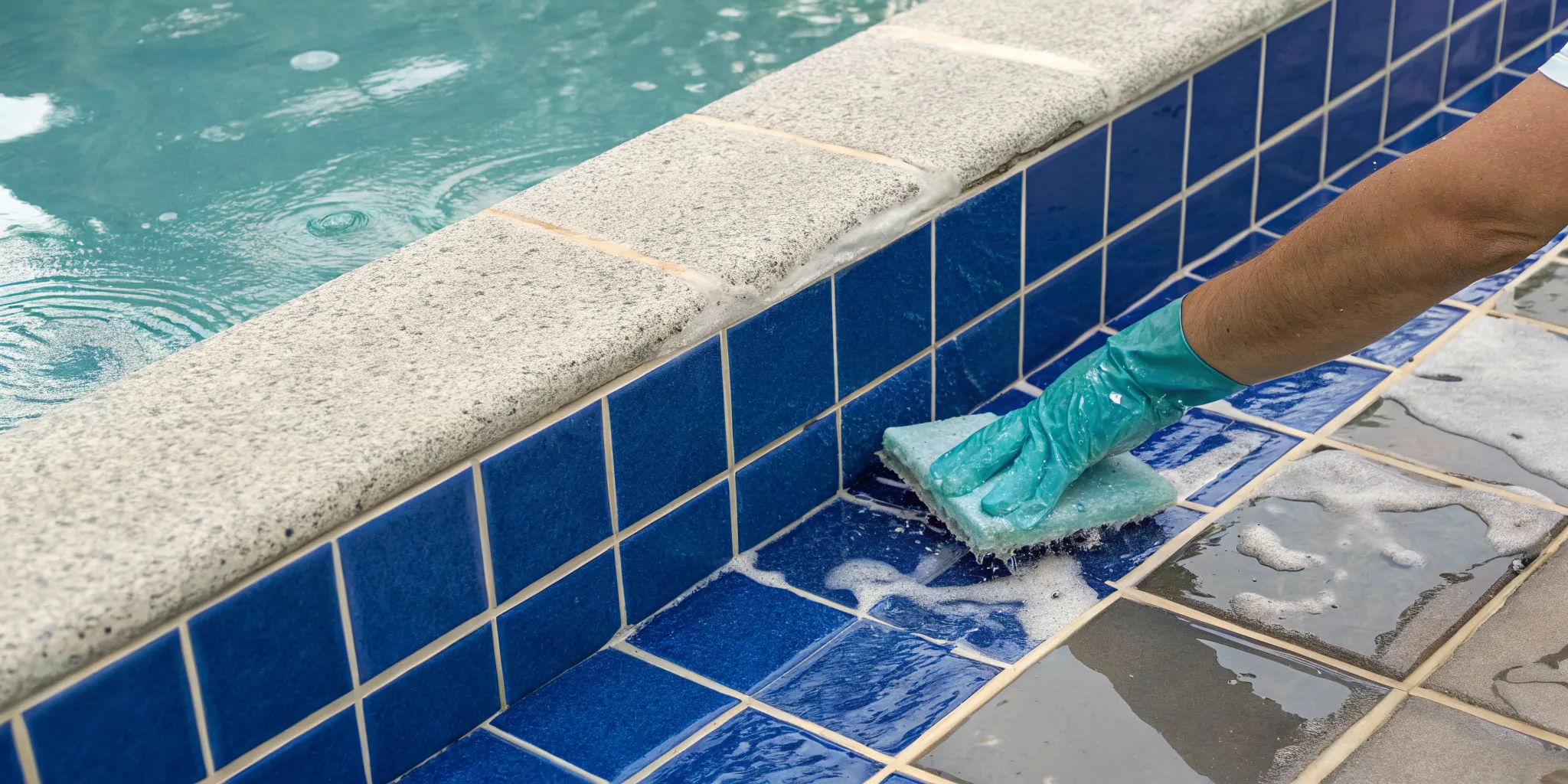
The easiest way to protect your coping is to make cleaning and inspection a regular habit. Once a week, take a few minutes to sweep away leaves, dirt, and other debris that can hold moisture and cause stains. Give the coping a quick rinse with a hose to wash away dust and pollen. For any stubborn spots, use a gentle, pH-neutral cleaner that’s safe for your specific material. While you’re cleaning, do a quick visual check. Look for any new cracks, crumbling grout, or sections that feel loose. Catching these small problems early is the key to a simple fix. Consistent cleaning and maintenance is the best defense against long-term wear and tear.
Seasonal Care Tips for Colorado Pools
Living in Colorado means we get to enjoy distinct seasons, and your pool coping needs slightly different care for each one. During our intense summer sun, regularly check the sealant to ensure it isn’t drying out or cracking, which can leave the material vulnerable. In the fall, be diligent about clearing fallen leaves. But winter is when you need to be most vigilant. The freeze-thaw cycle can be brutal on masonry. Water that seeps into tiny cracks will freeze, expand, and turn small fissures into significant damage. Before you cover your pool for the season, make sure the coping is completely clean and dry to minimize this risk. We understand the unique challenges of maintaining pools in our mountain climate.
The Role of Professional Maintenance
While your own routine is vital, there’s immense value in having a professional check things out periodically. A trained technician can spot subtle signs of trouble you might miss, like early-stage efflorescence (salt deposits) or minor shifting that could point to a bigger issue. Professionals can also re-apply commercial-grade sealants that offer longer-lasting protection than most DIY products. If you notice a crack or a loose stone, it’s always best to call for help. Our team provides professional troubleshooting and expert repairs designed for long-term performance and safety, ensuring your pool coping remains a durable and beautiful frame for your backyard oasis.
Frequently Asked Questions
How long should my pool coping last? The lifespan of your pool coping really depends on the material you choose and how well it's maintained. Generally, well-installed coping made from quality materials like natural stone or concrete can last for decades. However, Colorado's freeze-thaw cycles can be tough on any material. Consistent cleaning and sealing will go a long way in helping it reach its maximum lifespan and protecting your investment.
Can I just repair a few cracked stones instead of replacing everything? It's a great question, and the answer depends on the type of damage. If you have a single, small hairline crack in an otherwise solid piece of coping, a professional repair with epoxy might be a perfectly good solution. However, if you're seeing multiple cracks, crumbling edges, or any sections that are loose to the touch, it usually points to a bigger issue. In those cases, a full replacement is the best way to ensure the structural integrity and safety of your pool's edge.
Will the replacement process damage my pool or the surrounding deck? This is a common and completely valid concern. A professional team works with extreme care to protect your pool's shell and liner throughout the entire process. The work is focused on the very edge of the pool. While a small portion of the deck immediately adjacent to the coping often needs to be cut back to ensure a proper installation, this is a planned part of the project and is repaired and refinished to create a seamless final look.
How long does a typical coping replacement project take? The timeline can vary based on the size of your pool, the material you've selected, and whether any unexpected repairs are needed once the old coping is removed. For an average-sized residential pool, the project usually takes several days from start to finish. This includes the careful removal of the old material, surface preparation, installation, and the time needed for mortar and grout to cure properly.
Is there a specific coping material that's best for Colorado's weather? While there isn't one single "best" material for every pool, some options handle our unique climate better than others. Dense materials like high-quality natural stone (such as travertine or flagstone) and properly sealed concrete are excellent choices because they are less susceptible to water absorption, which is the main culprit in freeze-thaw damage. The most important factor, regardless of material, is a professional installation that includes proper sealing to keep moisture out.
Related Blogs