%201.png)
How to Acid Wash a Pool With Water In It

It might sound like a bit of chemistry magic, but you can restore your pool’s bright finish without ever pulling the plug. The secret is a no-drain acid wash, a process that temporarily alters your water’s pH to make it a cleaning agent. Instead of a harsh, abrasive scrub on an empty surface, this technique lets the water do the work for you. When you acid wash pool with water in it, the acidic water gently dissolves stains and mineral buildup over several days. It’s a less aggressive but highly effective way to get a sparkling clean surface while protecting your plaster for the long haul.
Key Takeaways
- A Water-Conscious Cleaning Method: A no-drain acid wash offers an effective way to remove light to moderate surface stains and scale, allowing you to refresh your pool's appearance without draining thousands of gallons of water.
- Proper Procedure is Non-Negotiable: This process requires careful handling of muriatic acid with full safety gear, consistent brushing of the pool surface, and a patient approach to rebalancing your water chemistry for safe swimming.
- Understand Its Limitations: This gentle wash is not a cure-all for deep, set-in stains or aging plaster. If you have severe discoloration or feel uncertain about the process, professional help is the safest and most effective option.
What Is a No-Drain Acid Wash?
If you’re looking at stubborn stains on your pool’s surface but can’t stomach the thought of draining thousands of gallons of water, a no-drain acid wash might be the perfect solution. This technique cleans stains and scale from your pool's plaster without emptying it. Instead of draining the water, you temporarily alter its chemistry, turning it into a powerful cleaning agent that works over a few days to dissolve unsightly blemishes.
It’s a clever and effective way to restore your pool’s sparkle, especially here in Colorado where water conservation is always on our minds. The process is less aggressive than a traditional acid wash but still delivers impressive results for many types of common pool stains. By using the water already in your pool, you save time, effort, and a significant amount of water.
How the No-Drain Method Works
The magic behind a no-drain acid wash lies in carefully controlled water chemistry. The process involves adding muriatic acid to the pool to dramatically lower the pH level to about 1.0 and drop the total alkalinity to nearly zero. This makes the water highly acidic for a short period, usually one to three days. During this time, the acidic water slowly dissolves a micro-thin layer of plaster, lifting away mineral stains, scale, and organic discoloration.
This isn’t a "set it and forget it" task. It requires a lot of brushing with a stiff pool brush to help the acid work evenly across the surface and break up the stains. Getting the chemical balance just right is crucial, which is why many pool owners rely on professional cleaning and maintenance services to handle the job safely and effectively.
No-Drain vs. Traditional Acid Washing
A traditional acid wash is a much more intensive process. It requires completely draining your pool, which not only uses a massive amount of water but can also expose the plaster to potential damage from the sun and air. Once empty, the surface is scrubbed with a potent acid solution that strips away a noticeable layer of plaster to reveal a fresh one underneath.
The no-drain method, by contrast, is far gentler. It’s not quite as powerful as a full drain-and-wash, but it’s strong enough to handle many common stains without the risk and waste. Because it’s less abrasive, it helps preserve the lifespan of your pool’s plaster. A harsh traditional wash can sometimes accelerate the need for larger remodels and rehabs, making the no-drain option a great intermediate choice for regular upkeep.
Is This Method Right for Your Pool?
A no-drain acid wash is an excellent choice for pools with light to moderate surface staining, minor scale buildup, or a generally dull appearance. If you live in an area with water restrictions or simply want a more eco-friendly and less intensive alternative to a full drain, this method is for you. It’s a great way to brighten your pool’s finish without the commitment of a traditional acid wash.
However, it does have its limits. For severe, deep-set stains, like those from metal or embedded organic material, a traditional drain-and-wash is usually more effective. If you’re unsure which approach is best, it’s always a good idea to get a professional opinion. Our team can assess your pool’s condition and recommend the right treatment to get it looking its best.
Why Try a No-Drain Acid Wash?
If your pool is looking dull and stained, you might think a full drain and acid wash is your only option. But the no-drain method offers a powerful alternative with some serious advantages. It’s an effective way to restore your pool’s sparkle without the hassle and expense of completely emptying it. For many Colorado pool owners, this approach is not just easier, it’s also a smarter, more responsible way to handle deep cleaning. Let’s look at why a no-drain acid wash might be the perfect solution for you.
Conserve Colorado's Water
Here in Colorado, we know that water is a precious resource. Draining and refilling a swimming pool uses thousands of gallons of water, which can be costly and puts a strain on local supplies, especially during dry seasons or in areas with water restrictions. A no-drain acid wash allows you to revitalize your pool’s surface while keeping the existing water. This makes it an excellent choice for environmentally conscious homeowners and anyone looking to avoid a high water bill. By choosing this method, you’re making a responsible decision that helps conserve our state's water while still getting a beautifully clean pool.
Remove Tough Stains and Scale
Over time, pool surfaces can develop stubborn stains from minerals, algae, and organic debris. A no-drain acid wash acts like a reset button for your pool’s finish. The process uses a diluted acid solution to gently strip away the very top layer of the plaster or pebble, taking the unsightly stains and scale buildup with it. This reveals a fresh, clean surface underneath, making your pool look brighter and feel smoother. It’s a fantastic way to tackle discoloration that regular cleaning and maintenance can’t handle, giving your pool a nearly new appearance without the need for a major renovation.
Save Time and Effort
Let’s be honest: draining a pool is a massive undertaking. It can take days to empty, clean, and refill, turning your backyard into a construction zone. The no-drain method is much faster and far less disruptive. You get to skip the lengthy draining and refilling process, which means you can get back to enjoying your pool sooner. This method also saves you the effort of managing a sump pump and monitoring an empty pool shell. It’s a more efficient way to achieve a deep clean, giving you great results with a fraction of the time and labor involved in a traditional acid wash.
Protect Your Pool Equipment
Leaving a pool empty can be risky. The shell, especially if it’s plaster or gunite, can be vulnerable to cracking from sun exposure or even popping out of the ground due to hydrostatic pressure. A no-drain acid wash completely avoids these dangers by keeping the pool full and stable. While the acidic water is in the pool, your pump and filter are turned off, which protects their delicate metal and rubber components from corrosion. Preventing this kind of damage is always better than dealing with costly fixes later. By keeping the water in, you safeguard both your pool’s structure and its essential equipment that may need repairs.
What You'll Need for a No-Drain Acid Wash
Before you start pouring anything into your pool, let's talk about getting prepared. A successful no-drain acid wash is all about having the right supplies and safety gear on hand from the start. Gathering everything you need beforehand makes the process smoother and, most importantly, safer. Think of this as your pre-project checklist to get the best possible results for your pool.
Essential Chemicals
The main player in this process is muriatic acid. This is what will do the heavy lifting to remove stains and scale from your pool's surface. A good rule of thumb is to use about one gallon of muriatic acid for every 1,600 gallons of water in your pool. The goal is to temporarily lower your pool's alkalinity to almost zero, which allows the acid to work directly on the plaster without being neutralized by the water. This is a delicate balance, so getting the right product is key. If you're unsure what to get, our team can help you find the right supplies and chemicals for your specific pool.
The Right Brushes and Tools
You can't just add acid and hope for the best; you need the right tools to make it work. A high-quality pool brush is non-negotiable. For really tough stains, a steel-bristled brush is often recommended to scrub the surfaces effectively after the acid has been added. To get an even finish and lift those stubborn stains, plan on brushing the entire pool several times a day for about three days. This consistent effort is what really makes a difference and is a core part of any professional cleaning and maintenance routine.
Necessary Safety Gear
Let's have a serious chat about safety. Muriatic acid is a powerful chemical and requires your full respect. Before you even open the bottle, you absolutely must be wearing personal protective equipment (PPE). This includes chemical-resistant gloves, safety goggles to protect your eyes from splashes, and a mask or respirator to avoid inhaling fumes. And here’s the golden rule you can never forget: always add acid to water, never the other way around. Pouring water into acid can cause a dangerous chemical reaction. Your safety is the top priority.
How to Prep Metal Fixtures
Acid can be corrosive, so you'll want to protect any metal components in your pool before you begin. This includes things like ladders, handrails, and the metal rings around your pool lights. A simple but effective trick is to coat them with a thick layer of petroleum jelly. This creates a barrier that prevents the acid from discoloring or damaging the metal. Taking a few extra minutes for this step can save you from needing costly equipment repairs down the road.
How to Perform a No-Drain Acid Wash: A Step-by-Step Guide
Ready to give your pool a fresh start without the hassle of draining it? This step-by-step guide will walk you through the process. Remember, you're working with strong chemicals, so take your time and follow each step carefully. If at any point you feel unsure, our team is always here to help with professional cleaning and maintenance.
Step 1: Test Your Water and Pool Surface
Before you add any chemicals, you need a baseline. Start by testing your pool water to find its current pH and alkalinity levels. This initial reading is crucial because it helps you figure out exactly how much muriatic acid your pool needs to effectively remove stains without damaging the surface. You can grab a reliable test kit from most pool supply stores. A quick test will give you the starting point for the entire process, ensuring you get the results you want.
Step 2: Prepare Your Pool and Equipment
Next, give your pool a thorough cleaning. You’ll want to vacuum any debris from the floor, brush the walls, and skim the surface to get rid of leaves and bugs. The goal is to have a clean slate so the acid can work directly on the stains and scale. It’s also very important to remove all metal items from the pool, including ladders, handrails, and automatic pool cleaner components. The acidic water can cause discoloration and damage to metal, so get them out of the water and store them safely away from the pool area.
Step 3: Safely Add Muriatic Acid
This is the most important step, so handle it with care. Always wear your safety gear, including gloves and goggles. The golden rule is to always add acid to water, never the other way around, to prevent dangerous splashing. Carefully pour the muriatic acid into the deep end of the pool, walking around the edge to distribute it as evenly as possible. You're aiming to lower the pH to around 1.0 and the alkalinity to zero. This creates the acidic environment needed to lift stains from the plaster.
Step 4: Brush the Surface and Monitor Progress
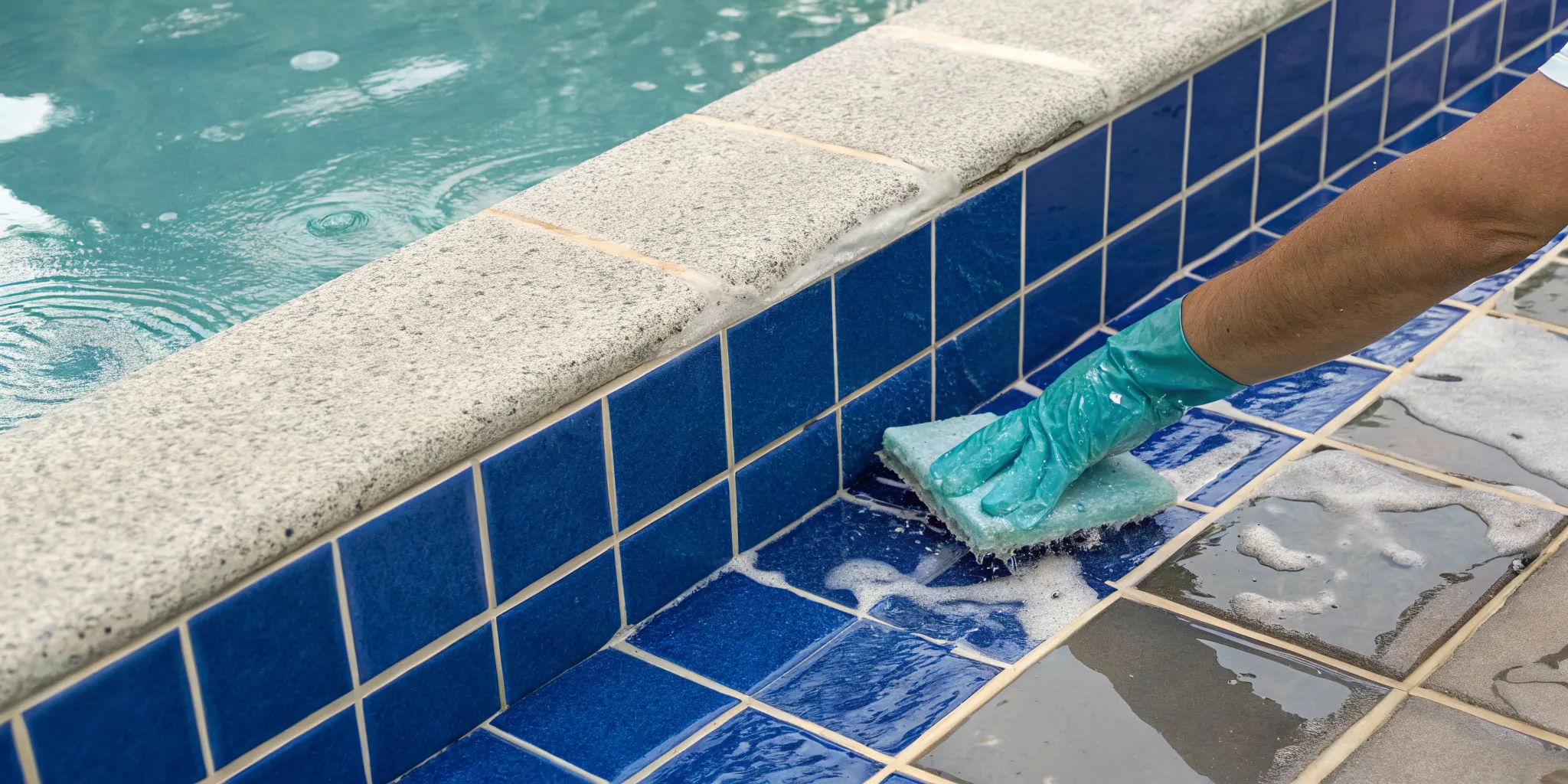
Once the acid is in the water, it’s time to get brushing. You’ll need to brush the entire surface of your pool, including the walls and floor, several times a day. This manual effort helps loosen the scale and stains that the acid is working on. As you brush, keep a close eye on the pool’s surface. You should see the stains begin to fade. This process can take a few days, so be patient and consistent with your brushing. If stains are particularly stubborn, it might indicate a deeper issue that a full remodel or rehab could address.
Step 5: Keep the Water Circulating
To ensure the acid wash works evenly across your entire pool, you need to keep the water moving. Let your pool pump run continuously throughout the process. This circulation distributes the acidic water everywhere, preventing concentrated spots that could etch the plaster. It also helps the filter catch the debris you brush off the walls. If you notice your pump isn't running as it should, it might be a sign that it needs attention. Proper circulation is key, so don't skip any necessary equipment repairs.
Safety First: Acid Wash Precautions
Working with muriatic acid demands your full attention. This powerful chemical can cause serious harm if handled improperly. Follow these safety protocols to protect yourself, your family, and your pool.
Wear the Right Protective Gear
This step is non-negotiable. Muriatic acid causes severe chemical burns and can permanently damage your eyes. Wear full-coverage clothing, closed-toe shoes, chemical-resistant gloves, and splash-proof goggles. A respirator rated for acid vapors is also crucial to protect your lungs. Your personal protective equipment is essential for this job, so don't start without it. A few minutes of prep can prevent serious injury.
Handle Acid with Care
When mixing, remember the golden rule: always add acid to water, never the other way around. Pouring water into acid can create a volatile reaction that causes dangerous splashing. Pour the acid slowly and carefully into the water, keeping a firm grip on the container to avoid spills. Always read the manufacturer’s instructions before you begin. This careful approach ensures the acid is diluted safely and you stay in control.
Ensure Proper Ventilation
Muriatic acid releases potent fumes that are harmful to inhale and can corrode nearby surfaces. Always work outdoors and position yourself upwind so fumes are carried away. These fumes can damage plants and metal objects like patio furniture, so keep the area clear. Make sure pets and children are safely inside and far from the pool area while you work. Good airflow is essential for keeping your lungs safe and protecting your property.
Safety Tips for Colorado Pool Owners
An acid wash is harsh on your pool's surface. Each wash strips away a thin layer of plaster, making the surface rough over time. If your pool has deep stains or a worn-out finish, an acid wash might only be a temporary fix. It may be more cost-effective to consider a professional remodel or rehab to restore the surface properly. When in doubt, it's always safest to call for professional help to avoid damaging your pool or injuring yourself.
After the Wash: How to Rebalance Your Pool Water
You’ve done the hard part, and your pool is looking brighter and cleaner. Now, it’s time for the final, crucial step: rebalancing the water chemistry. After an acid wash, your pool’s pH and alkalinity levels will be very low. Getting these levels back to normal is essential for swimmer safety and comfort, and for protecting your pool equipment from corrosion. This process takes a bit of patience, but it’s straightforward. You’ll need a good water testing kit and the right supplies and chemicals to get the job done correctly. Let’s walk through how to restore harmony to your pool water.
Test and Adjust pH Levels
After the acid has worked its magic for about three days, you can begin rebalancing. The first priority is to raise the pH. A low pH means the water is acidic, which can be irritating to swimmers and damaging to your equipment. You’ll need to add a pH increaser, like soda ash, to bring the levels up. A good rule of thumb is to add about eight pounds of pH increaser for every 5,000 gallons of water. Don’t add it all at once. Instead, divide the total amount into three equal parts, adding one part every six to twelve hours. Be sure to brush the pool after each addition to help it dissolve and circulate evenly.
Balance Alkalinity and Hardness
As you adjust the pH, you’ll also need to keep a close eye on the total alkalinity (TA). TA acts as a buffer for your pH, helping to keep it stable. Your goal is to get the pH into the ideal range of 7.2 to 7.6 and the TA between 80 and 120 parts per million (ppm). You may need to add an alkalinity increaser separately to hit this target. Don’t forget about calcium hardness, especially with Colorado’s water. Proper hardness levels protect your plaster from etching. If balancing chemicals feels overwhelming, our professional cleaning and maintenance team can get your water perfectly dialed in for you.
Prevent Future Stains and Scale
With your pool surface sparkling clean, you’ll want to keep it that way. A great proactive step is to add a metal sequestrant or stain preventer to the water. This chemical binds to minerals like iron and copper, preventing them from settling on your pool surfaces and causing new stains. After rebalancing, simply pour about 16 ounces of a quality stain prevention product for every 10,000 gallons of water into your pool. This simple step helps maintain that fresh, clean look you worked so hard to achieve and is a smart move for any Colorado pool owner.
When Is It Safe to Swim Again?
The finish line is in sight! Once your water tests show a stable pH between 7.2 and 7.6 and a total alkalinity between 80 and 120 ppm, your pool is officially ready for action. At this point, you can turn your pump and filter system back on to its normal schedule and return any ladders, lights, or other fixtures you removed. Double-check your chemical levels one last time, and if everything looks good, it’s finally safe to grab your swimsuit and enjoy your beautifully restored pool. If you have any doubts, our team is always here to help with your spa services and pool care needs.
Common No-Drain Acid Wash Mistakes to Avoid
A no-drain acid wash can be a fantastic way to refresh your pool, but it’s a powerful process that requires a careful hand. Even with the best intentions, a few common missteps can lead to more work and potential damage to your pool’s surface. The key is to work cautiously, pay close attention to your pool's reaction, and know when a DIY approach might not be the best solution. Understanding these potential pitfalls ahead of time will help you get the bright, clean results you’re looking for without any of the headaches. Let’s walk through what to watch out for so you can handle the project with confidence.
Chemical Errors That Can Cause Damage
The most frequent mistake is simply using too much acid or leaving it in the water for too long. While you want to remove stains, you don’t want to harm the plaster itself. An overly aggressive acid wash can make your pool's surface feel rough and porous, which unfortunately makes it easier for algae and stains to take hold in the future. In some cases, if the surface is already worn, an acid wash might not be the right answer at all. You might find that the better long-term investment is a full remodel or rehab to get a fresh, durable finish.
How to Prevent Surface Etching
Surface etching creates rough, pitted spots on your pool’s plaster, and it’s a direct result of the acid stripping away too much of the finish. To avoid this, always start with a more diluted acid solution and add more only if necessary. Keep a close eye on the surface as you brush. According to the experts at In The Swim, if you notice any significant etching or damage, you should stop the process immediately and begin neutralizing the acid. Catching it early is crucial to preventing permanent damage that might require professional equipment repairs and servicing.
Know When to Call the Pros at Rocky Mountain Aquacare
There’s no shame in calling for backup. Acid washing can be tricky, and as one pool forum notes, it can cause issues whether your pool is brand new or has seen decades of Colorado summers. If you feel unsure at any point, notice uneven results, or just aren’t comfortable handling muriatic acid, it’s time to call a professional. Our certified technicians have the experience to assess your pool’s specific needs and perform the job safely and effectively. Our cleaning and maintenance services can get your pool looking its best without the stress.
Recognizing When a Traditional Drain Is Necessary
A no-drain acid wash is a great tool, but it has its limits. Because it’s a gentler process, it’s best for tackling surface-level discoloration, light staining, and mineral buildup. If your pool has deep, set-in stains from metals, algae, or years of neglect, this method might not be powerful enough to get the job done. A traditional drain-and-wash strips a thin layer of plaster to reveal a fresh surface underneath. If a no-drain wash doesn't produce the results you want, it’s a strong sign that a more intensive, professional approach is needed.
Frequently Asked Questions
How long does the entire no-drain acid wash process take? You should plan for your pool to be unavailable for about a week. The acid treatment itself typically lasts for two to three days, which involves a lot of active brushing. After that, rebalancing the water chemistry to make it safe for swimming can take another couple of days. It’s a patient process, but the results are worth it.
Is this method safe for all types of pool surfaces? This technique is designed specifically for pools with plaster, quartz, or pebble finishes. It works wonderfully to refresh these durable surfaces. However, you should never perform an acid wash on a vinyl liner or fiberglass pool, as the acidic water can cause irreversible damage to the material.
How do I know if my pool needs this or a more powerful traditional acid wash? A no-drain acid wash is your best bet for general dullness, light surface staining, and minor mineral buildup. It’s a fantastic refresh for a pool that’s just lost its sparkle. If you’re facing very deep, dark, or stubborn stains that have been there for a long time, a traditional drain-and-wash is usually the more effective solution.
Will a no-drain acid wash damage my pump or filter? No, because your circulation system will be turned off during the most intense part of the process. You only run the pump briefly to help distribute the acid initially and then again once you begin rebalancing the water. Keeping the system off while the water is highly acidic protects the delicate internal components of your equipment from corrosion.
How often can I perform a no-drain acid wash on my pool? While this method is much gentler than a traditional acid wash, it still removes a micro-thin layer of your pool’s finish. It’s not something you’d do as part of your monthly routine. For most pools, performing a no-drain acid wash every few years is sufficient to keep the surface looking bright and clean without causing unnecessary wear.
Related Blogs