%201.png)
How to Repair Leaking Pool Filter Tank: Fix or Replace?
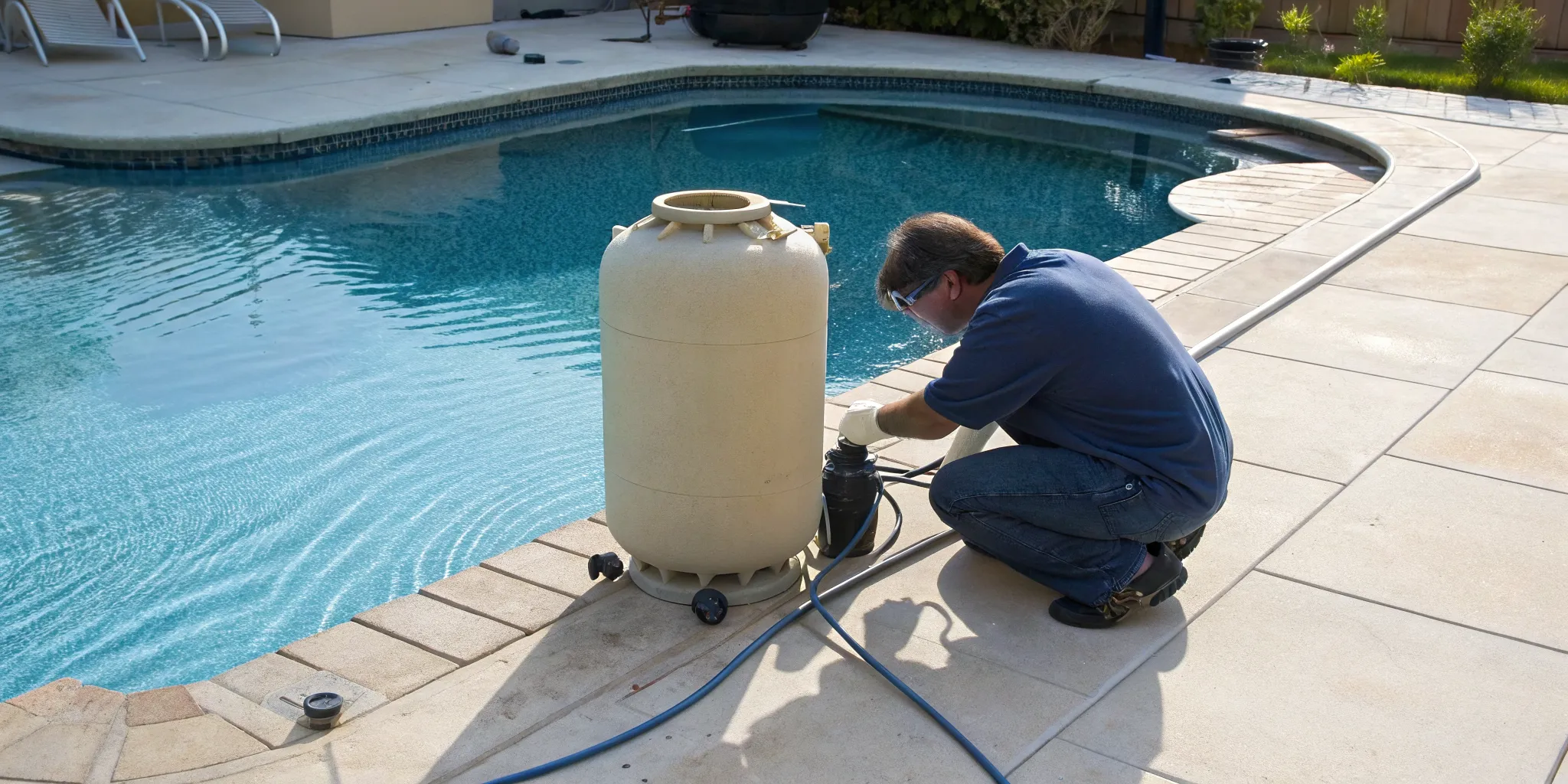
A puddle on your equipment pad is just a symptom; the real work is finding the cause. Before you can even think about a fix, you need to pinpoint exactly where the water is coming from. Is it a brittle O-ring that’s lost its seal? A threaded connection that has vibrated loose? Or is it a more serious hairline crack in the tank itself? Simply patching the first wet spot you see without a proper diagnosis can lead to a frustrating cycle of repeat repairs. This guide will show you how to repair a leaking pool filter tank by first teaching you how to investigate the problem methodically. We’ll walk through simple diagnostic tests that will help you find the true source, ensuring your fix is effective and long-lasting.
Key Takeaways
- Identify the Source Before You Act: Don't start a repair without knowing the exact cause. Check for simple issues like worn-out seals or loose connections first, using a visual inspection or a dye test to find the leak's origin.
- Work Safely and Replace Cracked Tanks: Always turn off all power and release system pressure before touching your equipment. A cracked filter tank is a serious safety hazard and must be replaced; a patch is not a safe, long-term solution.
- Make Prevention a Habit: Avoid future leaks with a simple maintenance routine. Regularly clean your filter, shield your equipment from Colorado's harsh sun and cold, and inspect for small drips weekly to stop problems early.
Why Is Your Pool Filter Tank Leaking?
Finding a puddle of water around your pool equipment can be alarming, but don't panic. A leaking filter tank is a common issue for pool owners, and pinpointing the cause is the first step toward a solution. Your pool filter operates under constant pressure, and over time, its components can wear down. From tiny seals to the tank itself, several parts can be the source of the leak. Understanding what causes these leaks will help you decide whether you're looking at a simple DIY fix or if it's time to call in a professional for an equipment repair. Let's look at the most frequent reasons your filter tank might be leaking.
Worn-Out Seals and Gaskets
Often, the simplest explanation is the right one. The rubber O-rings and gaskets in your filter are designed to create watertight seals between different parts, but they don't last forever. Over time, exposure to pool chemicals and the elements causes them to dry out, become brittle, and crack. In Colorado's dry climate, this process can happen even faster. A common culprit is the large O-ring on the main tank body, which can leak if it's not properly seated or has worn out. Checking these seals is a great starting point, as replacing a gasket is a relatively straightforward and inexpensive fix.
Cracks in the Tank
If the seals look fine, the next thing to check for is physical damage to the filter tank itself. The tank body, usually made of fiberglass or plastic, can develop cracks from a variety of causes. The intense Colorado sun can weaken the material over the years, making it brittle. Accidental bumps from lawn equipment or even ground shifting can also cause damage. Even a hairline crack that’s barely visible can release a steady stream of water once the system is pressurized. A cracked tank is a more serious issue and often requires professional equipment repairs and servicing to assess if a patch is possible or if a full replacement is needed.
Loose Connections
Your pool filter is part of a complex system with many connection points, and any one of them can become a source for a leak. The constant vibration from the pump motor can slowly loosen fittings over time. Check where the pipes enter and exit the filter, as well as the connections for the pressure gauge and the air relief valve. The large multiport or slide valve is another common area for leaks, especially around its own seals and connections. Sometimes, all you need is to carefully tighten a fitting to stop the drip, but be careful not to overtighten and crack the plastic components.
Age and Wear
Like any piece of hardworking equipment, your pool filter has a limited lifespan. If your filter is more than five or seven years old, general age and wear could be the underlying cause of the leak. Years of exposure to treated water, high pressure, and fluctuating temperatures take a toll on the materials. The plastic can become weak, and multiple small issues can start to appear at once. At this point, you might fix one leak only to have another one pop up soon after. This is when you should start weighing the cost of ongoing repairs against the long-term reliability of a new filter installation.
How to Find the Source of the Leak
Spotting a puddle under your pool filter is frustrating, but don't jump straight to patching it. The first step is to play detective and find the exact source of the leak. A drip from a loose fitting requires a much different fix than a crack in the tank body, so pinpointing the problem now will save you time and headaches later. A methodical approach is your best friend here. Before you can figure out the right solution, you need to be certain about what you’re trying to solve. By carefully checking each component, from the multiport valve to the drain plug, you can identify the culprit and decide on your next move.
Think of it like a doctor diagnosing an illness before prescribing medicine. Simply treating the symptom (the puddle) without understanding the root cause can lead to bigger problems down the road. A small, ignored leak can worsen over time, potentially damaging your pump or other expensive equipment. It can also lead to significant water loss, which isn't great for your utility bills or for Colorado's water conservation efforts. Taking a few extra minutes to properly identify the leak's origin ensures you apply the correct fix the first time. This not only saves you from repeat repairs but also protects the longevity of your entire pool system. Let’s walk through a few simple diagnostic tests you can perform to locate the leak.
Start with Safety: Power Down and Release Pressure
Before you do anything else, prioritize your safety. Water and electricity are a dangerous combination, so your first step is always to turn off all power to the pool pump at the circuit breaker. This eliminates any risk of electrical shock while you work. Once the power is off, you need to release the pressure that has built up inside the filter tank. To do this, slowly open the air relief valve, which is usually located on top of the filter. You’ll hear a hissing sound as the air escapes. Wait until the hissing stops and the pressure gauge reads zero before you proceed with your inspection.
Perform a Visual Check
With the system powered down and depressurized, it’s time for a close-up look. Start by thoroughly drying the entire filter tank, pipes, and connections with a towel. A dry surface makes it much easier to spot fresh drips. It's important to figure out exactly where the leak is coming from to fix it correctly. Look for obvious signs like cracks in the tank body or water spraying from a fitting. Pay special attention to the lid or belly band clamp, the drain plug at the bottom, and the points where pipes connect to the filter’s multiport valve. Sometimes, the problem is as simple as a loose connection that just needs a gentle tightening.
Try the Dye Test
If a visual check doesn’t reveal the source, a dye test is a great way to pinpoint a stubborn, slow leak. With the pump still off, use a dye syringe or a simple bottle of food coloring. Squeeze a small amount of dye into the water near the area where you suspect the leak might be. Don’t squirt it directly onto the surface; release it a half-inch away. If there’s a leak, you will see the dye get pulled out of the water and into the crack or faulty seal. This trick works wonders for finding tiny cracks or leaks around gaskets that are hard to see with the naked eye.
Conduct a Pressure Test
Your filter’s pressure gauge is another useful diagnostic tool. Pool filters are pressure vessels that can run up to 30 pounds per square inch (psi), and a sudden drop in pressure is a clear sign of a leak. If you notice the pressure falling quickly after the pump turns off, it confirms that water is escaping somewhere. While this test confirms a leak exists, it’s critical to remember that a cracked or split filter tank should always be replaced, not repaired. Attempting to patch a high-pressure vessel is a serious safety risk. If you suspect a crack in the tank itself, it’s time to call in a professional for an expert diagnosis and safe equipment repairs.
Your Pre-Repair Safety Checklist
Before you even think about grabbing a wrench, let's talk about safety. I know you’re eager to get that leak fixed, but taking a few minutes to prepare your workspace is the most important step. Working with pool equipment involves water, pressure, and electricity, a combination that demands respect. These pre-repair checks aren't just suggestions; they are essential steps to protect you from injury and prevent further damage to your pool system. Skipping them can turn a simple fix into a serious problem. A seemingly minor oversight, like forgetting to release system pressure, can send a filter lid flying with enough force to cause significant harm. Similarly, working on electrical components without cutting the power at the source is a risk no one should ever take. This checklist is your guide to creating a safe work environment, ensuring that your focus can remain on the repair itself. So, let's walk through this together to make sure your project is safe and successful from the very start.
Handle Electrical Components with Care
First things first: electricity and water don't mix. Before you do anything else, you must cut all power to your pool equipment. This means heading to your home’s main circuit breaker and flipping the switch that controls your pool pump, filter, heater, and any other related systems. Don't just rely on the pump's power button. A complete power cutoff at the source is the only way to guarantee there’s no live current running to the equipment. This simple action is your best defense against electrical shock. If you’re ever unsure which breaker controls your pool, or if you feel uneasy about the wiring, it’s always safest to call for professional equipment repairs.
Properly Release System Pressure
Your pool’s filtration system operates under pressure. Attempting to open the filter tank or loosen fittings without releasing this pressure first can cause the lid or other parts to fly off with dangerous force. To safely depressurize the system, locate the air relief valve on top of your filter tank. Slowly turn the valve counter-clockwise. You’ll hear a hissing sound as trapped air begins to escape. Keep the valve open and wait until the hissing stops completely and the pressure gauge reads zero. Only then is it safe to begin working on the tank. This crucial step prevents accidents and ensures you can work on the filter without any surprises.
Gear Up: Essential Protective Equipment
Now that the power is off and the pressure is released, it’s time to prepare yourself and your workspace. Start by putting on safety glasses to protect your eyes from unexpected splashes or small debris. A pair of work gloves can also help protect your hands. Next, place towels or a bucket around the filter tank to catch any water that will inevitably spill out when you open it. This keeps your equipment pad tidy and, more importantly, prevents a slippery, hazardous work area. Taking a moment to gather the right gear and a few supplies makes the entire repair process smoother and safer.
Your Toolkit for Filter Tank Repairs
Before you roll up your sleeves, it’s smart to gather everything you’ll need. Having the right tools and materials on hand turns a frustrating task into a manageable one. Think of it like cooking; you wouldn’t start a recipe without all your ingredients prepped. Depending on where the leak is coming from, your toolkit will vary slightly, but a few key items will set you up for success. Let's walk through what you should have ready so you can tackle the job with confidence.
The Basic Tools
First things first, safety. Always start by turning off the power to your pool pump at the circuit breaker. Next, open the air relief valve on top of the filter to release any pressure in the tank. With that done, you can gather your basic repair kit. You’ll want a wrench that fits your filter’s clamp or lid, some old towels or a bucket for catching water, and the specific parts for your repair. This usually includes new seals, pool-safe lubricant, and Teflon tape. Having these supplies and chemicals ready will make the entire process go much more smoothly.
Replacement Seals and Gaskets
If you’ve traced your leak to a joint, like the one between the tank halves, a worn-out O-ring or gasket is the likely cause. These rubber rings create a watertight seal but can become brittle and cracked over time, especially with Colorado's temperature swings. When you install the new one, make sure the groove it sits in is clean and free of debris. Then, apply a thin layer of silicone lubricant to the new gasket. This simple step helps it seat properly, ensures a tight seal, and makes it easier to remove the next time you need to service the filter.
Epoxy or a Patch Kit
For a small, hairline crack in the tank body, a pool-safe epoxy or a patch kit can be a good temporary fix. The key to a successful patch is preparation. You need to drain the tank below the crack and make sure the area is completely clean and dry. Sanding the surface lightly can also help the epoxy adhere better. Apply the patch or epoxy according to the product’s instructions, and give it plenty of time to cure fully before you turn the filter back on. Remember, this is a stopgap measure, not a permanent solution for significant damage.
Teflon Tape and Lubricant
When you’re putting everything back together, a couple of small items make a huge difference in preventing future leaks. For any threaded fittings, like your pressure gauge or drain plug, wrap the threads with Teflon tape three to four times in a clockwise direction. This helps create a perfect, leak-proof seal. For O-rings and gaskets, a specialized pool lubricant is essential. It protects the rubber from getting pinched or damaged during installation and keeps it from drying out. If you find yourself struggling with any of these steps, our team is always ready to help with professional equipment repairs.
How to Fix Common Leaks: A Step-by-Step Guide
Once you’ve pinpointed the source of the leak, you can get to work on the fix. The good news is that many common filter tank leaks are caused by simple issues like worn-out parts or loose fittings, which are often straightforward DIY repairs. With the right tools and a little patience, you can tackle these problems yourself and get your system back to running smoothly. Before you start unscrewing anything, always go back to your safety checklist. Make sure the power to your pool equipment is completely off and that you’ve released all the pressure from the system. This is non-negotiable for keeping you safe.
In the following steps, we’ll walk through how to handle the most frequent culprits behind a leaking filter tank. We'll cover everything from replacing old, brittle gaskets that no longer create a proper seal to tightening up connections that have wiggled loose over time. We’ll also look at how to address those tricky leaks right where your pipes connect to the filter. These fixes can save you a headache and prevent small drips from turning into bigger issues down the road. Taking the time to do these small repairs correctly not only stops the immediate leak but also contributes to the overall health and longevity of your pool equipment. It’s an investment in peace of mind and a properly functioning pool.
How to Replace Seals and Gaskets
If you notice water dripping from a joint or connection point, a worn-out seal or gasket is the likely culprit. These rubber rings create a watertight seal but can degrade over time. To replace one, start by turning off the power and depressurizing the system. Carefully disassemble the leaking part to access the old gasket. Remove it, clean the area, and install the new one. A key step is to add a bit of lubricant to the new seal before reassembling everything. This helps it fit snugly and create a perfect seal, preventing future drips. You can find most common replacement seals and gaskets at a pool supply store.
How to Tighten Loose Connections
Vibrations from your pool pump can sometimes cause threaded connections to loosen over time, leading to slow leaks. First, check all the connections on your filter tank to see if any feel loose. If you find one, you’ll want to re-seal it properly. Unscrew the fitting and clean off the old tape from the threads. Then, wrap new Teflon tape around the male threads a few times in a clockwise direction. This simple tape helps create a secure, waterproof connection. Once the tape is on, tighten the fitting back into place, being careful not to overtighten and crack the plastic.
How to Stop Inlet and Outlet Leaks
Leaks where the main pipes connect to the filter’s inlet or outlet are common and can seem intimidating, but they’re usually manageable. If the fitting has a large nut on the inside of the tank, you’ll need to disassemble the filter to replace the rubber gaskets before tightening it back up. If the fitting screws directly into the tank, first try tightening it from the outside. If the leak persists, you’ll likely need to replace the o-rings. This can sometimes be done without taking the whole filter apart. If you’re not comfortable with this step, our team is always ready to help with professional equipment repairs.
Dealing with Cracks in Your Filter Tank
Discovering a crack in your pool filter tank can feel like a major setback, but you have options. While a patch can get you through in a pinch, it’s important to understand the process and its limitations. A proper repair starts with careful preparation and the right materials, but it's also wise to consider if this quick fix is just delaying an inevitable replacement. Let's walk through how to handle a crack and help you decide on the best long-term solution for your pool.
Prepping the Surface for Repair
A successful patch always starts with a clean slate. Before you apply any epoxy, you need to prep the surface thoroughly. If the crack is at a joint or seam, your first step should be to replace the old gasket or seal, as a worn-out seal is often the real culprit. Once you have a new one, apply a bit of lubricant and reassemble the part to create a tight, secure fit. For cracks on the tank body itself, clean the area around the damage completely and make sure it is bone dry. Any lingering moisture or debris will prevent the patch from bonding correctly.
Applying Epoxy Correctly
Once the surface is prepped and ready, it’s time to apply the patch. You’ll want to use a pool-safe epoxy or a patch kit specifically designed for filter tanks, as these products are formulated to withstand constant water pressure and pool chemicals. Carefully follow the instructions on the packaging, since mixing and application steps can vary. Apply the epoxy evenly over the crack, making sure to cover it completely with a bit of overlap. The most important step here is patience. You must allow the epoxy to cure fully before turning your filter system back on, or you’ll undo all your hard work.
Why Patching a Crack Is Only a Temporary Fix
While patching a crack can stop a leak, it’s rarely a permanent solution. A crack is a sign that the tank's structural integrity is compromised, often due to age or pressure stress. Once a filter tank cracks, it's more likely to develop other issues. If your filter is more than five years old, investing in a significant repair might not be the best use of your money, as other components could fail soon. Often, replacing just one half of a cracked tank can be nearly as expensive as a brand-new filter. That’s why we usually recommend considering a full replacement as the more reliable option. Our team can help with professional equipment repairs and give you an honest assessment.
Repair or Replace? When to Get a New Filter Tank
You’ve pinpointed the leak, but now comes the big question: can you get away with a simple repair, or is it time for a whole new filter tank? While tightening a loose connection is one thing, dealing with a crack is another story entirely. Making the right call here isn't just about saving a few dollars today; it’s about ensuring your pool system runs safely and efficiently for years to come. Let's walk through how to decide when a repair is enough and when replacement is the only smart move.
Assessing Major Structural Damage
A small crack or hole in your filter tank might seem like a minor issue, but it’s a major red flag. Think of it as a warning that the tank's structural integrity has been compromised. These tanks operate under significant pressure, and any weakness can become a serious failure point. If you see a crack in the filter body, the safest and most recommended course of action is to replace the entire filter. Even a tiny hole indicates the material is failing. Don't mistake this for a simple cosmetic flaw; it's a sign that the tank can no longer handle the pressure it was designed for.
Understanding the Risks of a Patched Tank
It can be tempting to reach for epoxy and try to patch a crack, but this is a risky gamble. Most pool professionals strongly advise against patching a filter tank as a long-term solution. Why? Because a patch is just a bandage on a critical wound. The pressure inside the tank can cause a patched area to fail suddenly and explosively, which is a major safety hazard for anyone nearby. Once a filter tank has cracked, its structural integrity is gone for good. Trying to fix it is not worth the risk of a catastrophic failure down the line.
Weighing the Long-Term Value
When deciding between repair and replacement, consider the filter's age and overall condition. If your filter is more than five years old, it’s likely nearing the end of its lifespan. Sinking money into repairing an aging unit is often not a good investment. A new filter tank protects your entire pool system from damage, keeps your water clean, and prevents water waste from persistent leaks. While the upfront cost is higher, a replacement offers peace of mind and reliable performance. A professional evaluation can help you understand your options and make the best choice for your pool's health. Our team specializes in equipment repairs and servicing and can give you a clear path forward.
When to Call a Professional for Your Filter Tank
I love a good DIY project, but when it comes to pressurized pool equipment, it’s smart to know when to call for backup. A leaking filter tank might seem like a straightforward fix, but it’s often a symptom of a larger issue. Misdiagnosing the problem or making an improper repair can lead to more significant damage, wasted water, and even a dangerous equipment failure. Pool filter tanks operate under high pressure, and a compromised tank can be a serious safety hazard.
Calling a professional isn't admitting defeat; it's making a strategic decision to protect your investment and ensure your family's safety. A certified technician can quickly and accurately diagnose the problem, saving you the headache of trial-and-error fixes. They have the right tools and replacement parts on hand to get the job done correctly the first time. Ultimately, getting an expert opinion can prevent a small leak from turning into a costly system replacement down the road, giving you peace of mind that your pool is in good hands.
The Advantage of an Expert Diagnosis
It’s easy to spot a drip, but finding its true source requires a trained eye. What might look like a worn-out gasket could actually be a sign that the tank itself is warped from pressure or age. An expert diagnosis goes beyond just patching the leak. A professional will assess the overall health of your filter system, check for underlying pressure issues, and determine if a simple repair is sufficient or if a full replacement is the safer, more valuable long-term solution. This comprehensive approach saves you from spending time and money on fixes that don’t last and ensures you’re addressing the root cause of the problem.
How We Can Help with Equipment Repairs
When you’re facing a tricky leak, our team is here to help. We handle all types of equipment repairs and servicing with the safety and longevity of your pool system as our top priority. Because filter tanks are high-pressure vessels, we never recommend patching a crack. A compromised tank can fail suddenly and explosively. For your safety, a cracked filter tank always requires a replacement. Our certified technicians will correctly install a new filter and ensure your entire system is running efficiently, protecting your equipment and keeping your water crystal clear. We’ll get your pool back up and running safely so you can get back to enjoying it.
How to Prevent Future Filter Tank Leaks
After you’ve gone through the trouble of fixing a filter tank leak, the last thing you want is a repeat performance. Taking a proactive approach to care is the best way to keep your equipment in top shape and prevent future headaches. Think of it as simple insurance for your pool system. By building a few easy habits into your routine, you can significantly extend the life of your filter tank, ensure your pool water stays clean, and avoid the stress of unexpected repairs. These preventative steps are all about catching small issues before they have a chance to become major, costly problems.
In Colorado, our weather adds a unique layer of challenge. The intense sun, dry air, and freezing winter temperatures can be particularly harsh on pool equipment. Plastic can become brittle, and rubber seals can dry out and crack faster than in more temperate climates. This makes a preventative mindset even more crucial for local pool owners. It’s not about becoming a certified pool technician overnight; it’s about consistency. A few minutes of inspection each week can save you from a weekend of lost pool time and a hefty repair bill. The goal is to create a simple, sustainable routine that keeps your system running smoothly all season long. This guide will walk you through the three key areas of prevention: maintaining a regular schedule, protecting your equipment from the elements, and knowing what to look for.
Stick to a Regular Maintenance Schedule
Consistent maintenance is your best defense against leaks. This starts with your filter cartridges. Cleaning them regularly prevents dirt and debris from building up, which can cause pressure inside the tank to spike and strain the seals and housing. If a cartridge is so dirty that it won't come clean, it’s time for a replacement. You should also keep an eye on your filter’s pressure gauge. A reading that’s consistently higher than normal is a clear signal of a clog that needs your attention. A professional cleaning and maintenance plan can take the guesswork out of this, ensuring your system always operates at its best.
Protect Your Equipment from the Elements
Colorado’s climate can be tough on your pool equipment. The intense UV rays and dry air can cause rubber O-rings, seals, and gaskets to become brittle and crack over time, creating the perfect opportunity for a leak. If your equipment is exposed to direct sunlight, consider creating some shade to shield it. More importantly, proper winterization is non-negotiable here. Freezing temperatures can easily crack the filter tank itself if it’s not drained and prepared correctly for the off-season. Taking a few minutes to inspect these small but vital components each season can save you from a much bigger repair job down the road.
Know the Early Warning Signs
Learning to spot trouble early is a superpower for any pool owner. Get in the habit of visually inspecting your filter tank and the equipment pad every week. Look for any signs of moisture, from small, slow drips to puddles on the ground. Check that all connections, clamps, and fittings are snug and secure. If you notice a fitting is weeping, you might just need to tighten it or re-wrap the threads with new Teflon tape. Pay close attention to the tank body, looking for any discoloration or tiny hairline cracks. Addressing these small signs promptly can prevent a minor drip from turning into a major system failure that requires professional equipment repairs.
Frequently Asked Questions
What is the most common cause of a pool filter leak? More often than not, a leak comes from a worn-out O-ring or gasket. These rubber seals are responsible for keeping connections watertight, but they can dry out and crack over time, especially in Colorado's climate. Checking the large O-ring that seals the tank halves is always a great first step, as it's a frequent culprit and a relatively simple part to replace.
Is it really that dangerous to patch a crack in the filter tank? Yes, it is. Your filter tank is a high-pressure vessel, and a crack means its structural integrity is gone. While an epoxy patch might hold for a little while, it's not a safe or permanent solution. The pressure can cause a patched area to fail suddenly, which is a serious safety risk. For this reason, a cracked tank should always be replaced, not repaired.
My filter is over seven years old. Is it worth fixing a small leak? When your filter is getting older, even a small leak can be a sign that the materials are starting to fail. While you could fix the immediate drip, you might find another one pops up soon after. At this age, you should weigh the cost of the repair against the long-term reliability of a new filter. Often, investing in a replacement is the more sensible choice for peace of mind and consistent performance.
How can I tell if a leak is a simple fix or something more serious? A good rule of thumb is to look at the location. If you see water dripping from a threaded connection (like the pressure gauge) or from the main seal where the tank halves meet, it's likely a manageable fix involving Teflon tape or a new gasket. However, if you find a crack, even a hairline one, on the body of the tank itself, that's a serious issue that points to structural failure and requires a professional.
Besides an obvious puddle, what are other signs my filter needs attention? Keep an eye on your pressure gauge. If the pressure is consistently reading much higher than its normal clean level, it means there's a blockage and the system is under strain. Another sign is poor water quality. If your pool water looks cloudy or you see debris returning to the pool through the jets, it means your filter isn't capturing particles effectively and may need a deep cleaning or professional service.
Related Blogs