%201.png)
The Ultimate Monthly Pool Maintenance Checklist
A pool is a fantastic addition to any Colorado home, but our unique climate brings its own set of challenges. The intense sun, dry air, and fluctuating temperatures can throw your water chemistry out of balance and put extra strain on your equipment. That’s why having a dedicated monthly pool maintenance checklist is so important for local owners. This guide is tailored to help you stay ahead of common issues caused by our environment, from rapid water evaporation to algae-friendly conditions. Following this routine will help protect your investment and ensure your pool is always a perfect backyard escape, no matter what the Colorado weather brings.
Key Takeaways
- A simple routine is your best defense: Sticking to a monthly schedule of skimming, brushing, and vacuuming, paired with consistent water testing, is the most effective way to prevent common issues like algae and cloudy water.
- Perform monthly equipment checks: Listen for strange pump noises, look for leaks, and clean your filter regularly. These simple habits protect your system from premature failure and help you avoid unexpected, costly repairs.
- Recognize when to call a professional: For persistent problems like stubborn water quality issues or signs of equipment malfunction, an expert can provide a fast, accurate solution and save you from bigger headaches down the road.
Your Monthly Pool Maintenance Checklist
Keeping your pool sparkling doesn’t have to feel like a huge chore. With a simple monthly routine, you can handle the basics and keep your water crystal clear all season long. Think of this checklist as your guide to a healthy, happy pool. Consistency is your best friend here; spending a little time each month prevents bigger problems from popping up down the road. By staying on top of these tasks, you’ll ensure your pool is always ready for a swim. And if life gets busy and you fall behind, remember that our team is always here to help with professional cleaning and maintenance to get you back on track.
Skim and Remove Debris
First things first, let's clear the surface. Grab your skimmer net and gently glide it across the water to pick up leaves, bugs, and any other floating bits. This simple step does more than just make the pool look clean. It’s your first line of defense against algae and other contaminants that can cloud your water. Removing debris before it has a chance to sink and decay helps your filter work more efficiently and keeps your water chemistry more stable. Make it a habit, and you’ll spend less time dealing with murky water later on.
Brush the Walls and Steps
Next up, give your pool’s interior a good scrub. Using a pool brush, work your way around the walls, steps, and any ladders or benches. This isn't just about looks; brushing dislodges invisible algae spores and stubborn dirt before they can take hold and cause bigger issues. Think of it as exfoliating for your pool. It loosens up particles so your vacuum and filter can easily remove them, keeping your surfaces smooth and algae-free. A quick brush once a month is a small task that delivers big results for your pool’s overall health.
Vacuum the Pool Floor
Once you've brushed the walls, it's time to clean the floor. All that dirt and debris you loosened needs to go somewhere, and vacuuming is how you get it out for good. Whether you use a manual vacuum or an automatic cleaner, make sure you cover the entire floor, especially in the corners where dirt tends to gather. A clean pool floor makes the water look incredibly inviting and is essential for a truly clean swimming environment. This step ensures that any fine sediment that made it past your skimmer is completely removed.
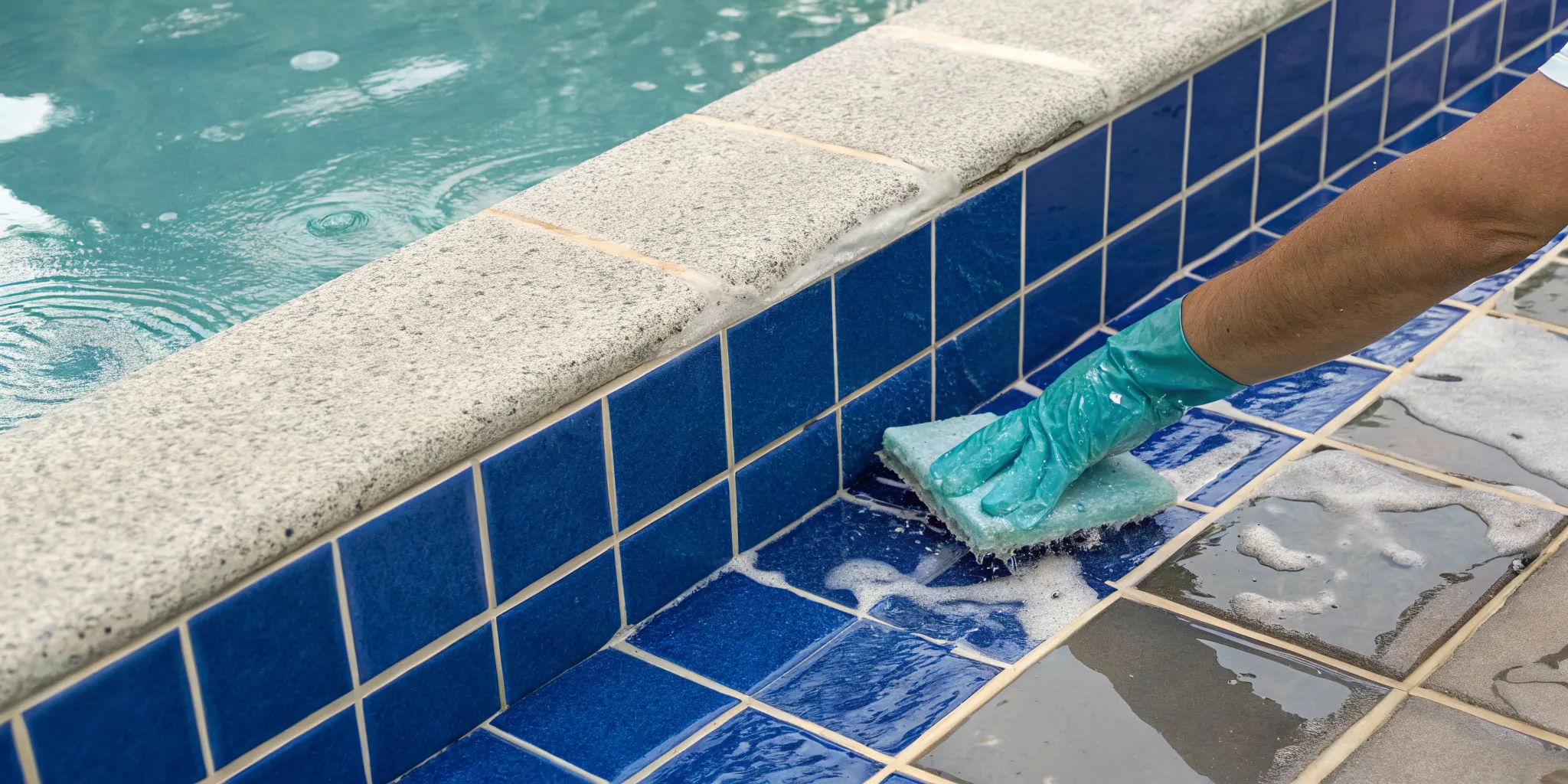
Scrub the Waterline
Don't forget the waterline. Over time, oils, lotions, and dirt can create a grimy ring around the edge of your pool. Use a tile brush or sponge to gently scrub this area. Catching this buildup early prevents it from turning into a tough, unsightly stain that’s much harder to remove later. Keeping the tile line sparkling clean gives your entire pool a polished, well-cared-for look. If you notice stains that just won't budge, it might be a sign of a more persistent issue that needs a professional touch.
Check the Water Level
Finally, take a quick look at your water level. Ideally, the water should sit about halfway up the skimmer opening. If it’s too low, the pump can draw in air, which can damage your equipment. If it’s too high, the skimmer won't be able to effectively pull in debris from the surface. Here in Colorado, our dry air can lead to faster evaporation, so you might need to top it off more often. Keeping the water at the right level is crucial for proper circulation and filtration. If you notice your pump making strange noises, it could be related to water level issues that require equipment repairs.
How to Test and Balance Your Pool Chemicals
Keeping your pool water balanced is one of the most important parts of your monthly routine. It’s not just about keeping the water sparkling clean; it’s about making sure it’s safe and comfortable for everyone who takes a dip. Unbalanced water can irritate your skin and eyes, and it can also cause serious damage to your pool’s liner, ladders, and equipment over time. Think of it as a simple science experiment where the goal is perfect harmony. Getting the right mix of chemicals prevents algae growth, kills harmful bacteria, and protects your investment.
You’ll want to get familiar with a good water testing kit, which will become your best friend in this process. These kits measure several key chemical levels that you’ll need to monitor and adjust. While it might seem a little intimidating at first, you’ll quickly get the hang of it. And remember, you don’t have to do it alone. If you ever feel overwhelmed or just can’t seem to get the balance right, our team is always here to help with professional cleaning and maintenance to take the guesswork out of it for you. We can also make sure you have the right supplies and chemicals on hand for your specific pool needs.
Test pH Levels
Your pool’s pH level measures how acidic or basic the water is. This is a critical starting point because if your pH is off, your other chemicals, especially chlorine, won’t work effectively. You should test your pool water at least once a week to stay on top of it. The ideal pH range is between 7.4 and 7.6, which is slightly alkaline. This range is not only best for your sanitizer to do its job but is also most comfortable for your eyes and skin. If the pH is too low (acidic), it can cause corrosion. If it’s too high (basic), it can lead to cloudy water and scaling on your pool surfaces.
Adjust Chlorine
Chlorine is the sanitizer that keeps your pool free of germs and algae. The goal is to maintain a steady level between 1 and 3 parts per million (ppm). When chlorine levels are within this range, your pool is protected against contaminants without being harsh on swimmers. If you test the water and find the chlorine is too low, you’ll need to add more. If it’s too high, you can let the Colorado sun help burn some of it off or use a chlorine neutralizer. If you find that your pool problems are getting too hard to handle on your own, a professional can get things back on track quickly.
Balance Total Alkalinity
Total alkalinity acts as a buffer for your pH, helping to keep it stable. Think of it as an anchor that prevents wild swings in your pH levels. The ideal range for total alkalinity is between 100 and 150 ppm. When your alkalinity is balanced, it’s much easier to keep your pH in the correct range. Keeping your chemicals balanced is essential for both swimmer safety and beautifully clean water. If your alkalinity is too low, the pH can fluctuate dramatically. If it’s too high, it can be difficult to adjust the pH down when you need to.
Check Calcium Hardness
Calcium hardness refers to the amount of dissolved calcium in your pool water. This might not be the first chemical you think of, but it’s vital for protecting your pool’s surfaces. The recommended range is between 200 and 400 ppm. If the calcium level is too low, the water can become corrosive and start to pull calcium from plaster, vinyl, or tile grout, causing damage. If it’s too high, you’ll see cloudy water and scale buildup on your equipment and surfaces. Proper levels help extend the life of your pool, preventing the need for costly equipment repairs down the road.
Manage Chloramines
Have you ever walked by a pool and been hit with a strong "chlorine" smell? That smell doesn’t actually mean there’s too much chlorine. It usually means you have too many chloramines, which are byproducts created when chlorine combines with contaminants like sweat and oils. Chloramines are what cause skin and eye irritation, and they are not effective sanitizers. The solution is to "shock" your pool, which is a process of adding a large dose of chlorine to break down the chloramines and restore your water’s balance. This will get your free chlorine levels back to where they need to be to keep your water clean and clear.
Gather Your Pool Maintenance Tools
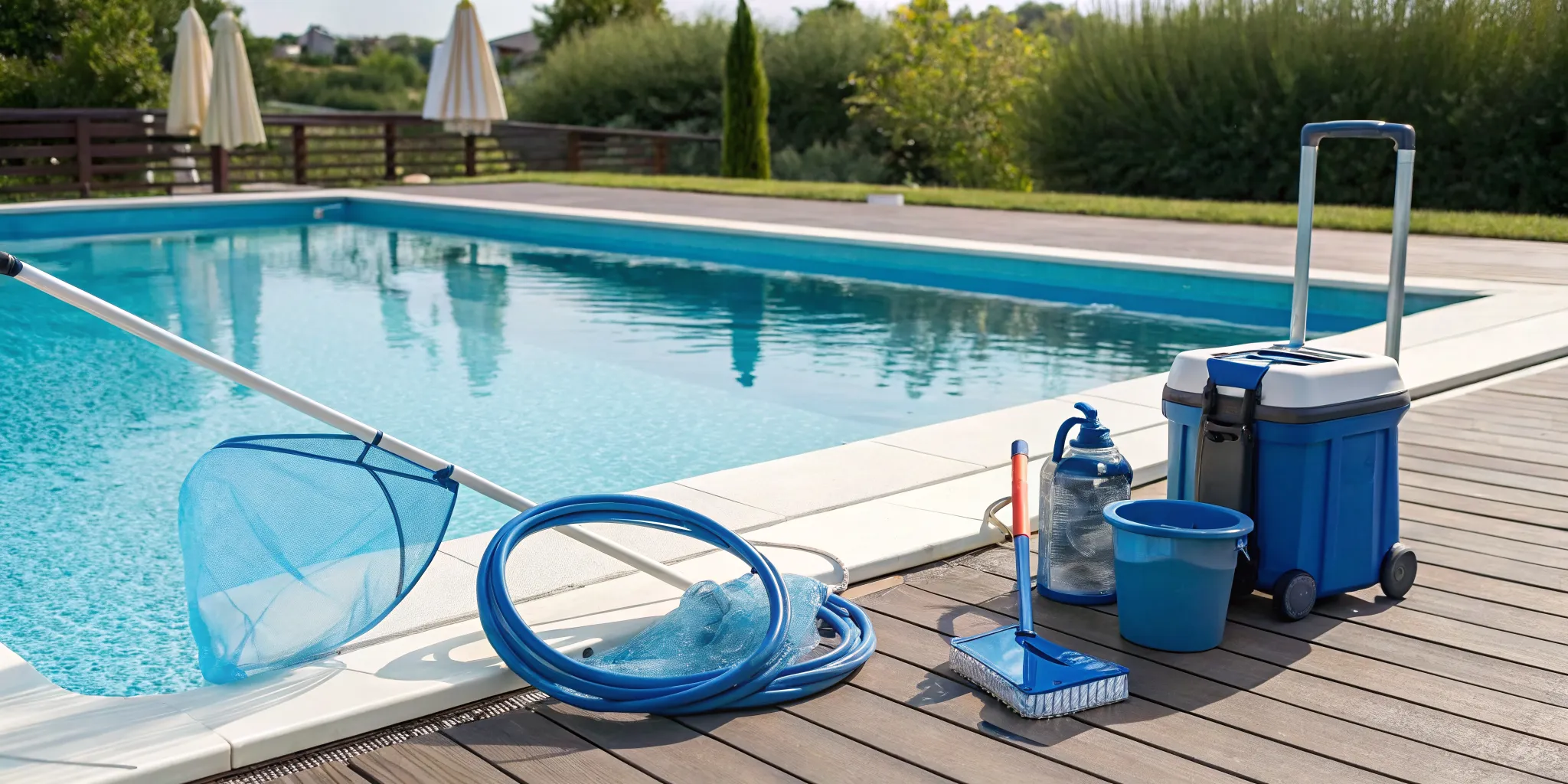
Having the right tools ready to go makes pool care feel less like a chore and more like a simple routine. Think of it as creating your own maintenance toolkit. When everything has its place, you can move through your checklist efficiently and get back to enjoying your pool faster. Keeping these items organized in a shed or storage box near your pool equipment also protects them from the elements and ensures they’re always within reach when you need them. A well-stocked toolkit is your best partner in proactive pool care.
Your toolkit can be broken down into four main categories: basic cleaning tools for weekly upkeep, water testing kits to monitor quality, essential chemicals to keep the water safe and clear, and a few items for monthly equipment checks. Getting these supplies together is the first step toward a stress-free maintenance schedule. You don't need to buy everything at once, but building your collection over time will make you a more confident and capable pool owner. If you ever find you're missing something or aren't sure what you need for your specific setup, our team can help you get the right supplies and chemicals for your Colorado pool.
Basic Cleaning Tools
Consistent cleaning is your first line of defense against cloudy water and algae buildup. A few minutes each week with the right tools can prevent bigger problems down the road. Your essential cleaning trio includes a skimmer net for removing leaves and floating debris, a pool brush to scrub walls and steps, and a vacuum to pick up dirt that settles on the pool floor. Sticking to a weekly schedule for these tasks helps keep your pool looking its best and reduces the strain on your filter system. If your schedule gets busy, our cleaning and maintenance services can handle the routine work for you.
Water Testing Kits
Keeping your pool water balanced is non-negotiable for swimmer safety and equipment longevity. You should test your water at least once a week using either test strips or a liquid test kit. This quick check gives you a snapshot of your pool’s health and tells you exactly what adjustments are needed. Pay close attention to pH, which should be between 7.4 and 7.6, and chlorine, which should stay between 1 and 3 parts per million (ppm). You’ll also want to check total alkalinity to ensure it’s in the 100 to 150 ppm range, as this helps stabilize your pH levels.
Essential Chemicals and Supplies
Beyond the balancers, you’ll need a few other key chemicals. Pool shock is a must-have for weekly treatments. Shocking your pool oxidizes contaminants, kills bacteria, and gets rid of algae before it has a chance to bloom. It’s a simple step that makes a huge difference in water clarity and sanitation. While you’re at it, take a moment to inspect your pool cover. A well-maintained cover keeps debris out, reduces water evaporation, and helps maintain temperature, so make sure it’s free of rips or damage. We can help you source all the supplies and chemicals you need to keep your water pristine.
Equipment Maintenance Gear
Once a month, it’s a good idea to give your pool equipment a little attention. You don’t need a lot of specialized gear for this, but having some basics on hand is helpful. Keep filter cleaner available to deep clean your filter cartridge or backwash your sand or D.E. filter. It’s also smart to have lubricant for O-rings and seals. Applying a little grease to the pump lid O-ring, for example, prevents it from drying out and cracking, which ensures a proper seal and prevents air leaks. If you spot any issues during your check, our technicians are experts in equipment repairs.
Your Monthly Equipment Check-Up
Your pool's equipment is the engine that keeps everything running smoothly. Just like a car, it needs regular check-ups to perform its best and last for years. A monthly inspection helps you catch small issues before they become major headaches that could sideline your pool for days. Think of it as preventive care for your backyard oasis. By spending a little time checking your pump, filter, and plumbing, you can ensure efficient operation, clearer water, and fewer surprise breakdowns. This simple routine protects your investment and gives you peace of mind.
This monthly once-over is your chance to listen to your equipment, look for changes, and make sure every component is working in harmony. Is the pump making a new, strange noise? Is there water pooling where it shouldn't be? These are the early warning signs that something needs attention. Ignoring them can lead to strained parts, higher utility bills, and eventually, costly replacements. If you ever spot something that seems off, from a strange noise to a persistent drip, it’s always best to address it quickly. Many common issues can be handled with a simple adjustment, but for more complex problems, professional equipment repairs and servicing can get your system back in top shape without the guesswork.
Clean or Replace the Filter
Your pool filter is the unsung hero of clear water, trapping dirt, debris, and other tiny particles. Over time, it gets clogged, which reduces water flow and makes your pump work harder. The easiest way to know when it’s time for a cleaning is to check the pressure gauge. When the gauge reads 8 to 10 PSI higher than its normal "clean" pressure, it's time to give it some attention. Cleaning the filter not only helps it work more effectively but also extends the life of your pump. Depending on your filter type (cartridge, sand, or D.E.), the cleaning process will vary, but the goal is always the same: a clean filter for a sparkling pool.
Check the Pump and Motor
Think of your pool pump as the heart of the circulation system. It pulls water through the skimmers and main drain, pushes it through the filter and heater, and sends it back to the pool. A quick monthly check can keep it beating strong. Take a look at the pressure gauge on your filter; unusually high pressure could signal a blockage, while low pressure might mean the skimmer baskets are full or the water level is too low. Also, take a moment to listen to the motor. If you hear any grinding, whining, or other unusual noises, it could be a sign of worn bearings or other internal issues that need a closer look.
Empty the Skimmer Baskets
This is one of the simplest yet most important tasks on your list. Your skimmer baskets are the first line of defense, catching larger debris like leaves, twigs, and insects before they can reach and clog your pump. If these baskets get too full, they restrict water flow, forcing your pump to work much harder than it should. This extra strain can shorten the pump's lifespan and even lead to damage from overheating. Make it a habit to check and empty both the in-pool skimmer baskets and the smaller strainer basket at the pump at least once a month, or more often if you have a lot of trees nearby.
Look for Leaks
Even a small leak can waste a surprising amount of water and cause damage to your equipment pad or surrounding landscape. Once a month, do a thorough visual inspection of your entire equipment setup. Look for drips, puddles, or any signs of moisture around the pump, filter, heater, and all visible plumbing connections. Pay close attention to the seals and gaskets. Catching a leak early can be the difference between a simple fix and a much larger problem. If you find a leak you can't easily stop by tightening a connection, it’s a good idea to call in a professional for equipment repairs to prevent further damage.
What to Expect for Monthly Pool Upkeep
Owning a pool is a fantastic investment in your home and lifestyle, but it’s smart to have a clear picture of the ongoing upkeep. Beyond the initial setup, your monthly budget will include everything from chemicals and electricity to potential repairs. Understanding these costs helps you plan accordingly and ensures your pool remains a source of joy, not stress. Here’s a realistic breakdown of what you can expect to spend on maintaining your pool each month in Colorado.
Professional Service in Colorado
One of the first decisions you'll make is whether to handle maintenance yourself or hire a professional. While the DIY route can seem like a way to save money, the cost of chemicals alone can be around $50 to $60 per month. For many Colorado pool owners, hiring a weekly cleaning and maintenance service is a worthwhile investment. A professional service not only handles the chemical balancing and cleaning but also provides expert eyes to catch small issues before they become big problems. This consistent care gives you peace of mind and more time to simply enjoy your pool.
Budgeting for Chemicals and Supplies
Whether you do it yourself or hire a pro, chemicals are a recurring expense. Your pool's chemistry is a delicate balance, and you'll regularly need to test and adjust levels for things like Calcium Hardness and Cyanuric Acid. Keeping these in the right range prevents damage to your pool’s surfaces and equipment. If you're managing your own pool, you'll need a steady inventory of supplies and chemicals to keep everything balanced. Forgetting to test or using the wrong amounts can lead to cloudy water or algae growth, so consistency is key.
Factoring in Equipment and Utilities
Your pool equipment and the utilities that run it are another significant part of your monthly budget. Your pool pump is one of the hardest-working pieces of equipment, and the electricity to run it can add a noticeable amount to your utility bill each year. You should also set aside funds for eventual equipment wear and tear. Filters need periodic replacement, and a pump motor won't last forever. Scheduling regular equipment repairs and servicing can extend the life of your gear and help you avoid a sudden, costly replacement.
Common Mistakes That Add Up
Small oversights in pool care can quickly turn into expensive problems. Ignoring a tiny leak, for example, can lead to significant water loss and potential damage to your pool's foundation or surrounding landscape over time. Likewise, putting off a strange noise from your pump could result in a complete system failure. These seemingly minor issues can sometimes require major remodels and rehabs down the line. Staying on top of daily checks and addressing problems as soon as they appear is the best way to protect your investment and keep your long-term costs down.
When Should You Call a Pool Professional?
While handling your own pool maintenance can be rewarding, there are times when calling in a professional is the smartest move. Think of it less as giving up and more as bringing in a specialist. Some issues go beyond a simple fix, and trying to solve them yourself can sometimes lead to bigger, more complicated problems. A certified technician has the experience and specialized tools to diagnose issues quickly and accurately, saving you time, stress, and money in the long run.
Knowing your limits is a key part of responsible pool ownership. Whether you're dealing with a persistent equipment issue or just don't have the time for weekly upkeep, professional cleaning and maintenance services are designed to give you peace of mind. A pro can spot underlying problems you might miss, ensuring your pool remains a safe and enjoyable oasis. For complex situations involving mechanical parts or stubborn water chemistry, an expert eye is invaluable.
Stubborn Water Quality Problems
Have you been fighting cloudy water for weeks? Or maybe you have a recurring algae bloom that just won’t go away, no matter how many times you shock the pool. These stubborn water quality issues are often symptoms of a deeper problem. If your usual treatments aren't working, it’s a clear sign to call for help. A professional can perform advanced water testing to identify the root cause, which could be anything from phosphates in the water to an inefficient filtration system. They can spot the small things that often become big, expensive headaches later on.
Signs of Equipment Failure
Your pool equipment works hard to keep everything running smoothly, but it won't last forever. If you start hearing strange noises like grinding or whining from your pump, notice leaks around the equipment pad, or see a drop in performance from your heater or automatic cleaner, don't ignore it. These are classic signs of equipment failure. Attempting a DIY fix on complex machinery can be risky and may void warranties. A trained technician can safely diagnose the issue and handle the necessary equipment repairs, ensuring your system runs efficiently and safely.
Tricky Chemical Imbalances
Testing your water is one thing, but getting the chemicals perfectly balanced can feel like a constant battle. If you find that your pH levels are always creeping up or your chlorine readings are all over the place despite your best efforts, it might be time to consult a professional. A persistent chemical imbalance can damage your pool surfaces and equipment and create an unsafe swimming environment. A pool expert can provide a thorough analysis to figure out why your water won't stabilize and recommend a treatment plan to get it back on track.
When You're Short on Time or Expertise
Let’s be honest, life is busy. Between work, family, and everything else, finding the time for consistent pool care can be a challenge. Regular maintenance is non-negotiable for a healthy pool, so if you can’t commit the time, hiring a professional is a great solution. It ensures your pool gets the attention it needs without adding another task to your to-do list. Delegating the work to a reliable team gives you back your free time and guarantees your pool remains in top condition, so all you have to do is enjoy it.
Smart Maintenance Tips for Colorado Pool Owners
Owning a pool in Colorado comes with its own unique set of challenges, from intense UV rays and dry air to dramatic temperature shifts. Being smart about your maintenance routine doesn't just keep your pool looking great; it also saves you time and money. A few simple adjustments tailored to our local climate can make a huge difference in your pool's health and your utility bills. By thinking ahead and adopting some energy-efficient habits, you can spend more time enjoying the water and less time worrying about upkeep. Here are a few key strategies to keep your Colorado pool in top shape all season long.
Adjusting for Colorado Seasons
Colorado's distinct seasons mean your pool's needs change throughout the year. During peak summer, you’ll likely run your filter for 8-10 hours a day. But as the weather cools and use drops, you can often reduce that time. Many owners find that running the filter for just 4-6 hours is enough in the shoulder seasons, which saves energy and reduces wear on your equipment. Since our dry climate increases evaporation, using a pool cover is also one of the best ways to conserve both water and heat.
The Power of Preventive Care
Staying on top of small tasks is the secret to avoiding big, costly problems. A regular cleaning and maintenance schedule is your best defense against algae, cloudy water, and equipment strain. Consistent cleaning prevents problems and saves money on future repairs. Think of it as an investment in your pool’s longevity. Simple habits like brushing the walls, emptying skimmer baskets, and balancing chemicals help you catch small issues early, before they turn into major headaches that require extensive repairs.
Energy-Saving Practices
A pool pump can add a noticeable amount to your electricity bill, but there are effective ways to manage that cost. One of the best upgrades is a variable-speed pump. Unlike single-speed models that always run at full power, these can be adjusted to the task, often saving homeowners 75% or more on energy use. Using a solar cover is another great, low-cost strategy. It helps retain heat overnight, reducing your heater's workload and cutting down on water evaporation, leading to significant savings over a swim season.
Frequently Asked Questions
How often should I really be testing my pool water? For the most critical levels like pH and chlorine, you should test at least once a week. This frequency helps you catch and correct small imbalances before they cause bigger issues like algae growth or skin irritation. For other levels, such as total alkalinity and calcium hardness, a monthly check is usually sufficient unless you're having trouble keeping your pH stable. Consistent testing is the key to maintaining clear, safe water.
Why is my pool still cloudy even after I've balanced the chemicals? Cloudy water can be incredibly frustrating, especially when you feel like you've done everything right. Often, it's a sign of an underlying issue beyond basic chemical balance. The problem could be microscopic particles that are too small for your filter to catch, high levels of phosphates that feed algae, or an inefficient filtration system. If you've balanced your chemicals and the cloudiness persists, it's a good time to have a professional take a look.
What's the most important maintenance task if I'm short on time? If you only have time for one thing, focus on your skimmer and pump baskets. Keeping them clear of debris is crucial because it ensures proper water circulation. A clogged basket forces your pump to work much harder, which can lead to strain and premature equipment failure. This simple task takes just a few minutes but has the biggest impact on the overall health of your pool's circulation system.
My pump is making a strange noise. What should I do? Any new or unusual noise from your pump, like grinding, whining, or rattling, is a signal to pay attention. First, check that your skimmer and pump baskets are empty and that the water level is high enough, as restricted flow can make the pump work harder and louder. If those things look fine, it's best to turn the system off and call for professional service. Continuing to run a pump with a potential internal issue, like worn-out bearings, can cause much more extensive and costly damage.
How does Colorado's climate specifically impact my pool care routine? Our dry Colorado air and intense sun create a few unique challenges. The low humidity causes water to evaporate much faster, so you'll need to check your water level more frequently to protect your pump. The strong UV rays also burn off chlorine more quickly, meaning you might need to add sanitizer more often or use a stabilizer to protect it. Using a pool cover is one of the best things you can do here; it dramatically reduces both evaporation and chemical loss.
Related Blogs