%201.png)
5 Telltale Signs You Need a New Pool Pump
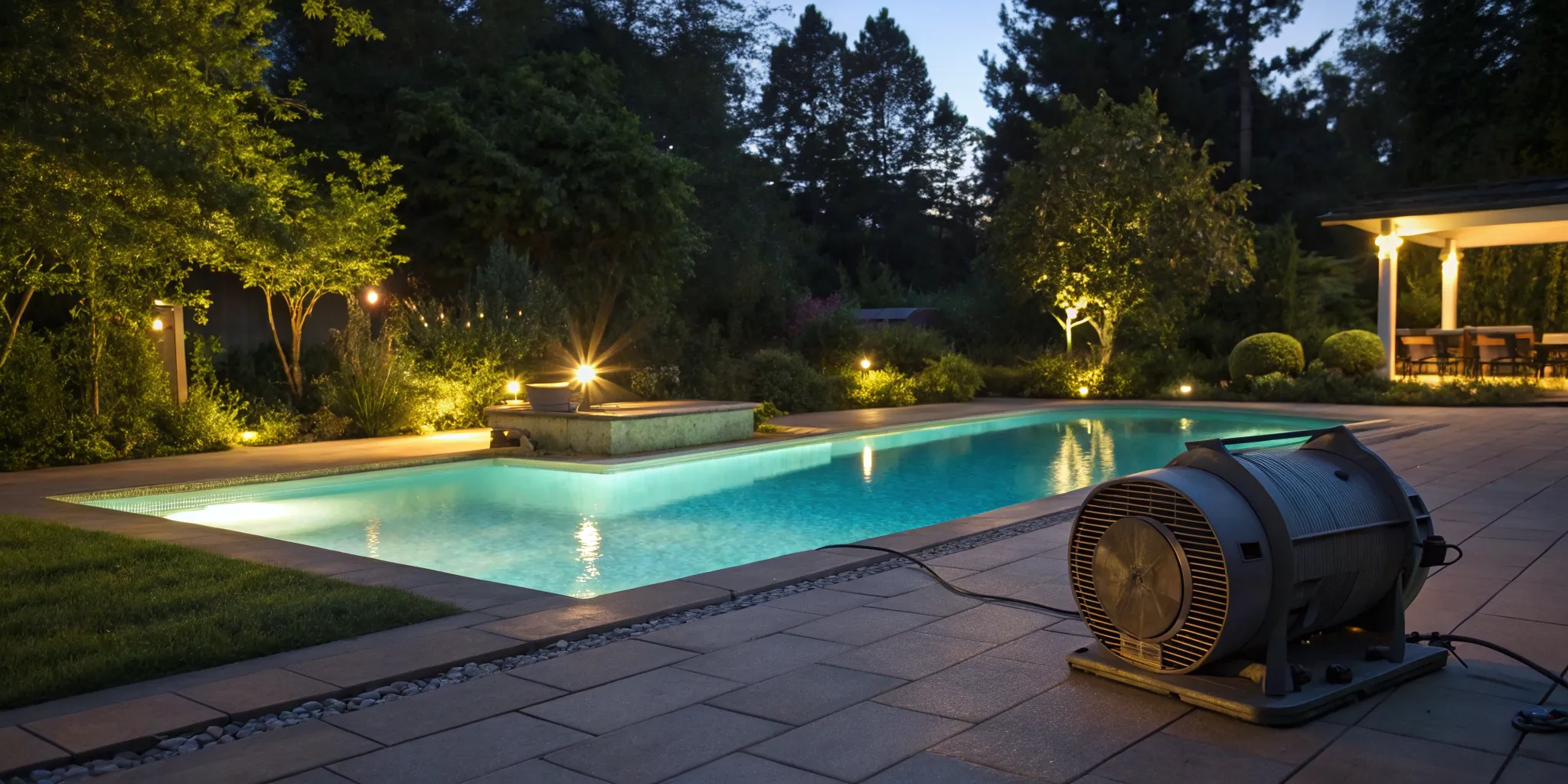
Nothing is more frustrating than a pool that’s constantly cloudy or a utility bill that’s suddenly spiked. You might blame the filter or your chemical balance, but often, the real culprit is a weak or failing pump. As a pump ages, it loses its power and efficiency, struggling to circulate water effectively and consuming more energy to do its job. These subtle issues are some of the most overlooked signs you need a new pool pump. Catching them early not only saves you from the headache of a green pool but also prevents a small problem from turning into a costly, system-wide failure.
Key Takeaways
- Learn your pump's warning signs: Unusual noises, weak water flow, leaks, and a spiking energy bill are clear signals that your pump is struggling. Catching these issues early can prevent a complete system failure and more expensive problems.
- Apply the 50% rule to your repair decision: If a repair quote is more than half the cost of a new pump, replacement is usually the better long-term investment. A new variable-speed pump can also pay for itself through significant energy savings.
- Make simple maintenance a habit: You can significantly extend your pump's life with a consistent routine. Regularly cleaning baskets, maintaining balanced water chemistry, and ensuring proper ventilation will keep your pump running efficiently for years.
How Long Should a Pool Pump Last?
Think of your pool pump as the heart of your swimming pool—it works hard to keep everything circulating and clean. But just like any piece of machinery, it won’t last forever. Generally, you can expect a well-maintained pool pump to last between 8 and 12 years. If your pump is getting close to that 10-year mark and starting to act up, it might be time to start thinking about an upgrade. The good news is that modern pumps are far more energy-efficient, so a replacement can actually save you money down the road.
How Age Affects Performance
As a pool pump gets older, its internal components wear down. This means it has to work harder to circulate the same amount of water, causing a noticeable spike in your power consumption. If your pump is between 11 and 15 years old, it’s probably running much less efficiently than it used to, even if it hasn’t failed completely. Continuing to run an outdated pump is like driving a classic car every day—it might still run, but it’s costing you a lot more in fuel. An older pump can quietly inflate your electric bills month after month, making a new, efficient model a smart financial move. Our team can assess your equipment to see if age is impacting its performance.
When to Keep a Closer Eye on Your Pump
Once your pool pump crosses the 10-year threshold, it’s time to start paying closer attention. Think of this as its senior years, where small issues can quickly become bigger problems. Even if it seems to be humming along just fine, keep an eye out for any of the warning signs we’ll cover later, like strange noises or weaker water flow. If you start noticing multiple signs of trouble, especially in an older unit, it’s best not to wait for a complete breakdown. Getting a professional opinion can help you decide if a simple repair will do or if a full replacement is the more cost-effective choice. A timely equipment repair or replacement can prevent a poolside emergency.
5 Telltale Signs Your Pool Pump is Failing
Think of your pool pump as the heart of your swimming pool. It works hard behind the scenes to keep your water clean, clear, and inviting by pulling water through the skimmers, pushing it through the filter, and sending it back into the pool. Without a healthy pump, this entire circulation process grinds to a halt. But just like any hardworking piece of equipment, it won’t last forever. When it starts to fail, it usually sends out a few warning signs first.
Catching these signs early can save you from waking up to a green, murky pool and dealing with more expensive problems down the road. A struggling pump doesn't just affect water quality; it also puts extra strain on your other pool equipment, like your filter and heater, potentially shortening their lifespan too. If you notice any of the following issues, it’s a good idea to pay close attention. Your pump might be telling you it’s time for a professional look. Our team is always ready to handle any equipment repairs and servicing to get your system back in top shape.
Strange Noises: Grinding, Whining, or Screeching
A healthy pool pump should operate with a consistent, quiet hum. If you suddenly hear loud, unusual noises, something is wrong. Grinding, screeching, or high-pitched whining sounds are often caused by worn-out motor bearings. Over time, the bearings can rust or wear down from constant use, creating friction and noise. This isn't a sound you should ignore, as it means internal parts are failing. Continuing to run the pump could cause the motor to seize completely, leaving you with a much bigger problem and a silent, still pool.
Weak Water Flow
Is the water coming out of your return jets looking a little lazy? A noticeable drop in water pressure is a classic sign of a struggling pump. The pressure gauge on your filter should typically read between 10 and 25 PSI; if it’s consistently below that range, your pump isn’t moving enough water. This could be due to a simple clog in the impeller or a leak in the system. However, it can also mean the motor is losing power and can no longer do its job effectively, leaving your pool poorly circulated and dirty.
Puddles or Drips Around the Pump
Your pool pump is designed to be a sealed system, so any water pooling around it is a major red flag. Leaks are most often caused by worn-out seals, O-rings, or a crack in the pump housing. While a small drip might not seem like a big deal, it can quickly worsen and lead to water damage or electrical hazards. If you’re constantly dealing with leaks, it’s often a sign that the pump’s components are deteriorating and a full replacement is more cost-effective than repeated patch-up repairs.
The Circuit Breaker Keeps Tripping
If your pool pump repeatedly trips the circuit breaker, stop resetting it and investigate the cause. This is a clear sign of a serious electrical problem. It usually means the motor is overheating or has an internal short, causing it to draw more power than the circuit can handle. This creates a significant safety risk. Continuing to force it to run could damage your home’s electrical system. An electrical issue of this magnitude often means the motor is beyond saving, making a new pump the safest and most practical solution.
Your Energy Bill is Spiking
Have you noticed your electricity bill creeping up without any other explanation? An old, inefficient pool pump could be the culprit. As a pump’s motor ages, it has to work much harder to circulate the same amount of water, consuming more and more energy in the process. While you might not hear or see a problem, your utility bill tells the story. Upgrading to a modern, energy-efficient variable-speed pump can significantly lower your operating costs, often paying for itself in energy savings over a few seasons.
Is Your Pool Pump Motor Going Bad?
The motor is the engine of your entire pool circulation system. When it starts to fail, it’s not just a minor inconvenience—it’s a sign that your pool’s health is at risk. Motor problems can be tricky because they sometimes mimic other issues, but a few specific symptoms are dead giveaways that the motor itself is the culprit.
Think of these signs as your pump’s way of asking for help. Catching them early can sometimes mean the difference between a simple fix and a full, costly replacement. If you notice your pump acting strangely, pay close attention to how the motor is behaving. Is it running hot? Is it shutting off unexpectedly? Are you having electrical issues? Answering these questions will help you figure out your next steps and get your pool back on track before a small problem becomes a major headache.
Signs of an Overheating Motor
Have you ever walked past your pool equipment and felt a wave of heat? While it’s normal for a pump motor to be warm, it should never be too hot to touch comfortably. If your motor feels scorching, it’s overheating. A more obvious sign is a pump that shuts itself off. If your pump keeps turning off by itself, it means the motor is getting too hot. This is a built-in safety feature to prevent damage or even a fire, but it’s a clear warning that something is seriously wrong. This issue will only get worse if you don't address it. Overheating can be caused by poor ventilation, internal friction from failing bearings, or electrical problems, all of which require a professional diagnosis.
Erratic Starts and Stops
A healthy pool pump should run smoothly for its entire programmed cycle. If your pump stops running on its own or struggles to start up, you’re looking at a significant problem. This often goes hand-in-hand with overheating, but it can also point to a failing capacitor or other internal electrical faults. You shouldn't have to constantly reset your pump or wonder if it’s going to make it through the day. A pump that starts and stops erratically is under serious strain and is likely on its last legs. Ignoring this can lead to complete motor failure, so it’s best to schedule professional equipment repairs to find out what’s going on.
Electrical Issues and Power Problems
Of all the warning signs, electrical issues are the most urgent. If your pool pump causes the circuit breaker to trip, it likely has a serious electrical problem. This isn't a fluke; it's a safety mechanism kicking in because the pump is drawing too much power, which could be due to a short circuit or moisture getting into the wiring. Don’t just keep flipping the breaker back on. A constantly tripping breaker is a fire hazard and a clear signal to turn off the pump and call an expert immediately. In many cases, fixing a major electrical fault in an old motor can cost nearly as much as a new pump, making replacement the safer and more practical choice.
Should You Repair or Replace Your Pool Pump?
When your pool pump starts acting up, it’s easy to feel stuck. Do you call for a repair and hope for the best, or do you bite the bullet and get a whole new unit? It’s a common dilemma for pool owners, and the answer isn't always straightforward. Your pump is the heart of your pool’s circulation system, responsible for pulling water through the filter and pushing it back out, clean and clear. When it’s not working right, your water quality can quickly decline, and other expensive equipment can be put at risk.
The decision to repair or replace often comes down to simple math and a bit of foresight. A quick fix might get you through the summer, but it could also be a temporary patch on a much bigger problem, leading to more service calls down the road. On the other hand, a new pump is a significant investment, but it can offer better performance, reliability, and even save you money in the long run. The right choice depends on the specific issue, the age of your pump, and your budget. By weighing the short-term costs against the long-term benefits, you can make a smart decision that keeps your pool in great shape for years to come.
What's the 50% Rule for Repairs?
Here’s a simple guideline to help you decide: the 50% rule. If the estimated cost of a repair is more than half the price of a brand-new pump, it’s almost always more economical to replace it. Think about it—sinking a lot of money into an aging piece of equipment often just delays the inevitable. Plus, frequent repairs mean more downtime for your pool, which can be a real headache when you just want to relax and enjoy the water. A new pump gives you a fresh start with a full warranty and peace of mind.
When a Repair Makes Financial Sense
Of course, not every issue calls for a total replacement. A repair is often the right move for minor problems that don't break the bank. Things like a simple clog, a leaky seal, or worn-out bearings can usually be fixed quickly and affordably. However, if you’re facing a major problem like a failing motor or a serious electrical issue, the cost and complexity of the fix can escalate quickly. Our team can diagnose the problem and let you know if professional equipment repairs are your best bet.
How a New Pump Can Lower Your Energy Bill
While the upfront cost of a new pump can seem high, it often pays for itself over time. Older, single-speed pumps are known for being energy hogs, running at full blast whenever they’re on. Modern variable-speed pumps are much smarter, using only the energy needed for the task at hand. Upgrading can slash your pump's energy consumption by up to 80%. Those monthly savings on your electricity bill really add up, turning a necessary replacement into a savvy financial move for your home.
What Happens if You Ignore a Failing Pump?
It can be tempting to put off dealing with a noisy or underperforming pool pump, especially when the sun is shining and you’d rather be swimming. But ignoring the warning signs is one of the biggest mistakes a pool owner can make. A failing pump isn't just an inconvenience; it's the start of a domino effect that can impact your water quality, your other equipment, and ultimately, your wallet. Think of it this way: pump problems never fix themselves. They only get worse, turning a manageable issue into a major, expensive headache.
Poor Water Quality and Safety Risks
Your pool pump is the heart of your circulation system. Its main job is to pull water through the skimmers and main drain, push it through the filter and heater, and return clean, treated water to the pool. When the pump fails, this entire process grinds to a halt. Stagnant water is a breeding ground for algae and harmful bacteria, turning your beautiful blue oasis into a cloudy, green, and unsafe swamp. Without proper circulation, your chemicals can't be distributed evenly, making it impossible to maintain a balanced and sanitary swimming environment. This not only ruins the fun but also poses a health risk to anyone who takes a dip.
Damage to Other Pool Equipment
A struggling pump doesn't just fail on its own—it can take other expensive equipment down with it. The entire system is designed to work in harmony, and when one component is strained, it puts pressure on everything else. For example, a weak pump can cause your filter to work harder, leading to clogs or damage. It can also prevent your heater from functioning correctly, as most heaters require a minimum flow rate to operate safely. This chain reaction can turn a single pump problem into a full-blown system failure, requiring multiple costly equipment repairs and servicing calls to get your pool back in working order.
Why Waiting Costs You More in the Long Run
Procrastinating on a pump replacement is a recipe for higher costs. A failing pump often becomes an energy hog, working inefficiently and driving up your utility bills long before it quits completely. Plus, small issues that could have been a simple fix can escalate into catastrophic motor failure. You might find yourself paying for frequent patch-up repairs that are just a temporary solution, all while your pool is out of commission. Eventually, you'll have to replace the pump anyway, but by then you'll have also paid for the extra energy costs, multiple service calls, and potentially a major cleaning and maintenance visit to fix the green water it caused.
What Affects Your Pool Pump's Lifespan?
Your pool pump is the heart of your pool, and its lifespan can vary quite a bit. It’s not just about age; several key factors influence how long it will last. From the chemical balance of your water to your daily maintenance routine, the choices you make can either extend its life or shorten it. By paying attention to a few key areas, you can help your pump run efficiently for years and avoid the headache of a premature replacement.
How Water Chemistry Takes a Toll
The chemical balance in your pool does more than just keep the water sparkling—it directly impacts your pump's health. When pH, alkalinity, or sanitizer levels are off, the water can become corrosive. This acidic or overly alkaline water eats away at the pump's internal components, like the seals, gaskets, and impeller. Over time, this corrosion leads to leaks and mechanical failure, drastically shortening the pump's life. Consistently testing your water and using the right supplies and chemicals is one of the most effective ways to protect your equipment. Think of it as preventative care for the most important part of your pool's circulation system.
Your Environment and Maintenance Routine
Your pump doesn't operate in a vacuum. Here in Colorado, factors like falling leaves in autumn and dust during dry spells can clog your system, forcing the pump to work harder. That's why a consistent maintenance routine is so important. Regularly cleaning out the skimmer and pump baskets prevents debris from causing a blockage and straining the motor. It’s also a good idea to periodically check the pump lid and O-ring for cracks or wear that could cause air leaks. A little bit of proactive cleaning and maintenance goes a long way in preventing major issues and keeping your pump running smoothly season after season.
How Often You Run Your Pump
It might seem like running your pump more means a cleaner pool, but it's all about finding the right balance. A pump needs to run long enough to filter all the water in your pool at least once a day, which for most residential pools is about eight hours. Running it 24/7 doesn't just spike your energy bill; it also puts unnecessary wear and tear on the motor and its components. On the other hand, not running it enough can lead to cloudy water and put a strain on the system when it does run. Finding that sweet spot for your pool's specific needs ensures your water stays clean without overworking your equipment, helping extend its operational life.
How to Choose the Right Replacement Pump
Okay, you’ve confirmed your pump is on its last legs. Now comes the important part: picking a replacement. This isn’t just about grabbing the first model you see. The right pump will keep your water sparkling, your energy bills down, and your entire pool system running smoothly. Think of it as choosing a new heart for your pool. Let’s walk through the key things you need to consider to make a smart choice that you’ll be happy with for years to come.
Variable-Speed vs. Single-Speed Pumps
This is one of the biggest decisions you'll make. A traditional single-speed pump runs at one constant, high speed. It’s simple, but it’s like driving your car with the pedal to the floor all the time—not very efficient. A variable-speed pump, on the other hand, can be adjusted to run at lower speeds for daily filtration and higher speeds when you need more power, like for vacuuming. This flexibility can save you up to 80% on energy bills compared to older models. While the upfront cost is higher, the long-term savings on your electric bill often make it the more economical choice over the pump's lifespan.
Sizing Your New Pump Correctly
Bigger isn't always better when it comes to pool pumps. An undersized pump will struggle to circulate and filter your water, while an oversized one wastes energy and can strain your other equipment. To get it right, you need to know how many gallons your pool holds. The goal is to find a pump strong enough to turn over all the water in about eight hours. You also need to match the pump to your existing plumbing, which is usually 1.5 or 2 inches in diameter. Getting the sizing just right is crucial, which is why having a professional handle your equipment repairs and servicing can save you a lot of guesswork.
Finding the Right Pump for Your Budget
Let's talk numbers. The price for a new pool pump can range from a few hundred dollars to over a thousand, depending on the type and features. While it’s tempting to go for the cheapest option, remember to consider the total cost of ownership. That pricier variable-speed pump might save you enough on electricity to pay for itself in just a couple of seasons. Recent estimates for a complete replacement, including installation, often fall between $800 and $1,000. We can help you find a reliable pump that fits your pool’s needs and your budget, ensuring you get the best value without sacrificing quality or performance.
Replacing Your Pool Pump: What to Expect
So, you’ve decided it’s time for a new pool pump. Knowing what comes next can make the entire process feel much more manageable. Replacing a pump isn’t just about swapping out a piece of equipment; it’s about restoring your pool’s circulation system and ensuring it runs efficiently for years to come. From choosing between a DIY attempt and professional service to understanding the installation steps and final testing, having a clear picture of the process helps you make informed decisions. A professional replacement is a smooth, straightforward procedure that gets your pool back up and running quickly, so you can get back to enjoying it.
Professional vs. DIY Installation
While the DIY spirit is admirable, replacing a pool pump is a job where professional expertise really matters. This isn't just a simple plug-and-play task; it involves complex plumbing and electrical wiring. A small mistake, like improper wiring or a poorly sealed pipe, can lead to leaks, electrical hazards, or damage to your brand-new pump, voiding its warranty. Hiring a certified technician ensures the installation is done correctly and safely from the start. They have the right tools and experience to handle any unexpected issues, giving you peace of mind that your investment is protected. For a job this critical to your pool's health, professional equipment repairs and servicing is the safest and most reliable path.
The Replacement Process, Step-by-Step
When a professional technician arrives, they’ll follow a systematic process. First, they'll turn off all power to the pool equipment at the circuit breaker for safety. Next, they will drain the pump and filter system and carefully disconnect the plumbing unions and electrical wiring from the old unit. After removing the old pump, they’ll set the new one in its place, ensuring it's level and secure. They will then reconnect the plumbing, applying the proper sealant to create watertight seals, and wire the new pump according to manufacturer specifications and local codes. This is also the perfect time to consider upgrading to a modern, energy-saving variable-speed pump if you haven't already.
Testing Your New Pump
The final step is arguably the most important: testing the new pump. Once everything is connected, the technician will prime the pump by filling the strainer basket with water to help it start pulling water from the pool. After turning the power back on, they’ll check for any leaks around the plumbing connections and listen for smooth, quiet operation. They will also check the pressure gauge on your filter. A healthy, newly installed pump should quickly achieve a steady pressure reading, typically between 10 and 25 PSI, depending on your specific system. This confirms that water is circulating effectively, and your pool’s filtration system is ready to keep your water clean and clear.
How to Make Your New Pool Pump Last
A new pool pump is a significant investment in your pool's health and your own peace of mind. Once you have a new one installed, you want it to last as long as possible. The good news is that with a little consistent care, you can significantly extend its lifespan. It all comes down to establishing a simple routine and knowing what to look for. Think of it like regular oil changes for your car—a small effort that prevents major headaches down the road. By staying on top of a few key tasks, you can keep your pump running efficiently for years to come.
Your Regular Cleaning and Inspection Checklist
A simple weekly check-in can make all the difference. Add these tasks to your routine to keep your pump in great shape:
- Empty the Baskets: Your pump's strainer basket and the pool's skimmer baskets catch debris that can restrict water flow and make your pump work harder. Empty them at least once a week.
- Check the Lid and O-Ring: When you put the lid back on the pump basket, make sure the O-ring is clean and seated properly. This creates an airtight seal and prevents the pump from pulling in air.
- Monitor Filter Pressure: Note your filter’s pressure gauge reading when it’s clean. If you see it climb 8-10 PSI above that baseline, it’s time to clean your filter. A dirty filter forces the pump to strain.
- Listen for Strange Noises: If you hear grinding, whining, or screeching, don't ignore it. It’s an early warning that something needs attention. Our team can handle any equipment repairs and servicing before a small issue becomes a big one.
Prepping Your Pump for the Season
Here in Colorado, getting your pool ready after a long winter is a big deal. Before you kick off swim season, give your pump some focused attention. A thorough pre-season check can prevent unexpected shutdowns when you want to be using your pool the most. Start by giving the pump a good cleaning and clearing away any debris that accumulated over the off-season. Carefully inspect all the seals, gaskets, and connections for any signs of wear, cracking, or brittleness from the cold. If you're not sure what to look for, our professional cleaning and maintenance service includes a full system check to ensure everything is in top shape for summer.
Simple Ways to Extend Your Pump's Life
Beyond your regular checklist, a few smart habits can add years to your pump's life. First, maintain balanced water chemistry. Water that is too acidic or alkaline can corrode the seals and internal parts of your pump over time. We can help you find the right supplies and chemicals to keep everything in balance. Also, ensure the area around your pump has good ventilation to prevent the motor from overheating, and try to keep it protected from direct sun and rain. If you invested in a variable-speed pump, run it at lower speeds for longer periods. This is more energy-efficient and puts less strain on the motor than running a single-speed pump in short, high-power bursts.
Frequently Asked Questions
Is a variable-speed pump really worth the higher upfront cost? Absolutely. Think of it this way: a single-speed pump is like a light switch that's only on or off, always running at full power. A variable-speed pump is like a dimmer switch, using only the energy it needs. While the initial investment is higher, the savings on your monthly energy bill are significant and can often pay for the pump itself within a few seasons, making it a smarter financial choice in the long run.
My pump is making a weird noise. How do I know if it's a big deal? A healthy pump should have a steady, low hum. If you start hearing loud grinding, high-pitched whining, or screeching sounds, that’s your pump telling you something is seriously wrong inside. These noises are typically caused by failing motor bearings. Ignoring them can lead to the motor seizing completely, so it's best to turn the pump off and call a professional as soon as you hear them.
Can I just replace the motor instead of the entire pump? While it's sometimes possible to replace only the motor, it's not always the best solution. You have to consider the age and condition of the rest of the pump, known as the wet end, which includes the housing and impeller. If the motor has failed on an older unit, the other plastic components are likely worn and brittle, too. Often, investing in a full pump replacement is more cost-effective than fixing an old unit piece by piece.
How can I tell if my pump is the right size for my pool? Proper sizing is about more than just horsepower; it’s about matching the pump’s flow rate to your pool’s volume and your filter’s capacity. A clear sign of an undersized pump is water that never seems to get completely clear, no matter how long you run it. An oversized pump can overwhelm your filter and waste energy. The best way to be sure is to have a professional assess your entire system to ensure all the components work together efficiently.
What's the most important thing I can do to make my new pump last longer? If you do only one thing, make it this: regularly clean out your skimmer and pump baskets. When these baskets get clogged with leaves and debris, it restricts water flow and forces the motor to work much harder to pull water through. This constant strain is the fastest way to burn out a motor. A quick weekly clean-out is the simplest and most effective way to prevent strain and extend your pump's life.
Related Blogs