%201.png)
The 5 Best Hot Tub Cleaners for Every Task

Living in Colorado means dealing with hard water, which can leave behind that chalky, white residue on your beautiful hot tub shell. This mineral buildup adds an extra challenge to your maintenance routine and makes finding the right products even more critical. A cleaner that works wonders in another state might not stand a chance against our water. This guide is designed specifically for Colorado spa owners, helping you find the best hot tub cleaner to tackle everything from stubborn mineral deposits to the everyday grime. We’ll cover which products cut through that residue without damaging your spa, ensuring it stays looking brand new.
Key Takeaways
- Match your cleaner to the task: Use different products for different jobs, such as a gentle spray for the shell, a deep-soaking solution for the filters, and a powerful flush for the internal plumbing to get the best results.
- A consistent routine is non-negotiable: Keep your spa in top condition by performing weekly water tests, monthly filter soaks, and quarterly system flushes to prevent small issues from becoming bigger problems.
- Steer clear of household cleaners: Avoid using products like bleach or all-purpose sprays, as they can damage your spa's surfaces, disrupt the water chemistry, and potentially void your warranty.
What Makes a Great Hot Tub Cleaner?
When you walk down the cleaning aisle, it’s easy to feel overwhelmed by the sheer number of options. The truth is, the "best" hot tub cleaner isn't a single magic bottle. Instead, it's about finding the right product for the right job. A great cleaner is one that works effectively without causing more problems down the line. It should be tough on grime but gentle on your spa's surfaces and equipment.
First and foremost, a top-tier cleaner must be able to tackle the invisible gunk. I'm talking about biofilm, that slimy buildup of bacteria that loves to hide in your hot tub's plumbing. A quality cleaner is formulated to effectively remove biofilm from the pipes, which is essential for keeping your water clean and safe. If a cleaner can't handle that, it's only doing half the job.
Next, a great cleaner protects your investment. Your hot tub's shell is durable, but it's not invincible. Harsh, abrasive chemicals or household products like bleach can scratch, fade, or weaken the acrylic over time. The right product will lift away dirt and oils without damaging the finish, keeping your spa looking new for years. This is why you should always use cleaners specifically designed for hot tubs.
Finally, a good cleaner fits into a simple, repeatable routine. The goal of cleaning is to maintain a safe and relaxing environment, not to create a complicated chemistry project. Whether you need a quick wipe-down for the shell, a deep soak for your filters, or a powerful flush for the plumbing, the right products make regular maintenance feel less like a chore. Consistent care not only keeps you and your guests safe but also helps your hot tub last longer.
Our Top Picks for Every Hot Tub Cleaning Job
Finding the right cleaner can feel overwhelming, but it doesn't have to be. Different parts of your hot tub require different types of attention, from the hidden plumbing to the shell you relax in. Think of it like having specific tools for different jobs around the house. You wouldn't use a hammer to fix a leaky faucet, right? The same logic applies here. Using the right product for each task not only makes cleaning easier but also protects your investment and keeps your spa water crystal clear.
We’ve sorted through the options to find the best cleaners for every specific job. Whether you need a deep system flush, a sparkling shell, or squeaky-clean filters, here are our top recommendations to get your hot tub in perfect shape. And if you ever need a hand, our spa services team is always here to help you get the job done right.
For Professional-Grade Results
If you want a truly deep clean that tackles the gunk you can't see, Oh Yuk! is a fantastic choice. This cleaner is specifically formulated to purge your hot tub's plumbing lines, breaking down and removing the stubborn buildup of oils, lotions, and other contaminants that create biofilm. It’s incredibly satisfying (and a little gross) to see what comes out of your jets after using it. Many hot tub owners swear by the Oh Yuk Healthy Hot Tub Cleaner for its powerful formula that leaves your system feeling brand new. Using it a few times a year helps maintain water quality and keeps your equipment running smoothly.
To Clean Your Pipes & Remove Biofilm
Biofilm is the slimy, bacteria-filled layer that can build up inside your hot tub’s plumbing. It’s tough to get rid of and can cause cloudy water and skin irritation. For this specific problem, Ah-Some is a powerhouse. It’s a fast-acting gel that scrubs the inside of your pipes, lifting away biofilm and other residues. It’s a popular and effective choice among spa owners who need a reliable spa line flush for biofilm. You simply add it to your water before you drain your tub, run the jets, and let it work its magic. It’s a crucial step for any quarterly drain and refill.
To Make Your Hot Tub Shell Sparkle
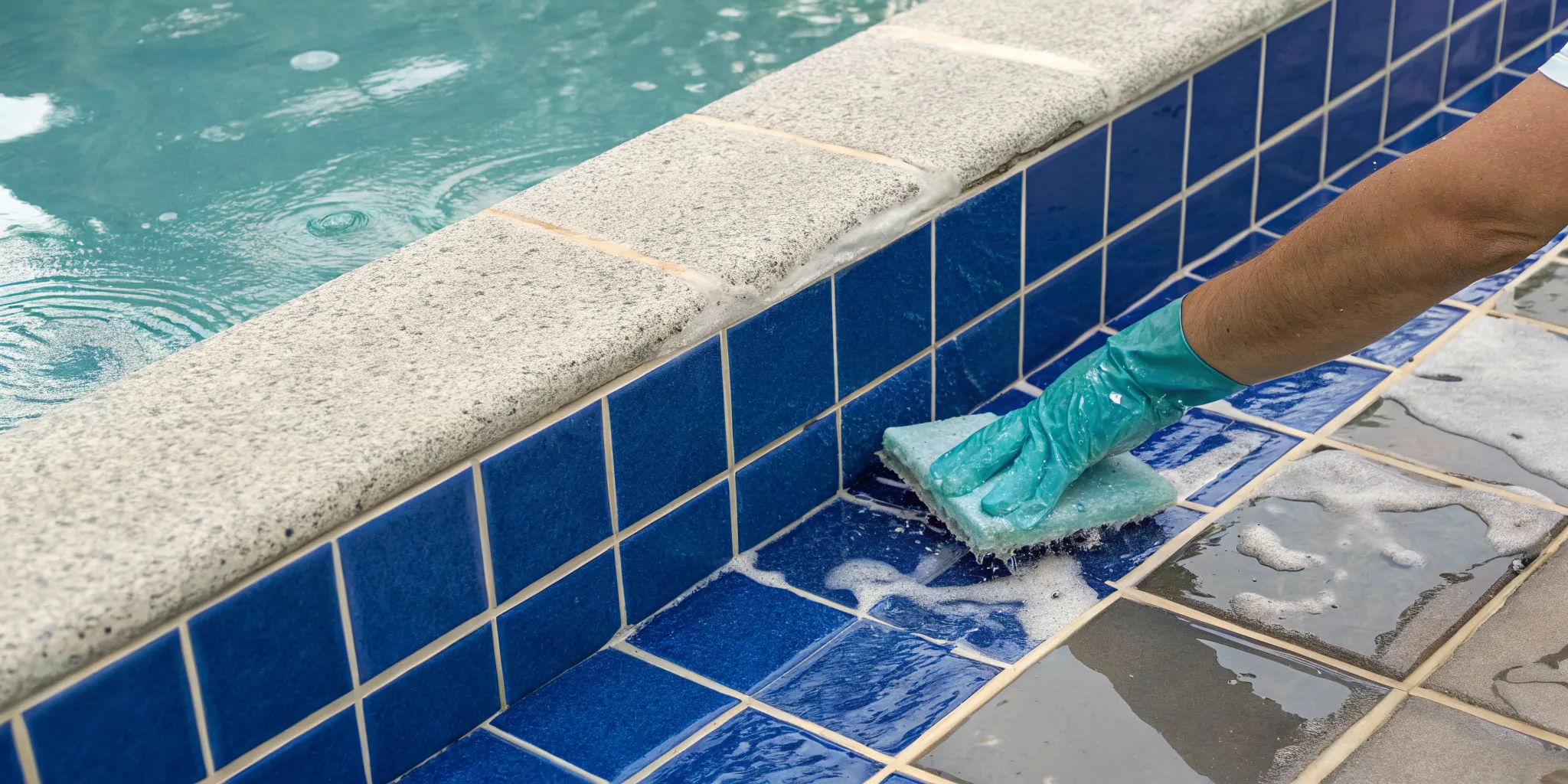
The shell of your hot tub needs a gentle but effective touch. Harsh chemicals can damage the acrylic surface, leading to fading or cracking. For a simple, DIY approach, a spray bottle with a 50/50 mix of white vinegar and water works wonders on soap scum and scale. If you prefer a dedicated product, BioGuard Squeaky Clean is designed to be tough on grime but safe for acrylic surfaces. It removes body oils and residue without leaving a film, helping you keep your spa’s shell looking pristine and inviting. It’s a great product to have on hand for weekly touch-ups.
To Deep Clean Your Filters
Your hot tub filters are your first line of defense against debris, so keeping them clean is non-negotiable. Rinsing them with a hose is great for weekly maintenance, but they need a deep clean every month or so to remove oils and lotions that water alone can't wash away. Soaking them in a specialized filter cleaner is the best way to do this. These cleaners break down the greasy buildup, restoring your filter’s efficiency and extending its life. You can find great filter soaks at any professional spa supply store, or we can help you find the right one.
A Surprising Budget-Friendly Option
Sometimes the best solutions are the ones you least expect. For a cost-effective way to flush your system before a drain and refill, some hot tub owners have found success using dishwasher pods. It sounds strange, but the detergents are designed to break down grease and grime in hot water, which is exactly what you need to clean out your plumbing lines. Just toss four to six pods into your hot tub, run the jets for a cycle, and then drain. While it’s not a replacement for a dedicated biofilm remover, it’s a handy and affordable cleaner to have in your back pocket.
How Do Hot Tub Cleaners Actually Work?
Ever wonder what’s actually happening when you add a cleaner to your hot tub? It’s not just magic; it’s science. Different types of cleaners use unique methods to break down grime, sanitize the water, and keep your spa feeling fresh. Understanding the "how" behind these products can help you choose the right one for the job and maintain a healthier, more enjoyable hot tub.
Whether it’s a chemical sanitizer zapping bacteria, an enzyme solution digesting oils, or a natural mineral system purifying the water, each cleaner plays a specific role. Getting the right combination is key to crystal-clear water. If you ever feel like you’re in over your head with water chemistry, remember that our professional spa services team is always here to help manage your water care for you. Let’s break down what these cleaners are really doing in your water.
The Science Behind Chemical Cleaners
Chemical cleaners are the workhorses of hot tub maintenance. The most common ones use sanitizers like chlorine or bromine to keep your water safe and clean. These chemicals work on a microscopic level, breaking down the cell walls of bacteria and other harmful microorganisms, effectively neutralizing them. This process is essential for preventing the growth of algae and bacteria that can make your water cloudy or unsafe. The key is to maintain the right balance. The only way to know exactly what your spa needs is to test your water regularly. Proper pH and alkalinity levels ensure your sanitizers can work at peak effectiveness, giving you that clean, clear water you love.
How Enzymatic Cleaners Tackle Grime
Think of enzymatic cleaners as the specialists for organic waste. Every time you use your hot tub, you introduce oils, lotions, and sweat into the water. Over time, this creates a grimy buildup, often seen as a ring around the spa’s waterline. Enzymatic cleaners release natural enzymes that specifically target and break down these organic materials. They essentially "digest" the grime, converting it into smaller, more manageable particles that your filter can easily trap. This not only keeps your spa shell clean but also improves water clarity and can reduce the amount of sanitizer you need, making your water feel softer and less chemically-intensive.
The Power of Natural Solutions
If you prefer a gentler approach, natural solutions offer an effective way to keep your hot tub clean. These products often use minerals or plant-based ingredients to purify and clarify the water. For instance, mineral sanitizers can significantly reduce the amount of chlorine or bromine your spa needs. They work by releasing ions like silver and copper into the water, which disrupt bacterial growth. While they aren’t a complete replacement for traditional sanitizers, they work alongside them to create a powerful cleaning system with fewer harsh chemicals. This approach is great for anyone with sensitive skin or who wants to minimize their environmental impact without sacrificing water quality.
Liquid, Powder, or Natural: Which Cleaner Is Right for You?
Walking down the cleaning aisle can feel a bit overwhelming. You’ll see liquids, powders, and natural options all promising a sparkling clean hot tub. The truth is, there isn’t one single "best" type of cleaner. The right choice really depends on the job you're tackling. Are you doing a quick weekly wipe-down, fighting a tough stain, or flushing out your plumbing? Each task has a perfect match. Understanding the differences will help you stock your cleaning kit with exactly what you need. If you're ever unsure, our team can help you find the right supplies and chemicals for your specific spa and needs.
Liquid Cleaners: Quick & Easy
For routine upkeep, liquid cleaners are your best friend. Their biggest advantage is convenience. You can just spray them directly onto the spa shell, cover, or jets and wipe them clean, making them perfect for regular maintenance. This quick application helps you stay on top of small issues before they become big problems. Some specialized liquid cleaners are also fantastic for internal cleaning. For example, many spa owners use products like Ah-Some or Oh Yuk! to effectively target biofilm and other gunk that builds up inside your hot tub’s plumbing. A quick flush with one of these before you drain and refill can make a huge difference.
Powder Cleaners: Tough on Buildup
When you’re facing more stubborn grime, it’s time to call in the powders. Powdered cleaners are generally more abrasive than their liquid counterparts, giving them extra scrubbing power to cut through tough buildup, water lines, and set-in stains. You typically mix them with a little water to create a paste, which you can then apply directly to the problem area. This concentrated approach is great for deep cleaning tasks. As a budget-friendly alternative for a deep pipe clean, some hot tub owners have found that dishwasher pods can effectively break down oils and grime when flushing the system, though it's always best to check your manufacturer's recommendations first.
Natural Cleaners: Gentle & Effective
If you prefer to use fewer harsh chemicals, natural cleaners are both gentle and surprisingly effective. A simple solution of white vinegar and water is fantastic for wiping down your spa shell and cover. It cuts right through soap scum and mineral deposits without damaging surfaces. This is especially helpful here in Colorado, where hard water can leave chalky residue behind. For a bit more power against mineral buildup, citric acid is another great natural option. These solutions are safe for regular use and give you peace of mind, proving you don’t always need strong chemicals to keep your acrylic spa shell clean.
Choose the Right Cleaner for Your Hot Tub's Surface
Not all hot tubs are created equal, and the cleaner that works wonders on one surface might damage another. Using the right product for your spa's material is key to keeping it looking great without causing scratches or wear. Here’s how to tackle cleaning for the most common types of hot tubs you'll find.
Cleaning Acrylic Tubs
Acrylic is the most common hot tub material, and luckily, it’s pretty easy to clean. For a simple DIY solution, you can mix equal parts white vinegar and water in a spray bottle. This combo is fantastic for cutting through soap scum and body oils. If you prefer a professional product, many hot tub owners recommend cleaners specifically formulated to be safe on acrylic surfaces. Using a gentle cleaner ensures you get that beautiful shine back without scratching or dulling the finish. Just spray, wipe with a soft cloth, and rinse well.
Cleaning Vinyl & Inflatable Spas
If you have a vinyl or inflatable spa, you’ll want to be extra gentle. The material is more delicate than acrylic, so harsh chemicals and abrasive scrubbers are a definite no-go. Stick with a soft cloth or a non-scratch sponge and a mild, soapy cleaner. This simple approach is all you need to wipe away grime without risking scratches or damage to the vinyl. Consistent, gentle cleaning is the best way to maintain the integrity of the spa's surface and keep it looking its best for years to come. Think of it as protecting your investment.
Dealing with Colorado's Hard Water
Living in Colorado means we get to enjoy beautiful scenery, but it also means dealing with hard water. Those chalky white mineral deposits can build up on your hot tub shell and look pretty unsightly. To tackle these stains, you can turn to natural options like citric acid or even lemon juice. These are great at dissolving mineral buildup without harsh chemicals. You'll also want to pay close attention to your filters, as they can get clogged with oils and grime. Soaking them regularly in a filter cleaner is a must. It’s a common challenge, and finding the best surface and shell cleaners for our water is a frequent topic among local spa owners.
Create an Effective Hot Tub Cleaning Routine
Having the best cleaners on hand is a great start, but a consistent routine is what truly keeps your hot tub pristine and ready for you to enjoy. Sticking to a simple schedule prevents small issues from turning into big, costly problems. It also ensures your water is always safe, clear, and inviting. Think of it as a bit of weekly, monthly, and quarterly care that pays off with every relaxing soak.
If you ever feel like the upkeep is more than you can handle, remember that professional spa services can take the entire process off your plate. For now, here is a straightforward routine you can follow to maintain your hot tub yourself.
Your Weekly Cleaning Checklist
A few minutes of maintenance each week goes a long way in keeping your spa water clean and balanced. This simple checklist helps you stay on top of the most important tasks.
- Test and Balance: Use test strips to check the water’s pH, alkalinity, and sanitizer levels. Adjust them as needed with the right supplies and chemicals to keep the water safe and comfortable.
- Shock the Water: Add a non-chlorine or chlorine shock treatment to the water. This helps break down organic contaminants like lotions, oils, and sweat that your sanitizer can’t handle alone.
- Wipe the Waterline: Use a soft cloth or sponge to wipe down the line where the water meets the shell. This prevents grime and scum from building up.
Your Monthly Deep Clean
Once a month, it’s time to give your hot tub a little extra attention, focusing on the parts that do the heavy lifting. This deeper clean targets the filter, which is essential for clear water. First, remove your hot tub filter and let it soak in a filter cleaning solution. This chemical bath dissolves the stubborn oils, dirt, and mineral deposits that a simple rinse can’t remove. While the filter soaks, you can give the shell a quick wipe-down. A dedicated hot tub surface cleaner will work best to remove any residue without damaging the acrylic or messing with your water chemistry.
Your Quarterly System Flush
Every three to four months, you should completely drain and refill your hot tub. This is the perfect time to purge the plumbing and get rid of any hidden buildup. Before you drain the water, add a pipe cleaning product to the old water and run the jets. This flushes out biofilm and other gunk from the internal plumbing you can’t see. Once the pipes are clean, drain the tub completely, wipe the shell clean, and refill it with fresh water. This full system reset is a critical part of any cleaning and maintenance plan and ensures your hot tub runs efficiently all year long.
Hot Tub Cleaners to Avoid
Knowing which hot tub cleaners to use is only half the battle. Just as important is knowing which products to keep far away from your spa. Using the wrong cleaner can cause irreversible damage, create a frustrating chemical imbalance in your water, and even void your warranty. Before you reach for that all-purpose spray under your sink, let’s cover the cleaners you should absolutely avoid.
Household Products That Can Cause Damage
It can be tempting to grab a bottle of bathroom cleaner or a bleaching agent to tackle a dirty hot tub shell, but please don’t. These products are far too harsh for your spa’s acrylic or vinyl surfaces. As one hot tub owner on Reddit wisely put it, you should "never use bleach or harsh cleaners on the shell." These chemicals can strip away the protective top coat, causing fading, cracking, and permanent staining. This kind of damage isn't just cosmetic; it can weaken the shell and lead to the need for professional equipment repairs and servicing. Stick to products specifically formulated for hot tub surfaces.
Cleaners That Mess Up Your Water Chemistry
Your hot tub’s water is a carefully balanced ecosystem. Using household products like ammonia, detergents, or glass cleaners can throw that balance completely out of whack. These cleaners leave behind residues that react with your spa chemicals, making it nearly impossible to maintain proper pH and sanitizer levels. According to one guide, you should "avoid using household cleaners like ammonia, bleach, or detergent that may damage vinyl or react with spa chemicals." This chemical chaos can lead to cloudy water, algae growth, and skin irritation. It also puts extra strain on your filters and pump, shortening their lifespan.
Mistakes That Could Void Your Warranty
Your hot tub is a major investment, and its warranty is there to protect it. Using unapproved cleaning products is one of the fastest ways to void that protection. Manufacturers provide specific guidelines for care and maintenance for a reason. As one expert guide notes, you should "only use cleaning products and chemicals made specifically for hot tubs." If you use a generic cleaner and something goes wrong with the shell or a jet, the manufacturer can refuse to cover the repair, leaving you with the bill. Protect your investment by following the manufacturer's instructions or trusting your maintenance to professional spa services.
Where to Get the Best Hot Tub Cleaners
Once you know what kind of cleaner you need, the next step is finding where to buy it. You have a few great options, each with its own benefits, from the vast selection of online specialty stores to the convenience of major retailers. But for personalized advice and products that are proven to work with our local water here in Colorado, nothing beats talking to an expert. Let’s look at the best places to find the right cleaning products for your hot tub.
From a Professional Spa Supply Store
If you’re looking for a wide variety of specialized products, a dedicated spa supply store is an excellent place to start. Online retailers like SpaDepot.com offer an extensive collection of hot tub and spa cleaners for every possible need, from shell polishes to pipe-flushing formulas. These stores are geared toward spa owners, so you can find professional-grade solutions that might not be available at a general-purpose store. Many, like SpaDepot, also offer perks like free shipping on larger orders, making it a convenient way to stock up on everything you need for the season.
From Online Retailers
For sheer convenience, it’s hard to beat major online retailers like Amazon. You can find highly-rated products and have them delivered to your door in a day or two. For example, Oh Yuk Healthy Hot Tub Cleaner is a popular choice for its ability to deep clean the hidden plumbing and jets where grime builds up. While you won’t get expert advice, reading customer reviews can help you understand how a product performs in real-world situations. This is a great option when you know exactly what you need and want it fast.
From Your Local Colorado Springs Experts
Sometimes, the best products and advice come from someone who understands your specific situation. Many hot tub owners agree that a thorough cleaning of the internal plumbing is essential, especially when you drain and refill your tub. A local professional knows the challenges of Colorado’s water and can recommend products that work best here. At Rocky Mountain Aquacare, we don’t just service hot tubs; we provide the high-quality supplies and chemicals you need to maintain them. We can guide you to the perfect cleaner for your spa’s surface and water conditions, ensuring you get a brilliant clean without any guesswork.
Frequently Asked Questions
Can I use household cleaners like bleach or bathroom spray on my hot tub? It's best to keep household cleaners far away from your hot tub. Products like bleach, ammonia, or abrasive bathroom scrubs are too harsh for the acrylic or vinyl surfaces of your spa. They can cause fading, scratching, and even cracking over time. Using them can also throw your water chemistry out of balance and may even void your manufacturer's warranty. Always stick to cleaners specifically designed for hot tubs to protect your investment.
How often should I flush my hot tub's plumbing? You should give your hot tub's internal plumbing a deep clean every time you drain and refill it, which is typically every three to four months. This is the only way to remove the hidden buildup of biofilm, oils, and lotions that accumulate in the pipes. Using a dedicated pipe-flushing product before you drain the old water ensures your new water starts in a truly clean environment.
Are natural cleaners like vinegar actually effective? Yes, for the right job, natural cleaners are very effective. A simple 50/50 mix of white vinegar and water is excellent for wiping down the spa shell to remove soap scum and light mineral deposits from hard water. However, it's not a replacement for everything. You will still need a specialized product to deep clean your filters or flush biofilm from the plumbing lines. Think of vinegar as a great tool for regular surface maintenance.
What's the best way to clean the white, chalky buildup from hard water? That chalky film is a common issue here in Colorado due to our hard water. To clean it from your spa's shell, you can use a soft cloth and a solution of white vinegar and water. For more stubborn mineral stains, citric acid can also work well to dissolve the buildup without damaging the surface. Keeping your water chemistry balanced is the best long-term strategy to prevent these deposits from forming in the first place.
Do I really need a special cleaner for my hot tub filters? Absolutely. While rinsing your filters with a hose weekly is great for removing loose debris, it won't get rid of the oils, lotions, and other greasy materials that clog the filter's fibers. A specialized filter cleaning solution is designed to break down and dissolve this stubborn grime. Soaking your filters in this solution once a month restores their filtering capacity, helps your water stay clearer, and extends the life of your filters.
Related Blogs