%201.png)
Hot Tub Cleaning: A Beginner's Step-by-Step Guide
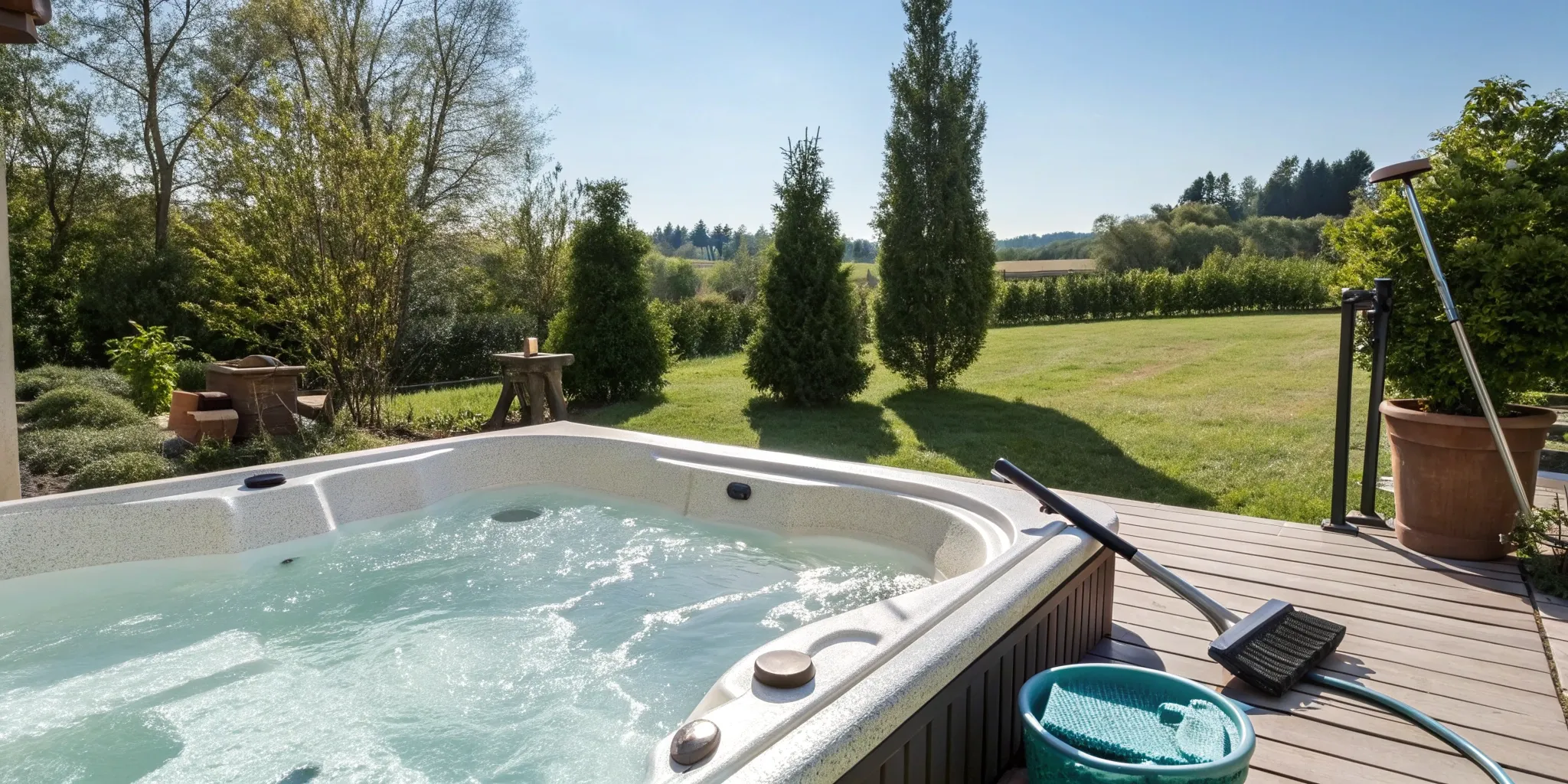
Let’s be honest: no one wants to soak in murky or smelly water. If your hot tub has lost its sparkle, the solution isn't always to add more chemicals. Often, the water is simply overworked and needs to be completely replaced. A full drain, scrub, and refill is the only way to get rid of the dissolved solids and contaminants that build up over time. This essential maintenance is the foundation of effective hot tub cleaning. It ensures your sanitizer can work properly and protects your spa’s sensitive components from damage. Following a simple, step-by-step process will restore your water’s clarity and give you peace of mind every time you soak.
Key Takeaways
- Purge the Plumbing Before You Drain: A truly clean hot tub starts with the pipes. Always use a spa line purge product to flush out hidden gunk before draining the water; otherwise, you're just refilling a dirty tub.
- Master the Weekly and Monthly Rhythm: The key to a low-maintenance spa is consistency. Make weekly water testing and monthly filter rinses a non-negotiable part of your routine to prevent common issues like cloudy water and equipment strain.
- Step Away from Household Cleaners: Using kitchen or bathroom sprays on your spa shell is a recipe for disaster. They cause excessive foam and disrupt water chemistry, so always use products specifically formulated for hot tubs to protect your investment.
How to Deep Clean Your Hot Tub, Step by Step
Giving your hot tub a thorough deep clean every three to four months is essential for keeping the water fresh, clear, and safe for soaking. While weekly upkeep is important, a deep clean tackles the buildup in the places you can't see, like the plumbing lines. It’s the ultimate reset for your spa. This process involves more than just a quick wipe-down; it’s about draining, scrubbing, and ensuring every component is pristine. Following these five steps will make the process straightforward and ensure your hot tub remains a perfect backyard retreat. Let's walk through exactly how to get it done.
Step 1: Purge the Plumbing
Before you drain a single drop of water, you need to clean the plumbing. Over time, oils, lotions, and other gunk can build up inside the pipes, creating a stubborn film. To get rid of it, add a spa line cleaner or purging product directly to the old water. Turn on all the jets and let them run for at least 20-30 minutes—or even overnight if you’re doing a very deep clean. This process dislodges all the hidden grime from the plumbing and pushes it out into the main tub, so don’t be alarmed if the water looks a bit gross. It’s a sign the cleaner is working! You can find the right supplies and chemicals to get this job done effectively.
Step 2: Drain the Water
Now that the plumbing is purged, it’s time to drain the tub. First and most importantly, turn off the power to your hot tub at the breaker. This is a critical safety step you should never skip. Once the power is off, locate the drain valve, usually near the bottom of the tub, and open it. You can attach a garden hose to direct the water away from your home’s foundation or landscaping. Draining can take a while, so if you want to speed things up, a submersible sump pump is a great tool to have. It can empty the tub in just a few minutes, letting you get to the scrubbing much faster.
Step 3: Scrub the Shell
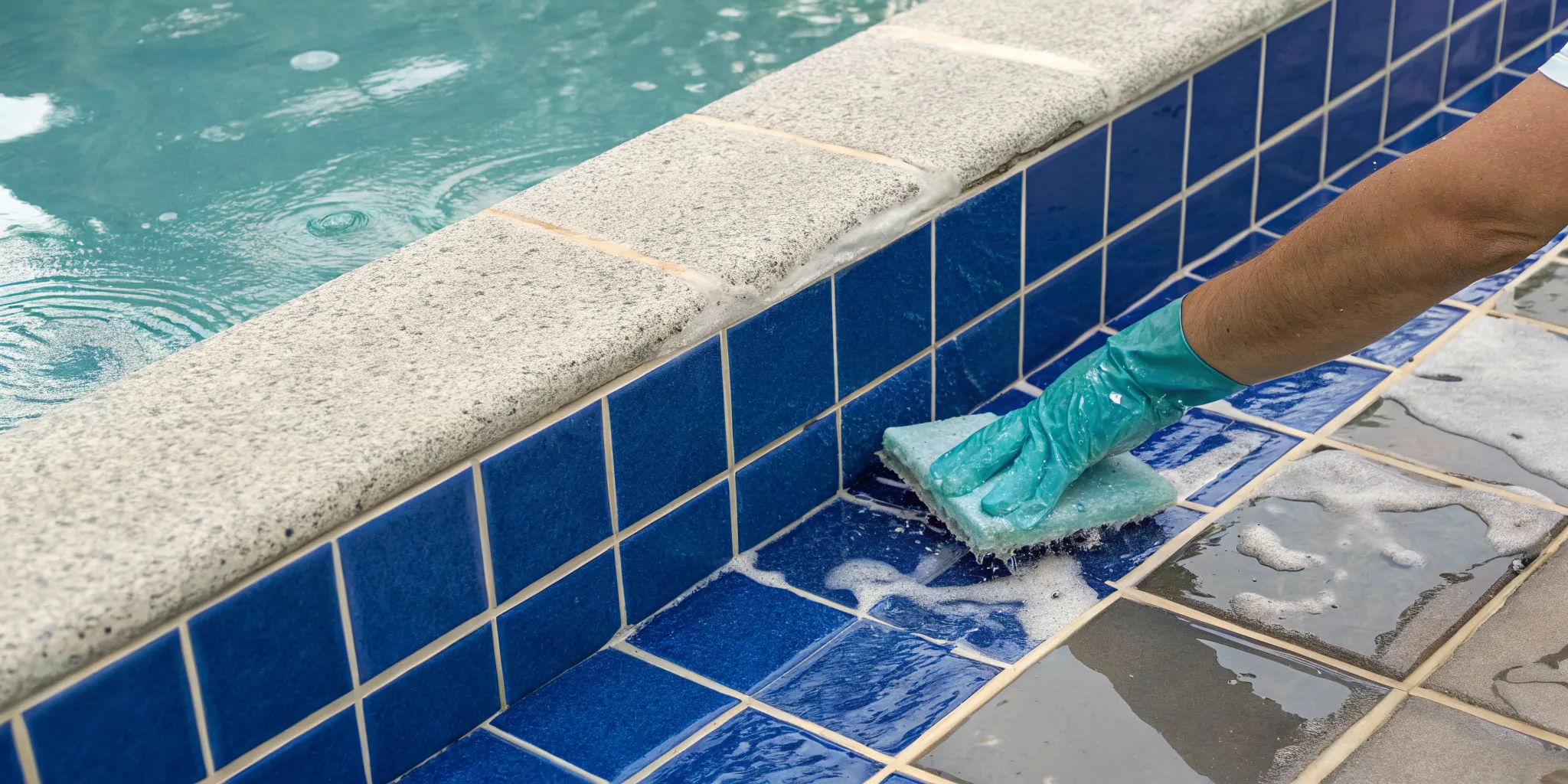
With the tub empty, you can see any dirt or water lines left on the shell. Spray the interior surface with a cleaner specifically designed for hot tubs—avoid using household cleaners, as they can damage the acrylic and cause issues with your water chemistry later. Use a soft cloth or a non-scratch sponge to wipe down the entire shell, paying extra attention to the jet nozzles and waterline. Once you’ve scrubbed everything, give the shell a thorough rinse with your hose to wash all the cleaner and grime down the drain. If you notice any significant wear, cracks, or fading, it might be time to consider professional remodels and rehabs.
Step 4: Clean the Filter
A clean filter is the key to clear water, so don’t overlook this step. While the tub is draining, remove the filter cartridge. Start by spraying it down with a garden hose to knock off any large debris caught in the pleats. For a deeper clean, soak the filter for at least a few hours (or overnight) in a chemical filter cleaning solution. This will break down the oils and minerals that the hose can’t remove. After soaking, rinse it completely until the water runs clear. A clean filter works more efficiently, putting less strain on your pump and keeping your water sparkling.
Step 5: Refill and Balance
You’re on the home stretch! Close the drain valve and begin refilling the tub with fresh water. Here’s a pro tip: place the end of your garden hose inside the filter housing. This helps prevent "air lock," where air gets trapped in the plumbing and stops the jets from working properly. Once the water level is back above the highest jets, you can turn the power back on. Now, it’s time to balance the water chemistry. Test the water and adjust the alkalinity, pH, and sanitizer levels. This final step is crucial for ensuring your water is comfortable and safe for your next soak. If you ever need a hand, our spa services team is always here to help.
Your Hot Tub Cleaning Schedule
Keeping your hot tub clean and inviting isn't about one massive cleaning session a year. It's about creating a simple, consistent routine. Think of it like any other part of your home—a little bit of regular attention prevents bigger problems down the road. Sticking to a schedule keeps the water sparkling, prevents grime from building up in the plumbing, and extends the life of your spa's equipment. By breaking down the tasks into weekly, monthly, and quarterly jobs, you can make hot tub maintenance feel completely manageable. This rhythm ensures you’re always ready for a relaxing soak without any last-minute scrubbing. A well-maintained hot tub is also more efficient and safer for everyone who uses it. Let's walk through what that schedule looks like so you can spend less time cleaning and more time relaxing.
The Deep Clean Routine
About every three to four months, it’s time to give your hot tub a full reset. This is your deep clean, and it’s essential for getting rid of any buildup that regular maintenance can’t reach. Start by adding a line flush product to the old water and running the jets for about 20 minutes. This step clears out any hidden gunk from the internal plumbing. After that, you’ll drain the tub completely, give the shell a good scrub, and refill it with fresh water. This quarterly refresh is your best defense against cloudy water, mildew, and unpleasant odors, ensuring your spa remains a clean and healthy retreat. If a full drain and refill feels like a big project, our dedicated spa services can handle it for you.
Weekly Upkeep
Once a week, take a few minutes to check in on your water chemistry. This is the single most important thing you can do to keep your hot tub in great shape. You’ll want to use a test kit to check the levels of your sanitizer (like chlorine or bromine), pH, and alkalinity. Based on the results, you’ll add chemicals to get everything back in balance. Consistent weekly testing prevents the water from becoming a breeding ground for bacteria and protects your hot tub’s surfaces and equipment from corrosion or scaling. Keeping a good stock of the necessary supplies and chemicals makes this quick weekly task even easier.
Monthly Checks
Your hot tub filter is the unsung hero of clean water, trapping dirt, oils, and other debris. To keep it working effectively, you need to clean it at least once a month. For a quick clean, simply remove the filter and rinse it thoroughly with a garden hose, making sure to spray between the pleats to dislodge any trapped particles. For a deeper clean, soak the filter in a specialized cleaning solution every few months. A clean filter not only keeps your water clearer but also reduces the strain on your pump and heater. Neglecting it can lead to poor water circulation and potential equipment repairs down the line.
Your Essential Hot Tub Cleaning Toolkit
Before you roll up your sleeves, let's make sure you have everything you need. Gathering the right tools and cleaners ahead of time turns a big chore into a simple, straightforward task. Think of it like prepping your ingredients before you start cooking—it just makes everything go smoother. With this toolkit, you’ll be ready to tackle grime and keep your spa water sparkling clean and safe for every soak. We’ll cover the essential chemicals, the best tools for the job, and what you need for regular water testing.
Must-Have Cleaners and Chemicals
Start with a spa purge cleaner to flush out any gunk hiding in your hot tub’s plumbing. This is a step you don't want to skip! Once the tub is drained, you’ll need a non-abrasive cleaner for the shell. A simple mix of white vinegar and water works well, but a specialized hot tub cleaner is formulated to be tough on grime without damaging the acrylic. Just be sure to rinse the shell completely before you start refilling. If you need help choosing the right products, we stock a full range of professional-grade supplies and chemicals to keep your spa in top condition.
The Right Tools and Equipment
The right equipment can cut your cleaning time in half. A sump pump is a fantastic tool for draining your hot tub quickly and completely, saving you a lot of time and effort. For scrubbing the shell, always use a soft, non-abrasive sponge or cloth. This will prevent you from accidentally scratching the surface. It’s also a good idea to have a dedicated bucket for mixing cleaners and a pair of rubber gloves to protect your hands from hot water and cleaning products. These simple items make the process much more comfortable and efficient.
Water Testing and Balancing Kits
Keeping your hot tub clean isn't just about scrubbing—it's about maintaining balanced water chemistry. A reliable water testing kit is non-negotiable for any spa owner. You should get into the habit of testing your water at least once a week. Your kit will help you check the essential levels: pH, total alkalinity, calcium hardness, and your sanitizer (like chlorine or bromine). Regularly testing and adjusting these levels is the key to clear, safe water and prevents bigger problems down the road. If you find water chemistry confusing, our spa services team can handle it for you.
Common Cleaning Mistakes to Avoid
Keeping your hot tub clean seems straightforward, but a few common missteps can turn your relaxing oasis into a frustrating project. Even with the best intentions, it’s easy to do things that throw your water chemistry out of whack, cause foamy water, or even damage your spa’s equipment. The good news is that these mistakes are completely avoidable once you know what to look out for. Think of it like learning a new recipe—once you understand the key steps, the process becomes simple and the results are so much better.
Learning to sidestep these common errors will not only save you time and money on chemicals and potential repairs but will also ensure your hot tub is always a safe, clean, and inviting place to unwind. From using the wrong cleaners to forgetting about the parts you can’t see, we’ll walk through the most frequent mistakes hot tub owners make. By getting ahead of these issues, you can spend less time troubleshooting and more time soaking. And if you ever feel overwhelmed, remember that our professional spa services are always here to help get your hot tub back in perfect shape.
Don't Use Household Cleaners
It might be tempting to grab your go-to kitchen or bathroom spray to wipe down your hot tub shell, but please resist the urge. Household cleaners contain soaps, detergents, and ammonia-based ingredients that are terrible for your spa. When these residues get into the water, they can cause a massive foam party—and not the fun kind. They also wreak havoc on your water balance, making it much harder to maintain the proper pH and sanitizer levels. Instead, always use cleaners specifically formulated for acrylic spa shells. These products are designed to clean effectively without leaving behind a soapy residue that will disrupt your water chemistry. You can find the right supplies and chemicals to get the job done safely.
Never Skip the Plumbing Purge
What you can’t see can definitely hurt your hot tub experience. The plumbing lines of your spa are a prime spot for biofilm—a slimy, gross buildup of bacteria and other gunk—to form. Even if your water looks clear, this hidden buildup can be lurking in the jets and pipes. Simply draining the water won’t get rid of it. That’s why using a plumbing purge product before you drain is a critical step. You add it to the old water and run the jets for a bit, which flushes all that nasty stuff out of the lines. Skipping this step means you’ll be refilling your tub with fresh water that will immediately be contaminated by the biofilm left behind.
Don't Forget the Filter
Your hot tub filter is the unsung hero of clean water. It works tirelessly to trap hair, oils, dirt, and other particles. But if the filter is dirty and clogged, it can’t do its job. A neglected filter is one of the main causes of cloudy water and can put a serious strain on your hot tub’s pump, potentially leading to costly damage. Make it a habit to rinse your filter with a hose at least once a week. Every month, or whenever you change the water, give it a deep clean with a chemical filter cleaner to break down stubborn oils and grime. If your filter is worn out or damaged, it's time for a replacement. Proper filter care is essential for both water clarity and the health of your equipment.
Change the Water Regularly
While sanitizers and chemicals do a great job of keeping your water clean day-to-day, they can’t work forever. Over time, the water becomes saturated with dissolved solids—body oils, lotions, dead skin, and chemical byproducts. When this happens, the water gets harder to balance, and your sanitizer becomes less effective. No amount of shock or chlorine can fix overworked water. That’s why you need to drain and refill your hot tub every three to four months, depending on how often you use it. Starting with a fresh batch of water is the only way to reset the environment and ensure your soaks are always clean, clear, and refreshing.
How to Balance Your Water Chemistry
With your hot tub freshly cleaned and refilled, the final step is balancing the water chemistry. This might sound like a high school science experiment, but it’s the key to keeping your water safe, clear, and comfortable. Properly balanced water prevents skin irritation, protects your hot tub’s equipment from damage, and makes your sanitizer work effectively. Just follow these simple steps to get your levels right.
Test Your Water First
Before adding any chemicals, you need a baseline. Think of it as reading a recipe before you start cooking. Use a quality water test kit or strips to check the key levels in your hot tub. You should be testing your water at least once a week to stay on top of things. The main players to watch are pH, total alkalinity, calcium hardness, and your sanitizer level (either chlorine or bromine). This initial test tells you exactly what your water needs to achieve the perfect balance for a safe and relaxing soak.
Adjust pH and Alkalinity
Your water’s pH and alkalinity work together to keep things stable. Always adjust the total alkalinity first, as it acts as a buffer for the pH. If your alkalinity is off, you’ll find yourself constantly fighting to keep the pH in range. Aim for an alkalinity level between 80 and 120 parts per million (ppm). Once that’s set, adjust your pH to be between 7.4 and 7.6. Getting these two right is the foundation of balanced water and ensures your sanitizer can do its job efficiently. You can find all the necessary supplies and chemicals to make these adjustments.
Add Sanitizer and Shock
Sanitizer is what keeps your water free of harmful bacteria. Depending on your system, you’ll use either chlorine or bromine. After balancing your pH and alkalinity, add the sanitizer according to the product instructions to reach the ideal level—typically 1-3 ppm for chlorine or 3-5 ppm for bromine. It’s also a good idea to “shock” the water, which is a process of adding a larger dose of sanitizer to eliminate any lingering contaminants. This is especially important after refilling your tub or after heavy use.
Circulate and Retest
Once you’ve added the chemicals, don’t just walk away. Turn on your hot tub’s jets for about 20-30 minutes to allow everything to circulate and dissolve completely. This ensures the chemicals are evenly distributed throughout the water instead of concentrated in one spot. After the circulation cycle, it’s time for one final check. Grab your test kit and retest the water to confirm that all your levels are in their ideal ranges. If anything is still slightly off, make small adjustments and repeat the process. If you ever feel unsure, our expert spa services team is always here to help.
When to Call a Hot Tub Professional
Even with a consistent cleaning schedule, there are times when your hot tub needs a little extra attention from someone with professional experience. Knowing when to handle things yourself and when to call for backup can save you time, prevent frustration, and protect your investment. Think of a professional service as a periodic deep-dive that ensures everything is running exactly as it should, giving you total peace of mind. It’s not about admitting defeat in your DIY efforts; it’s about making a smart choice for the health and longevity of your spa.
Signs You Need an Expert's Help
If you’ve followed all the steps and your water just won’t cooperate, it might be time to call a pro. Persistently cloudy water, even after a fresh fill, often points to an underlying issue like old filters that need replacing or a problem with your plumbing lines. You should also pay attention to the hot tub’s performance. Are the jets weaker than usual? Do you hear any strange grinding or humming sounds from the pump or heater? These are clear indicators of mechanical trouble that requires professional equipment repairs. If you feel like you’re constantly fighting to balance the water chemistry or notice recurring issues, an expert can diagnose the root cause.
The Perks of Professional Service
Bringing in a professional for your hot tub care offers more than just a clean tub; it provides a healthier and safer soaking environment. Experts know how to tackle the hidden grime you can’t see. They perform crucial tasks like flushing the internal plumbing to eliminate bacteria buildup, which is a step many owners miss. A professional service helps prevent common problems like clogged filters and unsanitary water before they start. They have the right tools and commercial-grade products to do a thorough job, ensuring every component, from the jets to the heater, is inspected and functioning correctly. This proactive approach not only keeps your water pristine but also extends the life of your spa equipment.
What Our Spa Service Includes
When you schedule a professional cleaning, you get a comprehensive service that goes far beyond a simple drain and scrub. Our dedicated spa services are designed to reset your hot tub to a perfectly clean and balanced state. A typical service includes a full system flush to purge bacteria from the pipes, a complete drain and refill, and a deep cleaning of the spa shell. We also meticulously clean or replace your filters, which are critical for clear water. Once refilled, we’ll professionally balance the water chemistry with premium chemicals, setting you up for weeks of easy maintenance. It’s the most effective way to ensure your hot tub is truly clean, safe, and ready for you to enjoy.
Frequently Asked Questions
How often should I really be deep cleaning my hot tub? A full drain and deep clean every three to four months is the sweet spot for most hot tub owners. If you use your spa almost daily or frequently have guests over, you’ll probably want to stick closer to the three-month mark. This schedule ensures you’re getting ahead of any buildup from lotions, oils, and other dissolved solids that your sanitizer can’t manage over the long term.
Can I just use vinegar or bleach to clean the shell? It’s best to skip the household cleaners, even ones like vinegar or bleach. These products can leave behind residues that create a frustrating amount of foam once you refill the tub. More importantly, they can throw your water chemistry completely out of balance, making it much harder to get your pH and alkalinity levels right. Always use a cleaner specifically designed for hot tub shells.
Why does my water still look cloudy or foamy after I just cleaned it? This is a common issue that usually points to one of a few culprits. The most likely reason is that the plumbing lines weren't purged before draining, leaving old grime to mix with the fresh water. It could also be that your filter needs more than just a rinse—it might be time for a deep chemical soak or a full replacement. Finally, double-check your water chemistry, as unbalanced water can also appear cloudy.
Is it safe to drain and clean my hot tub during a Colorado winter? You can absolutely clean your hot tub in the winter, but you need to be efficient. The main concern is water freezing in the pipes and causing them to crack. To prevent this, pick a milder day, have all your supplies ready before you start, and work quickly to scrub and refill the tub. If the forecast looks particularly cold or you're worried about the timing, calling a professional is the safest way to avoid any damage.
What's the single most important part of the deep cleaning process? If you want to make the biggest impact, don't skip the plumbing purge. This is the step that truly deep cleans your hot tub by flushing out all the hidden buildup from the internal pipes and jets. Simply draining and scrubbing the shell doesn't address this hidden grime, which is often the source of recurring water quality problems. A good purge sets the stage for truly fresh, clean water.
Related Blogs