%201.png)
How to Fix Green Pool Water: A Step-by-Step Guide
When your pool turns green, it’s time to put on your detective hat. That unwelcome color is a major clue that something is wrong with your water's health, but it doesn't tell the whole story. Is it a simple case of low chlorine, or is a more complex issue like high phosphates or even metals at play? Solving the mystery is the first step to restoring your pool's clarity. This guide will show you exactly how to investigate the scene, from accurate water testing to inspecting your equipment. We’ll give you the step-by-step instructions on how to fix green water in swimming pool, turning you into a pool-clearing expert.
Key Takeaways
- Identify the Root Cause First: Before you add any chemicals, test your water accurately. A green pool can be caused by more than just algae; high pH, poor circulation, or even metals in the water could be the real problem.
- Shock and Filter Methodically: Clearing a green pool requires a specific sequence. After balancing your chemicals, shock the water with a powerful chlorine product, brush all surfaces thoroughly, and then run your filter continuously for at least a day to remove the dead algae.
- Commit to a Weekly Routine: The best way to prevent a green pool is through consistent upkeep. A simple weekly habit of testing your water, balancing chemicals, and cleaning your pool will keep the water sparkling and save you from future headaches.
Why Is My Pool Green?
Walking out to your backyard and seeing a green pool instead of a sparkling blue one is a frustrating experience for any pool owner. It can happen surprisingly fast, turning your relaxing oasis into a swampy-looking pond. The good news is that you can almost always trace a green pool back to one of a few common culprits. Understanding what’s causing the color change is the first step toward getting your clear water back. Most of the time, the issue is algae, but it can also be caused by imbalanced chemicals, poor water circulation, or even metals in your water. Let’s look at each of these potential problems.
The Problem with Algae
More often than not, algae is the reason your pool has turned green. This microscopic plant thrives in water, and a bloom can happen when your sanitizer levels, especially chlorine, are too low to stop it. Things like heavy rainfall, a high swimmer load, or even a large amount of pollen can use up your chlorine quickly, giving algae the green light to multiply. High levels of phosphates, which act as food for algae, can also fuel a bloom. What starts as a small patch can quickly spread, turning your pool from clear to cloudy green. Regular cleaning and maintenance is your best defense against an algae takeover.
Chemical Imbalances
Your pool's chemistry is a delicate balancing act, and when things are off, it creates the perfect environment for algae. The most common issue is a high pH level. When your pool’s pH climbs above 7.8, it makes your chlorine much less effective. You could have enough chlorine in the water, but if the pH is too high, the chlorine can't do its job of sanitizing and killing algae. This is why simply adding more chlorine doesn't always solve the problem; you have to get the pH back in range first. Keeping a stock of the right supplies and chemicals on hand is key to managing these levels properly.
Poor Water Circulation
If your pool water isn't moving, it's not healthy. Stagnant water is an open invitation for algae and bacteria to settle in and grow. Your pool's pump and filter are designed to keep the water circulating, pushing it through the filtration system to remove contaminants and evenly distribute chemicals. If your pump isn't running long enough each day, or if your filter is clogged and dirty, you'll get "dead spots" with poor circulation. These areas are where algae blooms often begin. If you suspect an issue with your system, it might be time for professional equipment repairs and servicing to get things flowing again.
Metal Contamination
Sometimes, the green tint in your pool isn't from algae at all, but from dissolved metals, usually copper. This can happen if your water source is well water, if you have older copper plumbing, or from using certain types of algaecides. Copper in the water oxidizes when you add shock or other chemicals, which can turn the water a bright, almost turquoise green. Unlike an algae problem, the water might still be relatively clear, just colored. This issue requires a different treatment than an algae bloom, often involving a metal sequestrant. Identifying the source is crucial to preventing it from happening again.
How to Test Your Pool Water Accurately
Before you can treat your green pool, you need to play detective. Accurate water testing is the first and most critical step to understanding what’s causing the algae bloom. It tells you exactly which chemical levels are off so you can add the right treatments in the right amounts. Skipping this step is like guessing on a recipe; you might get lucky, but you’ll probably end up with a bigger mess. By getting a clear picture of your pool’s chemistry, you can create a targeted plan to restore that beautiful blue water you love.
Test Kits vs. Test Strips
You have two main options for DIY pool testing: liquid test kits and test strips. While test strips are quick and easy, they often lack precision. For tackling a problem like a green pool, accuracy is key. Liquid test kits will always give you more accurate results than test strips. They use reagents that you add to a water sample, causing a color change that you compare against a chart. This method provides a much clearer and more reliable reading of your chemical levels, ensuring you don't over- or under-treat your water. We can help you find professional-grade supplies and chemicals to get the job done right.
What to Test For: Chlorine, pH, and More
When your pool turns green, you need a complete chemical profile. The best pool test kits will have the ability to test all five main water balance levels: pH, Total Alkalinity, Calcium Hardness, Cyanuric Acid, and Chlorine. Free Chlorine is your pool’s primary sanitizer, so low levels are a common cause of algae. pH and Total Alkalinity work together to keep your water stable and ensure your chlorine is effective. Calcium Hardness protects your pool surfaces, while Cyanuric Acid protects your chlorine from being burned off by the Colorado sun. Testing all five gives you the full story.
Know Your Ideal Chemical Levels
Once you have your test results, you need to know what you’re aiming for. Keeping your chemicals within their ideal ranges is essential for a clear and safe pool. Cyanuric acid, sometimes called CYA, acts like sunscreen for the pool chlorine, and its ideal levels are between 30–50 parts per million (ppm). Here are the other targets to keep in mind:
- Free Chlorine: 1–3 ppm
- pH: 7.4–7.6
- Total Alkalinity: 80–120 ppm
- Calcium Hardness: 200–400 ppm
When your water is balanced, your sanitizer can work efficiently to kill algae and prevent it from returning.
How Often Should You Test?
For routine upkeep, we recommend testing your pool water at least once per week. However, when you’re battling an algae bloom, you’ll need to be more vigilant. Plan on testing your water daily throughout the treatment process. This allows you to monitor your progress and make small adjustments as needed. Once your pool is clear again, you can return to a weekly testing schedule. If you prefer a more hands-off approach, our team can manage this for you with a regular cleaning and maintenance plan, ensuring your pool stays balanced all season long.
Your Step-by-Step Guide to Shocking a Green Pool
Once you’ve tested your water and have a clear picture of your chemical levels, it’s time to tackle the algae head-on. The most effective way to do this is by shocking the pool. This process involves adding a large dose of chlorine to the water to kill the algae and sanitize your pool. It’s a straightforward but crucial process for reclaiming your pool from that uninviting green haze.
Think of it as a hard reset for your pool’s ecosystem. While it might seem like a lot of chemicals, it’s exactly what’s needed to eliminate the algae bloom and any other contaminants lurking in the water. Following these steps carefully will get you back on track to having a clear, swimmable pool. If you’re ever unsure about the process or prefer to leave it to the experts, our team is always ready to help with professional cleaning and maintenance to get your pool back in shape. Let’s walk through how to shock your pool correctly and safely.
Calculate the Right Amount of Shock
Getting the dosage right is the key to a successful shock treatment. Using too little won’t be effective against the algae, while using too much can be wasteful and require a longer waiting period before you can swim. The amount of shock you need depends on how green your water is. For a light green, slightly murky pool, a double dose is usually sufficient. This means using about two pounds of shock for every 10,000 gallons of water. If your pool is dark green and you can’t see the bottom, you’ll need a triple dose, which is three pounds for every 10,000 gallons. Always check your pool’s volume to calculate the correct amount of supplies and chemicals needed.
Choose the Best Shock for the Job
Not all shock treatments are created equal, especially when you’re fighting an algae invasion. To kill algae, you need a powerful chlorine-based shock. Even if you typically use a non-chlorine shock for regular maintenance, it won’t be strong enough to handle a green pool. Look for a product with a high percentage of cal-hypo (calcium hypochlorite). Read the package directions carefully, as some situations with severe algae might even require a second treatment after the first one. Choosing a quality, potent shock is your best bet for clearing up the water quickly and effectively.
Handle Pool Chemicals Safely
Working with pool chemicals requires your full attention and proper precautions. Safety should always come first. Before you open any containers, make sure you’re wearing protective gear, including safety goggles and chemical-resistant gloves. Always read and follow the manufacturer’s instructions printed on the packaging. This will tell you exactly how to handle and apply the product. Never mix different chemicals together, as this can create a dangerous reaction. If you feel uncertain about handling these strong substances, don’t hesitate to call for professional spa services or pool care. It’s always better to be safe.
Brush the Pool Walls and Floor
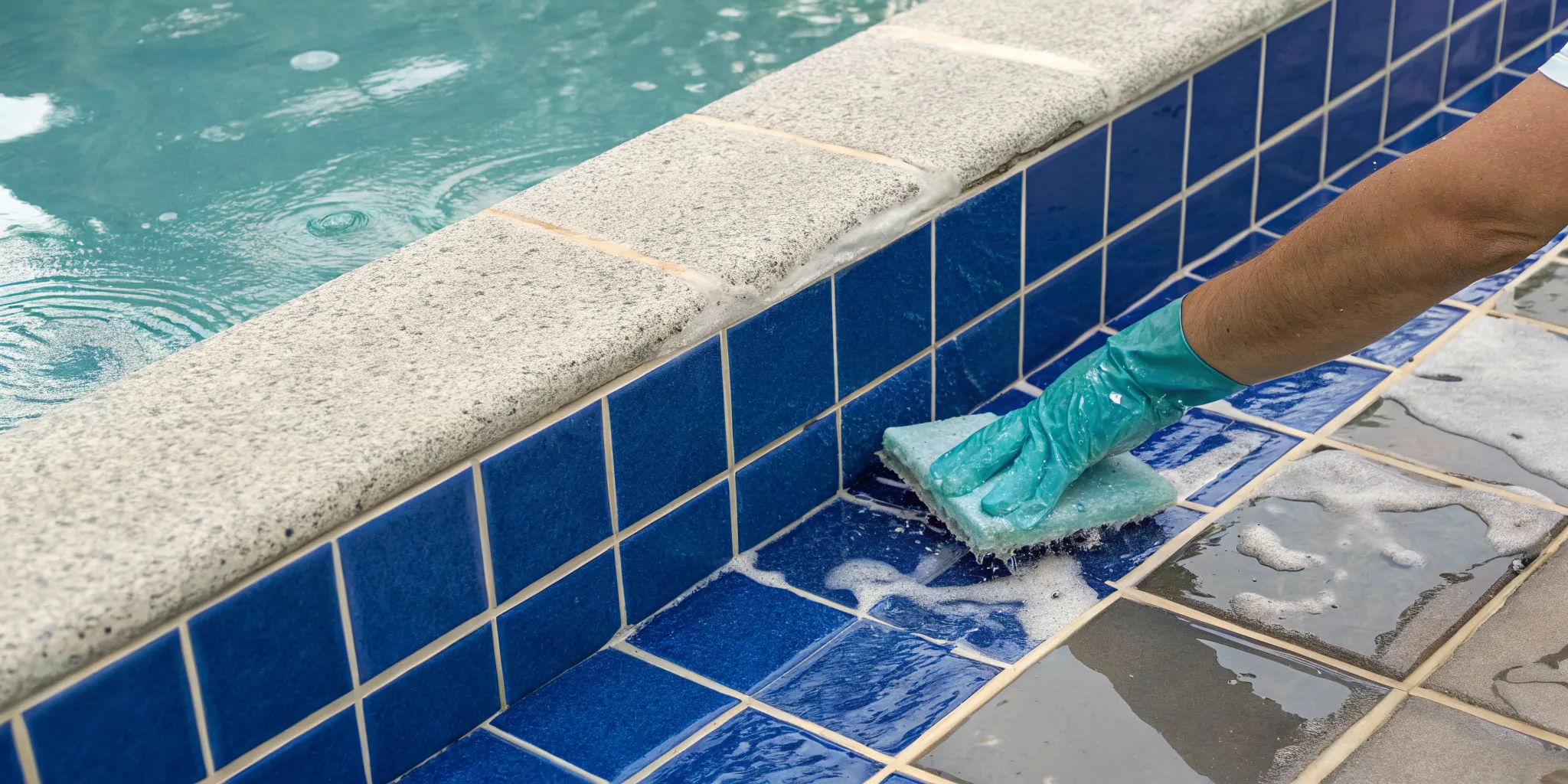
Shocking kills the algae, but it doesn’t remove it from your pool surfaces. After adding the shock, you need to put in a little elbow grease. Grab a good pool brush and thoroughly scrub the walls, steps, and floor of your pool. This action dislodges the dead and stubborn algae, pushing it into the water so the filter can remove it. Pay special attention to corners and other areas where algae likes to hide. Once you’ve finished brushing, vacuum the pool to pick up all the debris you’ve loosened. This step is essential for getting that sparkling clean finish.
How Long to Run Your Filter After Shocking
After you’ve shocked the pool, the hard work isn't over. Now it's your filter's turn to shine. The shock has killed the algae, but those dead particles are still floating around, making your water look cloudy and uninviting. Running your filter is the crucial next step to physically remove that debris and restore your pool’s sparkle. The key is to run it long enough to get the job done right, ensuring all the contaminants are effectively removed from the water.
Run the Filter for at Least 24 Hours
This is a non-negotiable step. Once the shock is in, you need to run your pool filter continuously for at least 24 hours. This constant circulation ensures the shock is distributed evenly throughout every corner of the pool, so it can neutralize all the algae. It also gives the filter enough time to catch and remove the dead algae particles. Depending on how green your pool was, it might take even longer. Be patient; it’s not uncommon for this process to take a couple of days. The goal is to keep your pool filters running until the water is completely clear.
What Affects Filtration Time
How quickly your pool clears up depends heavily on the health of your filtration system. If your pump is struggling or your filter is clogged, water won't move effectively, and the clearing process will drag on. Stagnant water is a breeding ground for bacteria and algae, which is likely part of what caused the problem in the first place. A powerful, well-maintained system will work much faster. If you suspect your equipment isn't performing at its best, it might be time for professional equipment repairs and servicing to get things running smoothly again.
How to Backwash and Clean Your Filter
A clean filter is an effective filter. Before you start this 24-hour marathon, make sure your filter is ready for the job. If you have a sand or D.E. filter, check the pressure gauge. If it’s reading 8-10 PSI above its normal clean level, it’s time to backwash. This process reverses the water flow to flush out trapped debris. For cartridge filters, you’ll need to remove the cartridge and give it a thorough cleaning with a hose. Following your filter’s specific manual is always the best approach. Consistent cleaning and maintenance helps your filter handle tough jobs like this without getting overwhelmed.
Signs Your Pool is Clearing Up
You’ll know the process is working when the water’s color starts to change. It will typically shift from a murky green to a cloudy, milky-white or bluish color. This is a good sign! It means the algae is dead, and the filter is now working to clear out the particles. As the filter continues to run, this cloudiness will gradually disappear, revealing clear water. If the water is still green or stubbornly cloudy after a couple of days, you may need to re-test your chemicals and potentially shock the pool again. Don't get discouraged; sometimes a stubborn algae bloom needs a second round.
What to Do If Your Pool Is Still Green
It’s incredibly frustrating when you’ve shocked your pool, run the filter, and done everything right, only to find it’s still a murky shade of green. Don’t give up just yet. Often, a stubborn green pool just needs a few extra steps to get back to its sparkling clear self. If you’ve followed the initial shocking process and are still seeing green, it’s time to do a little detective work. The problem could be anything from hidden chemical imbalances to an overworked filter. Let’s walk through what to check next to finally clear up that water.
Re-Test and Adjust Your Chemicals
Before you dump more chemicals into the water, take a step back and re-test everything. Guessing is a surefire way to waste money and potentially make the problem worse. An accurate test will tell you exactly what’s going on. Pay close attention to your pH level. If your pH is too high (above 7.8), it makes your chlorine much less effective, meaning all that shock you added isn’t doing its job. Getting your pH and alkalinity in the ideal range is the first step to making your other chemicals work. You can find reliable test kits and all the balancing supplies and chemicals you need to get your water back on track.
Check for Metals and Phosphates
If your chemical levels look balanced but the water is still green, you might not be dealing with algae. Sometimes, the green tint comes from dissolved metals, particularly copper. This can happen if you use well water or certain algaecides. Another common troublemaker is phosphates. Algae love to feed on phosphates, so if you have high levels in your pool, you’re essentially serving up an all-you-can-eat buffet that helps algae grow back quickly. You can test for both metals and phosphates and use special removers to get them out of your water for good.
Inspect Your Filtration System
Your filter’s job is to remove all the dead algae and debris that the shock has killed. If your filter is dirty, clogged, or not working correctly, all that gunk just stays in the pool, keeping it cloudy and green. Check your filter pressure. If it’s higher than normal, it’s likely time for a good backwash or a cartridge cleaning. If you’ve cleaned the filter and it’s still not clearing the water, there might be an underlying issue. Our team is always ready to help with professional equipment repairs to ensure your system is running at its best.
Know When to Shock Again
Sometimes, a single shock treatment just isn’t enough for a serious algae bloom. A very green pool often requires a sustained period of high chlorine levels to fully kill off all the algae. This isn’t a one-and-done situation. You may need to shock the pool again, keeping the chlorine level high for several days and brushing the walls and floor daily to dislodge stubborn algae. Continue this process of testing, brushing, and shocking until your water is no longer losing chlorine overnight and the cloudiness begins to fade to a clear blue.
How to Keep Your Pool Crystal Clear
After all your hard work, the last thing you want is for your pool to turn green again. The secret to a consistently clear pool isn’t a one-time fix; it’s about prevention. By adopting a few key habits, you can keep algae at bay and enjoy sparkling water all season long. Think of it as simple upkeep that saves you from a major cleanup down the road. Staying on top of your pool’s health involves three main areas: a consistent cleaning routine, balanced water chemistry, and properly functioning equipment. Let’s get into how you can master each one.
Stick to a Regular Maintenance Schedule
Consistency is your best friend in pool care. A regular cleaning schedule physically removes debris and algae spores before they have a chance to multiply and cause problems. Make it a weekly habit to vacuum the pool floor, brush the walls and steps, and skim the surface to remove leaves and bugs. This simple routine disrupts the environment algae needs to grow. If your schedule is packed, consider setting up a professional cleaning and maintenance plan. A little bit of effort each week is far easier than dealing with another green pool emergency.
Keep Your Chemicals Balanced
Think of your pool water as a delicate ecosystem. When the chemistry is balanced, it creates an environment where algae can’t survive. You should test your water at least once a week to check the five key levels: pH, total alkalinity, calcium hardness, cyanuric acid, and chlorine. Keeping these within their ideal ranges ensures your sanitizer works effectively and prevents cloudy or green water. If you run low on testing strips or chemicals, you can find everything you need with a reliable provider of pool supplies and chemicals. Proactive testing is the best way to catch and correct imbalances before they become visible problems.
Ensure Your Equipment Works Properly
Your pool’s pump and filter are the heart and lungs of its circulation system. They work together to move water and trap contaminants, including algae. If your filter is dirty or clogged, it can’t do its job, and a pump that isn’t running long enough won’t circulate the water effectively. Check your filter pressure regularly and clean it when needed. Make sure your pump runs for at least 8 to 12 hours a day to turn over the entire volume of your pool. If you notice any strange noises or a drop in performance, it might be time for professional equipment repairs to keep your system in top shape.
Frequently Asked Questions
How soon can I swim after shocking my pool? You'll need to wait until your free chlorine level drops back down to a safe range, which is typically between 1 and 3 parts per million (ppm). This process can take 24 to 48 hours, depending on how much shock you used and the amount of sunlight your pool gets. The most important thing is to test your water before anyone gets in to be certain it's safe for swimming.
My pool water is green but still clear. Is this an algae problem? Probably not. When the water has a green tint but you can still easily see the bottom, the cause is often dissolved metals like copper. This can happen when the metals in your water oxidize after you add chemicals. An algae bloom, in contrast, will almost always make the water look cloudy, murky, and swampy, not just colored.
Can I just use an algaecide instead of shocking the pool? While algaecide is a useful product for preventing algae growth, it isn't strong enough to kill a full-blown algae invasion on its own. Shocking the pool with a high dose of chlorine is the necessary step to eliminate the existing algae. You can use an algaecide afterward as part of your regular maintenance routine to help keep it from coming back.
Should I remove leaves and debris before I shock the pool? Yes, you absolutely should. Before adding any shock, take the time to skim the surface and vacuum up as much organic debris (like leaves, dirt, and twigs) as possible. This material uses up a lot of chlorine, so removing it first allows the shock to direct all its sanitizing power toward killing the algae, which makes your treatment much more effective.
What are the most important things to do weekly to prevent a green pool? Keeping your pool clear is all about consistency. Focus on three key habits each week. First, test your water and make sure your chlorine and pH levels are in their ideal ranges. Second, run your pump for at least 8 to 12 hours every day to keep the water circulating properly. Finally, brush the pool walls and skim the surface to remove debris before it has a chance to feed any potential algae growth.
Related Blogs