%201.png)
How to Winterize an Above Ground Pool Step-by-Step
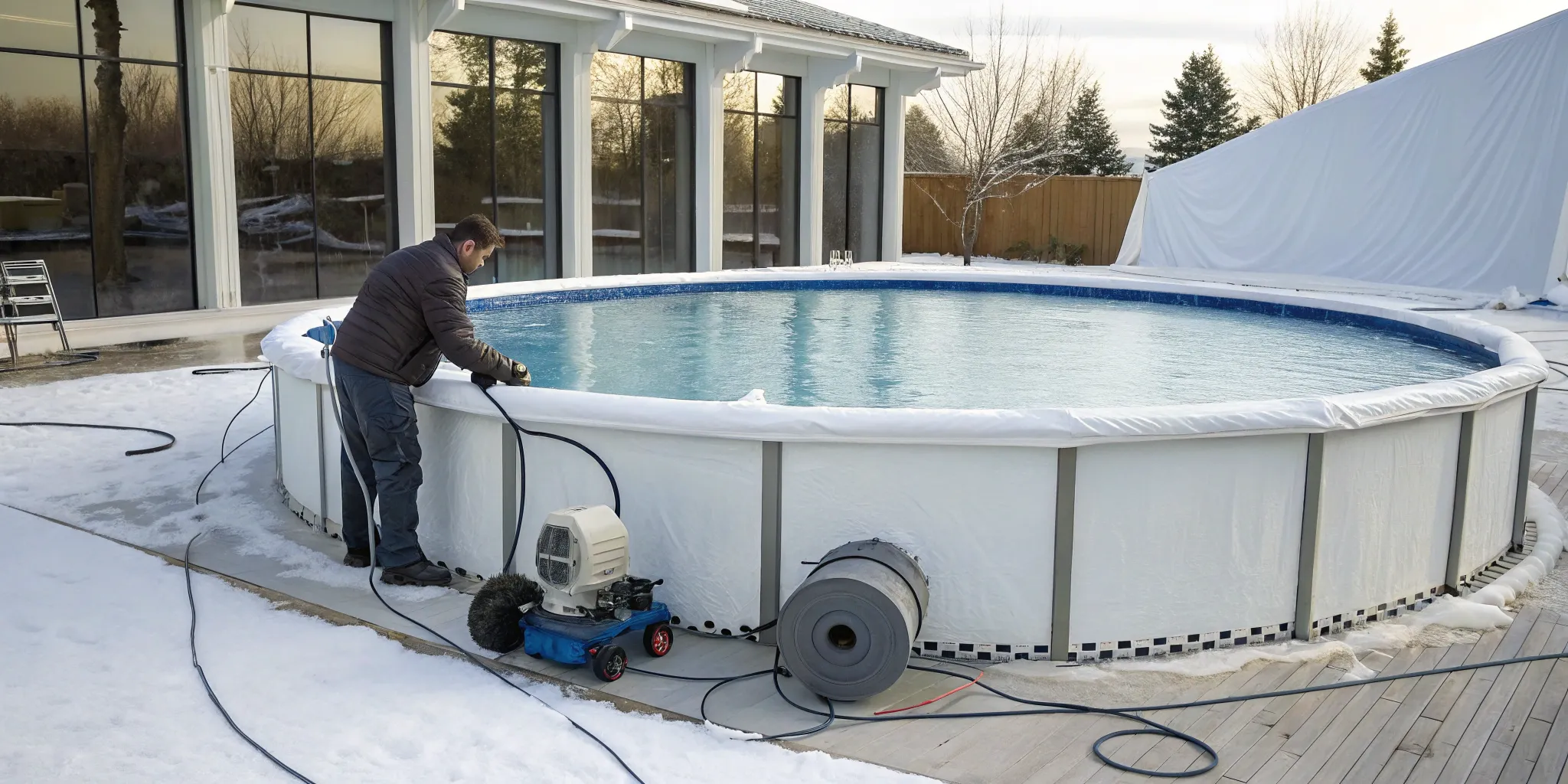
The difference between a quick, easy pool opening in May and a week-long cleanup project is determined by the work you do in the fall. Pulling back the cover to find clear, clean water is the goal, but many owners are met with a green, murky pond that requires days of shocking and filtering. This frustrating scenario is completely avoidable. A successful closing is the key to a stress-free spring. By following the right steps now, you protect your liner from staining and prevent algae from taking hold during the dormant months. This article explains how to winterize an above ground pool to guarantee a much happier opening day, saving you time, money, and a lot of headaches.
Key Takeaways
- Perfect your water chemistry before closing: Getting your pH and alkalinity right is your best defense against algae and staining, which makes for a much easier and cleaner pool opening next season.
- Drain and store your equipment to avoid cracks: Colorado's freezing temperatures will damage any component with water left inside. Disconnecting, draining, and storing your pump, filter, and hoses is a non-negotiable step to prevent costly repairs.
- Use a winter cover and air pillow for physical protection: A durable winter cover keeps debris out, while an air pillow absorbs ice expansion to prevent your pool walls from buckling under pressure.
How to Winterize Your Above-Ground Pool
Getting your above-ground pool ready for a Colorado winter is one of the most important things you can do to protect your investment. It’s not just about throwing a cover on and hoping for the best. A proper closing routine prevents costly damage from freezing temperatures and makes for a much smoother, cleaner opening next spring. Think of it as tucking your pool in for a long winter’s nap so it’s ready for fun as soon as the weather warms up. Let’s walk through the first crucial steps to get the process started.
Why Winterizing Your Colorado Pool is a Must
In Colorado, winterizing isn't optional—it's essential. Above-ground pools are more exposed to the elements and, as a result, "more susceptible to freezing damage than in-ground pools." When water freezes, it expands with incredible force. This expansion can damage your pool’s liner, walls, skimmer, and plumbing. A proper winterization process protects these vulnerable components from the harsh freeze-thaw cycles common in our state. Taking these steps now helps you avoid complex repairs and ensures your pool structure remains sound, saving you significant time and money when swim season returns.
When to Winterize Your Pool
Timing is everything when it comes to closing your pool. You’ll want to start the process when the temperature consistently drops below 65°F. Closing the pool when the water is still warm can create a perfect breeding ground for algae, leaving you with a green mess in the spring. However, waiting too long puts you at risk of a sudden freeze, which could damage your equipment before you’ve had a chance to protect it. Keep an eye on the forecast and plan to close your pool before the first hard freeze of the season. This ensures the water is cool enough to inhibit algae growth but closed in time to prevent ice damage.
Gather Your Winterizing Supplies
Before you begin, it’s helpful to have all your supplies ready to go. Each pool has unique requirements, and an above-ground pool has slightly different needs than an in-ground one. You’ll want to have a winter cover and an air pillow, which helps protect your pool walls from ice expansion. You will also need a winterizing chemical kit, a skimmer cover plate, and return line plugs to seal off your plumbing. Having the right supplies and chemicals on hand makes the entire process much more efficient. Don’t forget basic cleaning tools like a leaf rake and pool brush for a thorough cleaning before you close.
Balance Your Water Chemistry for Winter
Before you even think about putting the cover on, getting your pool’s water chemistry just right is the most critical step for a successful closing. Think of it as tucking your pool in for a long winter's nap. Properly balanced water protects your liner and equipment from corrosion, staining, and scaling during the cold months when it’s not in use. Taking the time to do this now prevents nasty surprises—like an algae bloom or cloudy water—when you open your pool next spring. Getting these levels correct ensures that your winterizing chemicals can do their job effectively, keeping the water clear and safe until swimming season returns. If you're not sure where to start, we can help you find the right supplies and chemicals for a smooth closing.
Test and Adjust pH Levels
First up is checking the pH. This level measures how acidic or basic your water is, and it's a key player in protecting your pool surfaces. For winterizing, you’ll want the pH to be between 7.4 and 7.6. If the pH is too low (acidic), it can corrode your metal equipment like ladders and pump components. If it’s too high (basic), it can cause scaling on your pool liner and equipment, leaving behind ugly white deposits. Use a reliable test kit to get an accurate reading, and then use pH increaser or decreaser to dial it into that sweet spot. This simple adjustment is your first line of defense against winter damage.
Balance Alkalinity and Calcium Hardness
Once your pH is in line, it’s time to look at total alkalinity and calcium hardness. Total alkalinity acts as a buffer for your pH, helping to keep it stable and preventing wild swings. You’re aiming for a range of 80 to 120 parts per million (ppm). Calcium hardness, which should be between 175 and 225 ppm for vinyl liners, helps protect your liner from damage and keeps the water from becoming corrosive. Getting these two levels right is essential for protecting the integrity of your pool structure through Colorado's freeze-thaw cycles. If balancing chemicals feels overwhelming, our cleaning and maintenance team can handle it for you.
Shock the Pool and Add Winter Chemicals
With your water perfectly balanced, the final step is to give it a good shock. This means adding a high dose of chlorine (or a non-chlorine alternative) to eliminate any lingering bacteria, algae, or other contaminants. It’s best to do this a day or two before you cover the pool to give the shock time to circulate and work its magic. After shocking, you’ll add your winterizing chemicals. This usually includes a strong algaecide to prevent algae growth and a stain and scale preventer. These products work together all winter long to keep your water clear and your pool surfaces pristine for an easy spring opening.
Prep Your Pool and Equipment
After balancing your water chemistry, the next major phase is physically preparing your pool and equipment for the long winter freeze. This is arguably the most critical part of the process, as it directly protects your investment from the powerful force of expanding ice. In Colorado, where temperatures regularly drop well below freezing, any water left in your plumbing, pump, or filter can turn solid, cracking pipes and damaging expensive hardware. Taking the time to methodically drain and protect each component is your best defense against a spring season filled with costly surprises and frustrating delays. It’s also a great time to inspect everything for wear and tear. If you notice a cracked hose or a part that looks worn out, our team can help with any equipment repairs and servicing before it becomes a bigger problem.
Lower the Water Level
Your first task is to lower the pool’s water level to protect the skimmer. The skimmer, typically made of plastic, is highly susceptible to cracking if water freezes inside it. You have two main options here. The most common method is to drain the water until the level is about three inches below the bottom of the skimmer opening. This ensures that even as rainwater or melted snow enters the pool, the level won't rise high enough to enter the skimmer. Just be careful not to drain too much water, as this can put unnecessary stress on your pool’s liner. Alternatively, you can use a winter skimmer plug, which seals the opening and allows you to keep the water at its normal level.
Drain and Store Your Equipment
Next, you need to get every last drop of water out of your pool equipment. Start by disconnecting all the flexible hoses from the skimmer, pump, and filter. Lift them up to ensure they are completely empty before coiling and storing them in a dry place like a garage or shed, where they’ll be protected from the harsh winter elements. Then, move on to your filter. If you have a multiport valve, set it to the "winterize" position and remove the drain plug at the base. For cartridge filters, you’ll want to remove the cartridge, give it a good cleaning, and store it indoors. Finally, locate and remove the drain plugs on your pump and chlorinator. A great pro tip is to store all these small plugs in the pump’s strainer basket so you know exactly where they are next spring.
Install Skimmer and Return Plugs
With all your equipment drained, the final step is to seal off the plumbing lines to prevent any water from getting back in. Make sure the power to your pool equipment is turned off at the breaker for safety. Go to each return jet—where filtered water flows back into the pool—and unscrew the directional eyeball fitting. In its place, screw in a threaded winter plug until it’s snug. In the skimmer, after you’ve removed the basket, you’ll want to install a winter cover plate over the opening to create a secure seal. You can find all the necessary winterizing supplies and chemicals, including the correct plugs and covers for your specific setup, to ensure everything is properly protected.
Cover Your Pool for the Winter
With your water balanced and your equipment safely stored, it’s time for the final major step: putting your pool to bed for the winter. A good cover is your pool’s best defense against months of Colorado snow, wind, and debris. Covering your pool properly does more than just keep leaves and dirt out; it blocks the sunlight that can encourage algae growth, even in cold water. Think of it as the final seal that protects all the hard work you’ve just done. Taking the time to choose the right cover and secure it correctly will make a world of difference when it’s time to open your pool again in the spring. It’s the key to preventing costly damage from ice and ensuring a much cleaner, healthier pool is waiting for you when the warm weather returns. A properly secured cover also acts as a safety barrier, an important consideration for households with children or pets. If you find your cover is torn or has seen better days, addressing it now is much easier than dealing with a mid-winter failure. Our team can help with any necessary remodels and rehabs to ensure your pool is secure all season long.
Choose the Right Cover for Colorado Weather
When it comes to winterizing, not all pool covers are up to the challenge of a Colorado winter. The standard cover that came with your pool is likely just a thin solar or debris cover, and it probably won’t stand up to heavy snow and high winds. For winter, you need to invest in a dedicated winter cover made from a tough, durable material like woven polyethylene. Look for one that extends a bit over the sides of your pool. This extra material allows you to secure it tightly, preventing wind from getting underneath and causing damage. A proper winter cover is one of the most important supplies and chemicals you'll need for a successful closing.
Use an Air Pillow to Prevent Ice Damage
An air pillow is an essential, yet often overlooked, tool for winterizing an above-ground pool in a cold climate. As water freezes, it expands, and this expansion can put immense pressure on your pool’s walls, potentially causing them to buckle or split. An air pillow, or "ice compensator," is a simple vinyl pillow that floats in the center of the pool under the cover. You should inflate it to about 60-70% of its capacity—leaving room for it to compress. When ice forms, it will press down and inward on the pillow instead of outward on your pool walls, absorbing the pressure and protecting your investment from costly damage.
Secure Your Cover Against Wind and Snow
Once your air pillow is in place, it’s time to lay the winter cover over the top. Drape it evenly across the pool, ensuring it covers the pillow and hangs over the edges. Most winter covers come with a cable and winch system. Thread the cable through the cover’s grommets and use the winch to pull it tight until it’s snug against the pool frame. A tight fit is your best defense against strong winds. For extra security, you can carefully add an inch or two of water on top of the cover (from a hose, not from the pool) to help weigh it down and keep it from flapping.
Common Winterizing Mistakes to Avoid
Closing your pool for the season can feel like a big project, and it’s easy to miss a step or two. Unfortunately, even small oversights during the winterizing process can lead to bigger headaches and costly fixes come springtime. The good news is that most of these mistakes are completely avoidable. By taking your time and following a clear checklist, you can ensure your pool weathers the Colorado winter safely and is ready for a smooth opening when the warm weather returns.
Let’s walk through some of the most common slip-ups homeowners make when winterizing their above-ground pools. From getting the water chemistry just right to making sure your cover is secure against those heavy snows, knowing what not to do is just as important as knowing what to do. Sidestepping these pitfalls will save you from a green, murky mess in the spring and protect your pool equipment from damage caused by freezing temperatures.
Getting the Chemical Balance Wrong
One of the most frequent mistakes is closing a pool with unbalanced water. It might seem counterintuitive to worry about chemicals when no one will be swimming for months, but this step is crucial for an easy spring opening. If your pH, alkalinity, and sanitizer levels are off, you’re essentially creating a perfect environment for algae and bacteria to thrive under the cover all winter. This is why so many pool owners pull back their covers in May to find a swampy, green disaster. Before you add any winterizing chemicals, make sure your water is perfectly balanced. This single step prevents staining, scaling, and a ton of cleanup work later. If you need help getting the right supplies and chemicals, our team can guide you.
Forgetting to Properly Store Equipment
Colorado winters are no joke, and freezing temperatures can wreak havoc on your pool’s plumbing and equipment. Water left inside your pump, filter, or hoses will freeze, expand, and likely crack the components, leading to expensive repairs in the spring. Always take the time to fully drain all your equipment. Disconnect the hoses, remove every drain plug from the pump and filter, and let everything dry out completely. Once dry, store your pump and filter system in a protected, dry location like a garage or shed to keep them safe from the harsh elements until you need them again. This simple step is one of the best ways to protect your investment.
Making Cover and Water Level Errors
Your pool cover is the final line of defense, but it can only do its job if it’s installed correctly. A common error is leaving the water level too high. The water line should be about three to six inches below the skimmer opening to prevent water from freezing inside the skimmer and causing it to crack. You can also use a special skimmer plug to avoid draining the water. Another misstep is skipping the air pillow. This inflatable pillow goes under the cover in the center of the pool, absorbing the pressure from expanding ice and protecting your pool walls from damage. Finally, make sure your cover is tightly secured to handle Colorado's wind and heavy snow.
Your Mid-Winter Pool Checklist
Winterizing your pool isn't a one-and-done task. You still need to check on it occasionally, especially with Colorado's unpredictable winters. A quick mid-season check-up can prevent damage from heavy snow and ice and set you up for a much smoother opening day come spring. Taking a few minutes every few weeks to run through this checklist ensures your hard work from the fall doesn't go to waste. If you ever feel overwhelmed or spot an issue, our team is always here to help with professional cleaning and maintenance.
Manage Snow and Water on the Cover
That heavy, wet Colorado snow looks beautiful, but it can be a nightmare for your pool cover. The weight of accumulated snow and melted ice puts immense strain on the cover, causing it to rip, stretch, or even damage your pool's top rails. Make it a habit to check your cover after every significant snowfall. You should carefully remove any water or debris to keep it from getting too heavy. A winter cover pump is your best friend here; it’s designed to remove the extra water that builds up. This simple step is crucial for protecting your cover and pool through the coldest months.
Maintain Your Cover Pump
Your cover pump can't do its job if it's clogged or frozen. Since this machine is essential for removing water from your pool cover, you’ll want to check on it regularly. Before you need it, make sure it’s functioning properly and clear away any leaves or debris that might block the intake. A quick inspection can save you a major headache later. If you find that your pump isn't working correctly, it might be a sign of a bigger issue. Don't hesitate to call a professional for equipment repairs to get it sorted out.
Prep for an Easy Spring Opening
Everything you do now is a gift to your future self. Properly closing your pool stops damage from ice and snow, and these mid-season checks make opening your pool again in the spring so much easier. When you stay on top of water removal and equipment care, you’re preventing the issues that lead to a green, swampy mess when you pull the cover off. If you follow these steps, your pool water should be pretty clear when you open it! A smooth opening means less work, fewer chemicals, and more time enjoying the water.
Frequently Asked Questions
What happens if I wait too long to close my pool? Waiting too long is a risky gamble, especially in Colorado where a sudden freeze can happen unexpectedly. If temperatures drop below freezing before you've drained your equipment, the water inside your pump, filter, and plumbing can freeze and expand. This can easily crack plastic housings and pipes, leaving you with expensive repairs to deal with in the spring. It's always better to close a little early than to risk it and wait too late.
Is an air pillow really that important for an above-ground pool? Yes, it absolutely is. Think of an air pillow as an insurance policy for your pool walls. When the water on the surface freezes, it expands with incredible force. Without an air pillow, that force pushes outward directly against your pool's structure. The air pillow, placed in the center under the cover, absorbs that pressure by compressing, which protects your pool walls from buckling or even splitting under the strain.
Can I just use my blue solar cover instead of buying a special winter cover? A solar cover is designed to retain heat and is not built to handle the rigors of a Colorado winter. It's too thin and will quickly tear under the weight of snow and ice. A proper winter cover is made from a much tougher, more durable material designed to block sunlight completely and withstand heavy loads. Using the right cover is essential for keeping debris out and preventing algae growth all winter long.
What if I don't get every single drop of water out of my pump and filter? You really want to be as thorough as possible here. Even a small amount of water left in a pump housing or filter tank can freeze, expand, and cause a crack. That's why it's so important to remove all the drain plugs and let the equipment air out. Storing the small plugs in the pump basket is a great way to ensure you don't lose them before spring. If you're worried you missed something, it's better to double-check than to face a surprise leak when you go to open your pool.
Do I need to check my water chemistry or add more chemicals during the winter? If you balance the water and add a quality winterizing chemical kit before you close the pool, you generally shouldn't need to add more chemicals during the winter. The cover blocks sunlight, which is the main fuel for algae growth, and the cold water slows down chemical reactions. Your main job over the winter is to keep the cover clear of heavy snow and water, which protects the balanced environment you created in the fall.
Related Blogs