%201.png)
Pool Winterization: A Step-by-Step Guide
The thought of a cracked filter or a burst pipe is enough to give any pool owner a headache. These costly problems are often the direct result of an improper or incomplete closing at the end of the season. That's where a thorough pool winterization plan comes in. Think of it as your insurance policy against the powerful force of expanding ice. By taking the right steps now—balancing your water, clearing your plumbing lines, and securing the right cover—you’re not just preventing expensive repairs, you’re also saving yourself a ton of time and money on cleanup next spring. Let’s break down the process into simple, manageable steps for a worry-free winter.
Key Takeaways
- Focus on Freeze Protection First: Your top priority is preventing ice from cracking your expensive equipment. This means thoroughly blowing out every drop of water from your pipes, pump, and filter to avoid a costly repair bill in the spring.
- Time Your Closing with Temperature, Not the Calendar: Wait to close your pool until the daily high is consistently below 65°F. This simple rule is your best defense against algae growth, ensuring you open up to clear water instead of a green swamp.
- Lower the Water, Don't Empty It: Never completely drain your inground pool for the winter, as this can cause serious structural damage. Instead, just lower the water level below the skimmer line to protect your plumbing without risking the pool's integrity.
What Is Pool Winterization and Why Is It a Must-Do?
Think of pool winterization as tucking your pool in for a long winter’s nap. It’s the essential process of preparing your pool and all its equipment for the freezing temperatures ahead. Here in Colorado, where winters can be especially harsh, this isn’t just a suggestion—it’s a critical part of responsible pool ownership. Skipping this step can lead to some seriously expensive problems come springtime, turning your backyard oasis into a major headache.
Properly closing your pool is a multi-step process that protects your investment from the inside out. It involves more than just throwing a cover over the water. A complete winterization includes a thorough cleaning, balancing the water chemistry with special long-lasting chemicals, and clearing every drop of water from your plumbing and equipment. The goal is to prevent freeze damage while keeping the water in a state that makes for a much easier opening day. This prep work is a key part of our annual cleaning and maintenance routine because it sets your pool up for a long, healthy life and saves you from major stress when the warm weather returns.
Protect Your Pool from Freeze Damage
The biggest reason to winterize your pool is to protect it from the powerful force of expanding ice. When water freezes inside your pool’s plumbing, pump, filter, or heater, it expands with incredible force. This can cause pipes to burst and equipment housings to crack. These aren't minor issues; they often lead to complex and costly equipment repairs. Winterizing involves meticulously clearing all water from these vulnerable components to ensure they stay safe and dry all winter long. You might wonder why you can't just drain the pool completely, but that can cause even more harm. The water in an inground pool helps support the structure against pressure from the surrounding ground, so draining it can lead to serious structural damage.
Save Time and Money Next Spring
A proper closing in the fall is your ticket to a smooth and speedy opening in the spring. When you balance the water chemistry and add the right winter chemicals before covering your pool, you’re preventing algae from turning your pool into a green swamp over the winter. Waking up to a clean pool saves you from a lengthy, costly, and frustrating cleanup process. You’ll spend less time shocking the water and more time actually enjoying it. Beyond avoiding an algae bloom, winterization protects your wallet from unexpected repair bills. A cracked pump or a busted filter can set you back hundreds or even thousands of dollars. By taking the time to winterize, you’re ensuring your equipment is ready to go as soon as the temperatures rise.
When to Winterize Your Pool in Colorado
Timing is everything when it comes to closing your pool, especially here in Colorado where the weather loves to keep us guessing. Picking the right moment to winterize isn't just about marking a date on the calendar; it's about listening to the environment to protect your investment. Closing your pool too early in the season, when it's still relatively warm, can create a perfect breeding ground for algae, making for a tough spring opening. On the other hand, wait too long, and you risk a sudden freeze causing catastrophic damage to your plumbing and equipment.
Getting the timing right sets you up for a smooth, hassle-free opening next spring. Instead of uncovering a green, swampy mess, you’ll find clear water that’s nearly ready for swimming. It’s the difference between a quick weekend prep and weeks of chemical treatments and cleaning. The key is to pay close attention to two main signals: the consistent daily temperature and the practical signs that your swimming season has truly come to an end. By watching for these cues, you can confidently close your pool at the optimal time, saving yourself from potential headaches and costly equipment repairs down the road.
Follow Colorado's Temperature Cues
The golden rule for pool winterization is to wait until the daytime high is consistently 65°F or lower. This isn't an arbitrary number—it's the temperature at which algae growth slows down significantly. If you cover your pool while the water is still warm, you’re essentially creating a dark, stagnant greenhouse for algae to thrive. By waiting for the chill to set in for good, you make it much harder for contaminants to take hold over the winter. Don't be fooled by a random warm day in October; watch for the overall trend of cooler weather to guide your decision.
Know the Signs It's Time to Close
Beyond the thermometer, there are other clear indicators that it’s time to close up shop. Are you done swimming for the year? Is the constant battle against falling leaves making your regular pool cleaning and maintenance feel like a full-time job? These are strong signs that it’s time to begin the winterization process. Waiting too long is just as risky as starting too early. An unexpected hard freeze can sneak up and crack pipes, filters, and pumps, leaving you with serious damage. Monitoring the forecast and acting proactively is the best way to protect your pool from our state's unpredictable weather patterns.
Your Step-by-Step Pool Winterization Checklist
Closing your pool for the season might seem like a huge project, but breaking it down into manageable steps makes all the difference. Following a checklist ensures you don’t miss any crucial tasks that protect your investment from Colorado’s harsh winters. This process is all about preventing freeze damage and setting yourself up for a smooth, easy opening next spring. Think of it as tucking your pool in for a long winter’s nap. By taking these careful steps now, you’re saving yourself from potential headaches and costly repairs when the warm weather returns. Let’s walk through exactly what you need to do.
Step 1: Give Your Pool a Deep Clean
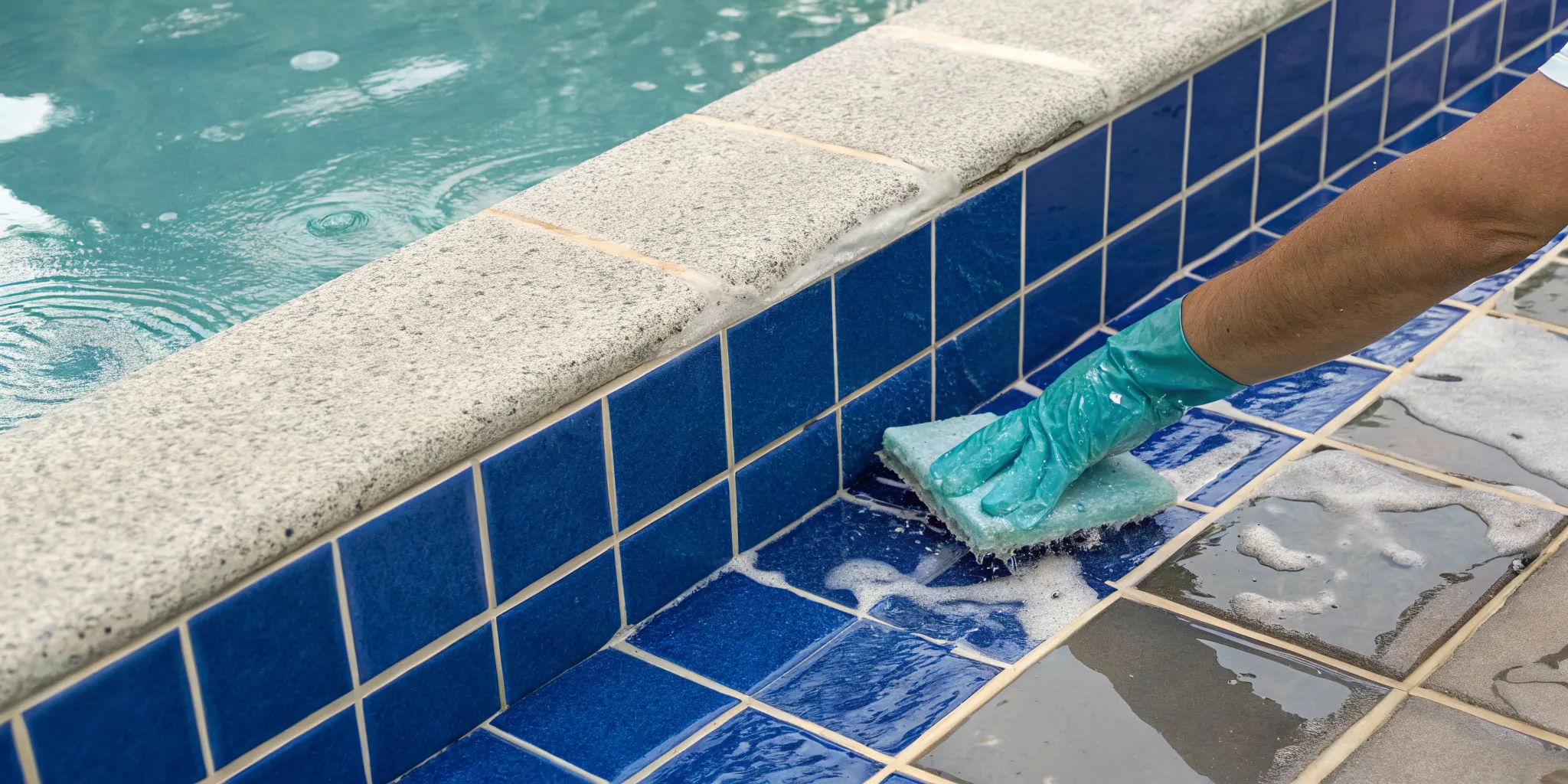
Before you do anything else, your pool needs a top-to-bottom cleaning. Leaving leaves, dirt, or algae in the water all winter is a recipe for stains and a much bigger cleanup job in the spring. Start by skimming all the floating debris off the surface. Next, give the walls and floor a good brushing to loosen any stubborn dirt or algae. Finish by thoroughly vacuuming the entire pool. A clean pool is the foundation of a successful winterization. If you're short on time, our team offers professional cleaning and maintenance to get your pool spotless before closing.
Step 2: Gather Your Winterization Tools and Supplies
Nothing slows down a project like having to stop midway through to run to the store. Before you begin the closing process, take a few minutes to gather everything you’ll need. Think of it like preparing your ingredients before you start cooking—a little organization upfront saves a lot of scrambling later. Having all your tools, chemicals, and equipment ready will make the entire process feel much more manageable. You’ll want to have your cleaning gear, winterizing chemicals, and covering equipment all laid out and accessible. This ensures a smooth transition from one step to the next, from cleaning the water to securing the cover for the season.
Step 3: Balance the Water Chemistry
Getting your water chemistry right is one of the most important steps for protecting your pool’s surfaces and equipment over the winter. Unbalanced water can become corrosive or cause scaling, leading to damage that’s expensive to fix. Before adding any winter chemicals, test your water and adjust it to the proper levels. You’ll want to aim for a pH between 7.4 and 7.6, total alkalinity between 80 and 120 ppm, and calcium hardness between 200 and 400 ppm. This chemical harmony acts as a shield for your pool liner and equipment during the long off-season.
Step 4: Drain All Equipment and Plumbing Lines
Water left in your pool’s plumbing and equipment will freeze, expand, and crack, causing serious damage. This is a non-negotiable step for any Colorado pool owner. Start by turning off all power to your pool equipment at the circuit breaker. Then, remove the drain plugs from your pump, filter, heater, and chlorinator to let all the water out. To clear the plumbing lines completely, use an air compressor or a powerful shop vac to blow all the water out. Once the lines are clear, plug them securely and consider adding a pool-safe antifreeze for extra protection against deep freezes. Improperly drained equipment is a common cause for equipment repairs come springtime. Each piece of your equipment needs individual attention. Look for and remove the drain plugs on your pump, filter, chlorinator, and heater to let any trapped water escape. It’s a good idea to store these small plugs in the pump basket so you can easily find them in the spring. If you can, disconnecting and storing your pump and filter in a shed or garage is the best way to shield them from harsh winter weather. For pipes that are impossible to drain completely, adding pool antifreeze is a must. Some modern systems have a freeze sensor that automatically turns the pump on if the temperature drops, but you shouldn't rely on this as your only line of defense.
Step 5: Lower the Water Level
Once your plumbing is clear, it’s time to lower the water level in the pool itself. The goal is to get the water below the skimmer and return lines to prevent them from freezing and cracking. For most pools, this means draining the water about 18 inches below the tile line. This ensures that as ice forms on the surface, it has room to expand upward instead of pushing against your pool walls and tiles. A quick word of caution: if you have a vinyl liner or fiberglass pool, check your manufacturer’s guidelines. Draining these types of pools too much can cause significant structural damage.
The Right Chemicals for a Colorado Winter
After you’ve cleaned your pool and balanced the water chemistry, the final chemical treatment is what puts it to bed for the winter. This step is about more than just keeping the water clear; it’s about protecting your pool surfaces and equipment from the harsh freeze-thaw cycles we experience here in Colorado. Using the right combination of products prevents algae growth, staining, and scale buildup, which makes your spring opening significantly easier. Think of it as putting your pool into a safe hibernation. The goal is to add a final layer of protection that works all winter long, so you can rest easy knowing your investment is secure until the warm weather returns.
Winter Shock and Sanitizers
Your first line of defense is a potent shock treatment. A winter shock is a strong dose of chlorine that eliminates any lingering bacteria, algae, or other contaminants that could cause problems over the winter. For the best results, we recommend using a complete winterizing chemical kit. These kits typically bundle the shock with an algaecide and a stain and scale preventative. This trio works together to keep your water clear and protect your pool’s surfaces from mineral buildup. After adding the winterizing chemicals, run your pump for a full 24 hours to ensure everything is thoroughly circulated before you shut the system down.
Long-Lasting Algaecide
While your winter kit includes an algaecide, adding an extra dose of a high-quality, long-lasting formula is a smart move for Colorado pool owners. Our weather can be unpredictable, with sunny, warmer days popping up even in the middle of winter. These temperature swings can create the perfect conditions for algae to start blooming under your cover. A potent algaecide acts as an insurance policy, providing an extra layer of protection to keep your water crystal clear. This simple step helps ensure you won’t be greeted by a green, swampy mess when you pull the cover off next spring.
Pool-Safe Antifreeze for Pipes
This step is absolutely critical for preventing serious damage. After you’ve drained your pump, filter, heater, and plumbing lines, you need to protect them from any residual water that could freeze, expand, and crack the pipes. The solution is a non-toxic, pool-safe antifreeze. It’s crucial to only use antifreeze specifically made for pools, as automotive antifreeze is toxic and can ruin your equipment. A good rule of thumb is to use about one gallon of antifreeze for every 10 feet of pipe. This protects your plumbing and prevents costly equipment repairs when it’s time to reopen your pool.
How to Cover Your Pool for Winter
Putting the cover on is the final step in tucking your pool in for its long winter nap. This isn’t just about keeping leaves out; it’s about creating a strong barrier that protects your pool from heavy snow, ice, and whipping winds. A properly chosen and secured cover is your first line of defense against damage and makes for a much, much easier spring opening. Think of it as the finishing touch that safeguards all the hard work you’ve just put into cleaning, balancing, and winterizing your pool’s plumbing.
Pick the Right Cover for Colorado Weather
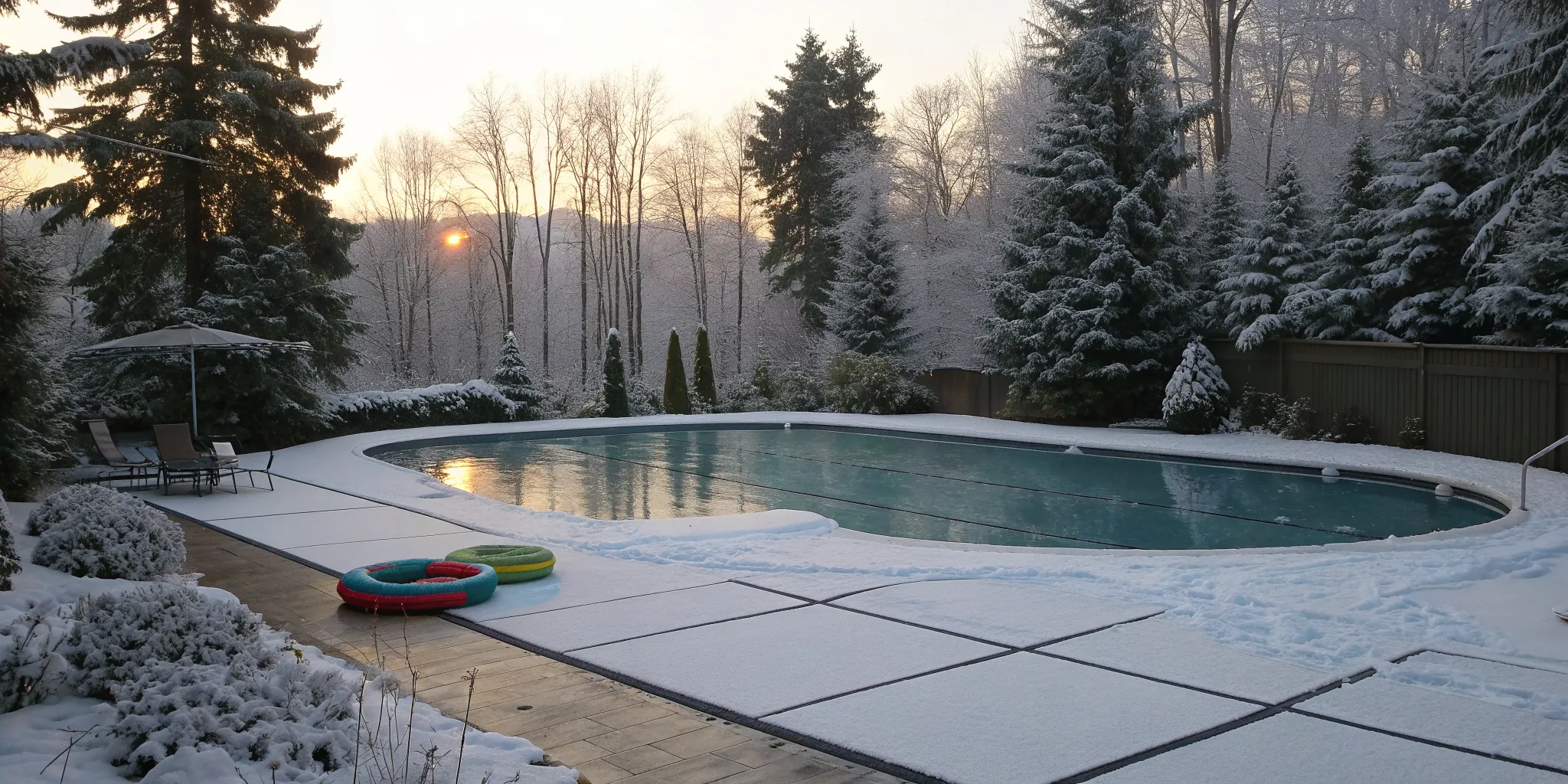
Here in Colorado, a flimsy cover just won’t cut it. Our winters demand something tougher that can handle heavy snow loads and high winds. Your best options are a safety cover or a high-quality solid winter cover. Safety covers are anchored directly into your pool deck and provide a tight, drum-like fit that can support significant weight, making them the safest and most durable choice. A standard solid cover is more budget-friendly but will require a cover pump to remove melted snow and rain. Investing in a quality cover from the start is one of the best ways to prevent costly equipment repairs caused by winter damage. Your choice of cover will have the biggest impact on what your pool looks like when you open it next year. Solid covers are typically made from strong vinyl and are a great choice because they completely block sunlight, water, and debris. This means algae has no chance to grow, and you’ll have a much cleaner pool in the spring. Look for covers with UV inhibitors to give them extra durability against the intense Colorado sun. The one downside is that rain and melted snow will pool on top, so you’ll need a small pump to remove the water throughout the winter.
On the other hand, mesh covers are fantastic for areas with heavy snowfall. The woven material allows water from melted snow and rain to pass through into the pool, preventing heavy, potentially damaging puddles from forming on the surface. This means you won’t need a cover pump. However, some fine silt and sunlight can get through, so you might have a bit more cleaning to do in the spring.
Finally, there are safety covers. These can be made of either solid or mesh material, but they are designed with strength and safety as the top priority. They are anchored tightly across the pool and can support a significant amount of weight, providing peace of mind for families with children or pets. ASTM-rated mesh safety covers are a popular option because they offer the benefits of a mesh cover—no need for a pump—with the added security of a safety-rated design.
Secure Your Cover Against Wind and Snow
Once you have the right cover, securing it properly is critical. A loose cover can flap in the wind, causing it to rip or damage the edges of your pool. For standard winter covers, use water bags placed end-to-end in every loop around the perimeter. Pro tip: only fill water bags about three-quarters full to give the water room to expand when it freezes, preventing them from splitting open. If you have a safety cover, make sure every spring is attached and tensioned correctly. This snug fit is what gives the cover its strength and prevents debris from getting underneath.
Keep Water and Debris Off the Cover
Your job isn’t quite done once the cover is on. Throughout the winter, you’ll want to check on it periodically. Accumulated water from melted snow can become incredibly heavy, putting a huge strain on your cover and its anchors. Use a small, automatic cover pump to remove any standing water. You should also clear off leaves and twigs with a soft-bristled pool brush or leaf blower to keep them from decaying and staining the cover. This simple upkeep ensures your cover lasts longer and makes your spring cleaning and maintenance routine a breeze.
Common Winterization Mistakes to Avoid
Closing your pool correctly sets you up for a smooth opening next summer, but a few common missteps can lead to costly damage and a lot of extra work. As you prepare your pool for the off-season, be sure to sidestep these frequent mistakes. A little extra care goes a long way in keeping your pool in top shape through the harsh Colorado winter. By avoiding these simple errors, you’ll save yourself from headaches and unexpected expenses when the warm weather returns.
Mistake #1: Draining the Pool Completely
It might seem logical to empty your inground pool for the winter, but this is one of the biggest mistakes you can make. A full drain is rarely necessary and can cause serious structural damage. The water in your pool helps support the walls and floor, protecting them from the pressure of the surrounding ground. Draining it can lead to cracks in the plaster or even cause the pool shell to pop out of the ground, creating a situation that requires expensive remodels and rehabs. The correct approach is to simply lower the water level below the skimmer line.
Mistake #2: Adding Chemicals All at Once
When you’re balancing your pool’s chemistry for winter, patience is key. It’s tempting to pour in all your winterizing chemicals at once, but this can backfire. For example, you should never add chlorine shock and algaecide to the pool at the same time. When mixed directly, they can neutralize each other, making both less effective and wasting your money on supplies and chemicals. Always add them one at a time, allowing for full circulation in between. This ensures each chemical can do its job properly to keep your water clear until spring.
Mistake #3: Forgetting to Drain Your Equipment
This is a non-negotiable step for any pool owner in Colorado. Water left in your pump, filter, heater, or plumbing lines will freeze, expand, and likely crack the equipment. This is one of the most common and costly winter-related problems we see. A cracked filter tank or damaged pump can bring your spring opening to a screeching halt. Make sure you drain every piece of equipment completely and blow out the lines. Taking the time to do this thoroughly can save you from needing major equipment repairs when you’re ready to swim again.
How to Care for Your Pool During Winter
Closing your pool for the season is a huge accomplishment, but it’s not quite a "set it and forget it" situation, especially here in Colorado. A little bit of attention throughout the winter months can make a world of difference, preventing costly surprises when it’s time to open back up. Think of it as a series of quick check-ins to ensure your hard work during winterization pays off.
The main goals are to protect your pool cover from damage and make sure the water underneath stays balanced and clean. An unmonitored pool can quickly turn into a swampy, expensive mess by springtime. By staying on top of a couple of simple tasks, you’ll protect your investment and set yourself up for a much smoother pool opening.
Check Your Cover Monthly
Once a month, take a few minutes to give your pool cover a thorough inspection. You’re looking for any signs of wear and tear, like rips or holes, that could let debris and sunlight in. It’s also a good idea to peek underneath. Lift a corner and check that the water level hasn’t dropped significantly, which could indicate a leak. Look for any discoloration or early signs of algae. While you’re at it, it’s smart to test the water every month or so to ensure your winterizing chemicals are still doing their job. If you need to make adjustments, having the right supplies and chemicals on hand makes it an easy fix.
Manage Snow and Ice Buildup
A heavy Colorado snowfall looks beautiful, but it can put a serious strain on your pool cover. The weight of accumulated snow can cause the cover to stretch, rip, or even collapse. To prevent this, gently remove snow using a long-handled pool brush or a purpose-built snow rake. Never use a metal shovel or anything with sharp edges, as you could easily puncture the cover and the liner underneath. If you do end up with a tear, getting it fixed quickly is key to preventing further problems. Dealing with a damaged cover is a common part of our equipment repair services. As for ice, it’s best to leave it alone. Trying to break it up can cause more harm than good.
DIY vs. Hiring a Pro for Pool Winterization
Deciding whether to close your pool yourself or call in a professional is a common crossroads for pool owners. There’s no single right answer—it really comes down to your comfort level, your schedule, and your budget. One path offers convenience and guaranteed expertise, while the other provides cost savings and a hands-on learning experience. Let's break down the pros of each approach so you can make the best choice for you and your pool this winter.
The Perks of Calling a Professional
Let’s be honest: winterizing a pool correctly takes time and specific know-how. Hiring a professional gives you peace of mind that every line is blown out, every piece of equipment is protected, and the right chemical balance is set for the long off-season. For an investment of a few hundred dollars, you’re protecting an asset worth tens of thousands. A seasoned technician can also spot small issues, like a worn-out pump seal, before they become major headaches next spring. If you’re short on time or just want the assurance that the job is done right, calling a pro is a smart move to prevent costly equipment repairs down the road.
When Does a DIY Approach Make Sense?
If you’re someone who enjoys being hands-on and is already comfortable with your pool’s basic maintenance, a DIY closing is completely manageable. The biggest benefit is, of course, saving money on service fees. Taking on the task yourself is also a great way to learn the ins and outs of your pool’s plumbing and equipment. As long as you follow a detailed checklist and are meticulous about each step—especially clearing all water from the lines—you can successfully close your pool. You’ll just need to make sure you have all the right winterizing supplies and chemicals on hand before you get started.
Frequently Asked Questions
Is hiring a professional to close my pool really worth the cost? Think of it as an investment in peace of mind. While a DIY closing can save you money upfront, a professional service ensures every step is done perfectly. We have the specialized equipment to blow every last drop of water out of the lines, preventing cracks that can cost thousands to repair. A pro can also spot small issues, like a worn-out seal, that could become a major headache next spring. It’s a small price for the guarantee that your pool is protected correctly.
Why can't I just drain my entire pool for the winter? This is a common question, but draining your pool completely is one of the most damaging things you can do. In-ground pools are designed to have the constant pressure of water pushing outwards against the shell. Without that pressure, the surrounding groundwater can actually push inwards, potentially causing the entire pool structure to pop out of the ground or crack. For vinyl liner pools, draining them can cause the liner to shrink, dry out, and become brittle, leading to costly replacement.
What should I do if a surprise freeze happens before I've winterized my pool? Don't panic. The most important thing is to keep the water moving, as moving water is much harder to freeze. If you get caught by an unexpected cold snap, run your pool pump and filter continuously until the temperature rises back above freezing. This will protect your equipment and plumbing from immediate damage and buy you the time you need to complete the full winterization process properly.
Do I really need pool antifreeze if I've already blown out the lines? Yes, this is a step you shouldn't skip. Even with a powerful blower, it’s tough to be 100% certain that every bit of water is out of the plumbing. A small amount of trapped water is all it takes to crack a pipe when it freezes. Using a pool-safe antifreeze is an inexpensive insurance policy that provides an extra layer of protection and ensures your lines are completely safe all winter long.
Can I just use a simple tarp instead of an actual winter cover? While it might be tempting, a standard hardware store tarp is not built for the job. It can't handle the weight of heavy Colorado snow and will likely sag and dump a mess of leaves and dirty water into your pool by spring. A proper winter or safety cover is designed to stay taut and secure, keeping debris out and protecting your pool from the elements. It’s a crucial piece of equipment that makes for a much cleaner and easier opening day.
Should I remove my automatic pool cleaner for the winter? Absolutely. Your robotic or pressure-side cleaner is not designed to withstand freezing temperatures or sit in stagnant, chemically-treated water for months. Before you lower the water level, take your cleaner out, give it a good rinse, drain it completely, and store it somewhere dry and protected from the cold. This simple step will protect its sensitive components and ensure it’s ready to go next season.
How do I know if all the water is truly out of the pipes? This is the trickiest part of a DIY closing. The best way to be sure is by using a powerful shop vac or air compressor with a blower function to force air through the plumbing. As you blow out each line, you should see a strong, steady stream of air and water coming out the other end. Once the water stops sputtering and you only feel dry air, you know the line is clear. It takes a bit of practice, and being thorough here is critical to preventing freeze damage.
Related Blogs