%201.png)
How Far to Drain Inground Pool for Winter: Pro Guide
It might seem logical to drain as much water as possible from your pool before winter, but this is one of the most dangerous myths in pool care. An empty inground pool is incredibly vulnerable. The water inside provides essential structural support, and removing it can lead to cracked surfaces or even cause the entire shell to pop out of the ground. So, if a full drain is off the table, then how far to drain inground pool for winter is the right question to ask. This guide will debunk the common misconceptions and give you the correct, safe procedure for lowering your water level to protect your investment without creating bigger problems.
Key Takeaways
- Protect your plumbing without risking structure: Lower your pool's water level to just below the skimmer, typically four to six inches. This clears water from vulnerable pipes to prevent ice damage but leaves enough weight in the pool to keep it structurally sound.
- Never fully drain your pool for winter: The water in your pool acts as a critical counterbalance to pressure from the surrounding groundwater. Draining it completely can cause the pool shell to crack, shift, or even lift out of the ground.
- Draining is just one step in the process: Before you lower the water, balance the chemistry to prevent staining. After you drain to the correct level, you must blow all remaining water out of the lines and equipment to avoid cracks from freezing.
How Far Should You Drain Your Pool for a Colorado Winter?
Getting your pool ready for a Colorado winter is all about protecting it from freezing temperatures. It’s a critical task, and one of the most common questions we get is about the water level. If you leave too much water in, you risk ice expanding and cracking your tiles and skimmer. That frozen water can cause serious damage to your plumbing lines, leading to complex and expensive equipment repairs come springtime. On the other hand, if you drain too much water, you can create even bigger problems. Without the weight of the water holding it down, hydrostatic pressure from the groundwater in our soil can actually cause the entire pool shell to lift or "pop" out of the ground.
This is why finding that perfect balance is so important. You want to lower the water just enough to protect the vulnerable parts of your pool system without compromising its structural integrity. Think of it as putting your pool into a safe hibernation for the winter so it’s healthy and ready for you to enjoy as soon as the weather warms up. It’s a non-negotiable step in your winterizing checklist that safeguards your investment and prevents a lot of future headaches. Let’s walk through exactly how to find that sweet spot for your pool.
Finding the Right Water Level
As a general rule, you should lower your pool’s water level to about four to six inches below the skimmer opening. This is the ideal range because it ensures no water is left sitting in the skimmer or the connected plumbing lines, where it could freeze, expand, and cause cracks. At the same time, leaving this much water in the pool provides the necessary weight to keep the structure stable, especially as the Colorado ground freezes and shifts. It’s very important that you never fully drain your inground pool for the winter. An empty pool is vulnerable to serious damage from groundwater pressure, which can harm the pool’s surface and overall structure.
How to Measure Your Pool's Water Level
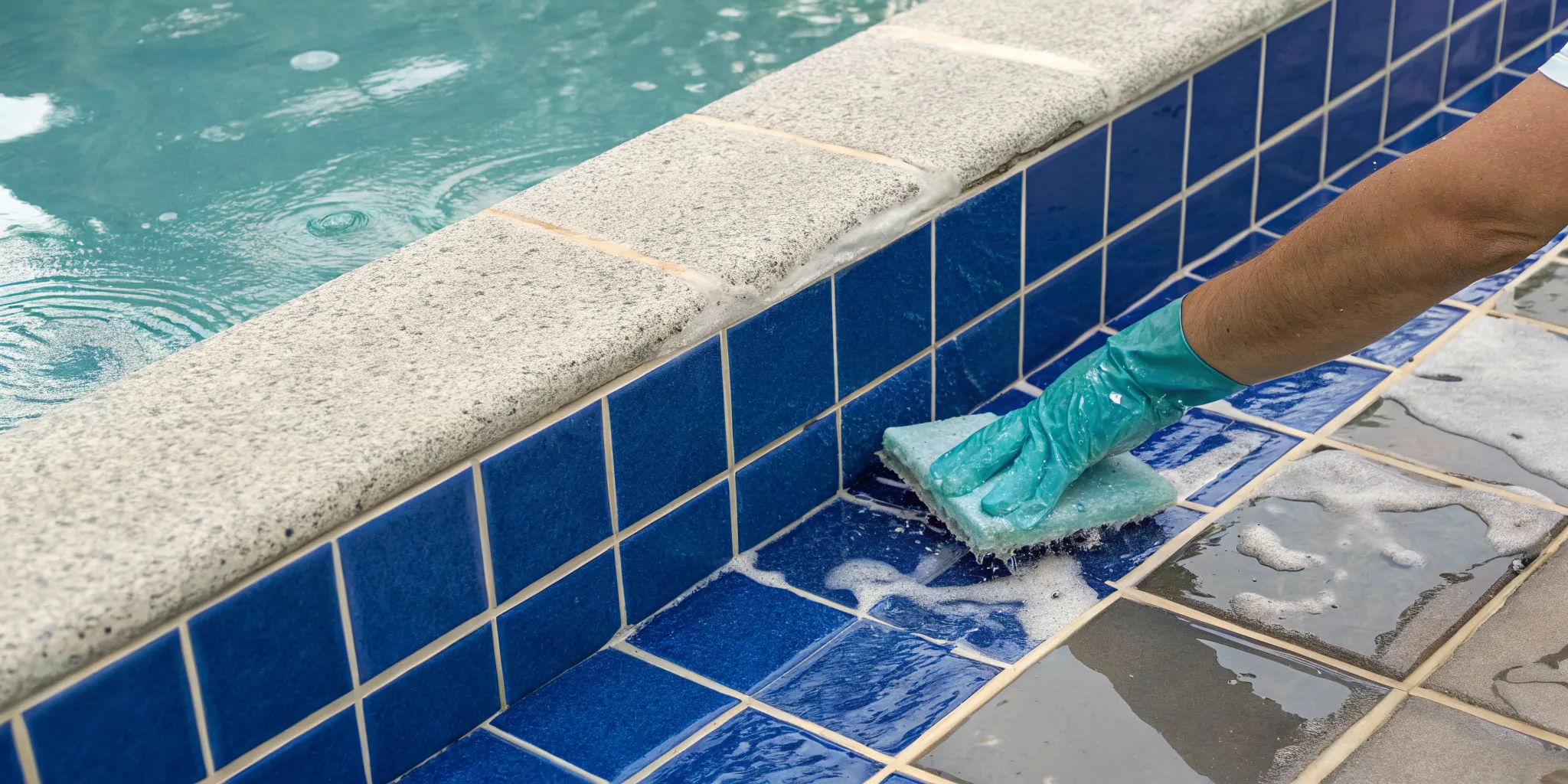
When you’re ready to start draining, your main point of reference should always be the skimmer. For a simple and effective measurement, aim to lower the water until the level is about one inch below the bottom of the skimmer opening. This ensures the entire skimmer housing and the pipes connected to it are completely empty and dry. Protecting your skimmer is one of the most important parts of the winterizing process. Getting this measurement right is a straightforward way to prevent ice damage and ensure your equipment is safe and ready to go as soon as swim season returns.
Does Your Pool Cover Change Things?
Yes, the type of winter cover you have absolutely influences how far you should drain your pool. If you use a mesh safety cover, which allows rain and snowmelt to seep through, you’ll need to lower the water level more significantly, about 12 to 18 inches below the skimmer. This extra space accounts for the precipitation that will gradually refill the pool over the winter months. Conversely, if you use a solid pool cover that blocks all moisture, you only need to lower the water three to six inches below the tile line. Adjusting your draining strategy based on your cover is a key part of a successful winter cleaning and maintenance plan.
What Happens If You Drain Your Pool Too Much?
It might seem logical to drain as much water as possible to prevent freeze damage, but lowering the water level too far is one of the biggest mistakes a pool owner can make. The water in your pool does more than just provide a place to swim; it acts as a structural support system. Removing too much of it invites a host of expensive and frustrating problems. From cracked surfaces to a pool shell literally lifting out of the ground, the consequences can be severe. Before you touch that pump, let’s walk through exactly what’s at stake when you drain your pool too much for the winter.
The Risk of Structural Damage
Think of your inground pool as a boat in the ground. The water inside the pool pushes outward on the walls and floor, while the groundwater in the surrounding soil pushes inward. These forces are usually in balance. When you drain too much water, you remove the internal pressure holding the structure in place. This allows the external pressure from the soil and groundwater to take over. This imbalance can cause the pool’s floor to crack, the walls to bulge, or in the most extreme cases, the entire pool shell to "pop" or lift out of the ground. This kind of damage isn't a simple fix; it often requires extensive and costly remodels and rehabs to correct.
Protecting Your Pool's Surface and Liner
Draining too much water also puts your pool’s interior surface at risk. If you have a vinyl liner, the water weight is what holds it smoothly against the walls and floor. When the water level drops too low, the liner can shrink, pull away from the walls, or develop wrinkles that are nearly impossible to remove. It can even float or shift if groundwater seeps underneath. For plaster, gunite, or pebble surfaces, exposure to the dry Colorado winter air can cause them to dry out, crack, and chip. These surfaces are designed to be underwater, and leaving them exposed for months can lead to serious surface damage that requires professional repairs.
Understanding Groundwater Pressure
Groundwater is the main culprit behind most major structural failures from over-draining. You might not realize it, but the soil around your pool can be saturated with water, creating significant hydrostatic pressure. This is especially true in parts of Colorado with high water tables or after a wet season. When you drain your pool, you’re essentially emptying a massive container sitting in wet earth. If the outside pressure from the groundwater is stronger than the weight of the empty pool shell, it will push the pool upward. This is why it's a golden rule to never completely drain an inground pool, especially in areas known for high groundwater, without professional guidance.
Draining a Vinyl Liner Pool: What's Different?
If your pool has a vinyl liner, you need to be extra careful during the winterizing process. Unlike plaster or fiberglass pools, vinyl liner pools are more susceptible to damage from improper draining. The liner itself is a delicate component that relies on water pressure to stay smooth and in place. Draining too much water can cause serious, and often expensive, problems.
The key is to lower the water level just enough to protect your equipment from freezing without compromising the liner's integrity. Let’s walk through the right way to handle it.
Key Steps for Vinyl Pools
For a vinyl liner pool, the goal is not to drain it completely but to lower the water just enough for winter. You should aim to bring the water level about four to six inches below the skimmer opening. This ensures water won't get into the skimmer and freeze, which could cause the plastic to crack. This step is a crucial part of your annual cleaning and maintenance schedule. By only partially draining the pool, you protect your plumbing lines while keeping enough water in the basin to hold the liner securely against the walls and floor.
How to Prevent Liner Damage
The water in your pool does more than just provide a place to swim; it exerts thousands of pounds of pressure that holds your vinyl liner in place. If you drain too much water, the liner can lose its tension, pull away from the walls, and "float." This can cause irreversible wrinkles and creases. In a worst-case scenario, an older liner might shrink and become brittle when exposed to cold Colorado air, making it impossible to reset correctly. This kind of damage often requires extensive remodels and rehabs to fix, so it's best to avoid the risk altogether by keeping the water level stable.
Alternative Draining Methods
You might wonder if you should ever drain your vinyl pool completely. The short answer is almost never, especially not for winterizing. A full drain removes the weight that counteracts the upward pressure from groundwater in the soil. Without that weight, the entire pool structure could shift, crack, or even pop out of the ground. A complete drain should only be performed by a professional when it's absolutely necessary for major repairs or liner replacement. For seasonal closing, sticking to the partial drain method is the safest and most effective way to protect your investment.
What Affects Your Pool's Winter Water Level?
Deciding how much water to drain from your pool for the winter isn’t a one-size-fits-all answer. The ideal water level depends on a few key factors that are unique to your situation. Think of it less as a strict rule and more as a customized approach to protect your investment from the cold.
The three biggest things to consider are our local Colorado weather, the type of pool you have, and the layout of your plumbing and equipment. Getting this right is the first step to a smooth spring opening. Let’s walk through what you need to know about each one.
Our Unique Colorado Climate
Here in Colorado, our winters can be unpredictable. We see everything from heavy snow to surprisingly sunny days, which creates freeze-thaw cycles that put stress on your pool structure. More importantly, some areas have high groundwater tables. If you drain your pool too much, the upward pressure from the groundwater can cause serious structural damage, potentially even lifting the pool shell out of the ground.
This is why you should never completely drain your pool for the winter without professional guidance. The water inside the pool provides the necessary counter-pressure to keep everything stable and secure through the coldest months. If you're worried about potential damage, our team is experienced with local conditions and can help with any remodels and rehabs needed.
Your Pool's Construction and Materials
The material your pool is made of plays a big role in how you should winterize it. For example, vinyl liner pools are particularly sensitive to low water levels. If you drain the water too far, the liner can lose tension, shrink, or shift, which can lead to costly damage. The water weight is essential for keeping the liner pressed firmly against the pool walls and floor.
For most inground pools, including concrete and fiberglass, the general rule is to lower the water level to about one inch below the skimmer opening. This is usually enough to protect the skimmer from ice damage without compromising the pool’s structure. If you think your pool needs a different approach, it’s always best to consult a professional who can assess your specific setup and prevent the need for future repairs.
Where Your Equipment Is Located
Ultimately, the main reason for lowering your pool’s water level is to protect your plumbing. The goal isn't to empty the pool but to get all the water out of the pipes where it could freeze, expand, and cause cracks. To do this, you need to blow out the lines with an air compressor, and that’s only possible if the water level is below the return jets.
By draining the water just below the lowest return line, you ensure that you can completely clear the plumbing system of any lingering water. This simple step protects your pump, filter, and underground pipes from the powerful force of expanding ice. Proper winterization is a critical part of your annual cleaning and maintenance schedule and saves you from major headaches when it’s time to reopen your pool.
How to Properly Drain Your Inground Pool for Winter
Once you know how far to lower your pool’s water level, it’s time to get the job done safely and correctly. Properly draining your pool is a critical step in the winterizing process that protects your plumbing and surfaces from the harsh Colorado cold. Following a clear plan prevents costly mistakes and sets your pool up for a smooth reopening next spring. Think of it as tucking your pool in for a long winter’s nap. With the right tools and a few key steps, you can handle this task with confidence.
Gather the Right Draining Equipment
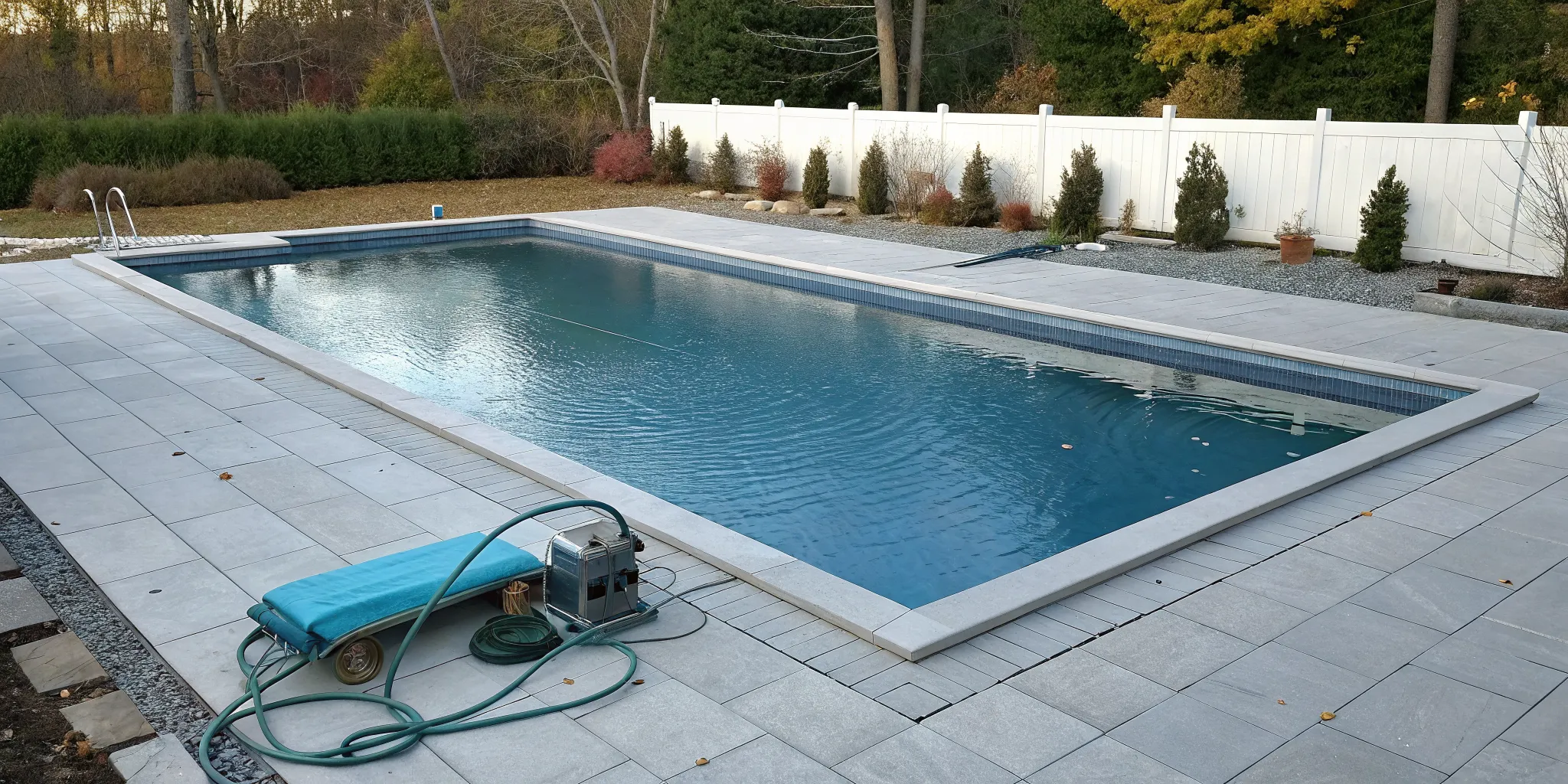
Getting all your tools together before you start makes the whole process much easier. You’ll need a submersible pump to lower the water level efficiently. Also, have your cleaning tools handy, like a skimmer net and pool brush, to remove any debris before you begin. You will also need your winterizing plugs for the return lines and a skimmer guard to protect it from ice damage. If you’re missing anything, we can help you find the right supplies and chemicals to get your pool ready for the off-season.
A Step-by-Step Draining Guide
With your equipment ready, you can start lowering the water. First, use your submersible pump to drain the water to the correct level, which is typically about four to six inches below the skimmer opening. This ensures water is out of the skimmer but still leaves enough in the pool to support the cover and protect the liner. Once the water is at the right level, you can move on to blowing out the lines to clear any remaining water from your plumbing. If you’re unsure about any part of this process, our cleaning and maintenance team can handle it for you.
Safety Tips and When to Drain
The most important rule is to never drain your inground pool completely for the winter. The water in your pool provides necessary weight to keep the structure stable and protected from groundwater pressure, which can cause a pool to pop out of the ground. A completely empty pool is also vulnerable to cracking from the cold. Draining too much water can be an expensive mistake that requires significant equipment repairs and servicing. Always stick to the recommended level to keep your pool safe and sound through the winter months.
Your Next Steps After Draining
Once your pool water is at the correct level, you’re ready for the final steps of winterization. Properly protecting your pool’s plumbing and equipment is just as important as draining the water. Taking these extra measures now will save you from headaches and costly fixes when you reopen your pool in the spring. Think of it as tucking your pool in for a long winter's nap so it wakes up healthy and ready for summer.
Clear Your Plumbing Lines
This step is absolutely critical for any pool owner in Colorado. When water freezes, it expands by about 9%, which is enough force to crack pipes and damage expensive equipment. To prevent this, you need to blow out all the water from your plumbing lines. Using an air blower, push all the remaining water out of the pump, filter, heater, and pipes. Once the lines are clear of water, you’ll plug them securely for the winter. This process ensures no hidden water is left to freeze, expand, and cause damage. If you’re not comfortable handling this, our team is experienced with all types of pool equipment repairs and servicing.
Add Winterizing Chemicals
With the water level lowered and lines cleared, it’s time to add winterizing chemicals. This chemical cocktail is designed to keep your pool water from turning into a swamp over the winter. A good winterizing kit will help prevent algae growth, staining, and scale buildup on your pool’s surfaces. You’ll typically add a strong algaecide and a stain and scale inhibitor. Walk around the edge of the pool as you pour the chemicals in to help them distribute evenly. Using the right supplies and chemicals now makes for a much easier and cleaner pool opening in the spring.
Shut Down and Store Your Equipment
The final step is to power down and protect your pool equipment. Start by turning off the filter pump at the circuit breaker. Next, remove all the drain plugs from your pump, filter, heater, and any chlorinators to let every last drop of water escape. If possible, it’s a great idea to disconnect your pump and filter and store them indoors, like in a garage or shed, to protect them from the harsh winter elements. Properly shutting everything down is a key part of our seasonal cleaning and maintenance service because it extends the life of your equipment and prevents unwelcome surprises next year.
Common Draining Mistakes to Avoid
Getting your pool ready for a Colorado winter involves more than just throwing a cover on it. Draining the water to the correct level is a crucial step, but it’s also where things can go wrong. A few common missteps can lead to costly damage to your pool’s structure and equipment. Let’s walk through the biggest mistakes we see so you can close your pool for the season with confidence. Getting this part right saves you from major headaches when you reopen in the spring.
Don't Drain Too Much Water
One of the most dangerous myths about winterizing is that you should drain your inground pool completely. Please don’t do this. The water in your pool provides essential weight that keeps the shell stable in the ground. Removing all of it can cause the structure to crack, shift, or even pop out of the ground due to hydrostatic pressure. Instead, you should only lower the water level to about one inch below the skimmer line. This prevents freezing water from damaging the skimmers and tiles while leaving enough weight to protect the pool shell from structural damage.
Balance Your Water Chemistry First
Before you even think about draining any water, you need to balance your pool’s chemistry. Leaving unbalanced water in your pool all winter can cause staining and scaling on the surfaces, which can be a tough problem to fix in the spring. A few days before you plan to lower the water, test and adjust the pH, alkalinity, and calcium hardness levels. According to the Pool & Hot Tub Alliance, proper pH should be between 7.2 and 7.8. Once balanced, shock the pool and let the filter run for a full day or two. This ensures the water you leave behind is clean and won’t harm your pool’s finish. We can help you find the right supplies and chemicals to get the job done.
Prevent Damage to Your Equipment
After lowering the water level, your next job is to protect your pool’s plumbing and equipment. Any water left in your pump, filter, heater, or pipes will freeze and expand, which can easily crack housings and break internal components. This is why it’s so important to drain all your equipment completely. Use an air compressor or a shop vac to blow every last drop of water out of the lines. This simple step prevents expensive equipment repairs come springtime. Once everything is drained, store any smaller, removable parts like pressure gauges or drain plugs in a dry place indoors so you can easily find them next season.
Need Help Winterizing Your Pool?
Closing your pool for the season is a big project, and getting it right is key to a smooth spring opening. If you’re feeling a bit overwhelmed by the process, you’re not alone. Having the right equipment and knowing when to ask for help can make all the difference in protecting your pool through the harsh Colorado winter. Let’s walk through what you’ll need and when it might be best to call in the experts.
Essential Winterizing Tools
Before you begin, it’s smart to gather all your supplies so you’re not scrambling mid-task. You’ll need your standard cleaning tools like a skimmer net, pool brush, and vacuum to get the water sparkling clean one last time. The core of the job requires specific winterizing equipment, including a winter or safety cover, a blower or wet-dry vac to clear the plumbing lines, and winterizing plugs for the returns and skimmer. Many homeowners find it easiest to purchase a complete pool closing kit that bundles the necessary items together. Having everything on hand makes the process much smoother and helps ensure you don’t miss a critical step.
The Right Chemicals and Supplies
Getting your water chemistry right is one of the most important parts of winterizing. Before you do anything else, test and balance the pH, alkalinity, and calcium hardness levels. Properly balanced water protects your pool’s surfaces from staining and scaling over the winter months. Once the water is balanced, you’ll add a special cocktail of winterizing chemicals. These formulas are designed to prevent algae growth and keep the water clear while the pool is dormant. This step is your best defense against returning to a green, swampy mess when you open your pool next year.
When to Call a Professional
While many pool owners handle winterizing themselves, there are times when calling a professional is the safest and smartest move. If you’re unsure how far to drain the water, or if the process of blowing out the lines feels too complex, it’s wise to get help. Draining a pool incorrectly can cause serious structural damage, from cracks in the plaster to the entire pool shell shifting. A professional pool maintenance service has the experience and specialized equipment to close your pool correctly, giving you peace of mind that your investment is protected all winter long.
Frequently Asked Questions
Why is it so bad to drain my inground pool completely for the winter? Draining your pool entirely is one of the most damaging things you can do. The water inside provides thousands of pounds of pressure that counteracts the pressure from the groundwater in the soil around it. When you remove that water, the outside pressure can cause the pool’s walls to bulge, the floor to crack, or even the entire shell to lift out of the ground. It also exposes surfaces like plaster or vinyl to cold, dry air, which can cause cracking and shrinking.
What's the biggest risk if I don't lower the water level enough? If you leave the water level too high, you risk serious freeze damage to your equipment. Water left sitting in the skimmer or upper plumbing lines will freeze and expand, which has enough force to crack the skimmer housing, damage the waterline tiles, and break pipes. This leads to complex and often expensive repairs when you try to open your pool in the spring.
Does the type of winter cover I use change how much I need to drain? Yes, your cover makes a big difference. If you have a solid cover that blocks all rain and snow, you only need to lower the water about three to six inches below the tile line. However, if you use a mesh safety cover that allows precipitation to pass through, you’ll need to drain the water much lower, typically 12 to 18 inches, to make room for the water that will accumulate over the winter.
I have a vinyl liner pool. Is there anything special I need to do? Vinyl liner pools require extra care because the water weight is what holds the liner smoothly in place. If you drain too much water, the liner can shrink, develop permanent wrinkles, or pull away from the walls. For vinyl pools, it is especially important to only lower the water about four to six inches below the skimmer, which is just enough to protect the plumbing without compromising the liner's fit.
Besides draining, what is the most critical step to prevent winter damage? After lowering the water, the most important task is to blow out your plumbing lines. You must clear every drop of water from the pump, filter, heater, and all the pipes. Any water left behind will freeze, expand, and likely crack your equipment or underground lines. Properly clearing the lines ensures your entire system is protected and ready for a smooth start next season.
Related Blogs