%201.png)
The Essential Guide to Cosmetic Pool Repair

It’s easy to overlook the small things, like a few missing tiles or a minor stain on the pool steps. However, these seemingly insignificant issues are often the first signs of deeper wear. Left unaddressed, they can allow water to seep behind surfaces, leading to bigger headaches and more extensive damage down the road. Think of a cosmetic pool repair as essential preventative maintenance. By tackling these surface-level problems early, you not only keep your pool looking pristine but also protect its underlying structure. This smart approach extends the life of your pool, saves you money on future fixes, and ensures your backyard oasis remains healthy and safe for years.
Key Takeaways
- View cosmetic repairs as essential maintenance: Addressing issues like cracked tiles or worn plaster isn't just about looks; it's about preventing costly structural damage and keeping your pool safe for everyone.
- Identify key warning signs for a makeover: Look for stained surfaces, rough textures, and damaged tiles or coping, as these are clear signals that your pool needs attention to restore its beauty and function.
- Choose a local pro and maintain the results: A Colorado-based company understands our unique climate challenges. After the repair, a simple routine of cleaning and balancing your water chemistry is the best way to protect your beautiful new pool surfaces.
What Is Cosmetic Pool Repair?
Think of cosmetic pool repair as a facelift for your pool. It’s all about improving the look and feel of your swimming space without getting into major structural changes. While a structural repair deals with the pool's core integrity, like a leak in the shell, cosmetic work focuses on the surfaces you see and touch every day. It’s about restoring that fresh, inviting look your pool had when it was new.
Over time, the Colorado sun and seasons can take a toll on your pool’s surfaces. Plaster can stain, tiles can fade, and decks can crack. These issues might not stop you from swimming, but they can certainly make the experience less enjoyable. Cosmetic repairs address these exact problems, turning a tired, worn-out pool into a beautiful backyard centerpiece again. These updates not only make your pool more pleasant to use but can also make it easier to maintain. A full pool refurbishment can refresh everything from the interior finish to the surrounding deck, giving you a completely updated look.
Common Types of Cosmetic Repairs
When we talk about cosmetic repairs, a few common projects come to mind. Resurfacing is a big one. This involves applying a new finish to the interior of your pool, covering up stains, cracks, and roughness. Modern finishes are fantastic because they not only look great but are also more durable and resistant to algae and staining, which simplifies your regular cleaning and maintenance. Another popular update is replacing the tile along the waterline. Cracked, faded, or outdated tiles can really age a pool, and new tile is a relatively simple way to give it a fresh, modern look.
Signs Your Pool Needs a Makeover
So, how do you know it’s time for a cosmetic touch-up? Your pool will usually give you some clear signals. Take a look at the surface. Do you see a web of fine cracks, stains that won't scrub away, or spots where the plaster is peeling or flaking off? Run your hand along the walls. If it feels rough and scratchy like sandpaper, it’s a definite sign the finish is worn down. Faded colors and discolored tiles are another giveaway. These issues not only look bad but can also point to surfaces that are becoming porous, making them a prime spot for algae to grow.
Exploring Common Cosmetic Pool Repairs
Cosmetic pool repairs are about more than just looks; they’re about protecting your investment and ensuring your pool is a safe, enjoyable place for years to come. Over time, exposure to the Colorado elements and regular use can cause wear and tear. Addressing these issues promptly not only restores your pool’s beauty but also prevents small problems from turning into major ones. From a rough surface that scrapes your feet to cracked tiles that can cause leaks, these updates are essential for maintaining the health of your pool.
Think of it as giving your backyard oasis a much-needed refresh. Whether it’s the pool's interior finish, the tile line, the coping around the edge, or the surrounding deck, each component plays a role in the overall function and feel of your space. A full pool refurbishment can transform an aging pool into a stunning, modern retreat. These projects go beyond simple fixes, focusing on upgrading materials and design to create a more luxurious and enjoyable environment. Let’s look at some of the most common cosmetic repairs that can bring new life to your pool and make it the centerpiece of your backyard again.
Resurfacing and Refinishing Your Pool
If your pool’s surface is stained, cracked, or feels like sandpaper, it’s probably time for a refresh. Resurfacing, also known as replastering, involves applying a new finish to the interior of your pool, creating a smooth, beautiful, and durable surface. While some people consider painting their pool, resurfacing is a far better long-term solution that adds more value and lasts much longer. It’s a significant update that can completely change the look and feel of your water, making it one of the most impactful cosmetic repairs you can make. A new surface not only looks fantastic but also makes your pool more comfortable to swim in.
Repairing and Replacing Tile
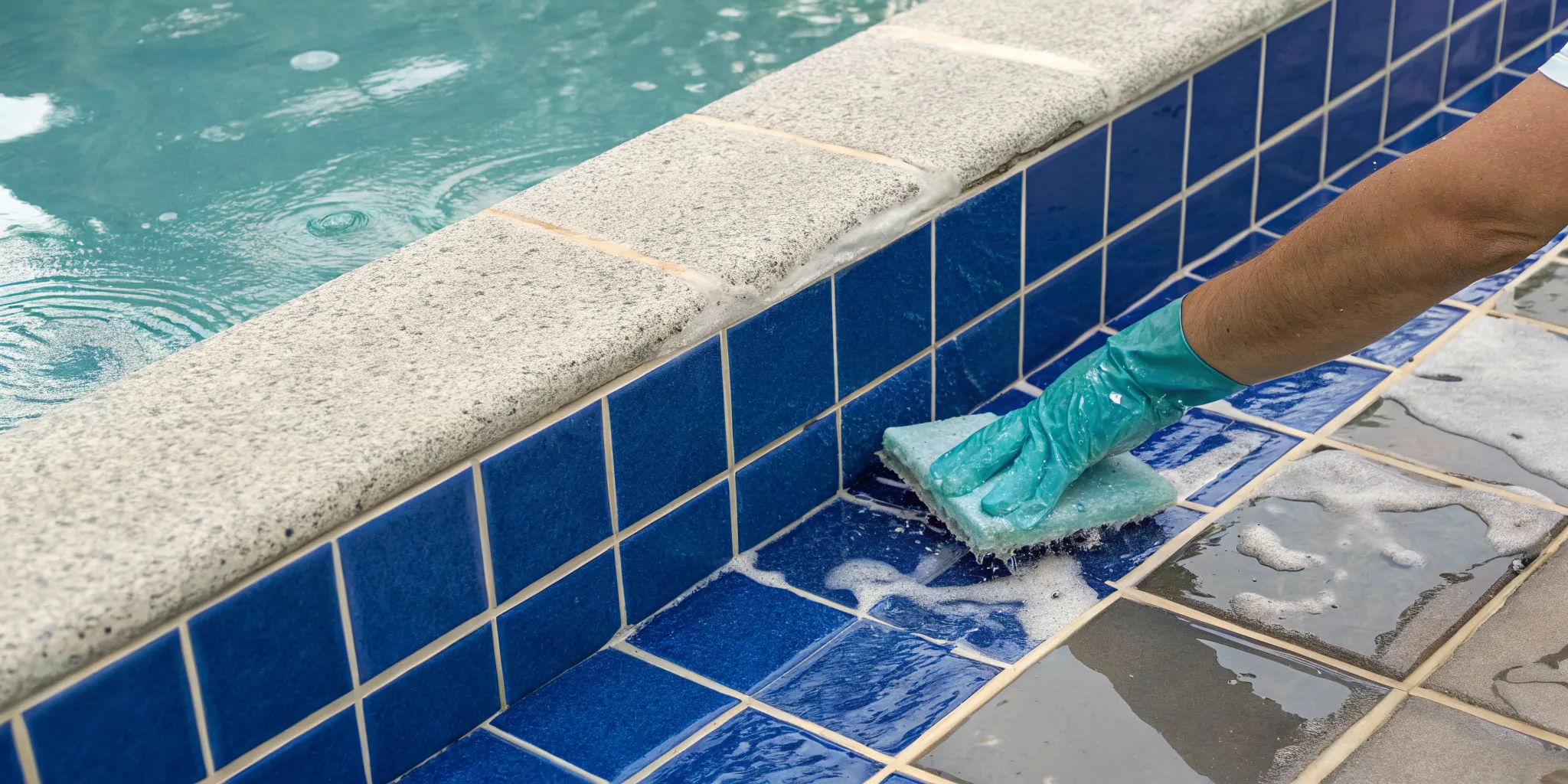
The tile line in your pool isn't just for decoration. It helps prevent a "bathtub ring" of scum from forming at the water level and protects the pool shell. When tiles crack, fall off, or get damaged, they can create sharp edges and allow water to seep behind them, potentially causing more serious structural issues. Replacing broken tiles or updating the entire tile line is a great way to give your pool a fresh, clean look. It’s a relatively small change that makes a big visual difference and is a key part of keeping your pool in top condition for the swimming season.
Fixing and Replacing Coping
Coping is the material that caps the edge of your pool wall, providing a finished look and a safe, non-slip edge for swimmers. Over time, coping can crack, shift, or become loose due to ground movement and weather changes here in Colorado. Damaged coping isn't just an eyesore; it can be a tripping hazard. Fixing or replacing the coping is a key part of a pool restoration, ensuring your pool is both safe and structurally sound. This repair frames your pool with a clean, polished border, improving both its safety and its overall aesthetic appeal.
Restoring Your Pool Deck
Your pool deck is the foundation of your entire outdoor living space. A cracked, stained, or slippery deck can make your whole pool area feel dated and unsafe. Deck restoration can involve anything from repairing cracks and applying a new sealant to a complete overhaul with new pavers or concrete. Restoring your deck not only improves safety and appearance but also ties the whole backyard together. It’s the final touch that transforms an aging pool area into a beautiful and functional retreat for you and your family to enjoy all summer long.
How to Choose a Pool Repair Company in Colorado
Finding the right team for your pool repair is just as important as the repair itself. The right company will not only fix the immediate issue but also help you protect your investment for years to come. When you’re looking for a partner to handle your pool’s cosmetic needs, you want a team that is reliable, experienced, and trustworthy. Taking the time to vet your options ensures you get quality workmanship and peace of mind. Here are a few key things to look for when choosing a pool repair company in Colorado.
Check for Licenses and Insurance
Before you even start discussing your project, make sure any company you consider is properly licensed and insured. This is a fundamental step that protects you from liability in case of accidents on your property. Most professional pool repair companies are required to have a license, which often falls under a general contractor's license that includes swimming pools. Don't hesitate to ask for proof of insurance and licensing. A reputable company will have this information ready and will be happy to share it. This simple check ensures you’re working with a legitimate business that adheres to industry standards.
Find an Expert for Your Pool Type
Pools come in all shapes and materials, from concrete and vinyl to fiberglass. The company you hire should have specific, hands-on experience with your type of pool. A technician who specializes in vinyl liner repairs might not be the best choice for a complex tile issue in a gunite pool. When you’re researching companies, look for examples of their work on pools similar to yours. Customer reviews can be a great resource here; see if long-term clients mention their specific pool type. This confirms the company has the right skills for your project and can deliver results you’ll love.
Read Reviews and Check Their Reputation
A company’s reputation is built on real customer experiences. Spend some time reading online reviews on platforms like Google to get a sense of what it’s like to work with them. Look for consistent themes in the feedback. Are customers happy with the communication, timeliness, and quality of the work? It’s also a good idea to see how the company responds to feedback, especially negative comments. A professional and constructive response shows they value customer satisfaction and are committed to resolving issues. This gives you a clearer picture of their professionalism and dedication to service.
Ask About Service Guarantees
A confident and reliable pool company will always stand behind its work. Ask potential contractors about their service guarantees or warranties before signing any agreements. What happens if the patch on your liner fails or the new tile starts to come loose a month after the job is done? A clear guarantee ensures that if any issues arise from the original repair, the company will come back to fix them. This provides an extra layer of security and shows that the company is committed to high-quality results and your long-term satisfaction.
Why Local Colorado Expertise Matters
Colorado’s unique climate, with its intense sun and freeze-thaw cycles, presents specific challenges for pool owners. A local company understands these regional factors better than anyone. They know which materials hold up best against the harsh UV rays and how to properly winterize a pool to prevent damage from freezing temperatures. This local knowledge is invaluable for ensuring your cosmetic repairs are not just beautiful but also durable. Choosing a team with deep Colorado roots means you’re getting solutions tailored to our environment, keeping your pool swim-ready and safe for years to come.
Understanding Your Cosmetic Repair Quote
Once you’ve decided to give your pool a facelift, the next step is figuring out the scope and budget for your project. A quote for cosmetic work isn’t just a single number; it’s a detailed breakdown of what it will take to transform your pool. Understanding the components of your estimate helps you compare offers, ask the right questions, and feel confident in your investment. From the materials you choose to the complexity of the job, several factors come together to form the final quote. Let’s walk through what you can expect to see on an estimate and what it all means for your pool’s makeover.
What Affects the Final Quote?
The cost of cosmetic pool work can vary quite a bit, with smaller jobs landing in the hundreds and major overhauls reaching into the thousands. The final number on your quote depends on a few key factors. The size and shape of your pool are the most obvious, as larger or more complex pools require more materials and labor. The extent of the existing damage also plays a big role. Repairing a few cracked tiles is a much different project than a full resurfacing.
The materials you select and the accessibility of your pool area will also influence the estimate. A professional will assess these elements to provide a clear picture of the investment required for your specific remodels and rehabs.
How Materials Impact Your Project
Your choice of materials is one of the biggest factors in a cosmetic repair project. For a full resurfacing, for example, the finish you select will significantly shape the final quote. Standard plaster is often the most budget-friendly option, while aggregate finishes and all-tile surfaces sit at the higher end of the spectrum. While it can be tempting to go with the least expensive option, it’s important to consider durability and longevity.
Higher-quality materials often last longer and require less maintenance over time, saving you money in the long run. Discussing the pros and cons of different tile, coping, and surface options with your technician will help you find the right balance between your aesthetic goals and your budget. The cost to resurface a pool can be a significant investment, so choosing wisely is key.
Getting an Accurate Estimate
A trustworthy quote should be clear, detailed, and transparent. When you receive an estimate, look for a comprehensive breakdown that separates the cost of materials from the cost of labor. It should clearly outline every step of the project, from demolition and preparation to installation and cleanup. A vague or confusing estimate can be a red flag.
Don’t hesitate to ask questions if something isn’t clear. A reliable company will be happy to walk you through each line item and explain the process. This is also a great time to confirm that the company is licensed and insured. Getting a detailed, written estimate is the first step in building a great working relationship with your pool care team at Rocky Mountain Aquacare.
Project Timelines and Seasonal Planning
Beyond the financial breakdown, your quote should also include a projected timeline. The duration of a cosmetic repair depends on the project's complexity and, here in Colorado, the weather. Simple tile repairs might only take a day or two, while a complete resurfacing could take a week or more.
Planning your project during the off-season, like in the fall or early spring, is often a smart move. This timing minimizes disruption to your swim season and can sometimes offer more scheduling flexibility. It also ensures your pool is sparkling and ready to go as soon as warm weather arrives. Be sure to discuss how potential weather delays are handled and what to expect from the project schedule. Sometimes, what looks like a cosmetic issue can be tied to other equipment repairs, so a thorough inspection is always a good starting point.
The Benefits of a Pool Makeover
Giving your pool a makeover is about more than just a fresh look. It’s a strategic investment in your home’s value, safety, and your own enjoyment. While a sparkling, updated pool is certainly a beautiful centerpiece for your backyard, the advantages go much deeper than the surface. Addressing cosmetic issues proactively can protect your pool’s structure, prevent expensive damage, and ensure you have a safe, inviting oasis for years to come. Think of it as a smart upgrade that pays off every time you step outside.
Improve Your Pool's Look and Feel
Let's be honest, an outdated pool with stained surfaces or cracked tiles isn't very inviting. A cosmetic refresh can completely transform your backyard into a modern, luxurious retreat. Imagine replacing a worn, rough surface with a smooth, long-lasting finish that feels great on your feet. Upgrading to new tile or coping can introduce modern colors and textures that reflect your personal style. A professional pool refurbishment turns your tired pool into a stunning feature you’ll be proud to show off, making every swim feel like a vacation.
Increase Your Home's Value
A beautiful, well-maintained pool is a major selling point, especially in Colorado. When potential buyers see a pristine pool, they see a turnkey backyard paradise, not a project they’ll have to sink money into. Cosmetic repairs often go hand-in-hand with improving the pool's structural integrity by addressing minor cracks or leaks before they worsen. An updated pool not only adds to your property's visual appeal but also demonstrates that the home has been well cared for, making it a valuable asset that can provide a significant return on your investment.
Prevent Bigger, More Expensive Problems
Those small cosmetic flaws can often be early warning signs of bigger issues on the horizon. A few missing tiles, a small crack in the deck, or a patch of worn plaster might seem minor, but they can allow water to seep into the pool’s structure, leading to serious damage over time. By addressing these problems with timely cosmetic repairs, you stop small issues from becoming costly headaches. Investing a little in maintenance now can save you from major expenses and extend the life of your pool equipment and structure.
Extend the Life of Your Pool
Every part of your pool has a lifespan, from the plaster finish to the tile and coping. Over time, materials naturally wear down from sun, water, and chemical exposure. A pool makeover, particularly resurfacing, essentially hits the reset button. A new, high-quality surface isn't just for looks; it provides a durable, protective layer for the pool shell that can last for 15 to 20 years. By renewing these essential components, you’re not just making your pool look new, you’re ensuring it remains a stable and functional part of your home for many more seasons.
After the Repair: How to Maintain Your Pool
Your pool looks brand new after its cosmetic makeover, and you want to keep it that way. Protecting your investment comes down to consistent care. A solid maintenance plan will not only preserve the beautiful new finish, tile, and coping but also prevent small issues from turning into costly future repairs. Think of it as the finishing touch on your project. By staying on top of a few key tasks, you can ensure your pool remains a stunning and safe centerpiece for your home for years to come. It’s all about creating simple habits that make a big difference.
Set Up a Regular Cleaning Routine
The easiest way to protect your pool’s fresh look is with a consistent cleaning schedule. Skimming leaves and debris from the surface, brushing the walls and steps, and vacuuming the floor should be weekly habits. This simple routine prevents algae from taking hold and stops grime from staining your new surfaces. Keeping your pool physically clean also helps your filter work more efficiently. For those with busy schedules, setting up a professional cleaning and maintenance plan can be a lifesaver. An expert can keep your pool water crystal clear and balanced year-round, giving you more time to simply enjoy it.
Keep Your Water Chemistry Balanced
Water chemistry might sound complicated, but it’s crucial for your pool’s health and appearance. Properly balanced water protects your new plaster or vinyl from etching, staining, and scaling. It also keeps your equipment, like the pump and heater, from corroding. You should test your pool water weekly for pH, chlorine, and alkalinity levels and adjust as needed. Using the right supplies and chemicals is key to maintaining a healthy, sparkling pool. If you’re ever unsure about what your pool needs, professional water testing can take the guesswork out of the equation and ensure everything is perfectly balanced.
Protect Your Pool Through the Seasons
In Colorado, our weather brings unique challenges for pool owners. Proper seasonal care is essential to protect your pool from the elements. This means correctly winterizing your pool before the first freeze to prevent pipes from bursting and surfaces from cracking under the pressure of ice. Come spring, a proper opening sets the stage for a successful swim season. Reliable pool care for every season requires local knowledge to keep Colorado pools safe and efficient. A professional service understands the specific timing and techniques needed to prepare your pool for our cold winters and get it swim-ready for our beautiful summers.
Know When to Schedule Professional Maintenance
While your own cleaning efforts go a long way, regular professional check-ups are the best way to extend the life of your pool and its equipment. An expert can spot early signs of trouble with your pump, filter, or heater that you might miss. Scheduling routine equipment repairs and servicing helps you avoid unexpected breakdowns, especially right before a big pool party. Think of it as preventative care for your investment. A technician can ensure everything is running smoothly, keeping your newly repaired pool in top condition and giving you peace of mind.
Frequently Asked Questions
What's the real difference between a cosmetic and a structural pool repair? Think of it this way: cosmetic repairs are about the surfaces you see and feel, like the pool's interior finish, tiles, and deck. They fix things that look worn out or dated. A structural repair, on the other hand, deals with the core integrity of your pool, such as a leak in the shell or a major crack that affects its ability to hold water. Cosmetic work makes your pool beautiful; structural work keeps it functional.
How long can I expect a new pool surface to last? The lifespan of a new pool surface really depends on the material you choose and how well you maintain it. A high-quality finish, like a modern aggregate or plaster, can easily last 15 to 20 years with consistent care. The key is keeping your water chemistry balanced and following a regular cleaning schedule, which protects the surface from premature wear and staining.
What's the best time of year to schedule a pool makeover in Colorado? The ideal time for a cosmetic project is during the off-season, either in the fall or early spring. Planning the work during these cooler months means you won't have to sacrifice any precious swim time during the summer. It also gives you a better chance of having cooperative weather and ensures your pool is completely refreshed and ready to go for opening day.
My pool surface feels rough. Does that mean I have to resurface the whole thing? A rough, sandpaper-like texture is one of the most common signs that your pool's finish has reached the end of its life. This roughness can be uncomfortable for swimmers and makes the surface a prime breeding ground for algae. In most cases, this indicates that a full resurfacing is the best solution to restore a smooth, safe, and attractive interior.
If I get my pool resurfaced, does that make it easier to take care of? Yes, it absolutely does. Old, worn-out plaster becomes porous over time, which allows algae and stains to take hold easily. A new, modern finish creates a smooth, dense barrier that is much more resistant to algae. This means you'll likely spend less time brushing and using chemicals to combat problems, making your regular maintenance routine much simpler.
Related Blogs