%201.png)
How to Find the Best Pool Tile Cleaner for Calcium

Getting rid of that white scale on your pool tiles feels great, but the real victory is keeping it from coming back. After all your hard work, the last thing you want is to see that chalky line reappear in a few weeks. This is where a smart prevention strategy comes in. While we will certainly help you find the best pool tile cleaner for calcium to solve your current problem, we’ll also show you how to stop it from forming again. By learning to balance your water chemistry and sticking to a simple maintenance routine, you can enjoy a sparkling clean pool all season long.
Key Takeaways
- Choose the right tool for the job: Start with a gentle, acid-free cleaner for light scaling. Only use stronger, acid-based solutions for severe, stubborn buildup that doesn't respond to milder methods.
- Prep your pool to prevent damage: Before applying any cleaner, lower the water level a few inches below the tile line and always test the product on a small, hidden spot to ensure it won’t harm your surfaces.
- Prevent future scale with routine maintenance: The best way to avoid scrubbing is to stop scale before it starts. Regularly balance your water chemistry and brush the waterline weekly to dislodge new mineral deposits.
What Causes That White Crust on Your Pool Tiles?
If you’ve noticed a stubborn, chalky white line creeping along your pool’s waterline, you’re not alone. That crusty residue, often called scale, is a common headache for pool owners here in Colorado. The culprit is almost always calcium buildup. Our water often has a high mineral content, and as the pool water evaporates under the sun, it leaves those minerals behind. Over time, they harden onto your tiles, creating a tough, unsightly stain.
This buildup comes in two main forms. The first is calcium carbonate, which appears as a flaky, white crust. It’s the more common of the two and is usually caused by a high pH or alkaline imbalance in your pool water. The second, calcium silicate, is a bit tougher. It shows up as a grayish-white scale and forms more slowly, but it bonds much more tightly to surfaces, making it harder to remove.
Beyond evaporation, your pool’s water chemistry plays a huge role. When your pH levels are too high, calcium becomes less soluble, meaning it falls out of the water and clings to your pool surfaces. Consistently high water temperatures can also speed up the process. Maintaining the right balance with the proper supplies and chemicals is your first line of defense, as it helps keep calcium dissolved in the water instead of sticking to your beautiful tiles.
Our Top Picks: The Best Cleaners for Calcium Removal
When you’re staring down that stubborn white line on your pool tiles, it’s tempting to grab the strongest cleaner you can find. But the best choice really depends on the severity of the buildup and the type of surface you’re working with. A gentle approach might be all you need for light scaling, while heavy deposits call for something with more power. Think of it like this: you wouldn’t use a sledgehammer to hang a picture frame.
We’ve sorted through the options to give you a clear starting point. Below are four excellent cleaners that work for different levels of calcium buildup, from mild to extreme. Each one has its own strengths, so you can find the perfect match for your pool’s needs. If you’re ever unsure, remember that our team is always ready to help you find the right supplies and chemicals or handle the cleaning for you. Let’s look at some of the best products out there.
For a Gentle Touch: LayorCare Heavy Calcium Releaser
If you have delicate tiles, a vinyl liner, or natural stone features, you’ll want to start with a cleaner that’s effective but not harsh. LayorCare Heavy Calcium Releaser is a fantastic choice because it’s acid-free and non-toxic. It works by gently breaking down calcium without the risk of etching or damaging your surfaces. A huge plus is that it won’t throw your pool’s pH levels out of whack, saving you the headache of rebalancing your water chemistry after cleaning. It’s the perfect first line of defense for light to moderate scaling and a great way to keep your pool looking fresh without resorting to aggressive chemicals.
For Stubborn Spots: CalciumCrush Pro
When you’re dealing with thick, crusty mineral deposits that just won’t budge, it’s time to bring in something stronger. CalciumCrush Pro is specifically formulated to dissolve those stubborn hard water stains that plague so many pools here in Colorado. This cleaner is a top-rated solution for a reason: it targets heavy calcium buildup directly, making your scrubbing efforts much more effective. If you’ve tried gentler methods without success, this product is often the perfect next step before considering more extreme measures. It provides the extra muscle you need to break down tough scale and restore the look of your tiles.
For a Deep Clean: Guardian Pool & Tile Cleaner
Sometimes you need a cleaner that works on a chemical level to lift away both calcium and general grime. The Guardian Pool & Tile Cleaner is a liquid formula designed to tackle scum lines and calcium deposits on tiles and other hard surfaces. As you apply it, you’ll notice the treated areas start to look brighter and whiter, which is a great visual cue that it’s working its magic. This is an excellent all-around option for your regular deep-cleaning routine, helping you manage buildup before it gets out of control. It’s a reliable workhorse for maintaining a pristine waterline all season long.
The Heavy-Duty Option: Muriatic Acid Solutions
For the most severe and long-standing calcium deposits, muriatic acid is an incredibly effective tool. However, it’s also a powerful and potentially hazardous chemical that demands respect and careful handling. Typically, you’ll need to dilute it and apply it with a brush, taking all necessary safety precautions like wearing gloves and eye protection. While muriatic acid can dissolve the toughest scale, it can also damage your pool surfaces if used improperly. This is often a job best left to the pros. If you’re facing extreme buildup, our cleaning and maintenance services can get the job done safely and effectively.
How to Compare Pool Tile Cleaners: Safety vs. Strength
When you're standing in the pool supply aisle, the wall of cleaners can feel a bit overwhelming. They all promise sparkling tiles, but how do you know which one is right for your pool? The biggest thing to consider is the balance between strength and safety. A heavy-duty, acid-based cleaner might power through thick calcium deposits in minutes, but it also comes with risks to you and your pool surfaces if not handled correctly. On the other hand, a gentler, acid-free formula is much safer to use but might not be strong enough for years of buildup.
Choosing the right product comes down to assessing your specific situation. How bad is the scaling? What kind of tile do you have? And honestly, what’s your comfort level with using strong chemicals? The best cleaner for your neighbor’s pool might not be the best one for yours. This is why it’s so important to look past the marketing claims on the bottle and understand what’s actually inside. We’ll walk through what to look for in the ingredients, compare acid versus acid-free options, and cover the essential safety steps you can’t afford to skip. Finding the right supplies and chemicals is about finding that sweet spot where the cleaner is tough on calcium but gentle on everything else.
What to Look for in a Cleaner's Ingredients
The ingredients list is your best friend when choosing a cleaner. For serious calcium buildup, you’ll often see some type of acid listed, like sulfamic or muriatic acid. Muriatic acid is particularly effective but extremely potent; if you use it, it must be heavily diluted and applied very carefully with a brush to avoid damaging your tile and grout. For lighter scale or routine cleaning, you might look for cleaners with gentler, mineral-based formulas. These products work by breaking down the calcium deposits over time without the harshness of strong acids, making them a safer first step for many pool owners.
Acid vs. Acid-Free: Which Is Better for Your Pool?
So, which team are you on: acid or acid-free? Acid-based cleaners are the champions of dissolving tough calcium scale quickly. If you have a thick, crusty white line that just won’t budge, an acid cleaner is often the most effective solution. However, that power comes with a price. These chemicals can be corrosive and require careful handling to protect your skin, your pool equipment, and the tile itself. Acid-free cleaners are the safer alternative. They are less likely to cause damage or irritation but may require more scrubbing or multiple applications to get the same results. For many pool owners, starting with an acid-free product is the best approach.
Keeping Your Pool (and Yourself) Safe
Safety should always be your top priority, especially when working with pool chemicals. If you opt for a strong, acid-based cleaner like muriatic acid, remember that it is a hazardous material. It can cause severe skin burns and damage surfaces like stone, grout, and metal fixtures if it drips. Always wear chemical-resistant gloves, safety goggles, and work in a well-ventilated area. Keep a bucket of fresh water nearby to rinse any spills immediately. If handling these chemicals feels intimidating, it’s a good sign that calling in a professional for cleaning and maintenance is the smartest and safest move.
Always Test First: Checking for Surface Compatibility
Before you go all-in with a new cleaner, please do this one simple thing: test it on a small, hidden spot. I can’t stress this enough. Pool tiles come in many materials, from classic porcelain to natural stone, and they don’t all react the same way to chemicals. An acid-based cleaner could potentially etch or discolor delicate tiles. Pick an inconspicuous area, maybe a corner or a tile that’s usually underwater, and apply a small amount of the cleaner. Let it sit for the recommended time, rinse it off, and check for any damage. This quick test can save you from a very expensive and heartbreaking mistake.
Prefer a DIY Approach? Try These Solutions
If you’re ready to roll up your sleeves, a few household items and specialty tools can help you tackle light calcium buildup. These methods range from gentle, everyday solutions to more intensive treatments that require serious caution. The key is to match the method to the severity of the stain and the type of tile you have. Always start with the mildest option first to avoid accidentally damaging your pool’s surface. Remember to test any solution on a small, inconspicuous spot before you commit to cleaning the entire area.
The Classic Combo: Vinegar and Baking Soda
For minor stains, a simple paste of white vinegar and baking soda can work wonders. This combination creates a fizzing action that helps lift light calcium deposits from the tile surface. Apply the paste directly to the stains and let it sit for a few minutes. Then, use a scrub brush to work on the area. You’ll want to use a stiff brush for plaster but a much softer one for delicate tiles to prevent scratching. This method takes a bit of elbow grease, but it’s a safe, non-toxic starting point for your cleaning efforts.
Get Hands-On with a Pumice Stone
When you’re dealing with more stubborn calcium lines, especially on hard surfaces like ceramic or porcelain tile, a pumice stone can be a great tool. After wetting both the stone and the tile surface to prevent scratches, you can gently scrub the calcium deposits away. The abrasive nature of the pumice is very effective at grinding down the buildup without being overly harsh on the tile itself. It allows for precise, targeted cleaning, making it ideal for getting rid of those persistent white lines at the waterline.
Mixing Muriatic Acid: A Word of Caution
Muriatic acid is a powerful chemical that can dissolve tough calcium deposits, but it must be handled with extreme care. This substance can cause severe skin burns and damage stone, grout, and metal fixtures around your pool. If you choose to use it, wear protective gear, including gloves and goggles, and always add acid to water, never the other way around. After applying it, you must rinse the tiles with fresh water immediately to neutralize the acid and prevent it from etching your pool surfaces. We recommend exploring all other options before turning to this one.
Know When to Stop: The Limits of DIY
Sometimes, calcium buildup is just too thick and widespread for DIY methods to be effective. If you’ve scrubbed with everything you can think of and the stains won’t budge, it’s a sign that you might need a more powerful solution. At this point, continuing to use harsh chemicals or abrasive tools can do more harm than good. For severe cases, professional techniques like bead or sandblasting are often necessary. Our cleaning and maintenance team has the right equipment to safely and effectively restore your tiles without damaging them.
Don't Make These Mistakes When Removing Calcium
Tackling that chalky white buildup on your pool tiles can feel empowering, but a few common missteps can turn a simple cleaning job into a costly repair. Before you grab your gloves and get to scrubbing, let’s walk through some of the most frequent mistakes homeowners make when removing calcium. Avoiding these pitfalls will not only protect your pool’s finish but also save you a lot of time and frustration. Think of this as your friendly guide to getting the job done right the first time, so you can get back to enjoying your beautiful, sparkling pool.
Mishandling Harsh Chemicals
When you’re dealing with tough calcium deposits, it’s tempting to reach for the strongest cleaner you can find. While products like muriatic acid can be very effective, they need to be handled with extreme care. These are powerful chemicals that can be dangerous if used improperly. For heavy buildup on tiles, muriatic acid should always be diluted, typically at a 1-to-10 ratio with water, and applied carefully with a brush. Always wear protective gear like gloves and goggles, and ensure the area is well-ventilated. If you're not comfortable handling these substances, it's always best to leave it to the pros who manage supplies and chemicals safely every day.
Forgetting to Prep and Test a Small Spot
This next step is so simple, but it’s one people skip all the time. Before you apply any cleaning solution to your entire tile line, you absolutely must test it on a small, hidden spot first. Different tile materials react differently to cleaners, and the last thing you want is to cause widespread discoloration or etching. As cleaning product experts advise, you should always test first to make sure the product doesn't damage the surface. Pick a discreet area, apply a small amount of the cleaner, and see how the tile looks after it dries. This five-minute check can prevent a permanent mistake and the headache of a major tile repair.
Using the Wrong Tools and Causing Scratches
The right tool can make all the difference, and the wrong one can cause irreversible damage. It’s easy to think a tough problem requires a tough tool, but abrasive items like pumice stones can be too harsh for many types of pool tiles. You might not even notice the damage at first. As one pool owner on Reddit shared, you might not see the scratches when the tiles are wet, but they will show up once the tiles dry. Instead of aggressive scrubbers, opt for a nylon brush or a softer cleaning pad designed for pool tiles. Taking a gentler approach protects your investment and keeps your pool looking its best.
Not Managing the Water Level Correctly
To get the best results from your tile cleaner, you need to give it a chance to work at full strength. A common mistake is trying to clean the tiles while the water is at its normal level. This dilutes your cleaning solution, making it far less effective. Before you start, you should always lower the pool water level to at least a few inches below the tile line. This exposes the calcium deposits completely and allows the cleaner to work directly on the buildup without being watered down. It’s an extra step, but it ensures you’re not wasting product or your own effort, leading to a much cleaner finish.
Your Step-by-Step Guide to Applying Tile Cleaner
Ready to get that sparkle back on your waterline? Tackling calcium buildup yourself can be really satisfying. With the right cleaner in hand, you just need a solid plan. Follow these steps to apply your tile cleaner safely and effectively, so you can get back to enjoying a beautiful, clean pool.
Step 1: Prep Your Pool and Lower the Water
First things first, you need a clear workspace. To get the best results, you’ll want to lower the pool water level a few inches below the tile line. This simple step is key because it allows the cleaning agent to work directly on the calcium deposits without getting diluted by the pool water. It ensures the cleaner packs its full punch right where you need it most. Once the water is lowered, give the tiles a quick wipe with a cloth to remove any loose debris before you start applying the cleaner.
Step 2: Choose Your Technique for Light vs. Heavy Stains
Next, assess the situation. Is it a light film or a thick, crusty layer? For lighter calcium buildup, a gentle but effective product is your best bet. For more stubborn, heavy deposits, you might need a bit more muscle. Some pool owners carefully scrape off the thickest parts with a putty knife before applying a stronger cleaner. If you’re using a powerful solution like diluted muriatic acid, be sure to follow all safety precautions. Matching your technique to the type of stain will save you time and effort.
Step 3: Pick the Right Tools and Start Scrubbing
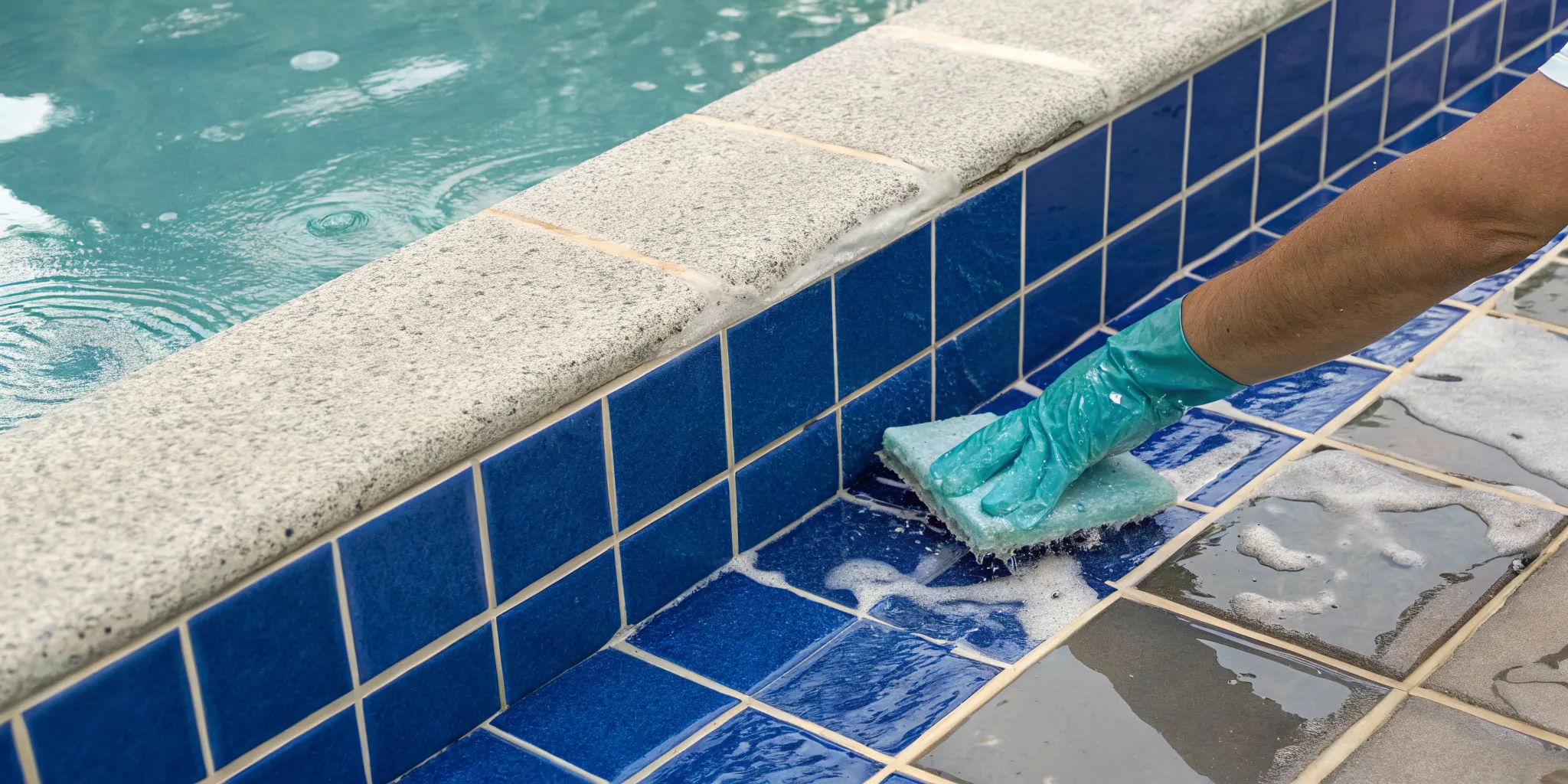
Now it’s time to scrub. Grab a stiff-bristled brush (not wire, which can damage grout) or a pumice stone designed for pools. A plastic scraper can also help lift thick buildup without scratching your tiles. Before you go all in, always test your cleaner on a small, hidden area first. This quick check ensures it won’t discolor or damage your tile finish. Apply the cleaner according to the product directions and scrub in small, circular motions. A little patience here goes a long way.
Step 4: Rinse and Care for Your Tiles Afterward
Once you’ve scrubbed away the grime, the final step is a thorough rinse. Use a garden hose to wash off all the cleaning solution from the tiles, directing the runoff away from the pool water as much as possible. This removes any leftover residue that could affect your pool’s chemistry. After rinsing, you can refill the pool to its normal level. If you find the stains are still there or the job feels too big, our team is always here to help with professional cleaning and maintenance.
Finding the Right Pool Supplies in Colorado
Okay, you've identified the calcium buildup and you're ready to tackle it. But walking into a supply store or browsing online can feel overwhelming. With so many products promising perfect results, how do you choose the right one for your Colorado pool? It really comes down to understanding the difference between various cleaners, weighing the pros and cons of a DIY approach, and knowing where to look for quality products that actually work. Let's get you pointed in the right direction.
Comparing the Value of Commercial Cleaners
When you're looking at commercial cleaners, it's important to know that results can vary. A product that works wonders for light scaling might not make a dent in heavy, stubborn deposits. For example, some pool owners find that a product like LayorCare's Heavy Calcium Releaser is great for their needs, but its effectiveness really depends on the severity of the buildup. The key is to match the cleaner's strength to your specific problem. Instead of just grabbing the first bottle you see, take a moment to assess your tiles. This will help you select the right supplies and chemicals for a successful cleaning.
The Value of DIY vs. Professional-Grade Products
For those who like a hands-on approach, acid-based cleaners can be a powerful tool against calcium deposits. A diluted muriatic acid solution, for instance, is a common DIY method that can be very effective and budget-friendly. However, these potent chemicals require extreme caution and careful handling to ensure your safety and protect your pool surfaces. If you're not comfortable working with strong acids, or if the buildup is extensive, it might be better to leave it to the pros. A professional cleaning and maintenance service has the right equipment and expertise to handle these materials safely and deliver great results.
Where to Find Quality Supplies and Chemicals
You can find quality pool cleaning supplies in a lot of places these days. Online stores are a great resource, and you can often find helpful video tutorials that show you exactly how to use a product before you buy it. These resources can give you a good idea of what to expect from a specific cleaner. While online shopping is convenient, don't forget the value of local expertise. A Colorado-based pool care company will have a curated selection of supplies and chemicals that are proven to work well with our local water chemistry and climate conditions, taking the guesswork out of your purchase.
Keep It Gone: How to Prevent Future Calcium Buildup
After all the work of scrubbing away calcium scale, the last thing you want is to see it return. The good news is that preventing buildup is much easier than removing it. With a few consistent habits, you can keep your pool tiles looking clean and fresh all season long. Prevention is all about creating an environment where calcium scale can’t form in the first place. It comes down to three key areas: maintaining balanced water, sticking to a simple cleaning routine, and knowing when a problem is too big to handle on your own.
Staying on top of these things protects your investment and ensures your pool is always ready for a swim. Think of it as simple upkeep that saves you from a major cleaning project down the road. In Colorado, our water can be hard, which makes pools more susceptible to calcium issues. That’s why a proactive approach is so important here. By understanding what causes the buildup and taking these preventative steps, you can spend less time fighting stubborn white lines and more time enjoying the water with family and friends. It’s about working smarter, not harder, to maintain the beautiful pool you love.
Balance Your Water Chemistry
Think of your pool’s water chemistry as its foundation for health. When key levels are out of whack, it creates the perfect conditions for calcium to cling to your tiles. The three most important levels to monitor are pH, total alkalinity, and calcium hardness. Water that is too alkaline or has excessively high calcium levels will almost certainly lead to scaling. Regularly testing your water and making small adjustments is the single best thing you can do to prevent future buildup. Keeping these elements in their ideal ranges ensures the water is stable and less likely to leave mineral deposits. You can find all the supplies and chemicals you need to manage your water chemistry effectively.
Stick to a Regular Maintenance Schedule
Consistent cleaning is your next line of defense. You don’t need to spend hours scrubbing every weekend, but a little bit of regular attention goes a long way. Make it a habit to brush your pool’s waterline with a stiff pool brush at least once a week. This simple action dislodges any new mineral deposits before they have a chance to harden into stubborn scale. It also helps to give your tiles a more thorough cleaning at the beginning of the swim season and once or twice throughout the summer. A proactive approach keeps your tiles sparkling and stops new stains from forming. If you’re short on time, our professional cleaning and maintenance services can handle the routine for you.
Know When It's Time to Call for Professional Help
Sometimes, despite your best efforts, calcium buildup can become too severe for DIY methods. If you’re dealing with thick, layered scale that won’t budge with cleaners or pumice stones, it’s time to call in the experts. Aggressive techniques like bead blasting use compressed air to shoot fine media at the tile, safely stripping away the calcium without damaging the surface. Trying to tackle a severe buildup on your own can lead to scratched tiles or incomplete removal. Recognizing when a job requires professional equipment and expertise is key to protecting your pool. For these tough situations, our team can provide remodels and rehabs to restore your tile to its original condition.
Frequently Asked Questions
How often should I be cleaning my pool tiles? For prevention, a little bit of weekly maintenance makes a huge difference. Try to brush your pool’s waterline with a good pool brush every week to stop new mineral deposits from taking hold. Beyond that, a more thorough cleaning at the start and end of the swim season can help manage any light buildup before it becomes a serious problem.
What's the difference between the white, flaky stuff and the harder, grayish scale? The flaky, white residue is typically calcium carbonate, which is the more common and easier type of scale to remove. It usually forms when your pool's pH or alkalinity is too high. The grayish, tougher scale is likely calcium silicate. It builds up much more slowly but bonds very tightly to surfaces, making it significantly more difficult to scrub away.
I've tried scrubbing and nothing is working. What's my next step? If you’ve put in the effort with various cleaners and tools but the scale isn’t budging, it’s a good sign that the buildup is too severe for DIY methods. At this point, continuing to scrub with harsh chemicals or abrasive tools could damage your tiles. This is the perfect time to call in a professional who has access to stronger, more effective techniques like bead blasting to safely restore your tile.
Are acid-based cleaners safe for all types of pool tiles? No, they are not. While acid-based cleaners are very effective on tough scale, they can also be too harsh for certain materials, especially natural stone or delicate ceramic tiles. Using a strong acid on the wrong surface can cause permanent etching or discoloration. This is why it is so important to test any new cleaner on a small, hidden spot before applying it to your entire waterline.
Besides cleaning, what's the most important thing I can do to stop scale from coming back? The single most effective way to prevent calcium buildup is to consistently maintain balanced water chemistry. When your pool’s pH, total alkalinity, and calcium hardness levels are within their ideal ranges, the minerals stay dissolved in the water instead of clinging to your tiles. Regular water testing and making small chemical adjustments is the best defense against future scale.
Related Blogs