%201.png)
A Homeowner's Guide to Pool Tile Cleaning
Owning a pool in Colorado comes with its own unique set of challenges, and our water is at the top of the list. The high mineral content leads to stubborn calcium buildup that can be incredibly difficult to remove. This isn't just a cosmetic issue; over time, it can damage your tile and grout. Standard pool tile cleaning advice doesn't always cut it here. You need a strategy that specifically targets the kind of scaling we see in our region. This guide is written for Colorado pool owners, offering practical, expert advice on how to effectively combat mineral deposits and keep your tiles looking pristine year after year.
Key Takeaways
- Prioritize Proactive Maintenance: The easiest way to deal with tile stains is to prevent them. Maintaining balanced water chemistry and brushing your waterline weekly are the most effective defenses against stubborn mineral buildup and grime.
- Start with the Gentlest Method: Always begin cleaning with a mild solution, like a simple vinegar and water mix, before using more abrasive tools like a pumice stone for heavy calcium. This approach protects your tile finish from accidental scratches and damage.
- Recognize When to Call a Professional: For persistent stains or heavy calcium scaling that DIY methods can't handle, professional service is the safest choice. Experts have the right tools to clean effectively without risking damage to your tile and grout.
What's the Best Way to Clean Pool Tiles?
Keeping your pool tiles sparkling doesn't have to be a chore. The best cleaning method really depends on the type of buildup you're dealing with and how much elbow grease you're willing to put in. From gentle, natural solutions to more powerful techniques, you have a few great options. The key is to choose the right approach for your pool to avoid accidentally damaging the tiles. Let's walk through the most common methods so you can find the perfect fit for your weekend pool care routine.
Choosing Between Chemical and Natural Cleaners
For light, routine cleaning, a natural approach is often all you need. A simple mixture of equal parts white vinegar and water in a spray bottle can work wonders on early-stage grime. Just spray it on, let it sit for about ten minutes, and scrub with a soft-bristled brush. This is great for general upkeep. However, here in Colorado, we often see tougher mineral deposits like calcium buildup. If you notice a stubborn, whitish scale along your waterline, you might need a dedicated chemical tile cleaner designed to dissolve it. When using these, always follow the manufacturer's instructions carefully to protect your tiles and maintain balanced water chemistry.
Pressure Washing: Techniques and Mistakes to Avoid
Pressure washing can seem like a fast and satisfying way to blast away dirt, but it comes with some serious risks. Using a pressure setting that’s too high can easily crack your tiles or even strip the grout right out from between them. If you decide to go this route, start with the lowest possible pressure setting and use a wide-angle nozzle to distribute the force. Never point the nozzle directly at the grout lines. Honestly, this method is often best left to the pros. A simple mistake can lead to expensive equipment repairs, turning a quick cleaning job into a major project.
Scrubbing by Hand: The Right Tools and Techniques
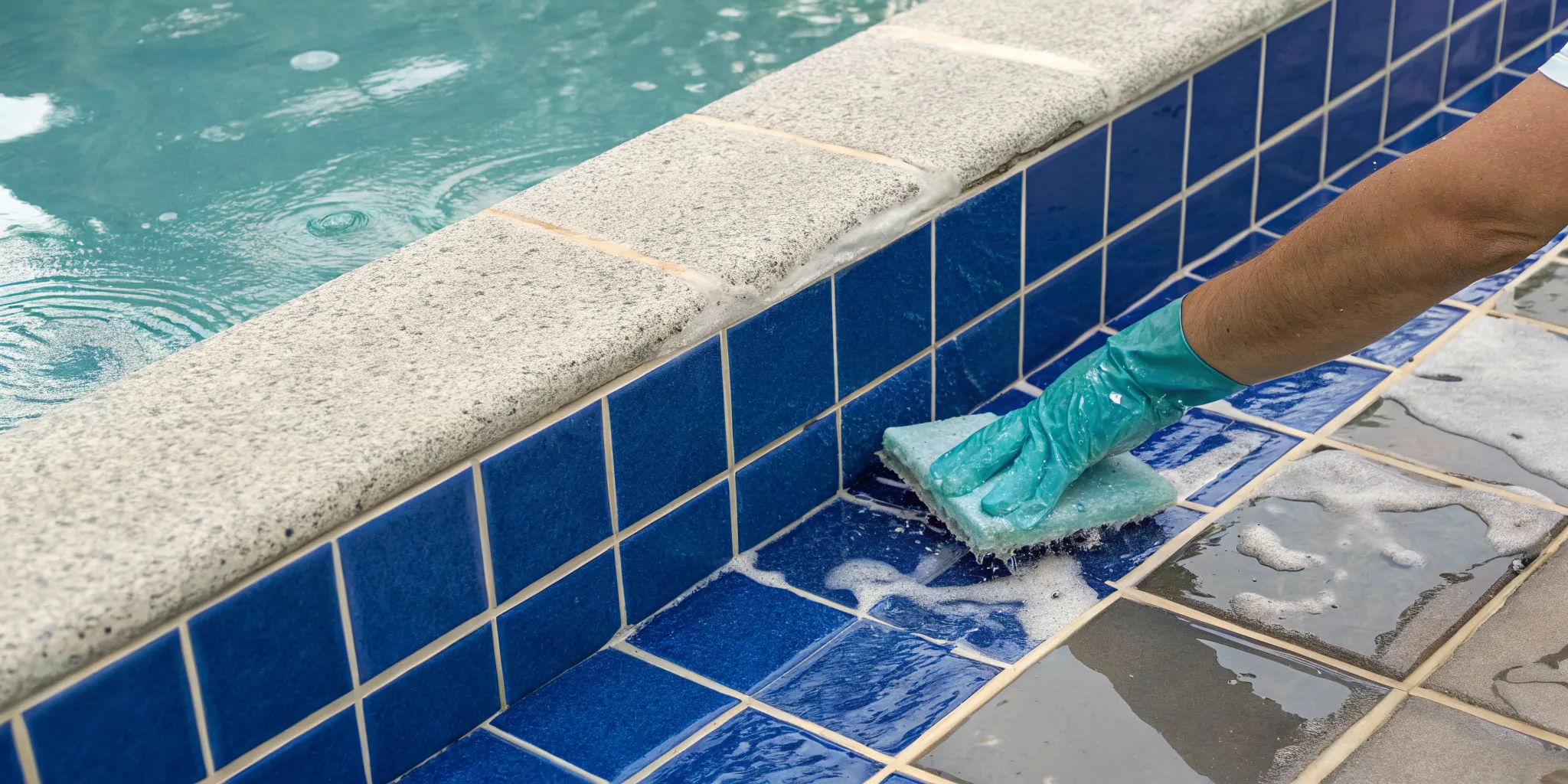
Good old-fashioned hand scrubbing is the safest and most controlled way to clean your pool tiles. For most jobs, a non-abrasive scrub pad and your vinegar solution will do the trick. If you’re facing tougher calcium deposits, a pumice stone can be very effective. The most important rule when using pumice is to always keep both the stone and the tile surface wet to prevent scratching. Work in gentle, circular motions to lift the scale without damaging the tile glaze. While it takes more time, this hands-on approach gives you the best results for detailed work and is a core part of any good cleaning and maintenance schedule.
What Are the Best Products for Cleaning Pool Tiles?
Walking into your backyard and seeing stained or grimy pool tiles can be a real letdown. The good news is that with the right products, you can get them sparkling again. The key is to match your cleaning solution to the type of stain you’re dealing with. Whether it's a chalky white line at the water's edge or a few discolored spots, there’s a product out there that can handle it.
Choosing the best cleaner starts with identifying the problem. Is it mineral buildup, an organic stain from leaves, or something else? Once you know what you’re up against, you can select a product that will work effectively without damaging your beautiful tiles. Let’s look at some of the best options for the most common pool tile issues we see here in Colorado.
Tackling Tough Calcium and Mineral Buildup
That stubborn, crusty white line that forms along your waterline is usually calcium buildup. It’s a common sight for pool owners, and it comes in two main forms: calcium carbonate (which is flaky) and calcium silicate (which is harder and grayish). For either type, your best friend is often a simple pumice stone. A pumice stone is abrasive enough to scrub away the deposits but gentle enough that it won’t scratch your tiles. Just be sure to keep both the stone and the tile surface wet while you scrub to avoid damage. If the buildup is extensive or you’re worried about scratching your tiles, our professional cleaning and maintenance services can get the job done safely.
Finding the Right Cleaner for Every Type of Stain
Pool stains generally fall into a few categories: organic stains from things like algae and leaves, metal stains from equipment, and the calcium scale we just talked about. Knowing which one you have helps you choose the right approach. For general grime and light organic stains, you don’t need to reach for a harsh chemical right away. A simple and effective DIY solution is a spray bottle filled with equal parts white vinegar and water, plus a few drops of gentle dish soap. Spray it on the tiles, let it sit for about ten minutes, and then gently scrub with a soft-bristled brush. This is often all you need to restore their shine. For tougher stains, you might need specific supplies and chemicals designed for pools.
Exploring Eco-Friendly Options and Safety Tips
If you prefer to use gentler, more natural products around your home, you’re in luck. That same mixture of vinegar and water is a fantastic eco-friendly option that effectively dissolves light calcium deposits and soap scum without introducing harsh chemicals into your pool environment. The most important safety tip is to never use abrasive materials like steel wool or overly aggressive chemicals, as they can permanently scratch or dull your tiles. Always start with the gentlest method first. If you’re ever unsure about what to use, it’s better to be safe than sorry. Our team is always here to help with advice or to handle the cleaning for you.
When Should You Call a Pro for Tile Cleaning?
There’s a certain satisfaction that comes from a good DIY project, and routine pool care can definitely fall into that category. But when it comes to tile cleaning, some jobs are bigger than others. Stubborn stains and mineral buildup can turn a weekend task into a frustrating, and sometimes fruitless, battle. Knowing when to put down the scrub brush and call in a professional isn’t admitting defeat—it’s making a smart decision to protect your investment and get back to enjoying your pool.
Sometimes, the issue isn't just about elbow grease. It’s about having the right tools, commercial-grade products, and the expertise to use them without damaging your pool’s surface. A professional can diagnose the root cause of the stains, whether it’s stubborn calcium deposits from Colorado’s hard water or an imbalance in your pool chemistry that’s encouraging algae growth. They can tackle the problem efficiently, saving you time and preventing the costly mistakes that can happen when you’re experimenting with harsh chemicals or abrasive tools. Think of it as bringing in a specialist for a job that requires a specific skill set, ensuring the work is done right the first time.
Signs It's Time to Ask for Professional Help
You’ve been scrubbing, but that chalky, crusty white line at your pool's waterline just won't budge. This is calcium scaling, and it’s one of the most common signs that you need a professional. It’s tough to remove without specialized products and techniques. Other red flags include persistently cloudy or dirty water, even after running the filter, or slimy walls that suggest algae is taking hold faster than you can fight it. If you notice these issues, it’s a good idea to schedule a professional cleaning and maintenance service. They can get your tile sparkling again and ensure your water is healthy and balanced.
The Limits and Risks of DIY Cleaning
While your intentions are good, some DIY methods can cause more harm than good. Using overly abrasive scrubbers or steel wool can leave permanent scratches on your tile finish. Harsh, acidic cleaners might seem effective, but they can eat away at your grout and throw your water chemistry completely out of whack. Even a pressure washer, which seems like a great idea, can be risky. Too much pressure can chip, crack, or even dislodge tiles, leading to a much bigger problem. A small cleaning job can quickly turn into a need for significant remodels and rehabs if the wrong approach is used.
Understanding the Long-Term Value of Professional Service
Hiring a professional for tile cleaning is about more than just convenience; it’s about long-term care for your pool. Trained technicians have the expertise to identify the type of stain and use the most effective treatment without damaging surfaces. They work efficiently and have access to advanced tools that make quick work of buildup that could take you days to scrub. Beyond just cleaning, a professional eye can spot early signs of other issues, from minor leaks to equipment wear. Addressing these things proactively saves you from unexpected and expensive repairs down the road, giving you peace of mind and more time to simply enjoy your pool.
How to Keep Your Pool Tiles Clean All Year
Keeping your pool tiles looking great isn't just about occasional deep cleans; it's about consistent care. A proactive approach prevents stubborn stains and buildup from ever taking hold, saving you a lot of scrubbing in the long run. Think of it as simple, ongoing upkeep rather than a massive seasonal project. By integrating a few key habits into your routine, you can maintain that sparkling, clean look from spring opening to fall closing. The three pillars of year-round tile care are balanced water chemistry, a regular maintenance schedule, and using the right tools for the job. Mastering these basics will protect your investment and ensure your pool is always ready for a swim. It’s much easier to prevent stains than it is to remove them, and a little effort each week makes a world of difference.
Prevent Stains with Balanced Water Chemistry
The secret to preventing most pool tile stains is hiding in plain sight: your water. Keeping your pool water balanced is the single most important thing you can do for the health and appearance of your tiles. When the chemistry is off, it can lead to ugly calcium scaling and mineral stains that are tough to remove. You’ll want to test your water regularly and keep the pH level between 7.4 and 7.6. Just as important is the calcium hardness, which should stay between 200 and 400 parts per million (ppm). You can manage these levels yourself with the right testing kits and balancing agents from our stock of supplies and chemicals.
Your Colorado Pool Maintenance Schedule
A little routine maintenance goes a long way. The best defense against buildup is a consistent schedule that works for your pool and your lifestyle. At a minimum, you should brush your pool’s waterline with a soft-bristle brush once a week. This simple step helps dislodge any early-stage algae or grime before it has a chance to set. Here in Colorado, our unique weather patterns can introduce dust and debris, so staying on top of skimming and brushing is key. If you find it hard to stick to a schedule, we can help create a custom cleaning and maintenance plan that handles all the routine work for you, ensuring your pool stays pristine.
Tips for Safe Cleaning and Equipment Care
When you do need to clean your tiles, using the right tools is essential to avoid causing damage. Always start with the gentlest method, like a soft brush or a pumice stone designed for pools. For tougher spots, a specialized tile cleaner is a much safer bet than harsh household chemicals. While pressure washing can be effective, it should only be done at a very low pressure. Using high pressure can easily chip, crack, or even detach your tiles, leading to costly repairs. Always protect your investment by treating your tiles with care and using equipment correctly.
Frequently Asked Questions
How often do I really need to deep clean my pool tiles? For general upkeep, you should give your waterline a quick scrub with a soft brush about once a week. This simple habit prevents most grime from getting a foothold. A more intensive deep clean isn't something you need to do on a fixed schedule. Instead, just keep an eye out for any chalky white residue or stubborn spots that don't come off with weekly brushing. When you see them, it's time to give your tiles some extra attention.
Is it safe to use common household cleaners on my pool tiles? It’s best to avoid using household cleaners on your pool tiles. Products that aren't specifically designed for pools can contain chemicals that will throw your water chemistry out of balance, damage your grout, or even dull the finish on your tiles. For most light cleaning, a simple mix of vinegar and water is all you need. For anything tougher, stick with products made for pools to protect your investment.
My tiles look fine, but the grout between them is getting discolored. What's the best way to clean it? Discolored grout is a common issue, and you can often clean it with a little focused effort. Try using a soft-bristled brush (an old toothbrush works great) and a paste made from baking soda and water. Gently scrub the grout lines to lift the stains. If the discoloration is widespread or seems to be related to algae, it might be a sign of a larger water balance issue that a professional should look at.
I have really stubborn calcium buildup. Will a pumice stone scratch my tiles? A pumice stone is a fantastic tool for calcium buildup and is perfectly safe when you use it correctly. The key is to make sure both the pumice stone and the tile surface are completely wet the entire time you are scrubbing. This lubricates the surface and prevents scratching. If you have very delicate tiles or are worried about causing damage, it's always a good idea to test it on a small, inconspicuous area first.
Besides cleaning, what's the most important thing I can do to keep my tiles from getting stained in the first place? The single best way to prevent tile stains is to keep your pool water properly balanced. When your pH, alkalinity, and calcium hardness levels are where they should be, it creates an environment where mineral deposits and scale are far less likely to form on your tile surfaces. Consistent water testing and balancing is the most effective proactive step you can take for the long-term health and beauty of your pool.
Related Blogs