%201.png)
The Homeowner's Guide to Acid Wash Pool Plaster

If you’ve ever scrubbed your pool walls until your arms ached, only to see those stubborn, dingy stains remain, you know how frustrating it can be. Sometimes, regular cleaning and maintenance just isn’t enough to combat years of mineral buildup and algae discoloration. This is where a more powerful solution comes into play. The process to acid wash pool plaster is like hitting the reset button, stripping away a micro-thin layer of the old surface to reveal the bright, clean plaster underneath. It’s a dramatic transformation that can make an older pool look nearly new. This guide will walk you through what an acid wash is, how it works, and how to know if it’s the right choice for your Colorado pool.
Key Takeaways
- Think of it as a powerful cosmetic fix: An acid wash is the best solution for removing stubborn stains, mineral scale, and widespread discoloration that regular cleaning can't handle, restoring your plaster's original brightness.
- This is a job for certified professionals: The process involves hazardous chemicals and precise timing that can cause serious injury or permanently damage your pool if done incorrectly, so it should always be handled by an expert.
- Good maintenance is your best prevention: You can delay the need for an acid wash with a consistent cleaning routine and balanced water chemistry, and for minor issues, a less invasive no-drain acid wash might be a great alternative.
What Is a Pool Acid Wash?
If you’ve noticed your pool’s plaster looks stained or dingy no matter how much you scrub, an acid wash might be the solution. Think of it as an intense exfoliation for your pool. This process is one of the most effective ways to remove stubborn stains and restore the bright, clean finish of your plaster, making your pool look almost new again.
While it sounds intense, an acid wash is a standard procedure for plaster pools that have developed significant discoloration or mineral buildup over time. It’s a more involved process than a typical cleaning, but the results can be dramatic. Let’s walk through what an acid wash involves and why it might be the right choice for your Colorado pool.
How an acid wash works on plaster
An acid wash uses a solution of muriatic acid and water to remove a very thin top layer of your pool's plaster. This process strips away stains, mineral deposits, and algae that have settled deep into the surface. By removing that microscopic layer, a fresh, unstained layer of plaster is revealed underneath, instantly brightening the entire pool. It’s a powerful technique that can completely transform your pool’s appearance. Because it's a significant part of a pool's upkeep, it's often considered a key step in any remodels and rehabs project.
Why your pool might need one
You don’t need an acid wash every year. This is a specific treatment for specific problems. Consider an acid wash if you notice your pool has stubborn, widespread stains from metals or minerals that regular chemicals can't touch. Another clear sign is significant scale buildup, which feels rough to the touch. If your pool just looks dull, yellow, or dirty even right after a deep clean, it’s likely time to call in a professional. A good cleaning and maintenance routine can delay the need for an acid wash, but eventually, most plaster pools will benefit from one.
Common myths about acid washing
One of the biggest myths is that acid washing is a simple DIY job. Handling muriatic acid is extremely dangerous without proper training and protective gear. It can cause severe burns and respiratory issues, which is why this task should always be left to certified technicians. Another misconception is that you need to drain your pool for every major issue. While a partial drain can fix some chemical imbalances, an acid wash requires the pool to be completely empty to work correctly. Our team can help you determine the right solution without any unnecessary steps.
The Benefits of Acid Washing Your Pool
When your pool plaster starts looking tired, stained, and a little worse for wear, an acid wash can feel like a total reset. It’s a powerful cleaning process that goes far beyond what a brush and some chemicals can do, stripping away years of buildup to reveal a brighter, cleaner surface underneath. Think of it as a deep exfoliation for your pool. While it’s not a solution for every situation, the benefits are often dramatic, giving your pool a fresh start and restoring the vibrant look you love. It’s one of the most effective ways to handle stubborn cosmetic issues and can make an older pool look nearly new again.
Erase stubborn stains and mineral buildup
Some stains just don’t quit. Algae blooms, metal deposits, and mineral buildup from Colorado's hard water can leave ugly, discolored patches that regular cleaning and maintenance can’t touch. An acid wash is designed to tackle these exact problems. The acidic solution works by carefully stripping away a very thin layer of your pool’s plaster, taking the embedded stains and mineral scale along with it. This process is incredibly effective at removing discoloration from things like fallen leaves, copper, or iron, leaving behind a uniform and clean surface. It’s the go-to method for when your pool’s plaster needs a serious deep clean to get rid of stains that have become part of the surface itself.
Restore your plaster's original brightness
Over time, sunlight, chemicals, and general use can make your pool’s plaster look dull and faded. One of the most satisfying results of an acid wash is seeing that original brightness return. By removing the stained and weathered top layer, the process reveals the fresh, clean plaster underneath. In fact, a professional acid wash can restore about 70% to 80% of your pool's original vibrancy. This instantly makes the water appear more brilliant and inviting. If your pool looks old and dingy but the plaster is still in good structural shape, an acid wash can be a fantastic way to refresh its appearance without the need for a complete resurfacing.
Weighing the benefits against the risks
While an acid wash delivers impressive results, it’s an aggressive process that needs to be handled with care. Because it removes a layer of plaster, doing it too often can shorten the lifespan of your pool's surface. If done incorrectly, the acid can be left on for too long, causing etching, creating a rough texture, or even exposing the aggregate beneath the plaster. This is why it’s not a DIY project. The chemicals are hazardous and require specific expertise to handle safely and effectively. A professional will know exactly how to apply the solution and when to neutralize it to protect your plaster. If your plaster is already thin or damaged, you may need to consider remodels and rehabs instead.
A Step-by-Step Look at the Acid Wash Process
An acid wash is a detailed and intensive procedure that transforms a stained, dull pool into a bright, inviting oasis. While it delivers incredible results, it’s a complex job that involves hazardous materials and precise timing. Understanding each step can help you appreciate the skill involved and see why trusting a professional is so important for the safety of your family and the longevity of your pool’s plaster. Let’s walk through what the process looks like from start to finish.
Preparing and draining your pool
The first and most essential step is to completely drain your pool. This can’t be rushed. A submersible pump is used to remove all the water, a process that can take anywhere from eight to twelve hours, depending on the size of your pool. Once the water is out, the plaster surface is fully exposed, revealing the full extent of the staining and buildup. This is also a critical moment for the plaster itself. Leaving a pool empty for too long, especially in Colorado's dry air, can risk damage. A professional team works efficiently to begin the wash as soon as the pool is empty, protecting your investment.
Applying the acid solution correctly
With the pool empty, the team prepares the acid solution. This is typically a carefully measured mixture of muriatic acid and water, sometimes with additives to help it cling to the walls. Safety is the top priority here. Professionals always follow the golden rule of chemical handling: add acid to water, never the other way around, to prevent dangerous reactions. The solution is poured into special watering cans, which allow for a controlled and even application down the plaster walls. This ensures every inch of the surface is treated uniformly, preventing streaks and delivering a consistent, clean finish across your entire pool.
Scrubbing, neutralizing, and rinsing
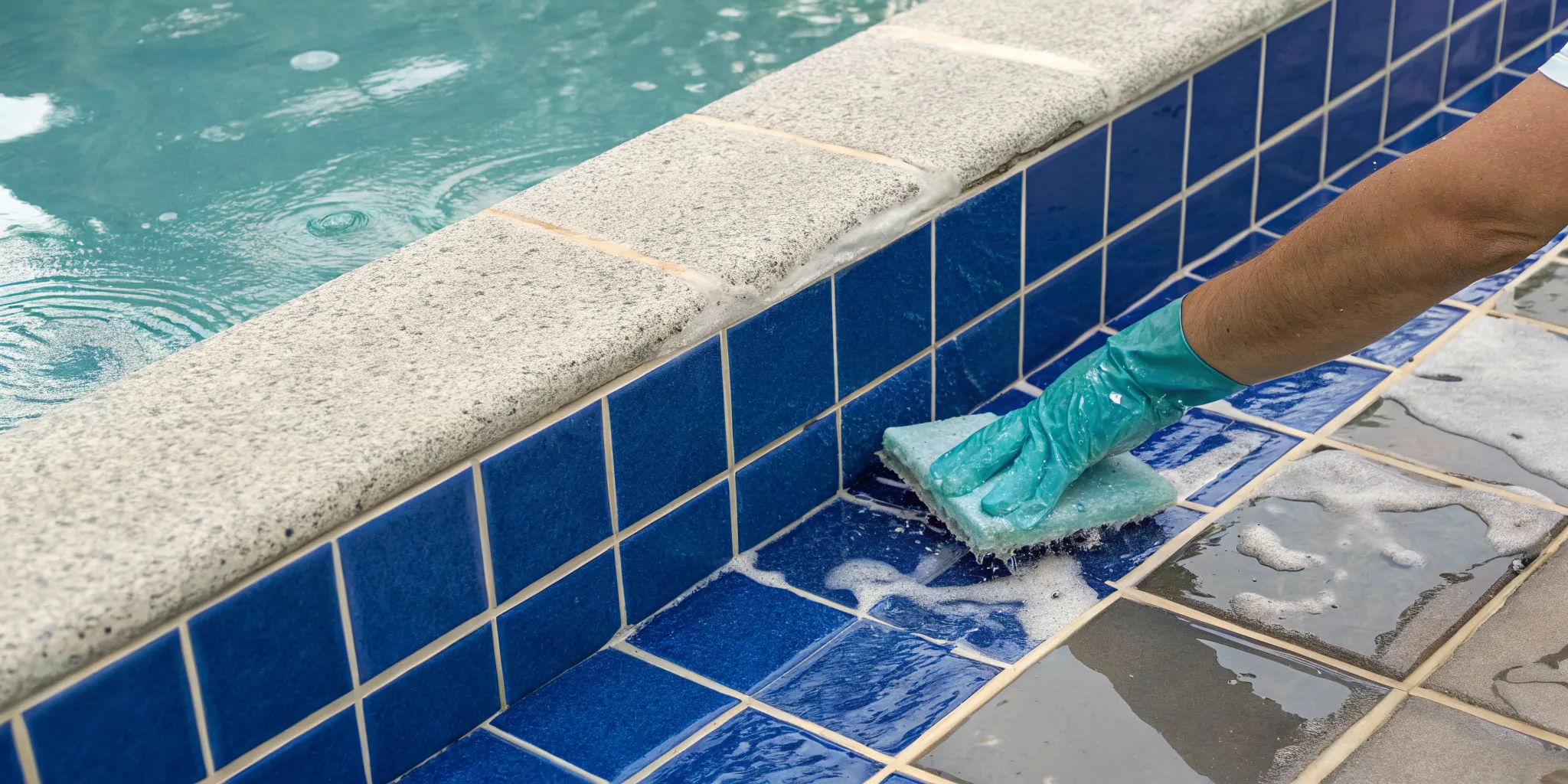
This is where the magic happens, and it happens fast. The acid solution is poured onto a section of the plaster and is only left to sit for about 30 to 60 seconds. During this brief window, it actively dissolves the thin top layer of plaster where stains and minerals are trapped. Technicians immediately follow with specialized brushes to scrub the area before rinsing it thoroughly with fresh water. The entire contact time, from application to final rinse, is less than two minutes. This speed is crucial to prevent the acid from etching too deeply, which could damage the plaster. It’s a delicate balance of chemistry and timing that our certified technicians have perfected.
Refilling and rebalancing the water
After every section of the pool has been washed and rinsed, the final phase begins. The pool is refilled with fresh, clean water. The entire process, from draining to the start of the refill, often takes a full day or more. Once the pool is full again, the job isn’t quite done. The water chemistry is now a blank slate and must be completely rebalanced. This involves testing and adjusting the pH, alkalinity, and calcium hardness to create safe, comfortable swimming water and protect your newly refreshed plaster. We ensure your pool is not just beautiful but also perfectly balanced with the right supplies and chemicals before we consider the job complete.
Safety First: Important Acid Washing Precautions
Acid washing is a powerful tool for restoring your pool's plaster, but it's not a casual weekend project. The process involves using muriatic acid, a hazardous chemical that demands respect and careful handling. Getting it wrong can lead to serious injury or permanent damage to your pool and surrounding property. Before even considering this task, it’s essential to understand the safety measures required. This isn't about being overly cautious; it's about being smart and protecting yourself, your family, and your investment. Let's walk through the critical precautions you need to be aware of.
Using the right protective gear
When working with muriatic acid, what you wear is your first and most important line of defense. Standard work gloves and sunglasses won't cut it. You need full personal protective equipment (PPE) designed for chemical handling. This includes acid-resistant gloves, boots, and a protective suit or apron over long sleeves and pants. A full-face shield is crucial to protect your eyes and face from accidental splashes, and a respirator with acid-gas cartridges is non-negotiable. The fumes from muriatic acid are highly corrosive and can cause severe damage to your respiratory system if inhaled. Professionals arrive with all this specialized gear because they understand the risks involved.
Handling chemicals safely
The way you mix and handle the acid solution is critical. The golden rule of chemical safety is to always add acid to water, never the other way around. Pouring water into a concentrated acid can cause a violent chemical reaction that boils and splashes the corrosive mixture out of the bucket and onto you. You also need to work in a well-ventilated area, which can be tricky in a drained pool where fumes can settle. Our team can help you source the right supplies and chemicals for regular maintenance, but for a job this intensive, safe handling is paramount.
Knowing what to do in an emergency
Even with precautions, accidents can happen. It’s vital to have an emergency plan. Keep a running garden hose nearby to immediately flush any skin or eyes that come into contact with the acid for at least 15 minutes while you seek medical help. You also need to protect your property. Spilled acid won't just stain your deck; it can eat holes in concrete and kill any surrounding landscaping. A professional team is trained to manage these risks and knows how to contain and neutralize spills quickly, preventing lasting damage to your backyard oasis.
Why Colorado homeowners should trust a professional
Given the significant risks, acid washing is a job best left to trained and certified technicians. The hazards of handling muriatic acid, combined with the potential to permanently damage your pool's plaster, make this a poor choice for a DIY project. In Colorado, where our climate can already be tough on pool surfaces, you want the job done correctly. A professional service like our remodels and rehabs team has the right equipment, extensive training, and insurance to perform the acid wash safely and effectively. Trusting an expert protects your health and ensures your pool looks its best without the worry.
Is an Acid Wash Right for Your Pool?
Deciding if your pool needs an acid wash can feel like a big step, but it’s one of the best ways to restore your plaster to its former glory. It’s a powerful solution for tough stains and buildup that regular cleaning just can’t handle. Understanding the signs, the process, and your options will help you make the best choice for your backyard oasis.
Telltale signs your plaster needs attention
Sometimes, no matter how much you scrub, your pool just doesn't look clean. If you're noticing stubborn stains from minerals or metals that regular chemicals won't touch, it might be time to consider an acid wash. Another big sign is scale buildup, which can make your pool’s surface feel rough and look chalky. Over time, plaster can just look dull and tired, absorbing years of algae and debris. When your usual cleaning and maintenance routine isn't cutting it anymore and the sparkle is gone, an acid wash can often be the answer to revealing a fresh, bright surface underneath. It’s like a deep exfoliation for your pool.
How often to acid wash in Colorado's climate
There’s no magic number for how often a pool needs an acid wash, but a good rule of thumb is every five to seven years. For pools here in Colorado with salt water systems, you might find yourself closer to the five-year mark due to the way salt cells can sometimes contribute to staining. Of course, this all depends on how well the pool is maintained. Consistent care can definitely stretch the time between treatments. Our team understands the specific challenges of our local climate and can help you determine the right schedule for your pool, ensuring you don't do it too often, which can wear down the plaster.
Exploring alternatives to a full acid wash
An acid wash sounds intense because, well, it is. It involves completely draining your pool, which is a big job. But it’s not your only option. For less severe staining or discoloration, a no-drain acid wash can be a great alternative. This process uses a lower concentration of acid added directly to the pool water to gently clean the plaster surface without the need to drain thousands of gallons. It’s a fantastic way to brighten up your pool and remove minor stains and scale. We can assess your pool’s condition to see if this less invasive method is a good fit for you.
Simple maintenance to prevent future stains
The best way to deal with stains is to stop them from happening in the first place. A solid, consistent maintenance routine is your best defense against needing frequent acid washes. This means keeping your water chemistry balanced and regularly brushing the pool walls and floor. Using a quality stain and scale prevention product on a monthly basis can also make a huge difference. These products work by keeping minerals and metals suspended in the water so they can’t settle on your plaster. We can help you find the right supplies and chemicals to keep your pool looking its best year-round, saving you from more intensive treatments down the road.
Know when to call the experts at Rocky Mountain Aquacare
While it might be tempting to try and tackle this project yourself, acid washing is a job best left to the pros. The chemicals involved are highly corrosive and dangerous to handle without proper training and protective gear. One wrong move can damage your pool plaster or, more importantly, cause serious injury. Our certified technicians are equipped to handle the entire process safely and effectively, from draining the pool to neutralizing the acid and rebalancing your water. Think of it as a minor remodel for your pool's surface. Trusting an expert not only protects you but also ensures the job is done right, extending the life of your plaster.
Frequently Asked Questions
How can I tell if my pool needs an acid wash or just a really good scrub? A good rule of thumb is to look at the type of discoloration. If you have surface-level dirt or a light algae film that comes off with vigorous brushing, a thorough cleaning service will likely do the trick. An acid wash is for more serious issues, like widespread, deep-set stains from minerals and metals or a rough, chalky buildup of scale that won't budge. If your pool looks dull and stained even after a deep clean, that’s a strong sign you need something more powerful.
Will an acid wash shorten the life of my pool's plaster? Because an acid wash works by removing a very thin layer of plaster, it's true that you wouldn't want to do it every single year. However, when performed correctly by a professional, the process is carefully controlled to remove only the stained, microscopic top layer. For a pool with significant staining, the benefits of restoring the surface far outweigh the minimal wear. We can help you determine if your plaster is in good enough condition for the procedure or if a different rehab approach is needed.
How long will my pool be out of commission for an acid wash? The entire process typically takes a few days from start to finish. Draining the pool alone can take up to 12 hours. The wash itself, plus the initial refilling, usually takes a full day. After that, the water needs to be chemically rebalanced, which can take another day or two to get just right. You should plan for your pool to be unavailable for at least three to four days.
Are the chemicals used in an acid wash safe for my family and pets? During the procedure itself, the area should be kept clear. Muriatic acid is a hazardous material that produces strong fumes, which is why our technicians wear full protective gear. However, once the wash is complete, the acid is fully neutralized and rinsed away. After we refill the pool and balance the water with the proper chemicals, it is completely safe for your family, friends, and pets to enjoy.
What's the difference between a standard acid wash and a no-drain acid wash? A standard acid wash is an intensive treatment that requires the pool to be completely drained to remove severe, stubborn stains and mineral deposits. A no-drain acid wash is a less aggressive alternative for pools with minor to moderate discoloration. It involves adding a special acid solution to the pool water to gently brighten the plaster over a few days without draining it. We can help you decide which method is the right fit for your pool's specific needs.
Related Blogs