%201.png)
How to Winterize a Pool Without Lowering Water
When the first chill hits the air in Colorado, many pool owners think the safest bet is to drain their pool completely. It seems logical to get the water out before it can freeze, but this is one of the most damaging mistakes you can make. Your pool was designed to have the constant support of water pressure pushing outward against the soil. Removing that water leaves it vulnerable to shifting, cracking, or even popping out of the ground from the pressure of our frozen soil. The correct method involves knowing how to winterize inground pool without lowering water significantly. This guide will walk you through the proper steps to protect your investment, from balancing chemicals to clearing your plumbing, ensuring you avoid costly remodels and rehabs come springtime.
Key Takeaways
- Protect your pool's structure by keeping it partially full: The water inside your pool counteracts pressure from the frozen ground, preventing costly cracks. The real draining happens in your equipment; your pump, filter, and pipes must be completely free of water to avoid freeze damage.
- Use winter chemicals for a hassle-free spring opening: Balancing your water and adding a winter algaecide before you cover the pool is the secret to preventing a green, murky mess. This proactive step saves you from a major cleanup project when swimming season returns.
- Blow out your plumbing and secure a quality cover: Forcing all water out of your plumbing lines is the most critical step to prevent cracked pipes in a Colorado winter. Finish the job by installing a durable, well-anchored cover to shield your pool from snow and debris.
Why You Should Winterize Your Pool Without Draining It
When you think about preparing your pool for a Colorado winter, your first instinct might be to drain it completely. It seems logical, right? Get the water out so it can’t freeze. But draining your pool is one of the biggest mistakes you can make. Proper winterization is all about protecting your investment, and that means keeping water in the pool. Let’s walk through why this is so important for your pool’s structure, its equipment, and your sanity come springtime.
Prevent Freeze Damage to Your Pool's Structure
Your pool was engineered to hold water year-round. The weight of the water inside the pool pushes outward, creating a force that counteracts the pressure from the surrounding soil pushing inward. When you drain the pool, you remove that internal support. Here in Colorado, where the ground freezes and expands, the external pressure can become immense.
Without water, this pressure can cause the pool’s walls to shift, crack, or even pop right out of the ground. This kind of structural damage is incredibly expensive to fix and often requires extensive remodels and rehabs. Keeping the water level at the correct winter height maintains the delicate balance of pressure and protects your pool shell from the harsh freeze-thaw cycles.
Protect Your Equipment From Ice
While the pool itself needs to stay full, your pool equipment is a different story. Your pump, filter, heater, and plumbing lines must be completely free of water. As water freezes, it expands by about 9%, and that expansion is powerful enough to crack filter housings, shatter PVC pipes, and destroy delicate internal components in your heater.
This is where the "draining" part of winterizing actually happens, just on a smaller scale. You need to drain all water from your equipment to prevent catastrophic damage. A cracked pump or a busted filter can sideline your pool for weeks in the spring while you wait for professional repairs. Properly blowing out the lines and draining your equipment is a non-negotiable step to protect your system.
Keep Your Water Clear for Spring
A proper winter closing does more than just prevent damage; it sets you up for a much easier spring opening. By balancing the water and adding winterizing chemicals before you put the cover on, you’re essentially tucking your pool in for a long nap. This proactive care prevents algae from blooming and turning your pool into a green, murky swamp over the winter months.
When you open a properly winterized pool, you’ll find water that is relatively clear and easy to manage. This saves you a ton of time, money on cleanup chemicals, and the headache of a major restoration project. It transforms your spring opening from a difficult chore into a simple process of cleaning and maintenance to get you swimming sooner.
Gather Your Winterizing Tools and Supplies
Before you start the winterizing process, it’s a good idea to get all your tools and supplies in one place. Having everything on hand makes the job go much faster and ensures you don’t miss a crucial step. Think of it as setting up your workspace for success. You’ll need a few key items to clear your plumbing, balance your water chemistry, seal your lines, and cover the pool securely for the winter ahead. A little preparation now saves you from scrambling later and helps protect your investment from the harsh Colorado cold.
Tools for Clearing Your Plumbing Lines
To get every last drop of water out of your pool’s plumbing, you need something that can push a high volume of air through the lines. A leaf blower or a shop vacuum is perfect for this task. Unlike compressors, which produce high pressure but low volume, a leaf blower provides a powerful, continuous airflow that effectively pushes water out of the pipes. This step is absolutely critical for preventing underground pipes from freezing and cracking during the winter. Make sure you have the right attachments to create a tight seal on your skimmer line for the best results.
The Right Chemicals for Winter
Getting your water chemistry right is one of the most important parts of closing your pool. The goal is to prevent algae growth and staining while the pool is dormant. You’ll need a winterizing chemical kit, which typically includes a long-lasting algaecide and a slow-release sanitizer. Properly balanced water protects your pool’s surfaces from etching and scaling over the winter months. If you need to stock up, we offer professional-grade supplies and chemicals to keep your pool protected. Taking the time to add the right chemicals now leads to a much clearer and cleaner pool when you open it in the spring.
Plugs to Seal Your Lines
Once you’ve blown all the water out of your plumbing, you need to seal the lines to keep water from getting back in. This is where winterizing plugs come in. You’ll need threaded plugs for your return jets and skimmers. It’s essential to inspect these plugs each year for cracks or damage. A faulty plug can create a leak, allowing water to seep back into the pipes and freeze, which defeats the whole purpose of blowing them out. Using quality, well-maintained valves and plugs is a simple but vital step for a successful pool closing.
A Secure Winter Cover
The final piece of the puzzle is a durable winter cover. This is your pool’s first line of defense against snow, ice, leaves, and other debris. A good cover not only keeps your pool clean but also blocks sunlight, which helps prevent algae from growing in any remaining water. For Colorado’s heavy snow and high winds, you need a cover that fits snugly and is securely anchored. A properly installed cover is a key part of a comprehensive winterizing plan that protects your pool and makes for a much easier spring opening.
What Chemicals Do You Need to Winterize Your Pool?
Getting your pool water ready for a long winter nap is about more than just adding a few products and hoping for the best. The right combination will protect your pool surfaces from staining and scaling and prevent algae from turning your water into a swamp by springtime. Using the correct winterizing chemicals is one of the most important steps for a smooth closing process and an even easier opening next year.
Before you add anything, you’ll want to make sure you have everything on hand. Your winter chemical kit should include products to balance the water, a powerful shock treatment, a long-lasting algaecide, and non-toxic antifreeze for your plumbing. Each one plays a specific role in safeguarding your pool against the harsh Colorado winter. Getting these levels right now prevents potential headaches and costly repairs down the road. Let’s walk through exactly what you need and why.
Start by Balancing Your Water
Your first step is to test and balance your pool water. Think of this as creating a stable environment that will last for months. Properly balanced water protects your pool’s surfaces, like the liner or plaster, from etching and staining over the winter. Before adding any other winterizing products, make sure your pH, total alkalinity, and calcium hardness levels are all within their ideal ranges. This simple step is your first line of defense against corrosion and scale buildup while the pool is covered, ensuring your pool's finish stays in great shape.
Add Winterizing Shock and Sanitizer
After balancing the water, you’ll need to shock the pool. This isn't your typical weekly shock treatment. A winterizing shock is a strong dose of oxidizer that removes any lingering contaminants, bacteria, and organic waste from the water. Using a non-chlorine shock is a great choice for this step because it won't bleach or damage your pool liner or cover. This potent treatment ensures your water goes into hibernation as clean as possible, which is key to preventing algae growth and other issues during the off-season. It gives you a clean slate for the winter months.
Use Algaecide to Prevent Growth
Even when it’s cold and dark under the cover, algae can find a way to bloom, especially during unexpected warm spells. A specially formulated winter algaecide is designed to prevent this from happening. After shocking the pool, add a dose of a long-lasting algaecide that will remain effective for several months. This preventative measure is what stands between you and a green, murky mess when you pull the cover off in the spring. It’s a small step that makes a huge difference for an easy pool opening and saves you a lot of work.
Protect Plumbing with Pool-Safe Antifreeze
Once you’ve blown all the water out of your plumbing lines, it’s time to add one final layer of protection: pool antifreeze. It’s crucial to use a non-toxic antifreeze made specifically for pools and spas, not the kind you put in your car. This product protects your pipes from cracking if any leftover water freezes and expands. As a general rule, you’ll need about one gallon of antifreeze for every 10 feet of pipe. Pour it into the skimmers and return lines to safeguard your plumbing all winter long.
How to Winterize Your Pool Without Draining: A Step-by-Step Guide
Alright, let's walk through the process of closing your pool for the winter. Following these steps in order is the key to protecting your investment from the harsh Colorado cold and ensuring a smooth opening next spring. It might seem like a lot, but taking the time to do it right will save you from headaches and costly repairs down the road. From cleaning the water to clearing the lines and securing the cover, each part of the process plays a vital role. We'll break it down into five manageable steps so you can feel confident tackling the job yourself or know exactly what to expect when a professional handles it for you.
The goal here is to create a kind of hibernation for your pool, where the water stays balanced and the equipment is safe from freezing temperatures. Think of it as putting your pool to bed for the winter so it wakes up refreshed and ready to go in the spring. Skipping a step, especially clearing the plumbing, can lead to cracked pipes and expensive damage. But don't worry, we'll cover everything you need to know to get it done right. Let's get started.
Give Your Pool a Deep Clean
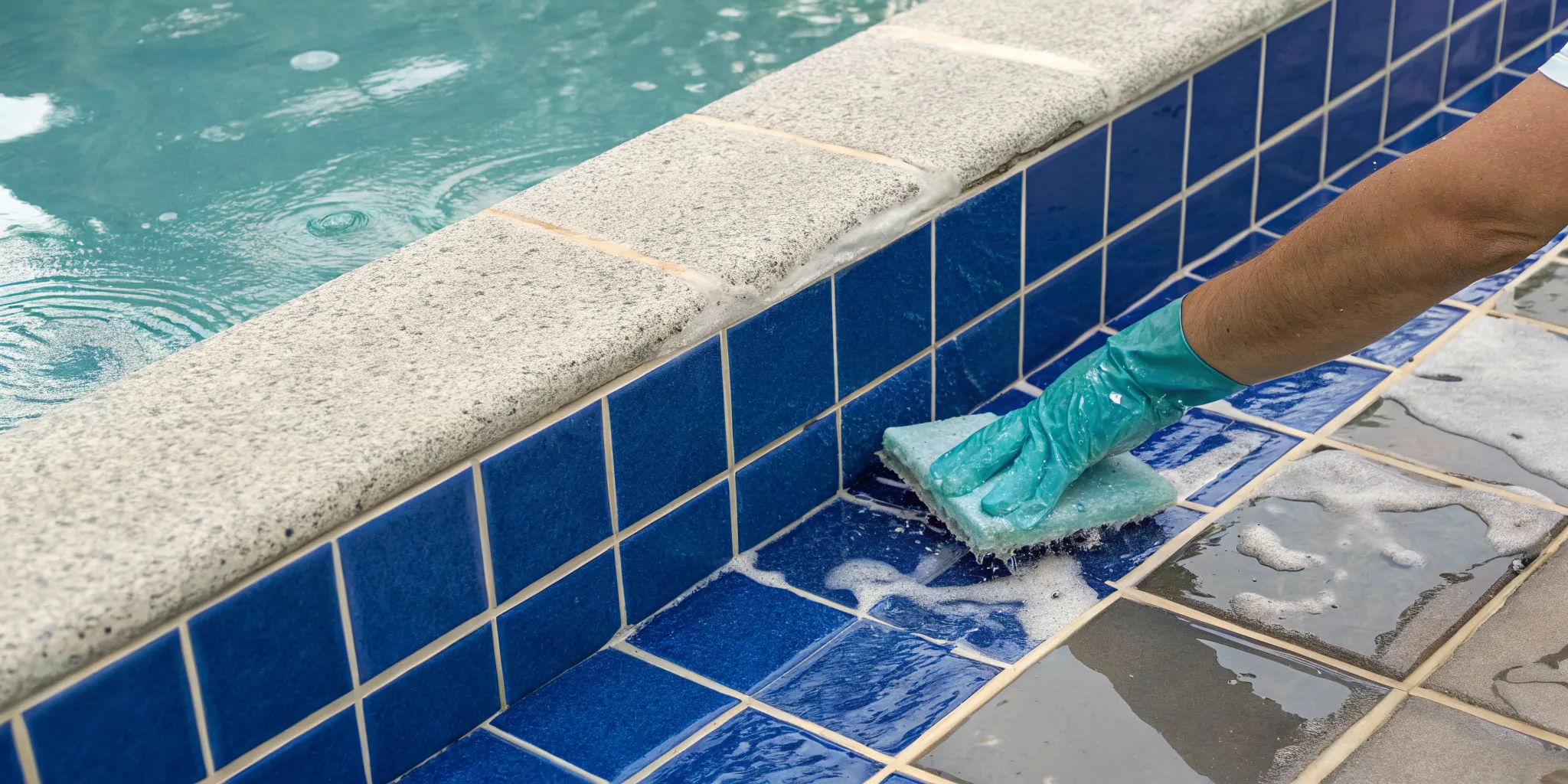
Before you add any chemicals or touch the equipment, your first job is to give the pool a thorough cleaning. You’ll want to skim, brush, and vacuum every surface to get rid of all leaves, dirt, and other debris. Starting with a spotless pool is the best way to prevent algae growth and staining over the winter months. A clean pool at closing means a much cleaner pool at opening. If you're short on time, our professional cleaning and maintenance services can handle this initial deep clean for you, setting you up for a successful winterization.
Add Your Winterizing Chemicals
Once your pool is sparkling clean, it's time to balance the water and add your winterizing chemicals. A good winter chemical kit is designed to prevent algae, staining, and scale buildup while the pool is dormant. This usually includes a long-lasting algaecide and a stain and scale preventer. Getting the chemistry right now is crucial for keeping the water clear until spring. Every pool is different, so it's important to find the right combination of supplies and chemicals for your specific setup. This step ensures your water stays protected, even under a cover for months.
Completely Blow Out the Plumbing Lines
This is arguably the most critical step for any pool owner in Colorado. You need to remove every last drop of water from your plumbing lines to prevent them from freezing, expanding, and cracking. A powerful shop vac or leaf blower is often used to blow a high volume of air through the system, forcing all the water out. This includes the lines for your skimmers, main drain, and returns. If you're not completely confident in doing this yourself, this is the perfect time to call in a pro. A missed step here can lead to expensive equipment repairs come springtime.
Install Plugs to Seal Skimmers and Returns
After you’ve successfully blown out the lines, you need to make sure no water gets back in. This is where winterizing plugs come in. You’ll securely insert threaded plugs into all the return line openings in your pool wall. For the skimmer, you can use a special skimmer guard or a blowout extension to protect it from cracking under the pressure of ice. These plugs create a tight seal that keeps your freshly cleared plumbing dry and safe all winter long, preventing any water from seeping back in and freezing.
Secure Your Winter Cover
The final step is to place your winter cover over the pool. A high-quality, properly installed cover is your pool's first line of defense against snow, leaves, and other debris. Make sure the cover is pulled taut and securely anchored according to the manufacturer's instructions. This not only keeps your pool clean but also acts as a critical safety barrier for pets and children. A well-secured cover will withstand Colorado's winter winds and heavy snowfall, making your spring opening much easier. It’s the finishing touch that protects all your hard work.
How to Protect Your Pool Equipment in Winter
After you’ve taken care of the water, your next focus should be on the machinery that keeps it all running. Your pump, filter, and heater are significant investments, and Colorado’s freezing temperatures can cause serious, expensive damage if they aren’t properly prepared. Trapped water is the biggest threat. When it freezes, it expands with incredible force, which can easily crack pump housings, filter tanks, and internal heater components.
Protecting your equipment is a non-negotiable part of the winterizing process. Taking these extra steps ensures that when you’re ready to open your pool in the spring, your equipment will be ready to go, too. It’s the best way to avoid surprise problems and get back to swimming as soon as the weather warms up.
Drain Your Pump and Filter
The most critical step in protecting your main equipment is to get every last drop of water out. Water left inside your pump or filter will freeze and expand, which can crack the equipment and lead to costly fixes. To do this, turn off all power to your pool equipment at the breaker. Then, locate and remove the drain plugs on your pump, filter, heater, and any other connected gear. Let them drain completely. It’s a good practice to store the plugs in the pump basket so they’re easy to find in the spring. This simple task is the best way to prevent needing equipment repairs when you want to start swimming.
Winterize Heaters and Automation Systems
Heaters and automation systems have more complex internal parts that are especially vulnerable to freeze damage. After you’ve blown all the water out of the plumbing lines, you can add an extra layer of protection by pouring a pool-specific, non-toxic antifreeze into the lines. It’s crucial that you only use antifreeze designed for pools and that you pour it into the plumbing, not directly into the pool itself. Because these systems can be intricate, many homeowners in Colorado rely on a professional to ensure everything is done correctly. Our cleaning and maintenance team can handle the entire winterization process for you, giving you peace of mind through the coldest months.
Disconnect and Store Removable Parts
Don’t forget about the accessories. Items like ladders, handrails, automatic pool cleaners, and skimmer baskets should be removed from the pool for the winter. Leaving them exposed to snow and ice can cause plastic to become brittle and metal to corrode. Once you’ve removed them, give them a quick clean and find a dry, sheltered place to keep them, like a garage or shed. Properly storing your pool accessories not only extends their lifespan but also keeps your pool area clear and safe during the off-season. It’s a simple step that makes a big difference for your gear and makes for a much smoother spring opening.
Find the Right Winter Pool Cover for Colorado Weather
Choosing the right winter cover is the final, and arguably most important, step in protecting your pool from a harsh Colorado winter. A good cover does more than just keep out leaves and debris; it acts as a shield for your investment. It protects your pool’s structure from freeze damage and ensures your water stays cleaner for a much easier spring opening. With our heavy snowfall and fluctuating temperatures, not just any cover will do. You need one that can stand up to the weight of wet, heavy snow and biting winds without sagging, ripping, or failing when you need it most.
Making the right choice comes down to understanding the different types of covers available and how they perform in our specific climate. The cover you pick will directly impact how much work you have to do during the winter and how much time and money you’ll spend getting the pool ready in the spring. A well-chosen, properly installed cover prevents algae growth, keeps your chemicals balanced longer, and provides a critical safety barrier. Let’s break down the most common options so you can find the perfect fit for your pool and your peace of mind.
Safety Cover vs. Solid Cover: What's the Difference?
The main distinction between a safety cover and a solid cover lies in their primary function. A safety cover, typically made of strong mesh or solid vinyl anchored to the deck, is engineered to support a significant amount of weight. This prevents people or pets from accidentally falling into the pool, which is a major consideration for families. A standard solid cover, on the other hand, is designed to completely block sunlight and debris. This keeps your water cleaner and prevents algae growth, but it requires a pump on top to remove rainwater and snowmelt, which can accumulate and cause sagging.
Why Mesh Covers Work Well for Heavy Snow
For Colorado pool owners, mesh safety covers are an incredibly practical choice. Their key advantage is that they allow rain and melted snow to drain directly into the pool. This prevents heavy water from pooling on the surface, which can strain or even damage a solid cover under the weight of a major snowstorm. While a small amount of fine silt might get through the mesh over the winter, the benefit of not having to constantly pump water off the top is a huge plus. This feature makes mesh covers a durable, low-maintenance option that can handle our unpredictable snowfall with ease.
How to Properly Install Your Cover
Proper installation is essential for your cover to work effectively all winter long. If you have a solid cover, use water bags or blocks to secure the perimeter, spacing them evenly to keep wind from getting underneath and lifting the edges. For a safety cover, it’s critical that the anchors are installed correctly into your pool deck to withstand the tension needed to support heavy snow and ice. An improperly secured cover can be easily damaged or blown off, leaving your pool exposed. If you need help finding the right winterizing supplies or want to ensure your cover is installed perfectly, our team is here to help.
Common Winterizing Mistakes to Avoid
Closing your pool correctly is one of the most important things you can do to protect your investment. A few small missteps during the winterizing process can lead to costly damage and a lot of extra work when you want to open it in the spring. By avoiding these common mistakes, you can ensure your pool weathers the cold Colorado months safely and is ready for fun as soon as the sun returns.
Skipping the Chemical Balancing Step
This is an easy one to overlook, but it's critical. Before you do anything else, you need to make sure your pool water is properly balanced. If the pH, alkalinity, and calcium hardness levels are off, the water can become corrosive or form scale, damaging your pool's liner and surfaces over the winter. Taking the time to test and adjust your water with the right pool chemicals is your first line of defense. It prevents staining and etching, making your spring opening much smoother.
Not Clearing the Plumbing Lines Completely
In Colorado, we know how damaging a freeze can be. The same goes for your pool's plumbing. Any water left in the lines will freeze, expand, and likely crack your pipes. This is one of the most expensive mistakes to fix. You need to blow every last drop of water out of the skimmer, main drain, and return lines before plugging them. For extra protection, adding a pool-safe antifreeze provides a buffer against any remaining moisture. If you're not 100% confident you've cleared the lines, it's worth getting professional help to avoid major equipment repairs later.
Installing Your Cover Incorrectly
Your winter cover is your pool's shield against snow, debris, and accidents. But it only works if it's installed correctly. A cover that's too loose can sag under the weight of snow and ice, potentially tearing or falling into the pool. It should be taut and securely anchored all the way around. If you have a solid cover, remember that you'll need a small pump to remove melting snow and rain throughout the winter to prevent it from collapsing. A properly fitted cover not only keeps your pool clean but also acts as a crucial safety barrier for pets and family members.
Forgetting to Protect Your Equipment
Your pump, filter, and heater are the heart of your pool's circulation system, and they are especially vulnerable to freeze damage. You must drain every piece of equipment completely. This means removing all drain plugs from the pump, filter tank, and heater to let the water out. If water is left inside, it will freeze and crack the housing, leading to expensive replacements. After draining, store the plugs in the pump basket so you can easily find them in the spring. Protecting your equipment is a non-negotiable step for a successful pool closing.
How to Care for Your Pool During a Colorado Winter
Winterizing your pool is a huge step, but it’s not quite a "set it and forget it" deal. Colorado winters can be unpredictable, with heavy snow one week and surprisingly mild temperatures the next. Staying on top of a few simple tasks throughout the off-season ensures your pool remains protected, preventing damage and making for a much easier opening day when spring finally arrives. Think of it as a little bit of proactive care that goes a long way.
Keep an Eye on Your Cover
Your winter cover is the primary shield against snow, ice, and debris. Make it a habit to check on it after any significant snowfall or windy day. Use a soft pool brush or a leaf blower to gently remove accumulated leaves and light snow. If you get a heavy blanket of snow, carefully remove it with a pool cover pump or a soft broom to avoid putting too much stress on the cover and its anchors. Also, give the edges a quick check to ensure it’s still securely in place. A snug, well-fitted cover is essential for keeping your pool clean and safe.
Periodically Check Your Equipment
Even after you’ve drained your equipment, it’s smart to give it a look-over every few weeks. Confirm that your pump, filter, and heater are still dry and free of water that could freeze and cause cracks. A quick visual inspection can help you spot potential issues before they become serious problems. While you’re at it, peek under the cover to check the water level. A significant drop could signal a leak. If you notice any damage, it’s best to schedule professional equipment repairs to get ahead of springtime surprises.
Set Yourself Up for an Easy Spring Opening
Every bit of care you put into your pool during the winter pays off in the spring. These periodic checks are your best strategy for avoiding costly damage and a difficult opening process. A well-maintained cover keeps debris out, which means less cleaning for you later. Ensuring your equipment stays dry prevents expensive freeze damage. By keeping an eye on things, you’re not just protecting your investment; you’re setting the stage for a smooth transition back to swim season. Proper off-season pool care is the secret to a hassle-free start to summer.
Frequently Asked Questions
Why is it so bad to drain my pool for the winter? Think of the water in your pool as a structural support system. It pushes outward against the pool walls, balancing the immense pressure of the surrounding soil pushing inward. When you remove the water, especially in Colorado where the ground freezes and expands, that external pressure can cause serious damage like cracks or even cause the pool shell to pop out of the ground. Keeping water in the pool maintains this essential balance and protects your investment.
What is the most critical step I can't afford to mess up? Without a doubt, the most important step is completely clearing all water from your plumbing and equipment. Water left in your pipes, pump, or filter will freeze, expand, and crack them, leading to very expensive and time-consuming repairs. Using a leaf blower or shop vac to force every last drop of water out of the lines is the one part of the process where there is no room for error.
Do I really need a special winter chemical kit? Yes, you do. Simply covering your pool isn't enough to keep the water healthy. Over the winter, even in cold temperatures, algae can bloom and your water balance can shift, leading to staining and scaling on your pool's surfaces. A winter chemical kit is specifically designed with long-lasting algaecides and sanitizers that work for months to keep the water clear and protected, which makes for a much easier and cleaner opening in the spring.
My neighbor just uses a simple tarp. Is a real winter cover necessary in Colorado? A simple tarp just won't hold up to a Colorado winter. Our heavy snow and strong winds require a durable, properly anchored winter cover. A good cover not only keeps out debris but also blocks sunlight to prevent algae growth. More importantly, a safety cover is designed to support the weight of heavy snow and prevent accidental falls, which is a critical safety feature for families with children or pets.
Once the cover is on, am I done until spring? Not quite. While the heavy lifting is over, you should still check on your pool periodically throughout the winter. After a big storm, you'll want to remove heavy snow and debris from the cover to prevent it from sagging or tearing. It's also a good idea to occasionally check that the cover is still secure and that your equipment has remained dry. A little bit of attention during the off-season can prevent big problems later on.
Related Blogs