%201.png)
How Much Does It Cost to Replaster a 20x40 Pool?
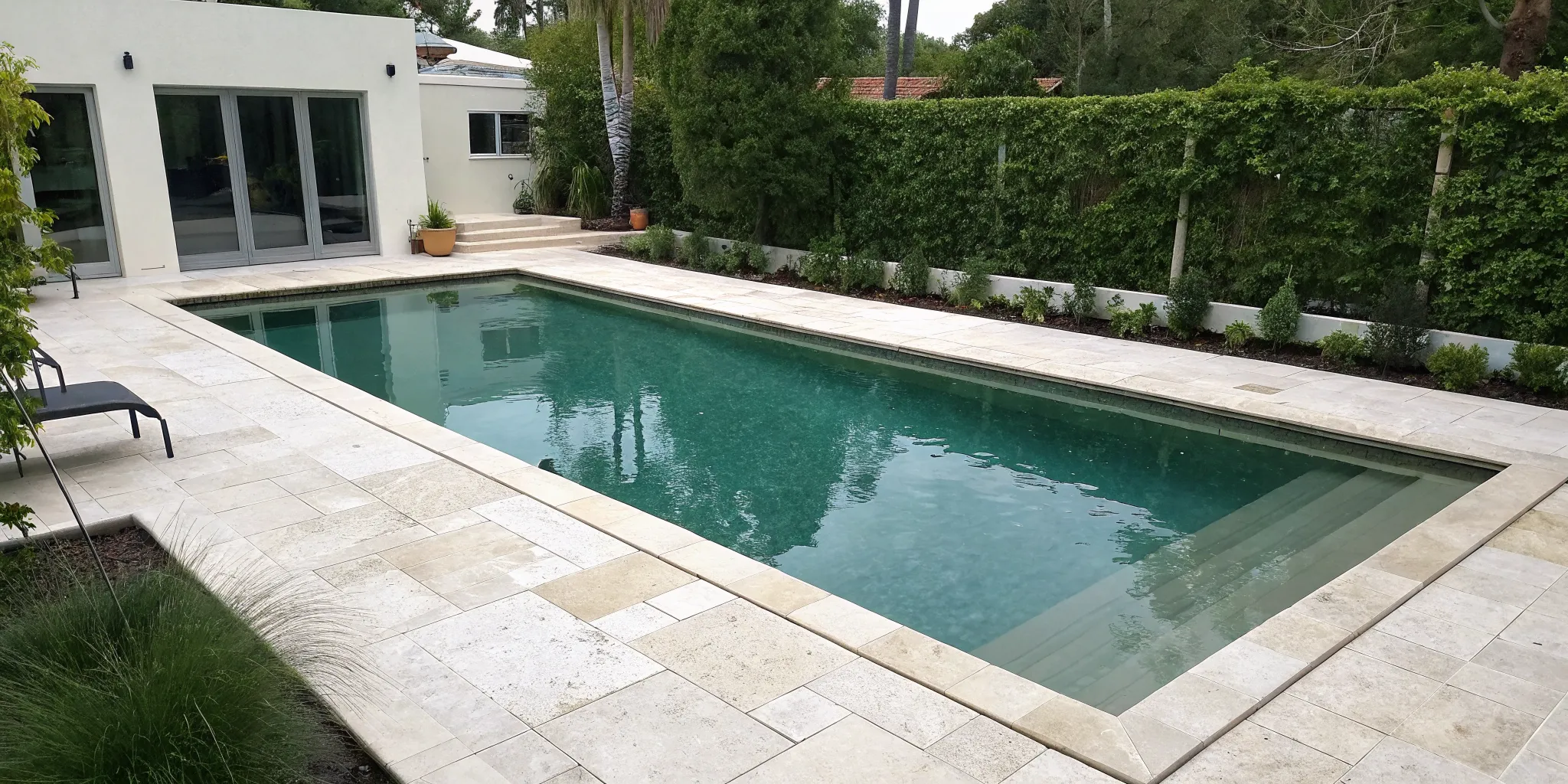
A fresh plaster coat does more than just fix cracks and stains; it completely revitalizes your backyard, turning your pool back into the stunning centerpiece it was meant to be. This kind of transformation is an investment in your home’s value and your family’s summer enjoyment. But before you can get to the beautiful final result, you need a solid financial plan. That plan starts with answering one important question: how much does it cost to replaster a 20x40 pool? The answer varies widely based on your choices, like opting for a durable quartz finish over standard plaster. Here, we’ll explore all the factors so you can budget confidently for the pool of your dreams.
Key Takeaways
- Plan your budget around key variables: The final expense for replastering is shaped by your pool's current condition, the type of plaster finish you choose, and the specific labor involved for your project.
- Watch for clear warning signs: You'll know it's time to replaster when you see visible issues like stubborn stains and cracks, or feel a rough, gritty texture that makes the surface uncomfortable and unsafe.
- Account for the entire process: A successful project budget includes more than just the new surface; remember to factor in essential steps like draining, prep work, potential tile repairs, and the final water refill.
What Does It Cost to Replaster a 20x40 Pool?
Figuring out the budget for a pool replastering project is a top priority for any homeowner. While every project is unique, understanding the typical expenses can help you plan. A 20x40 pool is a generous size, so its replastering will naturally require a larger investment than a smaller pool. The final amount depends on several factors, including the materials you choose, the current condition of your pool, and the scope of the work. A professional remodel and rehab can transform the look and feel of your pool, making it a worthwhile investment for years of enjoyment.
What's the Typical Cost?
Nationally, the average expense to replaster a standard-sized pool is somewhere between $6,000 and $8,000. Since a 20x40 pool is considerably larger, you can expect the amount to be on the higher end of that spectrum. The specific plaster finish you select plays a big role in the final tally. While basic plaster is the most budget-friendly option, premium finishes with added aggregates like quartz or pebbles will increase the overall investment. A detailed estimate that breaks down material and labor expenses is always the best approach.
Breaking Down Costs by Square Foot
A great way to estimate the expense is on a per-square-foot basis. Generally, you can expect to pay between $4 and $7 per square foot for a standard plaster finish. Your 20x40 pool has a surface area of 800 square feet, so a straightforward replastering job could range from $3,200 to $5,600. This figure primarily covers the new plaster application. Remember, this is a baseline estimate, and other factors like extensive prep work or additional repairs can add to the final amount.
Labor vs. Material Costs
Labor is a significant component of any pool replastering project. Skilled technicians charge anywhere from $45 to $110 per hour. Before new plaster can be applied, your pool needs to be drained and cleaned, which can be an additional expense of around $600 to $650. If your project grows into a more comprehensive remodel and rehab that includes new tile or coping, the labor for those tasks will also be factored in. This is why it’s important to work with a trusted team that provides clear information about the entire project.
What Factors Influence Replastering Costs?
Figuring out the expense of replastering your pool isn't as simple as looking up a single number. The final quote depends on a few key variables that can change from one pool to the next. Think of it less like buying a product off the shelf and more like a custom project tailored to your specific pool and backyard. The total investment is a combination of your pool's current shape, the materials you select, and any extra work needed to get the job done right.
Understanding these factors will help you set a realistic budget and ask the right questions when you get a quote. From the size of your pool to the type of finish you’ve been dreaming of, each choice plays a part. We’ll walk through the main elements that determine the final tally for your pool replastering project, so you can feel confident about your decisions.
Your Pool's Current Condition
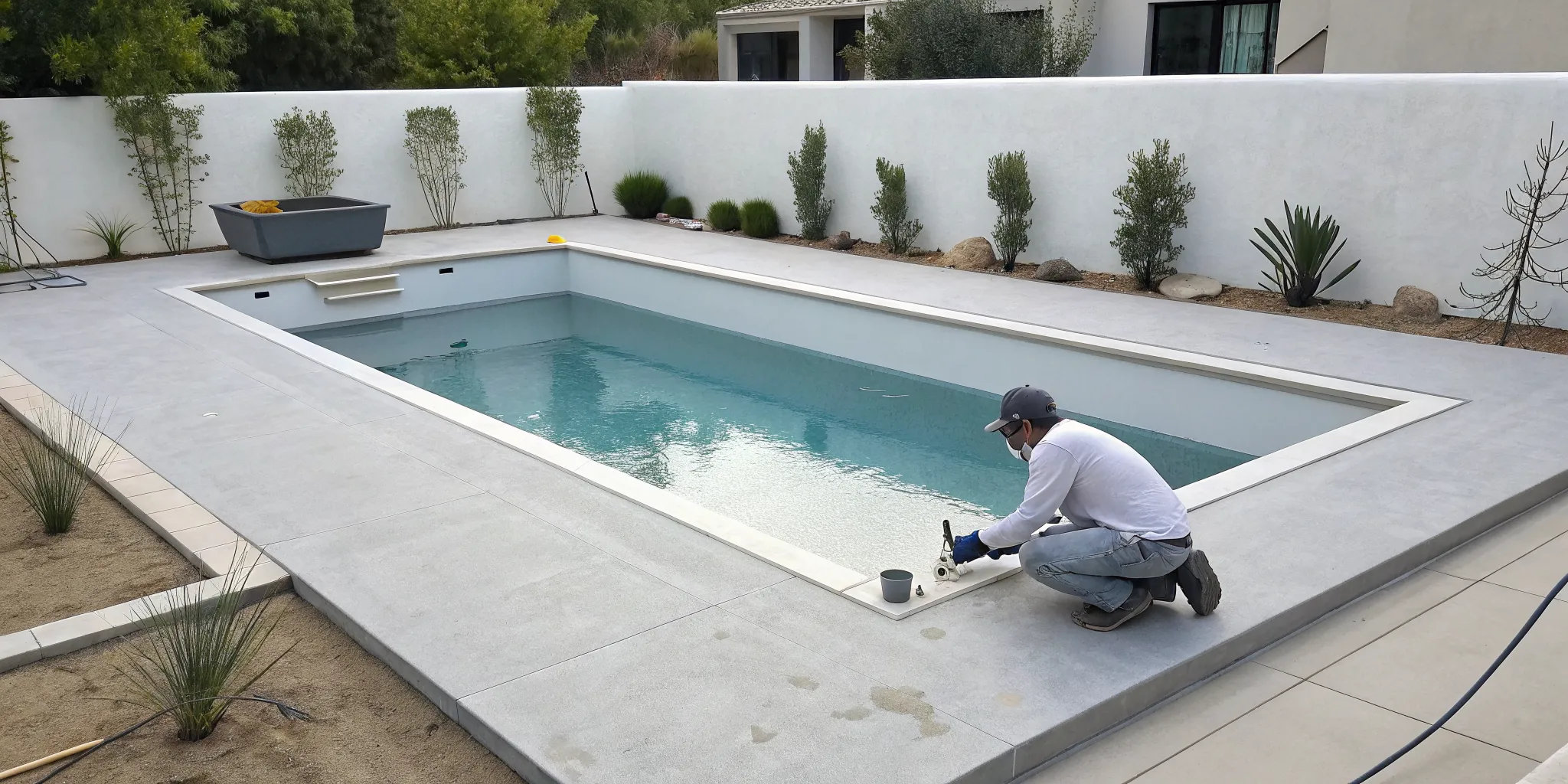
The starting point for any replastering project is the current state of your pool’s surface. If your existing plaster is just a bit worn but otherwise in good shape, the prep work is relatively straightforward. However, if there are significant issues like deep cracks, hollow spots where the plaster has separated from the shell, or widespread staining, more intensive preparation is required. These problems must be fixed before any new plaster is applied to ensure the new surface bonds correctly and lasts for years. A thorough inspection is the first step in any professional remodel or rehab project.
Choosing Your Plaster Finish
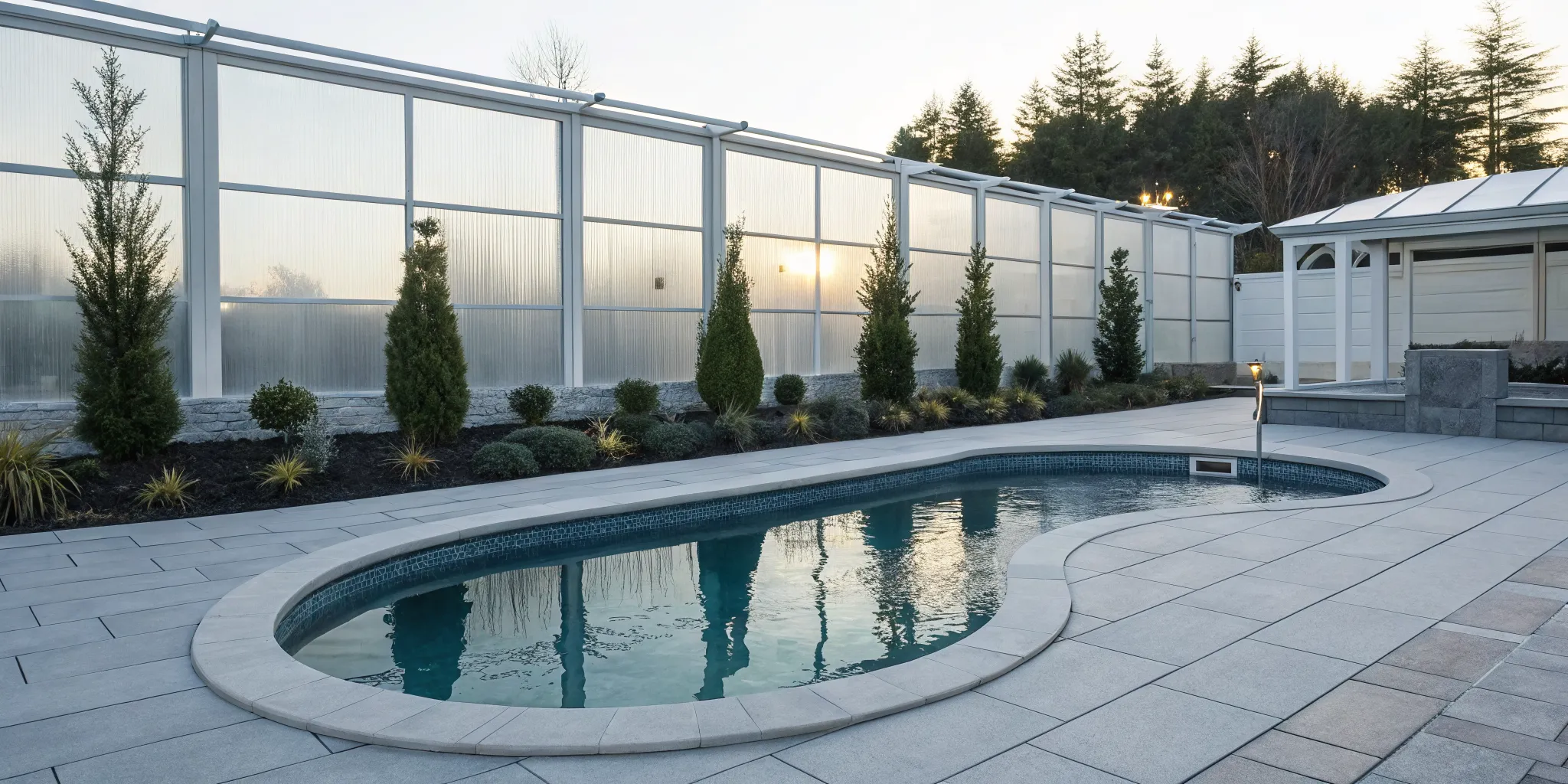
The material you choose for your new pool surface is one of the biggest factors in the overall expense. Standard white plaster is the most traditional and economical option. However, many homeowners are opting for aggregate finishes, which mix plaster with materials like quartz or pebbles. These upgraded surfaces are more durable and resistant to stains and chemical imbalances. They also offer a wider range of colors and textures. For instance, a quartz finish with blue flecks can give your water a richer, more vibrant hue than plain white plaster. While the initial outlay is higher, these premium finishes often have a longer lifespan, which can make them a great long-term investment.
Location and Local Labor
Where you live plays a significant role in your replastering project. Labor rates and material availability can vary quite a bit from one place to another. Here in Colorado, our local market conditions and climate considerations can influence the final quote. Working with a local, certified team ensures your project is handled by professionals who understand the specific challenges of our region, from our soil conditions to our weather patterns. Getting a detailed quote from a trusted local provider is the best way to understand the expected outlay for your specific area and pool.
Potential Repairs and Upgrades
Replastering offers a perfect opportunity to address other issues while your pool is already drained and prepped. It’s much easier to handle certain equipment repairs and servicing or cosmetic updates during this process. You might discover underlying leaks that need to be fixed or decide it’s time to replace cracked waterline tiles or worn-out coping. Addressing these items at the same time as your replastering is efficient and can prevent bigger problems later. While these additional repairs will add to the total, bundling them into one project is often more sensible than scheduling separate work down the line.
How to Know When Your Pool Needs Replastering
Your pool’s plaster is its protective layer, keeping the structure sound and the water contained. But over time, exposure to chemicals and Colorado's weather takes a toll. Recognizing the signs of wear is the key to preventing bigger issues and keeping your pool safe and inviting. Think of replastering not just as a repair, but as a refresh that extends the life of your pool. It’s a normal part of pool ownership, and knowing what to look for can save you from more extensive repairs later on.
How Often to Replaster Your Pool
As a general rule, most pools need to be replastered every 7 to 15 years. The exact lifespan of your pool's surface depends on the material and how well it’s been cared for. The single best way to maximize the life of your current finish is through a consistent routine. Proper cleaning and maintenance, especially keeping the water chemistry balanced, prevents the plaster from eroding too quickly. While you can’t stop natural wear, a solid care routine goes a long way in preserving your pool’s surface and pushing that replastering date further down the road.
Signs It's Time for a New Surface
Your pool will give you clear hints when it’s ready for a new coat. Keep an eye out for visual signs of aging and damage. You might notice stubborn stains from minerals or organic debris that no amount of scrubbing can remove. Look closely for cracks, from fine spiderweb patterns to more significant structural fractures. If you see spots where the plaster is flaking, chipping, or peeling away, that’s a definite red flag. These are all indicators that the surface is losing its integrity, and it may be time to consider your remodeling and rehab options.
Changes in Texture and Safety Issues
Beyond what you can see, pay attention to how the pool surface feels. A healthy plaster finish is smooth to the touch. If you run your hands or feet along the surface and it feels rough, sandy, or gritty, the plaster is breaking down. This isn't just uncomfortable; it can easily cause scrapes and cuts, which is a real safety concern. A rough, porous surface also creates the perfect environment for algae to grow, making it much harder to keep your water clean and balanced. A fresh plaster coat restores that smooth, comfortable finish, making your pool safer and more enjoyable.
What Other Costs Should You Budget For?
When you’re planning a pool replastering project, the new surface is the main event, but it’s not the only line item on your budget. Several other tasks are essential for a successful and long-lasting finish. Think of it like painting a room; you have to account for the prep work and the cleanup, not just the paint itself. Factoring in these additional steps from the start helps you get a complete picture of the investment and ensures there are no surprises along the way. From preparing the pool shell to getting the water just right, each step plays a vital role in the final outcome.
Draining, Cleaning, and Prep Work
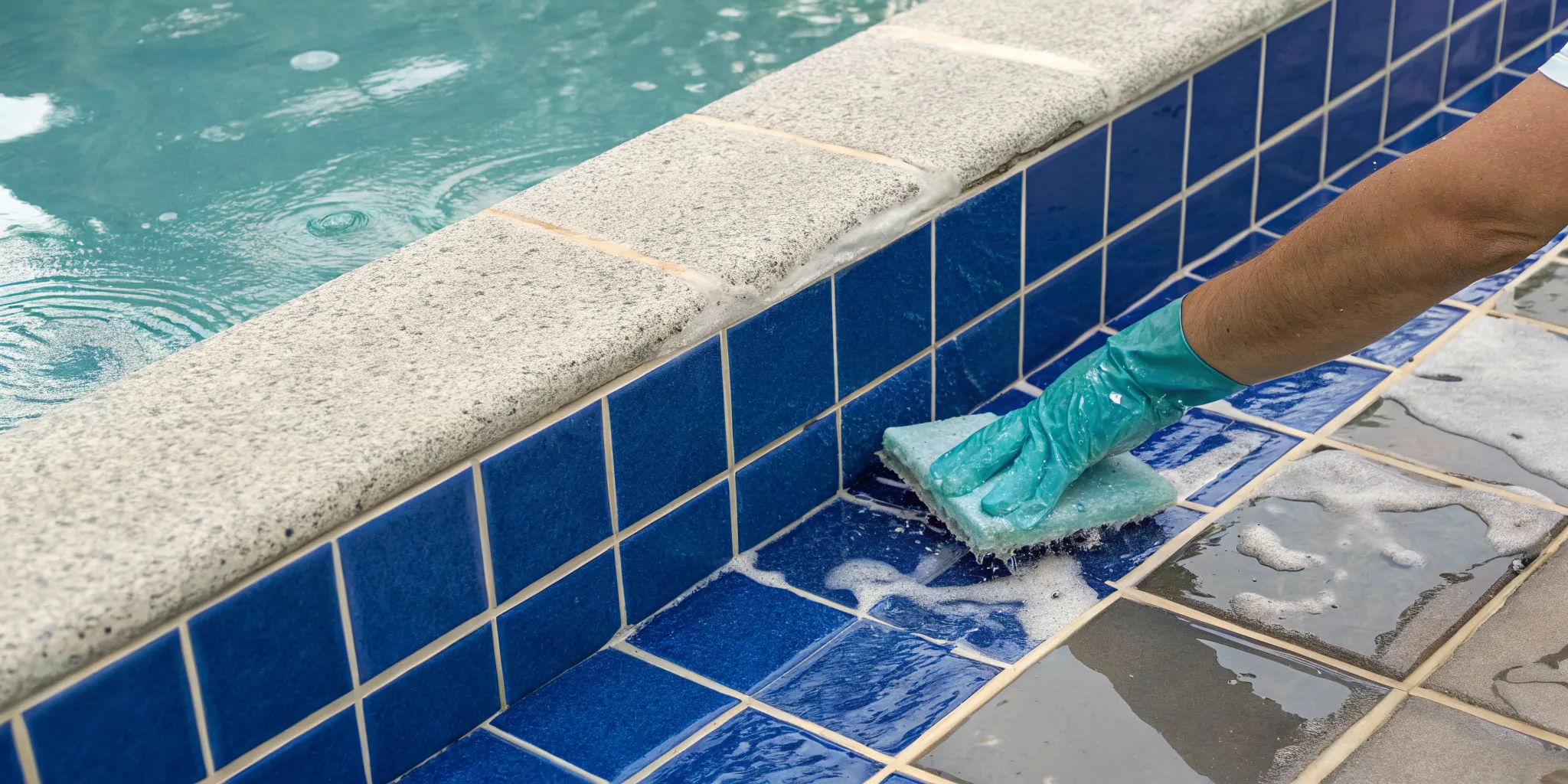
Before any new plaster can be applied, your pool needs to be completely drained and thoroughly cleaned. This isn't just a quick rinse; it's a critical preparation step that ensures the new surface will bond correctly to the pool shell. Any lingering debris, algae, or mineral deposits can compromise the finish. This prep work often involves an acid wash to create the perfect canvas for the new plaster. Budgeting for professional cleaning and maintenance at this stage is a must. According to industry reports, you can expect this part of the process to add around $600 to $650 to your total project.
Tile and Coping Repairs
While your pool is empty, it’s the perfect time to inspect your waterline tiles and coping, which is the stone or concrete edge around the pool. Are there any cracked tiles or crumbling sections? Addressing these issues now is much more efficient than waiting for them to become bigger problems. Damaged tiles or coping can detract from the look of your fresh plaster and can even lead to leaks. Including these fixes in your remodels and rehabs plan will give your pool a completely refreshed and cohesive look, ensuring every detail is perfect.
Equipment and Plumbing Updates
A major renovation like replastering offers a great opportunity to update other parts of your pool. Take a look at your equipment and plumbing components. Things like old drain covers, dated pool lights, or inefficient jets can all be replaced while the pool is drained and accessible. Upgrading to modern, energy-efficient equipment can improve your pool's safety and performance for years to come. While it adds to the upfront investment, handling these equipment repairs and servicing needs during the remodel is a smart move that saves you from draining the pool again later.
Refilling and Balancing Your Water
Once the new plaster has cured, the final step is to refill the pool and balance the water chemistry. This isn't as simple as just turning on a hose. The initial water balance is crucial for protecting your new plaster surface and helping it cure properly. You'll need the right supplies and chemicals to get the pH, alkalinity, and calcium hardness just right. The expense to refill can range from $40 to $400 if you use a hose, but for a faster fill, a water delivery service might run between $400 and $2,000. This final touch ensures your new pool surface stays beautiful for years.
Frequently Asked Questions
How long does a pool replastering project usually take? Most replastering projects can be completed in about five to seven days, depending on the weather and the scope of the work. The process involves several stages, including draining the pool, preparing the surface, applying the new plaster, and allowing it to cure properly before refilling. If your project includes additional work like tile replacement or equipment updates, it might take a little longer.
Is it worth paying more for an aggregate finish like quartz or pebble? While standard white plaster is a classic choice, upgrading to an aggregate finish is often a smart long-term investment. These materials are significantly more durable and resistant to stains and chemical wear than traditional plaster. They also come in a variety of colors and textures that can give your pool a more custom look. Although the initial outlay is higher, the extended lifespan and reduced maintenance can make it a worthwhile choice.
What are the biggest factors that can make my project more expensive? Three main things tend to have the biggest impact on the final amount. First is the current condition of your pool; if there's significant damage like deep cracks or hollow spots, the prep work will be more intensive. Second is your choice of finish, as premium materials like pebble and quartz cost more than standard plaster. Finally, deciding to bundle in other repairs, such as replacing old tile or updating your pool lights, will also add to the total.
Can I just patch the cracks instead of replastering the whole pool? Patching can be a temporary solution for a minor crack, but it doesn't solve the problem of an aging surface. Think of it like patching a tire; it might get you a little further, but it isn't a permanent fix. A full replaster provides a seamless, uniform, and watertight surface that protects your pool's structure. Patching often results in a mismatched appearance and can't stop the rest of the old plaster from continuing to degrade.
How do I take care of my new plaster surface after the project is done? Proper care during the first month is critical for helping your new plaster cure correctly. This involves carefully balancing the water chemistry and brushing the surface daily to remove plaster dust. After that initial period, the best way to protect your investment is with consistent, professional cleaning and maintenance. Keeping your water chemistry balanced will prevent staining and scaling, ensuring your beautiful new finish lasts for years.
Related Blogs