%201.png)
How to Do a Pool Opening: A Step-by-Step Guide
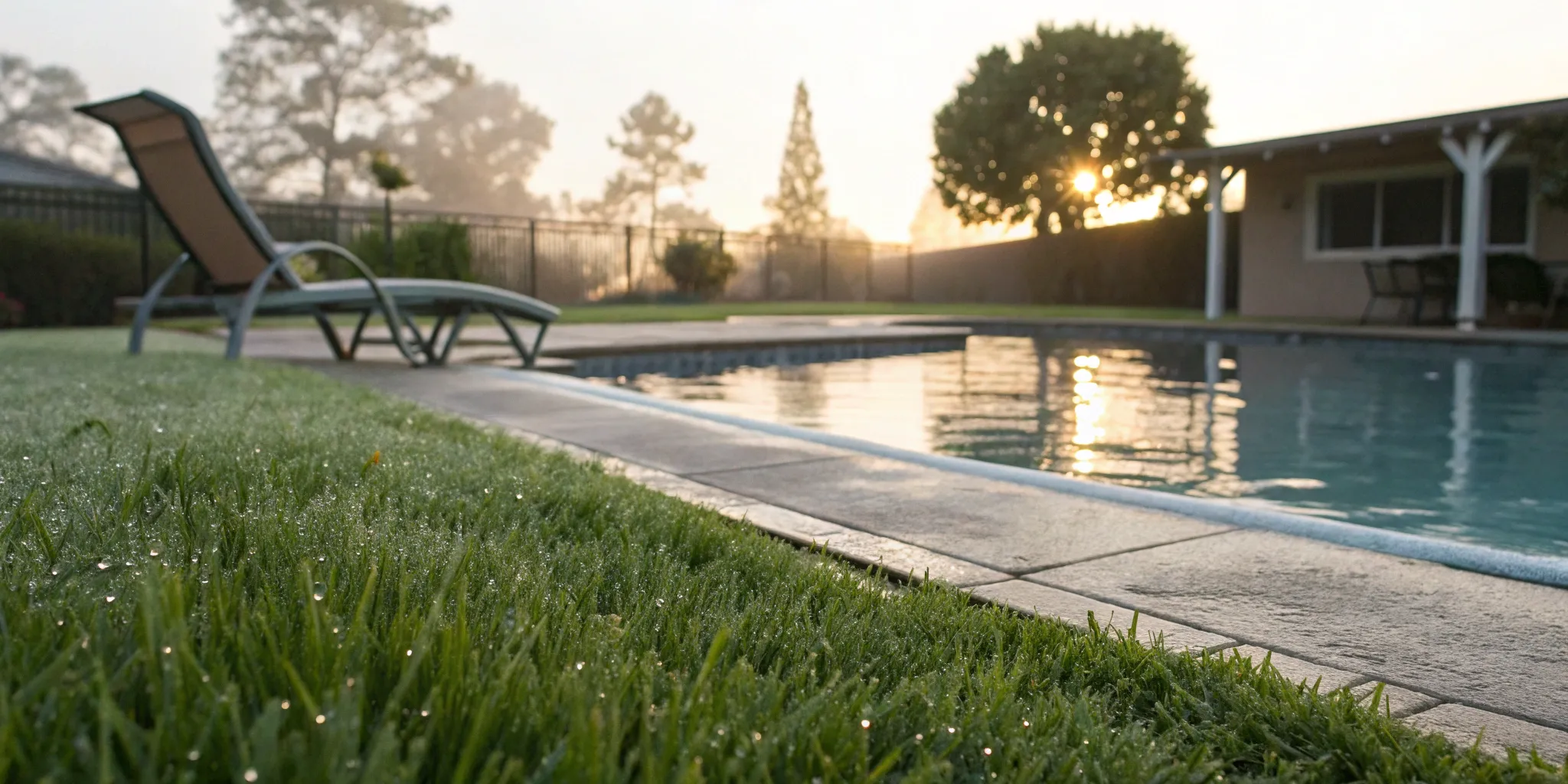
Here in Colorado, our pools face unique challenges. The long, cold winters and intense sun at high altitude mean our pool opening process requires a bit of extra care. When you finally pull back that cover, you need a plan that accounts for our specific climate. This isn’t just about getting the water clear; it’s about setting your pool up to handle the strong UV rays and potential pH swings that come with a Front Range summer. This guide is designed specifically for Colorado pool owners, providing a step-by-step walkthrough for a successful pool opening that protects your equipment and ensures your water chemistry is perfectly balanced for our environment.
Key Takeaways
- A successful opening starts outside the pool: Before you focus on the water, complete the physical prep work. This means properly cleaning and storing your cover, inspecting all your equipment for winter damage, and clearing debris from the pool and deck to prevent immediate contamination.
- Water chemistry has a specific order of operations: For chemicals to work effectively, you must add them in the correct sequence. Always test your water first, then adjust total alkalinity to stabilize your pH. Only after those are balanced should you shock the pool to sanitize it.
- Consistent upkeep is the secret to clear water: Opening your pool is just the beginning. A simple weekly routine—running your pump daily, skimming and brushing the pool, and regularly testing your water—is the best way to prevent problems and keep your pool swim-ready all season.
How to Prepare Your Pool for Opening
After a long winter, getting your pool ready for summer is an exciting process. Taking the right steps now sets you up for a season of clear water and smooth operation. This initial prep work involves cleaning your cover, inspecting your gear, and getting the water level just right. Think of it as waking your pool up from its winter nap. By handling these tasks methodically, you can prevent future headaches and get straight to the fun part: swimming. Let’s walk through exactly what you need to do to prepare your pool for a perfect opening day.
Clean and Store Your Pool Cover
First things first, let's get that cover off and stored correctly. Start by using a submersible pump or a simple bucket to remove any standing water from the top. Then, sweep away leaves and debris before you begin to remove it—this keeps as much gunk as possible from falling into your pool. Once the cover is off, lay it out on a clean, flat surface and give it a good scrub with a cover cleaner and a soft brush. Rinsing it thoroughly and letting it dry completely is key to preventing mold and mildew. Fold it up and store it in a sealed, dry container away from sunlight and pests to keep it in great shape for next fall.
Inspect and Reconnect Your Equipment
Before you flip any switches, it’s time for a quick equipment check-up. Winter in Colorado can be tough on pool gear, so look closely for any cracks or damage on your pump, filter, and heater. Remove all the winterizing plugs from the skimmer and return lines, and reconnect your hoses and equipment. Make sure all the drain plugs are securely back in the pump and filter system. If you notice any wear and tear that looks concerning, it’s much easier to handle it now than in the middle of July. For any issues that seem beyond a simple fix, scheduling a professional equipment repair can save you time and prevent bigger problems down the road.
Clear Debris from the Pool and Deck
With the cover off, you’ll likely see a collection of leaves and other debris that made its way into the pool over the winter. Use a long-handled skimmer net to scoop out as much of the large debris as you can from the water’s surface and the pool floor. Don’t worry about getting every tiny particle just yet; the goal here is to remove the big stuff that can clog your filter system later. While you’re at it, give your pool deck a good sweep or rinse. This prevents dirt and leaves from immediately blowing or getting tracked back into the pool once you start filling it. A little cleanup now makes ongoing pool maintenance much easier.
Fill Your Pool to the Right Level
Now it’s time to bring the water level back up. Grab your garden hose and start filling the pool until the water reaches the halfway point of the skimmer opening. This is the sweet spot for your equipment to function correctly, allowing for proper circulation and filtration without drawing in air. As the pool fills, keep an eye on the water line. This is also a good opportunity to visually inspect the pool liner or surface for any potential leaks or cracks that might have formed over the winter. If you spot something that looks like it needs more than a simple patch, it might be time to consider a professional pool rehabilitation.
Check Your Filter and Circulation System
This is the final checkpoint before you power everything on. Double-check that all your valves are set to their normal operational settings. If you have a cartridge filter, make sure the cartridge is clean and properly seated. For sand or D.E. filters, ensure the multiport valve is set to "Filter." Before you turn on the pump, you'll need to prime it by filling the pump basket with water. Once you turn the system on, listen for any unusual noises and check the filter’s pressure gauge. The initial reading will be your "clean" pressure baseline for the season. If anything seems off, it’s best to shut the system down and troubleshoot or call for professional service.
How to Safely Add Pool Opening Chemicals
Once your pool is clean and the equipment is running, it’s time to focus on the water chemistry. This part might seem intimidating, but it’s a straightforward process if you follow the steps in the right order. Think of it like baking—you can’t just throw all the ingredients in at once and expect a perfect cake. The key is to add chemicals methodically, allowing each one to do its job before moving to the next. This ensures your water is not only sparkling clean but also safe and comfortable for swimmers.
Getting your water balanced correctly from the start sets the stage for an entire season of easier maintenance. A proper chemical startup protects your pool surfaces and equipment from damage and prevents frustrating issues like algae blooms from taking hold. If you ever feel overwhelmed by the chemistry, remember that our team is always here to help with professional cleaning and maintenance to get your pool swim-ready without the guesswork.
Start by Testing Your Water
Before adding any chemicals, you need a baseline. You can’t fix what you don’t measure, so the first step is always to test your pool water. Use a reliable water test kit or test strips to get an accurate reading of the key chemical levels. You’ll want to check the total alkalinity, pH, calcium hardness, and any existing sanitizer levels. This initial test tells you exactly what your water needs after a long winter. Write down your results so you can track your adjustments and see how the water chemistry changes as you add each product. This simple step saves you time, money, and the frustration of adding the wrong chemicals.
Balance Alkalinity, Then pH
Always adjust your total alkalinity before you touch the pH. Think of alkalinity as the anchor for your pH; it helps prevent wild swings in pH levels, making the water much easier to balance. The ideal range for total alkalinity is typically between 80 and 120 parts per million (ppm). Once your alkalinity is stable and within that range, you can move on to adjusting the pH. Aim for a pH level between 7.4 and 7.6. This slightly alkaline state is not only comfortable for swimmers’ eyes and skin but also ensures your chlorine works at maximum efficiency. Getting these two levels right is the foundation for clear, stable water.
Shock Your Pool Correctly
After a long winter hibernation, your pool water needs a strong dose of chlorine to eliminate any bacteria, algae spores, and other contaminants that have accumulated. This process is called "shocking" the pool. It’s essential to follow the package directions on your pool shock, but a general rule of thumb is to use about two gallons of liquid shock for every 10,000 gallons of water. Add the shock in the evening to prevent the sun's UV rays from burning it off too quickly. After adding it, let your filter run for at least six to eight hours to ensure the shock is fully circulated throughout the pool.
Add Sanitizer and Algaecide
With the initial contaminants gone, it’s time to add your preventative chemicals. First, establish a stable sanitizer level—this is the chlorine or bromine that will keep your pool clean on a daily basis. Next, add an algaecide to prevent future algae growth. Here’s a pro tip: wait until your high chlorine level from the shock has dropped below 3.0 ppm before adding the algaecide. High chlorine concentrations can break down the algaecide, making it ineffective. By waiting for the chlorine to settle, you ensure the algaecide can do its job properly, keeping your pool clear and algae-free all summer long.
Follow Chemical Safety Guidelines
Working with pool chemicals requires care and attention. Always wear protective gear, including gloves and safety glasses, as these substances can be harsh on your skin and eyes. Read every product label carefully and follow the instructions precisely. One of the most important rules is to never mix different chemicals together before adding them to the pool, as this can create a dangerous chemical reaction. Always add chemicals to the water, not the other way around, to avoid splashing. If you’re ever unsure about handling products, our team can provide professional guidance and supplies and chemicals to ensure your pool is treated safely and effectively.
How to Test and Balance Your Pool Water
Once your pool is clean and full, it’s tempting to jump right to the shock treatment. But hold on—testing and balancing your water first is a non-negotiable step. If your water chemistry is off, the shock won’t be nearly as effective, and you’ll be fighting a losing battle against cloudy water and algae from the start. Getting your levels right creates the perfect foundation for a clear and healthy pool all season long.
Think of it like baking: you wouldn’t just throw ingredients in a bowl without measuring. The same principle applies here. Taking a little time to test and adjust now saves you a lot of time, money, and frustration later.
Choose the Right Water Testing Method
To get started, you’ll need to check your pool's current chemical levels. You can do this with a simple water test kit or test strips. Test strips are quick and easy—just dip one in the water and compare the colors to the chart on the bottle. Liquid test kits are a bit more involved but often give a more precise reading. Whichever you choose, make sure it’s fresh, as old kits can give inaccurate results. For the most accurate analysis, you can also bring a water sample to a local pool professional. We have all the supplies and chemicals you need to get the job done right.
Adjusting for Colorado's High Altitude
Living in Colorado means we have to account for a few extra things, and our high altitude is one of them. The thinner air and intense sun can cause your pool’s pH levels to rise more quickly and chemicals to evaporate faster. This makes regular testing even more important. Don’t be surprised if you need to adjust your pH and chlorine levels more frequently than a pool owner at sea level. Staying on top of your water balance is the key to managing the unique environmental challenges we face here along the Front Range.
Follow a Step-by-Step Balancing Process
Balancing your water chemistry should always follow a specific order for the best results. Start with total alkalinity, as it helps stabilize your pH. Adjust it first. Next, move on to the pH level. Once your alkalinity and pH are in their ideal ranges, you can adjust your calcium hardness. Following this sequence prevents you from having to backtrack and re-adjust levels. If you find the process confusing or just want to be sure it's done correctly, our cleaning and maintenance services can handle the balancing for you.
Know When to Retest and Adjust
Water chemistry isn't a "set it and forget it" task. After you add any balancing chemicals, wait a few hours with the pump running, then test the water again to see if the levels are where they need to be. You’ll want to continue testing your water regularly—at least once a week—throughout the season. It’s also a good idea to test after heavy rain, a pool party with lots of swimmers, or any time you notice the water looking a little off. Consistent testing is the best way to catch minor imbalances before they become major problems.
Troubleshoot Common Opening Issues
Sometimes, even after adding chemicals, you might face issues like cloudy water or lingering algae. Before adding more chemicals, give the pool a good manual cleaning. Brush the walls and floor, then vacuum any sediment from the bottom. This physical removal of debris can make a huge difference and allow your chemicals to work more effectively. If you’ve balanced the water and cleaned the pool but are still having trouble, it could point to an issue with your filter or pump. Persistent problems may require professional equipment repairs and servicing to get your system running smoothly.
How to Maintain Your Pool After Opening
You’ve successfully opened your pool, and the water is sparkling. Now, the goal is to keep it that way all season long. Consistent upkeep is the secret to a healthy, swim-ready pool, and it prevents small issues from turning into costly, time-consuming problems. Think of it as a simple weekly rhythm that ensures your pool remains a perfect backyard escape. A little effort each week goes a long way in protecting your investment and guaranteeing clear water for every sunny day. If you find yourself short on time, a professional cleaning and maintenance plan can handle all of this for you. By following a straightforward routine, you can spend less time working on your pool and more time enjoying it.
Run Your Pump and Filter Daily
Your pool's pump and filter are its heart and lungs, responsible for circulating water and removing impurities. To keep your water clean and clear, you need to run your pump for at least four to eight hours every day. It’s most effective to run it during the hottest part of the day when the sun is strongest, as this helps fight off potential algae growth. Running it for a few hours at night can also help you save on energy costs. Proper circulation is your first line of defense against cloudy water, ensuring that chemicals are evenly distributed and that debris gets captured by the filter. Setting a timer can make this a hands-off task, so you never have to second-guess if your pool is getting the circulation it needs.
Stick to a Weekly Cleaning Schedule
A consistent cleaning routine is essential for keeping your pool pristine. At least once a week, you should skim the surface to remove leaves, bugs, and other floating debris before they sink and decay. Next, brush the walls, steps, and floor to dislodge any stubborn dirt or algae that might be clinging to the surfaces. After brushing, vacuum the pool floor to pick up all the loosened particles and any other sediment that has settled. This three-step process—skim, brush, vacuum—is a non-negotiable part of pool care. It prevents buildup, reduces the strain on your filter, and keeps the water looking and feeling fresh. This weekly habit is the key to maintaining an inviting swimming environment all summer.
Perform Regular Equipment Checks
Keeping an eye on your pool equipment can help you catch problems before they escalate. Once a week, do a quick visual inspection of your pump, filter, and heater. Look for any leaks, listen for unusual noises like grinding or whining, and check the filter’s pressure gauge. A reading that’s 10 PSI or more above its normal "clean" level indicates it's time to clean or backwash the filter. You should also check your skimmer and pump baskets weekly, emptying them as needed to ensure strong water flow. Catching a small drip or a worn-out part early can save you from a major headache and a more expensive fix down the line. If you notice anything amiss, it’s always best to schedule professional equipment repairs and servicing.
Avoid These Common Pool Opening Mistakes
Once your pool is open, a few common missteps can quickly undo all your hard work. One major mistake is shocking the pool during the day; the sun's UV rays burn off chlorine, making your shock treatment far less effective. Always shock your pool at dusk or overnight. Another pitfall is relying solely on an automatic cleaner to handle an algae problem. These cleaners are great for maintenance, but you need to manually brush and vacuum the pool to effectively remove a significant algae bloom. Finally, don’t forget to keep up with your weekly water testing and chemical balancing. Adding chemicals once at the beginning of the season isn't enough. Consistent testing ensures your water remains safe, comfortable, and clear. Having the right supplies and chemicals on hand makes it easy to stay on top of your routine.
Frequently Asked Questions
Why is my pool still cloudy after I followed all the opening steps? Cloudy water after opening is very common, so don't worry. It's usually caused by tiny, suspended particles that are too small for your filter to catch easily or a chemical imbalance that's still settling. The best first step is to let your filter run continuously for 24 to 48 hours. You should also double-check your pH and chlorine levels, as an imbalance can prevent your sanitizer from working effectively. If the cloudiness persists, a water clarifier can help clump those tiny particles together so your filter can finally grab them.
How long should I run my pool pump each day, and does it really matter? Yes, it absolutely matters. Your pump is the heart of your pool's circulation system, and running it is essential for keeping the water clean and safe. A good rule of thumb is to run it for at least four to eight hours every day. This ensures that all the water in your pool passes through the filter at least once, which removes debris and helps distribute chemicals evenly. Skimping on pump time is one of the fastest ways to end up with cloudy water or an algae bloom, so it's a non-negotiable part of daily maintenance.
My pool has a strong chemical smell. Does that mean I have too much chlorine? It's a common misconception, but that strong "chlorine" smell usually means the opposite. The odor is typically caused by chloramines, which are compounds that form when chlorine combines with contaminants like sweat and oils from swimmers. This means the chlorine has been used up and is no longer effectively sanitizing your pool. The solution is actually to shock the pool, which breaks down the chloramines and restores your water to a clean, fresh state.
What's the most important thing to remember when adding chemicals? The two most critical rules are to follow the correct order and to never mix chemicals. Always balance your total alkalinity first, then your pH, and then add your sanitizer. Adjusting alkalinity first creates a stable foundation that keeps your pH from swinging wildly. Just as important, never mix different pool chemicals together before adding them to the water. This can create a dangerous chemical reaction. Always add each chemical to the pool water separately, following the instructions on the label.
I live in Colorado. Is there anything special I need to do for my pool? Pool care in Colorado does have its unique challenges, primarily due to our high altitude and intense sun. The sun's strong UV rays can burn off chlorine more quickly, so you'll need to test and adjust your sanitizer levels more frequently. Our environment can also cause the pH to rise faster than in other regions. Staying on top of your weekly water testing is the best way to manage these factors and keep your water balanced and clear all season long.
Related Blogs