%201.png)
Pool Automation System Installation: A Simple Guide
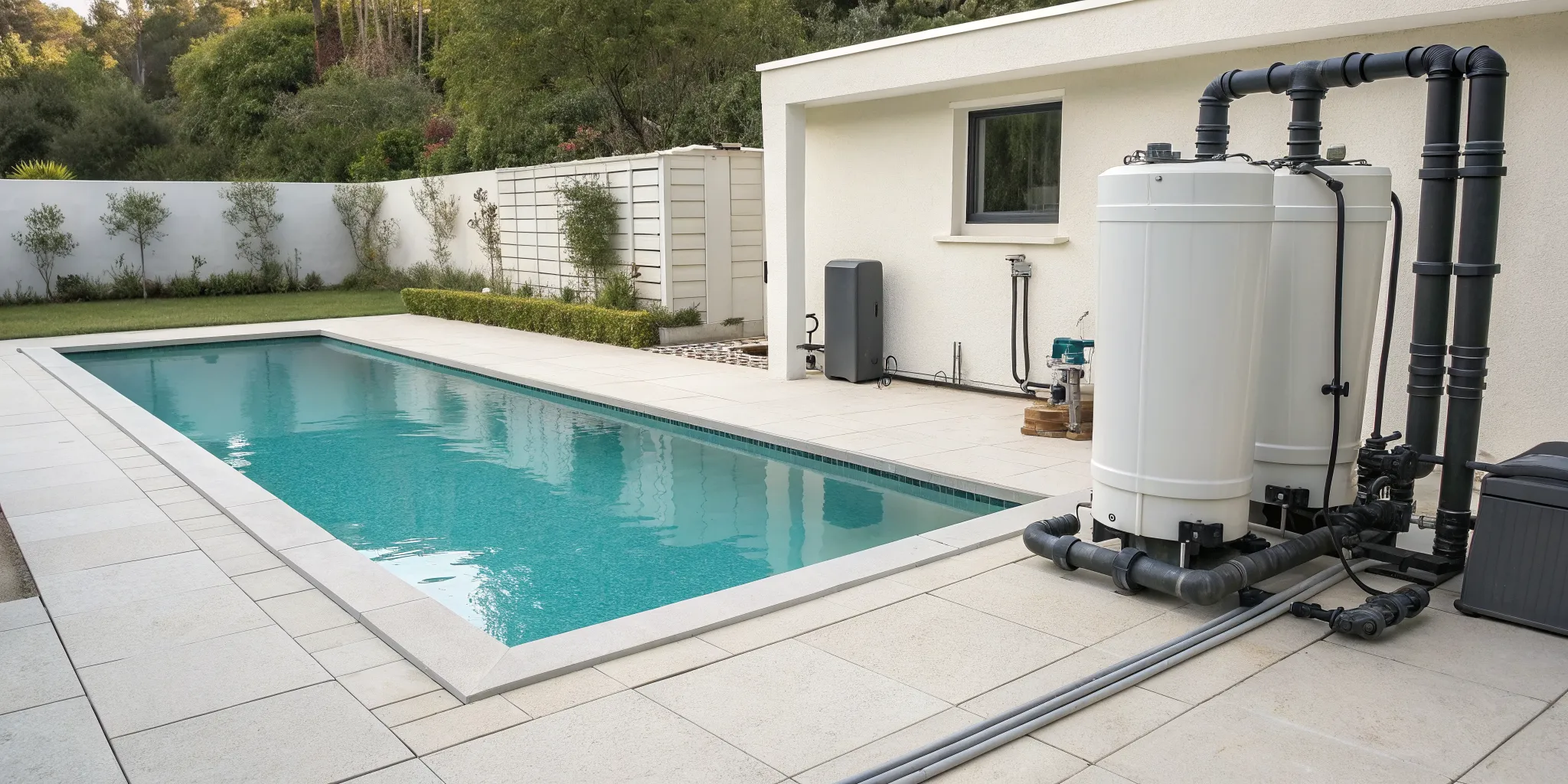
A pool is one of the most significant investments you can make in your home, and protecting it is key. An automation system is more than just a convenient gadget; it’s a smart tool for preserving your equipment and saving money. By optimizing when and how your pump and heater run, it reduces energy consumption and minimizes wear and tear, preventing costly repairs down the road. It also maintains precise water chemistry, protecting your pool’s surfaces from damage. In this article, we’ll cover how a professional pool automation system installation is a strategic upgrade that protects your investment for years to come.
Key Takeaways
- Manage Your Pool from Your Phone: An automation system connects your equipment to a user-friendly app, giving you the power to adjust the heater, schedule the pump, and control lights from anywhere.
- Lower Costs and Protect Your Equipment: By optimizing run times, an automated system reduces energy consumption and minimizes wear and tear. It also keeps water chemistry balanced, preventing issues that can lead to expensive repairs.
- Rely on a Pro for Installation: These systems require specialized electrical and plumbing knowledge; professional installation is the smartest way to ensure your system is set up safely, works correctly, and keeps your manufacturer's warranty intact.
What Is a Pool Automation System?
Think of a pool automation system as the universal remote for your entire pool and spa environment. It’s a smart hub that connects all your essential equipment, giving you complete control from a single, easy-to-use interface. Instead of walking out to your equipment pad to manually flip switches or turn dials, you can manage everything from an app on your smartphone or a sleek wall-mounted panel. Imagine turning on your spa heater on your drive home from the mountains, scheduling your pump to run during more energy-efficient hours, or changing your pool light colors for a party, all with just a few taps.
This technology brings modern convenience to pool ownership, taking the guesswork and daily chores out of the equation. It streamlines everything from filtration cycles to chemical balancing, ensuring your pool is always ready when you are. Whether you have a simple setup or a complex backyard oasis with water features and custom lighting, an automation system can be tailored to your needs. It’s a popular upgrade for homeowners in Colorado looking to simplify their routine and get more enjoyment out of their investment. Our team often handles these installations as part of our equipment repairs and servicing, helping you bring your pool into the modern age.
The Brains Behind the Operation: Core Components
At the heart of every pool automation system is a central control hub. This is the "brain" that communicates with all of your pool's equipment. It’s physically wired to your pump, heater, chlorinator, lights, and any other features you have. This hub acts as the command center, receiving instructions from your phone or control panel and sending them to the right piece of equipment. For all the wireless magic to happen, the system also needs a stable internet connection. This allows the hub to connect to your home’s Wi-Fi, giving you the freedom to control your pool from anywhere. The installation involves careful planning and wiring to ensure every component works together seamlessly, which is why it’s a key part of many pool remodels and rehabs.
Control Your Pool From Anywhere: Smart Features
Just like smart home devices have made our lives easier indoors, pool automation brings that same convenience to your backyard. The biggest advantage is the ability to manage your pool from virtually anywhere. Whether you're at the office, on vacation, or just relaxing on the couch, you can check your water temperature, adjust cleaning schedules, or turn on the spa jets right from an app. Many systems even integrate with voice assistants like Alexa or Siri, so you can simply say, "Turn on the spa." This level of control is a game-changer for busy homeowners, property managers, or anyone with a vacation home in Colorado. It ensures your pool and spa services are always perfectly maintained and ready for you to enjoy.
Why Automate Your Pool?
Automating your pool is one of the most practical upgrades you can make. Think of it as giving your pool a brain. Instead of constantly checking settings and running out to the equipment pad, an automation system handles the routine tasks. This means less time on maintenance and more time enjoying a swim. It’s about making pool ownership simpler and more efficient, especially with Colorado's unpredictable weather. From saving money on utility bills to ensuring the water is always perfectly balanced, the benefits are clear. An automated system streamlines your pool care, giving you peace of mind and a consistently swim-ready pool.
Save Time with Remote Access
Imagine adjusting your pool’s temperature from your couch or turning on the spa jets on your way home from a hike. That’s the convenience of pool automation. Like other smart home devices, it puts complete control in your hand through a smartphone app. You can manage your pump, heater, lights, and water features from anywhere with an internet connection. This remote access eliminates the daily chore of manually adjusting equipment. It simplifies your cleaning and maintenance routine and gives you back valuable time, so your pool is always ready when you are.
Use Less Energy and Protect Your Equipment
An automated system is not just smart, it's also incredibly efficient. It optimizes how and when your equipment runs, which can significantly lower your energy consumption. By programming your pump to run at lower speeds during off-peak hours, you could cut its energy use by as much as 70%. This translates directly into savings on your utility bills. Plus, by ensuring your equipment operates only when needed, automation reduces wear and tear. This extends the life of your pump and heater, meaning fewer unexpected breakdowns and costly repairs.
Keep Your Water Perfectly Balanced
One of the biggest challenges of pool ownership is maintaining water chemistry. An automation system takes the guesswork out of this crucial task. Automated chemical dispensers monitor your water and release the precise amount of sanitizer and pH balancers needed to keep it clean and safe. This consistent management helps prevent issues like cloudy water or algae blooms, so you don't have to deal with emergency cleanups. You'll still need quality supplies and chemicals, but the system ensures they are used effectively, giving you crystal-clear water without constant manual testing.
How Is a Pool Automation System Installed?
Getting a pool automation system up and running involves a few key steps. While it’s a job best left to the pros, knowing what to expect can make the process feel much more straightforward. A professional installation ensures everything is connected safely and programmed correctly, so you can start enjoying your smart pool right away. Here’s a look at how our certified technicians handle the installation from start to finish.
Planning and System Matching
The first step is a thorough assessment of your current pool setup. A technician will take a close look at your existing equipment, including your pump, filter, and heater, to confirm compatibility with the new automation system. This is also the perfect time to identify any older components that might be due for an upgrade. Swapping out an old pump for a modern, energy-efficient model during the installation can save you money on utility bills down the road. Our team can help you identify the best options for your pool during our initial equipment inspection.
Setting Up the Hardware and Wiring
Next comes the installation of the main control box, which acts as the brain of your entire system. This unit is typically mounted in a dry, protected, and easily accessible location near your pool equipment. This part of the process requires specialized electrical work to safely connect the controller to your home’s power and to each piece of pool equipment. Modern systems are designed to integrate smoothly with existing electrical panels, which simplifies the wiring process for a trained professional. It’s a detailed job that ensures your system has a reliable foundation to operate from.
Connecting and Programming Your System
Once the control box is in place, it’s time to connect everything. Each piece of equipment, from the lights and pump to the heater and water features, is wired into the controller. The technician then programs them to work together seamlessly. After the hardware is connected, the system is linked to your home’s Wi-Fi network. This allows you to download the companion app on your smartphone or tablet and begin customizing your settings. You can start creating schedules for your pump, adjusting the temperature, and controlling your lights with just a few taps.
Testing, Calibrating, and a Quick Walkthrough
Before the job is done, the installer runs a complete diagnostic test on the entire system. They’ll check every function to make sure your commands are being received and executed correctly, catching any potential issues before they become a problem. Finally, you’ll get a personal walkthrough of your new system. Your technician will show you how to use the app, set up schedules, and understand system alerts. This quick training session ensures you feel confident managing your pool’s new features and know who to call for ongoing pool maintenance and support.
How to Choose the Right Automation System
Picking the right pool automation system feels a lot like choosing any other piece of smart home technology. It’s all about finding the perfect match for your equipment, your lifestyle, and your budget. You don’t need to be a tech wizard to figure it out, but it helps to know what to look for. By focusing on compatibility, your specific needs, and a few key technical details, you can find a system that makes pool ownership simpler and more enjoyable.
Must-Have Features and Compatibility
The first step is to make sure a new automation system can communicate with your existing pool equipment. Think of it as a compatibility check. Your pump, heater, and filter need to be able to "talk" to the new control panel. Some systems are designed with broad equipment compatibility in mind, making them a great option for retrofitting older pools.
From there, consider what you want to control. Do you just need basic on/off scheduling for your pump and lights? Or are you looking for advanced features like controlling water features, adjusting heater temperatures from your phone, or managing chemical levels automatically? Having a clear idea of your must-haves will help you narrow down the options and find a system that fits your goals.
Finding the Right Fit for Your Pool and Needs
Every pool is unique, and your automation system should be too. A professional can take a look at your current setup and help you find a system that works seamlessly. During an assessment, they can also spot opportunities for upgrades. For instance, replacing an older, single-speed pump with a modern, variable-speed model can lead to significant energy savings down the line, and it’s a perfect project to tackle during an automation install.
Think about all the tasks you’d love to hand over to an automated system. You can automate nearly everything, including your pump schedules, lighting themes, heating, and even chemical balancing. If you have a spa, you can get it heated and ready to go with a tap on your phone before you even get home. Our team can help you explore all the possibilities, from simple equipment repairs and servicing to full system integrations.
Checking Wi-Fi and App Usability
For your system to work remotely, it needs a stable internet connection. Before you commit to a system, check the Wi-Fi signal strength near your pool equipment pad. A weak or unreliable signal can cause frustrating connection issues. Most modern systems rely on a strong home internet connection to keep you connected to your pool, so you may need to install a Wi-Fi extender if your signal is weak in that area.
Finally, don’t forget about the user interface. You’ll be interacting with your pool through a smartphone app, so it should be intuitive and easy to use. Look up the app in the app store, read reviews, and see what other users are saying. A system with a clunky or confusing app can turn a convenient tool into a daily headache. The goal is to simplify your life, and a well-designed app is a huge part of that.
DIY vs. Professional Installation: What's the Best Choice?
When you install a pool automation system, you face a key choice: do it yourself or hire a professional? While the DIY route seems like a way to save money, these systems involve a complex mix of high-voltage electricity, plumbing, and sensitive technology. An incorrect setup can lead to expensive damage, voided warranties, or serious safety hazards. The right decision weighs initial cost against long-term performance and safety. Let’s break down the benefits of professional installation and the risks of going it alone.
The Benefits of Hiring a Pro
Hiring a professional for your pool automation installation ensures the job is done right the first time. A certified technician has the expertise to wire every component correctly and calibrate the system for your specific pool, preventing frustrating glitches and future malfunctions. Since the process involves both water and electricity, safety is the top priority. Professionals are trained to handle these installations safely, protecting your equipment, home, and family. Many manufacturers also require professional installation to keep the warranty valid, which is crucial for protecting your investment.
Understanding the Challenges of DIY
The appeal of a weekend project is strong, but pool automation systems are deceptively complex. The installation requires intricate electrical work and precise connections to your existing pool equipment, like pumps and heaters. One small mistake, such as miswiring a connection, could permanently damage the system’s main circuit board or the equipment it’s supposed to manage. This can quickly turn a money-saving project into a costly repair job. Beyond the financial risk, the potential for electrical shock is significant for anyone not trained in this specific work. For these reasons, it’s best to leave the installation to an expert.
Protecting Your System with Certified Technicians
Think of professional installation as the first and most important step in protecting your new automation system. Certified technicians have the specific training and experience needed to manage these complex setups, ensuring everything operates safely and at peak efficiency. Their expertise is also your key to maintaining full warranty coverage, which saves you from paying out-of-pocket for unexpected issues later on. When you work with a pro, you’re not just getting an installation; you’re getting the assurance that your system is set up for a long, reliable life. It’s the smartest way to enjoy your automated pool without the stress.
Keeping Your Automated Pool Running Smoothly
Your automated pool system makes life easier, but like any technology, it needs a little attention to perform its best. A few simple checks and knowing how to handle minor hiccups can keep everything running smoothly. It’s also important to recognize when a problem requires a professional touch to avoid bigger headaches. Here’s how you can care for your system and when to call for backup.
Simple System Checks and Updates
Think of this as a quick health check for your pool’s brain. Every few months, take a look at the control panel’s wiring for any corrosion or loose connections. Keeping the system’s software and your smartphone app updated is also key, as these updates often include performance improvements. Don’t forget to gently wipe down the control panel to keep dust from causing issues. These small steps are a simple part of a good pool maintenance routine and can prevent many common problems, ensuring your system is always ready when you are.
What to Do When Issues Arise
Even the best systems can have an off day. If you notice a problem, there are a few things you can try first. If the system loses its Wi-Fi connection, try restarting your home’s internet router. For an unresponsive system, double-check that all power connections are secure. Sometimes the issue is with the app itself. If it’s acting buggy, try deleting it from your phone and reinstalling it. These simple troubleshooting steps can often resolve minor glitches and get you back in control quickly without needing to make a service call.
When to Call for Professional Support
While basic troubleshooting is fine, some issues are best left to the experts. Pool automation involves complex electrical wiring, and trying to fix it yourself can be dangerous or damage your equipment. If you’re dealing with persistent connection problems, error codes you don’t recognize, or any issue involving the control panel’s internal components, it’s time to call a professional. Our certified technicians are trained to handle these systems safely. Getting professional equipment repairs ensures the job is done right, protecting your investment and giving you peace of mind.
Frequently Asked Questions
Can I add an automation system to my existing pool? Absolutely. Most pool automation systems are designed to be retrofitted onto existing pools, so you don't need a brand-new setup to enjoy the benefits. It's a popular upgrade we handle for homeowners across Colorado who want to modernize their current pool. During the initial assessment, a technician can confirm compatibility with your equipment and see if any components, like an older pump, could be updated at the same time for even better performance.
Do I need to replace all my current pool equipment to install an automation system? Not usually. Many modern automation systems are built to work with a wide range of equipment brands and models. A professional can assess your pump, heater, and filter to ensure they can communicate with the new controller. However, installing an automation system is a great opportunity to replace any outdated or inefficient equipment, which can lead to greater energy savings and a more streamlined setup.
What happens if my Wi-Fi or power goes out? If your power goes out, the system will shut down, but most are designed to remember your programmed schedules. Once power is restored, the system will reboot and resume its normal operation without you having to reprogram everything. If your Wi-Fi connection drops, you won't be able to control the pool from your phone, but the system's controller will typically continue to run its pre-set schedules locally.
How difficult is it to use a pool automation system? If you can use a smartphone, you can use a pool automation system. The companion apps are designed to be intuitive and user-friendly, with simple controls for everything from scheduling your pump to changing your light colors. During installation, your technician will walk you through the app and show you how to manage all the features, so you'll feel confident from day one.
Is an automation system really worth it for a pool in Colorado? Yes, especially with our variable weather. An automation system gives you incredible control and efficiency. You can heat your spa on your drive home from a chilly mountain hike or ensure your pump runs during off-peak hours to save on energy. It also helps maintain consistent water chemistry, which is a huge plus when sudden temperature changes can affect your pool's balance. It simplifies ownership so you can spend more time enjoying your pool and less time managing it.
Related Blogs