%201.png)
How to Clear Green Pool Water Fast in 4 Easy Steps

Nothing ruins plans for a relaxing swim faster than the sight of green, cloudy water. The strong Colorado sun can deplete chlorine levels quickly, creating the perfect environment for an algae bloom to take over. While it looks intimidating, you can reclaim your pool with the right strategy. This isn’t about guesswork; it’s about following a proven process. We’ll show you how to identify the root cause, what supplies and chemicals you actually need, and the correct order of operations. Our goal is to teach you how to clear green pool water fast so you can get back to enjoying your backyard oasis.
Key Takeaways
- Balance Your Water Chemistry First: Before adding shock, test and adjust your pH to between 7.2 and 7.4. Chlorine is much less effective in unbalanced water, so this critical first step ensures your chemicals work efficiently and you don't waste money.
- Shock at Night and Run Your Filter 24/7: Add a heavy dose of shock after the sun goes down to give it maximum time to work without being burned off by UV rays. Then, run your filter continuously until the water is clear to remove all the dead algae particles.
- Establish a Consistent Maintenance Habit: The best way to prevent a green pool is through a simple weekly routine. Consistently test your water, skim debris, and brush the walls to stop algae from getting a foothold in the first place.
Why Is My Pool Green?
Walking out to your backyard and seeing a green pool instead of a sparkling blue oasis is a frustrating moment for any pool owner. It can happen surprisingly fast, turning your perfect spot for relaxation into a swampy-looking problem. The good news is that it’s almost always a fixable issue. A green pool is a clear sign that something in your water chemistry or equipment is off balance.
Most of the time, the green color comes down to three main culprits working together: algae growth, a chemical imbalance (usually low chlorine and high pH), and poor water circulation. Think of your pool as a delicate ecosystem. When one part is out of sync, it can create the perfect environment for algae to thrive. Understanding what causes the problem is the first step to getting your crystal-clear water back and, more importantly, keeping it that way.
The Role of Algae and Low Chlorine
The short answer to why your pool is green is almost always algae. These tiny, single-celled plants can multiply rapidly, turning your water from clear to cloudy green in less than a day. Algae spores are constantly entering your pool from rain and wind, but they only become a problem when your sanitizer can’t keep up.
Chlorine is your pool’s primary defense against algae. When chlorine levels drop below 1.0 parts per million (ppm), algae gets a green light to grow. Things like heavy use, debris, and even the strong Colorado sun can deplete chlorine quickly. If you don't have enough sanitizer in the water, you're essentially rolling out the welcome mat for an algae bloom. Keeping the right supplies and chemicals on hand is essential to maintaining proper chlorine levels.
How pH Imbalance Contributes to Green Water
You can have enough chlorine in your pool, but if the pH is too high, that chlorine won’t be effective. Think of pH and chlorine as a team. When your pool’s pH level climbs above 7.8, it drastically reduces chlorine’s ability to sanitize and kill germs and algae. The chlorine is there, but it’s been neutralized by the unbalanced water.
This is why you can’t just dump more chlorine into a green pool and expect it to clear up. If the pH is off, you’re just wasting chemicals. Balancing your pH is a critical step that allows your chlorine to do its job properly. Regular cleaning and maintenance checks help ensure your pH stays in the ideal range, preventing algae from getting a foothold in the first place.
The Impact of Poor Filtration and Circulation
Stagnant water is a breeding ground for algae. Your pool’s pump and filter system are designed to keep the water moving, which helps distribute chemicals evenly and filter out algae spores and other contaminants before they can cause problems. If your water isn't circulating properly, you’ll get "dead spots" where algae can settle and grow undisturbed.
Common causes of poor circulation include a dirty or clogged filter, full skimmer and pump baskets, or simply not running your pump long enough each day. If the pump itself is struggling, it might be a sign that it needs professional attention. Proper circulation is non-negotiable for a healthy pool, so if you suspect an issue, it’s important to look into equipment repairs and servicing.
How to Test Your Water's Chemical Levels
Before you can fix your green pool, you need to play detective. Pouring chemicals in without knowing your water’s current state is like guessing the ingredients for a recipe—it rarely ends well. Testing your water gives you a clear snapshot of what’s wrong, so you can create a targeted plan to fix it. This simple step saves you time, money, and a lot of frustration.
The three most important readings you’ll take are for chlorine, pH, and total alkalinity. These three levels are interconnected, and getting them in the right range is the foundation for clearing up that green water for good. Think of it as diagnosing the problem before you start the treatment. Once you know your numbers, you can confidently move on to the next steps.
Using a Quality Water Test Kit
To get an accurate reading, you’ll want to use a good water testing kit. While test strips are convenient for weekly checks, a green pool calls for something more precise. A professional-grade liquid test kit will be your best friend here, as it provides more detailed and reliable results. These kits typically involve taking a sample of your pool water and adding a few drops of different chemical reagents. The water will change color, and you’ll match that color to a chart to determine your chemical levels.
When taking your water sample, be sure to collect it from about elbow-deep, away from any jets or skimmers, to get a representative sample of your pool. If you're unsure which kit to use, we can help you find the right pool and spa supplies to get the job done.
Key Levels to Check: Chlorine, pH, and Alkalinity
Once you have your test kit ready, you’ll focus on three key measurements. First is chlorine. Specifically, you need to check your free chlorine level, which is the amount of chlorine available to sanitize your pool. If it’s too low, algae will thrive. Next, test the pH. Your pool’s pH level determines how effective your chlorine is. If the pH is too high, it can render your chlorine almost useless, even if the reading seems fine.
Finally, check the total alkalinity. Alkalinity acts as a buffer for your pH, helping to keep it stable. If your alkalinity is off, your pH will swing wildly, making it impossible to balance your water. According to best practices in water testing, getting these three levels right is the critical first step toward a clear pool.
What to Do Before Adding Chemicals
Before you even think about adding shock or other chemicals, you need to do some physical cleaning. I know it’s tempting to skip straight to the chemical fix, but trust me on this one. Pouring chemicals into a pool filled with debris and algae is like trying to mop a floor before you sweep—you’re just pushing the mess around. Algae, leaves, and other gunk create a shield that chemicals have to burn through before they can even start to sanitize the water. By taking a few preparatory steps, you allow the chemicals to focus on their real job: killing the microscopic organisms that are turning your pool green.
Think of it as setting the stage for your shock treatment to be a star performer. When you physically remove as much of the algae and organic matter as possible, your chlorine can work much more efficiently. This not only clears up your green water faster but also saves you from having to use excess chemicals, which is better for your wallet and your pool equipment. A little bit of elbow grease now will make the entire process smoother and more effective. These three steps are your non-negotiable starting point for reclaiming your pool from the green monster.
Brush the Pool's Walls and Floor
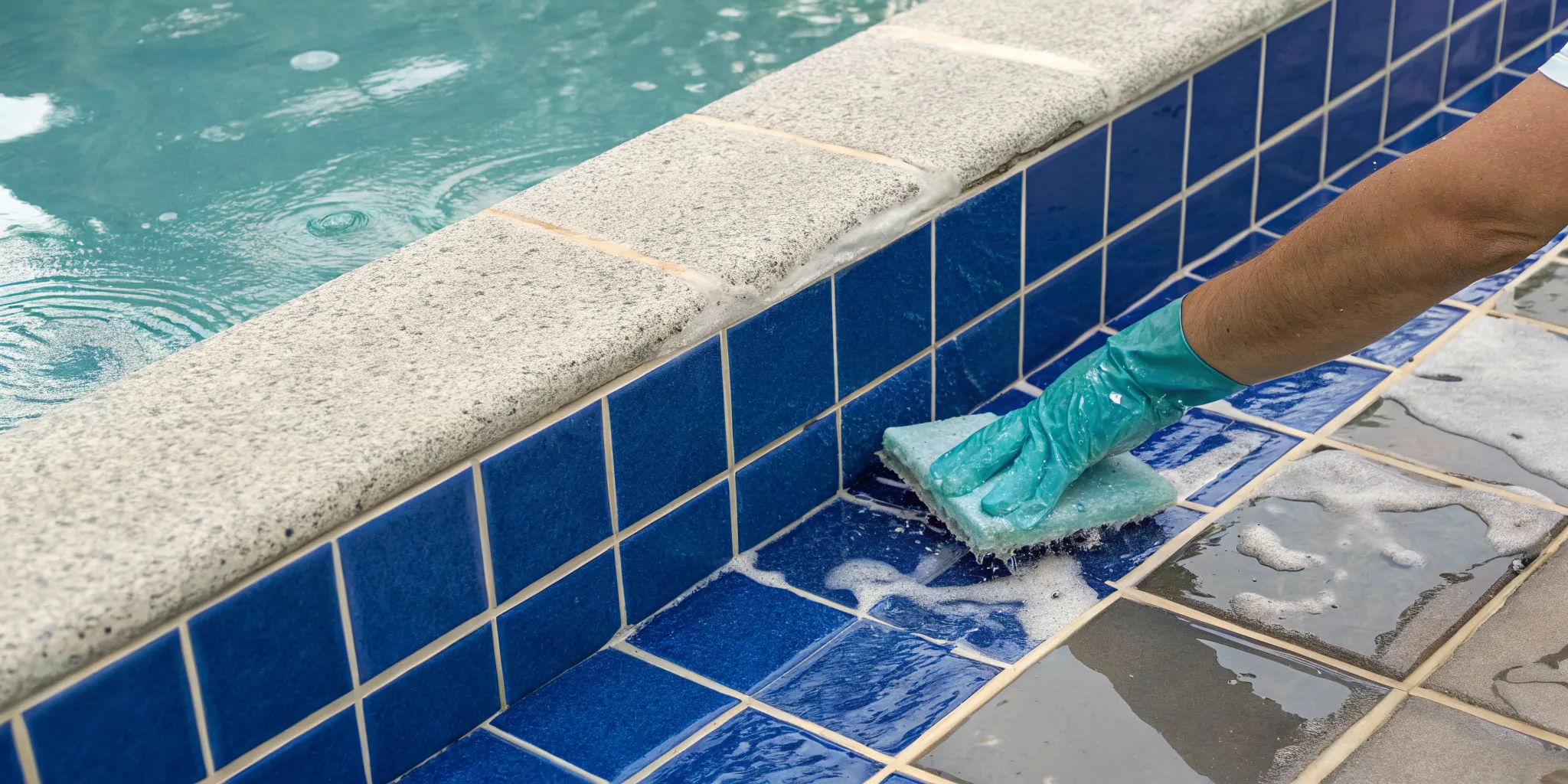
First things first, grab a good pool brush and get to work. Algae clings to every surface it can find—the walls, the floor, the steps, and even in the corners. Your goal here is to scrub all of these surfaces thoroughly to break the algae’s grip and push it into the water. This makes it vulnerable and easier to kill with chemicals. Pay special attention to areas with poor circulation, like behind ladders or in tight corners, as that’s where algae loves to set up camp. Brushing is a critical first step that ensures your sanitizer can reach and destroy every last bit of the problem.
Vacuum Away Debris and Algae
Now that you’ve brushed all that algae and debris off the walls and into the water, it’s time to get it out. Use your pool vacuum to carefully clean the entire floor of the pool. Move slowly and methodically to capture as much of the settled debris as you can. For pools with a heavy algae problem, you might consider vacuuming to "waste," which sends the contaminated water directly out of the filtration system. This prevents the thick algae from immediately clogging your filter. This step removes a huge amount of the gunk, giving your chemicals a much cleaner environment to work in.
Check and Clean Your Pool Filter
Your pool filter is the key to removing all the dead algae and contaminants you’re about to create, so it needs to be in top shape. If your filter is already clogged with old debris or living algae, it can’t do its job effectively. In fact, a dirty filter can even reintroduce algae spores back into the water you’re trying to clean. Before adding any chemicals, backwash your sand or DE filter, or clean your cartridge filter thoroughly. A clean filter ensures maximum water flow, which is essential for circulating the shock treatment and clearing the water. If you're unsure how to do this or just want a hand, professional cleaning and maintenance can get your system running perfectly.
How Much Shock Does Your Green Pool Need?
Figuring out the right amount of shock for your pool can feel like a guessing game, but it really comes down to one thing: how green is the water? The color is a direct indicator of how much algae you're dealing with. A lighter green means a smaller algae bloom that's easier to handle, while a dark, swampy green signals a more significant problem that requires a more aggressive treatment.
Before you start, always read the instructions on your shock product, as dosages can vary. The goal is to superchlorinate the water, which means raising the free chlorine level high enough to kill all the algae. As a general rule, you’ll be using a multiple of the standard shock dose you’d use for routine maintenance. Getting the right pool chemicals and supplies from the start will make this process much smoother.
Treating Light Green Water
If your pool water has a light green or teal tint but you can still see the bottom, you’ve caught the algae bloom early. This is the best-case scenario. To clear it up, you’ll typically need to use a double dose of shock. For example, if your pool usually requires one pound of shock for maintenance, you’ll use two pounds to treat a light green pool. After shocking, run your filter continuously, and you should see a significant improvement within 24 hours. The water will likely turn a cloudy blue as the shock works and the dead algae is filtered out.
Treating Dark Green Water
When your pool water is a dark, murky green and you can’t see the bottom, you have a full-blown algae infestation. This requires a more aggressive approach. You’ll need to use a triple or even quadruple dose of shock to get the chlorine levels high enough to kill the stubborn algae. For a pool that normally takes one pound of shock, you’ll use three or four pounds. This process will take longer, often three to five days, and may require a second round of shocking. Be patient, keep that filter running, and prepare to clean it frequently as it captures the dead algae.
Choosing the Right Type of Shock
The most common and effective shock for killing algae is calcium hypochlorite, often called Cal-Hypo. It’s a powerful, unstabilized chlorine that works quickly to destroy contaminants. When treating a green pool, you want to achieve "breakpoint chlorination," which simply means adding enough chlorine to obliterate the algae. For a 15,000-gallon pool with medium-green water, you might need around three to four pounds of Cal-Hypo. Always add shock to your pool in the evening, as sunlight can burn off most unstabilized chlorine in just a few hours, making your treatment far less effective.
Follow These Steps to Clear Your Green Pool
Seeing your beautiful pool turn a murky shade of green can be disheartening, but don't worry—it's a common problem with a clear solution. Getting your water back to its sparkling blue state is entirely possible with the right approach. The key is to follow a specific sequence of steps to effectively kill the algae and filter it out. Think of it as a simple, four-part recipe for a clean pool.
This process involves rebalancing your water chemistry, shocking the algae into oblivion, and letting your filter do the heavy lifting. It’s not an instant fix and requires a little patience, but by following these instructions carefully, you’ll see a dramatic improvement. If you get started and find the problem is more stubborn than you thought, remember that our team is always here to help with professional cleaning and maintenance to get your pool back on track. Ready to get started? Let’s reclaim your pool.
Step 1: Balance Your pH
Before you even think about adding a shock treatment, you have to check and balance your pool’s pH. This is the most critical first step because chlorine is only effective within a narrow pH range. If your pH is too high, the chlorine you add will be sluggish and won't be able to kill the algae efficiently. You’ll end up wasting time, effort, and money on chemicals that aren't working at their full strength.
Aim for a pH level between 7.2 and 7.4. Use your water testing kit to see where you stand, and add a pH increaser or decreaser to hit that sweet spot. Getting the pH balanced first ensures your shock treatment will be powerful and effective.
Step 2: Shock the Pool at Night
Now it’s time to attack the algae. "Shocking" just means adding a super-concentrated dose of chlorine to your pool to kill off the algae bloom and any other contaminants. The best time to do this is at dusk or during the night. Why? The sun's UV rays are chlorine's worst enemy—they burn it off quickly, reducing its sanitizing power. By shocking at night, you give the chlorine a long, uninterrupted window to work its magic.
You'll want to raise your chlorine level significantly, often several times higher than the normal amount. The exact quantity of shock depends on your pool's size and just how green the water is. Follow the instructions on the product packaging carefully to avoid over- or under-treating.
Step 3: Run Your Filter Continuously
After you’ve shocked the pool, your filter becomes the star of the show. Its job is to circulate the chlorine throughout the water and, more importantly, to remove all the dead algae particles. Once the shock kills the algae, the water will turn a cloudy, milky-white or gray color. This is normal! It means the treatment is working.
You need to run your filter continuously for at least 24 hours to clear this up. Keep an eye on your filter’s pressure gauge. As it pulls all that dead algae out of the water, it will clog up faster than usual. If the pressure rises too high, be sure to backwash your sand or D.E. filter or clean your cartridge filter before continuing.
Step 4: Use a Clarifier to Speed Things Up
If you’re feeling impatient and want to see clear water faster, a pool clarifier can be a great final touch. After the shock has killed the algae, millions of microscopic dead particles are left floating in the water, which is what causes that cloudy look. A clarifier works by causing these tiny particles to clump together into larger groups.
These larger clumps are much easier for your pool filter to catch and remove. Just add the clarifier according to the product's directions after the shock has had several hours to work. Remember, a clarifier is a helper—it doesn't replace the need to run your filter. Keep that pump running continuously to ensure all the debris is captured.
How Long Until My Pool Is Clear?
You’ve balanced the pH, shocked the water, and have the filter running. Now comes the hardest part: waiting. The exact timeline for clearing up a green pool depends on how severe the algae problem was to begin with. A light green, hazy pool might clear up in a day, while a dark green pool that looks more like a swamp could take several days to a week to fully recover.
The key is to be patient and follow the right steps while the chemicals and your filter do their work. Don’t be discouraged if it doesn’t look perfect overnight. Think of it as a recovery process. The shock treatment is the major first step, but the follow-up care is just as crucial. Consistent effort during this waiting period will make a huge difference in how quickly you can get back to swimming. Below is a general timeline of what to expect and what you should be doing to help the process along. Remember, every pool is different, and factors like your filter type, pump efficiency, and even the unpredictable Colorado weather can play a role. If the process is taking longer than expected or you're not seeing improvement, it might be a sign of an underlying issue with your equipment that needs repairs.
What to Expect in the First 24 Hours
You should see a dramatic improvement within the first 24 hours. After a successful shock treatment, the water will typically transform from green to a cloudy, milky blue or gray color. This is a good sign! It means the shock has killed the algae, and those dead particles are now suspended in the water. If you’ve used enough chlorine and have been running your filter, you can often clear up green algae in about a day.
However, if the water is still green or has a teal tint after 24 hours, it’s a sign that the initial shock wasn’t enough to kill all the algae. In this case, you’ll need to clean your filter again and add another dose of shock.
What to Do While You Wait
Clearing a green pool isn’t a passive process. While the chemicals work, you have a few important jobs to do. First and foremost, keep your pump running 24/7. Continuous circulation is essential for distributing the chemicals evenly and allowing the filter to capture all the dead algae particles.
Next, give the pool a thorough brushing at least once a day. This helps loosen any stubborn algae from the walls and floor, pushing it into the water where the filter can grab it. You should also vacuum the dead algae out of the pool. For best results, vacuum directly to "waste" if your filter system allows it. This sends the dead algae straight out of the pool instead of clogging up your filter.
Avoid These Common Green Pool Mistakes
You're ready to reclaim your pool, but before you start, let's cover a few common missteps that can derail your efforts. Getting these details right will save you time, money, and a lot of frustration. Think of this as your cheat sheet for getting the job done right the first time, so you can get back to enjoying your beautiful Colorado pool sooner.
Forgetting to Balance pH Before Shocking
One of the biggest mistakes is jumping straight to the shock without checking your water chemistry. If your pool's pH is too high or too low, the chlorine shock you add won't be able to do its job effectively. For the best results, your pH should be between 7.2 and 7.4. Testing and adjusting this level first makes your shock treatment much more powerful, meaning you'll see clear water faster. It’s a small but critical step in your fight against algae.
Not Running the Pump Long Enough
After adding shock, your pool pump is your most valuable player. It's tempting to run it for just a few hours, but that's not enough. You need to run your pump continuously—24 hours a day—until the water is completely clear. This constant circulation distributes the chemicals and allows the filter to capture all the dead algae. If your pump is struggling, it might be time for a check-up. A faulty pump can make it impossible to clear up cloudy water, so ensuring it's in good working order is key. Our team can handle any equipment repairs you might need.
Using Too Little Shock
When you're dealing with an algae bloom, a normal maintenance dose of shock won't cut it. A frequent mistake is being too conservative with the amount you use. To effectively kill all the algae, you need to raise the chlorine level significantly—often two, three, or even four times the normal amount. Using too little will only weaken the algae, allowing it to bounce back. Make sure you have enough pool shock and chemicals on hand to get the job done right.
Rebalance Your Water After Treatment
Once the green is gone and your pool water looks clear again, it’s tempting to grab your swimsuit and jump right in. But hold on for just a bit longer! The final step in this process is just as important as the treatment itself: rebalancing your water chemistry. Shocking the pool is an intense process that throws your chemical levels out of whack. Getting them back to the right place ensures the water is safe and comfortable for swimming and, most importantly, prevents that green algae from making a quick comeback. This final check-up is your best defense against having to repeat the whole process in a few weeks.
Retest and Adjust Your Chemical Levels
After your filter has run and the water is clear, it’s time to grab your test kit again. You need a fresh reading of your pool’s chemistry to see where things stand post-treatment. Test the pH, total alkalinity, and chlorine levels one more time. The shock treatment will have raised the chlorine significantly, and it may have affected the pH and alkalinity, too. Based on your new test results, you can make precise adjustments. Having the right supplies and chemicals on hand makes this final step simple. Carefully balancing everything now creates a stable environment that keeps algae from returning.
Maintain a Healthy Chlorine and pH Balance
Your goal is to get your pool back to its happy place. For pH, aim for a range between 7.2 and 7.4. If the pH is too high (above 7.8), it dramatically reduces your chlorine’s effectiveness, making it easy for algae to bloom again. Your free chlorine level should stabilize around 3 parts per million (ppm). This consistent level of sanitizer is what will keep any new algae spores from taking hold. Consistent testing and adjustments are the foundation of a clear pool. If you find it hard to keep up, a regular cleaning and maintenance schedule can take the guesswork out of it for you.
When to Call a Pool Pro in Colorado
Tackling a green pool on your own can be incredibly satisfying. But let’s be honest, sometimes the battle feels endless, and you just want to enjoy your pool, not spend every sunny Colorado day fighting algae. Knowing when to hand the problem over to a professional isn’t admitting defeat—it’s a smart move to save time, money, and frustration. While the DIY steps in this guide work for most mild cases, some situations require a stronger approach.
Professional pool services have access to commercial-grade treatments and diagnostic tools that can solve the problem much faster. Research shows that professional help often has a success rate of over 95% for clearing tough green pools, compared to the 60-70% for DIY attempts. Think of all the time and money you could save by not guessing which chemicals to buy next. When you want guaranteed clear water for that upcoming backyard barbecue, calling in an expert is your best bet. Our team specializes in cleaning and maintenance for Colorado pools, understanding the unique challenges our climate can present. We can quickly diagnose the root cause, whether it's a stubborn algae bloom or a hidden equipment issue, and get your pool back to being the beautiful oasis it should be.
Signs It's Time for Expert Help
While you can handle most light green water issues, some signs are clear indicators that it's time to call for backup. If your pool has been green for more than a week despite your best efforts, the problem is likely more complex than a simple chemical imbalance. Similarly, if the water is a very dark green, black, or another unusual color, it points to a serious algae problem that requires a professional touch. Another key sign is when the water remains green even after you've shocked it multiple times. This could mean you have high levels of metals like copper in your water, which can react with chlorine and require a different approach to water testing and treatment.
How to Keep Your Pool from Turning Green Again
After all that hard work clearing up your green pool, the last thing you want is for the algae to make a comeback. The good news is that preventing a green pool is way easier than treating one. It all comes down to a few consistent habits that will keep your water sparkling clear all season long. Think of it as a simple routine that saves you from a major headache later. By staying on top of your pool’s chemistry and cleanliness, you can make sure it’s always ready for a swim whenever you are.
The Importance of Weekly Water Testing
Think of water testing as a weekly health check for your pool. Catching imbalances early is the secret to preventing algae from blooming in the first place. At least once a week, you should test your water for chlorine, pH, and alkalinity. A quality test kit gives you the accurate readings you need to make small, precise adjustments with the right supplies and chemicals. This proactive approach stops problems before they start, ensuring your chlorine can do its job effectively and your water is comfortable for swimmers. It’s a five-minute task that can save you hours of scrubbing.
Simple Cleaning and Maintenance Habits
Beyond water chemistry, a little physical upkeep goes a long way. Make it a habit to skim leaves and debris off the surface daily and check that your skimmer baskets are clear. Once a week, give the pool walls and floor a good brushing to dislodge any stubborn algae spores before they can take hold. Regular vacuuming also helps keep your pool pristine. These simple tasks are your first line of defense against another green pool disaster. If your schedule is packed, our professional cleaning and maintenance services can handle the routine for you, giving you more time to just enjoy your pool.
Frequently Asked Questions
I shocked my pool and now the water is cloudy. Did I do something wrong? Not at all! A cloudy, milky-blue pool is actually a great sign. It means the shock has done its job and killed the algae. That cloudiness is just the millions of dead algae particles suspended in the water. Now, your filter needs to take over and clear them out. Keep your pump running continuously and clean your filter as needed, and that cloudy water will become crystal clear.
Is it safe to swim in a green pool? I would strongly advise against it. A green pool is a sign that your sanitizer isn't working, which means the water is full of algae and likely other bacteria that can cause skin irritation, ear infections, or stomach issues. It's best to wait until you've completed the treatment process and your water is clear and chemically balanced before you take a dip.
My pool turned green overnight! How does that happen so quickly? It’s shocking how fast an algae bloom can take over. Algae spores are always present, just waiting for the right conditions. All it takes is a combination of factors lining up perfectly—like a few hot, sunny Colorado days that burn off your chlorine, a heavy rainstorm that throws off your pH, or your filter getting clogged. Once the chlorine level drops, algae can multiply at an incredible rate, turning a clear pool green in less than 24 hours.
Do I need to drain my pool if it's really dark green? Draining your pool is almost always a last resort and is rarely necessary even for a very green pool. A severe algae problem requires an aggressive chemical treatment and a lot of filtering, but it's usually salvageable. If you're facing a pool that looks more like a swamp and you're not seeing any progress, it's a good time to call for professional help. We can assess the situation and often restore the water without the hassle and expense of a full drain and refill.
Besides shocking, what's the most important thing I can do to prevent my pool from turning green again? The most important habit you can build is consistency. This means running your pump and filter every single day for an adequate amount of time to circulate all the water. Stagnant water is algae's best friend. Pair that with weekly water testing and regular brushing of the pool walls, and you create an environment where algae simply can't get a foothold. It’s the simple, routine tasks that make the biggest difference.
Related Blogs