%201.png)
How to Clean a Pool for Beginners: A Simple Guide
Caring for a pool in Colorado comes with its own unique set of challenges. Our intense sun, dry air, and seasonal debris from cottonwood to autumn leaves can quickly turn clear water into a murky mess. That’s why having a solid cleaning routine is so important here. This guide is specifically designed to teach you how to clean a pool for beginners, with our local climate in mind. We’ll cover the daily, weekly, and monthly tasks that will help you stay ahead of the weather and keep your water perfectly balanced and debris-free. Following these steps will ensure your pool remains a refreshing escape, no matter what the Colorado forecast brings.
Key Takeaways
- Create a simple weekly schedule: The foundation of a healthy pool is consistency. Make a non-negotiable weekly appointment to skim, brush, vacuum, and test your water to prevent small issues from becoming big problems.
- Clean water requires a two-part approach: Keeping your pool sparkling involves more than just removing debris. You must also maintain balanced water chemistry and ensure your filter and pump baskets are clean so the entire system can work effectively.
- Know the signs that you need an expert: While DIY care is rewarding, persistent issues like stubborn algae, constantly cloudy water, or strange equipment noises are clear indicators that it's time to call a professional for help.
What Pool Cleaning Tools Do You Need?
Before you can jump into cleaning, you need to gather the right gear. Having the proper tools on hand makes the entire process smoother and more effective. Think of it as building your essential toolkit. Most of these items are a one-time purchase, while others are consumables you’ll need to restock. Getting set up correctly from the start will save you headaches and help keep your pool sparkling. If you ever run low or need an upgrade, we can help you find the right supplies and chemicals for your specific setup.
Your Cleaning Toolkit
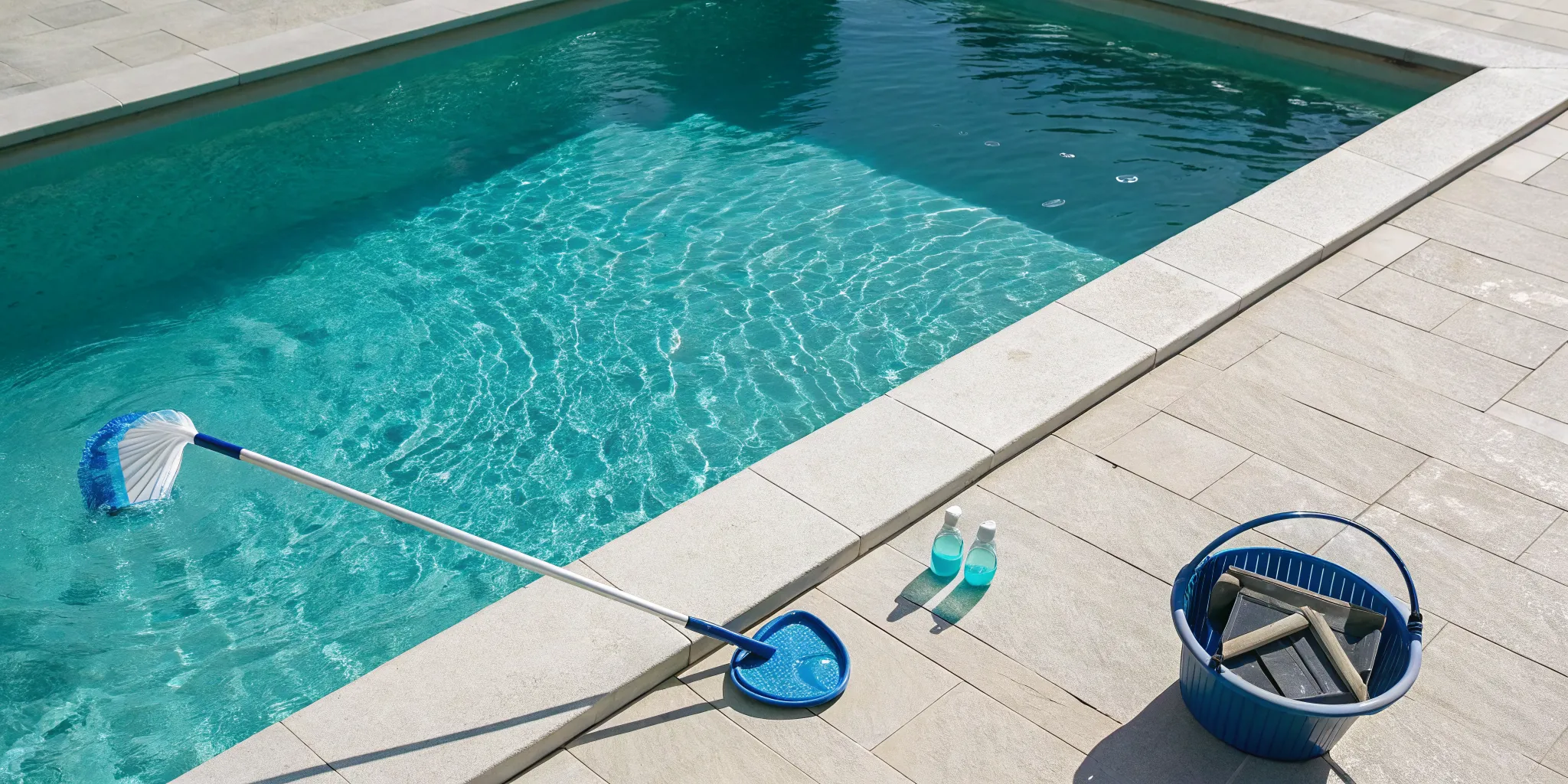
Your basic cleaning arsenal has three key items. First, a leaf skimmer net helps you remove floating debris like leaves and bugs from the surface. Try to do this daily. Next, a good pool brush is for scrubbing the walls, steps, and ladders to prevent algae buildup. Finally, a pool vacuum is essential for cleaning the pool floor. You can choose a manual vacuum or an automatic, robotic cleaner that does the work for you. A weekly vacuuming session is usually enough to keep the bottom of your pool clear.
Your Water Testing Kit
Keeping your pool water balanced is just as important as keeping it clean. For this, you’ll need a reliable water testing kit. You can use simple test strips or a digital tester to check your water’s chemical levels. It’s a good idea to test your water at least once a week to stay ahead of any issues. A quality kit gives you accurate readings for pH, chlorine, and alkalinity, which are the core components of healthy pool water. This quick weekly check is your first line of defense against cloudy water.
Essential Pool Chemicals
Once you know your water’s levels, you’ll need the right chemicals to adjust them. Most pools rely on three main chemicals: chlorine, a pH balancer, and a stabilizer. Chlorine is the sanitizer that kills bacteria and algae. You’ll use a pH balancer, like muriatic acid or soda ash, to keep the pH between 7.2 and 7.6. Lastly, a stabilizer helps protect the chlorine from the sun’s UV rays. Keeping these on hand ensures you can make quick adjustments after your weekly water test, maintaining a safe and clean swimming environment.
A Step-by-Step Guide to Cleaning Your Pool
Keeping your pool clean doesn't have to be a complicated chore. With a simple and consistent routine, you can ensure your water is always clear, safe, and ready for a swim. Think of it as a bit of weekly housekeeping for your backyard oasis. Following a few key steps regularly will not only keep your pool looking great but also help your equipment run smoothly and prevent bigger issues from developing.
This guide breaks down the process into four manageable tasks: skimming, brushing, vacuuming, and emptying the baskets. By incorporating these into your schedule, you’ll spend less time working on your pool and more time enjoying it. And if life gets too busy, remember that a professional cleaning and maintenance plan can handle all of this for you, giving you total peace of mind. Let’s walk through the steps to a sparkling clean pool.
Skim the Surface
Your first line of defense against a dirty pool is a good skimmer net. Skimming the surface to remove floating debris like leaves, grass clippings, and bugs is one of the easiest and most effective things you can do. Try to make it a daily habit. The more you can catch on the surface, the less will sink to the bottom, which makes vacuuming much easier later on. A quick skim only takes a few minutes but goes a long way in keeping your water clear and reducing the workload on your filtration system. It’s a simple task that delivers big results for your pool’s overall health.
Brush the Walls and Steps
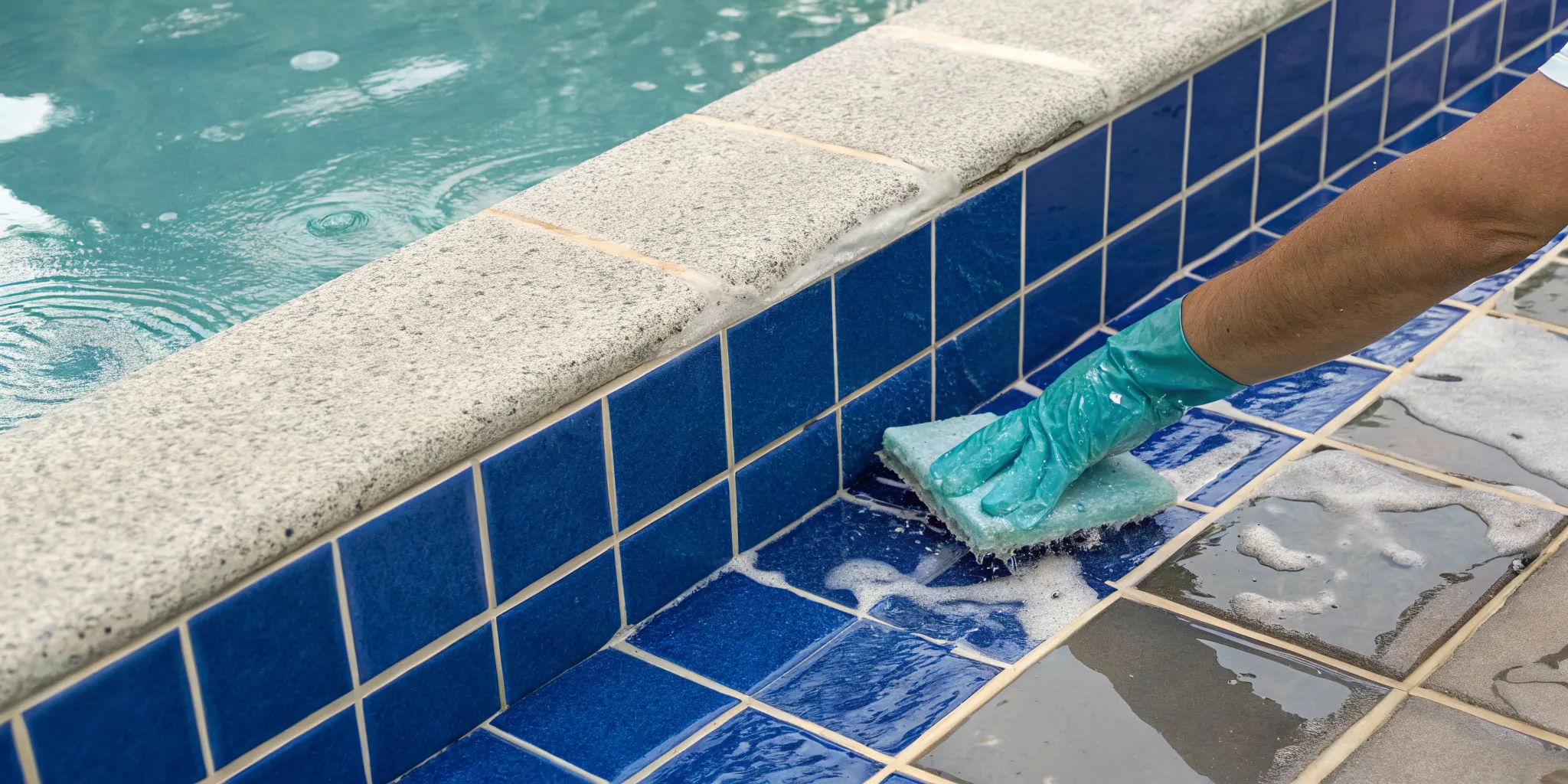
Brushing is essential for preventing algae buildup and scrubbing away dirt that clings to your pool’s surfaces. At least once a week, use a good pool brush to scrub the walls, steps, ladders, and any other hard-to-reach areas. Pay special attention to corners and crevices where algae and grime love to hide. This process loosens stubborn particles, pushing them into the water so your filter can catch them or your vacuum can sweep them away. Think of it as preparing the pool for a deep clean. Regular brushing ensures a spotless finish and helps keep your pool surfaces from becoming slippery or stained over time.
Vacuum the Pool
After you’ve brushed the walls and steps, it’s time to vacuum up all the debris that has settled on the pool floor. Aim to vacuum your pool at least once a week. You can do this with a manual vacuum, or you can invest in an automatic or robotic pool cleaner to handle the job for you. Robotic cleaners are a fantastic time-saver and work constantly to keep your pool floor free of dirt and sediment. Whichever method you choose, regular vacuuming is key to removing contaminants that brushing and skimming can’t reach, leaving you with crystal-clear water from top to bottom.
Empty the Baskets
Your pool has at least two baskets designed to catch debris: the skimmer basket and the pump basket. These are your pool’s first filtration points, and they need to be emptied regularly to maintain strong water circulation. Check and empty your skimmer baskets daily, as they can fill up quickly with leaves and other large items. The pump basket should be checked and cleaned about once a week. If these baskets get clogged, water flow is restricted, which puts a major strain on your pump motor. This can lead to damage and costly equipment repairs, so keeping them clear is a must.
How Often Should You Clean Your Pool?
Keeping your pool water sparkling and safe is all about consistency. A little bit of attention throughout the week goes a long way in preventing bigger issues, like algae blooms or equipment strain. Think of it less as a massive chore and more as a simple rhythm you get into. In Colorado, where a sudden afternoon hailstorm or windy day can fill your pool with debris, staying on top of a routine is even more important. By breaking down tasks into daily, weekly, and monthly checklists, you can make pool care feel manageable and ensure your pool is always ready for a swim.
This proactive approach does more than just keep the water looking beautiful. Regular cleaning protects your pool’s surfaces from staining and scaling, and it helps your equipment, like the pump and filter, run more efficiently. When your system doesn’t have to work as hard to circulate water through clogged baskets and dirty filters, it lasts longer and saves you from unexpected repair bills. Establishing a simple schedule gives you peace of mind and protects your backyard investment for years to come. It’s the easiest way to guarantee clear, healthy water all season long.
Your Daily Checklist
A few minutes each day is all it takes to stay ahead of debris and buildup. Start by skimming the surface with a net to remove leaves, grass clippings, and bugs before they have a chance to sink. This simple step prevents the debris from decaying, which can throw off your water chemistry and cause stains on your pool floor. Next, give the walls, steps, and corners a quick brush. You might not see anything, but this action stops invisible algae spores from taking hold and turning into a bigger problem. Also, take a peek at the water level. It should be about halfway up the skimmer opening to ensure your pump can pull water in effectively without running dry.
Your Weekly Routine
Set aside a little more time once a week for a deeper clean. Start by vacuuming the pool floor to clear away any dirt and fine debris that has settled. After that, turn off the pump and empty the skimmer and pump baskets. Clean baskets are critical for good water flow and allow your filtration system to work at its best. This is also your time to play scientist. Test the water’s chemistry to check the pH, alkalinity, and chlorine levels. Having the right supplies and chemicals on hand makes adjusting these levels simple. Every week or two, you should also shock the pool to eliminate bacteria and other contaminants, keeping the water crystal clear and safe for everyone.
Monthly Deep-Cleaning Tasks
Once a month, it’s a good idea to give your pool and its equipment a closer look. While home testing kits are great for weekly checks, it’s smart to get a professional water analysis periodically. Our team offers comprehensive cleaning and maintenance that includes expert water testing to catch things like high mineral content that basic kits can miss. You should also inspect your pump, filter, and hoses for any signs of wear or damage. Look for small cracks, drips, or unusual noises. Catching a small issue early can save you from a major headache and costly fix down the road. If you spot anything concerning, it might be time for professional equipment repairs to get it sorted out quickly.
How to Balance Your Pool Water
Think of balancing your pool water as the secret to keeping it crystal clear, safe, and comfortable for swimming. When your water chemistry is off, it can lead to everything from skin irritation to cloudy water and even damage to your pool’s surfaces and equipment. Getting it right is a core part of your weekly pool care routine. It might sound like a complex science experiment, but once you get the hang of it, it’s a pretty straightforward process.
The three main players you’ll be tracking are pH, alkalinity, and chlorine. Each one has a specific job, and they all work together to create a healthy swimming environment. Keeping these levels in their ideal ranges ensures your sanitizer works effectively and protects your pool from wear and tear. If you ever run low on testing kits or chemicals, we have all the supplies and chemicals you need to keep your water perfectly balanced.
Test Your Water
Before you can adjust anything, you need to know your starting point. That’s why the first step is always to test your water. You should get into the habit of testing at least once a week. You can use simple test strips or a digital water tester to get your readings. It’s a quick check that gives you a snapshot of your pool’s health and tells you exactly what you need to do next.
Here are the key levels to look for:
- pH: 7.4 to 7.6
- Total Alkalinity: 80 to 150 ppm (parts per million)
- Free Chlorine: 1 to 3 ppm
Regular testing helps you catch small imbalances before they turn into bigger, more frustrating problems like an algae bloom.
Balance pH Levels
Your pool’s pH level measures how acidic or basic the water is. This is a critical measurement because it directly affects how well your chlorine works. If the pH is too high or too low, your chlorine can’t sanitize the water effectively. The ideal range for pH is between 7.4 and 7.6.
Keeping your pH in this sweet spot not only helps your sanitizer do its job but also protects your pool equipment from corrosion and scaling. Unbalanced pH can be tough on your pool liner, ladders, and pump components, potentially leading to the need for equipment repairs. You can use a pH increaser or decreaser to nudge the levels into the correct range.
Manage Chlorine and Alkalinity
Chlorine is your pool’s primary defense against germs, bacteria, and algae. To keep your water sanitized and safe for swimming, you’ll want to maintain a free chlorine level between 1 and 3 ppm.
Working hand-in-hand with pH is Total Alkalinity. Think of alkalinity as a buffer that helps keep your pH levels stable. Without proper alkalinity, your pH can swing wildly, making it difficult to keep balanced. Aim for a Total Alkalinity between 80 and 150 ppm. By keeping your alkalinity in check, you’ll find it’s much easier to maintain a steady pH, which in turn helps your chlorine work at its best.
How to Maintain Your Pool Filter
Think of your pool filter as the heart of your cleaning system. It works tirelessly to catch dirt, debris, and other contaminants, keeping your water sparkling clean. But just like any hard-working component, it needs regular attention to function correctly. Keeping your filter clean and in good shape not only ensures clear water but also helps your entire pool system, including the pump and heater, run more efficiently. A little bit of maintenance goes a long way in preventing bigger, more complex problems down the road.
The key to filter maintenance is monitoring the pressure gauge. When you first install a clean filter, take note of the pressure reading, which is usually between 10 and 15 psi (pounds per square inch). This is your baseline. As the filter traps debris, the pressure will rise. Once it climbs 10 to 15 psi above your clean baseline, it’s time for a cleaning. Ignoring a dirty filter can strain your pump and reduce water circulation, making your other cleaning efforts less effective. If you're ever unsure about your filter's performance, our team is always ready to help with professional cleaning and maintenance.
Clean Your Filter
How you clean your filter depends on the type you have. For a sand filter, you’ll perform a "backwash" when the pressure gauge reads about 10 psi above its clean level. This process reverses the water flow through the filter, flushing out the trapped debris. If you have a cartridge filter, you won’t backwash it. Instead, you’ll need to turn off the pump, remove the cartridge, and rinse it thoroughly with a garden hose. For a deeper clean, you can soak it in a filter cleaning solution. A DE (diatomaceous earth) filter also requires backwashing when the pressure rises by about 10 psi, followed by adding new DE powder to the system.
Know When to Replace Your Filter
Cleaning can only do so much, and eventually, your filter media will need to be replaced. Cartridge filters typically last one to three years, depending on use. You’ll know it’s time for a replacement when the cartridge has cracks, tears, or flattened pleats that cleaning can’t fix. For sand filters, the sand should be replaced every three to five years, as the sharp edges wear down and become less effective at trapping particles. DE filter grids can last for many years but may need replacing if they tear. An old, inefficient filter can put a strain on your other pool equipment, so staying on top of replacements is important for the overall health of your system.
Spotting Filter Problems
Your pressure gauge is your first line of defense. If it’s reading 10 to 15 psi above normal, it’s a clear sign your filter needs cleaning. But what if you clean it and the pressure is still high, or it shoots up again quickly? This could indicate a bigger issue, like calcification or an internal problem. Other signs of trouble include cloudy water despite balanced chemicals or debris blowing back into the pool through the return jets. If you notice any of these issues, it might be time for professional equipment repairs and servicing to diagnose and fix the problem before it gets worse.
Common Pool Cleaning Mistakes to Avoid
Even with the best intentions, it’s easy to make a few missteps when you’re learning how to care for your pool. The good news is that most common mistakes are simple to fix and even easier to avoid once you know what to look for. Getting into a solid routine and understanding the "why" behind each step will help you keep your pool sparkling clear and prevent small issues from turning into costly problems. Think of it less as a list of rules and more as a guide to working smarter, not harder. By sidestepping these common errors, you’ll save time, money, and a lot of frustration, leaving you with more time to actually enjoy your pool.
Skipping Regular Maintenance
Putting off pool cleaning for a week or two might not seem like a big deal, but it can quickly lead to a green, murky mess. Consistency is your best friend in pool care. A little bit of work each week prevents algae and bacteria from taking hold, which saves you from a major cleanup project later. If you let it go, you’ll face cloudy water, algae blooms, and unbalanced chemicals that can be tough to correct. Sticking to a weekly schedule for skimming, brushing, and testing the water is the most effective way to keep your pool healthy and swim-ready. If you find it hard to keep up, our cleaning and maintenance plans can handle the routine for you.
Mishandling Pool Chemicals
Pool chemistry can feel intimidating, but it’s all about balance. A common mistake is adding chemicals directly to the pool without dissolving them first or, even worse, mixing different chemicals together. This can be dangerous and may damage your pool’s surfaces. Always read the instructions on the label carefully. A great rule of thumb is to dissolve granular chemicals in a bucket of pool water before adding them. And never, ever mix chlorine and acid. Getting the right supplies and chemicals is the first step, and using them correctly ensures your water is safe and comfortable for swimmers.
Using the Wrong Cleaning Techniques
There’s a right way and a wrong way to clean your pool. Simply skimming leaves off the surface isn’t enough. You also need to brush the walls, steps, and ladders regularly to scrub away algae before it has a chance to bloom. Many people forget these areas, allowing biofilm and algae to build up. Similarly, when you vacuum, use slow, deliberate movements to capture debris effectively instead of just stirring it up. A thorough cleaning routine that includes skimming, brushing, and vacuuming will keep every inch of your pool pristine and healthy.
Forgetting About Water Levels
The water level in your pool is more important than you might think. If it drops too low, the skimmer can’t pull water into the filter system properly. This can cause the pump to run dry, leading to serious and expensive damage. In Colorado’s dry climate, evaporation can cause the water level to drop faster than you expect. Make it a habit to check the level every few days. It should always be about halfway up the skimmer opening. If it’s low, simply use a garden hose to top it off. This simple check can save you from a major headache and a call for equipment repairs.
Caring for Your Pool in Colorado's Climate
Colorado's weather is anything but predictable. From intense sun and dry air to sudden temperature drops and seasonal debris, our climate presents unique challenges for pool owners. Keeping your pool clean and balanced here means paying close attention to the changing seasons. A little proactive care can prevent bigger issues down the road, ensuring your pool is always ready for a swim, no matter what the forecast says. Let's look at how to manage two of the biggest local factors: seasonal debris and temperature swings.
Handling Seasonal Debris
From autumn leaves to spring cottonwood fluff, Colorado's seasons can fill your pool with debris. The best way to manage this is to skim the water's surface daily with a deep, bag-style net. This simple task stops leaves and bugs from sinking, where they can decompose, stain your pool's surface, and clog your filtration system. If you let debris settle, it creates more work for your vacuum and can throw off your water chemistry. Consistent skimming is one of the easiest and most effective parts of a good cleaning and maintenance routine, keeping your water clearer and your equipment running smoothly.
Adjusting for Temperature Swings
Our state is known for its dramatic temperature shifts, and your pool's circulation needs to keep up. During hot summer months, you should run your pump for at least 8 to 12 hours daily to prevent algae growth. A good rule of thumb is to add an hour of runtime for every 10°F rise in temperature. In the cooler off-season, you can reduce this, but you still need consistent circulation. Proper circulation ensures your chemicals are distributed evenly, keeping the water sanitized and safe. If your pump is struggling to keep up or making strange noises, it might be time for professional equipment repairs to get it back in top shape.
When to Call a Pool Professional
Taking care of your own pool can be incredibly rewarding. You get to know its quirks and feel a sense of pride every time you see that crystal-clear water. But let’s be honest, sometimes life gets in the way, or a problem pops up that’s beyond a simple fix. Knowing when to hand the reins over to a professional isn’t a sign of defeat; it’s a smart move that protects your investment and saves you a lot of stress.
Whether you’re feeling overwhelmed by the weekly upkeep or facing a technical issue you can’t solve, calling in an expert can get your pool back on track quickly and correctly. Professionals handle everything from routine cleanings to complex equipment issues, giving you the freedom to simply enjoy your pool. Think of a pool service as your partner in keeping your backyard oasis perfect.
Signs You Need an Expert
If you notice your pool water turning cloudy or green, it’s a clear signal that your chemical balance is off and needs immediate attention. This can happen quickly if you miss a week of maintenance. You should also listen to your equipment. Any strange noises like grinding or whining from your pump or filter are red flags. If you’ve tried to solve a persistent problem, like a stubborn algae bloom that keeps returning, it’s time for a fresh set of expert eyes. And sometimes, the clearest sign is simply that you don’t have the time. If pool care starts to feel like a burden, calling a pro for equipment repairs and servicing or regular upkeep is a great way to reclaim your weekend.
The Benefits of Professional Service
Hiring a professional service offers more than just a clean pool; it provides peace of mind. A trained technician can spot small issues, like a minor leak or a worn-out part, before they turn into major, costly headaches. This kind of preventative care is one of the biggest advantages of regular professional cleaning and maintenance. You also gain access to expertise and commercial-grade tools that can resolve problems far more efficiently. A pro can balance your water chemistry with precision, diagnose a complex filter issue in minutes, and ensure your pool is always safe and ready for a swim. They can even help with bigger projects, like planning for remodels and rehabs to update your space.
Frequently Asked Questions
How long should I run my pool pump each day? A good rule of thumb for Colorado summers is to run your pump for at least 8 to 12 hours a day. The goal is to turn over all the water in your pool at least once. Proper circulation is essential for distributing chemicals evenly and keeping the water clear, especially when it’s hot and the sun is intense. If you notice the water isn't as clear as you'd like, extending the runtime is often the first and easiest fix.
What's the most important cleaning task if I'm short on time? If you only have a few minutes, grab your skimmer net. Skimming floating leaves, bugs, and other debris off the surface is the single most effective thing you can do. It prevents that debris from sinking to the bottom, where it can decay, stain your pool surfaces, and throw your water chemistry out of balance. A quick daily skim makes all your other weekly chores, like vacuuming, much easier.
My pool water is cloudy, but the test strip says the chlorine is okay. What could be the issue? Cloudy water is a common frustration, and it's often caused by more than just chlorine. The most likely culprit is an imbalanced pH or low alkalinity. When these levels are off, they can make your chlorine much less effective, even if the reading seems fine. Another possibility is a dirty or old filter that isn't catching fine particles anymore. Start by double-checking your pH and alkalinity, and if those are balanced, take a look at your filter.
Is it really necessary to brush the pool walls every week? Yes, absolutely. Brushing isn't just for visible dirt; it's a preventative step to stop algae and biofilm from taking hold. These contaminants are invisible at first, but they love to grow in the tiny pores and crevices of your pool's surfaces. A thorough weekly brushing scrubs these spores away before they can turn into a slippery, green problem, ensuring your pool is not only clean but also healthy.
How do I know if my filter needs to be cleaned versus completely replaced? Cleaning is a routine maintenance task you do when the filter's pressure gauge reads 10 to 15 psi above its normal clean level. This means the filter is full of debris and needs to be backwashed or rinsed. A replacement is needed when the filter media itself is worn out. For cartridge filters, look for cracks, tears, or flattened pleats. For sand filters, the sand becomes too smooth to be effective after about three to five years. A worn-out filter won't clean your water properly, no matter how often you clean it.
Related Blogs