%201.png)
How to Clean a Green Swimming Pool the Easy Way

Here in Colorado, our intense sun can be tough on pool chemistry, quickly depleting chlorine and creating a perfect breeding ground for algae. One day your pool is perfect, and the next it’s starting to look a little green. It’s a common issue for local pool owners, but it’s completely manageable with the right approach. The key is understanding how our specific climate affects your water balance. This article is designed to be your go-to resource, providing a clear, step-by-step plan for how to clean a green swimming pool and keep it sparkling all season long, even under the strong Colorado sun.
Key Takeaways
- Identify the root cause before you treat: A green pool is just a symptom. The real problem is an imbalance in your water chemistry, like low chlorine or off-kilter pH, which creates the perfect environment for algae to thrive. Test your water first to know what you're truly fixing.
- Prep your pool for a successful shock: Don't just pour chemicals into a dirty pool. Skimming debris and thoroughly brushing the walls and floor are non-negotiable first steps. This physical prep work ensures your shock treatment can attack the algae directly instead of getting wasted on leaves and grime.
- Make prevention your weekly habit: The best way to deal with a green pool is to never let it happen. A simple, consistent weekly routine of testing your water, skimming, brushing, and running your filter is the most effective strategy for keeping your water sparkling clear all season.
Why Did My Pool Turn Green?
Walking out to your backyard and seeing a green pool instead of a sparkling blue oasis is a real letdown. It can happen surprisingly fast, turning your relaxing retreat into a frustrating science experiment. The good news is that you can fix it. That green color is almost always a sign of an algae bloom, but the algae itself is just the symptom. The real problem is that the conditions in your pool allowed it to grow in the first place.
Think of your pool water as a delicate ecosystem. When it's balanced, it can fight off contaminants. But when something gets thrown off, it creates an opening for algae to thrive. The most common culprits are poor water circulation, a chemical imbalance (especially low chlorine), and out-of-whack pH levels. Figuring out which of these is affecting your pool is the key to not only clearing up the green water but also preventing it from coming back. Let's look at each of these issues so you can get to the bottom of your green pool problem.
The Role of Algae and Poor Circulation
The green stuff in your pool is, in fact, a massive colony of microscopic plants called algae. Spores are constantly entering your pool from rain and wind, but they only bloom when conditions are right. One of the biggest factors is poor water circulation. If your pump and filter aren't running long enough each day, or if your jets aren't pointed correctly, you can end up with "dead spots." These are areas where the water is stagnant, allowing algae to settle and multiply without being pushed through the filter or sanitized. Consistent cleaning and maintenance is your best defense against algae taking over.
Low Chlorine and Chemical Imbalances
Chlorine is the primary defense against algae. It’s a sanitizer that actively kills algae spores before they have a chance to bloom. When your chlorine level drops too low, you’re essentially rolling out the welcome mat for a green pool. This is the most common reason for an algae takeover. The intense Colorado sun, a heavy rainstorm, or even just a lot of people swimming can deplete chlorine levels faster than you’d expect. That's why a simple chemical imbalance is often the root cause. If you're struggling to keep your levels steady, having the right supplies and chemicals on hand is essential for a quick correction.
Out-of-Whack pH and Alkalinity
Here’s a frustrating scenario: you test your water, see you have plenty of chlorine, but your pool is still green. What gives? The problem is likely your pH level. If your pool's pH is too high (above 7.8), chlorine becomes lazy and ineffective. It’s in the water, but it can’t do its job of killing algae. For chlorine to work at full strength, your pH should be between 7.4 and 7.6. Alkalinity acts as a buffer to keep your pH stable, so if it’s off, your pH will swing wildly. If you find yourself constantly fighting to balance your water, it might be a sign of an underlying issue with your equipment that needs professional repairs.
Your First Steps for a Green Pool
Seeing your pool turn a murky shade of green can be disheartening, but don't worry—it's a fixable problem. Before you start pouring in chemicals, taking a few preparatory steps will make the treatment process much more effective. Think of this as setting the stage for a successful cleanup. By tackling the physical debris and understanding the root cause, you’ll save time, money, and frustration. These initial actions are crucial for getting your water from green back to clean. Let's walk through exactly where to begin.
Assess the Algae Situation
First, take a moment to understand what you're dealing with. The color can tell you a lot. Is it a light, teal-green or a dark, swampy green? The darker the color, the more severe the algae bloom. The number one reason pools get algae is that the water isn't properly balanced, even if it looked clear just a few days ago. This imbalance allows algae spores, which are always present, to multiply rapidly. Understanding this helps you see the problem not just as "a green pool," but as a symptom of a chemical imbalance that needs correcting.
Skim Out Leaves and Debris
Before you can effectively treat the water, you need to get the big stuff out. Grab a good leaf rake or skimmer and clear out as much surface debris as possible—leaves, twigs, bugs, and anything else floating on top. Algae feeds on organic matter, so removing this fuel source is a critical first step. It also allows your sanitizer to focus on killing the algae instead of breaking down leaves. This simple action makes your chemical treatments far more potent and helps prevent your filter from getting clogged later on.
Brush the Pool Walls and Floor
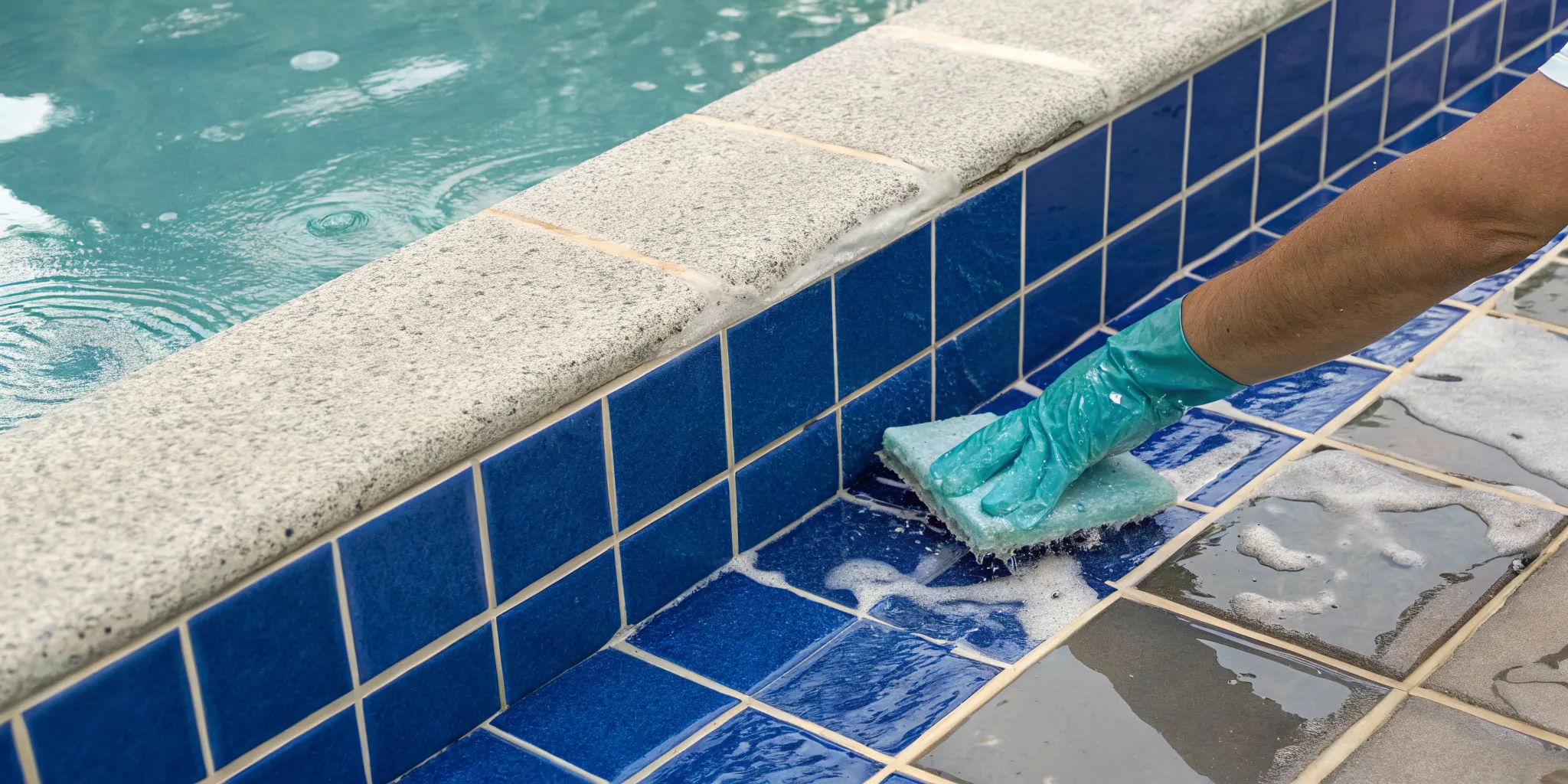
Now it's time for some elbow grease. Algae clings to your pool's surfaces, so you need to physically break it loose. Use a stiff pool brush to thoroughly scrub the walls, steps, and floor. This action pushes the algae into the water, where the shock treatment can effectively kill it. Pay extra attention to corners and crevices where algae loves to hide. If you skip this step, you might kill the algae suspended in the water, but the colonies on the walls will remain, ready to bloom again as soon as conditions are right. For stubborn algae, our cleaning and maintenance team has the professional-grade tools to get it done.
Test Your Water Chemistry
With the physical cleaning done, it's time to diagnose the chemical problem. Use a reliable water testing kit to check your pool's key levels, especially pH and alkalinity. Algae thrives when these levels are out of whack, and chlorine becomes less effective. Your test results will give you a clear picture of what needs to be adjusted before you add a shock treatment. Properly balanced water is essential for any algae treatment to work correctly, so don't skip this crucial step. Think of it as checking your pool's vital signs before administering medicine.
How to Shock a Green Pool Correctly
Now for the main event: shocking your pool. This process, also known as superchlorination, is your most powerful tool against algae. It involves adding a concentrated dose of chlorine to the water to break through the existing chlorine demand and rapidly destroy algae, bacteria, and other contaminants. Think of it as a hard reset for your pool's sanitation system. It’s the most critical step in turning that green water back to a sparkling blue.
While the term might sound intense, the process is straightforward if you follow the right steps. The key is using the correct amount of shock and handling it safely. Getting this part right will save you a lot of time and frustration later. Following this guide will help you do it effectively, getting you one giant leap closer to swim-ready water. Of course, if you're ever unsure about handling these strong chemicals or just want a professional to take care of it, our team is always ready to help with expert cleaning and maintenance.
Calculate How Much Shock You Need
Guessing the amount of shock to use won't cut it. The right dose depends entirely on how much algae you’re dealing with. A light green pool needs a much different approach than one that looks like a swamp. As a general rule, you’ll use one pound of shock for every 10,000 gallons of water for routine maintenance. For a green pool, you’ll need to multiply that amount.
- Light Green Water: Double the dose (2 pounds per 10,000 gallons).
- Dark Green Water: Triple the dose (3 pounds per 10,000 gallons).
- Blackish-Green Water: Quadruple the dose (4 pounds per 10,000 gallons).
Always round up if you’re unsure. It’s better to use a little too much shock than not enough.
Choose the Right Type of Shock
Not all pool shocks are created equal, especially when you’re fighting algae. For this job, you need a powerful chlorine-based shock. Look for a product that contains calcium hypochlorite, often called "cal-hypo," with at least a 70% concentration of available chlorine. A standard non-chlorine shock simply won’t have the strength to kill the algae bloom effectively. Reading the label is key here. Make sure you’re grabbing the right bag before you start. If you need help finding the right supplies and chemicals, we can point you in the right direction.
Add the Shock Treatment Safely
Safety first! Pool shock is a potent chemical, so always wear protective gear, including gloves, goggles, and even a mask to avoid inhaling fumes. It’s best to shock your pool in the evening or at night, as sunlight can burn off the chlorine before it has a chance to work. If you have a vinyl liner or are shocking in cooler Colorado water, pre-dissolve the shock in a five-gallon bucket of pool water first. This prevents the granules from settling on the bottom and potentially bleaching or damaging your pool’s surface. Once dissolved, pour the mixture slowly into the pool, walking around the edge to distribute it evenly.
Run Your Filter System Non-Stop
Once the shock is in the water, your filter system needs to take over. Turn your pump on and let it run continuously to circulate the super-chlorinated water and filter out all the dead algae. You should run the filter for a minimum of eight hours, but running it for a full 24 hours is even better. Keep an eye on your filter’s pressure gauge during this time. As it captures the dead algae, the pressure will rise, and you may need to backwash or clean the filter to keep it working efficiently. If your system struggles to keep up, it might be a sign you need professional equipment repairs.
What to Do If the Water Is Still Green
It can be disheartening to shock your pool, run the filter, and wake up to find it’s still a murky shade of green. Don’t throw in the towel just yet. Sometimes, a stubborn algae bloom needs a more targeted approach. If your initial shock treatment didn’t fully clear the water, it’s time for the next phase of action. These steps will help you deal with persistent algae and the cloudy water it leaves behind, getting you much closer to a crystal-clear pool. Think of this as the final push to reclaim your backyard oasis. We’ll walk through using specialized chemicals and making sure your equipment is ready to finish the job.
Use an Algaecide for Persistent Algae
If shocking the pool didn’t completely solve the problem, an algaecide is your next best friend. Think of it as a specialized treatment for any resilient algae that survived the initial chlorine blast. Algaecides are formulated to kill and prevent all types of algae growth. Following the shock, adding a quality algaecide can wipe out the remaining green, black, or mustard algae. Just be sure to follow the product’s instructions carefully, as the required dosage will depend on the size of your pool and the severity of the problem. This extra step is often the key to finally winning the battle against a stubborn bloom.
Add a Clarifier to Clear the Cloudiness
After the algae is dead, it leaves behind millions of microscopic particles floating in the water, which is why your pool might look cloudy or hazy even after the green color fades. A pool clarifier works by causing these tiny particles to clump together into larger masses. This makes it much easier for your filter to catch and remove them from the water. Using a clarifier can significantly speed up the clearing process, transforming your pool from cloudy to clear much faster than filtration alone. It’s a simple step that delivers impressive results and gives you that sparkling water you’re working toward.
Clean or Backwash Your Filter
Your pool filter has been working overtime to trap all that dead algae and debris. Now, it’s likely clogged, which reduces its effectiveness and can even send particles back into the pool. It’s essential to clean your filter thoroughly. If you have a sand or D.E. filter, you’ll need to backwash it. For cartridge filters, take the cartridge out and give it a deep clean with a hose. A clean filter is critical for removing the last of the dead algae and keeping your water clear. If you’re unsure about this process, our professional cleaning and maintenance services can handle it for you.
Shock Again if It's Still Not Blue
Patience is part of the process. If you’ve followed these steps and the water is still tinged with green or teal the next day, it’s time for another round of shock. A particularly stubborn algae bloom might require a second dose to fully eradicate it. Use the same amount of shock as you did the first time and add it in the evening to let it work overnight without the sun burning it off. You’ll also want to make sure you have the right supplies and chemicals on hand to rebalance your water once it’s finally clear and ready for swimming.
Gather Your Green Pool Cleaning Kit
Before you can wage war on algae, you need to assemble your arsenal. Having the right tools and supplies on hand will make the entire process smoother and more effective. Think of it as your prep work—a little organization now saves a lot of frustration later. Let’s walk through exactly what you’ll need to grab from your shed or stock up on before you start. This isn't just about having the gear; it's about understanding what each piece does to help you reclaim your beautiful blue pool from that murky green mess. If you find you're missing a few key items, we can help you get the right supplies and chemicals for your specific pool needs in Colorado.
Skimmers and Brushes
First things first, you need to tackle the visible gunk. Grab a long-handled skimmer or leaf net to clear out all the floating debris like leaves, twigs, and bugs. Getting this stuff out of the way prevents it from clogging your filter system later on. Next, you’ll need a good, stiff pool brush. Algae clings to your pool’s walls and floor, and you need to scrub it loose so the shock treatment can work its magic. Make sure you brush every surface, including steps, ladders, and corners where algae loves to hide. This manual effort is a critical first step in breaking down the algae’s defenses.
A Reliable Pool Vacuum
After you’ve skimmed the surface and brushed the walls, it’s time to deal with the settled debris at the bottom. A reliable pool vacuum is your best friend here. Manually vacuuming the pool will suck up the algae you just brushed off, along with any other sediment. Be sure to move slowly and methodically to avoid stirring everything back up into the water. If the algae problem is severe, you might want to vacuum to "waste," which sends the dirty water directly out instead of through your filter. For really tough jobs, our professional cleaning and maintenance services use powerful equipment to get the job done fast.
Water Test Kit and Chemicals
You can’t fix what you can’t measure. A quality water test kit is non-negotiable for figuring out what’s going on with your pool chemistry. You’ll need to check the pH and alkalinity levels, as these must be in the right range for your chlorine shock to be effective. Most test strips or liquid kits will give you a quick reading. Your goal is a pH between 7.4 and 7.6. Of course, you’ll also need the chemicals themselves—specifically, a powerful pool shock to kill the algae and sanitizer to maintain chlorine levels afterward. Having these on hand is key to a successful green-to-clean transformation.
Filter Cleaning Supplies
Your pool’s filter is the hero of this story, but it can’t do its job if it’s dirty. Before you even start adding chemicals, you need to check your filter. If it’s clogged with slimy algae and debris, it won’t be able to clear the water effectively. Depending on your system, you’ll need to either backwash your sand or D.E. filter or deep-clean your cartridge filter. Having the necessary cleaning solutions and tools ready is essential. A clean filter is crucial for removing the dead algae after the shock treatment. If your filter seems sluggish or damaged, it might need professional equipment repairs to get it back in working order.
How to Keep Your Pool from Turning Green Again
You’ve put in the hard work to clear up that green water, and the last thing you want is a repeat performance. The good news is that preventing algae is much easier than treating it. With a few consistent habits, you can keep your pool sparkling blue all season long. Think of it as simple preventative care. A little effort each week saves you from a major cleanup project down the road. By staying on top of your pool’s chemistry and cleanliness, you create an environment where algae simply can’t thrive.
Maintain Consistent Chlorine and Circulation
Think of chlorine as your pool’s security guard and the circulation system as its patrol route. Chlorine is the primary sanitizer that kills algae spores and other contaminants. For it to work effectively, it needs to reach every corner of your pool. That’s where circulation comes in. Run your pump and filter system for at least 8 to 12 hours a day to ensure all the water is properly filtered and sanitized. Regularly check your skimmer and pump baskets for debris, and make sure your filter is clean. If you notice weak water flow or strange noises, your equipment might need a check-up. Timely equipment repairs are crucial for keeping your circulation system in top shape.
Cover Your Pool When Not in Use
A pool cover is one of your best defenses against algae. Algae, like any plant, needs sunlight to grow through photosynthesis. By covering your pool when you’re not using it, you block the sun’s rays and stop algae growth in its tracks. A cover also does double duty by keeping out leaves, dirt, and other organic debris that algae loves to feed on. This means less work for your filter and less chlorine consumption. Make sure your cover is in good condition and fits properly. In Colorado, it’s also important to open your pool on time in the spring, as a covered pool can warm up quickly, creating a perfect breeding ground for algae if left stagnant for too long.
Stick to a Regular Cleaning Schedule
Consistency is everything when it comes to pool care. Make it a habit to skim, brush, and vacuum your pool at least once a week. Skimming removes floating debris before it can sink and decay, while brushing the walls and floor dislodges any stubborn algae spores that are trying to take hold. Vacuuming removes the sediment and debris that brushing kicks up. This routine not only keeps your pool looking great but also reduces the workload on your filter and sanitizer. If your schedule gets too busy, consider a professional cleaning and maintenance plan to ensure the work gets done right, every time. A clean pool is a healthy pool.
Test and Balance Your Water Weekly
Testing your pool water is like giving it a weekly health check. Water chemistry can change quickly due to rain, heavy use, or even just the hot Colorado sun. At least once a week, test the levels of chlorine, pH, and alkalinity. Proper pH (between 7.4 and 7.6) is essential for your chlorine to work effectively. If the pH is too high or too low, your chlorine’s sanitizing power drops significantly, even if the level seems correct. Keeping all your chemicals balanced creates an environment that is hostile to algae. You can find all the necessary supplies and chemicals to keep your water perfectly balanced and ready for a swim.
Frequently Asked Questions
How long will it take to clear up my green pool? The timeline really depends on how green your pool is to start with. For a light, teal-colored pool, you might see a significant difference within 24 hours. If you're dealing with a dark green, swamp-like situation, it could take three to five days of consistent filtering, chemical treatment, and cleaning to get back to clear blue water. The key is patience and following the steps without cutting corners.
Is it safe to swim in a green pool? I would strongly advise against it. The green algae itself isn't the main danger, but its presence is a clear sign that your sanitizer levels are far too low to be effective. This means the water is not protected from harmful bacteria and other pathogens that can cause skin irritation, ear infections, or stomach issues. It's best to wait until the water is completely clear and properly balanced before diving back in.
My pool turned cloudy after I shocked it. Is that normal? Yes, that's completely normal and actually a good sign! A cloudy or milky-white pool after a shock treatment means the chlorine has done its job and killed the algae. The cloudiness is just the millions of dead algae particles suspended in the water. Keep your filter running continuously, and consider adding a clarifier to help clump those particles together so your filter can remove them more easily.
Can I just use an algaecide instead of going through the whole shocking process? Think of shock as the heavy-duty cleaner and algaecide as a preventative measure or a follow-up treatment. When your pool is already green, you need the overwhelming power of a shock treatment to kill the massive algae bloom. Using only an algaecide on a green pool won't be strong enough to solve the problem and will likely just be a waste of money. Shock first, then use an algaecide if needed for any stubborn spots.
Why does my pool keep turning green even though I add chlorine? This is a common frustration, and it almost always comes down to your water's pH level. If your pH is too high, it makes the chlorine in your pool lazy and ineffective, even if your test kit says the chlorine level is fine. Another culprit could be poor circulation from not running your pump long enough each day, creating dead spots where algae can thrive. Consistently testing and balancing all your chemicals, not just chlorine, is the key to keeping the green away for good.
Related Blogs