%201.png)
How Often Should You Acid Wash a Pool? 3 Signs
If you’re asking, “how often should you acid wash a pool?” you’re likely dealing with frustrating stains that just won’t budge. Maybe it’s green algae that keeps coming back or mineral buildup that makes your pool look old and tired. An acid wash is the go-to solution for these tough problems, but the right timing is everything. Unlike changing the oil in your car, there’s no set schedule. The frequency depends on your pool’s specific condition, your water chemistry, and how well you keep up with routine maintenance. This guide will help you read the signs, so you can stop guessing and make an informed decision for your pool.
Key Takeaways
- Reserve Acid Washes for Serious Stains: An acid wash is an intensive treatment, not a regular cleaning task. It's the right solution for stubborn, deep-set stains and discoloration that standard maintenance can't remove, and it's typically only needed every few years.
- Leave This Job to the Professionals: Handling muriatic acid is dangerous and mistakes can permanently damage your pool's surface. A certified technician has the proper safety equipment and training to get the job done correctly without risk to you or your pool.
- Consistent Maintenance is Your Best Prevention: The best way to avoid needing an acid wash is through regular upkeep. Consistently brushing the walls, maintaining balanced water chemistry, and keeping up with a cleaning routine will protect your pool's surface and extend its life.
What is a Pool Acid Wash and Why is it Done?
Think of an acid wash as a powerful facial for your pool. It’s not part of your weekly upkeep; instead, it’s a more intensive cleaning process used to remove stubborn stains and algae growth that regular cleaning just can’t handle. This method uses a diluted acid solution to strip away a very thin top layer of your pool’s plaster or gunite surface, revealing a fresh, clean layer underneath.
While it sounds intense, an acid wash is one of the most effective ways to restore your pool’s original sparkle. It’s a common step in a larger pool rehabilitation project or can be done on its own when your pool needs a serious refresh. Because it involves strong chemicals and specific safety procedures, this is a job best left to certified professionals who know how to handle the materials safely and protect your pool’s surface from damage.
Understanding the Acid Washing Process
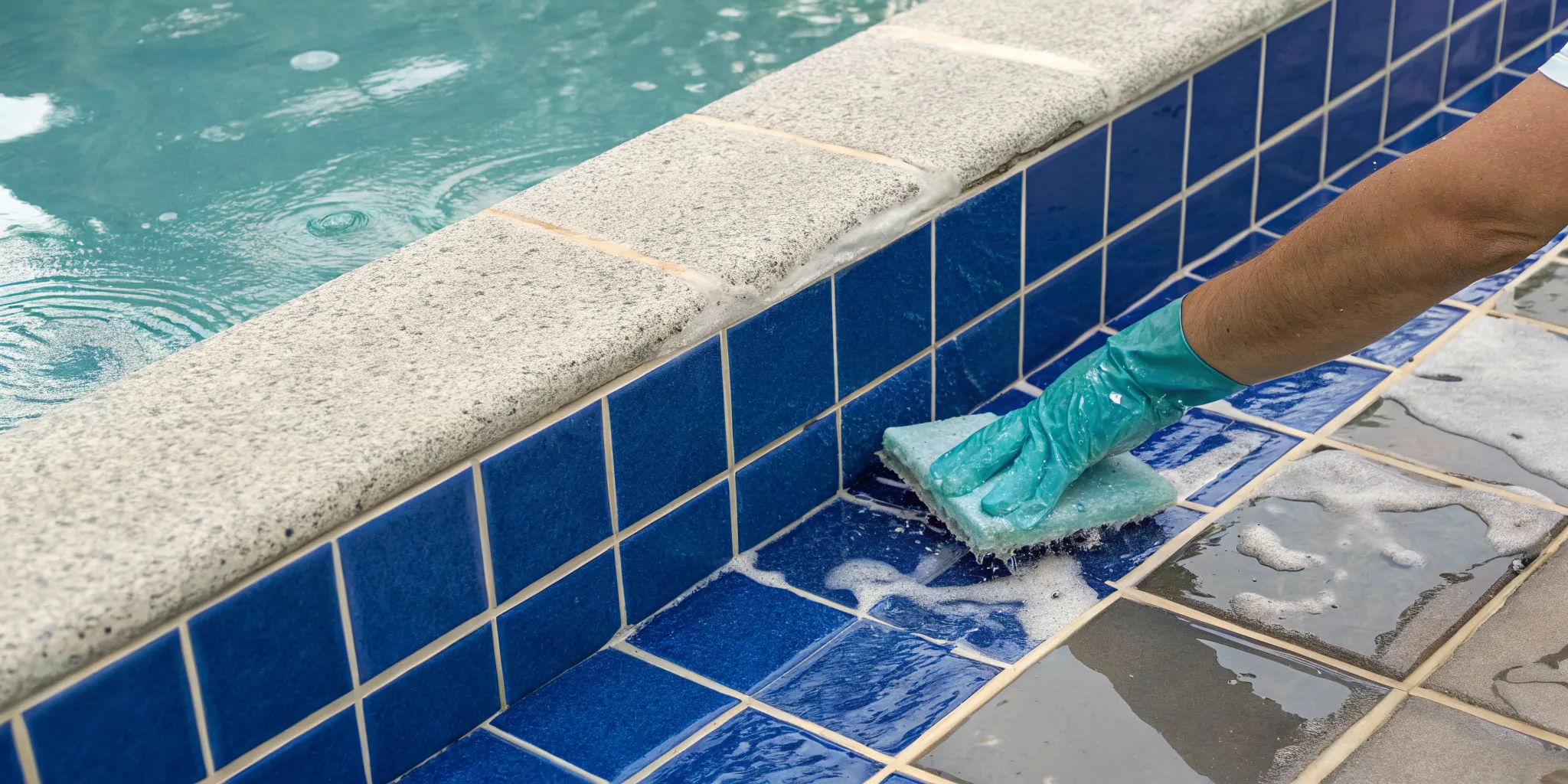
So, what actually happens during an acid wash? First, a professional will completely drain your pool. Once it's empty, they apply a carefully mixed solution of muriatic acid and water to the pool’s interior surfaces. This solution fizzes as it works, lifting away mineral deposits, algae stains, and discoloration. The technician then scrubs the surfaces to ensure an even clean before thoroughly rinsing everything away. Finally, the pool is refilled with fresh water, and the chemistry is rebalanced, leaving you with a brighter, cleaner-looking pool.
The Benefits for Concrete and Gunite Pools
The main benefit of an acid wash is a dramatic improvement in your pool's appearance. It effectively removes ugly stains caused by hard water, metals like copper, and embedded algae that have become part of the surface. By removing that thin, stained layer, the process brings back the bright, clean finish of the original plaster. This can make an old, tired-looking pool seem almost new again. For homeowners in Colorado, it’s a great way to erase the evidence of a harsh season and get your pool ready for summer fun.
When is an Acid Wash the Right Solution?
An acid wash isn't something you should do every year. For a well-maintained pool, you might only need one every five to seven years. If you find your pool needs it more often, it could be a sign that your water chemistry is consistently off balance. Proper cleaning and maintenance is the best way to extend the time between these deep cleans. You’ll know it’s time to consider an acid wash when you see widespread staining, discoloration, or algae blooms that don’t go away with regular brushing and chemical treatments.
How Often Does Your Pool Need an Acid Wash?
Deciding when to acid wash your pool isn’t about marking a date on the calendar. It’s more about listening to what your pool is telling you. While it’s a powerful tool for restoring your pool’s sparkle, it’s an intensive process that strips a thin layer of the plaster surface. Doing it too often can cause damage, so timing is everything. Think of it as a major refresh that should only be done when truly necessary, not as part of your routine upkeep. Understanding the right frequency and the signs to look for will help you protect your investment and keep your pool looking its best for years to come.
General Frequency Guidelines
As a general rule of thumb, most concrete or gunite pools benefit from an acid wash every three to seven years. This isn't a hard-and-fast rule, but rather a starting point. A well-maintained pool with balanced water chemistry and a consistent cleaning schedule might go even longer without needing one. On the other hand, a pool that sees heavy use or struggles with persistent issues may need it sooner. Regular professional cleaning and maintenance is the best way to extend the time between these deep cleans, as it prevents the kind of buildup that makes an acid wash necessary in the first place.
Factors That Influence Timing
Several factors can shorten the time between acid washes. If you’re fighting stubborn stains from minerals, metals, or algae that don’t respond to regular brushing and chemical treatments, it’s a strong indicator. An acid wash is designed to tackle discoloration that has settled deep into the plaster. However, it’s important to remember that this process is abrasive. If performed too frequently, it can wear down your pool’s surface, leading to roughness and the need for more significant remodels and rehabs down the line. It’s always best to view an acid wash as a solution for serious staining, not a quick fix.
Why Colorado's Climate Matters
Living in Colorado presents a unique set of challenges for pool owners. Our region is known for having hard water, which is high in mineral content. This often leads to calcium scaling, leaving white, crusty deposits along the waterline and on your pool’s surfaces that are tough to remove. Additionally, our intense sun and fluctuating weather can make it harder to keep pool chemistry stable. The strong UV rays can break down chlorine quickly, giving algae a foothold. While using the right supplies and chemicals is your first line of defense, an acid wash is often the most effective way to remove years of mineral buildup and stubborn algae stains caused by our local conditions.
Signs It's Time for an Acid Wash
An acid wash is like a powerful reset button for your pool, but it's not something you do every season. It’s a specific solution for stubborn problems that regular cleaning just can't handle. So, how do you know when it's time to call in the pros for a more intensive treatment? If you're nodding along to any of the following signs, your pool is probably trying to tell you something.
Stubborn Algae and Mineral Stains
Let's talk about those ugly stains. We're not talking about a little bit of dirt that a brush can handle. We mean the deep-set, slimy green or black algae patches that cling to your pool walls for dear life. Or maybe you have chalky white or reddish-brown mineral deposits from Colorado's hard water. When your weekly cleaning and maintenance routine isn't making a dent, it’s a clear sign the problem has seeped into the plaster itself. An acid wash carefully strips away that top micro-layer of the surface, taking the embedded stains and algae spores right along with it.
Discoloration That Won't Go Away
Sometimes the issue isn't just a few spots, but the entire pool looks dull and dingy. Has your once-brilliant white plaster taken on a yellowish or brownish hue that no amount of shocking or scrubbing can fix? This kind of widespread discoloration can happen over time as metals and minerals from the water slowly stain the surface. It can even be a result of using too many harsh chemicals over the years. If your pool looks permanently faded or stained, an acid wash can restore its original brightness, making it look almost new again. It’s the most effective way to handle discoloration that has become part of the surface itself.
Lingering Water Quality Problems
If you feel like you're in a constant battle with your pool's water chemistry, the surface might be the culprit. Are you fighting off recurring algae blooms, even with the right supplies and chemicals? Is your water persistently cloudy? Over time, your pool's plaster becomes more porous, creating tiny hiding spots for algae spores and other contaminants. These unwelcome guests leach into your water, making it nearly impossible to keep things balanced. An acid wash smooths and sanitizes the surface, eliminating those hiding spots and giving you a fresh start for clearer, healthier water.
Acid Washing: DIY vs. Hiring a Professional
When your pool starts looking dull and stained, the idea of a DIY acid wash can be tempting. It seems like a straightforward way to restore that sparkle and save a little money. But this is one pool maintenance task where the risks can easily outweigh the rewards. Acid washing involves powerful chemicals and a specific technique that, if done incorrectly, can cause permanent damage to your pool and pose serious safety hazards. Before you decide to tackle this project yourself, it’s important to understand what can go wrong and why calling a professional is often the smarter, safer choice.
Common DIY Mistakes to Avoid
One of the biggest mistakes homeowners make is not realizing that acid washing physically strips away a thin layer of your pool’s plaster or gunite surface. It’s an aggressive cleaning method that has its limits. Doing it too often or using a solution that’s too strong can accelerate wear and tear, leading to a rough, damaged surface that needs a complete rehabilitation. Another common error is uneven application, which can leave your pool looking streaky and blotchy. Getting the acid-to-water ratio wrong can also etch the surface permanently, creating a bigger problem than the one you started with.
The Safety Risks of Handling Pool Acid
Let’s be direct: muriatic acid is a hazardous chemical. It can cause severe burns if it comes into contact with your skin and can damage your lungs if you inhale the fumes. Handling it requires full personal protective equipment (PPE), including acid-resistant gloves, safety goggles, and a respirator. It’s not just about splashing; the fumes alone are a significant risk in an enclosed space like a drained pool. You also have to consider how to safely neutralize and dispose of the acidic water afterward, as simply draining it can harm your landscaping and the local environment.
Why Trusting a Pro is the Safer Choice
Hiring a professional for an acid wash gives you peace of mind. Certified technicians have the training, experience, and proper equipment to do the job safely and effectively. We understand the correct chemical mixtures for different types of stains and surfaces, ensuring your pool gets a deep clean without sustaining damage. A professional team knows how to manage the entire process, from safely handling the acid to properly neutralizing and disposing of the wastewater. Our pool care experts are trained to protect both you and your investment, so you can avoid the risks and just enjoy the results.
What to Expect from a Professional Service
When you hire a professional service, the process is thorough and systematic. First, we will completely drain your pool. Next, a carefully mixed acid solution is applied to the walls and floor to lift away stains and discoloration. The surface is then scrubbed and rinsed thoroughly to neutralize the acid. This step is critical for stopping the chemical reaction and protecting your pool’s finish. After the pool is clean, we manage the wastewater disposal according to local regulations. Finally, we begin refilling your pool and will guide you on rebalancing the water chemistry to get it swim-ready again.
How to Extend the Life of Your Pool's Surface
An acid wash is a powerful tool for restoring your pool, but it’s not something you want to do often. Think of it less as a routine cleaning and more as a major reset for your pool’s surface. The process works by using a diluted acid solution to strip away a very thin layer of your pool’s plaster or gunite, taking stubborn stains, mineral deposits, and algae with it. This reveals a fresh, clean layer underneath. Because it’s an inherently abrasive process, frequent acid washing can shorten the lifespan of your pool’s finish. Over time, this can lead to the need for a complete and costly resurfacing.
The goal is to avoid getting to that point. The best approach is to care for your pool in a way that minimizes the need for an acid wash in the first place. With a few consistent habits, you can keep your pool surface looking great for years and reserve this intensive treatment for when it’s truly necessary. Think of it as preventative care for one of your home’s biggest investments. By staying on top of regular upkeep, you protect the integrity of your pool’s surface and save yourself from more intensive interventions down the road.
Proactive Maintenance Habits
The secret to avoiding tough stains and algae buildup is consistent, proactive care. Simple tasks performed regularly make a huge difference. Skimming leaves and debris off the surface, emptying the skimmer and pump baskets, and brushing the walls and steps weekly prevents organic matter from settling and staining the plaster. These habits stop problems before they start, reducing the likelihood you’ll ever face the kind of stubborn discoloration that requires an acid wash. If your schedule is packed, setting up a professional cleaning and maintenance plan is a great way to ensure this essential work gets done right.
Keeping Your Water Chemistry Balanced
Properly balanced water is your pool surface’s best friend. When your pool’s pH, alkalinity, and sanitizer levels are within the ideal range, they work together to prevent scale buildup and algae growth. Water that is too acidic can slowly etch and wear down the plaster, while water with high pH can cause cloudy water and mineral scaling that’s difficult to remove. Regular testing and adjustments are key. By keeping your water chemistry in check, you prevent the very issues that lead people to consider an acid wash. We can help you find the right supplies and chemicals to make balancing your water simple and effective.
The Importance of a Regular Cleaning Routine
A comprehensive cleaning routine goes beyond just skimming and adding chemicals. It’s about combining physical cleaning with balanced water chemistry to create a healthy pool environment. While brushing and chemicals are vital, they often aren't enough on their own to keep a pool pristine, especially with Colorado's intense sun and variable weather. A complete routine includes regular brushing, vacuuming, and consistent water testing. Remember, there’s a limit to how many times a pool can be acid washed before it needs a full remodel or rehabilitation. A steady cleaning routine is the best way to protect your investment and keep your pool looking its best for the long haul.
Frequently Asked Questions
Will an acid wash damage my pool's surface? It can if it's not done correctly, which is why this is a job for professionals. The process intentionally removes a very fine layer of plaster to get rid of stains. When performed too frequently or with an improper chemical mixture, it can cause premature wear. A certified technician knows how to find that perfect balance to restore your pool's brightness without causing harm to the surface.
Why does my Colorado pool seem to get stains so easily? You're not imagining it. Our region's hard water is high in minerals, which leads to that chalky, white scale buildup that is tough to scrub away. Combine that with our intense sun, which can make it harder to maintain stable chlorine levels, and you have the perfect conditions for stubborn mineral and algae stains that a simple cleaning can't always handle.
Is an acid wash the only way to remove tough stains? For stains that have deeply penetrated the plaster, an acid wash is often the most effective solution. However, it should be seen as a restorative treatment, not a routine fix. The best approach is always prevention. A consistent professional cleaning schedule and correctly balanced water chemistry will stop most stains from ever becoming a serious problem in the first place.
How long does the entire acid wash process usually take? You should plan for the process to take a few days from start to finish. Draining the pool can take up to a day, depending on its size. The washing and rinsing happen next, followed by the refill. Once the pool is full of fresh water, the final step is to rebalance all the chemicals to get it safe and ready for swimming again.
What is the most important thing I can do to avoid needing an acid wash? The single best thing you can do is maintain balanced water chemistry. When your pool's pH, alkalinity, and sanitizer levels are consistently in the right range, you prevent the two biggest culprits: mineral scaling and algae growth. A steady weekly routine of testing your water and brushing the pool walls is the most effective way to protect your investment and keep the surface looking great for years.
Related Blogs