%201.png)
Your 8-Step Green Pool Water Fix for a Clear Pool

Seeing a green pool can feel overwhelming, making you think you need to call in an army to fix it. While professional help is sometimes necessary, you often have the power to solve the problem yourself with the right instructions. This isn't about complex chemistry; it's about following a few key steps in the right order. Think of this guide as your personal pool coach, walking you through a reliable green pool water fix. We’ll show you how to diagnose the issue, what products to use, and the exact process for clearing up the water, empowering you to restore your pool’s sparkle and confidence.
Key Takeaways
- Always test your water first: Before adding any chemicals, get a clear picture of your chlorine, pH, and alkalinity levels. This ensures you're treating the actual problem instead of just guessing, which saves you time and money in the long run.
- Combine elbow grease with chemicals: Shocking the pool is essential, but it works best when you first scrub the walls and floor to loosen the algae. Afterward, you must run your filter constantly to remove the dead particles—all three steps are required for a clear pool.
- Build a simple prevention routine: The easiest way to handle a green pool is to never let it happen again. A weekly habit of testing your water, brushing the surfaces, and running your pump for 8-12 hours daily creates an environment where algae can't grow.
Why Is My Pool Green?
Walking out to your backyard and seeing a green pool instead of a sparkling blue oasis is incredibly frustrating. It happens to the best of us, but the good news is that it’s almost always fixable. A green pool is a clear sign that something is off balance, and it’s usually a combination of a few key issues. Before you can treat the problem, you need to understand what’s causing it. Think of yourself as a pool detective—your first job is to identify the culprit. Most of the time, the issue comes down to algae, improper chemical levels, or poor circulation. Let's walk through the most common reasons your beautiful blue pool has turned a murky shade of green, so you can get back to enjoying it.
The Usual Suspect: Algae
If your pool water is green, the number one suspect is algae. This tiny, plant-like organism loves warm, still water and can multiply at an astonishing rate, turning your pool from clear to cloudy green in less than a day. You might notice slimy patches on the walls or floor, which is a tell-tale sign of an algae bloom. Algae spores are constantly entering your pool from rain and wind, but they only become a problem when conditions are right for them to thrive. A proper chemical balance and good filtration are your best defenses, but once an algae bloom takes hold, you’ll need to act fast to reclaim your pool.
Not Enough Chlorine
Chlorine is the sanitizer that keeps your pool water clean and clear by killing bacteria and algae. When chlorine levels drop too low, algae can grow unchecked. This can happen for a few reasons: heavy pool use, intense sunlight that breaks down chlorine, or simply not adding enough sanitizer regularly. If your chlorine level is near zero, you’ve basically rolled out the welcome mat for an algae party. Restoring the right chlorine level, often through a process called "shocking," is a critical step in killing the algae and clearing up the water. Maintaining a consistent cleaning and maintenance schedule is key to preventing this from happening in the first place.
Unbalanced pH Levels
Think of your pool’s pH level as the foundation for all your other chemicals. If the pH is too high (typically above 7.8), your chlorine becomes much less effective. You could have enough chlorine in the water, but if the pH is off, that chlorine can’t do its job of killing algae. This creates the perfect environment for a bloom to start. High pH is a very common problem that contributes to green water, which is why testing your water chemistry regularly is so important. Getting your pH back into the proper range is one of the first things you’ll need to do to make your chlorine work again.
Stagnant Water and Poor Circulation
Algae thrives in still, stagnant water. Your pool’s circulation system—the pump and filter—is designed to keep the water moving and filtered, which prevents algae from settling in and taking over. If your pump isn’t running long enough each day or if your filter is clogged, you’ll get dead spots in your pool where water isn’t circulating. These areas are prime real estate for algae growth. If you suspect an issue with your equipment, it might be time to look into equipment repairs to ensure your system is running efficiently and keeping the water moving as it should.
Leaves, Dirt, and Other Debris
Organic debris like leaves, dirt, and grass clippings are essentially food for algae. When they sit in your pool, they decompose and consume your chlorine, leaving less of it available to fight off algae spores. After a big Colorado thunderstorm or a windy day, your pool can quickly fill with debris that throws off the water chemistry. Regularly skimming the surface and vacuuming the pool floor removes this algae food source and helps keep your sanitizer levels stable. If you let debris build up, you’re making it much easier for your pool to turn green.
How to Test Your Pool Water
Before you add a single chemical to your pool, you have to know what you’re working with. Testing the water is the most important first step because it tells you exactly what’s out of balance. Guessing can lead to using the wrong products or incorrect amounts, which wastes time, money, and won’t solve your green water problem. Think of it as getting a diagnosis before you start the treatment. Consistent testing is a fundamental part of any good pool cleaning and maintenance plan and is essential for getting your water back to blue.
What to Test For
When your pool is green, you’re looking for a few key culprits. You’ll want to test for free chlorine, pH, and total alkalinity. Your pool’s pH level is especially important because if it’s too high or too low, the chlorine you add won’t be able to sanitize the water effectively. You should also check for phosphates; these are a primary food source for algae. High phosphate levels combined with low chlorine create the perfect storm for an algae bloom, so knowing these numbers is critical to your game plan.
Choosing Your Testing Tool
You have a few solid options here, and they all get the job done. The most common choices are test strips, liquid test kits, and digital testers. Test strips are incredibly simple—just dip one in the water and compare the colors to the chart on the bottle. Liquid kits require you to add drops of a reagent to a water sample until it changes color. Digital testers are the easiest of all, giving you a precise reading in seconds. You can find all the testing supplies you need to get an accurate picture of your water chemistry.
Making Sense of the Results
Reading your results is straightforward once you know what to look for. With test strips, you’ll match the colored pads on the strip to the guide on the packaging. For liquid kits, you’ll typically count the number of drops it takes to change the water’s color, then use a simple formula from the instructions to find the concentration. Don’t worry—it’s not a pop quiz. Every kit comes with clear directions and shows the ideal ranges for each chemical, so you’ll know exactly where your water stands and what you need to adjust.
Your First Steps to a Clear Pool
Before you start adding chemicals, a bit of physical prep work will make the entire process much more effective. Think of this as clearing the deck so the real work of sanitizing can begin. By removing debris and scrubbing away algae, you allow the pool shock to focus its power directly on the microscopic organisms turning your water green. These initial steps are essential for getting your pool back to its sparkling, swim-ready state faster. Taking the time to do this prep work now will save you a lot of frustration later.
First, Get Everyone Out of the Water
This first step is the most important and it’s non-negotiable. As much as you want to get back to swimming, a green pool is a safety hazard. That green color is a sign of a major algae bloom, which can be a breeding ground for harmful bacteria like E. coli. It’s simply not safe to swim when the water is murky, cloudy, or slimy, as you can’t see the bottom of the pool. For the safety of your family and friends, make sure everyone stays out of the water until it’s completely clear and the chemical levels are back in a safe range.
Scrub the Walls and Floor
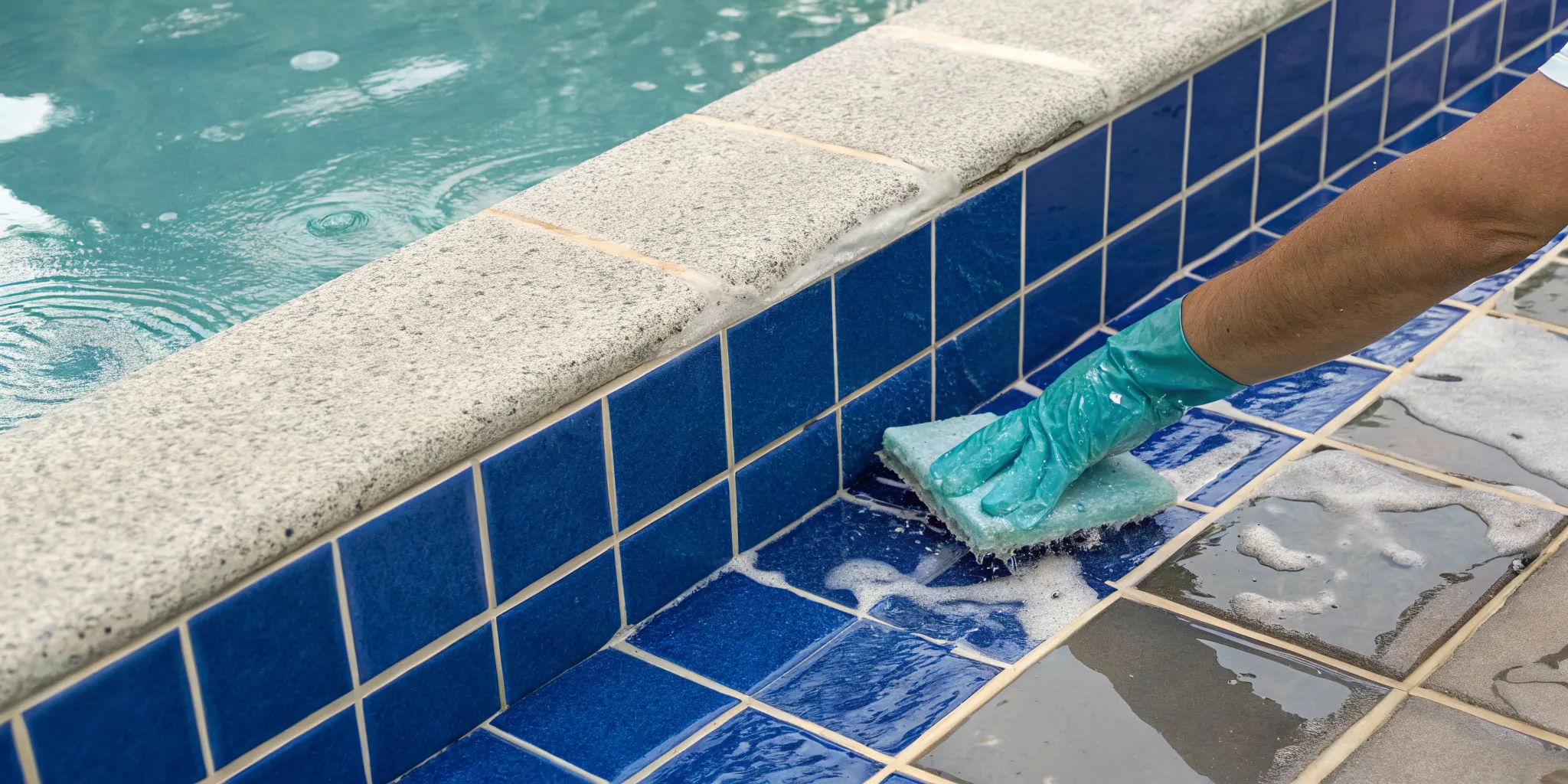
Now it’s time for a little elbow grease. Algae clings stubbornly to every surface in your pool, and chemicals alone won’t be enough to get rid of it. Grab a good, stiff pool brush and give the walls, steps, and floor a vigorous scrubbing. The goal is to dislodge all the algae and push it into the water. This allows the sanitizer you’ll add later to kill it more effectively and makes it easier for your filter to capture the dead particles. Don’t forget to get into the corners and other tight spots where algae loves to hide.
Check and Clean Your Filter
Your filter is the unsung hero of your pool, and it can’t clear up green water if it’s already clogged with gunk. A dirty or malfunctioning filter is often the root cause of a persistent algae problem. Check your filter’s pressure gauge—if it’s reading higher than its normal operating level, it’s time to either backwash it or clean the cartridge, depending on your system. If you’ve cleaned it and are still having issues, you may need professional equipment repairs to get it working properly again.
Skim Out Leaves and Debris
Finally, grab your skimmer net and get to work. Remove all the floating leaves, twigs, bugs, and any other large debris from the surface of the water. Algae uses organic matter like this as a food source, so getting it out of the pool is crucial. After skimming, vacuum the bottom of the pool to pick up any sunken debris. A thorough cleaning at this stage ensures your chlorine shock can focus all its energy on killing algae instead of breaking down leaves. This is a key part of any effective cleaning and maintenance routine.
How to Shock Your Pool the Right Way
Now for the main event. Shocking your pool, also known as superchlorination, is the most effective step for killing algae and sanitizing your water. It involves adding a large, concentrated dose of sanitizer to wipe out all the contaminants that have turned your pool green. Think of it as a hard reset for your pool water. Done correctly, this process will kill the algae bloom and get you on the fast track to a clear, swimmable pool. Let’s walk through the four key steps to get it right.
Pick the Right Kind of Shock
The term "shock" refers to a granular oxidizer, usually chlorine-based, designed to break down organic waste and kill bacteria and algae. When you shock your pool, you’re raising the free chlorine level high enough to destroy everything in its path. For a green pool, a powerful cal-hypo (calcium hypochlorite) shock is typically your best bet. You can find the right pool chemicals and supplies to handle the job, but the key is choosing a product specifically made for superchlorinating a pool to fight an active algae problem.
Calculate the Right Amount
This isn’t the time to be shy with your chemicals. A good starting point is to use one pound of shock for every 10,000 gallons of water. However, for a green pool, you’ll almost always need more. If the water is just lightly green but you can still see the bottom, use a double dose. If your pool looks more like a swamp and you can’t see more than a foot or two down, you’ll want to use a triple or even quadruple dose. It’s better to slightly overdo it than to under-shock and have the algae come right back.
Apply It Safely
Always read the manufacturer’s instructions on the package before you begin. Wear protective gloves and safety glasses, as shock is a powerful chemical. The best practice is to pre-dissolve the granular shock in a five-gallon bucket of pool water before adding it to the pool. Stir it with a wooden stick until it’s fully dissolved. Then, slowly pour the mixture into the water around the edges of your pool. It’s best to do this at dusk or at night, as sunlight can burn off the chlorine before it has a chance to work.
Keep Your Filter Running
Shocking the pool kills the algae, but it doesn’t remove it. That’s your filter’s job. After you’ve added the shock, you need to run your pool filter and pump continuously until the water is clear again. This could take 24 hours or even a few days. The filter will catch all the dead algae particles, so be sure to check your filter pressure and backwash or clean the cartridge as needed. If your filter isn't running properly, this step won't work. You may need professional equipment repairs to get it back in shape.
What to Do After You Shock the Pool
You’ve shocked the pool, which is a huge step in the right direction. But the work isn’t quite finished. After the shock treatment has neutralized the algae, you’ll likely be left with cloudy water and unbalanced chemicals. The next phase is all about restoring balance and clarity to your pool. Think of it as the final cleanup after the big battle. Following these steps will ensure your water doesn't just look clean but is genuinely healthy and ready for swimming.
Balance Your pH
The first thing to check is your pool's pH level. For chlorine and shock to do their job effectively, your pH needs to be in the right range. After letting the shock circulate for several hours (or overnight), test your water again. You're aiming for a pH between 7.4 and 7.6. If your reading is too high, you'll need to add a pH decreaser. If it's too low, a pH increaser will bring it back up. Getting the pH right is a critical step because it affects swimmer comfort and the effectiveness of all the other pool chemicals you use.
Adjust the Alkalinity
Next up is total alkalinity, which works hand-in-hand with pH. Think of alkalinity as the anchor that keeps your pH from swinging wildly. The ideal range is between 80 and 120 parts per million (ppm). If your alkalinity is off, you’ll have a tough time keeping the pH stable. If you test and find the level is too low, you can use an alkalinity increaser—or even household baking soda in a pinch—to raise it. Getting this right is a key part of any good cleaning and maintenance routine and makes all your other efforts last longer.
Add an Algaecide for Good Measure
While the shock did the heavy lifting, some stubborn algae spores might have survived. To make sure they don't stage a comeback, consider adding a dose of algaecide. This is especially helpful if you've been battling a particularly nasty green pool. Wait until your chlorine levels have returned to a normal range (typically below 5 ppm) before adding it, as high chlorine can break down the algaecide. This step acts as an insurance policy, helping to kill off any lingering algae and keeping your water crystal clear for the long haul.
Use a Clarifier to Clear the Cloudiness
After a shock treatment, it's common for the water to look cloudy. This is actually a good sign—it means the algae is dead! But now you have millions of tiny, dead algae particles floating around. To clear this up faster, you can use a pool clarifier. This product works by clumping those fine particles together, making them large enough for your filter to catch. Just add the recommended dose and let your filter run for at least 24 hours. If your filter seems to be struggling, it might be a sign you need professional equipment repairs to get it working at full strength again.
How Long Until My Pool Is Blue Again?
I know what you’re thinking: "How much longer do I have to stare at this swamp?" It’s the million-dollar question once you’ve started the recovery process. The honest answer is that it takes time. Transforming a green pool back to a sparkling oasis isn’t an overnight miracle, but with a little patience, you’ll be swimming in crystal-clear water before you know it. The key is to understand the timeline and know what signs of progress to look for along the way.
Setting a Realistic Timeline
Let’s set some clear expectations: you won’t fix a green pool in a single afternoon. Generally, it takes anywhere from three to five days to completely clear up a green algae bloom. The initial shock will kill the algae, but your filter system has to do the heavy lifting of removing all the dead particles from the water. The exact timing depends on how severe the algae problem is and how efficiently your pump and filter are running. So, take a deep breath and trust the process. Consistent filtering and balanced chemicals are your best friends right now.
Signs You're on the Right Track
The first sign of success is when the water color starts to change. It will likely shift from a vibrant green to a cloudy, milky blue or grayish-white. Don't panic when you see the cloudiness! This is actually great news. It means the shock has done its job, the algae is dead, and your filter is now working to clear the debris. If your water is greenish but you can still see the bottom, the culprit might be something chlorine can't kill easily, like certain types of algae or even high pollen counts, which are common here in Colorado.
When to Shock a Second Time
If 24 to 48 hours have passed and your pool is still looking more like a pond than a swimming hole, you might need a second round of shock. A good rule of thumb is to check the water's visibility. If you can’t see at least halfway down to the bottom of the pool, it’s a sign that there’s still a lot of live algae. Before you add more chemicals, test your chlorine levels again. If they’ve dropped significantly, it means the first shock was used up fighting the algae, and it’s time for another treatment dosage. If you’ve shocked it twice and aren’t seeing improvement, your equipment might be the issue, and it could be time to look into professional repairs.
Common Mistakes to Avoid When Fixing a Green Pool
You’re ready to tackle that green water, but a few common missteps can make the job harder and longer than it needs to be. Getting your pool back to blue is about working smarter, not just harder. By avoiding these frequent errors, you’ll save time, money, and a lot of frustration. Think of this as your guide to what not to do, so you can get back to enjoying your pool as quickly as possible.
Don't Guess, Always Test
It’s tempting to just dump a bunch of chemicals into the water and hope for the best, but that’s the fastest way to waste money and make the problem worse. The first and most important rule is to test your water before you add anything. A green pool is a symptom, and testing is the diagnosis. You need to know your exact chlorine, pH, and alkalinity levels to treat the root cause effectively. Using a reliable water test kit is a non-negotiable first step. Guessing is just throwing chemicals—and your money—down the drain.
Don't Skimp on the Shock
When your pool is green, it needs a powerful dose of shock to kill the algae bloom. This is not the time to be conservative with your measurements. Under-shocking the pool won't eliminate all the algae, allowing it to quickly regrow and leaving you right back where you started. Always read the instructions on your pool shock and calculate the correct amount for your pool’s volume. It’s often better to slightly overestimate than to under-dose. A proper shock treatment is what truly turns the tide against algae.
Don't Forget to Balance the pH
This is a mistake that trips up many pool owners. You can add all the shock you want, but if your pH is too high or too low, the chlorine won’t be effective. High pH, in particular, handcuffs chlorine, drastically reducing its ability to sanitize and kill algae. After testing your water, adjust your pH and alkalinity levels before you shock the pool. Getting these levels right ensures your chlorine can work at full strength, making your shock treatment far more successful. Proper water chemistry is a team effort, and pH is a key player.
Don't Neglect Your Filter
Chemicals kill the algae, but your filter is what removes it from the water. After shocking your pool, you need to run your filter continuously—24 hours a day, if necessary—until the water is clear. Turning the filter off too soon allows dead algae and other particles to settle back into the pool. You should also check and clean your filter before and during this process, as it will be working overtime. If you notice your filter isn't working correctly or the pressure is too high, it may need a deep clean or professional attention.
How to Keep Your Pool from Turning Green Again
You’ve put in the hard work to clear up that green water, and the last thing you want is a repeat performance. The good news is that preventing algae is much easier than treating it. It all comes down to creating a consistent routine that keeps your pool water clean, balanced, and circulating. Think of it as simple, proactive care that saves you from future headaches and a lot of shock treatments. By staying on top of a few key tasks, you can keep your pool sparkling and swim-ready all season long.
This isn't about adding a ton of work to your plate; it's about creating smart habits. A little weekly attention goes a long way in maintaining a healthy pool environment where algae simply can't get a foothold. After all, algae thrives in pools that are neglected, even for a short time. Imbalanced chemicals, poor circulation, and debris create the perfect storm for a green takeover. By integrating regular testing, cleaning, and circulation checks into your schedule, you’re actively working against those conditions. Let's walk through the four pillars of algae prevention so you can spend more time enjoying your pool and less time fighting with it.
Test and Balance Weekly
Make testing your pool water a non-negotiable weekly habit. Guessing which chemicals to add is a recipe for frustration and wasted money; you need accurate readings to know what your water truly needs. At a minimum, check your chlorine, pH, and alkalinity levels. Consistent, balanced chlorine is your number one defense against algae spores taking hold. When your water chemistry is stable, it creates an environment where algae can’t thrive. We can help you find the right testing kits and pool chemicals to make this process straightforward and effective, turning a chore into a simple check-in.
Keep the Water Moving
Stagnant water is an open invitation for algae. Proper circulation is essential for distributing chemicals evenly and filtering out contaminants. Aim to run your pool filter for at least 8 to 12 hours every day, especially during the warm Colorado summer months. Take a look at your return jets, too. Are they pointed downwards and in a circular direction to move water around the entire pool? This helps eliminate dead spots where algae loves to hide and grow. If your pump or filter seems weak, it might be time for a check-up. A healthy filtration system is the heart of a clear pool, and our team can handle any equipment repairs you might need.
Stick to a Cleaning Schedule
There’s no substitute for good old-fashioned elbow grease. Brushing your pool’s walls, steps, and floor at least once a week physically removes any algae spores before they can bloom. Skimming the surface daily and vacuuming the floor weekly also removes leaves, dirt, and other organic debris that algae feeds on. This physical cleaning is just as important as your chemical routine. If your schedule is packed, don't let the cleaning slide. Our professional cleaning and maintenance services can take this task off your hands, ensuring your pool stays consistently clean and algae-free.
Use a Preventive Algaecide
Think of algaecide as your backup defense. While balanced water and proper cleaning are your primary tools, a weekly dose of preventive algaecide adds an extra layer of protection. It works in the background to kill any stubborn algae spores that your chlorine might miss. This is especially helpful after a rainstorm or when you have a lot of swimmers, as these events can throw your water chemistry off balance. Using a quality algaecide consistently makes it much harder for any type of algae to establish a foothold. You can find a variety of effective algaecides and other chemicals to simplify your maintenance routine.
When Is It Time to Call a Pro?
Trying to fix a green pool on your own can be a rewarding project, but there’s no shame in calling for backup. Sometimes, bringing in a professional is the fastest and most effective way to get your pool back to being crystal clear. A persistent green pool can be a symptom of a bigger issue that standard shock treatments won't solve. If you’ve followed all the steps and are still staring at murky water, it might be time to let an expert take a look.
A professional technician can quickly diagnose the root cause of the problem, whether it’s a chemical imbalance, a hidden algae colony, or faulty equipment. They have access to professional-grade treatments and diagnostic tools that can solve the problem much faster than trial-and-error. Here in Colorado, our unique climate can add another layer of complexity to pool care. A local expert understands these specific challenges and can provide a solution that lasts. If you’re feeling stuck, a professional can save you time, money, and a lot of frustration.
Signs You're in Over Your Head
If you feel like you’re just guessing, you probably are. One of the most common mistakes homeowners make is randomly "throwing chemicals" at the water, hoping something will work. This approach rarely solves the underlying issue and can end up wasting a lot of money on the wrong products. The first step to fixing any pool problem is getting accurate chemical readings. If your test strips are confusing or you’re not sure how to interpret the results from your liquid kit, you’re starting off on the wrong foot. When you’re not confident in your diagnosis, it’s a clear sign you need professional cleaning and maintenance to get things right.
If the Green Just Won't Go Away
You’ve scrubbed, you’ve skimmed, and you’ve shocked the pool—maybe even twice. But the water is still stubbornly green or cloudy. This is a classic sign that you’re dealing with a particularly resistant strain of algae or a more complex chemical issue. Defeating a serious algae bloom requires keeping chlorine levels very high for several days, which can be difficult and time-consuming to manage on your own. If your efforts aren't making a dent after a few days, it’s time to call in a pro. They can identify the specific type of algae and use targeted treatments to eliminate it for good, ensuring your pool is safe and swim-ready again.
When Your Equipment Isn't Cooperating
Your pool’s circulation and filtration system is the heart of its cleaning process. If it isn’t working correctly, you’ll never be able to keep the water clear. You might notice that your filter pressure is too high or too low, the pump is making strange noises, or you have weak water flow from the return jets. While routine filter cleaning is a standard DIY task, diagnosing a mechanical problem is a different story. Continuing to run a faulty pump or filter can lead to more extensive and expensive damage. If you suspect an issue with your hardware, it’s best to schedule a professional equipment repair to get it sorted out safely and correctly.
Frequently Asked Questions
Is it actually unsafe to swim in a green pool? Yes, it's definitely not a good idea. That green color is from a massive algae bloom, which can harbor harmful bacteria. More importantly, when the water is murky, you can't see the bottom of the pool. This creates a serious safety risk, as a swimmer in distress might not be visible. It's best to keep everyone out of the water until it's completely clear and the chemical levels are back in a safe, balanced range.
I shocked my pool, and now the water is cloudy. Did I do something wrong? Not at all! In fact, cloudy water is usually a good sign. It means the shock has done its job and killed the algae. Now you're just seeing millions of tiny, dead algae particles suspended in the water. Your filter's job is to clear that up. Keep your filter running continuously and clean it as needed, and that cloudiness should disappear over the next day or two, revealing clear water.
Why did my pool turn green so fast? It looked fine yesterday! It’s shocking how quickly an algae bloom can take over. Algae spores are microscopic and can multiply at an incredible rate under the right conditions—warm water, sunlight, and a lack of sufficient chlorine. A heavy rainstorm in Colorado or a day of high use can deplete your sanitizer levels just enough for algae to get a foothold and explode overnight. This is why consistent chemical testing and maintenance are so important.
What's the single most important first step if I wake up to a green pool? Before you add a single chemical, you must test your water. It’s tempting to just dump in a bunch of shock, but you could be wasting time and money if another issue, like a high pH level, is making your chlorine ineffective. Testing tells you exactly what you're dealing with so you can create a targeted plan of attack instead of just guessing.
Do I really need to brush the pool, or can I just use chemicals? Brushing is a non-negotiable step. Algae clings to your pool's walls and floor, and chemicals alone often can't penetrate its protective layers. By giving your pool a thorough scrubbing, you break up the algae and suspend it in the water. This allows the shock and sanitizer to work much more effectively, killing it off completely and making it easier for your filter to remove.
Related Blogs