%201.png)
Diamond Brite Pool Resurfacing Cost: A Breakdown
A worn-out pool surface is more than just an eyesore; it can be rough, porous, and a constant battle to keep clean. When it’s time for a remodel or rehab, you want to choose a finish that will last. Diamond Brite is known for its incredible durability, often lasting years longer than traditional plaster. This longevity makes it a smart long-term investment. Of course, that durability comes with a higher upfront cost. To make an informed decision, you need a clear picture of the total diamond brite pool resurfacing cost. We’ll walk you through what to expect, how it compares to other options, and why paying more now can actually save you money on future maintenance and repairs down the road.
Key Takeaways
- View Diamond Brite as a long-term investment: While it requires a higher initial investment than standard plaster, its superior durability and 8 to 15-year lifespan mean fewer future remodels and less money spent on harsh chemicals over time.
- Plan your budget for the complete project: A typical resurfacing falls between $5,000 and $10,000, but your final quote depends on your pool's size, shape, and current condition. Remember to also account for extra costs like water and initial chemicals.
- A great finish depends on a great contractor and consistent care: The longevity of your Diamond Brite surface is directly tied to the quality of the installation and your commitment to routine maintenance. Choose a certified professional and stick to a regular cleaning and water-balancing schedule.
What Is Diamond Brite Pool Resurfacing?
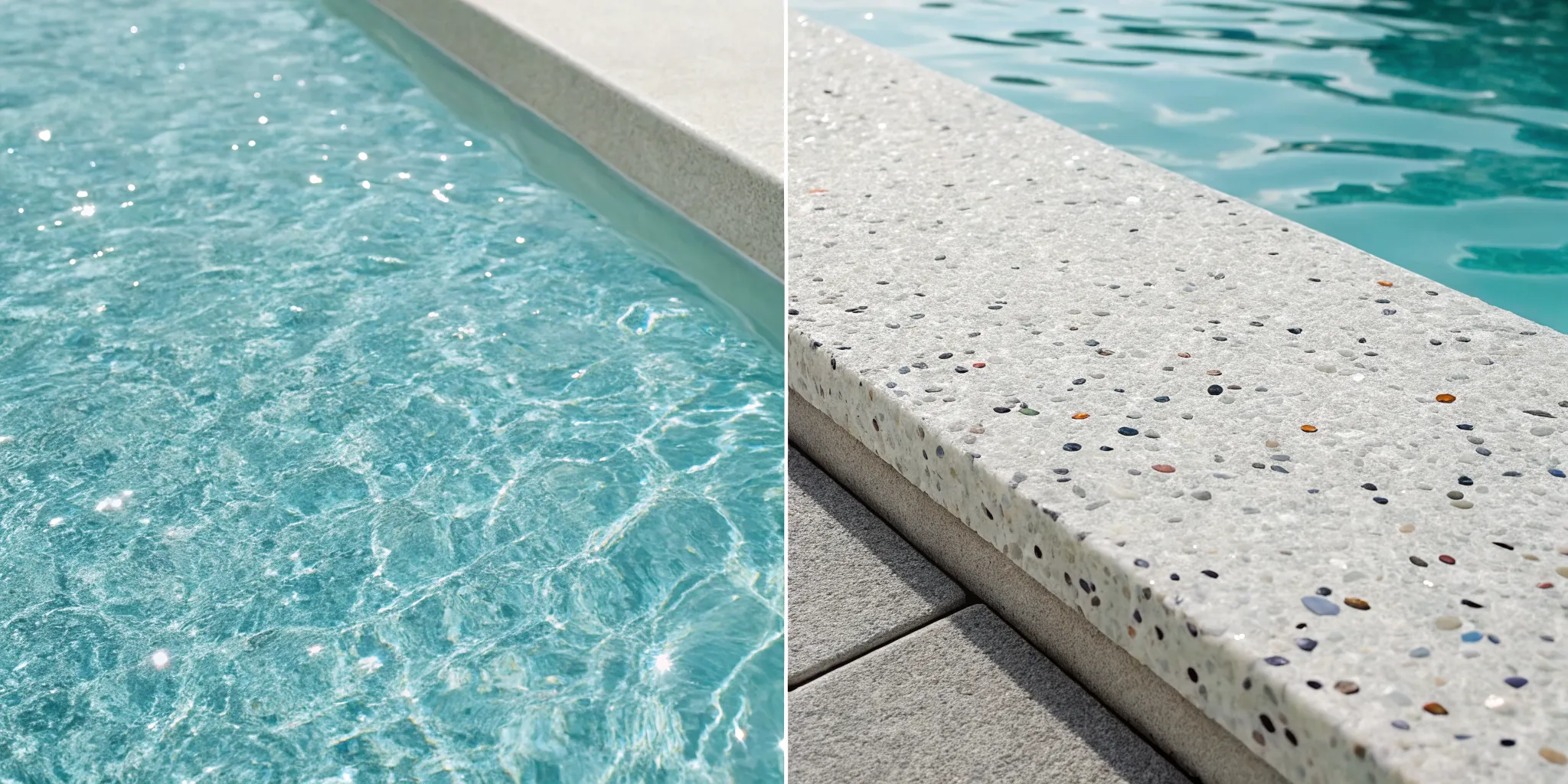
If you're looking into giving your pool a facelift, you've likely come across the name Diamond Brite. So, what is it exactly? Think of it as a major upgrade from the standard pool plaster. Diamond Brite is a pool finish made from a blend of strong cement and natural quartz pieces. This combination creates a surface that is not only incredibly tough but also has a beautiful, speckled appearance that shimmers in the sunlight.
Unlike traditional plaster, which is a simpler mix of cement and sand, Diamond Brite’s quartz aggregate makes it far more resilient. It’s a popular choice for pool owners in Colorado who want a finish that can stand up to our unique climate while looking fantastic for years. It’s a premium surface that offers a great balance of durability, style, and long-term value for your pool.
How It Compares to Traditional Plaster
When you stack Diamond Brite against traditional white plaster, the biggest differences are durability and cost. Standard plaster is the classic, budget-friendly option, but it’s also softer and more susceptible to staining and erosion over time. Upgrading to Diamond Brite is an investment. You can generally expect this choice to add between $3,000 and $6,000 to your total resurfacing bill compared to a basic plaster job.
For most pool remodels and rehabs, the total project cost often lands in the $10,000+ range. This is especially true if your old surface is in rough shape and requires a complete "chip out," which is the process of removing all the old, failing plaster before the new finish can be applied.
Exploring the Benefits and Styles
So, why do so many pool owners feel Diamond Brite is worth the investment? The benefits speak for themselves. First up is longevity. A well-maintained Diamond Brite finish can last anywhere from 8 to 15 years, which is significantly longer than most traditional plaster surfaces. It’s also incredibly tough, standing up well against pool chemicals, scratches, and stains.
Another major plus is how easy it is to maintain. The smooth, non-porous surface makes it difficult for algae to take hold, which simplifies your regular cleaning and maintenance routine. Beyond its practical advantages, Diamond Brite comes in a variety of colors. The quartz aggregates can be tinted to create a range of water colors, from a bright, tropical blue to a deep, natural green.
Common Myths About the Investment
One of the biggest myths surrounding Diamond Brite is that its higher upfront cost isn't justified. While it's true that it isn't the cheapest option on the market, it’s a classic case of getting what you pay for. A quote that seems too good to be true often signals the use of lower-quality materials or inexperienced labor, which can lead to costly problems down the road.
Investing in a quality finish like Diamond Brite often proves more economical in the long run. Its resistance to chemicals and algae means you’ll spend less on harsh treatments and intensive cleaning. Plus, its durability means you won't be facing another resurfacing project in just a few years. It’s a choice that provides lasting beauty and peace of mind.
What Factors Influence the Final Quote?
When you decide to resurface your pool, the final quote you receive isn't just a random number. It’s a detailed calculation based on your pool's specific needs. Think of it like a custom-tailored suit; the final fit depends on precise measurements and the materials chosen. Several key factors come into play, and understanding them will help you see exactly what you’re investing in. From the sheer size of your pool to the current state of its surface, each element plays a role in the labor and materials required for the job. This is why you'll see variations in estimates from one pool to the next, even in the same neighborhood.
The goal is to get a beautiful, durable finish that lasts for years, and that starts with proper preparation and application. A professional quote will account for the unique characteristics of your pool and property, ensuring there are no surprises down the line. We’ll walk through the three biggest factors that shape the estimate for a Diamond Brite resurfacing project: the dimensions of your pool, the condition of its existing finish, and even some considerations specific to living right here in Colorado. Knowing what to expect will make the entire process feel much more straightforward and help you plan your budget with confidence.
Your Pool's Size and Shape
It makes sense that the biggest factor in your resurfacing quote is the size of your pool. A larger pool simply has more surface area to cover, which requires more Diamond Brite material and more hours of labor to apply it correctly. Industry experts note that the cost to re-diamond brite a pool often falls into a general range, but this figure moves up or down depending on the pool's dimensions. Beyond simple square footage, the shape also matters. A complex, freeform pool with lots of curves, steps, and ledges demands more detailed work than a standard rectangle, which can also influence the final number on your quote for remodels and rehabs.
The Condition of Your Current Surface
Before any new finish can be applied, the existing surface needs to be prepped. The condition of your current plaster or aggregate will determine how much prep work is needed. If your pool has minor etching or staining, the preparation might be relatively simple. However, if the surface is in rough shape with deep cracks, hollow spots, or significant deterioration, more intensive work is required. According to pool professionals, this extra work, such as sandblasting or hydro-blasting, is necessary to create a clean, stable base for the Diamond Brite to bond to. This essential step ensures your new finish looks great and lasts as long as it should, preventing future repairs.
Colorado-Specific Considerations
Where you live also plays a part in the overall investment. Labor and material availability can vary from one region to another, and that’s true for us here in Colorado. Working with a local team means you’re partnering with experts who understand the challenges our climate can present, from freeze-thaw cycles to intense sun exposure. These environmental factors are important when planning any major pool project. A local contractor will have a firm grasp on regional material suppliers and a skilled labor pool, ensuring your project is handled by people who know exactly what a Colorado pool needs to thrive. This local expertise is key to proper installation and long-term cleaning and maintenance.
How Much Should You Budget for Diamond Brite?
Okay, let's talk numbers. You know what Diamond Brite is and what influences the final quote, so now it's time to figure out what this investment looks like. While every pool is unique, especially here in Colorado, we can look at some typical ranges to help you create a realistic budget for your project. Getting a clear financial picture is the first step toward a beautiful, long-lasting pool finish.
A Complete Breakdown of the Investment
Generally, you can expect a Diamond Brite resurfacing project to fall somewhere between $5,000 and $10,000. Think of this as a starting point. The final number on your quote will depend heavily on the factors we've already covered, like the size of your pool and the complexity of its shape. A larger, free-form pool will naturally require more material and labor than a small, rectangular one. This investment covers not just the stunning new finish but also the expert labor required for a flawless application, making it a key part of any major pool remodel or rehabilitation project.
Analyzing the Per-Square-Foot Rate
While some contractors might break down their quotes by the square foot, it's more common to receive a total project quote. On average, many homeowners find their total investment lands around the $10,000 mark. This figure often includes the necessary prep work, which is crucial for a durable finish. If your pool's existing surface has significant cracks or damage, the preparation phase will be more intensive. Sometimes, this prep work can uncover underlying issues that require attention, so it's good to be prepared for those possibilities when you plan your budget.
Planning for Additional Expenses
When comparing Diamond Brite to other options, it's helpful to know that it's considered an upgrade over standard plaster. If you're deciding between the two, choosing Diamond Brite will typically add $3,000 to $6,000 to the total project. Beyond the finish itself, remember to account for other costs. These can include the water to refill your pool and the initial round of supplies and chemicals needed to balance the water chemistry perfectly for the new surface. This is also a great time to consider any other small upgrades, like replacing waterline tiles, so be sure to discuss those possibilities with your contractor.
How Does Diamond Brite Stack Up Against Other Options?
When you're planning a pool resurfacing project, the finish you choose is a major decision. It affects not just the look of your pool, but also your budget and future maintenance schedule. Diamond Brite is a popular aggregate finish, but how does it really compare to traditional plaster or other options on the market? It’s about more than just the initial quote; you have to consider the full picture.
Think of it like choosing siding for your house. A cheaper option might save you money today, but if you have to repair or replace it in just a few years, you haven’t really saved anything. The same logic applies to your pool’s interior. We’ll break down how Diamond Brite compares in terms of upfront investment, long-term durability, and overall value, so you can feel confident in your choice. This will help you understand if the premium finish is the right fit for your Colorado pool and your wallet.
Comparing Upfront Investment: Plaster vs. Aggregate
Let’s talk numbers. A Diamond Brite finish is more of an upfront investment than standard white plaster. On average, you can expect the cost of Diamond Brite pool resurfacing to be a few thousand dollars more than a basic plaster job. While the exact amount depends on your pool's size and condition, this initial difference is important to factor into your budget.
However, it's helpful to see this not just as a cost, but as an upgrade. You're paying for a premium product that blends durable quartz aggregate with polymer-modified cement. This combination creates a much hardier and more visually appealing surface from day one. So while plaster is the more budget-friendly choice initially, Diamond Brite offers a different level of quality for that higher investment.
Factoring in Durability and Future Maintenance
This is where Diamond Brite really starts to shine. A standard plaster finish typically needs to be redone every 5 to 7 years, but a well-maintained Diamond Brite surface can last from 8 to 15 years. That extended lifespan means fewer major renovation headaches down the road. The quartz aggregate makes the surface incredibly tough, giving it strong resistance to stains and scratches from pool equipment or toys.
This durability also simplifies your routine care. The non-porous finish makes it harder for algae to take hold, which can be a big help in keeping your water clear. Of course, no surface is maintenance-free. Consistent professional cleaning and maintenance is still the key to getting the most out of your investment and ensuring your pool finish lasts as long as possible.
Calculating the Long-Term Return on Investment
When you look at the big picture, the higher initial cost of Diamond Brite often translates into better long-term value. Because you’re not resurfacing as frequently, you save significant money over the life of your pool. You’ll also likely spend less on harsh chemicals to fight stubborn algae and stains, which adds up over time. A durable, beautiful finish is a cornerstone of any successful pool remodel or rehab.
Think about it this way: paying more upfront for a longer-lasting, lower-maintenance surface means fewer surprise expenses and more time simply enjoying your pool. For many Colorado homeowners, that peace of mind is worth the initial investment, making Diamond Brite a smart financial decision for the long haul.
How to Compare Quotes from Contractors
Once you have a few quotes in hand, the real work begins. Choosing a contractor for your Diamond Brite resurfacing is about more than just finding the lowest number. This is a major upgrade for your pool, and you need a partner who will get the job done right. A detailed quote is a good sign, but you also need to look closer at the company behind the numbers. Think of this process as hiring a long-term caretaker for one of your home’s most valuable features.
Comparing quotes effectively means looking at the full picture: the contractor’s experience, the clarity of their proposal, and the scope of work they promise to deliver. Taking the time to vet each option thoroughly protects your investment and ensures you’ll be happy with your beautiful new pool surface for years to come. It’s about finding the right balance of quality and reliability for your Colorado home.
Verifying Qualifications and Certifications
Before you even think about the cost, confirm that the contractor is qualified for the job. Anyone can give you a quote, but not everyone has the credentials to back it up. Start by checking for proper licensing and insurance. This is non-negotiable, as it protects you from liability if something goes wrong on your property.
Next, ask about their experience specifically with aggregate finishes like Diamond Brite. A contractor who has completed dozens of these projects will understand the nuances of the application process, which is critical for a durable, even finish. Our team is made up of certified technicians who specialize in pool remodels and rehabs, so we know firsthand how important specialized expertise is for achieving a professional result.
Spotting Red Flags in a Proposal
A quote that seems too good to be true probably is. An unusually low number can be a major red flag, often indicating that a contractor is using lower-quality materials or cutting corners on essential prep work. This can lead to a finish that fails prematurely, costing you more in the long run.
A trustworthy proposal should be clear and detailed. It needs to break down exactly what’s included in the total. Look for itemized lines covering surface preparation, the Diamond Brite materials, labor, and cleanup. If a quote is vague or groups everything into one lump sum, ask for a more detailed breakdown. A professional contractor will have no problem providing one.
Essential Questions to Ask Before Hiring
When you’re ready to talk specifics, having a list of questions will help you compare contractors on an even playing field. Don’t hesitate to ask for details, as a reputable professional will be happy to walk you through their process.
Start with these questions:
- Can I see a portfolio of your recent Diamond Brite projects? Seeing their work from the last few years gives you a real sense of their quality.
- What does the "whole service" include? Specifically, ask if after-care, like the initial brushing and chemical balancing for the first two weeks, is part of the package.
- What kind of warranty do you offer on materials and labor?
- Who will be on-site managing the project?
Understanding the full scope of their services, from potential equipment repairs to post-installation care, ensures there are no surprises.
How to Get an Accurate Estimate
Getting a clear and comprehensive estimate is the most important step in planning your pool resurfacing project. A detailed quote helps you budget effectively and ensures there are no surprises down the road. To get a reliable number, you’ll need to connect with qualified professionals, compare your options carefully, and understand exactly what you’re getting for your investment.
Finding Reputable Local Professionals
The quality of your Diamond Brite finish depends heavily on the skill of the team applying it. That’s why finding an experienced local contractor is so important. Look for certified technicians who understand the unique demands of Colorado's climate on pool surfaces. An experienced professional will not only provide a better application but also ensure the finish lasts for years to come. When you start your search, prioritize companies with a proven track record and deep roots in the local community. A great contractor will have a portfolio of successful remodels and rehabs they can share with you.
Requesting and Comparing Multiple Quotes
You should always get estimates from a few different qualified contractors before making a decision. You might be surprised by how much the numbers can vary for the same project. When you request a quote, ask for a detailed breakdown that outlines every step of the process, from preparing the old surface to the final application. This helps you compare apples to apples. Remember that factors like the size of your pool and any special features, such as waterfalls or attached spas, will influence the final amount. A thorough quote will account for these details, giving you a clear picture of the total investment.
Understanding Warranties and Guarantees
Before you sign any contract, make sure you fully understand the warranties involved. A reputable company will offer a guarantee on both the Diamond Brite material and their own workmanship. The contract should clearly state what is covered and for how long. Don’t hesitate to ask for clarification on any points you find confusing. It’s also a great idea to request photos or references from recent projects to see the quality of their work for yourself. This gives you peace of mind and confidence that your pool is in good hands for the long haul, from the initial resurfacing to any future repairs.
What to Expect for Long-Term Maintenance
A new Diamond Brite finish is a fantastic upgrade, but the work doesn’t stop once the installation is complete. Protecting your investment comes down to consistent, long-term care. While this surface is known for its durability, it still requires a solid maintenance routine to keep it looking its best for years to come. Think of it less like a one-time purchase and more like a long-term relationship with your pool.
The good news is that the upkeep isn't complicated. It centers on the same fundamentals of good pool ownership: regular cleaning and balanced water chemistry. Sticking to a schedule prevents common issues like staining and scaling, ensuring you get the maximum lifespan out of your beautiful new surface. Whether you prefer to handle it yourself or leave it to the pros, a proactive approach is key. A consistent cleaning and maintenance plan is the best way to protect your pool’s finish and keep it ready for swimming. This regular attention not only preserves the look of your pool but also ensures the water is always safe and inviting for your family and guests. It's about creating a simple, repeatable routine that becomes second nature.
Your Ongoing Cleaning and Chemical Needs
To make your Diamond Brite finish last as long as possible, you need to keep your pool's water chemistry balanced and clean it regularly. Brushing the walls and floor, skimming debris, and vacuuming are essential tasks that prevent algae and staining from taking hold. Because Diamond Brite is a cement-based finish, it's especially important to maintain proper pH, alkalinity, and calcium hardness levels. Unbalanced water can slowly etch or scale the surface over time, diminishing its smooth texture and vibrant color. Having the right supplies and chemicals on hand makes it much easier to stay on top of your water testing and adjustments.
The Expected Lifespan of a Diamond Brite Finish
When properly maintained, a Diamond Brite finish can last anywhere from 8 to 15 years. This is a significant improvement over traditional plaster, which often needs attention sooner. The exact lifespan depends on several factors, including how consistently you maintain your water chemistry and the specific environmental conditions here in Colorado. Consistent care helps the surface resist the wear and tear of daily use and fluctuating weather. Viewing your new finish as a core component of your pool's structure, much like any other part of a major remodel or rehab, helps frame the importance of its ongoing upkeep.
How Upkeep Compares to Other Surfaces
While the initial investment for Diamond Brite may be higher than for standard plaster, its durability often leads to savings in the long run. The quartz aggregate makes the surface stronger and more resistant to chemical etching and scratches. This means you'll likely spend less time and money on patching and other intensive repairs over the life of the finish. Compared to a simple plaster surface, which can be more susceptible to staining and erosion, Diamond Brite’s robust composition provides a more resilient and lower-maintenance solution that holds its value and appearance for years.
Is Diamond Brite a Worthwhile Investment?
Choosing a new pool finish is a big decision, and it’s about more than just the initial cost. While Diamond Brite has a higher upfront investment than traditional plaster, it’s important to look at the complete picture, from its durability to the long-term maintenance needs. Thinking about these factors will help you decide if it’s the right choice for your Colorado pool and your budget.
Analyzing the Long-Term Value
When you’re looking at a quote that can be around $10,000 or more, it’s easy to wonder if the cost is justified. Many pool owners find that Diamond Brite is a smart investment because it’s built to last. Its blend of quartz aggregate and polymer-modified cement creates a surface that is incredibly durable and resistant to stains and etching from pool chemicals. This means you’ll spend less time and money on repairs down the road. Compared to cheaper options that may need to be redone sooner, a quality pool remodel with Diamond Brite can offer significant savings over the life of your pool.
How to Get the Most from Your Investment
A Diamond Brite finish can last anywhere from 8 to 15 years, but reaching that longer lifespan depends on proper care. To protect your investment, it’s crucial to stay on top of your pool’s chemistry. Consistently balanced water prevents scaling and etching. You’ll also want to brush the pool surface weekly to keep it smooth and free of algae. Simple, regular pool cleaning and maintenance not only keeps your pool looking its best but also ensures your new finish holds up beautifully for years to come. Don’t forget to keep the water level consistent to prevent the finish from drying out and cracking.
Deciding if Diamond Brite Is Right for Your Pool
So, is this the right finish for you? If you’re upgrading from standard plaster, expect the Diamond Brite option to add between $3,000 and $6,000 to your total. The final amount will also depend on the condition of your current surface; if the old plaster needs to be completely chipped out, the project will naturally cost more. Ultimately, the decision comes down to your priorities. If you’re looking for a vibrant, long-lasting, and durable surface and have the budget for a premium finish, Diamond Brite is an excellent choice that adds both beauty and value to your pool.
Frequently Asked Questions
How long can I realistically expect a Diamond Brite finish to last? With consistent care, a Diamond Brite surface can last anywhere from 8 to 15 years. The key to reaching the upper end of that range is regular maintenance. Keeping your water chemistry balanced and brushing the pool walls weekly are the two most important things you can do to protect your investment and ensure the finish stays in great shape for years.
Is Diamond Brite really worth the higher upfront investment compared to standard plaster? It's a classic case of long-term value over short-term savings. While standard plaster is less expensive initially, it typically needs to be redone more frequently. Diamond Brite's durability means you won't be facing another major resurfacing project in just a few years. Its resistance to stains and algae can also lead to savings on chemicals and intensive cleaning over the life of your pool.
My pool is a unique shape. How much will that affect the final quote? The size and shape of your pool are two of the biggest factors in a resurfacing quote. A complex, freeform pool with features like steps, benches, or a spa requires more detailed work and precision than a simple rectangle. This additional labor and material will be reflected in the final estimate, as it takes more time to ensure a perfect, seamless application on intricate surfaces.
What does "proper maintenance" for Diamond Brite actually involve? Proper maintenance is straightforward and centers on two key areas: water chemistry and regular cleaning. You'll need to test your water frequently and keep the pH, alkalinity, and calcium levels in the correct range to prevent scaling or etching. A weekly routine of brushing the walls, skimming the surface, and vacuuming will also stop algae from getting a foothold on the smooth finish.
Why can't I get a simple quote without an in-person inspection? An accurate quote depends on a thorough assessment of your pool's current condition. A professional needs to see the existing surface to determine how much prep work is needed, such as whether the old plaster needs to be completely removed. An on-site visit allows a technician to take precise measurements and identify any potential issues, ensuring the estimate you receive is comprehensive and free of surprises.
Related Blogs