%201.png)
How Much Does It Cost to Winterize an Inground Pool?
If you own a pool in Colorado, you know our weather doesn’t mess around. An early freeze or a heavy snowpack can be brutal on your pool’s delicate plumbing and expensive equipment. That’s why proper winterization isn’t optional here—it’s essential. As you plan your fall budget, the cost to winterize inground pool components is a key line item to consider. This isn’t just a routine task; it’s a specific defense against our state’s unique climate challenges. This article is designed for Colorado pool owners like you. We’ll explain how our weather impacts the process, when the ideal time to close your pool is, and what you can expect to invest to keep your pool safe and sound through the off-season.
Key Takeaways
- Winterizing is essential for Colorado pools: Closing your pool correctly is the best way to prevent expensive freeze damage to your plumbing and equipment. Plan to schedule your service when temperatures consistently drop below 65°F, which is usually around September or October.
- Your pool's unique features affect the final bill: The total expense for a professional closing reflects your pool's specific needs. Factors like its size, type, and any additions such as an attached spa or waterfall will influence the time and materials required for the job.
- Hiring a pro is a smart investment: While DIY is an option, a single mistake can lead to costly repairs. Paying for a professional service ensures every step is handled correctly, protecting your pool and giving you peace of mind through the winter.
Breaking Down Pool Winterization Costs
Getting your pool ready for a Colorado winter is a critical task, and it’s natural to wonder what it will cost. Understanding the investment helps you plan and ensures you’re getting the right services to protect your pool from the cold. The total expense can vary, but it’s always a fraction of what you might pay for freeze-related damage.
What to Expect for Different Services
Let's talk numbers. When you hire a professional to winterize your inground pool, you can generally expect to pay between $175 and $300. The average cost lands right around $250 for a standard closing. This isn't just a random fee; it's an investment in protecting your pool through the harsh winter months. A professional closing service typically includes balancing the water chemistry, lowering the water level, blowing out the lines to prevent freezing, and adding winterizing chemicals. Think of it as a crucial final step in your annual pool maintenance plan, ensuring your pool is safe, secure, and ready for a smooth reopening next spring.
Factors That Influence the Final Bill
Of course, that average cost isn't one-size-fits-all. Several things can affect your final bill. The size of your pool is a big one; a larger pool requires more time and more winterizing supplies and chemicals, which can increase the cost. The type of pool you have and any special features, like an attached spa or waterfall, also play a role because they add complexity to the job. The current condition of your pool water matters, too. If the chemistry is way off, it will take more work to balance it before closing. It’s helpful to remember that you’re paying for a technician’s time and expertise, which is essential for getting the job done right.
Why Colorado's Climate Matters
Here in Colorado, we can't just guess when it's time to close the pool. Our weather demands a more strategic approach. The best time to winterize is when temperatures consistently dip below 65°F, which usually happens around September or October. Waiting too long is a huge risk. If an early freeze hits, the water left in your plumbing and equipment can turn to ice, expand, and cause serious cracks. This can lead to some very expensive equipment repairs for your pump, filter, or heater. Properly timing your pool closing is one of the most important things you can do to protect your investment from our cold winters.
What Does a Professional Winterization Include?
When you hire a professional to close your pool for the season, you’re getting more than just an extra set of hands. You’re paying for expertise and a thorough process designed to protect your pool from the harsh Colorado winter. A proper shutdown prevents costly damage and makes for a much smoother opening in the spring. While every pool is a little different, a comprehensive professional winterization service always covers three essential areas: balancing the water, clearing the equipment, and securing the cover. Let’s walk through what a certified technician handles in each step.
Balancing Water and Chemicals
The first thing a pro will do is get your pool water in perfect condition for its long winter nap. This isn’t just about keeping it clean; it’s about preventing algae, bacteria, and staining while the pool is dormant. A technician will test the water and adjust the pH, alkalinity, and calcium hardness to ideal levels. They’ll then add the right winterizing supplies and chemicals, including a powerful shock treatment to eliminate any contaminants. This carefully balanced water is less likely to cause corrosion or scaling on your pool surfaces and equipment over the winter, saving you from a green, swampy mess come springtime.
Protecting and Draining Equipment
This is arguably the most critical step for any pool owner in Colorado. When water freezes, it expands, and that expansion can easily crack pipes, filters, and pumps. A professional technician systematically drains every drop of water from your pool’s plumbing and equipment. They will turn off the pump, remove all drain plugs, and use an air compressor to blow every last bit of water out of the lines. Once the lines are clear, they are sealed with expansion plugs to keep them dry. This meticulous process is the best defense against freeze damage and helps you avoid expensive equipment repairs when you’re ready to swim again.
Covering and Securing the Pool
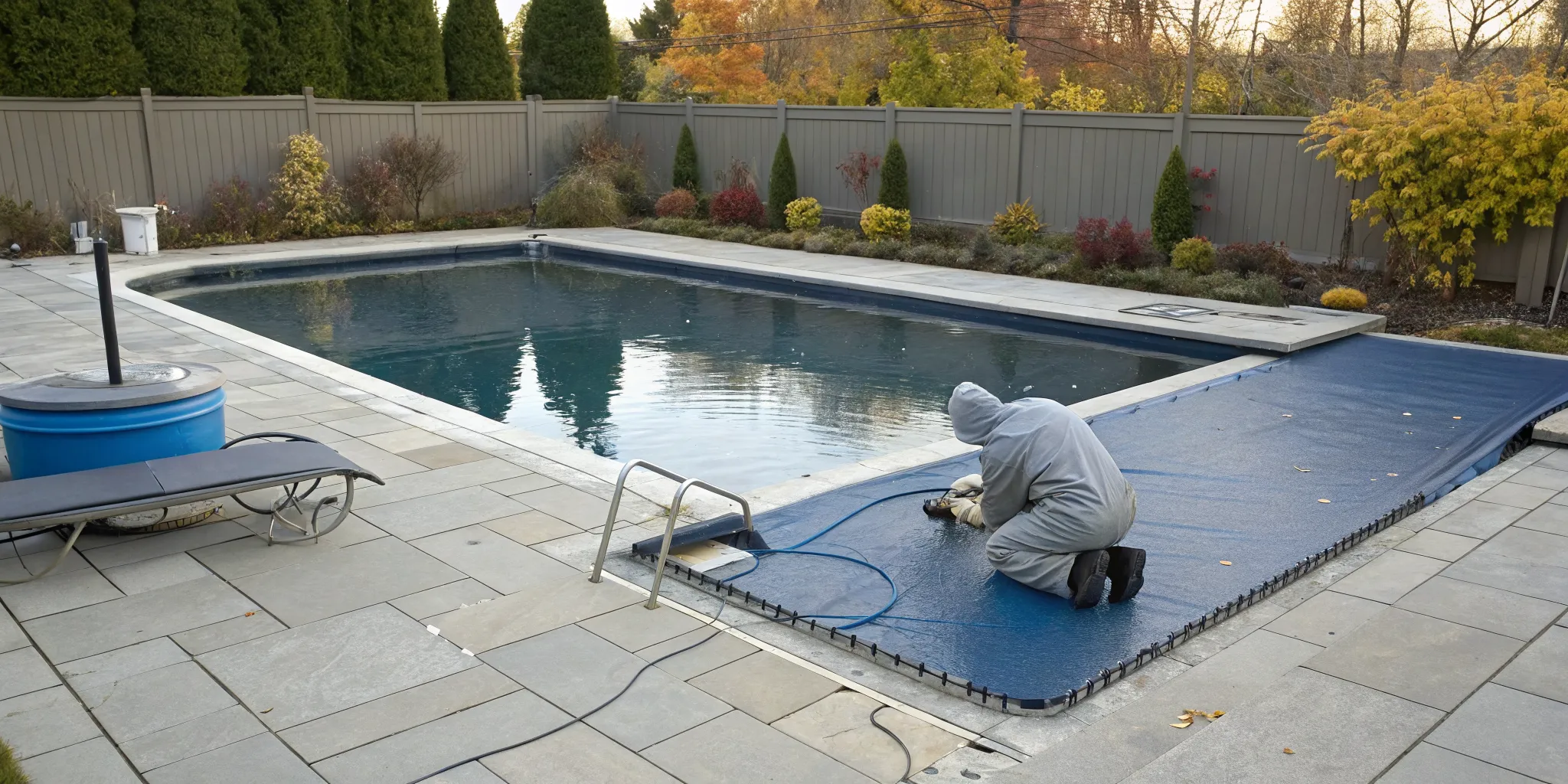
The final step is placing the winter cover. A professional won’t just lay it across the water; they will make sure it’s anchored securely to keep out debris, sunlight, and precipitation. A tight-fitting cover is your pool’s first line of defense against leaves, dirt, and snow. It also serves as a crucial safety barrier. By blocking sunlight, the cover helps prevent algae from growing in the balanced water underneath. Your technician will ensure the cover is installed correctly and will likely give you tips on how to keep it clear of heavy snow or water buildup throughout the off-season, ensuring your pool stays protected until the warm weather returns.
How Pool Type and Size Affect Your Bill
When you get a quote for pool winterization, you’ll notice it’s not a one-size-fits-all figure. Several factors related to your specific pool setup influence the final bill. The materials your pool is made of, its overall size, and any special features all play a part in how much time and what resources are needed to close it down properly for the Colorado winter. Understanding these elements can help you see exactly what you’re paying for and why a professional closing is a smart investment to protect your pool.
Vinyl, Fiberglass, or Concrete?
The material of your inground pool doesn't drastically change the winterization process, but it's part of a bigger picture. Inground pools, whether they're vinyl, fiberglass, or concrete, are simply more complex to winterize than above-ground models. The process involves draining underground plumbing and managing sophisticated equipment to prevent freeze damage. Because of these extra steps, you can generally expect the service for an inground pool to fall in the range of $200 to $400. This covers the essential tasks needed to ensure your pool structure and plumbing are secure through the coldest months.
The Impact of Pool Size and Features
It makes sense that the bigger the pool, the more work it takes to close. A larger surface area requires more winterizing chemicals and a larger, heavier cover to be put in place. It also takes more time for a technician to service the entire area. Beyond size, extra features add to the complexity. If your pool has an attached spa, a waterfall, or a deck jet system, each of these components has its own plumbing lines that must be drained and winterized separately. Properly caring for these additions is crucial, which is why specialized spa services are often part of a comprehensive closing plan.
Factoring in Labor and Complexity
A large portion of your winterization bill goes toward the technician's time and expertise. Professional pool technicians typically charge between $75 and $100 per hour, and a standard closing usually takes about two hours. This time is spent meticulously balancing the water chemistry, clearing and plugging water lines, and preparing all the equipment for its long winter nap. If the technician discovers an issue during the closing, such as a worn-out part that needs attention, it might require a simple repair that adds to the total time. This expert attention ensures no detail is overlooked, protecting you from much bigger headaches when spring arrives.
The Risks of Skipping Winterization
Thinking about skipping your pool closing this year? It might seem like a way to save a little time and money, but it’s one of the biggest gambles a pool owner can take, especially with Colorado's unpredictable winters. An improper shutdown can lead to serious damage that costs far more to fix than the winterization service itself.
When water freezes, it expands with incredible force, and that’s bad news for your pool’s plumbing and equipment. Beyond the risk of cracked pipes and broken filters, skipping this step sets you up for a miserable spring opening. Imagine pulling back the cover to find a green, swampy mess instead of clear water. Properly winterizing your pool is less about shutting it down and more about protecting your investment for the seasons to come.
Protecting Your Equipment from Freeze Damage
Colorado winters are no joke, and the freeze-thaw cycles can be brutal on your pool. When water left in your plumbing, pump, or filter freezes, it expands by about 9%. This expansion can easily crack PVC pipes, damage pump housings, and ruin filter tanks, leading to expensive and time-consuming equipment repairs. Properly winterizing involves draining all the water from these components and blowing out the lines to ensure they are completely empty. This single step is the most effective way to protect your pool from the costly consequences of freeze damage and ensure everything is ready to go when the warm weather returns.
Common DIY Mistakes That Lead to Costly Repairs
While a DIY approach can be tempting, winterizing a pool is a precise process where small mistakes can have big consequences. Forgetting to add winterizing algaecide, for example, can lead to a green pool in the spring. A more serious error is not clearing the plumbing lines completely, which can cause pipes to burst underground. According to some industry reports, simple DIY mistakes can lead to repairs for torn liners or burst pipes that cost anywhere from a few hundred to several thousand dollars. Hiring a professional ensures every step is done correctly, giving you peace of mind that your pool is truly protected through the winter.
Avoiding a Complicated Spring Opening
A proper winter shutdown is your secret weapon for an easy spring opening. When you close your pool correctly, you’re not just preventing freeze damage; you’re also setting the stage for a smooth start to the next swim season. This includes balancing the water chemistry and adding the right winter chemicals to prevent algae and bacteria from growing while the pool is covered. A well-winterized pool will greet you with relatively clear water in the spring, requiring minimal effort to get it swim-ready. Skip this, and you could spend weeks and a lot of money on cleaning and maintenance to fight a stubborn algae bloom.
DIY vs. Hiring a Pro: Which is Right for You?
Deciding whether to close your pool yourself or call in a professional is a common crossroads for pool owners. On one hand, the DIY route seems like a great way to save some money. On the other, a single mistake during a Colorado winter can lead to some seriously expensive problems come springtime. The right choice really comes down to your comfort level, your schedule, and how much risk you’re willing to take on.
Thinking it through involves more than just the upfront expense. You have to consider the cost of your own time, the investment in the right supplies, and what could happen if a step is missed. Let’s break down what each path looks like so you can make a confident decision for your pool and your budget. We’ll look at the real costs of doing it yourself, offer some essential tips if you choose that route, and explain when hiring a professional is the smartest financial move you can make.
The True Cost of a DIY Closing
When you look at the numbers, closing an inground pool yourself can seem appealing. Most homeowners find themselves spending around $250 on average for the process, which covers essential winterizing chemicals, plugs for the lines, and other necessary supplies. However, this figure doesn't account for your time, which is a valuable resource. A proper pool closing can take several hours, especially if you're new to the process. More importantly, the initial savings can disappear quickly if a mistake leads to freeze damage. A cracked pipe or a ruined pump filter can easily cost far more to fix than a professional closing service would have been in the first place.
Smart DIY Tips for a Proper Shutdown
If you feel confident tackling the job yourself, being thorough is key to avoiding a green, swampy mess or damaged equipment in the spring. Before you even think about putting the cover on, give your pool a deep clean and make sure you properly balance your pool water. This step is crucial for preventing algae and bacteria from thriving over the winter. Next, and most importantly for our Colorado climate, you must drain all water from your pump, filter, heater, and plumbing lines. Any water left behind will freeze, expand, and likely crack your equipment, leading to a frustrating and costly start to the next pool season.
When Calling a Professional Saves You Money
While it might feel like an extra expense, hiring a professional often protects your wallet in the long run. An experienced technician knows exactly how to prepare a pool for Colorado’s freezing temperatures, ensuring every line is blown out and every piece of equipment is protected. Professionals have the specialized tools and expertise to do the job efficiently and correctly, preventing the kind of costly mistakes that can happen during a DIY closing. Think of it as an investment. Paying for a professional service gives you peace of mind and helps you avoid the much larger expense of major repairs when you’re ready to open your pool again.
How to Save on Pool Winterization
Closing your pool for the winter is a necessary investment to protect it from Colorado’s harsh weather. While it’s a critical service, that doesn’t mean you can’t be smart about the expense. With a bit of planning and some good habits, you can keep your winterization costs reasonable and ensure your pool is in great shape for next spring.
Schedule Smart to Get the Best Deal
Timing is everything when it comes to closing your pool. The ideal time to schedule your winterization is when the daily temperature consistently stays below 65°F. In Colorado, this sweet spot usually falls in September or October. If you close too early while it’s still warm, you risk turning your covered pool into a perfect incubator for algae. Wait too long, and an unexpected cold snap could freeze your pipes, leading to expensive damage.
Booking your service during this ideal window not only protects your pool but also helps you avoid the last-minute rush when everyone is trying to close at once. Planning ahead ensures you can get on the schedule of a trusted professional for a smooth and timely shutdown.
How Good Habits Lower Winter Closing Expenses
The work you put in during the swimming season pays off when it’s time to close up. A well-maintained pool is simply easier, faster, and less expensive to winterize. Before a technician arrives, make sure your pool is clean and the water is balanced. If your water is green or full of debris, the closing process will require more time, labor, and costly chemicals to prevent algae and bacteria from growing over the winter.
Simple habits like regularly skimming leaves and brushing the walls make a huge difference. Following a few key steps for closing a pool yourself before the pros arrive can streamline the process. A clean start means a cleaner opening in the spring and less money out of your pocket now.
Compare Service Quotes the Right Way
When you’re looking for a professional to handle your pool closing, it’s wise to get a few quotes. But don’t just look at the final number. A cheap quote might mean a company is cutting corners, which could leave you with costly problems come springtime. Instead, ask for a detailed breakdown of what’s included in the service. A thorough winterization should cover water balancing, lowering the water level, blowing out the lines, and adding winterizing chemicals.
Look for companies with certified technicians and a solid reputation in Colorado. A quality closing protects your investment and prevents the need for future equipment repairs. Choosing an experienced team gives you peace of mind that the job will be done right.
Choosing the Right Winterization Service
Selecting the right company to close your pool for the winter is about more than just finding a good deal. It’s about entrusting a significant part of your home to a professional who can protect it from Colorado’s harsh weather. A proper shutdown prevents costly damage and sets you up for a smooth, easy opening next spring. Making a smart choice now means you can rest easy knowing your investment is secure until the swimming season returns.
What Every Good Service Should Include
When you hire a professional, you’re paying for expertise and peace of mind. A comprehensive winterization service should always cover the essentials: properly balancing the water chemistry, draining water from all equipment to prevent freeze damage, and securely installing the winter cover. Most homeowners find that a professional closing is a worthwhile investment. According to HomeGuide, you can generally expect to spend between $175 and $300 for a standard service. This ensures every step, from adding winterizing chemicals to blowing out the lines, is handled correctly, which is a key part of your annual pool maintenance routine.
Red Flags to Watch Out For
Be cautious of quotes that seem unusually high or low. A surprisingly low number might mean the company is cutting corners, which could lead to expensive damage later. On the other hand, an excessively high quote could indicate inefficiency. For example, some homeowners have reported being billed for an unusually long amount of time for a standard closing. A trustworthy company will be transparent about what their service includes and why it costs what it does. If a provider is vague or rushes through your questions, consider it a red flag and look elsewhere.
Questions to Ask Before You Hire
Before you commit to a service, arm yourself with a few key questions. It’s always a good idea to get at least three quotes from experienced, local companies to compare your options. Ask each one for a detailed list of what’s included in their winterization package. You should also confirm that they are licensed and insured to protect yourself and your property. Finally, ask about their experience with pools in Colorado. A local team understands the specific challenges our climate presents and can help you avoid common issues that lead to future equipment repairs.
Frequently Asked Questions
Is it really necessary to winterize my pool every single year in Colorado? Yes, it’s absolutely essential. Our winters are unpredictable, and skipping even one season is a major risk. The freeze-thaw cycles can cause water in your plumbing to expand and crack pipes, filters, and pumps. Think of winterization not as an optional chore, but as a critical part of your annual maintenance plan to protect your investment from very expensive damage.
What's the biggest mistake people make when closing their own pool? The most common and costly error is failing to remove all the water from the plumbing and equipment. It’s a meticulous process, and even a small amount of water left in a line can freeze, expand, and burst a pipe underground or crack your filter housing. This is where professional experience and equipment, like a high-powered air blower, make all the difference in preventing a springtime disaster.
My pool has an attached spa. Does that change the winterization process? It certainly does. An attached spa adds complexity because it has its own plumbing, jets, and equipment that must be addressed separately from the pool. Each of these components needs to be properly drained and the lines cleared of water. This ensures both your pool and your spa are fully protected from potential freeze damage throughout the winter.
When is the best time to schedule my pool closing? The ideal time to close your pool is when the daily temperature consistently stays below 65°F, which typically happens in September or October here in Colorado. Closing in this window helps prevent algae from growing while ensuring your pool is protected before the first hard freeze. It’s always a good idea to schedule your service in advance to get a spot before the end-of-season rush.
What should I look for in a service quote besides the final number? A quality quote should be transparent and detailed. Look for a clear breakdown of the services included, such as balancing the water, blowing out all the lines, adding winterizing chemicals, and securing the cover. A low-ball offer might mean they are cutting corners. You should also confirm that the company is insured and has specific experience with the demands of a Colorado winter.
Related Blogs