%201.png)
Cost to Replaster Pool: A Complete Breakdown
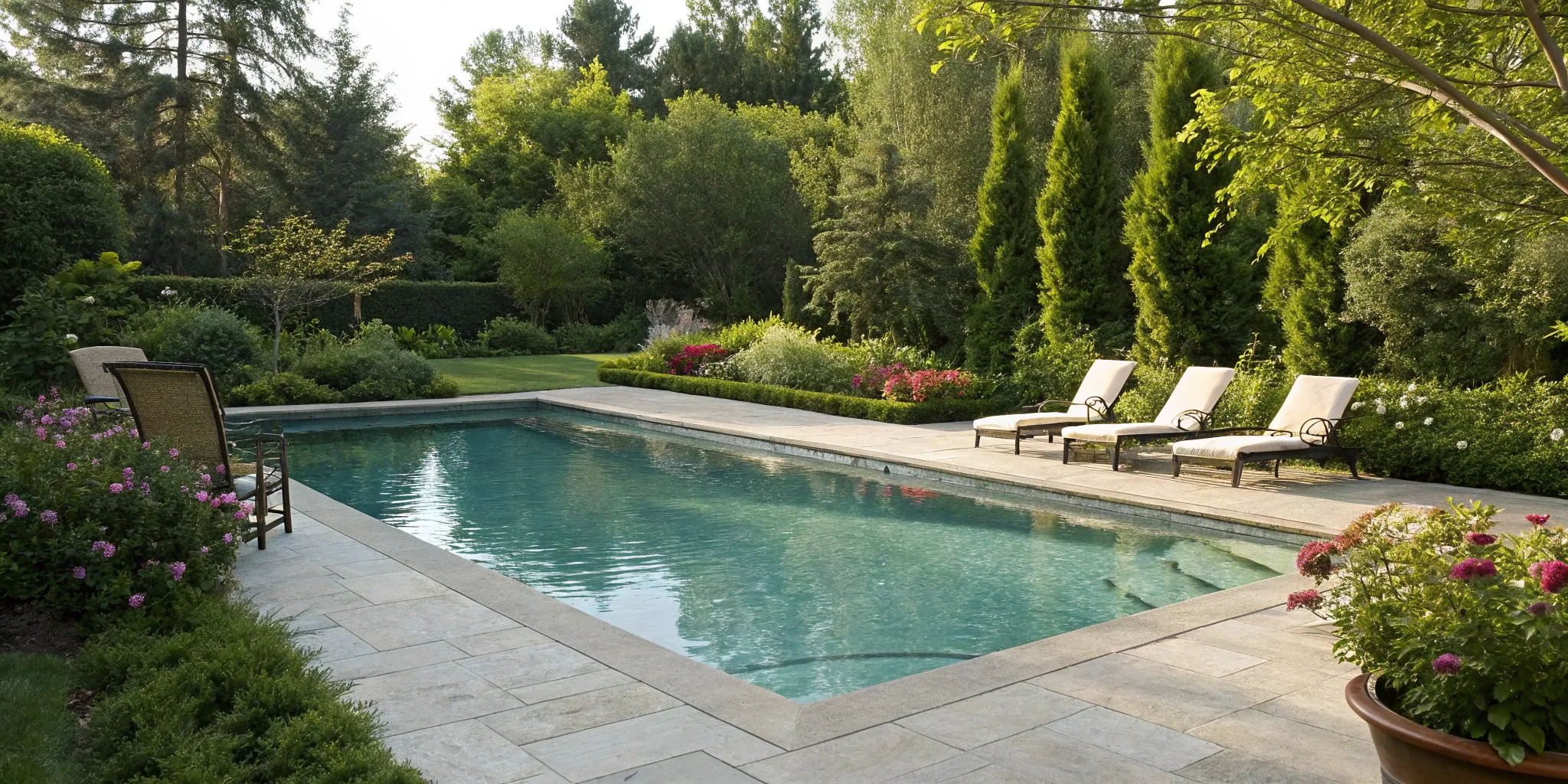
Thinking about replastering your pool is the perfect opportunity to consider a more comprehensive update. While the pool is drained, you have a unique chance to address other elements, like cracked tiles, dated coping, or inefficient equipment. These additions will naturally influence the final cost to replaster pool, but bundling them into one project is far more efficient than tackling them separately later. This guide will walk you through all the factors that contribute to a full remodel and rehabilitation budget, helping you see the project holistically and make smart, consolidated investments that will transform your entire backyard oasis.
Key Takeaways
- Understand Every Line of Your Quote: A detailed quote goes beyond the new finish, accounting for your pool's size and shape, necessary prep work, and any additional updates like new tile or equipment repairs.
- Choose a Finish That Fits Your Lifestyle: Consider the long-term value of your new pool surface by balancing the initial investment of materials like plaster, quartz, and pebble with their durability and maintenance needs.
- Vet Your Partner Thoroughly: The success of your project depends on the team you hire, so be sure to compare itemized quotes, confirm local Colorado experience, and look for a partner who communicates clearly from start to finish.
What Goes Into a Pool Replastering Quote?
When you get a quote for replastering your pool, you're looking at more than just a single number. It’s a detailed breakdown that reflects the unique aspects of your pool and the materials you choose. Understanding these components helps you see exactly where your money is going and allows you to make informed decisions for your project. Think of it as a custom plan tailored to bring your pool back to life. From the size of your pool to the finish you’ve been dreaming of, several key factors come together to form the final estimate for your pool remodel. Let's walk through what you can expect to see on your quote.
Your Pool's Size and Shape
This seems straightforward, but it’s the foundation of your quote. The larger the surface area of your pool, the more material and labor will be needed for the project, which directly influences the overall investment. A sprawling, deep pool will naturally require more resources than a small, shallow one. Beyond just the square footage, the shape matters, too. A simple rectangular pool is easier and faster to prep and plaster than a freeform pool with lots of curves, steps, and benches. Those intricate details require more time and precision from the technicians, which will be reflected in the labor portion of your quote.
Choosing Your New Finish
This is where you get to add your personal touch, and it’s also one of the biggest variables in your quote. The material you select for your pool’s new surface has a major impact on the final tally. Standard white plaster is the most budget-friendly option, while aggregate finishes like quartz and pebble come with a higher initial investment. For example, plaster might run around $4 per foot, while a pebble finish could be closer to $5 per foot or more. It’s also important to consider the long-term value. A more durable finish like pebble may cost more upfront but will last much longer than plaster, saving you from another remodel project in the near future.
The Current Condition of Your Pool
Before any new finish can be applied, the existing surface needs to be prepped. The condition of your current plaster can significantly affect your quote. If there are just a few minor cracks, the prep work will be relatively simple. However, if your pool has extensive damage—like deep cracks, hollow spots, or crumbling plaster—more intensive labor will be required to create a sound surface for the new layer. Sometimes, underlying issues are discovered once the old plaster is removed. A thorough inspection by a professional team is key to identifying these potential challenges early on, ensuring your quote is as accurate as possible and avoiding unexpected repairs down the line.
Colorado's Local Labor and Expertise
The team handling your project is a huge part of the equation. Labor is a significant component of any replastering quote, and it’s influenced by the skill and experience of the technicians. In Colorado, you want a team that understands how our unique climate—from intense sun to freeze-thaw cycles—affects pool surfaces. Hiring a certified, local professional ensures the job is done right and that your new finish can withstand our specific environmental challenges. An experienced crew knows how to properly prep the surface and apply the new material for maximum longevity, giving you peace of mind and a beautiful, durable result that’s worth the investment.
Comparing Your Replastering Material Options
Choosing a new finish for your pool is one of the most exciting parts of the process. It’s your chance to define the look and feel of your backyard oasis. But the material you select does more than just determine the water’s color; it also dictates durability, texture, and long-term maintenance needs. Each option comes with its own set of benefits and a different initial investment.
Think of this as a balance between your budget, your style, and how much time you want to spend on upkeep down the road. From the timeless look of classic plaster to the rugged durability of a pebble finish, there’s a perfect fit for every Colorado pool owner. Understanding the core differences will help you make a confident decision that you’ll be happy with for years to come. Let’s walk through the most popular choices so you can see how they stack up.
Classic White Plaster: Lifespan and Value
Classic plaster is the traditional choice for pool surfaces, and for good reason. Made from a simple mixture of white cement, sand, and marble dust, it creates that timeless, sky-blue water color many of us associate with a refreshing swim. Its biggest advantage is that it’s the most budget-friendly option upfront, making it an accessible choice for many homeowners. However, that lower initial investment comes with a shorter lifespan, typically around 5 to 10 years, before it may show signs of staining or etching. It’s a solid, reliable finish, but it requires diligent water chemistry management to keep it looking its best.
Quartz Finishes: A Blend of Durability and Style
If you’re looking for a step up in both durability and aesthetics, a quartz finish is an excellent middle ground. This material is essentially plaster fortified with small quartz aggregates. The result is a much stronger, more stain-resistant surface that can last between 10 and 15 years. The quartz crystals also add a subtle shimmer to your pool water, and they come in a variety of colors to create a more customized look, from deep blue to sandy tan. While the initial investment is higher than standard plaster, many Colorado homeowners find the extended lifespan and improved resilience well worth it.
Pebble Finishes: The Most Durable Option
For the ultimate in durability and a more natural aesthetic, pebble finishes are the top-of-the-line choice. This surface consists of small, smooth river pebbles embedded in cement. The result is a slightly textured finish that is incredibly resilient to chemicals, stains, and wear, often lasting 20 years or more. This option offers the most design flexibility, with a huge range of pebble combinations that can create stunning, multi-toned water colors. A pebble surface is a key feature of many pool remodels and rehabs, providing a high-end look that stands up beautifully to Colorado’s elements with minimal fuss.
Weighing the Long-Term Value
When you compare quotes, it’s easy to focus on the initial number, but it’s crucial to consider the long-term value. While classic plaster has the lowest upfront cost, its shorter lifespan means you’ll likely be replastering again sooner. Over 15 or 20 years, you might end up spending more on multiple plaster jobs than you would have on a single, more durable quartz or pebble finish. These premium surfaces also require less intensive cleaning and maintenance to prevent staining, saving you time and money on chemicals. Thinking about the total cost of ownership helps you make a smarter investment in your pool’s future.
What Other Factors Affect Your Budget?
When you start thinking about a pool replastering project, it’s easy to focus only on the new surface. But the final quote often includes more than just the material and labor for the plaster itself. Several other elements can influence the scope and total investment of your project. Think of it as a full remodel and rehabilitation opportunity—a chance to address other updates and repairs while your pool is already drained and prepped for work.
From cosmetic upgrades like new tile to essential equipment repairs, bundling these tasks with your replastering can be a smart and efficient move. A comprehensive quote will account for the full picture, including any necessary prep work, potential repairs, and even the time of year you schedule the project. Understanding these variables ahead of time helps you set a realistic budget and ensures there are no surprises along the way. It’s about seeing the project holistically to get the best long-term value for your Colorado pool. These additional considerations ensure that once the new plaster is cured, every part of your pool looks and functions its best, saving you from future disruptions and expenses. It’s about making a smart, comprehensive investment in your backyard oasis.
Updating Your Coping and Tile
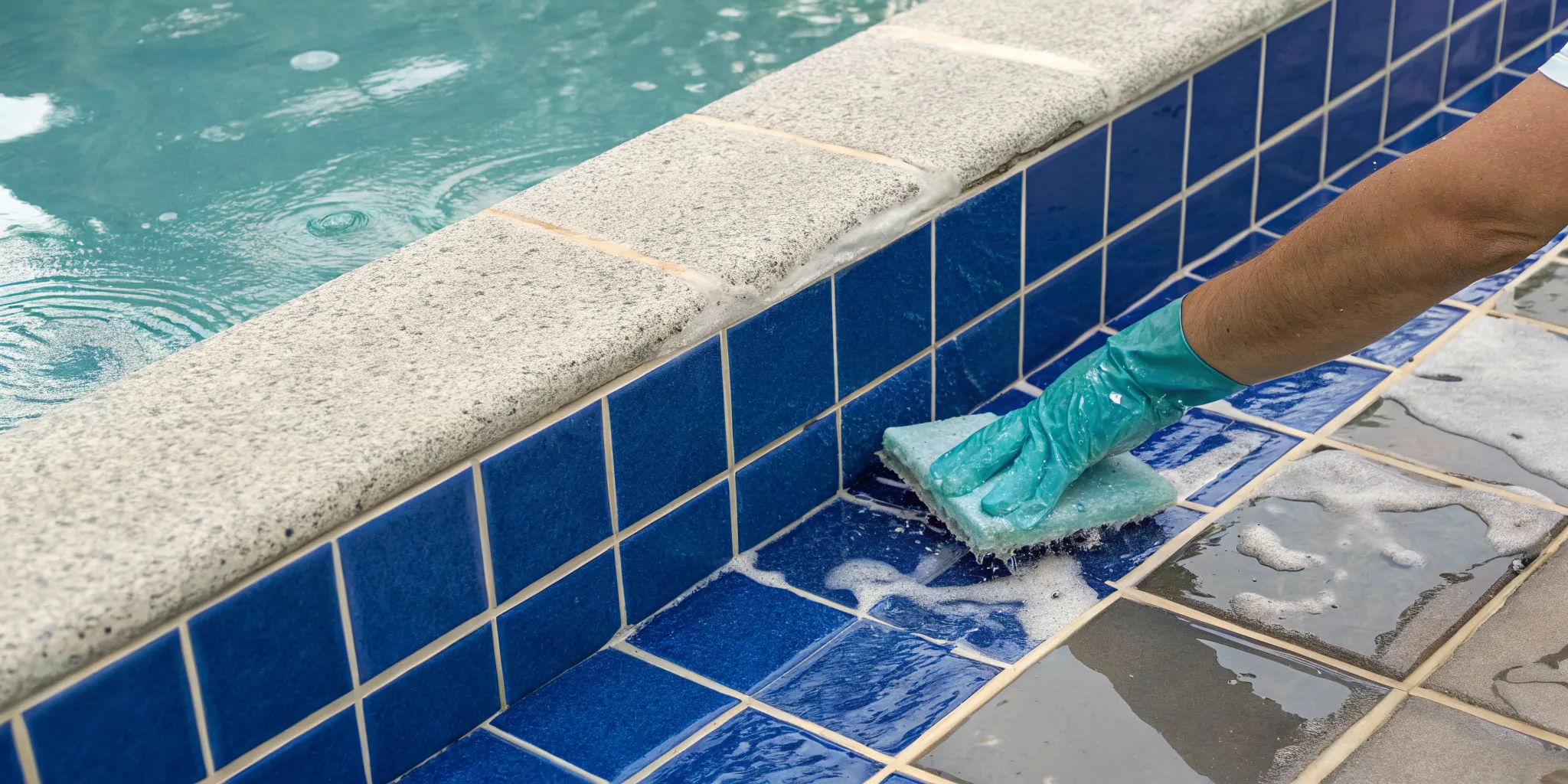
While your pool is drained for replastering, it’s the perfect time to look at the surrounding elements. The coping is the stone or concrete edge around your pool, and the waterline tile is that decorative band at the top of the pool wall. If yours are cracked, dated, or just not your style anymore, this is the ideal moment for an update. Adding new coping or waterline tiles will increase the total project cost, but it saves you from having to drain the pool again later. It’s a great way to give your entire pool area a fresh, cohesive look.
Repairing or Upgrading Your Equipment
The condition of your pool goes deeper than its surface. During the initial inspection for a replaster, we might find underlying issues that need attention. This can include things like hidden leaks in the plumbing or cracks in the pool’s structure that require fixing before a new surface can be applied. This is also a great time to consider upgrading your equipment. If your pump, filter, or heater is old and inefficient, replacing it during the remodel can improve your pool’s performance and save you money on energy bills down the road. These necessary repairs are a key part of a successful, long-lasting project.
Understanding Permits and Inspections
Depending on the extent of your pool renovation, your local municipality in Colorado may require permits and inspections. This is especially true if you’re making significant structural changes or upgrading electrical equipment. While it might seem like a hassle, this process ensures all work is done to code, keeping your family safe. A professional pool company will handle the entire permitting process for you, but the associated fees will be part of your overall budget. These factors beyond the surface material are a standard part of any major home improvement project and protect your investment.
How Seasonality Can Affect Your Project
The time of year you decide to replaster your pool can also play a role in the project’s cost and timeline. In Colorado, the peak season for pool work is late spring and early summer, as everyone rushes to get their pools ready for swimming. During this busy period, scheduling can be tighter. Planning your project for the off-season, like the fall or even early winter, can sometimes offer more flexibility. These seasonal fluctuations and demand are a natural part of the industry, so thinking ahead can help you schedule the work at a time that’s most convenient for you.
The Replastering Process: Timeline and Expectations
Knowing what to expect from your pool replastering project can make the entire experience feel much smoother. From draining the pool to the final chemical balance, each step is carefully planned. Let’s walk through the typical timeline and what happens at each stage, so you can feel confident and prepared for your pool’s transformation.
A Step-by-Step Project Timeline
The replastering process is a methodical series of steps to ensure a beautiful, long-lasting finish. First, our team will completely drain your pool. Then, we prepare the existing surface by cleaning it, scraping off any loose material, and giving it an acid wash. This creates the perfect canvas for the new plaster. We apply the new finish in sections, allowing it to set properly. Once the new surface is ready, we begin refilling the pool with fresh water. The final, crucial step is to balance the water chemistry, making it safe and ready for you to enjoy. This entire rehabilitation process is designed to give your pool a fresh start.
Curing and Pool Downtime Explained
Patience is key after the new plaster is applied. The curing phase is when the plaster hardens and bonds to the pool shell, and it’s absolutely essential for the durability of your new finish. This period involves specific care, like brushing the surface daily and maintaining the right water chemistry. While your pool will be refilled shortly after plastering, you’ll need to wait a bit before jumping in—typically about a week. This downtime allows the material to cure properly, preventing stains and scaling down the road. Think of it as a short wait for a long-term reward.
How Colorado Weather Plays a Role
Here in Colorado, the weather can be a major factor in any outdoor project. Extreme temperatures, whether hot or cold, can affect how the plaster cures. That’s why scheduling your replastering project during milder weather in the spring or fall is often ideal. Planning your project during a less busy season can also mean more flexible scheduling. As a local team, we understand Colorado’s unique climate and plan our remodeling projects accordingly to ensure the conditions are just right for a flawless application and proper curing, giving you the best possible result.
Clearing Up Common Misconceptions
One common myth is that a standard plaster finish is the most budget-friendly choice. While it has a lower initial investment, it’s important to consider the long-term picture. Plaster is a softer material that can require more intensive maintenance with pool chemicals and may need to be resurfaced more frequently than durable options like quartz or pebble. Over the life of your pool, a more resilient finish could actually be more cost-effective. Understanding the differences between plaster and pebble finishes helps you make an informed decision that fits both your budget and your long-term goals for your pool.
How to Choose the Right Partner for Your Project
Selecting the right team for your pool replastering is just as critical as choosing the perfect finish. This isn't just about hiring a contractor; it's about finding a partner who understands the investment you're making in your home. A great partner will communicate clearly, respect your budget, and have the local expertise to ensure the job is done right the first time. They should be able to handle the entire scope of your remodel and rehab project, from the initial drain to the final fill. Taking the time to vet your options thoroughly will give you peace of mind and a beautiful, long-lasting result you can enjoy for years.
How to Read and Compare Quotes
Your first step is to gather several detailed quotes from different companies. This isn't just about finding the lowest number; it's about understanding what you're actually paying for. A trustworthy quote will break everything down, including labor, materials, prep work, and any additional services like tile replacement. When you compare quotes, look for consistency in the scope of work. If one quote is significantly lower than the others, ask what might be excluded. Is the warranty different? Are they using a lower-grade material? A clear, itemized quote is a sign of a transparent and professional company.
Checking for Certifications and Local Experience
Before you sign a contract, verify the company's qualifications. A beautiful new plaster surface depends entirely on the skill of the team applying it, and an inexperienced crew can lead to costly mistakes that need fixing later. Ask for proof of insurance and inquire about certifications, like being a Certified Pool Operator (CPO). Just as important is their experience with Colorado pools. A team that understands our unique climate, from the intense sun to the freeze-thaw cycles, will know how to properly prep and cure your pool for maximum durability. Local experience ensures your pool's new finish can handle everything our weather throws at it.
Understanding Your Payment Options
A transparent conversation about payment is essential. Your contractor should clearly explain the payment schedule, including the deposit amount and when subsequent payments are due. It’s also important to discuss how they handle unforeseen issues. For example, what happens if they discover significant cracks or hollow spots after draining the pool? A professional will have a clear process for this. Be sure to discuss the state of your existing walls upfront to get the most accurate quote and avoid surprises. This open dialogue builds trust and ensures everyone is on the same page before work begins.
Red Flags to Watch For
As you review your options, keep an eye out for a few warning signs. Be cautious of quotes that are dramatically higher or lower than the others, as this can indicate either overcharging or cutting corners. High-pressure sales tactics or demands for a large upfront cash payment are also major red flags. A professional company will give you time to make an informed decision. If you’re still on the fence about whether your pool even needs replastering, consider having a professional pool repair company conduct an inspection first. An honest assessment can confirm the need for the project and help you move forward with confidence.
Frequently Asked Questions
How long will my pool be out of commission for a replastering project? Typically, the entire process from draining the pool to refilling it takes about a week, but this can vary based on the size of your pool and the extent of any repairs needed. After it's refilled, the new surface needs to cure. While you can't swim right away, this curing period is crucial for the long-term health of your plaster. You should plan for the pool to be unusable for about one to two weeks in total.
My plaster just has a few small cracks. Do I really need a full replaster? That's a great question. Sometimes, minor cracks can be patched, but this is often a temporary fix. Those small cracks can be a sign of a larger, underlying issue where the plaster is starting to fail. A full replaster addresses the entire surface, ensuring a uniform, durable finish that prevents water from seeping behind the plaster. An honest professional can inspect your pool and tell you whether a simple repair will suffice or if a full replaster is the smarter long-term investment.
I'm on a tight budget. Is choosing classic plaster a mistake in the long run? Not at all! Classic white plaster is a reliable and popular choice for a reason. It provides a beautiful, timeless look at a more accessible initial investment. The key is understanding the trade-off. It has a shorter lifespan than quartz or pebble finishes and requires diligent water chemistry management to look its best. If you're prepared for the maintenance and the likelihood of another remodel in 5 to 10 years, it can be a perfectly suitable option.
What happens if you find other problems, like a leak, after the pool is drained? This is a common concern, and it’s exactly why choosing a professional, transparent partner is so important. If our team discovers an unexpected issue like a structural crack or a plumbing leak during the prep phase, we stop work immediately. We will explain the problem to you, outline your options for repair, and provide a clear quote for the additional work. We won't proceed with any repairs until you fully understand the situation and approve the plan.
Besides the new finish, what other updates should I consider at the same time? Replastering is the perfect opportunity to tackle other pool updates. Since the pool will already be drained, it’s the most efficient time to replace dated waterline tile or cracked coping. It's also a great time to inspect your lights, drains, and other fittings. If your pump or filter is getting old, bundling an equipment upgrade with the project can save you from another service call and downtime later on.
Related Blogs