%201.png)
Commercial Pool Leak Detection: What You Need to Know

Managing a commercial pool in Colorado is a completely different challenge than caring for a small backyard pool. The sheer size, complex plumbing systems, and constant high traffic create a unique set of maintenance hurdles. These factors also make commercial pools more susceptible to leaks that are incredibly difficult to find. A simple bucket test won’t cut it when you’re dealing with an intricate network of underground pipes and heavy-duty equipment. You need a specialized approach. That’s why commercial pool leak detection uses advanced technology and expert techniques to pinpoint problems with precision. This article breaks down the unique challenges you face and explains the modern methods professionals use to find and fix leaks with minimal disruption.
Key Takeaways
- Know the warning signs of a leak: Keep an eye out for clues like dropping water levels, cracks in the deck, and persistent chemical issues. Catching these problems early is the best way to prevent expensive structural damage and keep your pool safe.
- Trust professionals with the right tools: Commercial pool systems are complex, so finding leaks requires more than guesswork. Professional services use advanced technology like acoustic detection to pinpoint the exact source of a leak without tearing up your property.
- Prioritize proactive maintenance to prevent future leaks: The most effective way to deal with leaks is to avoid them altogether. Sticking to a regular maintenance schedule, keeping your water chemistry balanced, and monitoring your equipment are simple steps that protect your pool's long-term health.
What Is Commercial Pool Leak Detection?
Commercial pool leak detection is a specialized service designed to find the exact source of leaks in pools at properties like hotels, apartment complexes, community centers, and fitness facilities in Colorado. Think of it as a diagnostic investigation for your pool's entire system. Unlike a residential pool that sees occasional use, a commercial pool is a high-traffic, complex system that requires a more advanced approach to maintenance and repairs. The goal is to pinpoint leaks quickly and accurately, whether they’re hiding in the pool’s structure, the intricate plumbing network, or the heavy-duty equipment.
Finding a leak isn't just about saving water; it's about protecting your investment and ensuring guest safety. An undetected leak can lead to significant water loss, persistent chemical imbalances, and even cause serious damage to the pool deck and surrounding structures. Professional services use a combination of experience and technology to diagnose issues that aren't visible to the naked eye. By addressing leaks early, you can avoid costly, large-scale remodels and rehabs down the road and keep your facility running smoothly for your guests and residents. It’s a critical part of a comprehensive pool care strategy that keeps your business operational and your patrons happy.
Why Commercial Pools Are Prone to Leaks
Commercial pools are workhorses. They handle a much higher volume of swimmers than a backyard pool, which means they experience significantly more wear and tear. This constant use puts stress on every component, from the pool shell and tile to the intricate network of pipes and pumps. Over time, this strain makes them more susceptible to developing leaks.
A small leak might seem minor, but it can quickly become a major problem. It leads to wasted water and chemicals, driving up your utility bills. More importantly, a persistent leak can erode the soil supporting your pool and deck, potentially causing structural cracks and creating an unsafe environment. Identifying and addressing leaks as soon as they appear is crucial for managing your operational costs and maintaining a safe, inviting aquatic facility.
How Commercial Detection Differs from Residential
While the goal is the same, finding a leak in a commercial pool is often more complex than in a residential one. Simple techniques like a bucket test can indicate a leak, but they won’t tell you where it is. Commercial properties usually have extensive plumbing systems and sophisticated equipment that require specialized tools for an accurate diagnosis.
Professionals use advanced technology not typically found in residential service calls. This can include acoustic equipment that "listens" for the sound of water escaping underground pipes or thermal imaging cameras that detect temperature differences caused by hidden moisture. These methods allow technicians to find the exact source of a leak without unnecessary and disruptive digging. Investing in a professional service for equipment repairs and servicing saves time, prevents further damage, and ensures your pool’s longevity.
Signs Your Commercial Pool Is Leaking
Spotting a pool leak early can save you from major headaches and expenses down the road. While some signs are obvious, others are more subtle. Paying close attention to your pool's behavior and its surrounding environment is the first step in protecting your investment. If you notice any of these common red flags, it’s a good idea to investigate further. A small issue can quickly become a significant problem, impacting everything from your water bill to the structural integrity of your pool area.
Keeping an eye out for these indicators will help you act quickly. Addressing a leak promptly not only prevents water waste but also protects your equipment and ensures a safe, enjoyable environment for your guests. When you suspect a problem, getting a professional assessment is the best way to confirm a leak and find its source without delay.
Noticeable Water Level Drops & Higher Bills
One of the most straightforward signs of a leak is a sudden drop in the water level. While some water loss from evaporation is normal, especially during dry Colorado summers, a significant decrease is a cause for concern. A key sign to watch for is losing more than an eighth of an inch of water in 24 hours.
Another tell-tale sign is an unexpected spike in your water bill. If your usage habits haven't changed but your bill is climbing, your pool might be losing water. This constant loss forces your autofill system to work overtime, leading to higher costs. If you notice these issues, it might be time to schedule professional equipment repairs to find and fix the source.
Cracks and Damage Around the Pool Deck
Take a walk around your pool and look for physical signs of trouble. Visible cracks or gaps in the pool's structure or the surrounding deck can be indicators of a leak. These fissures might seem like minor cosmetic issues, but they can allow water to escape and erode the ground beneath the pool shell and deck.
This erosion can lead to more significant structural problems over time. You might also notice sinking or lifting tiles or pavers around the pool. Unexplained wet spots in the grass or soft, mushy ground near the pool are also classic signs that water is escaping from somewhere. Addressing these issues often requires professional remodels and rehabs to ensure the pool's long-term stability.
Constant Chemical Imbalances & Cloudy Water
If you find yourself constantly fighting to keep your pool water balanced, a leak could be the culprit. When water escapes, so do the carefully balanced chemicals needed to keep it clean and safe. As your pool automatically refills with fresh, untreated water, it dilutes the existing chemistry.
This dilution forces you to add more chemicals than usual just to maintain normal levels. You might notice that your chlorine levels are always low or that the water is persistently cloudy despite your best efforts. This constant battle with water chemistry is a strong signal that you're losing treated water somewhere in the system. Keeping a consistent stock of supplies and chemicals is important, but if you're going through them too quickly, a leak is a likely cause.
How Professionals Find Commercial Pool Leaks
Finding a leak in a commercial pool is a bit like being a detective. You can’t just guess where the water is escaping, especially when pipes are buried under concrete and the pool structure is massive. That’s why our certified technicians use a combination of advanced technology and proven methods to accurately locate the source of a leak. This systematic approach allows us to find the problem quickly and precisely, so we can perform the necessary repairs with minimal disruption to your property and guests.
Listening for Leaks with Acoustic Technology
One of the most effective tools we use is highly sensitive acoustic equipment. Think of it like a doctor’s stethoscope for your pool. Our technicians use specialized electronic microphones to listen for the faint sounds of water escaping from pipes, even deep underground. This technology can detect the subtle audio signatures of a leak through layers of concrete, soil, and decking. By identifying the exact location of the sound, we can pinpoint the problem area without any destructive guesswork or unnecessary excavation, saving you time and protecting your property from damage.
Using Thermal Imaging to Spot Hidden Water
When water leaks underground, it changes the temperature of the surrounding soil. While this difference is invisible to the naked eye, it shows up clearly with a thermal imaging camera. We use this technology to scan your pool deck and surrounding areas for these temperature anomalies. A cool spot in an otherwise warm area can be a telltale sign of a hidden leak. This non-invasive method allows us to see what’s happening beneath the surface, helping us identify saturated ground and trace the leak back to its source before it causes major structural issues that could require extensive remodels and rehabs.
Pinpointing Leaks with Dye and Pressure Tests
Sometimes, the most reliable methods are the classics. Dye testing is a straightforward yet powerful technique for finding leaks in the pool's shell. We release a small amount of non-toxic, concentrated dye near a suspected crack or fitting. If there’s a leak, you can see the dye being pulled into the opening, confirming its location. For the plumbing system, we perform pressure tests. This involves isolating different sections of your pool’s plumbing and using air or water to pressurize them. A drop in pressure tells us a line is compromised, helping us narrow down the search significantly.
Leveraging Advanced Monitoring Systems
For many commercial properties, proactive monitoring is key. Modern smart systems use sensors to provide real-time data on water levels, flow rates, and chemical usage. These advanced monitoring tools can automatically detect unusual patterns that suggest a leak, often before it becomes visible. By flagging a sudden drop in the water level or an unexpected increase in water consumption, these systems allow for immediate investigation. Integrating this technology is a smart part of any long-term cleaning and maintenance strategy, helping you catch small issues before they turn into costly emergencies.
Understanding the Investment in Leak Detection
When you suspect a leak in your commercial pool, it’s easy to focus on the immediate cost of finding and fixing it. But it’s more helpful to think of professional leak detection as an investment in your property's health and your business's reputation. A hidden leak can lead to wasted water, sky-high utility bills, and even serious structural damage if it’s not addressed quickly. Catching a leak early protects your facility and ensures it remains a safe, welcoming place for guests. The scope of the detection service, the methods used, and the long-term savings all play a part in this important investment.
What Influences the Scope of a Detection Service
The size and complexity of your commercial pool are the biggest factors that shape a leak detection service. A large, resort-style pool with multiple water features and an intricate plumbing system will naturally require a more extensive investigation than a simple community pool. The age of the pool and its construction materials also play a role. Our technicians consider all these variables to create a tailored approach. An unresolved leak can weaken the pool's structure and surrounding deck, leading to much bigger problems down the line. That's why a thorough inspection is the first step in any necessary equipment repairs or servicing.
A Look at Different Detection Methods
Professionals use a combination of trusted techniques and modern technology to find the exact source of a leak. The process often starts with simple, effective methods like dye testing, where a small amount of colored dye is released near a suspected leak. If a leak is present, the dye gets pulled into the crack or faulty fitting, making it easy to spot. For issues within the plumbing, we perform pressure testing to see if the pipes can hold pressure. We also use advanced tools like acoustic leak detection, which involves listening for the specific sounds of water escaping from pipes underground. This multi-method approach ensures we find the leak, no matter where it’s hiding.
Why Professional Detection Is a Smart Investment
While it might be tempting to try and find a leak yourself, hiring a professional service is a much smarter move in the long run. Our certified technicians have the experience and specialized equipment to find leaks accurately and efficiently, saving you time and preventing further damage. A precise diagnosis means the repair is done right the first time, avoiding the extra cost of repeat work. Investing in professional detection protects your pool's longevity and prevents small issues from turning into major remodels and rehabs. It’s a proactive step that secures your property, controls operational costs, and ensures your pool remains a valuable asset.
Common Types of Commercial Pool Leaks
Pool leaks aren't all the same. They can spring from the pool's shell, its complex plumbing network, or even the fittings you see every day. Understanding where a leak might be coming from is the first step in getting it fixed. Let's look at the most common culprits we see in commercial pools across Colorado.
Leaks in the Pool's Structure
A leak in the pool's structure means there's a crack or failure in the actual shell of the pool. For concrete and gunite pools, this often looks like a hairline crack in the plaster. These issues can develop over time due to ground shifting or the intense freeze-thaw cycles we experience in Colorado. A leaking pool can lead to significant water waste, higher costs, and even structural damage if not addressed promptly. Even a small structural leak can wash away the supportive soil around your pool, creating bigger problems down the road. Catching these early is key to avoiding extensive remodels and rehabs.
Leaks from Plumbing and Equipment
Some of the trickiest leaks to find are the ones hidden in your pool’s plumbing system. This type of leak happens in the underground pipes that carry water to and from the pool, making it very difficult to detect without special equipment. Fittings can come loose, seals on your pump or filter can wear out, and underground pipes can crack. Because you can't see them, these leaks often go unnoticed until you see a major drop in water level or a soggy patch in the landscaping. Professionals use methods like pressure testing to find leaks in pool plumbing and pinpoint the exact location for equipment repairs.
Leaks Around Tiles and Surface Areas
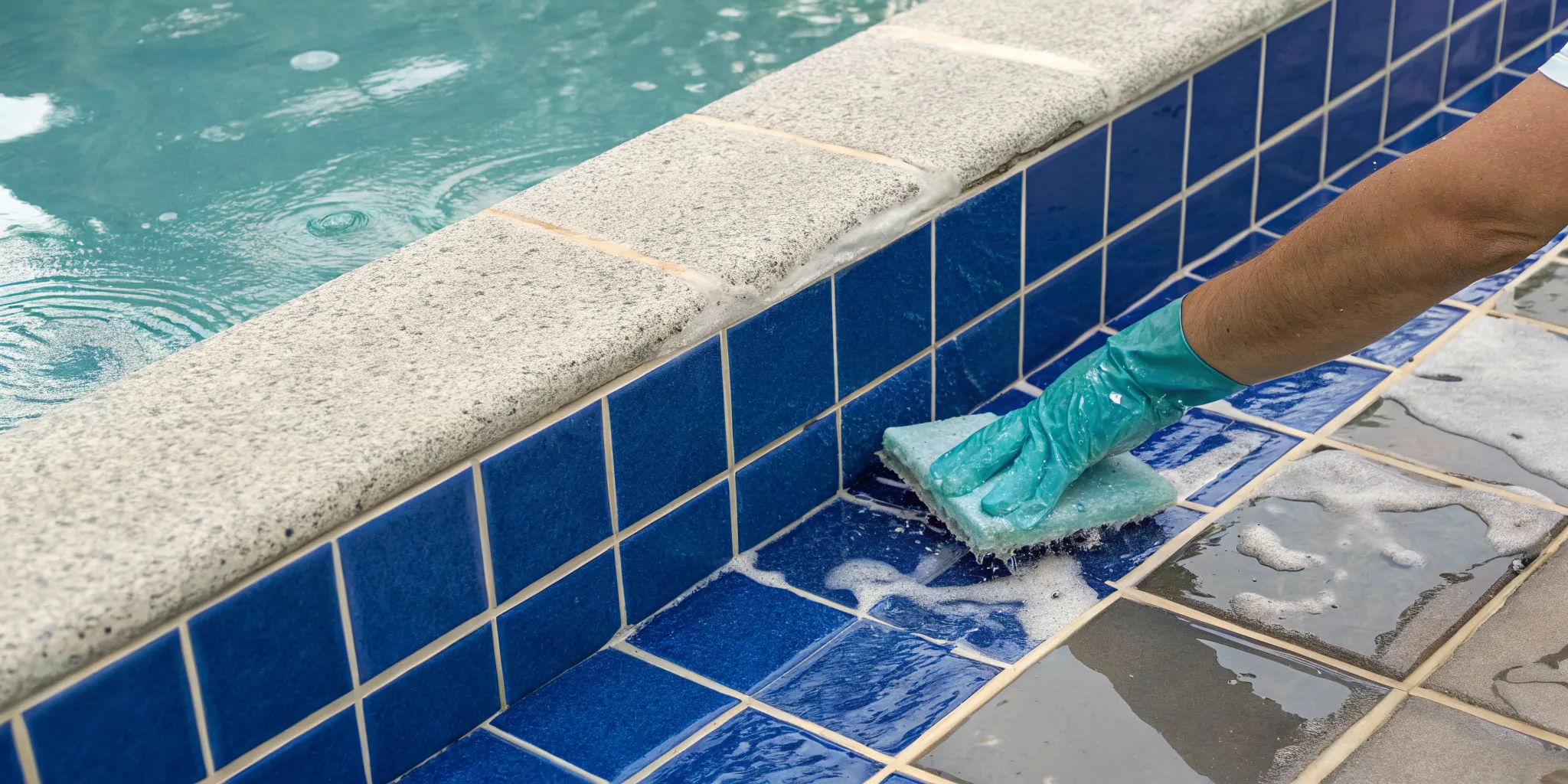
Leaks can also occur around the various fittings and finishes in your pool. This includes things like deteriorating grout around your waterline tiles, failing sealant around skimmers and jets, or gaps around underwater lights. Even small signs like water levels dropping unexpectedly or persistent wet spots on the pool deck can mean a big leak. One of the most popular and effective ways to find these leaks is through dye testing, which uses a small amount of colored dye to see exactly where water is escaping. Regular cleaning and maintenance can help you spot these surface-level issues before they become serious.
Why You Should Address Pool Leaks Immediately
A pool leak is more than just a minor inconvenience; it’s a warning sign of potentially serious issues. Ignoring it can create a domino effect, leading to safety hazards, expensive structural damage, and wasted resources. When you spot the signs of a leak, acting quickly is one of the smartest moves you can make as a property manager. It protects your investment, ensures your guests remain safe, and keeps your facility running smoothly. Think of it as essential preventative care for one of your property’s most valuable assets.
Protecting Swimmers and Staff from Safety Risks
First and foremost, an unaddressed leak poses significant safety risks. Water seeping from the pool can saturate and erode the soil beneath the pool deck, creating unstable ground that can lead to cracks and dangerous trip hazards. This constant moisture also encourages the growth of slippery algae and mold on surrounding surfaces, increasing the risk of slip-and-fall accidents. Furthermore, a leak makes it nearly impossible to maintain proper water chemistry. As you constantly add fresh water to compensate for the loss, you dilute the sanitizing chemicals, which can lead to skin irritation and unsafe swimming conditions. Regular cleaning and maintenance is crucial, but its effectiveness is severely limited when fighting an active leak.
Preventing Costly Structural Damage
Beyond the immediate safety concerns, a persistent leak can cause severe and expensive damage to the pool itself. Water that escapes the pool shell can wash away the supporting soil, leading to cracks in the foundation, shifting of the entire structure, and damage to underground plumbing. What begins as a small, manageable issue can quickly escalate into a major structural failure. Identifying and fixing leaks early helps keep your facility in top condition and welcoming for your guests. Prompt equipment repairs and servicing prevents minor problems from turning into large-scale projects, saving you from the high cost and extended downtime associated with major renovations.
Conserving Water and Staying Compliant
A commercial pool leak can waste an astonishing amount of water, leading to a significant spike in your utility bills. In a place like Colorado, where water conservation is vital, this waste is both financially and environmentally irresponsible. The constant need to refill the pool also throws your water chemistry into disarray. You’ll go through far more supplies and chemicals trying to keep the water balanced, which adds a continuous and unnecessary operational expense. This ongoing battle to maintain proper sanitation levels can also make it difficult to comply with local health department regulations, putting your facility at risk of fines or forced closures.
Unique Challenges of Commercial Pool Leak Detection
Finding a leak in a commercial pool isn't quite the same as finding one in a backyard pool. Properties like community centers, hotels, and apartment complexes have pools that are bigger, more complex, and see a lot more action. Because of this, identifying the source of a leak requires a different level of expertise and a specialized approach. The constant use, intricate systems, and the need to keep residents or guests happy create a unique set of hurdles. Understanding these challenges is the first step toward finding a fast and effective solution that protects your property and your investment.
Dealing with High-Traffic Pools
Commercial pools are built for fun and community, but all that activity takes a toll. Unlike a residential pool that might see a few swimmers a day, a commercial pool handles a constant flow of people. This heavy traffic means more wear and tear on every part of the pool, from the liner and plaster to the ladders and drains. As one industry report notes, "Commercial pools face far more use than residential pools, making them more susceptible to wear and tear that can easily cause leaks." This accelerated aging process can lead to cracks, failing seals, and other structural issues that are prime spots for water to escape.
Diagnosing Complex Plumbing Systems
The plumbing that keeps a commercial pool running is far more complicated than a residential setup. With multiple pumps, filters, heaters, and often elaborate water features, the network of pipes can be extensive and confusing. A leak could be hidden anywhere along these lines, many of which are buried deep underground or encased in concrete. This makes finding the source incredibly difficult without the right tools. A simple visual inspection just won’t do the job when you’re dealing with a system this complex. It takes professional-grade technology to accurately pinpoint a problem within these intricate equipment and plumbing networks.
Minimizing Downtime and Disruption
When a commercial pool has to close for repairs, it’s more than just an inconvenience. It can lead to unhappy tenants, disappointed guests, and a hit to your property's reputation. For property managers, the pressure is on to resolve the issue as quickly as possible. The key is to find a service that understands this urgency. Proactive leak detection and swift pool repairs are essential to minimize disruption and get your pool back up and running. An experienced team can work efficiently to diagnose the problem and implement a solution that respects your schedule and your budget.
How to Choose the Right Leak Detection Service
Finding the source of a leak in a commercial pool requires more than just a hunch; it demands precision, expertise, and the right equipment. When you’re responsible for a property like a hotel, apartment complex, or community center, you can’t afford guesswork or unnecessary downtime. Choosing the right leak detection service means finding a true partner who understands the unique demands of commercial pools in Colorado. A reliable team will not only pinpoint the problem accurately but will also provide a clear path forward for repairs, helping you protect your investment and get your facility back to normal as quickly as possible.
What to Look for in a Pool Care Partner
When you’re searching for a leak detection specialist, look for a team with proven experience managing commercial properties. A company that understands the complexities of high-traffic pools and their intricate systems is essential. Your ideal partner should have certified technicians who can do more than just find the leak; they should be equipped to handle the subsequent equipment repairs and offer comprehensive support. A local Colorado-based team is also a major advantage, as they’ll be familiar with how our specific climate and soil conditions can affect pool structures and plumbing. Look for a company that values clear communication and acts as a reliable resource for all your pool care needs.
The Importance of Modern Tools and Technology
The days of tearing up your pool deck to find a leak are over. Today’s leading professionals use advanced, non-invasive technology to accurately locate leaks without major disruption. This includes methods like acoustic detection, where sensitive microphones listen for the sound of escaping water underground, and pressure testing, which helps identify breaches in your plumbing lines. Using state-of-the-art tools means the detection process is faster, more precise, and far less destructive. A company that invests in modern technology demonstrates a commitment to efficiency and accuracy, saving you time and preventing unnecessary damage to your property.
Our Professional Approach to Leak Detection
We combine advanced technology with the hands-on expertise of our certified technicians to offer a thorough and dependable leak detection service. Our process is designed to be as minimally invasive as possible, ensuring we find the source of the problem without causing extra headaches for you or your guests. We understand that a leak is often a symptom of a larger issue, which is why our approach is part of a bigger commitment to your pool’s health. By integrating detection with our regular cleaning and maintenance programs, we help you stay ahead of potential problems and keep your commercial pool in top condition year-round.
How to Prevent Future Pool Leaks
Finding and fixing a leak is a huge relief, but the real goal is to prevent them from happening again. A proactive approach to pool care not only saves you from future headaches but also protects your investment and keeps your property safe for guests. By staying on top of a few key areas, you can significantly reduce the risk of future leaks and ensure your commercial pool remains a highlight of your property. Here are a few straightforward strategies to keep your pool in top condition.
Stick to a Regular Maintenance Schedule
Consistency is your best defense against leaks. Regular inspections are essential for catching small problems before they turn into big, expensive repairs. When you or your team regularly walk the perimeter, check the tile line, and inspect the pool shell, you’re more likely to spot a tiny crack or a loose fitting that could become a major issue. A consistent cleaning and maintenance plan does more than just keep your pool looking good; it’s a fundamental part of preventative care. Think of it as a routine health checkup for your pool, ensuring everything is working exactly as it should.
Keep Your Pool Water Balanced
Keeping your pool water balanced is about more than just clarity and sanitation; it’s crucial for protecting the pool’s structure. Water that is too acidic can slowly corrode the pool’s surfaces, grout, and even metal components like ladders and light fixtures. Over time, this corrosion creates weak spots where leaks can easily form. On the other hand, water with excessive calcium can cause scale buildup that clogs pipes and filters, putting stress on your plumbing system. Regularly testing your water and using the right supplies and chemicals helps maintain the integrity of your pool and prevent chemistry-related damage.
Monitor Your Equipment's Performance
Your pool’s pump, filter, and heater are the heart of its circulation system, and they often give the first warning signs of a problem. Make it a habit to listen for unusual noises, like grinding or high-pitched whining, coming from the pump motor. Check the equipment pad for any drips or puddles, which are clear indicators of a seal or plumbing issue. Also, keep an eye on the pressure gauges on your filter. A sudden spike or drop in pressure can signal a blockage or a leak somewhere in the system. Catching these signs early allows you to schedule equipment repairs before a minor issue compromises your entire system.
Frequently Asked Questions
My water bill is higher, but I don't see any obvious cracks. Could I still have a leak? Absolutely. Many of the most serious leaks in commercial pools are completely hidden from view. They often occur in the underground plumbing lines that carry water to and from your equipment. These unseen issues can waste a significant amount of water and lead to a surprise spike in your utility bills. This is precisely why we use advanced tools like acoustic listeners to find problems buried beneath the deck or landscaping.
How disruptive is the leak detection process for my guests or residents? We understand that keeping your pool open and accessible is a top priority. Our goal is to find the leak with as little disruption as possible. We use non-invasive methods, like thermal imaging and acoustic detection, which allow us to pinpoint the source of a leak without having to do any unnecessary or destructive digging. This means we can often complete our investigation quickly and efficiently, keeping your property looking its best and minimizing downtime.
What happens after you find the source of the leak? Once our technicians have precisely located the leak, we don't just leave you with the diagnosis. We'll provide you with a clear explanation of the problem and a detailed plan for the necessary repair. Our team is equipped to handle a full range of repairs, from fixing a simple fitting to addressing more complex plumbing or structural issues, ensuring the job is done right from start to finish.
Is a small, slow leak in my commercial pool really a big deal? It might seem minor at first, but even a small leak can cause major problems over time. That slow drip constantly wastes water and expensive chemicals, driving up your operational costs. More importantly, it can silently erode the soil supporting your pool shell and deck, which can eventually lead to serious structural damage. Addressing a small leak now is a smart investment that prevents a much larger and more expensive repair later.
How often should I have my commercial pool professionally inspected for potential leaks? For a commercial property, a proactive approach is always best. We recommend having your pool professionally inspected for leaks at least once a year as part of your regular maintenance schedule. An annual checkup allows us to catch potential vulnerabilities, especially after the stress of Colorado's freeze-thaw cycles, and address them before they turn into active leaks that could shut down your facility.
Related Blogs