%201.png)
How to Close an Inground Pool Without Draining Water

As the Colorado air turns crisp, it’s tempting to think the best way to protect your pool is to drain it completely. This is one of the most common and costly mistakes a pool owner can make. The water in your pool is actually its best defense against the harsh winter, providing essential support to the walls and liner. Draining it leaves the structure vulnerable to shifting ground and freeze damage, which can lead to expensive springtime surprises. The correct method is closing inground pool without draining water. This guide will walk you through the essential steps to properly winterize your pool, ensuring it stays safe and sound through the coldest months and saving you from needing major repairs when the swimming season returns.
Key Takeaways
- Protect your plumbing from freeze damage: The most important step for any Colorado pool owner is to completely clear all water from your pipes, pump, and filter. Lowering the water level below the skimmer and securely plugging the lines is the best way to avoid costly springtime repairs.
- A clean and balanced pool closes best: Prevent a swampy spring opening by deep cleaning your pool and balancing its chemistry before you put the cover on. Adding a specialized winterizing chemical kit is a crucial final step to stop algae and staining.
- Secure your cover and maintain it all winter: A properly installed cover is your final line of defense, so make sure it's taut and securely anchored. Throughout the winter, use a cover pump to remove standing water and prevent damage from the weight of snow and ice.
Why You Should Keep Water in Your Pool This Winter
It might seem logical to drain your pool completely before the first Colorado freeze, but that’s one of the biggest mistakes a pool owner can make. Leaving water in your pool is the best way to protect your investment from harsh winter weather. The water acts as a shield, safeguarding the structure, plumbing, and your wallet from expensive springtime surprises. Properly winterizing your pool with the water still in it ensures it remains stable and secure through months of snow and freezing temperatures.
Protect Your Pool's Structure
The water in your pool provides crucial support for the walls. For inground pools, the water pressure pushes outward, counteracting the pressure of the surrounding earth. Removing the water leaves your pool vulnerable to shifting soil and frost heave, which can cause serious structural damage. For pools with vinyl liners, leaving them dry and exposed to cold air makes the material brittle, leading to cracks and tears. A liner replacement is a significant expense, so keeping water in the pool is your first line of defense against needing future remodels and rehabs.
Prevent Plumbing Damage
While you want to keep water in the pool, you definitely don’t want it in your plumbing. The goal of winterizing is to get every drop out of the pipes, pump, filter, and heater. When water freezes, it expands with enough force to crack PVC pipes and damage expensive equipment. By lowering the water level just below the skimmer and return lines and then blowing them out, you create an air-locked system that’s safe from freezing. This step can save you from needing major equipment repairs and servicing in the spring.
Save Money in the Long Run
Keeping water in your pool over the winter is also the most cost-effective choice. Think about the expense of refilling a 20,000-gallon pool from scratch every spring. Plus, if you use a mesh safety cover, rain and melting snow will naturally top up the water level for you. By investing in the right winterizing chemicals and a quality cover, you avoid the massive cost of a full refill. Proper winter cleaning and maintenance not only protects your pool but also sets you up for a much easier opening process when warm weather returns.
What You'll Need to Winterize Your Pool
Closing your pool for the winter might seem like a big project, but it’s much more manageable when you have everything you need on hand before you start. Gathering your equipment and chemicals first helps the entire process go smoothly and ensures you don’t miss a critical step. Properly winterizing your pool is the best way to protect your investment from the harsh Colorado winter and set yourself up for an easy opening next spring. Think of it as preparing your pool for a long, restful nap. Let’s walk through the essential tools, chemicals, and safety equipment you’ll need to get the job done right.
Gather Your Tools and Supplies
Before you add any chemicals, your pool needs a thorough cleaning. Start with the basics: a good skimmer net, a stiff pool brush, and a pool vacuum. You’ll want to remove all leaves, dirt, and debris from the water and scrub the walls and floor to prevent algae and staining over the winter. The cleaner your pool is when you close it, the cleaner it will be when you open it. You will also need equipment to clear your plumbing lines, like a powerful shop vac or a specialized line blower, along with plugs for your skimmers and return lines. Having the right pool care tools makes every step of the process simpler and more effective.
Get the Right Chemicals
Balancing your pool’s chemistry is the key to keeping the water clear and safe while it’s closed. You’ll need a winterizing chemical kit, which typically includes a winter algaecide and a stain and scale preventer. It’s also a good idea to shock the pool about 24 hours before you plan to close it. This final dose of chlorine eliminates any lingering contaminants. A good practice is to add your winterizing chemicals the night before you put the cover on, letting the filter run overnight to circulate them completely. Always follow the dosage instructions on the packaging, as amounts will vary based on your pool’s size.
Don't Forget Safety Gear
The most important piece of winter safety gear is your pool cover. A high-quality, properly fitted winter cover is essential for keeping out debris, sunlight, and curious critters. Before you begin, inspect your cover for any rips or tears that might need patching. When it’s time to install it, make sure it’s pulled taut and securely anchored. Any gaps can let in leaves and dirt, which will make for a messy spring opening. You’ll also want a cover pump to remove any standing water from rain or snowmelt during the winter. If you need help ensuring your cover is installed correctly, our professional maintenance services can give you peace of mind.
How to Prep Your Pool for Closing
Before you even think about plumbing or covers, the first step to a successful pool closing is getting it ready for its long winter nap. Think of this as setting the stage for an easy spring opening. A little extra effort now prevents algae, staining, and other issues that can develop under the cover, saving you a lot of work (and headaches) when the weather warms up again. This prep work is especially important in Colorado, where freezing temperatures can wreak havoc on unprepared pools. An improper closing can lead to cracked tiles, damaged equipment, and a green, swampy mess that takes weeks to fix in the spring.
Proper preparation involves three key steps: a thorough cleaning, balancing the water chemistry, and adjusting the water level. Each step plays a vital role in protecting your investment. Getting these right protects your pool’s surfaces and equipment from the harsh winter. It’s a process that requires attention to detail, but the payoff is a smoother, faster, and less expensive pool opening next year. If you're short on time or just want to ensure it's done perfectly, our team offers professional cleaning and maintenance services to handle the entire closing process for you, giving you peace of mind all winter long.
Start with a Deep Clean
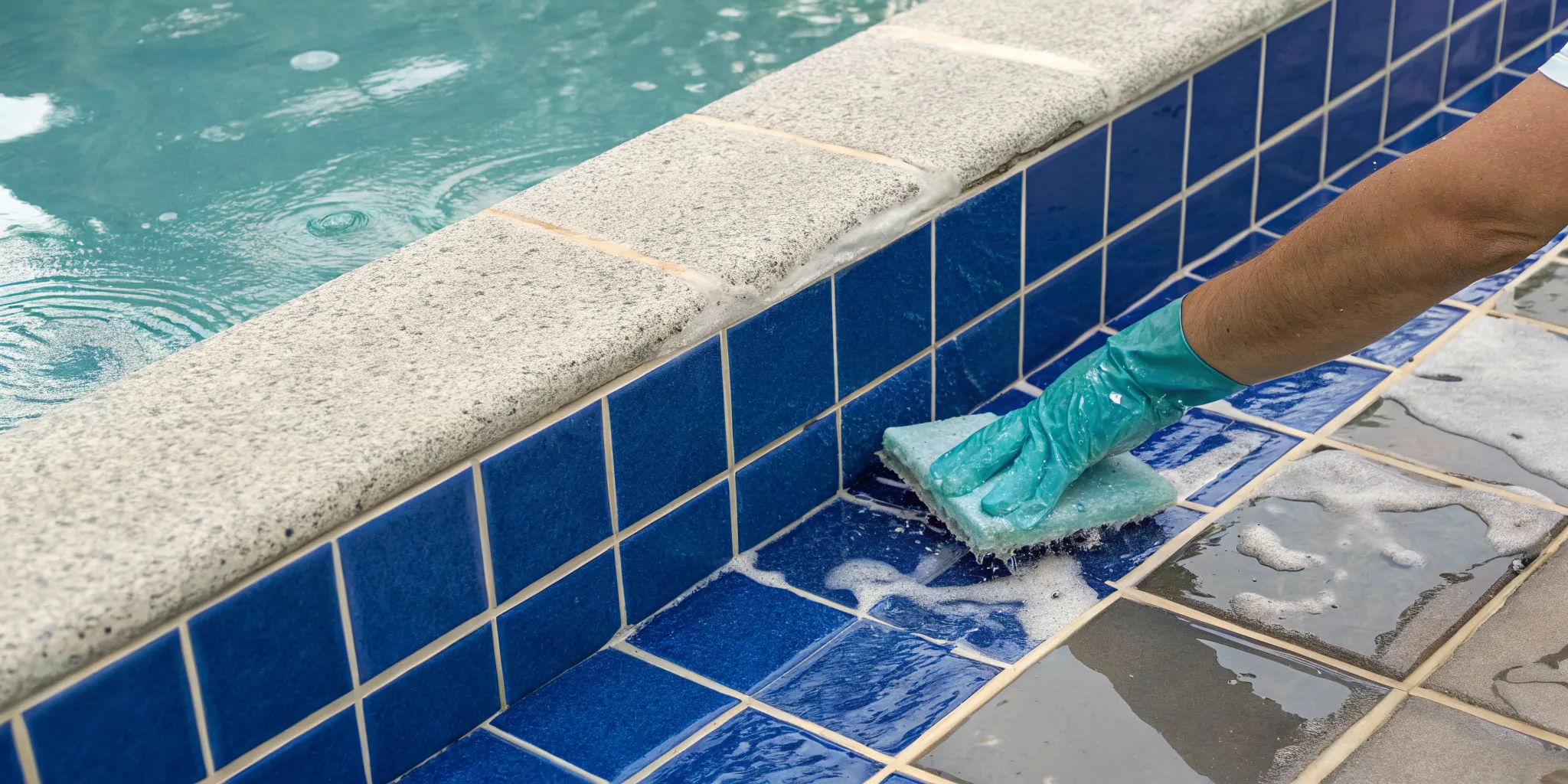
Closing a dirty pool is a recipe for a swampy, stained mess in the spring. Before you do anything else, give your pool a final, deep clean. Brush the walls, steps, and floor thoroughly to dislodge any clinging algae or dirt. Vacuum the entire pool, making sure to get all the debris that has settled on the bottom. Don’t forget to empty the skimmer and pump baskets one last time. Leaving organic material in the pool over the winter provides food for algae and can lead to stubborn stains on your pool’s surfaces.
Balance Your Pool's Chemistry
Once your pool is clean, it’s time to balance the water chemistry. This is a critical step to protect your pool’s plaster, liner, and equipment from corrosion and staining during the off-season. Test and adjust the pH, total alkalinity, and calcium hardness to their ideal winter levels. After balancing, add a winterizing chemical kit or a dose of shock and algaecide. These specialized supplies and chemicals help keep the water clear and prevent algae from blooming. Run the pump for several hours to circulate the chemicals completely.
Lower the Water Level Correctly
For inground pools in Colorado, lowering the water level is essential to prevent freeze damage. As water freezes, it expands, and this expansion can crack your skimmers, plumbing, and tiles. The general rule is to lower the water level to about four to six inches below the skimmer mouth. This ensures no water is left in the skimmer, the most vulnerable part of your pool’s circulation system. You can lower the water using your pump’s “waste” setting or a submersible pump. Getting the level just right is key to avoiding expensive repairs come springtime.
How to Clear and Seal Your Pool's Plumbing
This is arguably the most critical step for protecting your pool from Colorado's freezing winters. When water gets trapped in your plumbing, it freezes and expands with incredible force, which can easily crack pipes and damage your pump, filter, and heater. The worst part is that you often won't discover this damage until you try to open your pool in the spring, leading to a messy and expensive surprise. Properly clearing and sealing your pool's plumbing lines ensures every last drop of water is removed, preventing a headache when the warm weather returns. While it's a process you can tackle yourself with the right tools, it requires some technical know-how. If you're not completely comfortable, getting professional help can save you a lot of stress and prevent the need for future equipment repairs.
Blow Out the Lines
The goal here is to use a powerful air compressor to force all the water out of your pool's plumbing system. You’ll connect the compressor’s hose to your pump's drain plug or directly to the skimmer line and switch it on. You'll know it's working when you see a powerful stream of bubbles shooting out of the return jets in the pool. Let the air run until the bubbles turn into a light mist, which indicates the line is clear. While the air is still pushing through, quickly and securely plug the return jets. This creates a vacuum lock, which is essential for preventing any water from seeping back into the pipes and undoing all your hard work.
Seal the Skimmers
Your skimmers are the rectangular openings on the side of your pool that pull water into the filter, and they are a primary weak point for freeze damage. After you’ve blown out the skimmer lines, you need to seal them off completely for the winter. The most effective way to do this is with a dedicated skimmer cover plate or a specialized winterizing plug like a Gizzmo. These are designed to create a watertight seal over the opening and absorb any pressure from ice that may form. Before you install the cover, make sure to clean out the skimmer basket and housing so you aren't trapping debris all winter.
Plug the Return Lines
The return lines are the jets that push clean, filtered water back into your pool. Just like the skimmer lines, these must be completely sealed after you’ve blown them out with the air compressor. You can use threaded or rubber expansion plugs to seal the openings tightly. For return jets that aren't threaded, rubber plugs are the perfect solution as they expand to create a snug fit. It's a good idea to measure the diameter of your return line openings to get the right size plug. A secure fit is non-negotiable, as it ensures no water can get back into the pipes from the poolside and freeze.
Add Pool-Safe Antifreeze
For an extra layer of protection, adding pool-safe antifreeze is a smart final step. It’s absolutely crucial to use a non-toxic antifreeze specifically made for swimming pools, not the kind you put in your car. Automotive antifreeze is highly toxic and can severely damage your pool’s plumbing and surfaces. After blowing out the lines, pour about one gallon of pool antifreeze down each skimmer line. This will displace any remaining water droplets and prevent them from freezing. You can find the right winterizing supplies and chemicals to ensure you're using a product that is safe for your pool and everyone who will swim in it next summer.
How to Secure and Maintain Your Pool Cover
Your pool cover is the final layer of defense against Colorado’s harsh winter. It keeps out leaves, dirt, and snow while also preventing accidents. But just throwing it on isn’t enough. A properly secured and maintained cover ensures your pool stays protected all season long, making for a much easier spring opening. Think of it as tucking your pool in for a long winter’s nap. Taking a few extra steps now will protect your investment and give you peace of mind until the warm weather returns. If you find that your cover is old, torn, or ill-fitting, it might be time to consider a replacement before winter sets in. Our team can help you find and install the perfect cover for your pool's specific needs.
Install Your Winter Cover Correctly
A snug, secure fit is the key to an effective winter cover. Start by spreading the cover evenly over the pool, ensuring it lies flat without any large wrinkles. For inground pools, use water bags or winter cover blocks to anchor the edges. Place them about 18 inches apart through the cover’s loops, pulling the straps taut but not so tight that they strain the material. In windy Colorado areas, you might want to place them closer together for extra security. A properly fitted cover is your best defense against debris and winter weather, so take your time to get it right.
Maintain Your Cover All Winter
Your work isn’t done once the cover is on. Throughout the winter, you’ll need to keep an eye on it. After a heavy snowfall, use a soft-bristled broom or a leaf blower to gently remove the snow. Don’t let it accumulate, as the weight can stress the cover and its anchors. For melted snow and rainwater, an automatic cover pump is your best friend. Place it in the center of the cover to remove standing water and prevent it from freezing, which could damage the vinyl. If winter upkeep feels like too much, our cleaning and maintenance plans can handle it for you.
Keep Water and Debris Off the Cover
Beyond heavy snow, you’ll want to regularly clear any leaves, twigs, and other debris that land on your cover. This prevents them from decomposing and creating a slimy mess that’s difficult to clean in the spring. It also reduces the risk of small tears or punctures. Standing water is another issue. Not only can it freeze and cause damage, but it also creates a safety hazard. Use your cover pump whenever you see water pooling. Keeping the surface clean and dry will extend the life of your cover and make your spring opening process much smoother.
Set a Regular Inspection Schedule
Make it a habit to walk around your pool once a week to inspect the cover. Check that all the anchors are still secure and haven't been loosened by wind or shifting ground. Look for any signs of wear and tear, like small rips or holes. Catching these issues early allows you to patch them before they become major problems that compromise your pool’s safety. If you find significant damage, it’s best to schedule professional equipment repairs to ensure the cover is fixed correctly. A quick weekly check is all it takes to make sure your pool remains protected all winter.
Common Winterizing Mistakes to Avoid
Closing your pool correctly is your best defense against the harsh Colorado winter. While the process is straightforward, a few common slip-ups can lead to frustrating and expensive problems come springtime. Taking the time to get these final steps right ensures your pool weathers the cold safely and is ready for a smooth reopening. From balancing chemicals to securing the cover, every detail matters. A small oversight, like miscalculating the water level or not fully clearing a pipe, can result in cracked plumbing, a torn liner, or a swampy green mess when you pull back the cover.
These aren't just minor inconveniences; they can lead to significant repair bills and delay your family's first swim of the season. The goal of winterizing is to create a stable, protected environment for your pool so it remains dormant and undamaged until the weather warms up. Think of it as putting your investment into hibernation. You want to make sure it has everything it needs to wake up healthy. Let’s walk through the most frequent missteps so you can confidently put your pool to bed for the season. If you ever feel unsure about any part of the process, remember that our team is always here to help with professional cleaning and maintenance to get the job done right, giving you complete peace of mind.
Getting the Chemicals Wrong
One of the easiest mistakes to make is adding the wrong chemicals or adding them at the wrong time. Simply shocking the pool isn't enough. You need a proper winterizing chemical kit, which typically includes a long-lasting algaecide and stain preventer. These chemicals create a protective barrier that stops algae growth and mineral buildup under the cover. For best results, add your winterizing chemicals the night before you plan to close the pool. Let the filter run overnight to circulate them thoroughly, ensuring every part of your pool is protected. If you need the right supplies and chemicals for the job, we have everything you need to keep your water pristine all winter long.
Not Clearing Lines Completely
In Colorado, this is a non-negotiable step. Any water left in your plumbing will freeze, expand, and crack your pipes, leading to major headaches and costly fixes. You must blow every drop of water out of the skimmer lines, return lines, and main drain. You can do this with a powerful shop vac or an air compressor. Keep blowing air through the system until you see bubbles coming from the return jets, then quickly plug them while the air is still flowing. This process can be tricky, and if you miss even a small amount of water, you risk damage. If you’re not confident, our equipment repairs and servicing team can ensure your lines are completely clear and protected.
Installing the Cover Incorrectly
Your pool cover is the final shield against snow, ice, and debris. A common error is not securing it tightly enough. Any gaps or sagging areas can allow leaves, dirt, and critters to get into your pool, creating a mess for you to clean up in the spring. A loose cover can also collect water and debris, putting stress on the material and potentially causing it to rip or collapse. Before you walk away, double-check that the cover is taut and securely anchored on all sides. A properly fitted cover is essential for keeping your pool clean and safe throughout the off-season, protecting the investment you’ve made in your backyard oasis.
Lowering the Water Too Much (or Too Little)
Finding the right water level is a delicate balance. If you drain too much water, you risk putting stress on the pool cover and exposing the liner or plaster to the dry, cold air, which can cause it to shrink and crack. If you don't lower it enough, water can get into the skimmer and freeze, causing it to break. The sweet spot is typically three to six inches below the bottom of the skimmer opening. This protects the skimmer from ice damage while still providing enough weight to support the liner and the pool cover throughout the winter. Getting this level just right is a key part of a successful closing.
Frequently Asked Questions
Why is it a bad idea to completely drain my pool for the winter? The water in your pool provides essential support for the walls, pushing back against the pressure from the surrounding ground. Without that support, the structure can be damaged by shifting soil and frost. For vinyl liners, being left dry and exposed to cold air can make them brittle and cause them to crack, leading to a very expensive replacement.
What's the most critical step for preventing freeze damage in Colorado? Without a doubt, the most important step is completely clearing all water from your plumbing lines. Water left in pipes, pumps, or filters will freeze and expand with enough force to crack them. Using an air compressor or shop vac to blow every last drop out of the system before plugging the lines is the best way to prevent a costly surprise when you open your pool in the spring.
Are special winterizing chemicals really necessary? Yes, they are. While a final shock is a good start, a dedicated winterizing kit contains a long-lasting algaecide and a stain preventer. These formulas are designed to work slowly over several cold months to keep algae from blooming and prevent minerals from staining your pool's surfaces, which makes for a much cleaner and easier opening process.
Once the cover is on, can I just forget about my pool until spring? Not quite. It's a good idea to check on your cover about once a week. You'll want to remove any heavy snow, pump off standing water from rain or snowmelt, and clear away fallen leaves or branches. This regular maintenance prevents the cover from getting damaged by excess weight and ensures your pool stays protected all winter.
How do I know if I've lowered the water to the right level? The goal is to find a balance. You want the water level low enough to protect your skimmer from freezing, but high enough to support the pool cover. A good rule of thumb is to lower the water to about four to six inches below the bottom of the skimmer opening. This keeps the skimmer safe while still providing the necessary weight to protect the pool's structure.
Related Blogs