%201.png)
Average Monthly Pool Maintenance Cost in Colorado

Owning a pool in Colorado comes with its own unique set of rules. Our intense, high-altitude sun, dry air, and dramatic seasonal shifts all play a huge role in how you care for your water. These local factors mean that budgeting for upkeep here is different than in other parts of the country. Understanding how our climate affects the average monthly pool maintenance cost is key to creating a realistic financial plan. From needing more chemicals in the summer to protecting your equipment from freezing winter temperatures, every season brings a new challenge. We’ll walk through how to prepare for these Colorado-specific needs and manage your budget year-round.
Key Takeaways
- Know what shapes your monthly pool expenses: Your final monthly amount depends on specific factors like your pool's size and type, how often you swim, your equipment's condition, and the unique demands of the Colorado climate.
- Preventive care is the smartest way to save: Staying ahead of issues with a regular maintenance plan, timely equipment repairs, and proper seasonal opening and closing is far more affordable than dealing with surprise problems.
- Choose the right mix of DIY and professional help: You can manage your budget by handling simple tasks like skimming yourself, while leaving complex jobs like chemical balancing and equipment diagnostics to a certified technician.
How Much Does Monthly Pool Maintenance Really Cost?
Figuring out a monthly budget for your pool is a common question for homeowners. The truth is, there isn't a one-size-fits-all answer. The final amount depends on several key factors, from the type of pool you have to the specific challenges of our Colorado climate. Whether you handle the upkeep yourself or bring in a professional service, understanding these variables is the first step to getting a clear picture of your expected expenses. Let's break down what goes into that monthly number.
In-Ground vs. Above-Ground Pools
The structure of your pool is one of the biggest factors in its upkeep. In-ground pools, for example, often have more complex plumbing and filtration systems, larger surface areas to clean, and features like attached spas that require specialized care. This can lead to higher monthly maintenance needs. Above-ground pools typically have simpler setups, but they still demand consistent attention to keep the water clean and the equipment running smoothly. Regardless of the type, a regular cleaning and maintenance schedule is essential for preventing bigger, more expensive problems down the road. The goal is always a safe, sparkling pool, no matter its design.
How Colorado Seasons Affect Your Bill
Here in Colorado, our distinct seasons play a huge role in pool care. Your maintenance needs will naturally be higher during the peak summer months when the sun is intense and the pool is in constant use. You’ll use more chemicals to combat UV rays and run your pump more often. In the spring and fall, you might deal with more debris from storms and changing foliage. Then there’s winter, which requires a proper closing process to protect your equipment from freezing temperatures. This seasonal rhythm means your monthly expenses will fluctuate throughout the year. Planning for these shifts helps you manage your budget without any surprises.
What Factors Influence Your Pool Maintenance Costs?
Figuring out a budget for your pool care isn't always straightforward because several factors come into play. The monthly amount you’ll spend depends on your specific pool, how you use it, and even where you live in Colorado. Understanding these variables will give you a much clearer picture of what to expect and help you plan for keeping your pool sparkling clean all season long. From the size of your pool to the age of its pump, each element contributes to the overall upkeep. Let's walk through the main factors that will shape your pool maintenance expenses.
Your Pool's Size and Type
It makes sense that a larger pool will require a bigger budget for upkeep. More water volume means you’ll need more chemicals to keep the chemistry balanced and more time to clean the surfaces. A bigger pool also has a larger surface area, which can collect more leaves and debris. The type of pool you have matters, too. For instance, a concrete or gunite pool is more porous than a vinyl or fiberglass one, which can affect algae growth and the amount of chemicals needed. Our professional cleaning and maintenance plans are always tailored to fit the specific size and type of your pool.
How Often You Use Your Pool
How much fun you’re having in your pool directly impacts its maintenance needs. A pool that hosts daily swim parties will need more attention than one used only on weekends. Every person who jumps in introduces contaminants like sunscreen, oils, and dirt, which your filter and chemicals have to work harder to manage. Heavy use can throw off your water balance more quickly, requiring more frequent testing and adjustments. This is why a consistent maintenance schedule is so important, especially during the peak summer months when your pool is the star of the backyard.
Colorado's Unique Climate
Living in Colorado brings its own set of unique challenges for pool owners. Our intense, high-altitude sun can burn through chlorine faster than in other regions, meaning you might need to add it more often. The dry air contributes to quicker water evaporation, and our dramatic temperature swings can affect water chemistry. Plus, depending on your landscaping, you might deal with a lot of seasonal debris from aspens and pine trees. A local team that understands these specific environmental factors can help you stay ahead of potential issues and keep your pool in top shape year-round.
The Age and Health of Your Equipment
Your pool’s circulation and filtration system is its heart, and its condition plays a big role in your overall maintenance expenses. Older pumps, filters, and heaters are often less energy-efficient and more prone to breaking down. While a well-maintained older system can still do the job, it might require more frequent check-ups and minor fixes. If you find yourself constantly dealing with equipment issues, it might be time for an upgrade. Investing in timely equipment repairs and servicing can prevent small problems from turning into costly replacements down the road.
What's Included in Professional Pool Service?
When you sign up for a professional pool service, you’re getting much more than just a quick skim of the surface. You’re investing in the health, safety, and longevity of your pool. A comprehensive cleaning and maintenance plan takes the guesswork and hard labor out of pool ownership, giving you back your time and peace of mind. Think of it as a complete wellness plan for your pool.
A typical service visit covers three main areas: cleaning the water and surfaces, balancing the water chemistry, and inspecting the equipment. Your technician will arrive with all the necessary tools and professional-grade chemicals to get the job done right. They follow a consistent checklist to ensure nothing is overlooked, from emptying the skimmer baskets to checking that your pump is running smoothly. This routine care keeps your pool swim-ready all season long and helps catch small issues before they become expensive problems. It’s the most reliable way to protect your investment and ensure your pool is always a source of enjoyment, not stress.
Regular Cleaning and Skimming
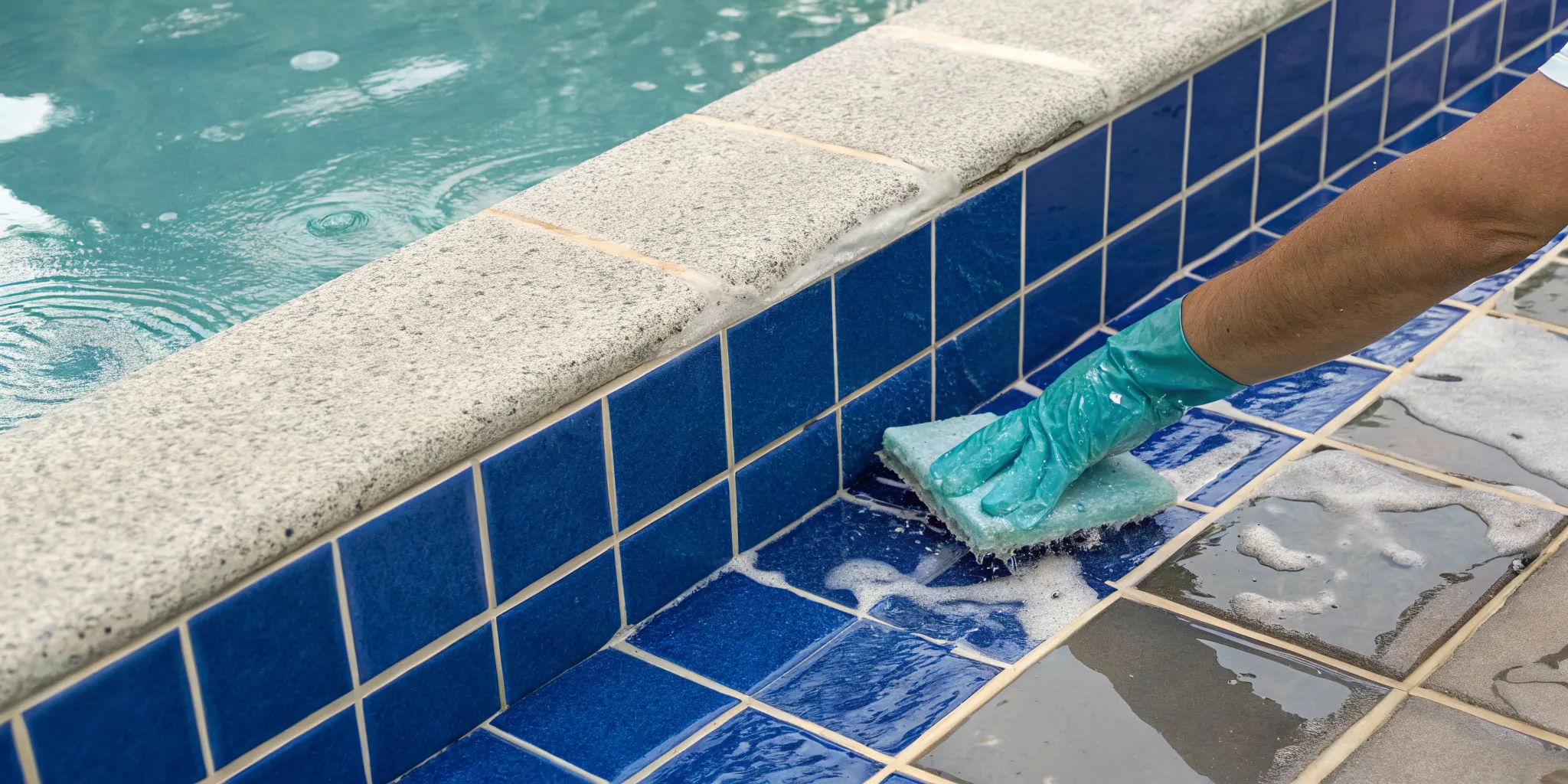
Consistent cleaning is the foundation of a healthy pool. It’s about more than just appearances; it’s about removing organic material before it can break down and affect your water chemistry. A professional service includes skimming the surface to remove leaves, bugs, and other floating debris. Technicians also brush the pool walls, steps, and floor to dislodge dirt and prevent algae growth. They’ll vacuum the pool to clear away any settled debris, leaving you with a sparkling clean swimming environment. This routine work is essential for keeping your pool safe and inviting, so you can jump in whenever you want without a second thought.
Water Testing and Chemical Balancing
Keeping your pool water balanced is a science, and it’s one of the most critical parts of maintenance. Unbalanced water can cause skin and eye irritation, damage your pool’s surfaces, and create a breeding ground for harmful bacteria. During each visit, a technician will test your water for key levels like pH, alkalinity, and sanitizer. Based on the results, they’ll add the precise amount of professional-grade supplies and chemicals to bring everything into the ideal range. This ensures your water is not only crystal clear but also safe and comfortable for everyone who uses it.
Equipment Checks and Tune-Ups
Your pool’s equipment is the heart of the whole system, and it needs regular attention to keep running efficiently. A key part of professional service is a routine inspection of your pump, filter, and heater. A technician will check for leaks, listen for unusual noises, and make sure everything is operating as it should. This proactive approach is vital for extending the life of your equipment. Catching a small problem early, like a worn-out seal or a clogged impeller, can help you avoid a sudden breakdown and a much more significant equipment repair down the road.
Filter Cleaning and Care
Think of your pool filter as its kidneys. It works tirelessly to remove dirt, debris, and other impurities from the water. But for it to do its job effectively, it needs to be cleaned regularly. If the filter gets too clogged, water flow is restricted, and the entire system has to work harder, which can strain the pump motor. As part of a maintenance routine, a technician will clean your filter by backwashing it or cleaning the cartridges, depending on your system. This simple step is essential for maintaining clear water and ensuring your equipment runs smoothly and efficiently.
What's the Monthly Cost for DIY Pool Supplies?
If you’re thinking about handling pool care yourself, it’s smart to get a clear picture of what you’ll be spending each month. Going the DIY route means you’re in charge of buying everything needed to keep your pool clean, safe, and running smoothly. The expenses can be broken down into three main categories: the chemicals for water balance, the tools for cleaning, and the energy to run your equipment. While you might save on labor, these material and utility costs can add up, especially with Colorado’s variable weather. Let's look at what you can expect to budget for each month.
Essential Chemicals and Testing Kits
Keeping your pool water balanced is non-negotiable for a safe swimming environment. For a standard chlorine pool, you can plan on spending between $25 and $67 a month on chemicals. If you have a saltwater pool, your monthly chemical expenses are much lower, typically around $8. This budget covers chlorine or salt, pH balancers, and other essential treatments. Getting the right supplies and chemicals is the first step, but you also need to test your water regularly to know what to add and when. Consistent testing and balancing are key to preventing bigger issues like algae blooms.
Cleaning Tools and Equipment
Beyond chemicals, you’ll need the right tools to physically clean your pool. This includes basics like a skimmer net, a pool brush, and a vacuum. The monthly outlay for these cleaning supplies can range from $80 to $200. This figure can change based on the size of your pool and how often you need to replace items like vacuum heads or filter cartridges. While these tools are essential for weekly upkeep, remember that they require proper storage and maintenance themselves to remain effective. A broken vacuum or worn-out brush can make your job much harder.
Energy Use from Pumps and Heaters
One of the most significant and variable DIY costs is the energy needed to run your pool’s systems. Your pool pump is essential for circulation and filtration, and it runs for several hours every day. If you have a heater, your utility bill will see an even bigger jump. Heating a pool in Colorado can add anywhere from $100 to $600 to your monthly energy expenses, depending on how warm you like the water. Keeping your equipment in top shape through regular repairs and tune-ups can help ensure it runs as efficiently as possible.
Are There Hidden Costs to Owning a Pool?
When you budget for your pool, it’s easy to focus on the regular cleaning and chemical costs. But the true cost of ownership goes beyond the weekly service bill. Several other expenses can pop up throughout the year, and being prepared for them is the key to enjoying your pool without financial stress. From unexpected equipment failures to the predictable rhythm of seasonal care, these additional costs are a normal part of owning a pool in Colorado. Understanding them ahead of time helps you create a realistic budget and ensures your backyard oasis remains a source of joy, not a financial drain. Let's look at some of the most common costs that can catch pool owners by surprise.
Surprise Repairs and Replacements
Even the best-maintained pools can experience equipment issues. A pump can suddenly stop working, a heater might fail right before a holiday weekend, or a filter can crack under pressure. Ignoring routine pool maintenance can lead to more frequent and expensive equipment repairs or the need to replace parts sooner than expected. These surprise expenses can range from a minor fix to a major replacement. Regular professional inspections are your best defense. A trained technician can spot wear and tear on your equipment and address small issues before they become costly emergencies, saving you money and stress in the long run.
Higher Utility and Insurance Bills
Your pool is integrated into your home's systems, which means it will affect your monthly utility bills. Running the pump and filter system requires a significant amount of electricity, and if you have a heater, your gas or electric bill will increase, especially during cooler Colorado evenings. You'll also see a bump in your water bill from refilling the pool to counteract evaporation. Beyond utilities, it's a good idea to check with your insurance provider. Many homeowners find they need to adjust their liability coverage after installing a pool, which can slightly increase their premium. These are recurring costs that should be factored into your overall monthly budget.
Opening and Closing for the Season
In Colorado, your pool has a distinct swimming season. Properly opening your pool in the spring and winterizing it in the fall are critical tasks that come with their own set of costs. A professional opening involves removing the cover, re-installing equipment, and getting the water chemistry just right for swimming. Closing is even more important, as it protects your pool from freeze damage during our harsh winters. This process includes lowering the water level, winterizing the plumbing lines, and adding special chemicals. These seasonal cleaning and maintenance services are a necessary investment to protect your pool and ensure it’s ready to go next summer.
How Can You Save on Pool Maintenance in Colorado?
Owning a pool in Colorado is a fantastic way to enjoy our beautiful sunny days, but it's also an investment that requires consistent care. The good news is that managing your pool's upkeep doesn't have to break the bank. With a little planning and some smart strategies, you can keep your pool sparkling and your budget in check. It’s not about cutting corners on quality care; it’s about working smarter to prevent problems before they start. By focusing on prevention, making strategic upgrades to your equipment, and finding the right balance between your own efforts and professional support, you can significantly reduce your long-term expenses.
Think of it like caring for your car. Regular oil changes and tune-ups are much more affordable than dealing with a major engine failure down the road. The same principle applies to your pool. A proactive approach ensures your pool is always ready for a swim, protects your investment from costly damage, and gives you peace of mind. Let’s look at a few practical ways you can save on pool maintenance while ensuring your pool remains a safe, beautiful, and fun centerpiece for your home. These simple adjustments can make a big difference in your annual pool care budget.
Create a Preventive Maintenance Plan
The most effective way to save money on your pool is to stop problems before they start. A preventive maintenance plan is your best defense against unexpected and expensive issues. Keeping up with regular cleaning and maintenance helps you spot small concerns, like a tiny tear in the liner or a strange noise from the pump, before they become major headaches. This proactive approach not only keeps your water clean and safe for swimming but also extends the life of your pool and its equipment. A simple weekly checklist of tasks like skimming debris, checking the water level, and testing the chemistry can make all the difference, saving you from costly emergency service calls later on.
Upgrade to Energy-Efficient Equipment
If your pool equipment is more than a few years old, it might be costing you more than you think in monthly utility bills. Upgrading to modern, energy-efficient equipment is an investment that pays for itself over time. For example, older single-speed pumps run at full power all the time, but a new variable-speed pump uses up to 80% less energy by adjusting its speed to the task at hand. That can translate to significant savings on your electricity bill each month. While there is an upfront cost, the long-term reduction in energy use makes it a smart financial decision. An expert can help you evaluate your current system and handle any equipment repairs or upgrades to maximize your savings.
Mix DIY Tasks with Professional Help
Finding the right balance between doing it yourself and hiring a pro can be a great way to manage your pool care budget. Many routine tasks are perfectly manageable for homeowners. You can easily save some money by handling things like skimming leaves, emptying skimmer baskets, brushing the pool walls, and checking the filter pressure yourself. Learning to perform basic water tests can also cut down on service calls. This allows you to reserve your budget for the more complex jobs that are best left to a certified technician, such as opening and closing your pool for the season, diagnosing equipment issues, or handling tricky chemical imbalances. This hybrid approach gives you hands-on control while ensuring your pool gets the expert spa and pool services it needs to run smoothly.
Should You DIY or Hire a Pro?
Deciding whether to manage your pool yourself or hand the keys to a professional is a big decision. It really comes down to a trade-off between your money, your time, and your desire for peace of mind. Let's break down what you should consider before you commit to one path.
A Breakdown of the Monthly Costs
When you hire a professional, you’re looking at a national average cost between $121 and $372 per month. This gives you a clear, predictable expense to budget for. Going the DIY route means you won't pay for labor, but you are on the hook for all your own supplies and chemicals. This can seem cheaper upfront, but costs can add up. If you make a mistake with water chemistry, for example, you might end up buying more chemicals to correct it. A professional service bundles the cost of expertise and routine chemicals into one consistent monthly bill, protecting you from unexpected expenses caused by trial and error.
Your Time vs. Your Skill Level
Consistent pool care takes more time than you might think. It’s a weekly commitment of skimming, vacuuming, testing water, and balancing chemicals. The size and type of your pool also play a big role; a larger in-ground pool is a much bigger job than a small above-ground one. Be honest with yourself about how much free time you have and whether you want to spend it learning about filtration systems and alkalinity. If you’d rather just enjoy your pool, professional cleaning and maintenance services can take that entire workload off your plate, giving you back your weekends.
The Value of Quality and Reliability
There’s a real value in knowing your pool is being cared for correctly and consistently. A professional technician does more than just clean; they bring expertise specific to Colorado's climate and can spot small issues before they become costly problems. This proactive approach, from routine checks to identifying needed equipment repairs, saves you money and stress in the long run. Hiring a reliable service means your pool is always safe, balanced, and ready for a swim. It’s an investment in quality that ensures your pool remains a source of fun, not a chore.
How Do Pool Costs Change with Colorado's Seasons?
If you live in Colorado, you know our weather keeps things interesting, and your pool's needs are no different. The expense of maintaining your pool isn't a flat line throughout the year; it flows with the seasons. The intense sun and high altitude of a Colorado summer demand a different approach than the preparation needed for a cold, snowy winter. Understanding this cycle helps you budget effectively and ensures your pool stays in great shape, ready for that first warm day of spring. It’s all about shifting your focus from active use in the summer to protection and prevention during the colder months.
Higher Costs During Peak Summer
During the peak summer months, you can expect your monthly pool maintenance expenses to be at their highest. This is simply because your pool is working its hardest. With more people swimming, more sun exposure, and longer running times for your pump, your pool requires more attention. The summer sun can burn through chlorine quickly, and increased use means more debris and contaminants in the water. To keep your water safe, clear, and balanced, you’ll need more frequent cleaning and maintenance along with a higher volume of chemicals. Think of it as the active season where your investment goes directly into creating a fun and healthy swimming environment for family and friends.
Prepping for the Off-Season and Winter
As the swimming season winds down, your focus and your budget shift from daily upkeep to long-term protection. Preparing your pool for a Colorado winter is one of the most critical tasks you’ll face as an owner. This process, often called winterizing, involves specific steps to protect your equipment and surfaces from freeze damage. This may include covering the pool and making sure all your equipment is properly stored or maintained. While it is an upfront expense, proper closing is essential. Taking these steps helps you avoid serious and expensive repairs when you’re ready to open your pool again in the spring.
Frequently Asked Questions
Why can't I get a single, flat-rate number for monthly pool care? Every pool has its own unique personality and needs, which is why a one-size-fits-all number doesn't really work. The final monthly amount depends on specific factors like your pool's size, how often you use it, and the age of its equipment. A smaller, rarely used pool will naturally require a different level of care than a large pool that hosts parties every weekend. A tailored maintenance plan ensures you only pay for what your pool actually needs, which is a much smarter approach in the long run.
How can I avoid expensive, unexpected repairs? The best way to prevent costly surprises is through consistent, proactive care. Think of it like regular check-ups for your car. When a professional technician inspects your equipment on a routine basis, they can spot small signs of wear and tear before they turn into a complete system failure. Addressing a minor issue with your pump or filter early on is far more affordable than having to replace the entire unit after it breaks down unexpectedly.
What's the biggest mistake new pool owners make when trying to save money? A common mistake is underestimating the importance of water chemistry. Trying to save a few dollars by using cheap chemicals or skipping regular water tests often backfires. Improperly balanced water can not only irritate your skin and eyes but can also damage your pool's surfaces and equipment over time. Correcting a major chemical imbalance or an algae bloom ends up being far more expensive than simply maintaining the water properly from the start.
If I handle the weekly cleaning myself, do I still need a professional? It's great to stay on top of daily tasks like skimming leaves and brushing the walls. However, professional service goes beyond surface cleaning. A certified technician performs critical equipment inspections, uses professional-grade kits for precise water testing, and can diagnose subtle problems you might not notice. It’s valuable to have an expert periodically check on the overall health of your pool's systems to ensure everything is running efficiently and safely.
Are winterizing services really necessary in Colorado? Yes, absolutely. Properly closing your pool for the winter is one of the most important investments you can make as a pool owner in Colorado. Our freezing temperatures can cause any water left in your plumbing lines to expand and crack the pipes, leading to serious and expensive damage. A professional closing service ensures all the lines are properly cleared and your equipment is protected, saving you from a potential disaster when you're ready to open your pool in the spring.
Related Blogs