%201.png)
5 Safer Alternatives to Acid Wash Pool Cleaning

Dealing with a stained pool can feel like a losing battle, and the suggestion of an acid wash can sound like the ultimate solution. But what if there was a better way? A smarter approach focuses on treating the specific type of stain you have, rather than using a one-size-fits-all chemical blast. From organic buildup to metal stains, different problems require different solutions. Understanding the root cause of the discoloration allows you to choose a targeted treatment that works without the need to drain your pool or use unnecessarily harsh chemicals. Let’s explore each effective alternative to acid wash pool so you can work smarter, not harder.
Key Takeaways
- Reserve acid washing for extreme cases: Because this process strips away your pool's surface and shortens its lifespan, it should be your last resort for stain removal, not a routine cleaning method.
- Identify the stain before you treat it: Different types of discoloration require different solutions. Using targeted treatments like Vitamin C for metal stains or enzyme cleaners for organic grime is safer and more effective than a one-size-fits-all approach.
- Proactive maintenance is your best defense: You can prevent most tough stains from ever forming with a consistent routine. Regularly balancing your water chemistry, brushing the surfaces, and using a pool cover keeps your pool clean and protects your investment.
What Is Acid Washing?
You’ve probably heard the term "acid washing" if you’ve been a pool owner for a while. It sounds intense, and honestly, it is. An acid wash is a process used to deep clean a pool’s surface, typically one made of plaster. Think of it as a heavy-duty chemical peel for your pool. A technician applies a diluted acid solution to strip away a very thin top layer of the plaster, taking stubborn stains, mineral deposits, and discoloration along with it.
While it can make an old, stained pool look dramatically better, it’s an aggressive method that isn't always necessary. It’s often considered a last resort when other cleaning techniques haven't worked. Before you decide if it's right for your pool, it helps to understand exactly what the process involves and why it’s used.
How the Process Works
An acid wash is a multi-step procedure that should always be handled by a certified professional. First, the pool has to be completely drained. Once empty, a technician carefully applies a mixture of muriatic acid and water to the walls and floor. They then scrub the surfaces to lift away stains and buildup. The final, and arguably most critical, step is to thoroughly rinse and neutralize the acid to ensure no residue is left behind. The pool is then refilled, and the water chemistry is rebalanced. It’s a complex job that requires specific safety gear and expertise to protect both the technician and your pool’s surface.
Why Pool Owners Consider It
Most pool owners in Colorado look into acid washing when they’re dealing with stains that just won’t budge. Algae blooms, mineral deposits from hard water, or stains from leaves and other debris can leave a pool looking dull and dirty, even when the water is clean. When routine cleaning and maintenance isn't enough to restore the pool's original sparkle, an acid wash can seem like the only solution. It’s a powerful way to remove years of discoloration and bring back a brighter, cleaner finish, which is why it’s often part of larger pool remodels and rehabs.
Common Myths About Acid Washing
One of the biggest myths is that acid washing will automatically ruin your pool’s plaster. While it’s true that the process removes a thin layer of the surface, a trained professional knows how to perform it correctly to minimize wear. When done improperly, it can definitely cause damage. Another common misconception is that it’s the only way to remove deep-set stains. While it is effective, there are often gentler, less invasive alternatives that can tackle tough stains without the risks associated with a full acid wash. It’s not a magic bullet, but rather one tool in a professional’s toolkit.
The Risks of Acid Washing Your Pool
While acid washing is often presented as a quick fix for a stained and discolored pool, it’s an aggressive procedure with serious drawbacks. Before you consider this method, it’s important to understand the potential damage to your pool, the safety hazards involved, and the true cost. This isn't just about getting a clean pool; it's about protecting your investment and ensuring your swimming environment is safe for everyone. Think of it as a last resort, not a routine cleaning solution. Regular, less intensive care is almost always a better path for the long-term health of your pool.
It Can Damage Your Pool's Surface
Acid washing works by stripping away a thin layer of your pool’s surface to reveal a fresh, unstained layer underneath. While this can make a pool look new again, it also shortens the lifespan of plaster, pebble, and quartz finishes. Each time you acid wash, you’re removing material that can’t be replaced. Doing this too often can weaken the surface, making it rough, porous, and more susceptible to future staining and algae growth. Eventually, this repeated erosion will lead to the need for a complete resurfacing, which is a far more expensive project than routine upkeep. Protecting your pool's finish is key to avoiding costly remodels and rehabs down the road.
Safety and Environmental Concerns
The muriatic acid used in this process is a hazardous chemical. Handling it without proper training and protective gear can lead to severe chemical burns and respiratory issues. Beyond the personal risk, there are significant environmental concerns. The acidic water drained from the pool must be neutralized before it’s disposed of, but mistakes can happen. If the runoff isn't managed correctly, it can harm local Colorado wildlife, contaminate soil, and damage your landscaping. The EPA provides strict guidelines for handling hazardous chemicals for a reason, and it’s why this job is best left to certified professionals who know how to manage the risks.
The High Cost and Water Waste
The initial price for an acid wash can be deceptive. While the service itself might cost a few hundred dollars, that’s not the full picture. The process requires completely draining your pool, which means you’ll also have to pay to refill it with thousands of gallons of fresh water. In Colorado, where water is a precious resource, this is a major consideration. You’ll also need to spend more money on chemicals to rebalance the new water. When you add it all up, the total cost is often much higher than expected. A consistent cleaning and maintenance schedule is a more predictable and sustainable way to keep your pool looking its best without the high cost and waste.
Effective Alternatives to Acid Washing
If the thought of pouring harsh acid into your pool makes you nervous, you’re not alone. The good news is that you have plenty of other options for tackling tough stains and buildup. These alternatives are often safer for your pool’s surface, your family, and the Colorado environment. From powerful mechanical cleaning to targeted treatments for specific types of stains, there’s a solution that can restore your pool’s sparkle without the risks of a full acid wash.
Choosing the right method comes down to understanding what kind of stain you’re dealing with and what type of surface your pool has. A little bit of diagnostic work upfront can save you a lot of time and prevent potential damage. Whether you’re dealing with organic grime, mineral deposits, or metal stains, a targeted approach is always more effective. Our professional cleaning and maintenance services can help you identify the problem and apply the perfect solution.
Pressure Washing for a Deep Clean
For widespread surface dirt, algae, and some stubborn stains, a high-powered pressure washer can work wonders. This method uses the force of water to blast away grime from your pool’s plaster, pebble, or concrete surfaces without the corrosive effects of acid. It’s especially effective at getting into the small pores and crevices where algae loves to hide. While it might seem like a straightforward DIY job, using the wrong pressure or nozzle can easily etch or chip your pool’s finish. For that reason, it’s often best to leave pressure washing to the pros as part of a larger remodel or rehab project to ensure a deep, even clean without causing damage.
Enzyme-Based and Specialty Cleaners
If your pool is plagued by greasy residue from sunscreens, body oils, or other organic materials, enzyme-based cleaners are a fantastic choice. These treatments use natural enzymes to break down and digest organic waste, lifting it from surfaces so it can be easily filtered out. They are a gentle, non-chemical alternative that works continuously to keep your water clear and your tile line clean. You can find a variety of these specialty supplies and chemicals that target specific problems, from phosphates that feed algae to oils that create that grimy waterline ring. They’re a great preventative tool and a safe way to handle common pool problems.
Natural Solutions Like Baking Soda
You might be surprised to learn that one of the most effective gentle cleaners is probably already in your pantry. For light scale, calcium buildup, and dirty grout lines, a simple paste made from baking soda and water can be a great non-abrasive scrubber. Just apply the paste to the stained area, let it sit for a bit, and then gently scrub with a pool brush. Because baking soda is alkaline, it also has the added benefit of helping to raise your pool’s pH and alkalinity if they are low. It’s a simple, inexpensive, and safe solution for minor touch-ups between professional cleanings.
Vitamin C for Metal Stains
Have you noticed reddish-brown or greenish-blue stains on your pool’s surface? Those are likely caused by metals like iron or copper in your water. Before you assume you need a harsh chemical treatment, try using Vitamin C. You can test a small area by rubbing a Vitamin C tablet directly on the stain. If it disappears, you’ve found your solution. For larger areas, you can use granular ascorbic acid (the chemical name for Vitamin C) to treat the entire pool. These stains can sometimes point to deteriorating equipment, so if they keep coming back, it might be time for professional equipment repairs.
Sodium Bisulfate: A Gentler Option
If you need something with a bit more chemical power but aren’t ready for muriatic acid, sodium bisulfate is a solid middle ground. Often sold as "dry acid," it is a granular substance that is much safer to handle. It doesn't produce the intense fumes that liquid acid does and is less harsh on your skin and equipment. Sodium bisulfate is effective at lifting calcium scale and other stubborn mineral deposits. While it is safer, it’s still an acid, so you need to handle it with care and follow all safety instructions. When you need a powerful cleaning solution, our cleaning and maintenance team can handle the job safely and effectively.
How to Remove Stains Without Draining Your Pool
Draining your pool to treat a few stubborn stains feels like a massive, wasteful task. The good news is, you often don't have to. For many common pool stains, from organic buildup to mineral deposits, you can get fantastic results with targeted treatments that work while the water is still in the pool. This approach saves time, water, and the headache of a full drain-and-refill. Before you even think about pulling the plug, let's look at a few powerful methods for spot-treating stains and restoring your pool’s sparkle. These techniques are often the first step our technicians take when performing cleaning and maintenance for our clients in Colorado.
Lift Stains with Chelating Agents
If you’re dealing with stains caused by metals like iron or copper, a chelating agent is your best friend. Think of these products as metal magnets. When you add them to your pool, they find and bind to the metal particles in the water, pulling them into the filter so they can be easily removed. This process, called chelation, can lift mineral stains right off your pool’s surface without any scrubbing or draining. We can help you find the right supplies and chemicals for your specific issue, ensuring you get a product that effectively targets the metals causing your discoloration.
Manually Scrub with a Pumice Stone
Sometimes the simplest solution is the most effective. For tough, set-in stains on hard surfaces like plaster or concrete, a pumice stone can work wonders. When used correctly, it gently sands away the stain without damaging the underlying surface. Just be sure to keep the stone and the pool surface wet while you scrub to avoid scratching. This method is great for isolated spots and organic stains that haven't responded to regular brushing. It’s a technique that requires a bit of elbow grease, but it can be incredibly satisfying to see a stain disappear right before your eyes.
Use Professional-Grade Products
For widespread or particularly stubborn staining, you might need something with a bit more power. This is where professional-grade products, sometimes called "no-drain acid washes," come in. Unlike a full acid wash, this process involves a technician applying a specialized, concentrated formula directly to the stained areas while the pool is full. It’s a targeted treatment that dissolves stains without the need to drain thousands of gallons of water. Because these are powerful chemicals, this job is best left to certified professionals who can handle them safely and effectively as part of a larger pool rehabilitation project.
Prevent Tough Stains with Smart Maintenance
The best way to deal with tough pool stains is to stop them from ever forming. Instead of reacting with harsh treatments like acid washing, a proactive approach keeps your pool looking its best and protects its surfaces from long-term damage. Consistent, smart maintenance is far less work than a major stain removal project. By building a few simple habits into your routine, you can maintain a sparkling clean pool all season long. This means you get to spend more time enjoying your pool and less time worrying about stubborn discoloration. It’s all about working smarter, not harder, to keep your water clear and your pool surfaces pristine.
Keep Your Chemicals Balanced
Think of balanced water chemistry as the foundation of a healthy pool. When your pH and alkalinity levels are where they should be, it’s much harder for stains and algae to take hold. Unbalanced water can cause minerals to fall out of solution and stain your pool’s surface, or it can create the perfect environment for algae to bloom. Regularly testing your water and adjusting as needed is one of the most effective preventative steps you can take. If you’re not sure where to start, our team can help you understand the right supplies and chemicals for your specific pool needs.
Create a Brushing and Vacuuming Routine
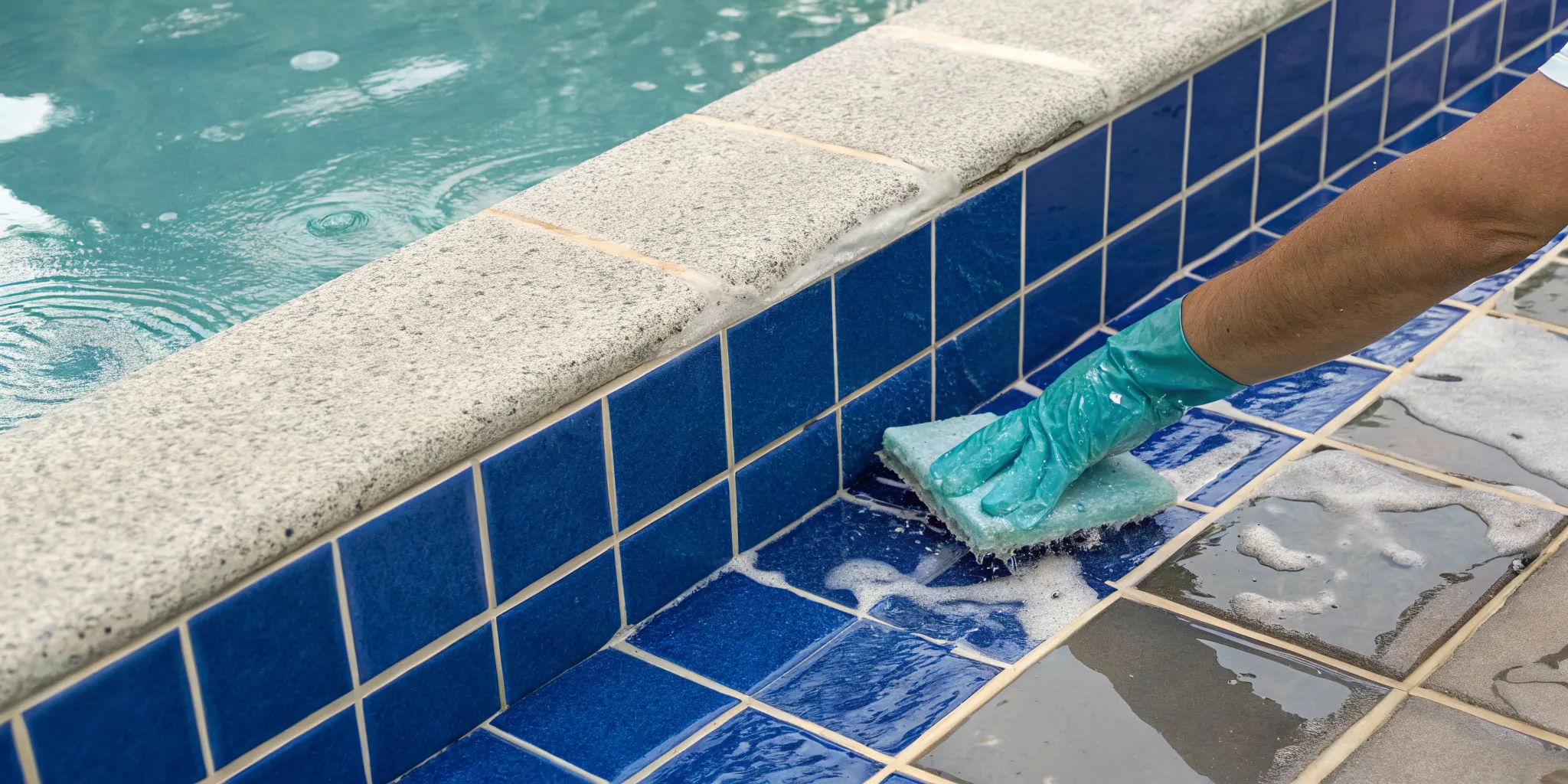
Getting into a regular brushing and vacuuming habit is your next line of defense. This simple task physically removes dirt and organic debris before they have a chance to settle and stain your pool walls and floor. Just a few minutes each week can make a huge difference. Make sure you’re using the right brush for your pool’s surface, like a nylon brush for vinyl or fiberglass and a steel one for concrete, to avoid causing any scratches. If life gets too busy, our professional cleaning and maintenance services can take this task off your to-do list.
Use a Pool Cover and Optimize Filtration
A good pool cover is an essential tool, especially here in Colorado where dust and leaves can quickly find their way into your water. A cover not only keeps debris out but also reduces water evaporation, which helps keep your chemicals balanced and your water bill down. Your filtration system does the rest of the heavy lifting. For it to work effectively, make sure you run your pump long enough each day and clean the filter regularly. If you notice your system isn’t keeping up, it might be time for a check-up or equipment repair.
Try Preventative Enzyme Cleaners
For an extra layer of protection, consider adding enzyme cleaners to your maintenance routine. These are not sanitizers, but they are fantastic at breaking down non-living organic waste like sunscreen, body oils, and lotions before they can cause grime buildup or cloudy water. Think of them as a supplement that helps your sanitizer work more efficiently. Using enzyme treatments is a gentle, non-chemical way to keep your water clear and prevent the kind of organic stains that can be tricky to remove later on. It’s an easy step that delivers impressive results.
How to Choose the Right Cleaning Method
Choosing the right cleaning method for your pool isn’t just about getting rid of stains; it’s about protecting your investment for years to come. The best approach depends on your pool’s specific needs, from its surface material to the type of discoloration you’re dealing with. A method that works wonders for one pool could be too harsh for another. Before you reach for the strongest chemicals, it’s important to assess the situation carefully. Understanding what your pool needs will help you select a solution that restores its sparkle without causing unnecessary wear and tear. This thoughtful approach ensures you get the best results while preserving the life of your pool’s finish.
Identify Your Pool's Surface and Stain Type
The first step is to play detective. What kind of surface does your pool have? Plaster, vinyl, and fiberglass all react differently to cleaning agents. For example, an aggressive treatment like an acid wash can be effective, but it also strips a thin layer from plaster finishes, which can shorten their lifespan. Next, identify the stain. Is it green or brown from algae and leaves, or is it a reddish-brown or blue-green hue, which often points to metal stains from pipes or equipment? Knowing the difference is key because organic stains and metal stains require completely different treatments. Our team can help you find the right supplies and chemicals to safely tackle your specific problem.
Know the Signs You Need a Gentler Approach
If your pool is just looking a little dull or has some light discoloration, you likely don’t need an extreme cleaning method. Think of it like this: you wouldn't use a power sander to dust a coffee table. Often, tough stains build up over time because of small imbalances in water chemistry or inconsistent cleaning. Committing to a routine of regular cleaning and maintenance is the best way to prevent grime from getting out of hand in the first place. If you catch discoloration early, a simple enzyme-based cleaner or a bit of targeted scrubbing might be all you need to restore your pool’s shine, saving you from more intensive and costly procedures down the road.
When to DIY vs. Call a Professional
It can be tempting to try and fix pool stains yourself, but some jobs are best left to the experts. While many minor issues can be handled with store-bought products, using professional-grade chemicals without proper training can be risky. Misuse can lead to permanent damage to your pool’s surface or create unsafe swimming conditions. If you’ve tried gentler methods without success, or if you’re dealing with widespread, deeply set stains, it’s time to call for a professional opinion. A certified technician can accurately diagnose the problem and determine if it requires more serious repairs or even resurfacing, ensuring the job is done safely and correctly.
Frequently Asked Questions
Is acid washing ever the right choice for a pool? While it sounds extreme, an acid wash can be a useful tool in very specific situations, usually as a final option for a plaster pool with severe, widespread staining that hasn't responded to any other treatment. Think of it as a major resurfacing project, not a routine cleaning. Because it physically strips away a layer of your pool's finish, it should only be performed by a certified professional when all gentler, safer alternatives have been exhausted.
How can I tell what's causing the stains in my pool? You can learn a lot just by looking at the color of the stain. Green and brown stains are typically organic, caused by things like algae, leaves, or dirt. Reddish-brown or blue-green stains often point to metals like iron or copper, which could be coming from your water source or even aging equipment. Identifying the source is the most important first step because organic and metal stains require completely different removal methods.
What's the first thing I should try for a stubborn stain before considering something drastic? Before you think about draining your pool or using harsh chemicals, always start with targeted, gentle treatments. For organic stains, a bit of extra brushing and a specialty enzyme cleaner can work wonders. For suspected metal stains, you can test a small spot with a Vitamin C tablet. If the stain lightens, you've found a safe and effective solution. These simple steps often solve the problem without risking damage to your pool's surface.
How does regular maintenance actually prevent serious stains? Consistent maintenance is all about stopping stains before they can even start. When you keep your water chemistry balanced, minerals stay dissolved in the water instead of sticking to your pool walls. Regular brushing and vacuuming remove dirt and debris before they have time to settle and discolor the surface. It’s a proactive approach that keeps your pool healthy and clear, preventing the kind of buildup that leads to major, hard-to-remove stains.
If I've tried gentler methods without success, what's my next step? If you've tried spot treatments and your stains aren't budging, it's time to call a professional for a proper diagnosis. A stubborn stain might be a symptom of a bigger issue, like an equipment problem that's introducing metals into your water. A technician can assess the situation, identify the root cause, and recommend a professional-grade solution, which could range from a targeted chemical treatment to specific repairs.
Related Blogs