%201.png)
Breaking Down the Above Ground Pool Saltwater Conversion Cost
When you start researching saltwater pools, you’ll find a lot of conflicting information. Some say it’s a complicated and expensive overhaul, while others claim it’s the easiest way to care for a pool. The truth is somewhere in the middle, and it depends entirely on your specific setup. We’re here to clear up the confusion and give you the facts. We’ll tackle the common myths and provide a straightforward look at what a conversion really involves, especially when it comes to the 'above ground pool saltwater conversion cost'. This guide will help you make an informed decision based on your budget and your goals.
Key Takeaways
- Automate Your Chlorine, Don't Eliminate It: A saltwater system is not a chlorine-free alternative; it's a hands-off way to produce a steady, consistent supply of chlorine, which leads to softer water and less irritation.
- Plan for an Initial Cost and Future Savings: Converting requires buying a salt chlorinator system, but this expense is balanced by significantly lower annual chemical costs, often paying for itself within a few swimming seasons.
- Trade Weekly Chores for Periodic System Care: You'll stop adding chlorine pucks every week, but you will need to test your water chemistry regularly and clean the salt cell every few months to keep your system in top shape.
Thinking About a Saltwater Pool? Here’s What It Means
If you’re picturing a pool that feels like swimming in the ocean, let’s clear that up first. A saltwater pool isn’t nearly as salty as the sea. Instead, it uses a mild saline solution to create a swimming experience that many people find gentler on their skin, hair, and eyes. The term "saltwater pool" is a bit of a misnomer because it’s not a chlorine-free alternative. It’s actually a different, more automated way of getting chlorine into your pool.
The main appeal is convenience and comfort. You get to skip the routine of buying, storing, and handling harsh chlorine chemicals. The system produces chlorine consistently, which means the levels stay more stable, preventing the sharp chlorine smell and irritation that can happen with traditional pools. It’s a popular upgrade, but it’s important to understand how it works and what it means for your pool’s upkeep before making the switch. Let's break down the mechanics and compare it to the system you’re probably used to.
How a Saltwater System Actually Works
The magic behind a saltwater pool is a device called a salt chlorinator, or a salt chlorine generator. Here’s the process in a nutshell: you add special, pool-grade salt directly to your water to achieve a low concentration. As the slightly salty water passes through the salt chlorinator cell, a process called electrolysis zaps the salt and converts it into chlorine.
Essentially, you have a mini chlorine factory right in your plumbing. This freshly made chlorine sanitizes your pool just like the chlorine you’d add manually, and once it does its job, it reverts back to salt. The cycle then repeats. This means you aren’t constantly depleting your salt, you just need to top it off occasionally.
Saltwater vs. Traditional Chlorine: What's the Real Difference?
The biggest difference comes down to chlorine delivery. With a traditional pool, you manually add chlorine pucks, granules, or liquid to the water. This often leads to fluctuating chlorine levels, with peaks right after you add chemicals and valleys as they get used up. A saltwater system, on the other hand, produces a slow, steady stream of chlorine automatically, keeping the water consistently sanitized.
While saltwater pools can simplify your routine, they still require regular upkeep. You’ll need to test your water chemistry, clean the salt cell periodically, and ensure all your equipment is running smoothly. Proper cleaning and maintenance are essential for any pool, and saltwater systems are no exception. The key is that the day-to-day work is often less demanding.
Understanding the Investment for a Saltwater Conversion
Making the switch to a saltwater system is an exciting upgrade for your pool, but it’s completely normal to have questions about the cost. I always tell people to think of it as an upfront investment that pays off down the road in savings on chemicals and weekly maintenance time. The total amount you’ll spend really comes down to a few key factors, mainly the size of your pool and whether you decide to install the system yourself or have a professional handle it. Getting a clear picture of these costs will help you decide if a conversion is the right move for your Colorado pool.
How Pool Size Affects the Bottom Line
The size of your pool is the biggest factor in determining your conversion cost. For most in-ground pools, you can expect the total expense for a salt conversion to range from $1,500 to $2,500. If you have a smaller, above-ground pool, you’re likely looking at a lower cost, typically between $600 and $1,200. The reason for this difference is the salt chlorine generator, which is the core component of the system. Larger pools require a more powerful, and therefore more expensive, unit to produce enough chlorine to keep the water clean and sanitized. The quality of the equipment you choose also plays a part in the final cost.
DIY vs. Professional Installation: A Comparison
The main task in a conversion is installing the salt water chlorine generating system. If you’re comfortable with basic plumbing and electrical work, a DIY installation can save you money on labor. However, for peace of mind and to ensure everything is hooked up correctly and safely, hiring a professional is a great option. Our team can handle the full installation, making sure your new system works perfectly with your existing setup. Keep in mind that the salt cell, a key part of the generator, needs to be replaced every five to seven years. This is a long-term maintenance cost to factor in, typically running from $200 to $800.
What Factors Influence Your Conversion Project?
Switching your above-ground pool to a saltwater system is an exciting upgrade, but the process isn't exactly the same for everyone. The total scope and cost of your project depend on a few key details about your current setup. Before you get started, it’s helpful to understand what will shape your conversion journey. From the size of your pool to the type of equipment you already have, each factor plays a role in creating a smooth and successful transition. Thinking through these elements ahead of time will help you plan your budget and timeline, ensuring you get the relaxing, low-maintenance pool you’re looking for.
Your Pool's Size and Volume
The first thing to consider is the size of your pool. Simply put, a larger pool holds more water and requires a more powerful salt chlorinator to keep it clean. The generator’s capacity is measured by the maximum number of gallons it can treat, so you’ll need to know your pool’s volume to choose the right one. Going too small will leave your system struggling to produce enough chlorine, while oversizing can be an unnecessary expense. The total cost for most conversions, including the equipment and initial salt, typically falls between $1,500 and $2,500. This range is heavily influenced by the system size needed for your pool’s specific volume, making it a critical first step in your remodel project.
Checking Your Existing Equipment's Compatibility
Next, take a look at your existing pool equipment. While many modern pumps and filters are built to handle saltwater, older models might not be. Salt is corrosive, especially to certain metals. If your pool heater has a copper heating element, for example, it will likely need to be replaced with a model designed for saltwater. The same goes for any stainless steel components that aren't marine-grade. It’s important to check the manufacturer’s specifications for your pump, filter, and any other accessories. If you find that some pieces aren't compatible, our team can help with professional equipment repairs and servicing to get your system ready for the switch.
The Complexity of the Installation
Installing a salt chlorinator involves both plumbing and electrical work. The salt cell needs to be plumbed into your pool’s return line, usually after the filter and heater. The control panel, which powers the cell, must be wired into your electrical system. While some experienced DIYers might feel comfortable with the plumbing, the electrical component should be handled with care to avoid any safety issues. An improper installation can lead to leaks, equipment damage, or electrical hazards. Keep in mind that the salt cell is also a component that will need to be replaced every five to seven years, so a professional installation ensures everything is set up for easy future maintenance.
Special Considerations for Colorado Pools
Here in Colorado, our climate adds a unique variable to saltwater pool ownership. Salt chlorine generators operate most efficiently in warm water, and their chlorine production drops significantly once water temperatures fall below 60°F. For us, this means the system may struggle to keep up during the cooler days of late spring and early fall. To counteract this, it’s often a good idea to choose a slightly oversized chlorinator for your pool’s volume. This gives it the extra power needed to perform well in cooler water. Planning for this ensures you can maintain a perfectly balanced pool throughout the entire swimming season with consistent cleaning and maintenance.
The Essential Gear for Your Saltwater Conversion
Making the switch to a saltwater system involves a few key pieces of equipment. While it might sound technical, the setup is actually quite straightforward. The main component you’ll need is a salt chlorine generator, which does all the heavy lifting. Think of it as the heart of your new saltwater pool. Depending on your current setup, you might also need a couple of supporting items to ensure everything runs smoothly and lasts for years.
The goal is to create a self-sustaining system that keeps your pool clean with minimal effort. Once installed, this equipment works together to turn simple salt into the chlorine your pool needs, giving you that silky-smooth water you’re looking for. Our team can help you figure out exactly what your pool requires and handle the full equipment installation and servicing, making the transition seamless. Let’s walk through the essential gear you’ll need for the conversion.
Salt Chlorinator Systems Explained
The most important piece of equipment for your conversion is the salt chlorine generator, often called a salt chlorinator or salt cell. This device is plumbed directly into your pool's filtration system. As slightly salty water passes through the generator's cell, a process called electrolysis occurs, which converts the salt into chlorine. This freshly produced chlorine sanitizes your pool water and then reverts back to salt, creating a continuous cycle. It’s a brilliant, hands-off way to keep your pool perfectly chlorinated without constantly adding traditional chlorine pucks or shock. This single device is the key to that consistent, comfortable swimming experience saltwater pools are known for.
Why You Might Need Power Centers and Zinc Anodes
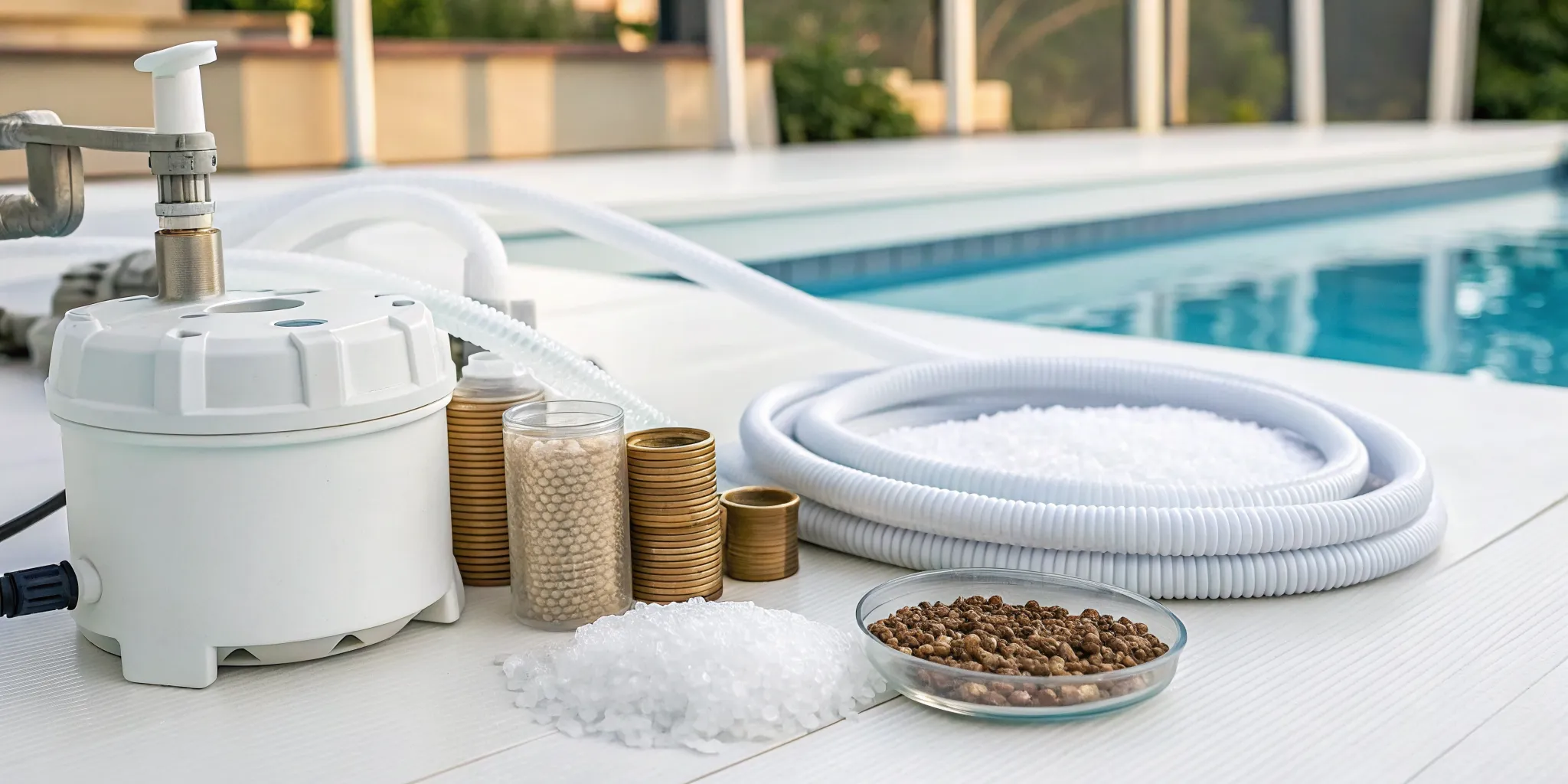
Besides the salt chlorinator itself, you may need two other components: a power center and a zinc anode. The power center is the control box that connects to the salt cell and supplies it with the low-voltage electricity needed to perform electrolysis. Think of it as the brain of the operation. A zinc anode is a small, sacrificial piece of metal that is installed in your plumbing. It helps protect the metal components in your pool, like your heater or ladder, from corrosion. Since saltwater can be more corrosive than traditional pool water, a zinc anode is a smart, preventative measure to protect your investment for the long haul.
Getting the Right Amount of Pool Salt
Of course, you can’t have a saltwater pool without the salt. It’s important to use salt specifically intended for swimming pools, as it’s purified and won’t contain additives that could stain your pool surfaces or damage your equipment. The amount of salt you need depends on the size of your pool and the specifications of your salt chlorinator. Getting this concentration right is key to the system working effectively. We can help you calculate the exact amount needed and provide the right supplies and chemicals to get your new system started on the right foot, ensuring optimal performance from day one.
The Long-Term Perks of a Saltwater Pool
When you're considering a saltwater conversion, it's easy to focus on the initial setup. But the real story, and the real value, unfolds over the years you own your pool. The long-term advantages of a saltwater system go far beyond the silky-smooth feel of the water everyone talks about. It’s about creating a more enjoyable, lower-stress pool ownership experience that lets you spend less time on tedious chores and more time actually swimming. It’s a smart investment in your home and your free time.
Over the long haul, a saltwater pool translates to more predictable expenses and a much simpler maintenance routine. Instead of constantly running to the store for buckets of chlorine and shock treatments, you’re working with a system that generates its own sanitizer. This fundamental shift not only impacts your wallet in a positive way but also frees up your weekends. For pool owners here in Colorado, that means more time to soak up those perfect sunny days without a long list of pool tasks hanging over your head. Let’s break down exactly what you can expect in the years following your conversion, from your budget to your weekly to-do list and future equipment needs.
How You'll Save on Annual Chemicals
This is where the numbers really start to make sense. With a traditional chlorine pool, you’re looking at an annual chemical bill that can run anywhere from $300 to $800. That includes chlorine tablets, shock, and other balancing chemicals. A saltwater pool, on the other hand, creates its own chlorine from a small amount of salt in the water. Your yearly cost for salt and minor balancing agents typically drops to under $100. Over just three years, that can add up to hundreds, if not thousands, of dollars in savings. We can help you get the right supplies and chemicals no matter which system you choose.
Reducing Your Weekly Maintenance Time
One of the biggest wins with a saltwater pool is getting some of your weekend back. Traditional pools require you to constantly test and add chlorine to keep the water sanitized and safe. A saltwater system automates this process. The salt chlorinator works steadily to produce a consistent level of chlorine, so you can say goodbye to daily dosing and shocking. While you still need to perform regular upkeep like testing water balance and cleaning your filter, the overall routine is much less demanding. Our cleaning and maintenance plans can make it even easier, handling the routine tasks for you.
What to Know About Future Equipment Needs
A saltwater system is incredibly reliable, but like any piece of equipment, it has parts that will need attention down the road. The main component to plan for is the salt chlorinator cell. This is the part that does the hard work of converting salt to chlorine, and it typically needs to be replaced every five to seven years. The replacement part can range from $200 to $800, depending on your system. While that’s an expense to keep in mind, it’s a predictable one you can plan for, unlike the fluctuating weekly cost of chlorine. When the time comes, our team handles these kinds of repairs to get your system running perfectly again.
Your Step-by-Step Installation Guide
Ready to make the switch? Converting your above ground pool to a saltwater system is a straightforward process when you break it down into a few key stages. While some homeowners enjoy a good DIY project, installing the new equipment involves plumbing and electrical work, so it’s often best to call in a professional. The goal is to get your system up and running safely so you can start enjoying that silky smooth water.
This guide walks you through the three main phases of the conversion: preparing your pool, installing the new gear, and getting your system balanced. Following these steps will help ensure your conversion is a success from start to finish.
Step 1: Preparing Your Pool for the Switch
Before you can add any new equipment, you need to make sure your pool water is perfectly balanced. Think of it as creating a clean slate. You’ll want to test and adjust the alkalinity, pH, calcium hardness, and chlorine levels until they are all within the ideal range. It’s also important to check the Total Dissolved Solids (TDS). If the TDS level is too high, you may need to drain some water and refill it. Getting the chemistry right from the start helps your new salt system work efficiently and prevents potential issues down the road. You can find all the testing kits and chemicals you need to get your water ready.
Step 2: Installing the New Equipment
This is where the magic happens. The core of your new system is the salt chlorine generator, which consists of two main parts: the salt cell and the power center. The salt cell is plumbed directly into your pool’s return line after the filter and heater. The power center is mounted nearby and connected to the cell. Because this step involves electrical wiring, we always recommend a professional installation to ensure everything is safe and up to code. Many pool owners in Colorado also add a zinc anode to the plumbing to protect metal components, like your ladder or heater, from corrosion.
Step 3: Starting and Balancing Your System
Once the equipment is installed, it’s time to add the salt. You’ll dissolve high-purity pool salt directly into the water, using a pool brush to help it spread evenly. After the salt is fully dissolved, you can turn on your new chlorine generator. The system will begin converting the salt into chlorine, and you’ll need to monitor the water chemistry closely for the first week or two. You’re not done with water testing just yet. Establishing a regular maintenance schedule will keep your new saltwater pool clean, clear, and perfectly balanced for the entire season.
A Realistic Look at Saltwater Pool Maintenance
A saltwater pool is often described as "low maintenance," and while that’s true in many ways, it isn’t "no maintenance." The reality is that you’re trading one set of tasks for another. Instead of handling and adding chlorine pucks or shock every week, you’ll be focused on keeping your salt system running smoothly. Think of it as shifting from a manual process to a more automated one that still needs your oversight.
Your new routine will involve regular water testing, cleaning the salt cell, and keeping an eye out for potential corrosion. It’s a different rhythm, but one that most pool owners find much more manageable and pleasant. You get to skip the harsh chemical smells and enjoy silky-smooth water, but you still need to be an active participant in your pool’s health. If you ever feel overwhelmed, remember that a professional cleaning and maintenance plan can handle these new tasks for you, giving you all the benefits of saltwater without the extra work.
Your New Routine: Regular Testing and Monitoring
With a saltwater pool, you’re still managing a chlorine pool; you just have a mini chlorine factory on-site. That means you still need to test your water regularly, usually once a week. You’ll check the free chlorine, pH, alkalinity, and stabilizer levels, just like before. The new addition to your routine is testing the salt level, which should be done about once a month. Your salt chlorinator needs a specific salt concentration to work efficiently, so keeping it in the right range is key. You can find all the test strips and kits you need with the right supplies and chemicals to make this a quick and easy part of your week.
Keeping Your Salt Cell Clean
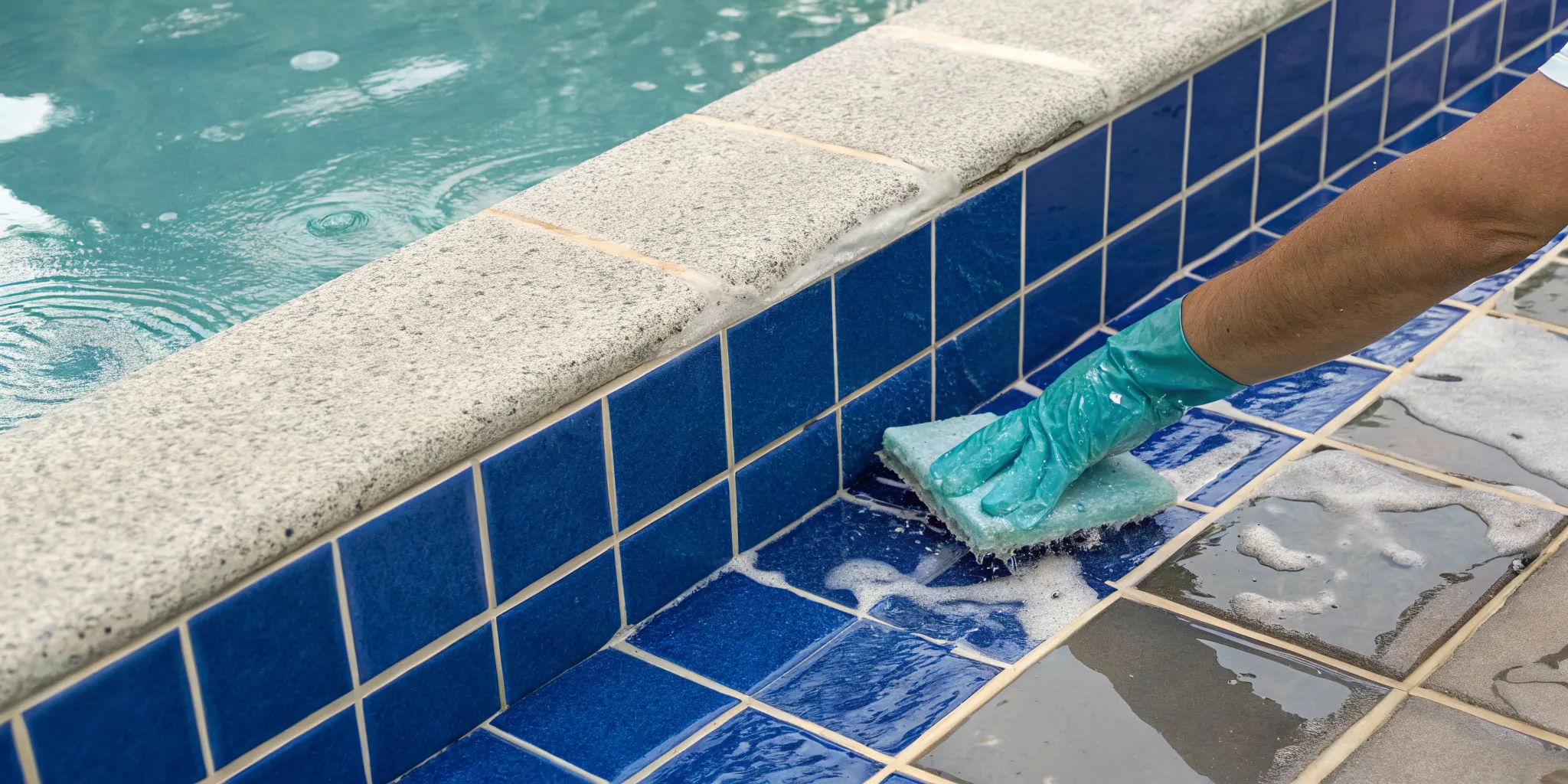
The heart of your new system is the salt chlorinator cell. This is where the magic happens, as water passes over coated metal plates and electrolysis turns salt into chlorine. Over time, these plates can develop white, flaky calcium deposits, especially in areas with hard water like we have in Colorado. This buildup can block the process and stop chlorine production. To prevent this, you’ll need to inspect and clean the cell every two to three months. The process is simple: you just soak the cell in a mild acid solution to dissolve the deposits. This is a critical step to extend the life of your cell and keep your system running efficiently, and it's a task our team can handle during routine equipment servicing.
Protecting Your Pool from Corrosion
Salt, by its nature, is corrosive. While the salt concentration in your pool is low (less than in human tears), it can still take a toll on certain materials over time. Metal components like ladders, handrails, and some older pool heaters are most at risk. You might also see some wear on soft, porous stone coping around the pool. You can protect your equipment by installing a sacrificial zinc anode, which corrodes first, saving your other metal parts. It’s also a good habit to rinse off your pool deck, furniture, and equipment with fresh water after use. If you have older features you’re concerned about, a professional can assess if any remodels and rehabs are needed to make your pool more salt-friendly.
Common Myths About Saltwater Conversions, Busted
Thinking about making the switch to a saltwater pool can bring up a lot of questions and, frankly, a lot of misinformation. It’s easy to get stuck on what you’ve heard from a neighbor or read on a random forum. Let’s clear the air and look at some of the most common myths surrounding saltwater conversions so you can make a decision based on facts, not fears. From the initial investment to long-term upkeep, the reality of owning a saltwater pool in Colorado is often much simpler and more rewarding than you might think.
Myth: The Upfront Investment is Too High
One of the biggest hesitations people have is the initial cost. It’s true that there’s an upfront investment, but it’s likely not as high as you imagine. For many above-ground pools, the cost to convert to saltwater can be quite manageable, often falling between $600 and $1,200. For larger or more complex setups, the total can range from $1,500 to $2,500, depending on your pool’s size and the equipment you choose. When you consider the long-term savings on chemicals, this initial spend starts to look more like a smart investment in your home and your summer fun.
Myth: The Maintenance is Overly Complicated
If you’re picturing yourself with a chemistry set trying to figure out a complex new system, you can relax. While no pool is maintenance-free, saltwater pools are known for simplifying your routine. They actually cost less to maintain each year and feel much gentler on your skin and eyes. Your main tasks will involve keeping the salt cell clean and monitoring your water chemistry, which is often more stable than a traditional chlorine pool. And if you ever want a completely hands-off experience, professional cleaning and maintenance services can handle it all for you.
Myth: You Have to Replace All Your Equipment
This is a big one, but it’s simply not true. You don’t need to throw out your entire pool setup to make the switch. The key piece of essential equipment you’ll add is the saltwater chlorine generator. Most standard pumps, filters, and heaters are perfectly compatible with saltwater systems. Before you begin, it’s a good idea to have a professional check your existing setup to ensure everything is in good working order and ready for the conversion. This simple step can save you from any surprises down the road.
Is a Saltwater Conversion the Right Move for You?
Deciding whether to switch your pool to a saltwater system is a big step. It’s about more than just the initial setup; it’s about what you want your pool care routine and swimming experience to look like for years to come. For many Colorado pool owners, the change is a game-changer, offering a more hands-off approach and a gentler feel to the water. But it’s not a one-size-fits-all solution. The right choice depends on your budget, how you use your pool, and how much time you want to spend on upkeep.
Thinking through a saltwater conversion is similar to planning other major pool updates. It requires looking at both the immediate investment and the long-term advantages. You have to weigh the upfront cost against the daily convenience and reduced chemical handling. To help you decide, let’s break down the financial return you can expect and the specific situations where making the switch is a clear win. This will give you a clear picture of whether a saltwater system aligns with your goals for your backyard oasis. If you decide to move forward, our team can handle all aspects of your pool remodels and rehabs. We'll make sure the transition is smooth and that your new system is perfectly suited for your pool.
Figuring Out Your Return on Investment
Let's talk numbers. The upfront cost for a saltwater conversion typically falls between $1,500 and $2,500, depending on your pool's size and the system you choose. While that might seem like a hefty investment, it’s important to look at the long-term savings. Most owners save between $600 and $1,800 on chemical costs over just three years because you'll no longer need to buy and add chlorine constantly.
Of course, saltwater pools aren't completely maintenance-free. You'll still need to test your water and occasionally add other balancing supplies and chemicals to keep everything in check. But by eliminating the biggest recurring expense, chlorine, the system often pays for itself in just a few seasons.
When a Conversion Makes Perfect Sense
A saltwater system is a great fit if you’re looking for convenience and a better swimming experience. The salt chlorinator generates a steady, controlled amount of chlorine automatically, so you can say goodbye to manually handling and storing harsh chemicals. This consistent chlorination also prevents the sharp chemical spikes that can irritate skin and eyes, creating a noticeably softer and gentler swim.
This trade-off for convenience does come with a future expense. The salt cell, which is the part that creates the chlorine, needs to be replaced every five to seven years. This is a standard part of long-term equipment repairs and servicing. If your main goals are reducing weekly chores and enjoying silky-smooth water, a saltwater conversion is an excellent choice.
Frequently Asked Questions
Is a saltwater pool actually a chlorine-free pool? This is a common point of confusion, but no, a saltwater pool is not chlorine-free. It actually uses a salt chlorine generator to create its own chlorine right in the plumbing. You get all the sanitizing benefits of chlorine without having to buy, store, and handle the harsh chemicals yourself. It’s a more automated and gentler way to achieve a clean, safe pool.
How often will I need to add more salt to the water? You might be surprised to learn that you don’t add salt very often. The salt isn't consumed in the process of making chlorine; it just cycles back and forth. You will only need to add more salt to replace what’s lost through splash-out, backwashing your filter, or significant rainfall that dilutes the water. For most pool owners, this means just topping it off once or twice a year.
What special steps do I need to take for a saltwater pool during a Colorado winter? Winterizing a saltwater pool in Colorado is very similar to winterizing a traditional one. The main difference involves the salt chlorinator cell. You should follow the manufacturer's instructions, which usually recommend removing the cell, cleaning it, and storing it indoors for the winter. This protects it from freezing temperatures and ensures it’s ready to go when you open your pool in the spring.
Will the salt damage my pool deck or equipment? The salt concentration in the water is very low, so widespread damage is not a major concern with modern, compatible equipment. However, salt can be corrosive to certain metals and porous stones over time. We recommend installing a zinc anode, which is a small device that sacrifices itself to corrosion to protect your other equipment. It's also a good practice to rinse off your pool deck, ladders, and furniture with fresh water occasionally.
Can I convert my existing pool, or is this only for new ones? Absolutely, you can convert almost any existing pool to a saltwater system. The process involves adding a salt chlorine generator to your current plumbing and filtration setup. Before starting, it's a good idea to have a professional check that your pump, filter, and heater are compatible with saltwater to ensure a smooth transition.
Related Blogs