%201.png)
Above Ground Pool Pump Reset Button Troubleshooting Guide
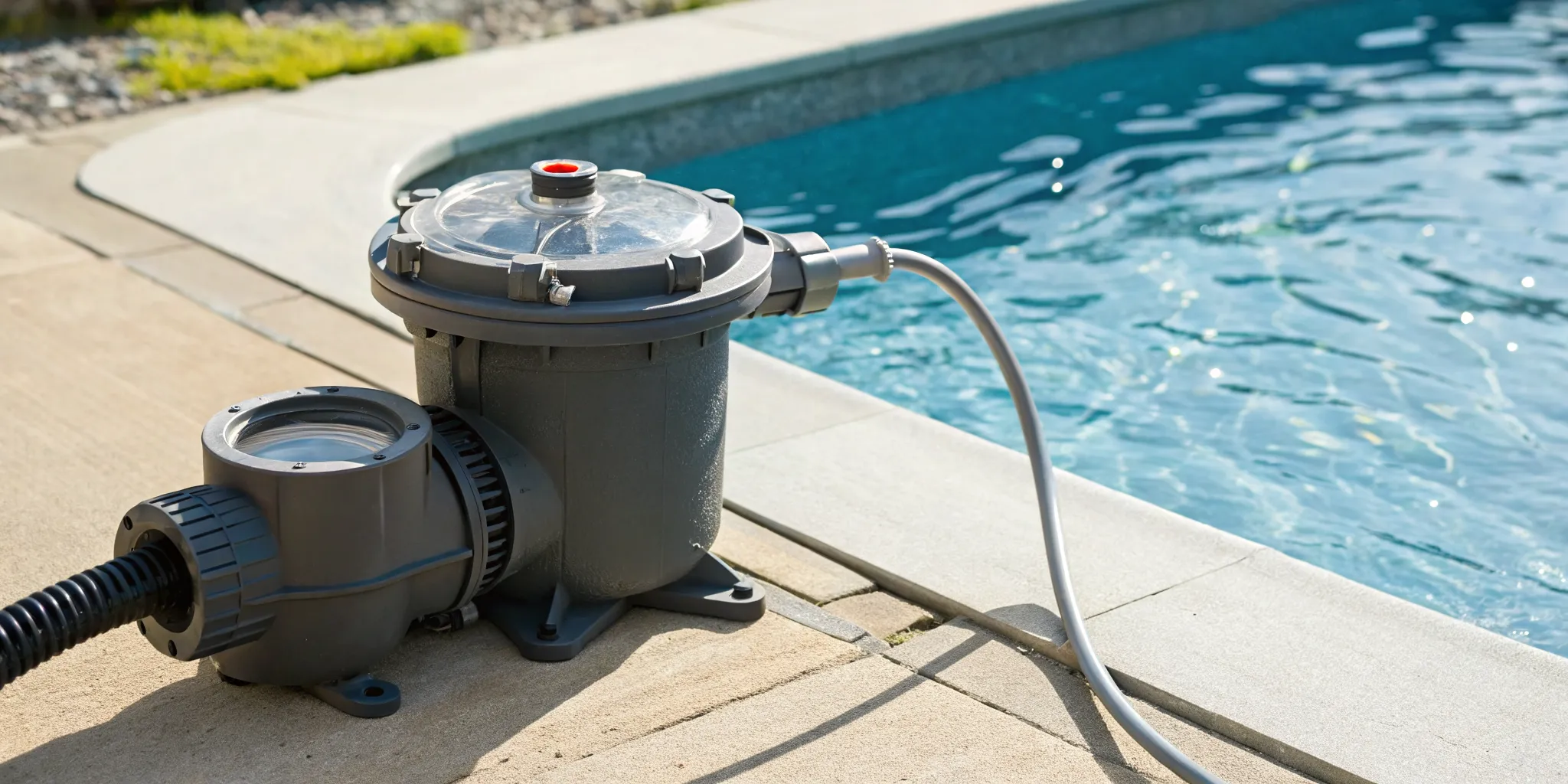
There’s nothing more frustrating than heading out to your pool on a hot day only to find the water is still and the pump is silent. For many owners, the first instinct is to look for a reset switch. While pressing that little button can sometimes be a quick fix, it’s often a symptom of a bigger problem that needs your attention. If you find yourself constantly having to press the above ground pool pump reset button, you’re not solving the issue; you’re just delaying an inevitable repair. This article will help you understand the real reasons your pump keeps tripping, from simple clogs to more serious electrical faults, so you can find a lasting solution.
Key Takeaways
- Think of the reset button as a warning sign: This button is a thermal overload switch that protects your pump's motor. When it trips, it’s signaling a deeper problem, such as a clog, low water level, or an electrical fault that needs your attention.
- Always check the simple fixes first: Before you press the reset button, turn off the power at the breaker. Then, look for common culprits like a full pump basket, a low water level in the pool, or a tripped GFCI outlet.
- Persistent problems require a professional: If the pump trips repeatedly, makes grinding or screeching noises, or you suspect an electrical issue, it's time to stop troubleshooting. These symptoms indicate problems that are safer and more effectively handled by a certified technician.
What's That Little Red Button on Your Pool Pump?
If you’ve ever noticed a small red button on your pool pump, you might have wondered what it’s for. It’s not just a random feature; it’s a vital component designed to protect your equipment from serious damage. Understanding what this button does and when to use it can save you from a major headache and an expensive repair call. This button is your pump’s first line of defense against common operational issues, particularly those related to overheating and electrical interruptions.
Think of it as a manual reset that helps get your system back up and running after a minor hiccup. When your pump suddenly stops working, this little red button is often part of the solution. However, it’s important to know that it’s also a signal. If you find yourself needing to press it frequently, it’s pointing to a deeper problem that needs attention. Ignoring the warning signs can lead to permanent motor damage. Let’s get into what this button is and how it keeps your pool pump safe.
Your Pump's Built-In Safety Switch
That little red button is a thermal overload switch, which acts as a built-in safety feature for your pump’s motor. Its main job is to prevent the motor from burning itself out. During operation, especially on hot Colorado summer days, your pump motor can get extremely hot. If it reaches a temperature that could cause damage, the motor’s internal safety switch automatically turns the pump off to let it cool down. Once it has cooled sufficiently, you can typically press the reset button to get it started again. This simple mechanism is crucial for protecting your investment and extending the life of your pump.
How the Reset Button Protects Your Pump
Beyond protecting against overheating, the reset button is also tied to the pump's overall electrical function. If your pump refuses to turn on, the problem might not be with the motor itself. Often, the issue is a simple electrical trip. Before you assume the worst, it’s always a good idea to check the power source. A tripped circuit breaker or a popped GFCI (Ground Fault Circuit Interrupter) outlet can cut power to the pump. By checking these first, you can quickly identify if the issue is a simple power interruption that a quick flip or press can fix, rather than a more complex problem with the pump motor.
Where to Find the Reset Button
Finding that little button can feel like a scavenger hunt, especially when you’re just trying to get your filter running. Luckily, most manufacturers place the reset button in one of a few common locations, so you know where to start looking.
Common Hiding Spots
Start your search on the pump’s motor housing itself. The reset button is often a small, slightly raised button located on the back or side of the motor casing, sometimes near where the power cord connects to the unit. Take a moment to inspect the entire pump body, as some designs place it in less obvious spots. If your pump has an attached control panel, check its surface for any buttons labeled "Reset" or "Overload." A slow, careful look from all angles is usually all it takes to find it.
What to Look For on Different Pumps
The reset button is typically small and either red or black, but the appearance can vary between brands. For instance, some Funsicle filter pumps have a small blue button near the digital display. Before you spend too much time searching, it’s always a good idea to check your home’s circuit breaker first. Flip it off and on again to rule it out. For above-ground pools, also press the reset button on the GFCI outlet the pump is plugged into. If those are working correctly and you still can’t find the button or get the pump to start, it might point to a different issue requiring professional equipment repairs.
When to Press the Reset Button
Knowing when to hit the reset button is just as important as knowing how. Pushing it without understanding the root cause can sometimes mask a bigger issue. Think of it as a first step in your troubleshooting process, not a cure-all. Let’s walk through a few common scenarios where giving that button a press is the right move. Each situation tells you something different about what might be happening with your pump, helping you get closer to a solution and back to enjoying your pool.
If Your Pump Won't Start
When you head out to your pool and find the pump completely silent, it’s tempting to go straight for the reset button. Before you do, take a moment to check the power source. Head to your home’s circuit breaker and see if it has tripped. If it has, flip it off and then back on again. You should also check the pump’s time clock for power and look for a GFCI button on the outlet, especially for above-ground pumps. If all of those look good and you still have no power, then it’s time to try the reset button. If that still doesn’t solve the problem, it could signal a deeper issue that requires professional equipment repairs.
When Your Pump Suddenly Shuts Off
Did your pump suddenly go quiet in the middle of a cycle? This is often a sign that the motor’s internal thermal overload switch has done its job. This safety feature automatically shuts the pump off if it gets too hot, protecting the motor from damage. Overheating is usually caused by a clog, low water flow, or even direct, intense Colorado sun. Give the pump at least 15 minutes to cool down completely before you attempt to press the reset button. If it starts back up, great. But if this happens regularly, it’s a clear sign your pump is working too hard and may need a thorough cleaning and maintenance check.
Signs of an Electrical Issue
Strange noises are your pump’s way of telling you something is wrong. If the pump won’t start but makes a humming or buzzing sound, power is reaching the motor, but the motor itself is stuck. This could be due to a bad capacitor or a rusty, seized motor. In this case, pressing the reset button won't help. Another red flag is a GFCI outlet that won’t reset or looks damaged. Electrical problems are not something to guess about, as they can be dangerous. If you notice these signs, it’s best to leave the troubleshooting to the experts and schedule a professional spa service or pump inspection.
Why Does Your Pump Keep Tripping?
If you find yourself constantly resetting your pool pump, it’s a clear sign that something is wrong. The reset button is a safety feature designed to protect the motor from damage. When it trips, it’s telling you there’s an underlying issue that needs your attention. Ignoring it won’t make the problem go away and could lead to a much bigger headache later. Let’s walk through the most common reasons your pump keeps shutting itself off.
Overheating from Clogs and Debris
Your pump works hard, but it shouldn’t have to overwork. When the pump’s pathway is blocked by leaves, dirt, or other debris, it has to strain to pull water through the system. This extra effort causes the motor to overheat and trip the thermal overload switch (your reset button). You might notice signs of poor circulation, like low pressure on your filter gauge or slow, bubbly water in the pump lid. Keeping your skimmer and pump baskets clean is your first line of defense. A consistent cleaning and maintenance schedule is the best way to prevent clogs from stopping the fun.
Power Surges and Electrical Faults
Here in Colorado, we’re no strangers to sudden storms that can cause power surges. These jolts of electricity can trip your pump’s breaker as a protective measure. However, the problem could also be closer to home. Worn-out wiring, a failing capacitor, or internal motor issues can cause the pump to draw more power than the circuit can handle. If you’ve ruled out a simple power surge and the breaker keeps tripping, it’s wise to stop troubleshooting. Electrical issues are best left to the experts who can safely diagnose and perform any needed equipment repairs.
Low Water Levels
Your pool pump is designed to move water, not air. If the water level in your pool drops below the skimmer opening, the pump will start sucking in air. This is known as losing prime. When the pump runs dry, the motor can’t cool itself properly, causing it to quickly overheat and shut down. An air leak on the suction side of the pump, often from a loose pump lid or a cracked O-ring, can cause the same issue. Always make sure your pool water is at the proper level and that your pump lid is sealed tight.
Tripped Breakers and GFCIs
The circuit breaker and Ground Fault Circuit Interrupter (GFCI) outlet are your primary safety devices. A breaker trips when it detects an overload, while a GFCI trips when it senses an imbalance in the electrical current, which could indicate a dangerous fault. Often, moisture is the culprit. Water getting into the pump’s housing, wiring, or other electrical components can cause a GFCI to trip immediately. While a one-time trip might not be a major concern, a GFCI that won’t stay reset points to a persistent and potentially hazardous problem that requires professional inspection.
How to Safely Reset Your Pool Pump: A Step-by-Step Guide
When your pool pump stops working, that little reset button can feel like a magic fix. And sometimes, it is! But pressing it without a plan isn’t the best approach. Following a few simple steps ensures you reset your pump safely and can help you figure out what caused the problem in the first place. Let’s walk through the process together so you can get your pump running and your water circulating again.
Safety First: What to Do Before You Start
Before you even think about touching the pump, your top priority is safety. Water and electricity are a dangerous combination, so always start by cutting the power. Head to your home’s circuit breaker panel and flip the breaker that controls your pool pump to the "Off" position. If your pump is connected to a timer, make sure it’s also switched off. For above-ground pools, you might have a Ground Fault Circuit Interrupter (GFCI) outlet, which has its own test and reset buttons. Make sure the power is completely off before proceeding.
The Right Way to Press Reset
With the power safely off, you can now locate the reset button on the pump’s motor housing. It’s usually a small, distinct red or black button. Once you find it, press it firmly. You might hear a faint click. Sometimes, pressing it a few times can help ensure it’s properly set. This simple action can often resolve minor overloads that caused the pump to shut down. After pressing the button, go back to your circuit breaker and turn the power back on. This process should clear the fault and allow your pump to start up again if the issue was temporary.
Check Your Power Source
If the pump still won’t start after a reset, the problem might be with its power supply. A pump needs consistent and adequate voltage to run correctly. Make sure it’s plugged into a suitable outlet that can handle the electrical load. Using a long or flimsy extension cord can prevent the pump from getting enough power, causing it to trip. Always use a heavy-duty, outdoor-rated cord if you must use one, but a direct connection to a proper outlet is always the best choice for reliable performance and safety.
What to Watch For After a Reset
After you restore power, pay close attention to the pump. If it starts up and runs smoothly, you’re likely in the clear. However, if it remains silent, double-check that the circuit breaker is on. If you hear a humming or buzzing noise but the motor shaft isn’t turning, immediately shut off the power again. This usually means the motor is getting power but is jammed by debris. If the pump runs for a short time and then trips again, you have a recurring issue that needs a closer look. Persistent problems often point to a need for professional equipment repairs.
What If the Reset Button Doesn't Fix It?
So, you pressed the reset button, and… nothing. Or maybe the pump ran for a minute and then shut off again. Don't worry, this is a common scenario. It just means the reset button was doing its job by flagging a deeper issue that needs your attention. Think of it less as a failure and more as a clue. Before you start thinking about expensive replacements, let's walk through a few more troubleshooting steps to pinpoint what's really going on with your pump.
Inspect the Pump Basket and Impeller
Your pump works by pulling water through a basket designed to catch larger debris like leaves and bugs. If this basket gets too full, it's like trying to breathe with a hand over your mouth. The pump has to work much harder to pull water through, causing it to overheat and trip. Turn off all power at the circuit breaker first. Then, open the pump housing, lift out the basket, and give it a good cleaning. While you're in there, peek into the pump where the impeller (a spinning blade that moves water) is located. Sometimes smaller debris can get past the basket and jam the impeller, stopping it from spinning.
Check Your Water Level and Flow
Sometimes the simplest solution is the right one. Your pool pump needs a consistent supply of water to function properly. If your water level drops below the skimmer opening, the pump will start pulling in air along with water. This causes it to lose prime, which makes the motor strain and overheat. Take a quick look at your pool; the water should be about halfway up the skimmer's opening. While you're there, check inside the skimmer for any debris that could be blocking water flow. Topping off your pool with a hose and clearing out the skimmer basket are easy fixes that can solve a surprisingly common pump problem.
Test the GFCI and Circuit Breaker
Your pump has multiple layers of electrical protection. Beyond the reset button on the pump itself, you also have a circuit breaker in your main electrical panel and likely a GFCI outlet. A GFCI (Ground Fault Circuit Interrupter) is a special outlet that quickly shuts off power if it detects an imbalance, preventing electric shock. Find the outlet your pump is plugged into and press its "TEST" and then "RESET" buttons. Next, head to your home's breaker box. Find the breaker labeled for your pool equipment, flip it all the way off, and then back on again. If the breaker or GFCI trips repeatedly, it signals a persistent electrical fault that needs professional attention. This is a safety issue, so don't hesitate to call for equipment repairs and servicing.
Examine the Motor and Wiring
If the pump makes a humming or buzzing sound but doesn't actually start, power is reaching the motor, but something is stopping it from turning over. This could be a sign of a few different issues. The capacitor, which gives the motor a jolt of energy to get started, might have failed. It could also be a faulty switch or, in more serious cases, the motor itself could be seized up due to internal rust or damage. While you can look for obvious signs like frayed wires or corrosion, motor issues are complex and can be dangerous to diagnose without the right training. If you hear strange noises or suspect the motor is the culprit, it's safest to stop troubleshooting and let a professional handle the repairs.
How to Keep Your Pump from Tripping Again
A pump that constantly trips is frustrating, but a few preventative habits can make a world of difference. Instead of just reacting to the problem, you can take proactive steps to keep your pump running smoothly all season long. Focusing on regular cleaning, balanced water, and electrical safety will help you avoid most common pump issues. Here’s how you can stay ahead of the game.
Commit to Regular Cleaning
Think of your pump as the heart of your pool; it can’t work properly if its arteries are clogged. Debris like leaves, hair, and dirt can quickly build up in the skimmer and pump baskets, forcing the motor to work harder. This extra strain causes it to overheat and trip the reset button. Make it a weekly habit to check and clear out both baskets. A clean filter is just as important, so follow a consistent schedule for backwashing or cleaning your cartridges. If you find it hard to keep up, our cleaning and maintenance plans can handle the dirty work for you.
Keep Your Water Chemistry Balanced
You might not think water chemistry affects your pump, but it plays a huge role in your equipment's longevity. Water that is too acidic or alkaline can cause scaling or corrosion on the pump’s internal components, like the impeller and seals. This damage creates friction and strain on the motor, leading to overheating. To protect your equipment, aim to keep your pool’s pH level between 7.2 and 7.7. Regularly testing your water and using the right supplies and chemicals to keep it balanced is one of the best ways to protect your entire pool system, not just the pump.
Protect Your Electrical Connections
Your pool pump operates in a wet environment, so protecting its electrical components is critical for both safety and function. Start with the GFCI outlet your pump is plugged into. Periodically test it by pressing the "TEST" button to cut the power, then the "RESET" button to restore it. If the buttons are damaged or won't reset, it's a sign of a problem. Keep the area around your pump as dry as possible and visually inspect the power cord for any signs of wear. If you notice frayed wires or suspect an electrical fault, it’s best to call a professional for equipment repairs instead of attempting a DIY fix.
Prepare Your Pump for the Season
Getting your pump ready for the swimming season and properly shutting it down for winter are key to preventing future issues. In the spring, make sure the pump is clear of any debris that might have collected over the winter. Ensure it has proper ventilation, as a pump tucked away without enough airflow can easily overheat on a hot Colorado summer day. When it's time to close your pool, properly winterizing the pump by draining all the water is essential to prevent cracks from freezing. This seasonal attention helps protect the motor and its internal thermal overload switch, which is the mechanism that trips when the pump gets too hot.
Know When to Call a Pro
While handling basic pool maintenance can be rewarding, some issues are best left to the experts. Knowing your limits is key to preventing a small problem from turning into a costly, complicated repair. When it comes to your pool pump, certain symptoms are clear signals that it’s time to put down the tools and pick up the phone. Electrical issues, in particular, require a professional touch to ensure everyone’s safety. Think of it this way: you’re not giving up, you’re making a smart decision to protect your investment and your family.
Our team has the right tools and training to diagnose tricky pump problems quickly and safely. If you’re facing a pump that won’t start, keeps shutting off, or is making sounds you’ve never heard before, it’s a good idea to get a professional opinion. Attempting complex equipment repairs and servicing without the right experience can often lead to more damage. We've seen simple fixes turn into major replacements because a well-meaning owner tried to solve a problem beyond their expertise. The following are three major red flags that mean you should call for backup instead of reaching for a wrench.
You Suspect a Serious Electrical Problem
Water and electricity are a dangerous combination, so any potential electrical issue should be taken seriously. If your pump doesn’t turn on at all, there’s a simple check you can perform. Many Intermatic time clocks have a "visual motor check" window. If you look at it and the gears aren't turning, it means power isn't even reaching the time clock. This suggests the problem is bigger than the pump itself and lies within your electrical system. Instead of investigating further, this is the moment to call a professional. An expert can safely trace the source of the electrical problem and get your system running again without risk.
The Reset Button Keeps Tripping
A reset button that trips once in a while, like during a power surge from a Colorado storm, isn't usually a cause for alarm. However, if you find yourself resetting the pump daily or even multiple times a day, that’s a clear warning sign. A constantly tripping button often indicates an underlying electrical fault. Moisture may have gotten into the wiring, or the Ground Fault Circuit Interrupter (GFCI) outlet it’s connected to could be detecting a serious issue. Continuously forcing a reset won’t fix the root cause and could be dangerous. It’s much safer to have a technician diagnose the problem.
You Hear Strange Noises from the Motor
Your pool pump should produce a consistent, low hum. If you suddenly hear loud, unusual noises like screeching, shrieking, or grinding, turn the pump off immediately. These sounds are often the tell-tale sign of failing motor bearings, a common issue in pumps that are six to eight years old. According to a helpful pool pump troubleshooting guide, worn-out bearings need to be replaced to prevent the motor from seizing completely. This is a precise repair that requires taking the motor apart. A professional can assess the damage and determine if new bearings will solve the problem or if it’s time for a full motor replacement.
Frequently Asked Questions
Why does my pump seem to shut off more often on really hot days? Your pump's motor generates a lot of heat, and on a hot Colorado day, it can struggle to stay cool. That little red button is connected to a thermal overload switch that acts like a safety sensor. When the motor gets too hot, the switch automatically shuts it down to prevent it from burning out. Give the pump plenty of time, at least 15 to 20 minutes, to cool down before you try pressing the reset button.
Is it a big deal if I have to reset my pump every week? Yes, you should see that as a clear warning sign. While a one-off trip during a storm isn't a major concern, having to reset your pump regularly means there's an underlying problem making it overwork. This could be anything from a clog in the plumbing to an electrical fault. Continuously resetting it without addressing the root cause can lead to permanent motor damage.
My pump is just humming but not running. Should I press the reset button? No, pressing the reset button won't help in this situation. A humming sound tells you that the motor is receiving power but something is physically stopping it from turning. The most common culprits are a jammed impeller (the part that spins to move water) or a failed capacitor. Turn off the power at the breaker immediately and check for debris before calling for professional help.
How can I tell if the problem is with the pump or my home's electricity? Start with the power source first, as it's the easiest to check. Before touching the pump, go to your home's main electrical panel and check the circuit breaker for your pool equipment. You should also test and reset the GFCI outlet if your pump uses one. If those are working correctly but the pump is dead, then it's time to try the pump's own reset button.
I've tried all the troubleshooting steps, and my pump still won't work. What now? You've done your part. When you've checked the power, cleaned the baskets, and confirmed the water level is right, but the pump still won't cooperate, it's time to call for professional service. Persistent issues often point to more complex motor or wiring problems that are best and most safely handled by a certified technician.
Related Blogs