%201.png)
Above Ground Pool Pump Making Noise? How to Fix It
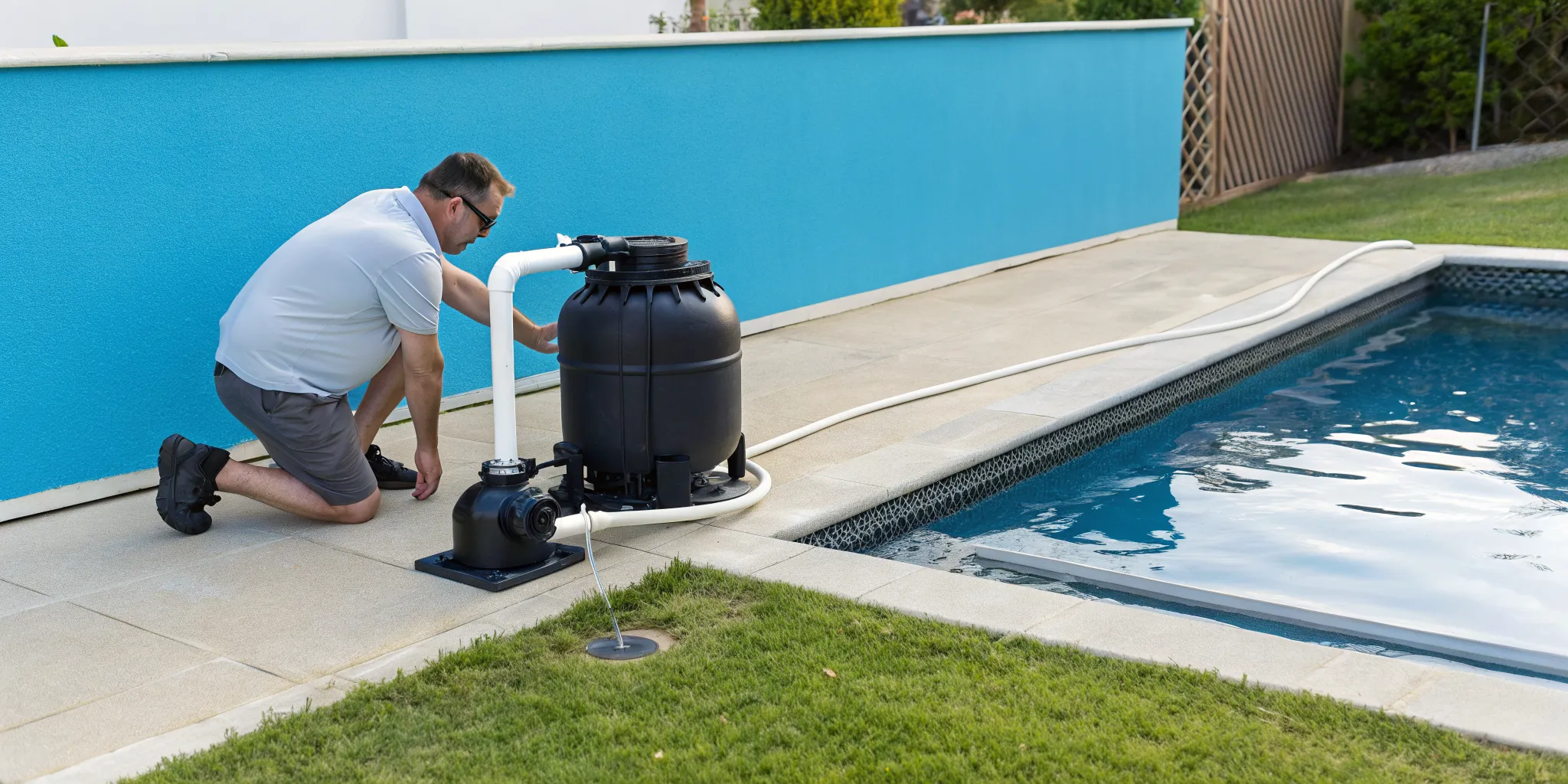
That grinding, screeching, or rattling sound coming from your pool equipment is impossible to ignore. It’s a clear sign that something is wrong, and your first instinct might be to worry about a costly repair. While some noises do indicate serious trouble, many are caused by simple issues you can resolve in minutes. The key is understanding what the different sounds mean. An above ground pool pump making noise is a symptom, and this article is your guide to the diagnosis. We’ll break down the most common sounds, from gurgling to grinding, explain what they mean, and outline the steps you can take to fix them, ensuring your pool system runs smoothly and quietly.
Key Takeaways
- Check the simple fixes first: Many loud pump noises come from easy-to-solve issues like low water levels or full skimmer baskets, so checking these basics can often quiet your pump in minutes.
- Decode what the noise means: Different sounds point to different problems, for example, a gurgle often means air is in the system while a grinding noise indicates a serious internal issue that needs professional attention.
- Know when to repair or replace: For a newer pump, a repair is usually the best choice, but if your pump is over eight years old or needs a costly fix, upgrading to an energy-efficient model is often the smarter long-term investment.
Why Is My Above Ground Pool Pump So Loud?
That peaceful backyard oasis you love can quickly be ruined by a pool pump that suddenly starts grinding, screeching, or rattling. A noisy pump isn't just an annoyance; it's your pool's way of telling you something is wrong. Ignoring the sound can lead to bigger, more complex problems down the road. The good news is that many of the common causes are surprisingly simple to identify and fix yourself.
From low water levels to a simple clog, the source of the noise is often a straightforward maintenance issue. By walking through a few key checkpoints, you can diagnose the problem and, in many cases, solve it in just a few minutes. Understanding what these different sounds mean is the first step toward restoring peace and quiet. Let's look at the most frequent reasons your above ground pool pump is making a racket and what you can do about it.
Low Water Levels & Air Leaks
If your pump is making a loud humming or gurgling sound, the first thing you should check is your pool's water level. The pump needs a steady flow of water to operate quietly and efficiently. When the water level drops below the halfway point of the skimmer opening, the pump starts sucking in air along with water. This air creates pockets in the system, causing the motor to work harder and make a lot of noise. The fix is usually as simple as grabbing your garden hose and adding more water until it reaches the proper level.
Clogged Baskets & Debris
Your pool pump system uses baskets to catch leaves, twigs, and other debris before they can reach and damage the motor. When the skimmer basket or the pump's strainer basket gets full, it restricts water flow. This forces the pump to strain, often resulting in a loud, groaning noise. To fix this, turn off the power to your pump at the breaker. Then, empty the skimmer basket and the pump basket. While you’re there, check the pump’s impeller (the spinning part inside) to make sure nothing is wrapped around it. Regular cleaning and maintenance can prevent this from happening.
Restricted Water Flow
A gurgling or whining sound often points to your pump being "starved" for water. We've already covered low water levels and clogged baskets, but other blockages can also be the culprit. Check to make sure all your valves are in the correct open position and that nothing is obstructing the suction lines. If you've recently had the system off, the pump might just need to be primed to re-establish a smooth flow of water. This process involves manually adding water to the pump to push out trapped air and get things moving again.
Worn-Out Motor Parts
If the noise is a high-pitched screeching or a harsh grinding sound, the problem is likely internal. These sounds usually point to worn-out bearings inside the motor. Over time, the bearings that help the motor shaft spin smoothly can rust or wear down, creating friction and a terrible noise. This isn't a simple fix like cleaning a basket. Replacing motor bearings requires taking the pump apart, which is a complex job. In this case, it’s best to call for professional equipment repairs and servicing to determine if the motor can be repaired or if the entire pump needs to be replaced.
An Unlevel Pump Base
Sometimes the problem isn't inside the pump at all, but underneath it. If your pump is making a vibrating or rattling sound, check to see if it's sitting on a completely flat, stable surface. Over time, the ground can settle, especially with Colorado's freeze-thaw cycles, causing the pump's base to become uneven. This imbalance makes the entire unit vibrate as it runs. You can often quiet the noise by placing a solid, level paving stone or a specialized equipment pad underneath the pump to give it a sturdy foundation.
What Your Pool Pump's Noises Are Telling You
Your pool pump should operate with a gentle, consistent hum, not a symphony of strange sounds. When it starts grinding, screeching, or rattling, it’s not just being annoying; it’s sending out an SOS. Each specific noise is a clue that points to a particular problem, and learning to interpret these sounds can help you catch issues before they turn into costly breakdowns. Think of yourself as a pool pump whisperer. Let’s decode what your pump is trying to tell you.
Grinding: A Sign of Worn Bearings
If your pump sounds like it’s chewing on rocks or making a harsh, metal-on-metal grinding noise, the motor bearings are likely the culprit. These small parts allow the motor shaft to spin smoothly, but they wear out over time. When they fail, the friction creates that awful sound. Unfortunately, this isn't a problem you can solve with a little oil. The bearings need to be replaced, which is a complex job that often requires taking the motor apart. Ignoring this sound can lead to the motor seizing completely, so it’s best to schedule professional equipment repairs to get it sorted out quickly.
Screeching: An Issue with Seals
A high-pitched screech or squeal is an unmistakable cry for help. This ear-splitting noise is often caused by worn-out bearings, but it can also point to a failing shaft seal. When the seal that separates the wet end of the pump from the motor wears out, water can leak into the motor housing. This water rusts the bearings and can cause serious damage to the electrical components inside. A screeching sound is a major red flag that your pump’s internal parts are compromised. To prevent a total motor failure, turn the pump off and call a technician to inspect the seals and bearings.
Rattling: Loose Parts or Trapped Debris
A rattling sound can be caused by a few different things, from simple to serious. It might be something as minor as a loose lid or a vibrating part on the pump housing that just needs to be tightened. However, it could also mean there’s debris, like a small rock or twig, stuck inside the pump’s impeller. This can throw the impeller off balance and cause damage if it’s not removed. Start by checking for any loose external parts. If the rattling seems to be coming from inside the pump, it’s time to have it inspected. Regular cleaning and maintenance can help keep debris out of your system.
Humming: A Potential Electrical Problem
If your pump is making a loud humming or buzzing noise but isn't actually moving any water, you likely have an electrical issue. This usually means the motor is receiving power but is unable to start. The most common cause is a bad capacitor, which gives the motor the jolt it needs to get going. It could also indicate a more serious problem, like a seized motor. Because this involves electricity, it’s not a safe DIY fix. For your safety, avoid troubleshooting electrical components yourself and contact a certified professional to diagnose and handle the repair.
Gurgling: Air in the System
A gurgling or slurping sound is a sign that your pump is starved for water and is sucking in air. This is often one of the easiest pump noises to fix. The first thing you should check is the water level in your pool. If it has dropped below the skimmer opening, the pump will start pulling in air. Simply adding more water will solve the problem. If the water level is fine, you may have an air leak somewhere on the suction side of the system, such as a loose pump lid O-ring or a cracked pipe. This reduces your pump's efficiency and can put a strain on the motor over time.
How to Troubleshoot a Noisy Pool Pump
A noisy pool pump can quickly ruin a peaceful backyard afternoon, but don’t worry, the fix is often simpler than you think. Before you assume the worst, you can walk through a few basic troubleshooting steps to diagnose the problem. These checks are easy for any pool owner to perform and can help you pinpoint what’s causing the racket. From low water levels to a simple clog, a little investigation can often solve the issue or at least give you a clear idea of what’s wrong. Think of it as being a detective for your pool equipment. By listening closely to the type of noise and doing a few visual checks, you can gather clues that lead you straight to the source. This guide will walk you through the most common issues, helping you identify whether it's a quick DIY fix or a situation that needs a professional's touch. Taking a few minutes to troubleshoot can save you from unnecessary stress and potentially costly repairs down the road. Let’s go through the most common culprits one by one so you can get back to enjoying your pool in peace.
Check and Adjust the Water Level
The first and easiest thing to check is your pool’s water level. If the pump is making a gurgling or sucking sound, it’s likely pulling in air along with water. Take a look at your skimmer; the water level should be at least halfway up the opening. If it’s too low, the pump can’t draw in enough water, causing it to run loudly and inefficiently. The solution is simple: just add more water to your pool until it reaches the proper level. Keeping your water balanced is a key part of routine cleaning and maintenance that prevents many common pump issues.
Clean the Strainer Basket and Impeller
Your pump is designed to move water, not leaves and twigs. If you hear a rattling noise, it’s often a sign that debris is trapped inside. To fix this, start by turning off all power to the pump at the circuit breaker. This is a critical safety step, so never skip it. Then, open the pump’s strainer basket and clear out any leaves, rocks, or other gunk that has collected. While you’re there, check the impeller (the spinning part inside the pump) for clogs. You may need to use a piece of hooked wire to carefully pull out any stubborn debris. A clean pump is a quiet pump.
Inspect and Lubricate Seals
Loud, high-pitched screeching or grinding sounds are serious warning signs. These noises often indicate that the motor’s bearings are failing, usually because a leaky seal has allowed water to cause rust and damage. While you can visually inspect the seals for wear and tear, replacing them is a technical job. If you see water dripping from the pump or the screeching continues, it’s time to call for professional equipment repairs. Addressing a bad seal early can save you from having to replace the entire motor down the line, which is a much bigger and more involved job.
Secure and Level the Pump
Sometimes, the noise isn’t coming from inside the pump but from the pump itself vibrating against its base. If the ground underneath has shifted or settled, the pump can become unlevel, causing it to rattle loudly whenever it’s running. This is especially common in Colorado where ground freeze and thaw cycles can affect equipment pads. Check to see if the pump is sitting flat and secure on its pad. If it’s wobbly, you may need to level the ground or place a paver underneath to create a more stable foundation. This simple adjustment can make a huge difference in noise levels and prevent unnecessary wear on the equipment.
Check the Electrical Connections
A distinct humming sound often points to an electrical problem, meaning the motor is receiving power but is unable to start. The first thing to try is resetting the breaker. Find the circuit breaker connected to your pool pump, switch it off completely, and then turn it back on. If the pump starts up, you’re all set. However, if it continues to hum or trips the breaker again, don’t try to fix it yourself. Electrical issues require an expert, so it’s best to schedule professional repairs to ensure everything is handled safely and correctly. Your safety is always the top priority.
When to Call a Professional for Pump Repair
You’ve done your best to troubleshoot the strange noises coming from your pool pump, but sometimes a problem is too complex or dangerous for a DIY fix. While it’s great to be a hands-on pool owner, knowing your limits is key to preventing bigger, more expensive problems. Certain sounds and behaviors are clear signals that it’s time to step back and let a certified technician take over. If you’re dealing with persistent issues, electrical concerns, or signs of major mechanical failure, calling for professional equipment repairs is the safest and most effective solution. It ensures the job is done right and protects your investment in your pool.
If the Motor Fails
One of the most alarming sounds a pump can make is a loud, metallic grinding noise. This isn’t just a minor annoyance; it’s a serious cry for help. A metal-on-metal sound usually means the bearings inside the motor have failed or other internal components are loose and scraping against each other. The motor is the heart of your pump, and its internal parts are complex and delicate. Attempting to fix this yourself without the right tools and expertise can easily lead to permanent damage. If you hear grinding, turn the pump off immediately and call a professional. They can diagnose whether the motor can be repaired or if it needs to be replaced.
When the Noise Persists After Troubleshooting
You’ve cleaned the baskets, checked the water level, and made sure nothing is blocking the impeller, but the pump is still making a racket. If you’ve gone through all the basic troubleshooting steps and the noise continues, it’s a sign that the problem is deeper than simple maintenance can fix. A persistent humming, screeching, or rattling points to an underlying issue like a failing motor, worn-out seals, or an electrical problem that requires a trained eye to diagnose. Instead of continuing to experiment, which could worsen the issue, it’s best to contact a pool care expert. They have the diagnostic tools to pinpoint the exact cause and get your pump running quietly again.
For Any Electrical or Safety Concerns
When it comes to pool equipment, any issue involving electricity is a non-negotiable reason to call a professional. Water and electricity are a dangerous combination, and safety should always be your top priority. If your pump is causing the circuit breaker to trip repeatedly, it’s a major red flag indicating a serious electrical fault within the pump or its wiring. This could be due to a short in the motor windings or a wiring issue that poses a significant safety risk. Do not try to resolve these problems on your own. A certified technician can safely inspect the electrical components and make the necessary repairs to ensure your system operates correctly and safely.
If the Pump Overheats or Shuts Down
Have you noticed your pump shutting off by itself after running for a while? Or is the casing unusually hot to the touch? Both are classic signs that the motor is overheating. Overheating can be caused by several factors, including poor ventilation, a failing motor, or incorrect voltage. Running a pump while it’s overheating can cause irreversible damage to the motor and other components, leading to a complete system failure. If you suspect your pump is overheating, turn it off and let it cool down completely. Then, call a professional to investigate the root cause before turning it back on. Ignoring this can turn a repairable issue into a costly replacement.
How to Prevent Pool Pump Noise with Maintenance
A little proactive care goes a long way in keeping your pool pump running smoothly and quietly. Think of it like regular check-ups for your car; consistent maintenance helps you catch small issues before they turn into loud, expensive problems. By incorporating a few simple habits into your routine, you can extend the life of your pump and enjoy a more peaceful backyard. These preventative steps are your best defense against the most common causes of pump noise, from clogs to worn-out parts. It’s all about working smarter, not harder, to maintain your pool and ensure it’s always ready for a relaxing dip. Taking the time for these small tasks now can save you from major headaches and repair bills down the road, letting you focus on what matters most: enjoying your pool.
Keep Baskets and Filters Clean
One of the easiest ways to prevent pump noise is to keep everything clean. Your pump basket, skimmer baskets, and impeller (the spinning part inside the pump) can get clogged with leaves, twigs, and other debris. When this happens, the pump has to work much harder to pull water through, causing it to strain and make a loud humming or whining noise. Make it a weekly habit to check and empty these baskets. A quick clean-out ensures water can flow freely, allowing your pump to operate quietly and efficiently. If you find your filter system needs a deeper clean, our cleaning and maintenance services can get it back in top shape for you.
Maintain Proper Water Levels
Have you ever heard your pump make a gurgling sound? That’s often a sign it’s sucking in air instead of water, a problem known as cavitation. This usually happens when the water level in your pool is too low. Running a pump with insufficient water is not only noisy but can also cause serious damage to the motor over time. A simple fix is to keep an eye on your water level. As a rule of thumb, the water should always be at least halfway up the skimmer opening. If you notice it dipping below that point, just grab a hose and top it off. This small step protects your pump from unnecessary strain and keeps it running quietly.
Prepare Your Pool for Colorado Winters
Living in Colorado means we have to take extra steps to protect our pool equipment from freezing temperatures. Improperly winterizing your pump can lead to cracked casings and damaged internal components, which will definitely cause some unpleasant noises when you open your pool in the spring. Before the first freeze, it’s critical to drain your pump and filter system completely and ensure all lines are clear of water. This prevents ice expansion from damaging the equipment. Proper winterization is a key step in ensuring your pump starts up quietly and reliably season after season, avoiding costly springtime surprises.
Schedule Annual Professional Inspections
Even with diligent DIY care, it’s a great idea to have a professional inspect your equipment annually. A trained technician can spot subtle signs of wear and tear that you might miss, like aging bearings or failing seals, before they become major issues. An annual check-up gives you peace of mind and can save you from a sudden, noisy breakdown in the middle of summer. If you want an expert eye on your system, our team offers comprehensive equipment repairs and servicing to keep your pump in perfect working order and catch any potential problems early on.
Should You Repair or Replace Your Noisy Pump?
When your pool pump starts making a racket, the big question is whether to fix it or get a new one. It’s a classic dilemma, but a few key factors can help you make the right call for your pool and your wallet. Thinking about the pump’s age, the cost of fixing it, and the benefits of a newer model will point you in the right direction. A noisy pump isn’t just an annoyance; it’s a sign that something needs your attention, and deciding on the next step is crucial for keeping your pool in great shape.
Consider the Pump's Age and Condition
Like any hard-working piece of equipment, pool pumps have a lifespan. If your pump is getting up there in years, typically around 8 to 12, it’s more likely that its parts are simply wearing out. While a single, inexpensive fix might be tempting, it could be the first of many. An older pump is often less efficient and more prone to breakdowns. Before you decide, it’s a good idea to get a professional opinion. Our team can perform expert equipment repairs and servicing and give you an honest assessment of your pump’s health, helping you understand if a repair will truly solve the problem or just delay a replacement.
Weighing the Value of Repair vs. Replacement
Think about the long-term value. A simple repair on a relatively new pump makes perfect sense. But if you’re looking at a costly fix for an older model, that money might be better invested in a new, more reliable unit. Consider the pump’s history, too. If it has been a source of trouble from the start or is too powerful for your pool’s needs, replacing it could solve multiple problems at once. It’s all about balancing the immediate cost of a repair against the potential for future issues and the benefits of starting fresh with modern, efficient technology.
The Benefits of Upgrading Your Equipment
Upgrading your pool pump isn't just about getting a quieter machine; it's a smart move for your energy bills. Modern variable-speed pumps are a game-changer, using significantly less electricity than older, single-speed models. Some homeowners see energy cost reductions of up to 80%. These savings can be so substantial that the new pump often pays for itself in just a couple of seasons. An equipment upgrade is a key part of our remodels and rehabs service, ensuring your pool system is as efficient and effective as possible for years to come.
Long-Term Energy Efficiency
Choosing the right pump is about more than just power; it’s about efficiency. A pump that’s too large for your pool doesn’t clean it better, it just wastes energy and makes a lot of noise. Bigger isn’t always better. Investing in a correctly sized, variable-speed pump ensures you’re not paying for wasted electricity every month. This is especially important here in Colorado, where energy-conscious choices make a real difference. We can help you find the perfect pump among our supplies, ensuring you get a model that provides quiet, reliable performance and maximizes your long-term savings.
Frequently Asked Questions
How often should I be cleaning my pump basket to keep it quiet? A great rule of thumb is to check your skimmer and pump baskets at least once a week. However, if you have a lot of trees around your pool or after a windy Colorado day, you might need to check them more frequently. Keeping these baskets clear is one of the simplest and most effective ways to prevent your pump from straining and making noise.
My pump is humming but not moving water. What should I try before calling for help? A humming sound without any action often points to an electrical issue, like a bad capacitor that can't give the motor the kickstart it needs. The first safe step you can take is to head to your circuit breaker, switch the pump's breaker completely off, and then turn it back on. If this reset doesn't solve the problem, it's time to call a professional for repair since working with electrical components and water requires an expert.
Is it okay to let my pump run if it's just a little louder than usual? It's best to address any new noise right away, even if it seems minor. A change in sound is your pump's way of telling you something is off, and ignoring it can allow a small issue, like a clog or minor air leak, to turn into a much more serious and complex problem. Think of it as a warning light; catching it early can save you from a bigger headache later.
What's the most serious noise a pump can make? A harsh, metallic grinding or a high-pitched screeching sound are the most urgent red flags. These noises almost always indicate a severe internal problem, such as failed motor bearings or seals. If you hear either of these sounds, you should turn the pump off immediately to prevent further damage and schedule a professional service call.
Are the new energy-efficient pumps really worth it? Absolutely. While there's an initial investment, modern variable-speed pumps use significantly less energy than older single-speed models. The reduction in your monthly electricity bill can be so substantial that the new pump often pays for itself over a few seasons. It's a smart upgrade that provides quieter operation and long-term savings.
Related Blogs