%201.png)
Troubleshooting Above Ground Pool Filter Balls Problems
Nothing is more frustrating than looking out at a cloudy pool, especially when you feel like you’re doing everything right. You’ve balanced the chemicals and skimmed the surface, but the water still lacks that crystal-clear sparkle. Often, the issue lies with your filter media. Filter balls are excellent at capturing tiny particles, but over time they can become clogged, matted, or damaged. This is a frequent issue for many owners, and learning to spot the signs of above ground pool filter balls problems can save you from unnecessary stress and costly equipment repairs. Let’s explore the common culprits behind poor filtration and what you can do to restore your pool’s clarity.
Key Takeaways
- Proactive cleaning is your best defense: A consistent routine of backwashing and occasional deep cleaning is the most effective way to prevent clogging, keep your water clear, and extend the life of your pool equipment.
- Watch for the warning signs: Your filter's pressure gauge and the clarity of your water are the most reliable indicators of a problem. High pressure that doesn't drop after backwashing or persistent cloudiness means your filter balls need attention.
- Know when to clean versus replace: While regular cleaning solves most issues, filter balls eventually wear out. If they remain clumpy or your water stays cloudy after a thorough wash, replacing them is the best solution to restore your filter's performance.
What Are Pool Filter Balls?
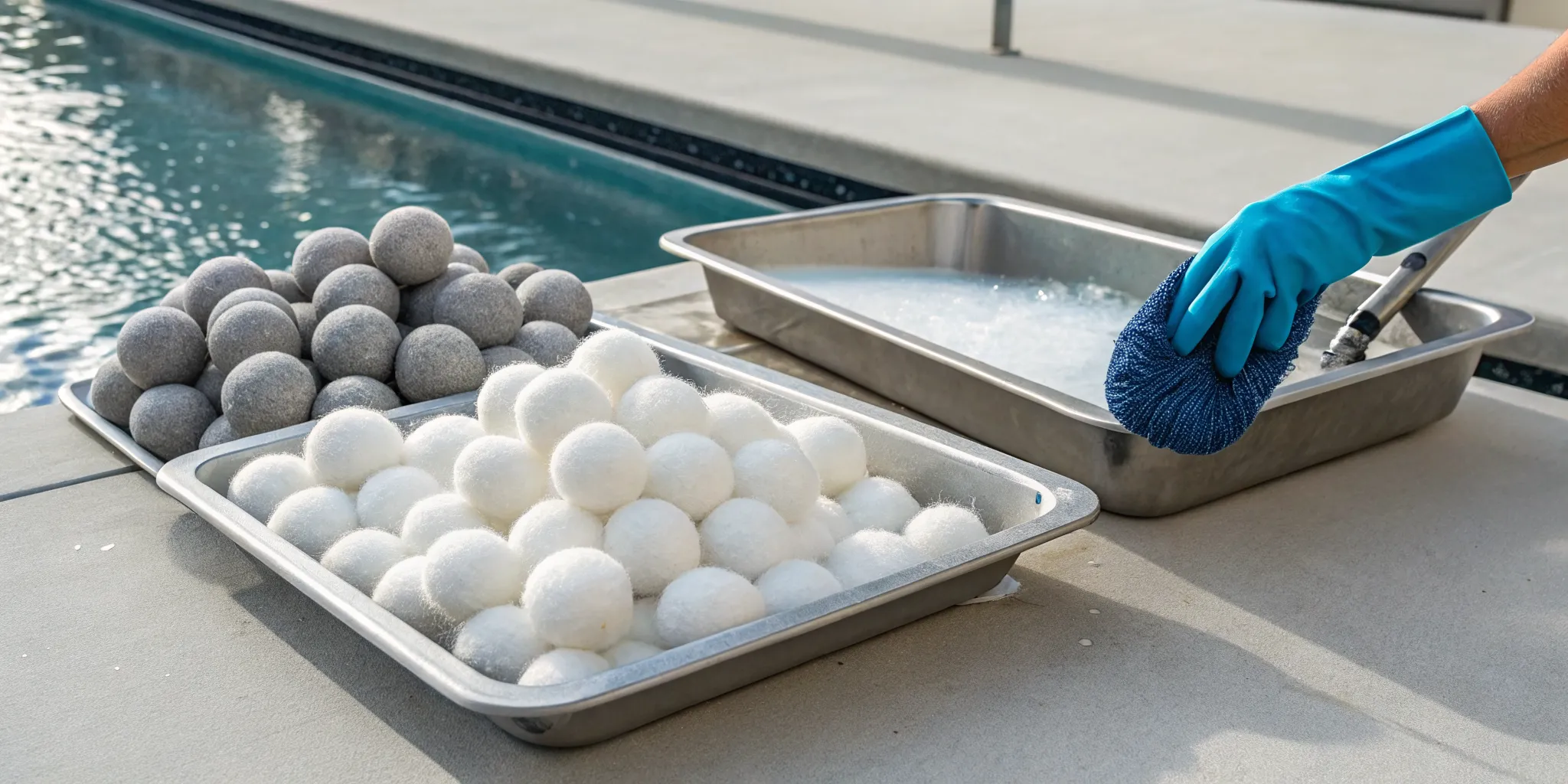
If you’re used to lugging heavy bags of filter sand, the idea of using lightweight, cotton-like balls in your pool filter might seem strange. But these little spheres are a modern and effective way to keep your pool water sparkling clean. Pool filter balls are a filtration media made from 100% polyethylene, a type of durable, recyclable plastic. They are designed to replace the sand or glass in your filter system, offering a lighter and often more efficient alternative.
Think of them as tiny, high-tech sponges engineered specifically for your pool. They are one of the many pool supplies available to keep your water in top condition. Because they are so lightweight, they are much easier to handle and install than sand, which is a big plus for any pool owner. Their unique structure is what makes them so good at their job, trapping particles you might not even be able to see.
How They're Made
Pool filter balls are constructed from fine polyethylene fibers that are woven together into a tight, spherical shape. This design creates a large surface area within a small, lightweight package. The material is built for longevity and can last for several years with the right care, sometimes up to five years or more depending on your pool's usage. While they are durable, they aren't invincible. Regular cleaning and maintenance are essential to ensure they continue to filter your water effectively throughout their lifespan. The quality of the material ensures they won't break down and enter your pool system.
How They Trap Debris
The real magic of filter balls is in their incredible filtration capability. The web of polyethylene fibers can trap extremely fine particles of dirt, debris, and sediment, some as small as 3 microns. For comparison, traditional sand filters typically only catch particles down to about 20 to 40 microns. This superior filtration means you get clearer, cleaner water. As water passes through the filter tank, the balls snag these tiny contaminants. Over time, however, they will become saturated with this debris, which can reduce their effectiveness and put a strain on your equipment. When this happens, you might need professional help with your pool repairs to get things running smoothly again.
Common Problems with Pool Filter Balls
While filter balls are a convenient alternative to sand, they aren't without their own set of challenges. Over time, you might notice a few common issues cropping up. Recognizing these problems early is key to keeping your pool water sparkling and your equipment running smoothly. Let's walk through the most frequent culprits so you know exactly what to look for.
Clogging and Buildup
Just like any filter, the primary job of filter balls is to trap dirt, leaves, and other gunk. But eventually, they get full. When filter balls become saturated with debris, they can no longer effectively clean your water, which is often the reason your pool starts looking cloudy. This buildup restricts water flow, forcing your pump to work harder than it should. Regular cleaning and maintenance is the best way to prevent this, but if the clogging is severe, it might be a sign that your filter system needs a professional check-up.
Poor Filtration
Have you noticed your filter balls worked great at first but now struggle to keep up, especially during the peak of a Colorado summer? This decline in performance is a common complaint. Over time, the fibers can become matted down or lose their ability to trap fine particles. When this happens, you'll see more debris floating in your pool, and the water just won't have that crystal-clear look. It’s a frustrating problem that often signals the filter media is nearing the end of its life and needs a deep clean or complete replacement.
High System Pressure
Your filter's pressure gauge is one of the best tools for diagnosing problems. When filter balls are clean, your system runs at a normal, low pressure. As they collect dirt, the pressure naturally rises. However, if you notice the pressure is consistently high even after backwashing, it’s a major red flag. This indicates the filter balls are so clogged that water can't pass through easily. This constant strain can damage your pump and other components, leading to costly equipment repairs if left unaddressed.
Clumping and Deterioration
Filter balls are made of a fibrous material that can break down over time, especially when exposed to pool chemicals. Chlorine and other sanitizers are essential for a healthy pool, but they can cause the fibers to become brittle and clump together. When the balls clump, they create channels where water can bypass the filter media entirely, leaving dirt and debris to circulate back into your pool. Maintaining balanced water chemistry with the right supplies and chemicals can help extend their lifespan, but deterioration is eventually inevitable.
Chemical and Algae Damage
If your pool chemistry is off or you're battling an algae bloom, your filter balls can take a serious hit. Algae can grow directly on the filter media, turning it into a slimy, clogged mess that’s nearly impossible to clean. This not only ruins the filter balls but also creates a breeding ground that continuously reintroduces algae spores into your pool. Proper circulation and consistent chemical balancing are your best defenses. If you suspect algae has taken over your filter, a thorough system cleaning and media replacement is usually the best course of action.
How Dirty Filter Balls Affect Your Pool
Think of your filter balls like a sponge. When they’re clean, they do an amazing job of soaking up all the tiny particles that make your pool water look dull. But just like a sponge, they eventually get full. When your filter balls are saturated with dirt, oil, and debris, they can’t absorb anything else. This is when you start to see a domino effect of problems that can impact everything from your water’s appearance to the health of your pool equipment.
Ignoring dirty filter balls doesn’t just mean swimming in murky water; it means putting unnecessary stress on your entire system. A clean filter is the heart of a healthy pool, and when it’s not working correctly, the consequences can be frustrating and costly. Let’s look at the two main ways dirty filter balls can cause trouble for your pool.
Cloudy Water and Chemical Imbalance
The most obvious sign of dirty filter balls is cloudy water. When the filter media is clogged, it can no longer effectively trap fine debris, allowing particles to circulate back into your pool. This not only looks uninviting but also creates an environment where it’s difficult to maintain proper water chemistry. A struggling filter can’t circulate sanitizers like chlorine efficiently, which can lead to algae growth. If you notice your pool water turning green or cloudy, your filter balls might be hosting an algae bloom, making it even harder to keep your pool clean and safe for swimming. Keeping your pool chemicals balanced is much easier when your filter is working as it should.
Strain on Your Pool Equipment
When water can’t flow easily through clogged filter balls, your pump has to work much harder to circulate it. This causes the pressure inside your filter tank to rise, putting a significant strain on the entire system. You might notice the reading on your pressure gauge is much higher than normal. This constant high pressure can wear out your pump motor, damage the filter housing, and even cause leaks or breaks in the plumbing. Over time, this added stress can lead to expensive breakdowns. If you find yourself dealing with persistent equipment issues, it’s a good idea to have a professional inspect your system for potential equipment repairs before a small problem becomes a big one.
Signs Your Filter Balls Need Attention
Your pool has its own way of telling you when something isn’t right, and the filter system is often the first to send out an SOS. Paying attention to a few key indicators can help you catch filter ball issues early, before they lead to cloudy water or put extra strain on your pump. Think of it as a regular health checkup for your pool. When you know what to look for, you can keep your water sparkling and your equipment running smoothly, saving you from more complex repairs down the line.
Check Your Pressure Gauge and Water Clarity
Your filter's pressure gauge is your best friend for diagnosing problems. When the filter is clean, take note of the pressure reading; this is your baseline. As the filter balls trap dirt and debris, the pressure will rise. A good rule of thumb is to backwash the system when the pressure increases by 5 to 7 PSI above that clean starting point.
If you’ve backwashed the filter but the pressure gauge doesn't return to its normal baseline, that’s a major red flag. It means the filter balls are holding onto grime and no longer cleaning effectively. At the same time, you’ll likely notice your pool water becoming cloudy or hazy. This is a direct result of the filter being too clogged to capture fine particles.
Inspect the Filter Balls Themselves
Sometimes, you need to look inside the filter tank to see what’s going on. When you open it up, check the condition of the filter balls. Are they clumpy, slimy, or matted together? Over time, oils and minerals can cause them to stick, reducing their surface area and ability to trap debris. Also, check for any water leaking from the filter system itself. A leak could signal damage that is preventing the filter from working correctly.
Don’t be alarmed if the filter balls still look a little dirty after a backwash. It’s perfectly normal for some discoloration to remain while they are still functional. However, if they are heavily compacted or feel greasy, it’s a clear sign they need a deep cleaning or are ready for a replacement as part of your regular cleaning and maintenance routine.
How to Fix Common Filter Ball Problems
When your filter balls start acting up, it can throw your whole pool care routine off track. But don’t worry, most issues are straightforward to fix. With a little troubleshooting, you can get your filter running smoothly and your water sparkling again. Let’s walk through the most effective solutions for common filter ball problems.
Backwash Your Filter System
Think of backwashing as a quick reset for your filter. This process reverses the water flow through the filter tank, flushing out the dirt, debris, and oils your filter balls have collected. It’s the first step you should take whenever you notice your pressure gauge creeping up or your water clarity dipping. For most pool owners in Colorado, regular backwashing is a key part of a solid cleaning and maintenance schedule. Just follow the instructions for your specific filter model to run the cycle. If the pressure doesn’t return to its normal, clean level after backwashing, it’s a sign you may need to dig a little deeper.
Clean the Filter Balls by Hand
Sometimes, a simple backwash isn’t enough to remove stubborn oils and grime. In that case, it’s time for a deep clean. You can wash your filter balls by hand about once a month during pool season to keep them in top shape. Simply remove them from the filter tank and place them in a mesh laundry bag or a large bucket. Gently wash them with water, or use a filter cleaner for a more thorough job. Rinse them completely before putting them back in the tank. This extra step can significantly extend their life and improve your filter’s performance, ensuring your water stays crystal clear.
Address High Pressure and Clumping
If you notice your filter balls are clumping together or feel matted, high system pressure could be the cause. Excessive pressure can compact and damage the fibers, making them less effective at trapping debris. This often happens when there’s a blockage or an issue with other pool equipment. If you suspect a pressure problem, it’s wise to get it checked out. A professional can diagnose the issue and, if needed, install a pressure control valve. Handling equipment issues can be tricky, so calling for expert repairs can prevent further damage to your system.
Know When to Replace Your Filter Balls
Even with perfect care, filter balls don’t last forever. Over time, they lose their ability to trap fine particles. If you’ve tried backwashing and deep cleaning, but your pressure gauge still reads high or your water remains cloudy, it’s probably time for a replacement. Other signs include visible damage to the balls or clumping that won’t go away. Most filter balls last for several years, but their lifespan depends on your pool’s usage and conditions. When it’s time for a fresh set, you can find new supplies and chemicals to get your filter working like new again.
How to Prevent Filter Ball Problems
The best way to deal with filter ball problems is to stop them before they start. A little proactive care goes a long way in keeping your filter system running smoothly and your pool water sparkling clean. By creating a simple maintenance routine, you can extend the life of your filter balls and avoid the headache of cloudy water or equipment strain. It’s all about consistency and paying attention to what your pool is telling you. Here are a few key areas to focus on to keep your filter balls in top shape.
Stick to a Regular Cleaning Schedule
Think of your filter balls like the lint trap in your dryer; they work best when they’re clean. Over time, they collect dirt, oils, and debris, which can make your filter less effective and lead to cloudy water. Setting up a consistent cleaning routine is the most important step you can take. This includes regular backwashing to flush out loose debris and periodic deep cleans to remove stubborn buildup. A proactive approach with regular cleaning and maintenance not only keeps your water pristine but also helps your entire pool system last longer. A clean filter means a happy pool.
Maintain Proper Water Chemistry
Your pool’s water chemistry does more than just keep the water safe for swimming; it also protects your equipment, including your filter balls. Unbalanced chemicals, especially improper chlorine levels, can cause the filter ball material to degrade and clump together. When your water chemistry is off, you’re also more likely to deal with algae and bacteria growth, which adds extra strain on your filter. Regularly testing your water and using the right pool chemicals to keep everything balanced is essential. This simple step prevents damage and ensures your filter can do its job effectively.
Check Your Equipment Compatibility
Making sure your equipment is a good match for your pool is fundamental. A filter system that’s too small for your pool’s volume will be constantly overworked, leading to high pressure and premature wear on your filter balls. Conversely, a pump that's too powerful for your filter can also cause problems. It’s important to ensure your filter system is correctly sized for your pool to avoid unnecessary strain. While filter balls are compatible with most pool chemicals and saltwater systems, they perform best when the entire equipment setup works in harmony. If you suspect a mismatch, it’s worth looking into.
Why Filter Balls Fail
Filter balls are a fantastic alternative to sand, but they aren’t invincible. Like any hard-working component of your pool system, they have a lifespan and can run into problems that leave your water looking less than pristine. When they start to underperform, it's usually due to one of two main culprits: chemical breakdown or simple overuse. Understanding why they fail is the first step to keeping your filter system running smoothly and your Colorado pool water sparkling all season long.
By recognizing the signs of wear and tear, you can address issues before they lead to cloudy water or put an unnecessary strain on your pool equipment. It’s all about proactive care. Instead of waiting for a problem to surface, knowing what to look for helps you maintain your filter media, ensuring it does its job effectively and saving you from more significant headaches down the road. Think of it as a health checkup for your filter. A little attention now prevents bigger issues later, ensuring you get the most out of your investment and more time enjoying your pool. Let's look at the two biggest reasons your filter balls might be letting you down and what you can do about it.
Damage from Chemicals and Wear
Think of your filter balls like any other fabric; harsh chemicals can take a toll. The strong sanitizers in your pool, especially chlorine, can gradually break down the fibers of the filter balls. Over time, this chemical wear causes them to become brittle, clump together, or even fall apart, which seriously reduces their ability to trap debris. The best way to protect them is by maintaining balanced water chemistry. Properly managed pool chemicals not only keep your water safe and clear but also extend the life of your filter media and other equipment, saving you from premature replacements.
Overworking Your Filter and Poor Upkeep
Filter balls are designed to get dirty, but they have their limits. As they trap dirt, oils, and other debris, they eventually become saturated. If you don't clean them regularly, they can't filter effectively, which is why you might see cloudy water even when your pump is running. This buildup also increases the pressure inside your filter tank, putting extra strain on your entire system. If you notice the pressure gauge stays high even after backwashing, it’s a clear signal that the filter balls are too clogged to function. At this point, they need a thorough cleaning or replacement to prevent bigger equipment problems.
Frequently Asked Questions
How often should I clean my filter balls? The best approach involves two types of cleaning. You should backwash your filter whenever the pressure gauge reads 5 to 7 PSI higher than its normal clean level. For a more thorough cleaning, it’s a good idea to remove the filter balls and wash them by hand about once a month during the busy swim season. This helps remove stubborn oils and grime that a simple backwash might miss.
What's the difference between backwashing and a deep clean? Think of backwashing as a quick rinse. It reverses the water flow inside your filter tank to flush out loose dirt and debris, and it's a regular part of your maintenance routine. A deep clean is a more hands-on process where you physically take the filter balls out of the tank and wash them, often with a filter cleaning solution, to break down oils and other buildup that backwashing can't remove.
How can I tell if my filter balls need replacing versus just cleaning? If you've already tried backwashing and deep cleaning but your water is still cloudy or the filter pressure remains high, it's a strong sign the filter balls are at the end of their life. You can also look at their physical condition. If they feel brittle, are permanently matted together, or have lost their fluffy texture, they can no longer filter effectively and should be replaced.
Can I use filter balls in any type of pool filter? Pool filter balls are specifically designed as a direct replacement for sand or glass media in sand filter systems. They are not meant for use in cartridge or diatomaceous earth (DE) filters. Before making the switch, it's always a good idea to check your filter manufacturer's guidelines to ensure they are compatible with your specific model.
Why is my pool still cloudy even after I cleaned the filter balls? If your filter balls are clean and in good condition but your water is still murky, the filter probably isn't the source of the problem. Cloudy water is often caused by a chemical imbalance, such as incorrect pH or low sanitizer levels. It could also point to poor water circulation from an issue with your pump. A clean filter is just one part of achieving clear water.
Related Blogs