%201.png)
How to Tell if a Pool is Leaking: A Simple Guide

Your pool might be trying to tell you something is wrong. A soggy patch of grass near the deck, a sudden struggle to keep algae at bay, or a water bill that’s unexpectedly high are all clues that point to a hidden issue. Finding the source of a leak can feel like a mystery, but you don’t need to be a professional detective to crack the case. You just need to know where to look. Learning how to tell if a pool is leaking is about piecing together these small signs to see the bigger picture. We’ll show you how to follow the evidence, from a careful visual inspection to a strategic dye test, so you can pinpoint the culprit.
Key Takeaways
- Differentiate Leaks from Evaporation: Before assuming the worst, perform the bucket test. This simple diagnostic helps you confirm if you have a genuine leak or if the water loss is just normal evaporation, which is common in Colorado's dry climate.
- Follow a Systematic Search: Once you confirm a leak, start your search at the most common sources. Carefully inspect the equipment pad for drips, visually check the pool shell for cracks, and use a dye test near fittings to pinpoint the exact location.
- Know When to Call an Expert: While regular maintenance helps prevent leaks, some issues require professional tools. If you can't find the source or suspect an underground plumbing problem, calling a certified technician ensures an accurate diagnosis and prevents more significant damage.
Is Your Pool Leaking? Common Signs to Look For
The idea of a pool leak can feel overwhelming, but catching it early is the key to a simple fix. Most of the time, your pool will give you clear clues that something is wrong. You just need to know what to look for. Paying attention to small changes in your pool's water level, the surrounding yard, and even your utility bills can help you spot a problem before it becomes a major headache. Think of it as a regular health checkup for your pool. Let’s walk through the most common signs that point to a leak.
Sudden Drops in Water Level
Are you constantly grabbing the hose to top off your pool? While some water loss is normal due to evaporation, especially during dry Colorado summers, a significant drop is a major red flag. If you find yourself adding water more than once a week, or if the level drops by more than a quarter-inch in 24 hours, you likely have a leak. A simple way to track this is to mark the water level at the skimmer with a piece of tape and check it again the next day. An excessive drop means it's time to investigate further.
Soggy Spots in Your Yard
Take a quick walk around your pool deck and the surrounding area. Do you notice any squishy spots in the grass or persistent puddles, even when it hasn't rained? This is often a telltale sign of an underground leak in your pool’s plumbing. You might also see patches of grass that are unusually green and lush compared to the rest of your lawn. Other clues include shifting or cracking deck sections and soil erosion near the pool's foundation. These issues point to water escaping where it shouldn't, and they often require professional equipment repairs to resolve.
Higher-Than-Usual Water Bills
A hidden pool leak can make its presence known on your monthly water bill. If your pool has an automatic filler, it will work overtime to compensate for the leaking water, causing a noticeable spike in your water usage. If you get a bill that seems unusually high and you can’t account for the extra use inside your home, your pool is a likely culprit. It’s a good idea to compare your recent bills to those from the same period last year to spot any unexpected trends.
Stubborn Algae and Chemical Imbalances
If you feel like you’re in a constant battle with algae or cloudy water despite your best efforts, a leak could be the underlying cause. When your pool is leaking, you’re continuously adding fresh water to replace what’s lost. This new, untreated water dilutes the chemicals, making it difficult to maintain proper balance. You’ll find yourself using more chlorine and other chemicals just to keep the water clear. This ongoing struggle is a strong indicator that your perfectly balanced water is escaping, so our cleaning and maintenance team can help you get it back on track once the leak is fixed.
How to Perform the Bucket Test
If you suspect a leak, the bucket test is a straightforward and reliable way to confirm it. This simple test helps you determine if your pool’s water loss is due to a leak or just normal evaporation, which can be significant here in Colorado. It only takes a few minutes to set up and can save you a lot of guesswork. All you need is a standard 5-gallon bucket and a way to mark the water level, like a waterproof marker or a piece of tape.
Set Up the Test
First, turn off your pool’s automatic fill feature to ensure you get an accurate reading. It’s also a good idea to keep people and pets out of the water during the test to prevent splashing from throwing off your results. Next, fill a bucket with pool water, leaving about an inch of space at the top. Place the bucket on a pool step or bench so that it’s partially submerged, with the water level inside the bucket roughly even with the pool water level. Finally, carefully mark the water level on both the inside and the outside of the bucket.
Interpret the Results
Once you’ve marked the water levels, all you have to do is wait. Let the bucket sit undisturbed for a full 24 hours. This gives both the pool and the bucket enough time to experience the same amount of evaporation from the Colorado sun and wind. After the 24 hours are up, head back out to the pool and check your marks. If the water level in the pool has dropped more than the water level inside the bucket, it’s a strong sign that you have a leak. If both levels have dropped by about the same amount, your water loss is likely just due to evaporation.
What Your Results Mean
So, what’s a significant drop? Generally, if your pool loses more than two inches of water in a week, a leak is the probable cause. Even a small difference in the bucket test can point to a big problem. If the pool water drops just 1/8 of an inch more than the bucket water in 24 hours, it could mean you’re losing around 500 gallons a day. A leak of that size can throw off your chemical balance, strain your equipment, and damage your pool’s structure over time. If your test points to a leak, the next step is to find the source, which often requires professional repairs and diagnostics.
What Causes Pool Leaks?
Finding out your pool is losing water can be frustrating, but understanding the cause is the first step toward a solution. Pool leaks don’t just happen for one reason; they usually stem from a few common culprits. Think of your pool as a complete system where every part needs to work together. A leak could be in the physical structure of the pool itself, hidden away in the underground plumbing, or located right at your equipment pad. The ground in Colorado can shift, and our dramatic freeze-thaw cycles can be tough on pool structures and pipes, making them susceptible to damage over time.
Most leaks are caused by one of three things: a crack in the pool’s shell, a problem with the plumbing or equipment, or simple wear and tear on parts like liners and seals. Even a tiny issue can lead to noticeable water loss, impacting your water bill and chemical balance. The good news is that nearly every leak is fixable once you know where it's coming from. Identifying the general cause helps you know where to look first and when it might be time to call for professional equipment repairs and servicing. Let’s walk through the most common sources of pool leaks so you can get a better idea of what might be happening with your pool.
Cracks in the Pool Structure
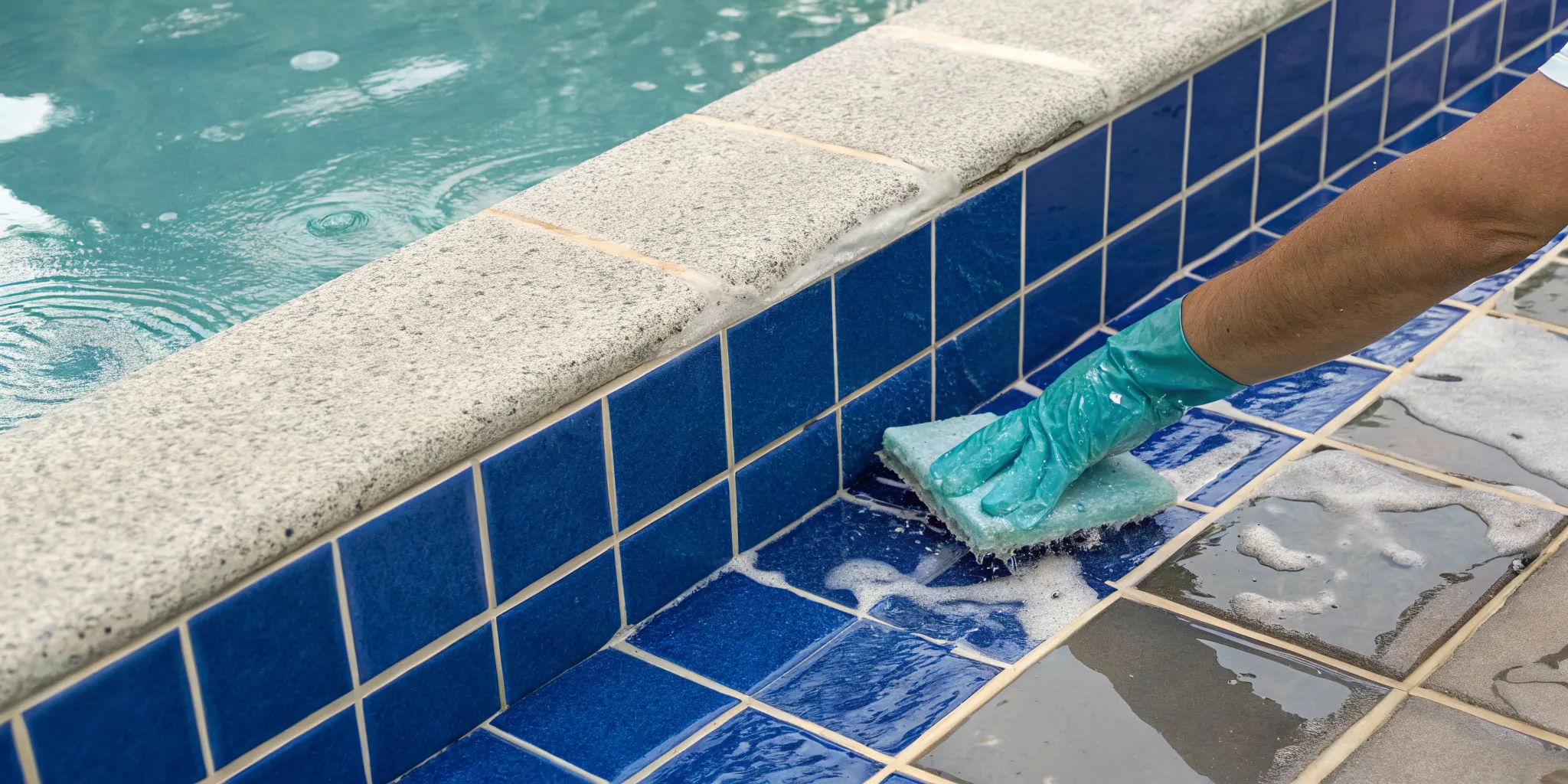
The most obvious cause of a leak is a crack in the pool's surface. Over time, factors like shifting soil and the natural expansion and contraction from Colorado's temperature swings can cause cracks to form in concrete, gunite, or fiberglass pools. While a large crack is easy to spot, even hairline fractures can allow a surprising amount of water to seep out. It’s not just the main shell you need to check. Pay close attention to the areas around fittings like skimmers, returns, and lights, as the seals can fail or the plaster can crack. Loose tiles or deteriorating grout are also signs that water might be escaping. If you suspect a structural issue, our team can help with remodels and rehabs to get your pool back in perfect shape.
Faulty Plumbing and Equipment
Your pool’s plumbing is a complex network of underground pipes that can develop leaks you can’t see. Shifting ground can put pressure on these pipes, causing them to crack or separate at the joints. A tell-tale sign of a plumbing leak is seeing air bubbles shooting out of your return jets or hearing your pump making strange noises as it struggles to pull in water. The equipment pad is another common trouble spot. The pump, filter, and heater all have seals and gaskets that can wear out and start dripping. A slow drip might not seem like much, but it can add up. A quick visual check of your equipment while it's running can often reveal these smaller, more obvious leaks.
Worn-Out Liners and Seals
For pools with vinyl liners, a leak is often caused by a simple puncture or tear. Sharp objects, pets, or even just age can damage the liner. Over the years, exposure to the sun and pool chemicals can make the vinyl brittle and more prone to tearing. Beyond the liner itself, every pool has multiple seals and gaskets that keep water contained. The rubber gaskets around your skimmer, main drain, and return jets are constantly working to create a watertight seal. These components degrade over time and lose their flexibility, allowing water to seep through. Regular cleaning and maintenance provides a great opportunity to inspect these components and catch potential issues before they become major problems.
How to Pinpoint a Pool Leak
Once you’ve confirmed you have a leak with the bucket test, the next step is to play detective and find the source. Locating a leak can feel like searching for a needle in a haystack, but a systematic approach makes it much more manageable. Leaks can originate from three main areas: the pool's structure, the plumbing system, or the equipment. Structural leaks involve cracks in the pool's shell, while plumbing leaks happen in the underground pipes. Equipment leaks are usually found on the pump, filter, or heater pad.
You can often find the culprit with a few simple tests before needing to call in a professional. The key is to work methodically, starting with the most obvious areas and moving toward the more complex possibilities. Before you start, turn off the pool pump and filter to ensure the water is completely still. This makes it much easier to spot subtle signs like dye movement or tiny cracks. Grab a notepad to jot down your observations as you go. We’ll walk through four key methods for tracking down that leak: a thorough visual inspection, a targeted dye test, a check of your equipment pad, and finally, understanding when it’s time for a professional pressure test. By following these steps, you can narrow down the possibilities and get closer to a solution, saving you time and frustration.
Start with a Visual Inspection
Your first move should be a slow, careful walk around your pool. Turn off the pump and filter system so the water is still. Look for any visible cracks in the pool’s tiles, plaster, or coping. Pay close attention to the area around the skimmer, return jets, and lights, as these are common weak points. Don’t forget to check outside the pool, too. Walk the perimeter and look for any damp, soft, or unusually green patches in the grass or surrounding landscape. These soggy spots can be a dead giveaway that water is escaping from the pool structure underground. If you find significant cracks, it might be time to consider a professional rehabilitation to prevent further damage.
Use Dye to Find the Source
If a visual inspection doesn’t reveal an obvious crack, the dye test is your next best friend. It’s a simple yet effective way to confirm a suspected leak. You’ll need a bottle of pool-safe dye, which you can find at most pool supply stores. With the pump still off, go to an area where you suspect a leak, like a crack or around a fitting. Squeeze a small amount of dye into the water near the spot. If there’s a leak, you’ll see the dye get pulled out of the pool and into the crack or fitting. This method is great for pinpointing leaks in the pool shell, around steps, and near return jets.
Check Your Equipment and Plumbing
Many pool leaks have nothing to do with the pool shell itself. Instead, the problem often lies with the plumbing or equipment. Head over to your equipment pad and conduct a thorough inspection. Look for drips or puddles around the pump, filter, heater, and valves. Check all the PVC pipe connections and unions for signs of moisture. Sometimes, a leak is as simple as a worn-out O-ring on the pump lid or a loose fitting. Running your hands along the underside of pipes can help you find slow drips that aren’t immediately visible. If you spot a problem with your system, our team specializes in equipment repairs and can get it sorted out quickly.
Consider Pressure Testing
What if you’ve tried everything and still can’t find the leak? The issue might be in the underground plumbing lines that run between your equipment and the pool. Finding these leaks is nearly impossible without specialized tools. This is where pressure testing comes in. A professional technician will use specialized equipment to pressurize each plumbing line with air or water. If a line can’t hold pressure, it confirms there’s a leak somewhere along that pipe. This is a more advanced diagnostic step and is best left to the experts, as it requires a deep understanding of your pool’s plumbing system. It’s the most reliable way to identify hidden, underground leaks without unnecessary digging.
How Much Water Loss Is Normal?
It's easy to panic when you see your pool's water level dropping, but a little bit of water loss is completely normal. Before you assume the worst, it's helpful to understand the difference between natural evaporation and a potential leak. Evaporation is the main reason for everyday water loss, and several factors, like our unique Colorado climate and the changing seasons, play a big role in how much water your pool loses on a weekly basis. Knowing what to expect can save you a lot of stress and help you spot a real problem before it gets out of hand.
Factoring in Colorado's Evaporation Rate
Living in Colorado means we get to enjoy plenty of sunshine, but our dry climate also speeds up evaporation. A healthy pool will naturally lose about a quarter-inch to a half-inch of water each day. Think of it as the sun getting its share. Over a week, this adds up, but it's a predictable part of pool ownership here. The key is to watch for anything more dramatic. If you find yourself adding more than two inches of water per week to keep the level steady, it’s a strong sign that you might have a leak. Catching it early can prevent bigger headaches, so it's a good idea to have any suspected leaks checked out by a professional who can handle the necessary repairs.
How Seasons Affect Water Loss
Your pool's water level will also change with the seasons. During the hot, sunny days of a Colorado summer, evaporation will be at its peak. The intense sun and higher temperatures work together to pull more water from your pool, so you'll notice the level dropping faster than at other times of the year. In the cooler months, the rate of evaporation slows down considerably. However, don't be surprised if you still see some water loss. Our air stays dry year-round, which means evaporation never completely stops. This is why consistent cleaning and maintenance is so important for keeping your pool healthy, no matter the season.
Advanced Methods for Finding Hidden Leaks
Sometimes, a leak is so sneaky that a bucket test or a visual inspection just won’t cut it. When leaks hide underground in the plumbing or deep within the pool’s shell, you need more advanced tools to find them without tearing up your entire backyard. This is where professional-grade technology comes into play. Our certified technicians use specialized equipment to pinpoint the exact source of a leak, saving you time, money, and a lot of headaches. These methods are precise, efficient, and take the guesswork out of complex pool repairs. Instead of disruptive exploratory digging, we use non-invasive technology to see and hear what’s happening beneath the surface. Here are a few of the advanced methods we use to find even the most elusive leaks.
Acoustic Leak Detection
Think of acoustic leak detection as using a super-powered sense of hearing to find leaks. Professionals use sensitive underwater microphones, called hydrophones, to listen for the specific sounds that escaping water makes. This method utilizes sound waves to detect leaks, allowing a technician to hear exactly where water is seeping out of the plumbing or shell. It’s an incredibly accurate way to locate problems in underground pipes without having to do any exploratory digging, which means we can find the leak faster and with far less disruption to your property.
Thermal Imaging
Another non-invasive technique we use is thermal imaging. This method uses a special camera that detects tiny differences in temperature. When water leaks from your pool, it changes the temperature of the ground or the pool structure around it. A thermal imaging camera can spot these temperature variations, which appear as distinct hot or cold spots on the camera’s screen. This technology is especially useful for finding leaks under your pool deck or in the surrounding landscape, revealing issues that are completely invisible to the naked eye.
Electronic Detection Equipment
Modern technology has made finding leaks faster and more efficient than ever. With specialized electronic listening technology, our technicians can often perform a complete leak detection in under an hour, and they can do it without even getting in the water. This equipment amplifies the sounds of a leak, guiding the technician directly to the source. It’s a clean, quick, and highly accurate method that allows us to diagnose the problem with confidence and get started on the right repair as soon as possible.
Common Leak Detection Mistakes to Avoid
Trying to find a pool leak on your own can feel like a bit of a puzzle, and it’s easy to make a few wrong turns. Knowing the common missteps can save you a lot of time and frustration. When you suspect a leak, your first instinct might be to assume the worst, but a little patience and a methodical approach go a long way. Many homeowners misinterpret normal water loss, rush through their inspection, or forget to check some of the most obvious spots. These simple errors can send you down the wrong path, leading to unnecessary stress and potentially costly mistakes if you start digging in the wrong place. By understanding what not to do, you can approach the problem with a clear head and a solid plan. This helps you accurately identify whether you have a leak and where it might be coming from. And if you do find something that seems off, our team is always ready to handle any pool repairs you might need, from a simple patch to more complex plumbing issues. Let’s walk through what to watch out for so you can diagnose the problem with confidence and avoid the typical headaches that come with DIY leak detection.
Don't Mistake Evaporation for a Leak
Just because your water level is dropping doesn’t automatically mean you have a leak. Here in Colorado, our dry air and intense sun can cause a surprising amount of evaporation, sometimes accounting for a quarter-inch of water loss or more per day. Before you panic, it’s important to distinguish between natural water loss and a genuine leak. This is exactly what the bucket test is for. If the water level in your pool drops at the same rate as the water in the bucket, you’re likely just seeing the effects of evaporation. If the pool’s water level drops faster, it’s a strong sign that you have a leak somewhere in the system.
Avoid Rushing the Process
When you see a symptom like a soggy patch of grass, it’s tempting to jump to conclusions and start digging. However, rushing your investigation can lead to an incorrect diagnosis or cause you to miss the real source of the problem. Water can travel underground, so the wet spot you see might not be directly over the leak. It’s better to take a step-by-step approach, starting with a thorough visual inspection of the entire pool area before moving on to more specific tests. Using improper testing methods or guessing can make the situation worse, which is why a careful, methodical process is key to getting it right.
Remember to Check the Equipment Pad
It’s easy to focus on the pool shell itself and completely forget about your pump, filter, and heater. The equipment pad is one of the most common places for leaks to occur, but it’s also one of the easiest to inspect. Take a close look around all your equipment for any signs of water. You might see active drips, puddles on the pad, or white, crusty mineral deposits on fittings and pipes. Also, check the ground around the pad for any unusual moisture. A quick and careful check of your equipment area should always be one of your first steps in the leak detection process.
When to Call a Professional
While DIY methods like the bucket test are fantastic for an initial diagnosis, some leaks are too complex or hidden for a homeowner to handle alone. Trying to fix a serious issue without the right tools or expertise can sometimes lead to more significant damage and cost. Knowing when to step back and call for help is just as important as knowing how to spot a problem in the first place. If you’ve confirmed a leak but can't find the source, or if the problem seems to be with your plumbing or the pool structure itself, it’s time to bring in a professional. A small leak can quickly become a major headache, so acting fast is key to protecting your investment and getting back to enjoying your pool.
Signs You Need an Expert
If you suspect a leak, it’s always better to be safe than sorry. You should definitely call an expert if you notice large cracks in the pool’s foundation or walls, as these can point to serious structural issues. Another clear sign is when you’ve tried the dye test in all the usual spots but still can’t find the source of the water loss. Persistent soggy areas in your yard that don’t seem to dry up also suggest an underground plumbing leak that you won’t be able to see. If your DIY patch jobs don’t hold or the leak keeps coming back, it’s a signal that a more complex problem needs a professional solution.
Why Hire a Pro?
Hiring a professional team takes the guesswork out of leak detection. While you can spot surface-level issues, professionals have specialized equipment to find the exact location of hidden leaks, especially those in underground pipes. Our certified technicians are trained to handle everything from minor fixes to complex equipment repairs and servicing. We understand the specific challenges that Colorado's climate presents for pools and spas. Instead of spending your weekend frustrated and searching for a leak, you can trust an expert to diagnose the problem accurately and provide a lasting solution, saving you time and preventing further damage.
What to Expect From Our Service
When you call our team, we start with a thorough assessment to understand the problem completely. We use advanced, non-invasive methods like pressure testing and precise dye testing to pinpoint the exact source of the leak without disrupting your property. Our technicians will explain their findings clearly, so you know exactly what’s going on. Once we’ve located the leak, we’ll discuss the best course of action for the repair. We handle everything from patching liners to fixing complex plumbing issues, ensuring the job is done right so you can have peace of mind. Our goal is to get your pool back to perfect condition efficiently and professionally.
How to Prevent Future Pool Leaks
Once you’ve fixed a leak, the last thing you want is to go through the process all over again. The good news is that a little proactive care can go a long way in preventing future headaches. Staying ahead of potential problems not only saves you money on water bills and major fixes but also protects your pool’s structure for the long haul. By incorporating a few simple habits into your routine, you can keep your pool watertight and ready for fun. It all comes down to consistent maintenance, preparing for Colorado’s unique climate, and regularly checking your equipment.
Commit to Regular Maintenance
Think of regular maintenance as a health check-up for your pool. Catching small issues early is the best way to prevent them from turning into big, costly problems. A weekly walk-around to inspect your pool’s tile line, surface, and deck for any new cracks or signs of wear can make a huge difference. Keeping your water chemistry balanced also plays a role, as improper pH levels can degrade your pool liner and equipment seals over time. A consistent cleaning and maintenance schedule is your best defense against leaks. It ensures that every part of your pool system is looked after, giving you peace of mind and more time to simply enjoy the water.
Prep Your Pool for Colorado Seasons
Living in Colorado means dealing with a wide range of weather, and your pool feels it too. The freeze-thaw cycles in winter can be particularly tough on a pool’s structure and plumbing, creating stress that can lead to cracks. Proper winterization is non-negotiable here; it protects vulnerable pipes from freezing and expanding. In the summer, our dry, sunny days can cause significant evaporation. Using a good pool cover can help reduce water loss, making it easier to tell if you’re losing water to the air or a hidden leak. Taking these seasonal steps helps your pool withstand the elements and operate smoothly year after year. If you do find weather-related damage, professional remodels and rehabs can restore your pool's integrity.
Keep an Eye on Your Equipment
Your pool’s equipment pad is the heart of its circulation system, and it’s a common source of leaks. Make it a habit to regularly inspect the pump, filter, and heater. Look for drips, rust stains, or any standing water on the pad itself, as these are clear signs of a problem. Pay close attention to the seals and O-rings on your pump, which can wear out over time and cause leaks. You might also spot small cracks in the pump housing or plumbing fittings. If you notice anything unusual, it’s best to address it right away. Timely equipment repairs can often be simple, preventing a minor drip from becoming a major failure that could damage your system.
Frequently Asked Questions
What's the very first thing I should do if I suspect my pool is leaking? Before you do anything else, perform the bucket test. It’s a simple, reliable way to determine if you're losing water to a leak or just to normal evaporation from the Colorado sun. This quick diagnostic step will confirm if there’s a real problem and save you from searching for a leak that isn't there.
My water bill went up, but I don't see a puddle. Could it still be a leak? Yes, absolutely. A spike in your water bill is often one of the first signs of a hidden leak, especially if your pool has an automatic filler. The leak could be in the underground plumbing, where the escaping water is absorbed into the ground instead of forming a visible puddle.
Are leaks more common in certain seasons here in Colorado? While a leak can happen anytime, the dramatic temperature shifts during spring and fall can be tough on a pool. The ground expands and contracts, putting stress on the pool shell and underground pipes. Likewise, an improper winter closing can lead to freeze damage in the plumbing, which you might not discover until you open the pool in the spring.
Can I just patch a small crack myself? While DIY patch kits exist, they often provide only a temporary fix. A small surface crack can sometimes be a symptom of a larger, underlying structural issue. For a lasting solution that addresses the root cause, it's always best to have a professional assess the damage to ensure the repair is done correctly and prevents further problems.
Besides losing water, what other damage can a leak cause? An unresolved leak can lead to more serious issues than just a high water bill. It can cause soil erosion around the pool, which may damage the pool's foundation, the deck, and even nearby landscaping. It also throws off your water chemistry, putting extra strain on your equipment and making it harder to keep the water clean and safe.
Related Blogs