%201.png)
How to Clean a Green Swimming Pool in 5 Steps

That moment you pull back the pool cover to find murky, green water is a real headache. Your first thought might be to just dump in a ton of chlorine, but a successful cleanup requires a more strategic approach. The green color is from an algae bloom, which can only be defeated by systematically removing the algae, killing what remains, and rebalancing your water chemistry. It’s a process that requires patience, but the results are worth it. This guide breaks down exactly how to clean green swimming pool water, providing a clear action plan to restore your pool to its crystal-clear glory.
Key Takeaways
- Treat green water systematically: A green pool indicates an imbalance in chemistry or circulation. The solution is a multi-step process: brush all surfaces, vacuum the debris, shock the water with a heavy dose of chlorine, and run your filter 24/7 until it clears.
- Prioritize water chemistry above all else: Before adding shock, you must balance your pH and alkalinity for the treatment to be effective. After the water clears, rebalancing these levels is essential for swimmer safety and preventing another algae bloom.
- Prevent future algae with a simple weekly routine: Staying ahead of green water is much easier than treating it. Make a habit of testing your water, skimming and brushing your pool, and running your filter for at least 8 to 12 hours daily to keep your water consistently clear.
Why Is My Pool Green?
Waking up to a green pool can be a real headache. One day it’s crystal clear, and the next, it looks more like a swamp. The short answer for this unwelcome transformation is almost always algae. These tiny, single-celled plants can multiply rapidly, turning your backyard oasis into a murky mess seemingly overnight. But an algae bloom isn't just a random event; it's a clear sign that something in your pool's ecosystem is out of balance. When your water turns green, it's telling you that the conditions are perfect for algae to grow, and your pool's defenses are down.
Several factors can create this perfect environment. It could be an issue with your pool's circulation, a chemical imbalance, or even environmental factors like a recent Colorado heatwave or a heavy downpour that threw everything off. Understanding the root cause is the first step toward clearing up the water and making sure it stays that way. Think of it like being a detective for your pool. Once you identify the culprit, you can apply the right solution and get back to enjoying your swim. Let's look at the two most common reasons your pool has turned green.
Understanding Algae Growth and Poor Circulation
Algae spores are everywhere, constantly entering your pool through wind and rain. Usually, your sanitizer and filter keep them in check. But when conditions are right, they bloom. High heat, pollen, and phosphates (which are basically algae food) can all contribute to an outbreak. Here in Colorado, a sudden, heavy rainstorm can dilute your pool's chemicals and introduce contaminants, giving algae a perfect opportunity to grow.
Proper water movement is also critical. If your pump isn't running long enough or your filter is clogged, you'll get stagnant spots where algae can settle and multiply. A healthy pool needs constant circulation to distribute chemicals evenly and filter out impurities. If you suspect an issue, it might be time to check on your equipment and consider professional repairs to get things flowing smoothly again.
The Impact of Chemical and pH Imbalances
Your pool's water chemistry is a delicate balancing act, and if one thing is off, it can cause a chain reaction. The most important relationship to watch is between your chlorine and pH levels. Chlorine is your primary defense against algae, but it only works effectively within a specific pH range. If your pool's pH climbs too high (above 7.8), your chlorine becomes sluggish and can’t kill algae and bacteria efficiently, no matter how much you add.
Low chlorine levels are an open invitation for an algae bloom. This can happen if you forget to add sanitizer or if a hot, sunny day burns it off faster than usual. Keeping a consistent and appropriate level of sanitizer is non-negotiable for a clear pool. Regular cleaning and maintenance helps you stay on top of these levels before they become a bigger problem.
Your Pre-Cleaning Checklist
Before you roll up your sleeves and start scrubbing, a little prep work will make the entire cleaning process much smoother and more effective. Taking the time to assess the situation, test your water, and gather your tools ensures you’re tackling the problem correctly from the start. Think of it as creating your game plan for reclaiming your pool from the green monster. This checklist will walk you through exactly what you need to do to set yourself up for a crystal-clear win.
Assess Your Pool's Condition and Safety
First, take a good look at your pool. How green is it? A light, minty green is much easier to handle than a dark, swampy mess. The color is a direct indicator of an algae bloom, which usually happens when your water chemistry is off, your filter isn't working correctly, or there isn't enough chlorine to keep things sanitized. If the water is so cloudy that you can't see the bottom of the deep end, it’s a serious safety hazard. Be extra cautious, and if you feel the job is too big to handle, our team is always ready to help with professional cleaning and maintenance.
Test Your Water Chemistry
Next, grab your water testing kit. You need to know your starting point before adding any chemicals. The two most important levels to check right now are pH and alkalinity. Your goal is a pH between 7.2 and 7.8 and an alkalinity level between 80 and 120 parts per million (PPM). If your pH is too high, the chlorine shock you'll be adding later won't work effectively. If it's too low, the treatment can be equally ineffective. Getting these levels right is a non-negotiable first step for a successful pool cleanup. You can find reliable testing kits and balancing supplies and chemicals to get your water ready for treatment.
Gather Your Cleaning Supplies
Now it’s time to assemble your tools. You don’t want to be running around looking for something mid-clean. Make sure you have a good pool brush with a long pole, a skimmer net for fishing out large debris like leaves and twigs, and a pool vacuum to handle the stuff at the bottom. You’ll also need your chemicals on hand: a powerful pool shock (a strong dose of chlorine) to kill the algae and an algaecide to prevent it from coming back. Having everything you need within arm's reach will make the entire process feel more organized and a lot less daunting.
A Step-by-Step Guide to a Clear Pool
Alright, let's get your pool back to its beautiful, clear state. Tackling a green pool might seem like a huge job, but it’s completely manageable when you break it down into a clear sequence of steps. The key is to be thorough and patient. This five-step process is designed to systematically remove the algae, kill what’s left, and filter everything out, leaving you with sparkling water. Before you begin, make sure you have all your supplies ready to go. Following these steps in order will give you the best and fastest results, so you can get back to enjoying your pool instead of just looking at it. If the job feels too big or you run into trouble, remember our team is always here to help with professional cleaning and maintenance.
Brush All Pool Surfaces
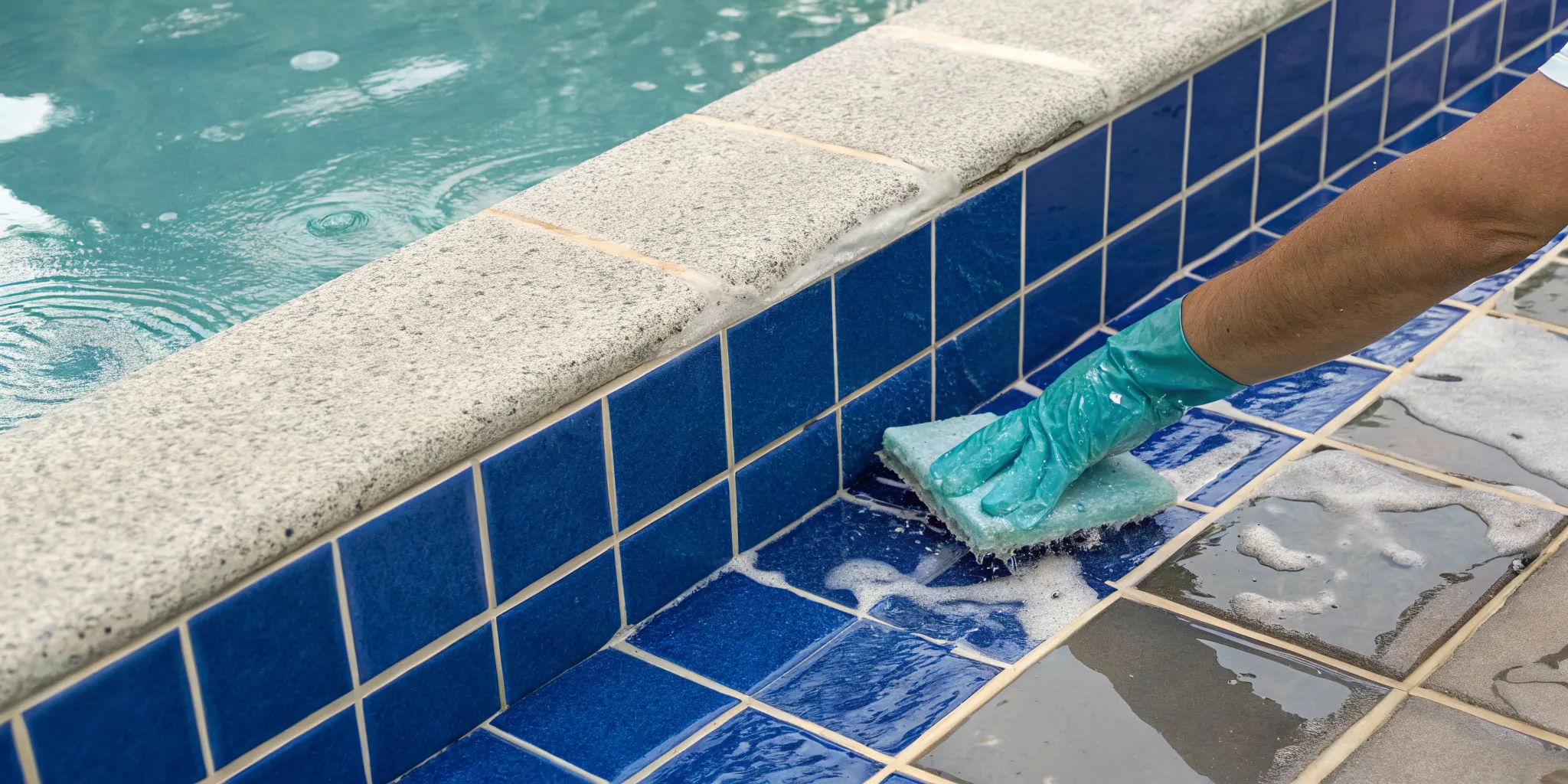
Your first move is to grab a good, stiff pool brush and scrub every surface inside your pool. Pay special attention to the walls, steps, ladders, and any little corners where algae loves to hide. This step is all about physically breaking the algae’s grip on your pool surfaces. By scrubbing everything down, you loosen the algae and push it into the water. This makes it much easier for the chlorine shock and your filter to do their jobs effectively. Don't skip this part; a thorough brushing is the foundation for a successful cleaning.
Vacuum Out Debris and Algae
Now that you’ve brushed the algae off the surfaces, it’s time to remove as much of it as you can. Use your manual pool vacuum to clean up the debris and algae that has settled on the pool floor. If your pool is especially murky, you may want to set your filter to "waste" (if you have a multiport valve) while you vacuum. This sends the dirty water directly out instead of running it through your filter, which prevents the filter from getting clogged with a massive amount of algae. It will lower your water level, but it’s the most effective way to get the bulk of the gunk out quickly.
Shock the Pool with Chlorine
With the heavy lifting done, it's time to chemically treat the water. "Shocking" the pool just means adding a large dose of chlorine to kill the remaining algae and any other bacteria. For a light green pool, you’ll likely need a double dose of shock, and for dark green or blackish water, a triple or even quadruple dose might be necessary. A good rule of thumb is to use two to three pounds of shock for every 10,000 gallons of water. Always follow the manufacturer's instructions on the pool chemicals you're using and be sure to shock your pool at dusk or at night, as sunlight can burn off the chlorine before it has a chance to work.
Add Algaecide and a Clarifier
After the shock has had several hours to circulate and kill the algae, you can add a couple more products to finish the job. An algaecide will help kill any stubborn, lingering algae and also prevent it from making a quick comeback. Think of it as an extra layer of defense. Next, add a water clarifier. This product works by causing the tiny dead algae particles to clump together into larger particles, making it much easier for your filter to catch and remove them. This step is what really helps restore that crystal-clear look to your water.
Run Your Filter Continuously
This is the final and most crucial step: let your filter do its work. Run your pool filter 24/7 until the water is completely clear. This process can take a few days, so be patient. The filter is now responsible for removing all the dead algae and other fine particles that are making the water cloudy. Check your filter pressure frequently and backwash or clean the cartridge whenever the pressure rises 8-10 PSI above its normal operating level. If your filter isn't performing as it should, it might be a sign you need professional equipment repairs to get it back in top shape.
Rebalancing Your Water Chemistry
After all that hard work shocking and filtering, your pool water should be looking much clearer. Now it’s time for the final, crucial step: getting your water chemistry back in balance. This isn’t just about making the water safe for swimming again; it’s about creating an environment where algae can’t thrive. Think of it as setting your pool up for long-term success. Properly balanced water is less likely to turn green, feels better on your skin, and protects your pool equipment from damage. This process ensures all your cleaning efforts weren't just a temporary fix but a lasting solution.
Test and Adjust pH and Alkalinity
First up are pH and alkalinity. These two work together, with alkalinity acting as a buffer to keep your pH levels from swinging wildly. Your goal is to get the total alkalinity between 80 and 120 parts per million (PPM). Once that’s in range, you can adjust the pH, which should be between 7.2 and 7.8. If your pH is off, your chlorine won’t work as effectively, leaving the door open for another algae bloom. Using a quality water testing kit, check your levels and add the appropriate chemicals to raise or lower them as needed. We can help you find the right supplies and chemicals to get the job done correctly.
Maintain the Right Chlorine Levels
After a shock treatment, your chlorine levels will be sky-high. You’ll need to let them come down naturally before anyone can safely get in the water. The ideal range for "Free Chlorine," which is the chlorine available to sanitize your pool, is between 1 and 4 PPM. Once the levels have dropped back into this range, your pool is ready for swimmers. Maintaining this level is key to preventing future problems. If you find keeping up with chemical balancing a chore, our professional cleaning and maintenance services can take care of it for you.
Monitor and Retest Your Water
Getting your water balanced isn't a one-time task. You’ll want to test your water again 24 hours after making adjustments to ensure everything is stable. Once your pool is clear and balanced, stick to a routine of testing it at least once a week. Consistent monitoring allows you to catch and correct small imbalances before they become big, green problems. Here in Colorado, factors like intense sun, sudden rain, and temperature swings can all impact your water chemistry, making regular testing even more important for keeping your pool pristine.
How to Keep Your Pool from Turning Green Again
Getting your pool back to its sparkling blue state is a great feeling, and you definitely don’t want to go through that whole process again anytime soon. The good news is, preventing a green pool is much easier than treating one. It all comes down to a consistent routine. By staying proactive with your pool care, you can keep algae from ever getting a chance to bloom. Think of it as a simple weekly checklist that saves you from a major cleanup project down the road. A little bit of effort each week is the secret to a season full of clear, inviting water.
Commit to Regular Water Testing
Think of water testing as a regular health check for your pool. Making this a weekly habit is the single most effective thing you can do to prevent algae. When you test your water, you’re checking for imbalances in key levels like pH and chlorine before they become big problems. Catching a slight dip in chlorine or a spike in pH early allows you to make small, simple adjustments. This consistent monitoring keeps the water stable and inhospitable to algae. If you need to restock, we have all the professional-grade supplies and chemicals you need to keep your water perfectly balanced.
Stay on Top of Cleaning and Filtration
Algae needs food to grow, and that food often comes in the form of leaves, dirt, and other organic debris. That’s why consistent cleaning is so important. Skimming the surface, brushing the walls, and vacuuming the floor every week removes this potential food source. Your pool’s filtration system does the heavy lifting, so make sure to run it long enough each day (usually 8-12 hours) and clean the filter regularly. A clean filter circulates water more effectively, preventing stagnant spots where algae loves to grow. If you find it hard to keep up, our cleaning and maintenance services can handle the routine work for you.
Use a Pool Cover and Rinse Before Swimming
A pool cover is your best defense against outside contaminants. It acts as a physical barrier, keeping dirt, pollen, and leaves from falling into the water and fueling algae growth. But debris isn't the only thing that can throw off your water balance. Lotions, hair products, and natural body oils can introduce phosphates and nitrates into the pool, which are basically algae superfoods. A great habit to get into is encouraging everyone to take a quick rinse in the shower before they jump in. It’s a small step that makes a surprisingly big difference in keeping your pool water clean and clear.
When to Call in the Pros
Tackling a green pool on your own can be really satisfying. But sometimes, despite your best efforts, the problem sticks around or feels too big to handle. Knowing when to pass the baton to a professional isn't giving up; it's a smart move that can save you a lot of time, stress, and even money. If you find yourself stuck in a cycle of testing, treating, and still seeing green, it might be time to get an expert opinion. A professional can quickly diagnose underlying issues that DIY methods might miss, getting your pool back to its sparkling best so you can get back to enjoying it.
Signs You Need an Expert
You’ve followed every step, shocked the pool, and run the filter for days, but the water is still stubbornly green. This is a major sign that something more is going on. The issue could be with your equipment. For instance, if your filter is broken or not working efficiently, it can’t remove the dead algae, no matter how much you brush and shock. Severe algae blooms that have taken over your entire pool also require a more aggressive approach. If you’re feeling overwhelmed or your efforts just aren’t cutting it, calling a professional for equipment repairs or a deep clean is your best next step.
The Benefits of Professional Pool Care
Calling in a pro does more than just solve your immediate green pool problem. We have access to professional-grade chemicals and specialized tools that can clear up even the worst algae blooms quickly and safely. A professional service also helps you avoid costly future problems. We can spot potential issues with your equipment or water balance before they turn into major headaches. Regular professional cleaning and maintenance ensures your pool stays healthy all season long, giving you peace of mind and more time to actually swim instead of constantly working on your pool.
Frequently Asked Questions
How long will it take to clear up my green pool? Patience is key here, as there isn't a single magic number. For a light green pool, you might see a significant improvement in 24 to 48 hours, with it being fully clear in a few days. If you're dealing with a dark green, swamp-like situation, it could take the better part of a week. The timeline really depends on the severity of the algae, how well your filter system is working, and how consistently you follow the cleaning steps.
Is it actually unsafe to swim in a green pool? Yes, it's definitely not a good idea. The green color comes from algae, which is the perfect food for harmful bacteria to grow. Beyond that, the murky water creates a serious safety risk because you can't see the bottom of the pool. It's always best to wait until the water is completely clear and the chemical levels are properly balanced before anyone takes a dip.
My pool turned green almost overnight. How does that happen so fast? This is a really common experience, and it happens because algae spores multiply incredibly quickly once conditions are right. All it takes is one trigger, like a heavy Colorado rainstorm that dilutes your chlorine, a few days of intense sun burning off your sanitizer, or a pH level that gets too high. Once your pool's defenses are down, an algae bloom can explode in a matter of hours.
Can I just use an algaecide instead of going through the whole shocking process? While it might seem like a good shortcut, algaecide alone won't solve an active algae problem. Think of chlorine shock as the heavy-duty cleaner that kills the existing algae bloom. Algaecide is more of a preventative measure or a finishing touch to kill any stubborn remnants after the shock has done its job. For a green pool, you really need the power of a shock treatment first.
I've shocked the pool and run the filter, but the water is still cloudy. What's next? Don't panic, this is a normal part of the process. The cloudiness is usually caused by millions of tiny, dead algae particles suspended in the water. Your filter needs time to remove them, so keep it running 24/7 and be sure to clean it frequently. If the water doesn't clear up after a few days of continuous filtering, it could be a sign that your filter isn't working efficiently and may need a professional inspection.
Related Blogs