%201.png)
Your Essential Hot Tub Maintenance Checklist

There’s nothing more disappointing than lifting your hot tub cover, ready for a relaxing soak, only to find cloudy, uninviting water. These common frustrations are almost always preventable with a proactive approach. Instead of reacting to problems as they appear, a solid hot tub maintenance plan helps you stay ahead of them. This guide provides a complete roadmap to keeping your spa in perfect condition. We will cover everything from balancing your water chemistry and cleaning your filters to caring for your cover, helping you build a simple routine that guarantees crystal-clear water every time you’re ready to get in.
Key Takeaways
- A consistent routine is key: Breaking down tasks into daily, weekly, and monthly steps is the most effective way to prevent problems and keep your spa ready for use.
- Focus on water and filters: Regularly test your water chemistry and rinse your filter weekly. These two habits are fundamental for clear, safe water and efficient equipment performance.
- Care for the whole system: Your maintenance should include the cover, shell, and plumbing. Use spa-safe cleaners and drain your hot tub every three to four months for a complete reset.
Your Essential Hot Tub Maintenance Checklist
Keeping your hot tub clean and running smoothly doesn't have to be complicated. A simple, consistent routine is all it takes to protect your investment and ensure it’s always ready for a relaxing soak. Think of it like any other home maintenance task: a little effort now prevents bigger headaches later. Breaking down your spa care into daily, weekly, and monthly tasks makes it feel manageable and straightforward.
This checklist is designed to give you a clear, actionable plan. Following these steps will help you maintain balanced water, extend the life of your equipment, and keep your hot tub pristine, even with the unique challenges of Colorado's climate. Whether you’re a new owner or just looking to refine your routine, this guide will help you stay on track. If you ever feel overwhelmed, remember that professional spa services are always available to help.
Daily Checks
Your daily check-in should take less than a minute but can save you from future problems. First, make sure your hot tub cover is clean, secure, and locked. This not only keeps debris out and heat in, but it’s also a critical safety measure. Next, take a quick glance at the water temperature to ensure it’s holding steady. Finally, do a quick visual inspection of the cover and the hot tub shell for any signs of damage. Catching a small tear or crack early can prevent a more significant repair down the road.
Weekly Tasks
Set aside a little time each week for a few key tasks. You should test your hot tub water two to four times a week, using the results to add the right chemicals and keep the water balanced. This is the most important step for ensuring the water is safe and comfortable for soaking. Once a week, you should also sanitize and shock the water to eliminate any bacteria. While you’re at it, give your hot tub filter a quick rinse with fresh water to remove loose debris and wipe down the cover to keep it in good condition.
Monthly Deep Clean
Every three to four months, it’s time for a more thorough cleaning. This involves completely draining and refilling your hot tub. If you use your spa almost daily, you might consider doing this monthly. When the tub is empty, it’s the perfect opportunity to clean all the surfaces, scrub the waterline to remove any buildup, and clean the jets. This process gives your hot tub a complete reset, ensuring fresh, clean water and a healthy system. For a truly deep clean without the hassle, our cleaning and maintenance team can handle the draining, scrubbing, and refilling for you.
How to Test and Balance Your Hot Tub Water
Keeping your hot tub water balanced is the secret to a perfect soak. It ensures the water is clean, safe, and comfortable for you and your guests. It also protects your hot tub's equipment from corrosion or scaling. Think of it as a simple weekly recipe: test the water, see what it needs, and add the right ingredients. With a little practice, you’ll get the hang of it in no time.
What are pH, Alkalinity, and Sanitizer Levels?
Let's quickly go over the big three of water chemistry. First is pH, which measures how acidic or basic your water is. You want it right in the middle, between 7.4 and 7.6, to keep the water comfortable and your sanitizer effective. Next is total alkalinity, which acts as a buffer to keep your pH stable. Aim for 80 to 120 parts per million (ppm). Finally, your sanitizer (chlorine or bromine) is what kills germs and bacteria. Keep chlorine between 1.0 and 3.0 ppm or bromine between 2.0 and 4.0 ppm. You'll need a basic kit of supplies and chemicals to make these adjustments.
How to Use Test Strips
Test strips are the easiest way to check your water. You should test your hot tub two to four times a week, especially if you're using it often. The process is simple: dip a strip into the water for a few seconds, pull it out, and hold it level without shaking off the excess water. After about 15 seconds, compare the colors on the strip to the color chart on the bottle. This will give you a reading for each level. Based on the results, you can add the necessary chemicals to bring everything back into the ideal range. Regular testing helps you catch imbalances early.
Using a Digital Tester
If you find reading test strips tricky or just want more precise results, a digital tester is a great option. These handheld devices work by taking a small sample of your hot tub water. They then provide a clear, digital reading of your chemical levels, taking the guesswork out of color matching. While they are more of an investment upfront, their accuracy can help you add chemicals more effectively, potentially saving you money and frustration in the long run. They are especially helpful for anyone who wants to be absolutely certain their water is perfectly balanced.
Track Your Water Chemistry
Keeping a simple log of your test results can make maintenance much easier. Every time you test the water, jot down the date and the levels for pH, alkalinity, and sanitizer. Over time, you’ll start to see patterns. You might notice that the pH always drops after you have friends over, or that the sanitizer level depletes faster during sunny Colorado weeks. This log helps you anticipate your hot tub’s needs instead of just reacting to them. If you notice your levels are consistently hard to manage, it might be a sign you need professional spa services to diagnose an underlying issue.
How to Clean and Maintain Your Hot Tub Filter
Think of your hot tub filter as the hardest-working component of your spa. It’s constantly trapping dirt, oils, lotions, and other debris to keep your water sparkling clean and safe. But it can’t do its job if it’s clogged and dirty. Giving your filter regular attention is one of the simplest and most effective things you can do to maintain your hot tub’s health and extend its life. A clean filter not only ensures clear water but also helps your pumps and jets run efficiently, preventing strain on the equipment. This simple task protects your investment and makes every soak more enjoyable.
Neglecting the filter can lead to a cascade of problems, starting with cloudy, uninviting water. From there, you might notice reduced jet pressure and strange noises from your equipment as it works harder to circulate water. Eventually, this strain can lead to costly damage. Setting up a simple cleaning routine is easy and takes just a few minutes each week. It's a small price to pay for peace of mind and a perfectly functioning spa. If you ever find that your filter is beyond a simple cleaning or suspect a bigger issue, our team is always ready to help with professional spa services to get your system back in top shape.
Know When to Clean Your Filter
Staying on top of filter cleaning is all about consistency. As a general rule, you should plan to rinse your filter every one to two weeks, depending on how often you use your hot tub. If you have a lot of guests or use the spa frequently, a weekly rinse is a good idea. Beyond a set schedule, your hot tub will give you a few clear signs that its filter needs attention. Keep an eye on the water flow from your jets; if it seems weaker than usual, a dirty filter is the most likely culprit. Another key indicator is the pressure gauge on your filter system. If the pressure reads 8 to 10 PSI above its normal clean level, it’s time for a cleaning.
How to Clean Your Filter
Cleaning your filter is a two-part process: a quick rinse and a periodic deep clean. For your weekly or bi-weekly cleaning, simply remove the filter cartridge and give it a thorough rinse with a garden hose. Make sure to spray between each pleat to dislodge any trapped debris. Avoid using a high-pressure washer, as it can damage the delicate filter material. Every few months, or whenever you drain and refill your spa, give the filter a deep clean. Soak it overnight in a chemical filter cleaner, which you can find among our recommended supplies and chemicals. This chemical soak breaks down stubborn oils and lotions that a simple water rinse can’t remove.
Know When to Replace Your Filter
Even with regular cleaning, your hot tub filter won’t last forever. Over time, the filter’s fibers stretch and loosen, making them less effective at capturing small particles. You should plan to replace your filter cartridge every one to two years. Keep track of how many times you’ve deep cleaned it; after about 10 to 15 chemical soaks, it’s usually time for a new one. You’ll also want to inspect it for physical damage like cracks in the end caps or frayed or flattened pleats. If the filter material stays discolored or feels brittle after a deep clean, it’s a clear sign that it’s time for a replacement. Using a worn-out filter can strain your pump, so replacing it on schedule is a smart investment in your hot tub's longevity.
How Often Should You Drain and Refill Your Hot Tub?
Even with perfect water chemistry, your hot tub water eventually gets saturated with dissolved solids, lotions, and oils that chemicals can no longer manage effectively. This is when a full drain and refill becomes necessary. Think of it as hitting the reset button for your spa. It’s the single best thing you can do to ensure your water is clean, clear, and easy to manage. Draining your hot tub gets rid of all the built-up gunk that a filter and sanitizer just can’t handle over time, giving you a fresh start for a perfect soak.
While it might seem like a big chore, it’s a critical part of your maintenance routine. Sticking to a regular schedule prevents bigger problems like cloudy water, skin irritation, and equipment damage down the road. If the thought of tackling this yourself feels overwhelming, remember that professional spa services can handle the entire process for you, from draining and cleaning to refilling and balancing.
Create a Draining Schedule
As a general rule, you should plan to drain and refill your hot tub every three to four months. This frequency works well for most users and keeps the water in great shape. Mark it on your calendar or set a recurring reminder on your phone so you don’t forget. Consistency is what keeps your spa water pristine and inviting.
However, your personal usage habits are the biggest factor. If you use your hot tub almost every day or frequently have guests over, you’ll need to drain it more often, perhaps even monthly. The more people using the spa, the more contaminants are introduced into the water. Pay attention to your water’s condition. If it looks consistently cloudy, has a strong odor, or creates a lot of foam, it’s definitely time for a fresh start, even if it hasn’t been three months.
How to Drain Your Hot Tub
Before you pull the plug, always turn off the power to your hot tub at the breaker. This is a critical safety step that protects you and prevents damage to the heater and pump. Once the power is off, you can start the deep cleaning process. Add a line-flushing product to the water and run the jets for the recommended time to clean out any biofilm from the internal plumbing.
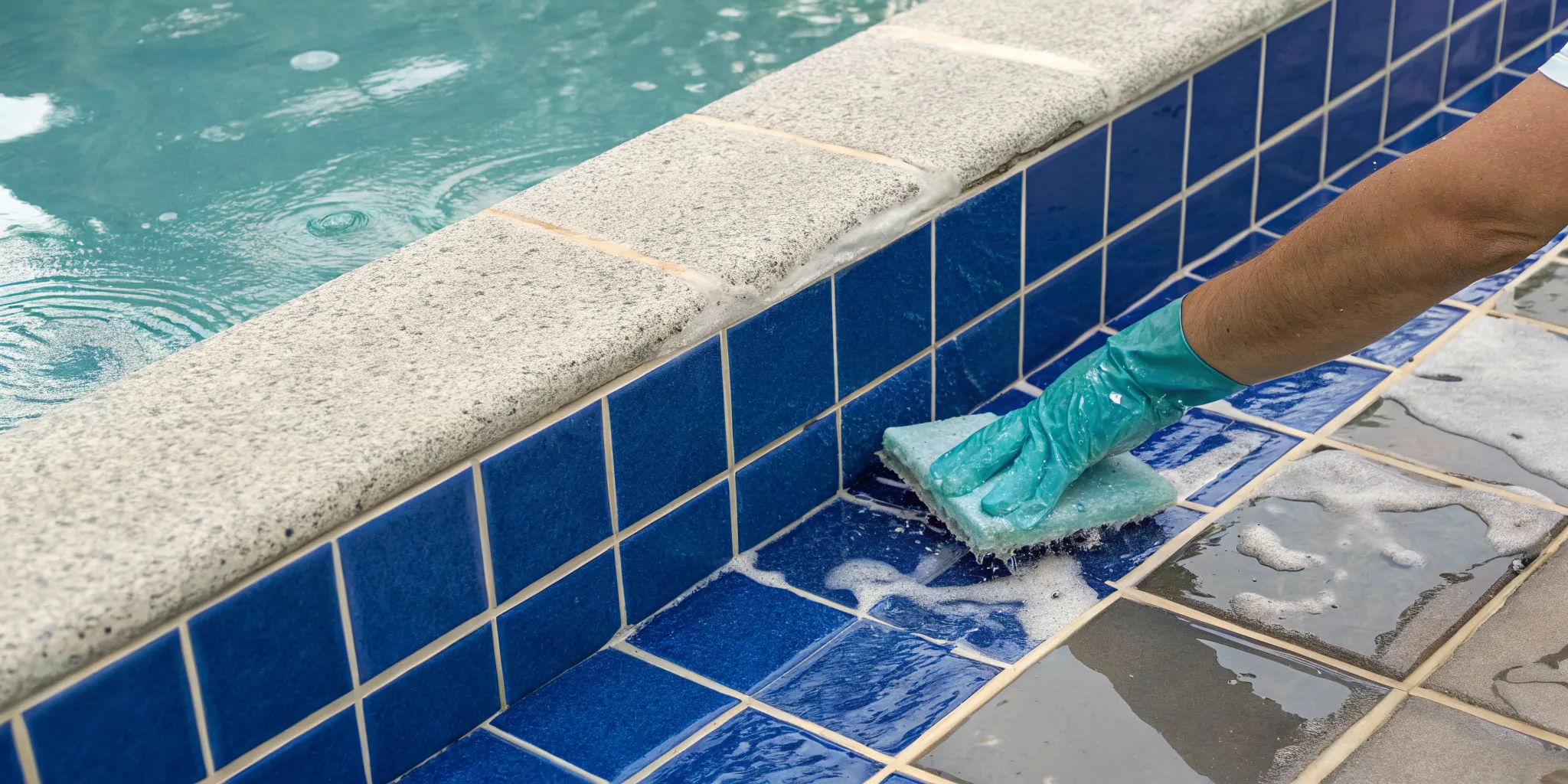
After flushing the lines, drain all the water. While it’s empty, give the acrylic shell a good scrub with a non-abrasive cleaner. Don’t forget to wipe down the jets, headrests, and the underside of your cover. This is also the perfect time to deep clean your filter. A thorough cleaning ensures you aren’t reintroducing grime into your fresh water. If you need the right products, you can find spa-safe supplies and chemicals to get the job done right.
How to Refill and Start Up Your Hot Tub
When it’s time to refill, place your garden hose directly into the filter housing unit. This simple trick helps prevent air from getting trapped in the plumbing, which can cause an "airlock" and stop your jets from working. Once the water level is above the highest jets, you can turn the power back on at the breaker.
Let the hot tub heat up to your desired temperature. After it’s warm, it’s time to test and balance the water. Add your sanitizer and adjust the pH and alkalinity levels as needed. It might take a day or two to get the chemistry just right. If you run into any issues like an airlock you can’t clear or a pump that won’t start, don’t hesitate to call for professional equipment repairs to get your spa running smoothly again.
How to Care for Your Hot Tub Cover
Your hot tub cover does more than just keep leaves and dirt out. It’s a crucial piece of equipment that traps heat, reduces evaporation, and keeps your energy bills in check. A heavy, waterlogged, or damaged cover can’t do its job effectively and can become a real hassle to handle. Giving your cover a little attention goes a long way in extending its life and protecting your investment. Think of it as the guardian of your hot tub; a well-maintained cover ensures your spa is always clean, warm, and ready for you to enjoy. A few simple steps can save you from the headache and expense of a premature replacement.
Inspect Your Cover Daily
A quick daily check is one of the easiest habits to form. Before you open your hot tub, take a moment to look over the cover's surface. You’re searching for any signs of wear and tear, like rips, punctures, or fading. Pay attention to how it feels. Is it getting heavier? A waterlogged cover is a sign that the inner foam core’s vapor barrier has been compromised, which means it’s losing its insulating power. Also, check that the straps and clips are secure and in good working order, especially on windy days. This simple, 30-second inspection helps you catch small issues before they become big problems.
Clean and Condition Your Cover
Regular cleaning keeps your cover looking great and functioning properly. At least once a month, give it a good wash. Use a gentle cleaner and a soft cloth or sponge to wipe down the top vinyl surface, then rinse it thoroughly with a hose and let it air dry. It’s also a great idea to clean the underside to prevent mildew and odor. To help it last, let the cover "breathe" by removing it completely for a few hours twice a week. This allows trapped moisture to escape. Applying a vinyl conditioner with UV protection every few months will also help prevent cracking and fading from the sun. You can find the right supplies and chemicals to keep your cover in top shape.
Protect Your Cover from Colorado Weather
Here in Colorado, our weather can be tough on hot tub covers. The intense sun can cause the vinyl to break down over time, while heavy snow can cause it to sag and break. To shield it from UV damage, consider using a cover cap or placing your hot tub in a shaded area. During winter, be sure to clear snow off the cover regularly with a broom, not a shovel, to avoid punctures. High winds can also be a problem, potentially lifting the cover and allowing debris into your spa. Always use the locking clips to secure it tightly. If your cover is showing signs of weather damage, our spa services team can help you find a durable replacement built to handle our unique climate.
Common Hot Tub Maintenance Mistakes to Avoid
Knowing what not to do is just as important as following a checklist. A few common missteps can quickly undo all your hard work, leading to cloudy water, skin irritation, or even damage to your spa’s equipment. The good news is that these mistakes are easy to avoid once you know what to look for. Think of this as your guide to sidestepping the usual pitfalls of hot tub ownership. By steering clear of these simple errors, you’ll spend less time troubleshooting and more time relaxing.
Of course, if you ever feel overwhelmed or just want a professional to handle it, our spa services team is always here to help keep your hot tub in perfect condition. Getting into a good routine and avoiding these habits will make your maintenance tasks feel effortless and keep your spa running smoothly for years.
Using the Wrong Cleaners
It can be tempting to grab a bottle of all-purpose household cleaner to wipe down your hot tub shell, but this is a major mistake. Cleaners not specifically designed for spas can introduce soaps and phosphates into your water, leading to a foamy mess and making it much harder to balance your water chemistry. These products can also be too abrasive for your spa’s acrylic surface, causing scratches and long-term damage. Always stick to products formulated for hot tubs. We can help you find the right supplies and chemicals to clean your spa safely and effectively without disrupting the water balance.
Skipping Water Tests
Your hot tub’s water chemistry isn’t a "set it and forget it" situation. It changes every time someone uses the spa and with every chemical you add. Skipping regular water tests is one of the fastest ways to let problems like bacteria growth or corrosive water take hold. You should get in the habit of testing the water two to four times a week, especially if the hot tub is getting a lot of use. This quick check only takes a minute but gives you the information you need to make small, precise adjustments. Consistent testing prevents bigger issues, but if you fall behind, our cleaning and maintenance plans can get your water back on track.
Guessing with Chemicals
Adding chemicals to your hot tub shouldn’t feel like a guessing game. Simply dumping in chemicals without measuring or following the proper sequence can make your water problems worse. For example, you should always adjust the total alkalinity before you adjust the pH, because alkalinity helps stabilize the pH level. After adding any chemicals, especially a shock treatment, leave the cover off for at least 20 to 30 minutes. This allows gases to vent and prevents the chemical vapors from getting trapped and damaging the underside of your hot tub cover. Following a clear process ensures each chemical can do its job effectively.
Forgetting the Filter and Water Changes
Two of the most overlooked maintenance tasks are cleaning the filter and draining the water. Your filter is the workhorse of your spa, trapping debris, oils, and lotions. If it’s clogged, it can’t clean the water properly and puts extra strain on your pump, which can lead to costly repairs. Plan to rinse your filter every one to two weeks and give it a deep clean monthly. Additionally, you should drain and refill your hot tub every three to four months. Over time, the water becomes saturated with dissolved solids, making your chemicals less effective. A fresh start is the only way to restore water quality and ensure a clean, safe soak.
The Best Tools and Products for Hot Tub Cleaning
Keeping your hot tub sparkling clean is less about elbow grease and more about having the right supplies. When you stock your cabinet with the correct tools and chemicals, routine maintenance becomes a quick and simple task. It saves you from guesswork and helps protect your investment for years to come. Think of this as your ultimate shopping list for a healthy, happy hot tub.
Essential Chemicals and Sanitizers
First things first, let's talk water chemistry. Balanced water is safe, comfortable, and prevents damage to your hot tub's components. To keep everything in check, you’ll need a basic chemical toolkit. This includes a pH increaser and decreaser, an alkalinity increaser to keep pH levels stable, and a sanitizer like chlorine or bromine to eliminate germs. You'll also want a shock treatment to periodically clear the water. The most important tool, however, is a set of test strips or a liquid test kit to check your levels every few days. If you ever need to restock, we offer a full range of supplies and chemicals to keep your spa in perfect condition.
Must-Have Cleaning Tools
Beyond chemicals, a few physical tools will make your life much easier. A skimmer net is perfect for scooping out leaves, bugs, and other floating debris before they sink. For sunken dirt and grit, a small, specialized hot tub vacuum is a fantastic investment. Your filter is the unsung hero of your spa, so show it some love. Rinsing it weekly is great, but for a truly deep clean, you’ll need a dedicated filter cleaner spray or solution. These simple tools are the foundation of a good cleaning and maintenance routine and will help you keep your water crystal clear between soaks.
Products to Avoid
What you don't use is just as important as what you do. Please, step away from the kitchen cleaners! Never use household products like dish soap, glass cleaner, or all-purpose bleach inside your hot tub. These products can create a foamy mess, throw your water chemistry completely out of whack, and can even damage the acrylic shell of your spa. Using the wrong cleaner can also void your warranty. Always stick to products specifically designed for hot tubs. If you accidentally use the wrong product and notice issues with your equipment, it might be time to call in a professional for equipment repairs to prevent long-term damage.
Adjust Your Hot Tub Care for Colorado Seasons
Living in Colorado means experiencing a full range of weather, sometimes all in one day. Your hot tub feels it, too. Adjusting your care routine with the seasons is the best way to keep your spa running smoothly and ready for you to enjoy, whether it’s a snowy evening or a warm summer night. A little seasonal planning prevents bigger issues down the road and ensures your hot tub remains a relaxing retreat all year long.
Prepare Your Hot Tub for Winter
Colorado’s unpredictable weather, especially the sudden temperature drops, can be tough on your hot tub. To prevent freezing and damage, make sure your spa is ready for the cold. Keep the water level consistent, as low levels can cause the pumps and heater to shut off. Your hot tub cover is your first line of defense, so check it for any rips or tears that could let heat escape. Most importantly, keep your hot tub running, even at a lower temperature, to prevent the pipes from freezing. If you notice your heater isn't keeping up, it’s best to schedule professional spa services before a cold snap hits.
Adjust Your Routine for Summer
During our beautiful Colorado summers, you’ll likely use your hot tub more for evening soaks. This increased use, combined with higher temperatures, means you’ll need to pay closer attention to your water quality. The summer sun can also be harsh, so protecting your tub from UV exposure is key. If possible, use a canopy or place your spa in a shaded area to protect the cover from fading and cracking. You may also need to test and adjust your sanitizer levels more frequently, as the heat can cause chemicals to dissipate faster. Keeping a good stock of essential supplies and chemicals will make these quick adjustments easy.
Manage Hard Water and Mineral Buildup
Colorado's environment presents unique challenges for hot tub owners. The combination of dry air, high altitude, and hard water can accelerate sanitizer burn-off and lead to mineral scaling. This buildup can make your water cloudy and put a strain on your equipment, like the heater and jets. To manage this, get into the habit of testing your water regularly for hardness, pH, and alkalinity. Using a scale-control product can help prevent mineral deposits from forming on your spa’s surfaces and inside the plumbing. Consistent cleaning and maintenance is the best way to combat the effects of our local water and keep your hot tub in top condition.
Create Your Own Maintenance Schedule
The secret to stress-free hot tub ownership isn’t a magic product; it’s a solid routine. Creating a personalized maintenance schedule turns a long list of tasks into manageable, bite-sized habits. Instead of reacting to problems like cloudy water or strange smells, you’ll be proactively keeping your spa in top condition. A good schedule considers how often you use your hot tub, its location, and the unique challenges of Colorado’s climate.
Think of it as a simple checklist you can follow daily, weekly, and monthly. This approach not only saves you time but also prevents small issues from becoming major headaches. When you know exactly what needs to be done and when, you can spend less time working on your hot tub and more time enjoying it. If you ever need help getting your water chemistry just right, we have all the supplies and chemicals you need to get back on track.
Build a Routine That Works for You
Your perfect hot tub maintenance schedule depends entirely on your lifestyle. A hot tub used for weekly family gatherings will need more frequent attention than one used by a couple a few times a month. To care for your hot tub effectively, you need a plan tailored to your specific use and Colorado’s environment. Start by mapping out your daily, weekly, and monthly tasks. For example, a daily check might just be a quick look at the cover and water clarity, while weekly tasks involve testing the water and cleaning the filter. Adjust the frequency based on what you observe.
Use Logs and Reminders to Stay on Track
Consistency is much easier when you have a system. Keep a simple logbook or use a notes app on your phone to record your maintenance activities. Every time you test the water, jot down the date and the results. This simple habit helps you see patterns over time, making it easier to predict when you’ll need to add chemicals or perform a deep clean. Set calendar reminders for weekly and monthly tasks, like cleaning the filter or draining the tub. These small organizational steps take the guesswork out of hot tub care and ensure nothing gets missed.
Why Consistency Is Key
Regular maintenance is the best way to keep your hot tub water clear, clean, and safe for everyone to enjoy. When you stick to a schedule, you prevent the buildup of contaminants that can lead to skin irritation or equipment damage. Being consistent with your cleaning routine is the best way to avoid big problems and make your hot tub last longer. A well-maintained spa runs more efficiently and is less likely to need unexpected repairs. And if you do run into an issue you can’t solve, our professional spa services are always here to help.
When to Call a Hot Tub Professional
While consistent DIY maintenance is the foundation of a healthy hot tub, there are times when calling in a professional is the smartest move. Think of it as having a trusted expert in your corner. Knowing when to hand over the reins can save you from a frustrating afternoon of troubleshooting and prevent a small issue from turning into a major headache. A professional can diagnose problems quickly, handle complex tasks efficiently, and give you peace of mind knowing your investment is in good hands. It’s not about giving up; it’s about being a savvy hot tub owner who knows when to ask for help.
Warning Signs You Need an Expert
Sometimes your hot tub sends clear signals that it needs more than a routine cleaning. If you notice persistent issues like cloudy water that won’t clear up, a strong chemical odor, or foam that keeps coming back, it’s time to call for help. Other red flags include strange noises from the pump or heater, error codes on your control panel, or water that just won’t get hot. Acting quickly is key. Calling a repair technician at the first sign of trouble can stop minor problems from becoming bigger, more expensive ones, keeping your hot tub running smoothly for years to come.
The Benefits of Professional Service
Handing your hot tub care over to a pro does more than just free up your weekend. Professional spa services offer a level of deep cleaning and inspection that goes beyond typical maintenance. A technician can handle the heavy lifting, like draining and refilling, scrubbing the shell, and deep cleaning filters and jets. They also perform a comprehensive equipment inspection to catch potential issues before they start. Plus, an expert with experience in Colorado’s climate knows exactly how to balance your water chemistry to handle our unique conditions. It’s the easiest way to ensure your hot tub stays in perfect condition, so all you have to do is relax and enjoy it.
Frequently Asked Questions
My hot tub water is cloudy. What's the first thing I should do? Cloudy water is a common issue, and the fix is usually straightforward. Before you add any chemicals, start by checking your filter. A dirty or clogged filter can’t do its job, so give it a thorough rinse. If that doesn't solve the problem, test your water chemistry next. Often, an imbalance in your pH or sanitizer levels is the culprit. After balancing the water, shocking it can help clear up any remaining contaminants.
How often should I test the water if I only use my hot tub once a week? Even if you aren't using your spa frequently, you should still test the water at least twice a week. Your sanitizer is constantly working to keep the water clean, and its levels will deplete over time regardless of use. A good habit is to test the water once mid-week and again a day or so before you plan to use it. This ensures the water is always balanced and safe when you're ready for a soak.
What's the difference between sanitizing and shocking my hot tub? Think of sanitizing as your daily cleaning and shocking as your weekly deep clean. Your sanitizer (chlorine or bromine) works around the clock to kill bacteria and keep the water safe for everyday use. Shocking is the process of adding a larger dose of oxidizer to the water to break down oils, lotions, and other organic waste that your sanitizer can't handle alone. This process also helps reactivate your sanitizer, making it more effective.
Why does my hot tub get foamy, and how can I fix it? Foam is usually caused by a buildup of lotions, soaps, hair products, and detergents that get into the water from our bodies and swimsuits. While a defoamer product can offer a quick fix, the best long-term solution is to address the root cause. Rinsing off before you get in and washing your swimsuits in water only (no detergent) can make a big difference. If the foam persists, it's likely a sign that it's time to drain and refill your hot tub for a fresh start.
Is it really necessary to drain my hot tub completely every few months? Yes, it's one of the most important things you can do for your spa's health. Over time, the water becomes saturated with dissolved solids, chemicals, and other residues that your filter and sanitizer can no longer manage effectively. This makes the water harder to balance and less pleasant to soak in. Draining and refilling your hot tub every three to four months is like hitting a reset button, giving you fresh, clean water that is easier to care for and safer for you and your equipment.
Related Blogs